


How to Choose the Right Meta Quest 2 Strap: Comfort, Balance, and Performance for Gaming, Fitness, and Social VR
Meta meta-quest-2-what-fits-and-what-to-avoid" rel="nofollow noopener noreferrer">Quest 2 owners quickly learn that the stock strap is functional but not perfect for every use. Whether you’re grinding ranked matches, sweating through a boxing circuit, or settling into a long social hangout, the strap you choose shapes comfort, stability, and even how clear your view feels. ⏱️ 10-min read
This guide walks you through strap types, targeted features for gaming, fitness, and social use, and practical setup and maintenance advice. Read on for case-driven recommendations and step-by-step routines that help you pick, install, and care for a Quest 2 strap that suits how you actually use VR.
Choosing the Right Strap: Core Differences and Fit Goals
Start by matching strap design to your primary use case. Strap styles fall into three practical buckets: the stock/standard strap, halo or crown styles (including many third-party "halo" designs), and rear/backstrap systems such as the official Elite Strap and its variants. Each shifts where the headset rests and how weight is distributed, and that changes what pressure points you’ll feel.
Halo-style straps wrap around the sides and often press against the cheeks, which is excellent for image stability during rapid head turns but can create hotspots on the face after long sessions. Crown or top-band straps place load across the skull’s apex, easing cheek pressure but sometimes feeling top-heavy—especially if you wear glasses. Backstrap systems anchor toward the rear of the head and spread load toward the neck and occipital bone; they generally reduce cheek pressure but may need extra tuning to stay put during intense motion.
Use these fit criteria when you evaluate options: pressure points (cheeks, temples, forehead), adjustability (micro-tuning dials vs. Velcro), glasses compatibility (clearance and temple relief), materials (breathability and sweat resistance), and installation ease (snap-in connectors, screws, or quick-release). Choosing a strap that aligns with those goals saves time and discomfort later—don’t assume one style fits every session.
Gaming Comfort: Strap Features That Reward Long Sessions
For serious gaming—fast-paced shooters, competitive rhythm games, or anything that requires snap turns and quick head tracking—stability and balanced weight matter more than plush padding. You want the display to stay centered on your eyes so input feels consistent, and you want minimal slippage when you lunge or duck.
Look for wide crown padding paired with a rear harness or dorsal pad that sits on the occipital ridge. That combination spreads weight upward and back, pulling load off the cheeks and nose. The official Elite Strap and Elite Strap with Battery are commonly referenced because they move the center of mass rearward and offer a dial or ratcheting mechanism for quick micro-adjustments between rounds.
Other gaming-friendly touches: a one-handed quick-adjust dial or buckle, a broad stabilizer bar to reduce tilt, and a firm—but not toothy—contact pad that resists sliding. These elements preserve face alignment without squeezing too tight. In practice, players report that a well-balanced rear harness reduces display wobble and facial fatigue during 90–120 minute sessions, and it keeps voice and mic angles steady for streaming or team play. If you stream or compete, prioritize balance and micro-adjustability over maximal padding; a little less pillow and a lot less drift is the trade-off winners prefer.
Fitness Scenarios: Sweat-Safe Materials and Quick Adjustments
When VR becomes cardio, the strap’s fabric and adjusters decide whether the headset stays put or slides into your eyes. For HIIT, boxing, dance, or treadmill gameplay, prioritize moisture-wicking, quick-dry materials and hardware that resists corrosion and salt buildup.
Good choices: nylon-polyester blends with antimicrobial finishes, removable washable covers, and smooth silicone or water-repellent outer layers that block sweat from soaking into foam. Avoid straps with deep fabric creases that trap moisture; instead choose options with flat, synthetic surfaces or removable pads you can launder. Water-resistant snaps, stainless hardware, and silicone-coated buckles make real-world maintenance simple and prolong strap life.
Functionally, you want non-slip contact—that might mean a silicone-backed band or a tighter rear harness—plus quick-release buckles or ratcheting dials so you can adjust between rounds without taking your headset off. Try the strap on and perform a few rapid head shakes and vertical jumps to confirm the headset doesn’t migrate. After workouts, wipe down with a damp microfiber cloth or mild soap solution and air dry thoroughly. For frequent cardio users, a washable cover or replaceable padding is worth the extra cost; it keeps odors down and prevents degraded materials from undermining fit over time.
Social and Glasses-Friendly Setups: Quick Fit and Clear Vision
Social VR is less about aggressive movements and more about comfort, quick on/off, and clear optics when you’re chatting. If you wear glasses, the strap’s geometry becomes critical: it must avoid pinching temple arms or pressing frames into your skin.
Choose straps with a wider rear profile and a curved or split design that routes pressure away from the temples. A soft, raised crown pad creates clearance for frames and prevents the headset from sitting directly on the arms of your glasses. If your frames are tall or thick, aim for a setup that positions the headset slightly higher on the skull to avoid squeezing the temples between strap and headset.
To reduce lens fogging during social sessions, focus on tilt and alignment. Raise or lower the crown strap to get the lenses centered at eye level, then adjust the cheek-side straps to control the headset’s tilt. Proper tilt directs exhaled air downward instead of into the lenses. Breathable padding and perforated covers also help reduce heat buildup and condensation. For quick social meetups, favor light, breathable straps with easy-release features—so you can pass the headset around or remove it quickly without disturbing the fit for the next person.
Install, Adjust, and Maintain: A Beginner's Guide
Installing and tuning a new Quest 2 strap is straightforward but doing it right pays off. Follow this step-by-step routine to protect your headset and get a baseline fit you can refine.
- Power off the headset. Remove the current strap by pressing the release tabs on the side posts and gently pulling the band free. Set screws or small components in a safe place.
- Inspect and clean the mounting points with a dry microfiber cloth. Remove dust, skin oils, or debris that could interfere with clips or pins.
- Align the new strap’s connectors with the Quest 2 slots and press until you hear a click. Give a gentle tug to confirm a secure fit. If your strap uses screws, hand-tighten to the manufacturer’s torque recommendation—don’t overtighten.
- Start with the top strap length relatively loose and cheek-side straps only snug. Place the headset on, then pull the crown and rear straps slowly until the display sits comfortably at eye line.
- Test movement: nod, tilt, shake, and lean forward. The headset should remain centered. Use the quick-adjust dial or buckle to micro-tune; stop tightening when the headset is stable but not painful.
Maintenance tips: wipe sweat-prone areas after use, launder removable covers per the manufacturer’s instructions, and avoid saturating foam or electronics. Replace worn pads or elastic bands before they stretch out enough to compromise fit. Regular inspection of snap points and screws prevents a surprise failure mid-session.
Weight, Balance, and Comfort: How Strap Choice Affects Your Head
The way weight sits on your head changes your whole VR experience. A strap that redistributes mass to the back reduces nose and cheek pressure but can increase top-of-head or neck tension. Understanding these trade-offs lets you choose a setup that minimizes the discomfort most relevant to your sessions.
Adding a battery pack or heavy accessory shifts the center of gravity rearward. That rear bias reduces front-face pressure, which many users prefer for long gaming or streaming sessions, but it also increases load on the crown and neck. To mitigate this, use a broad occipital pad and balanced crown support so the load spreads across the skull rather than concentrating at a single point.
Even tension across straps is more important than absolute tightness. Aim for snugness that keeps the display centered under moderate motion; over-tightening amplifies hotspots and headaches, while under-tightening lets the headset slip. If you feel a hotspot developing behind the ears or high on the forehead, redistribute by loosening one strap and tightening another until pressure diffuses. For heavy rear-mounted batteries, experiment with strap height—raising or lowering the crown pad changes the moment arm and can reduce perceived pull on your neck. Small adjustments often yield big comfort gains.
Ecosystem, Compatibility, and Accessories: Third-Party Options and Cross-Brand Fit
Most Quest 2 straps use standard side-post connectors, so many aftermarket options snap into place without tools. Yet not every third-party backplate or harness fits perfectly. Differences in post height, mounting footprint, or battery mounting style can cause subtle misalignment that becomes a pressure point after an hour of use.
When shopping third-party straps, verify attachment method and battery compatibility. Some brands offer recessed battery slots; others use external clips. If you plan to add a battery, confirm the strap’s mounting geometry—an ill-fitting battery can shift tracking or cause wobble during sharp turns. Trusted comfort accessory brands include VR Cover, KIWI Design, AMVR, and a range of smaller makers; read user reviews for your specific headset model and check return policies in case fit is off.
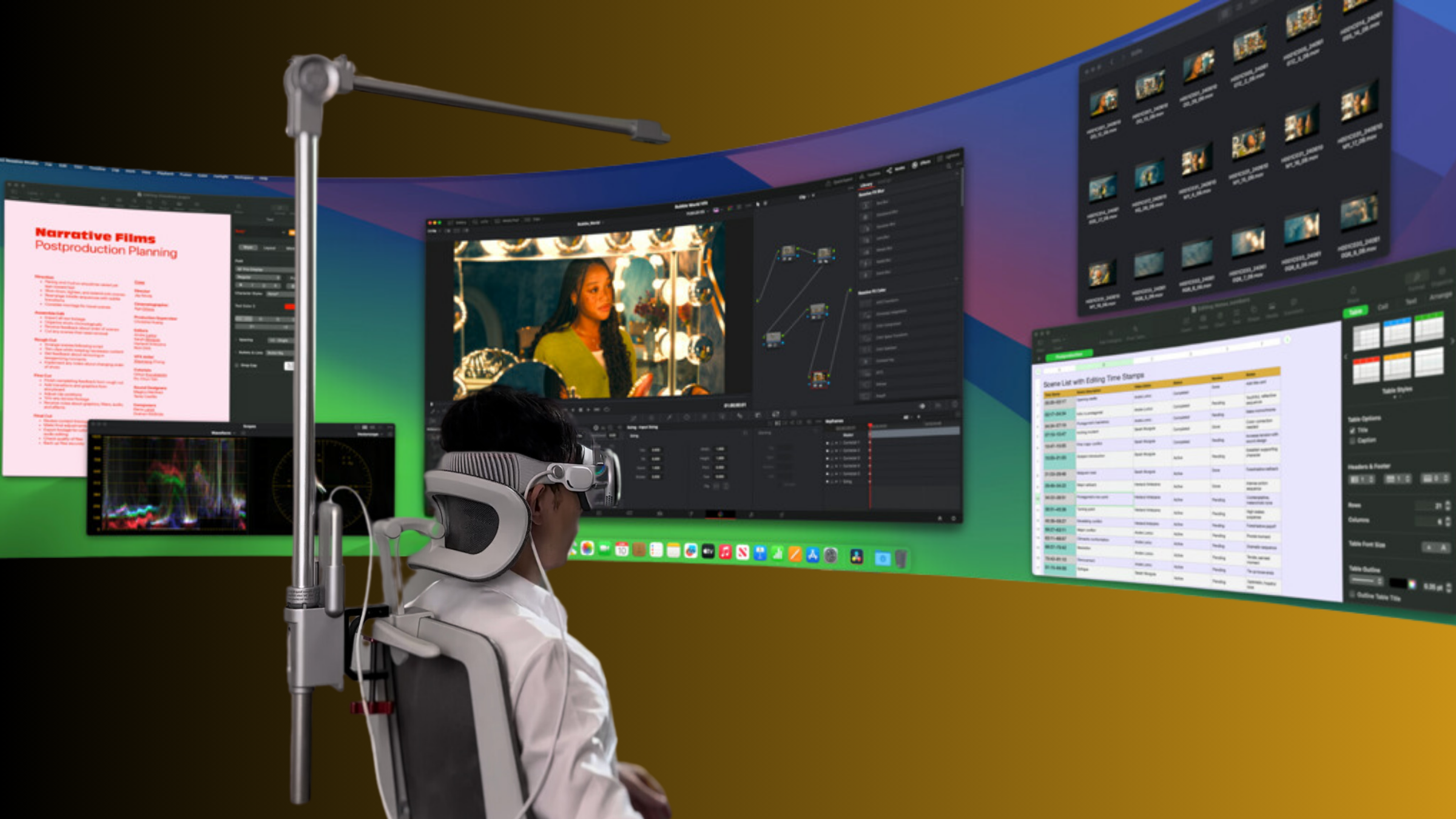
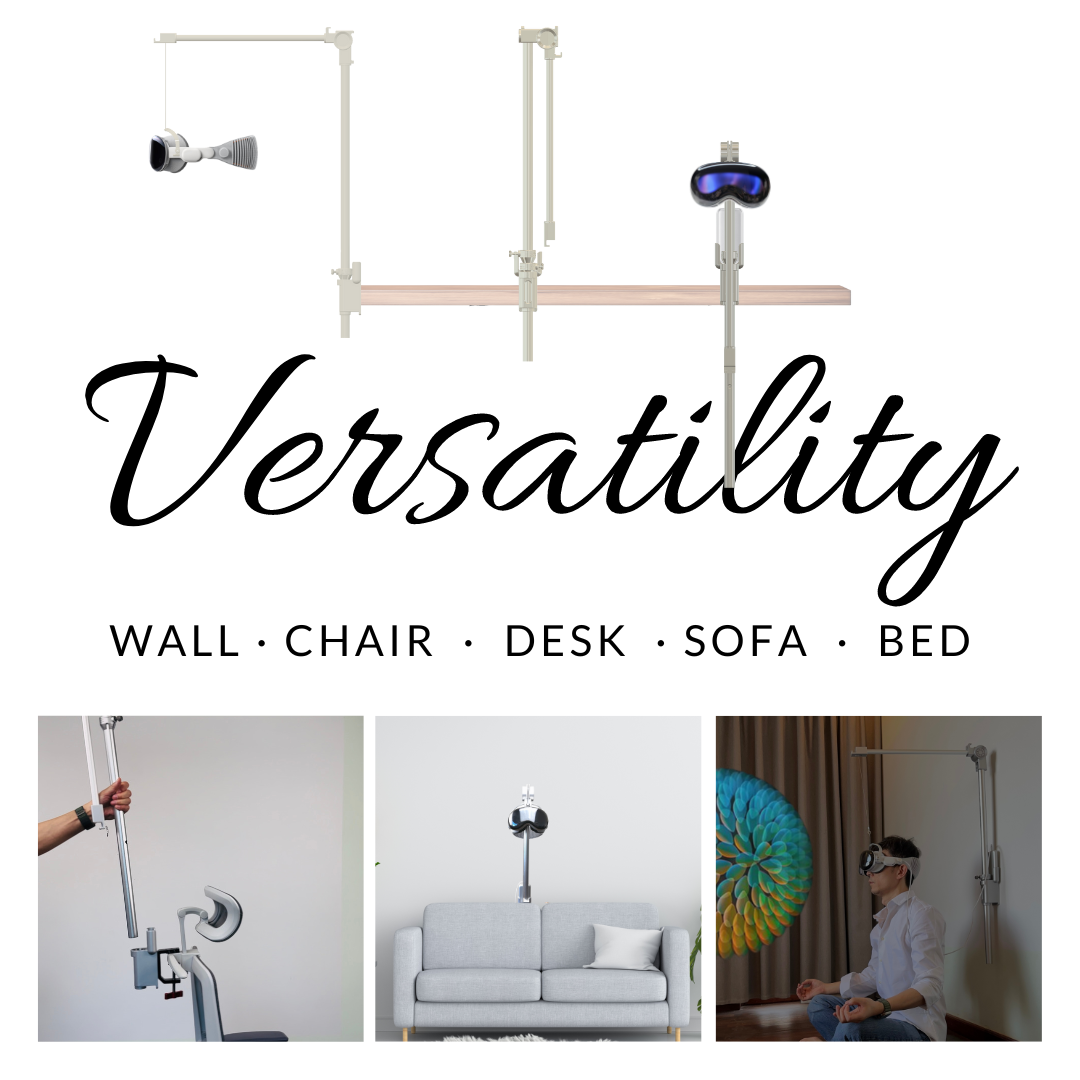
Replacement parts and covers are typically available; choose washable covers and replace foam inserts periodically. Note about cross-brand compatibility: accessories designed for other headsets—such as Apple Vision Pro accessories—are unlikely to fit Quest 2 due to differing mounting systems and dimensions. Always expect brand-specific differences and look for documented Quest 2 compatibility before purchasing.
Real-World Scenarios: Case Studies in Gaming, Fitness, and Social Use
Concrete examples help translate the feature talk into decisions. Here are three short case studies showing how strap choice affects real sessions.
Case A — Gaming: A streamer spends 2–3 hours per session. Switching from the stock strap to an Elite Strap with Battery redistributed weight rearward, reducing cheek pressure and facial fatigue. The streamer reported steadier head tracking during quick turns, fewer display adjustments mid-stream, and more comfortable voice mic placement during long matches. The rear battery also extended playtime without compromising balance because the elite rear pad smoothed the load.
Case B — Fitness: A user who teaches VR cardio classes chose a sweat-resistant third-party strap with removable washable covers and silicone-backed contact points. During high-intensity intervals the headset stayed secure, and cleanup took minutes. The strap’s quick-release buckles allowed quick transitions between students and sessions, and the antimicrobial fabric kept odor under control over months of daily use.
Case C — Social: For long social hangouts, a light, breathable crown strap with a raised crown pad and curved rear panel improved glasses clearance and reduced fogging. That setup made it easy to hand the headset between friends without repeatedly tweaking temple clearance. The user valued subtle textile colors and a matte finish that looked approachable during public meetups.
Step-by-Step Quick-Start Routine: Setup for a New Quest 2 Strap
This compact routine gets you from unboxing to a tested fit in minutes, tuned for whichever use case matters most.
- Choose your strap based on primary use: rear harness for gaming, sweat-resistant straps for fitness, and breathable crowns for social use.
- Power off and remove the old strap. Clean the headset’s side posts and slots with a dry microfiber cloth.
- Attach the new strap, press until you hear a click, and tug gently to confirm. If screws are used, hand-tighten per instructions.
- Initial fit: keep the top strap loose, fasten cheek-side straps until the display sits at eye level, then pull crown/rear straps until the headset feels centered.
- Test with motion: walk, turn quickly, nod, and simulate the motions of your typical session. Use the quick-adjust dial or buckles to fine-tune until the headset remains stable under motion without discomfort.
- After first session, inspect pads and connectors for wear. Wipe down sweat-prone areas and launder removable covers.
For newcomers: start with a neutral baseline and make small adjustments between sessions. Comfort patterns emerge fast—if a spot becomes sore within 15–30 minutes, re-balance straps rather than tighten. That simple habit preserves fit and prevents headaches.
Next step: pick the strap that suits your main use, follow the quick-start routine above, and plan a short break-in period—small tweaks after a couple of sessions usually produce the perfect fit.

Share:
Third-Party Meta Quest Straps: Durability, Comfort, and Value Compared
Value and Longevity Is the Elite Strap Worth the Extra Cost Over the Comfort Strap