

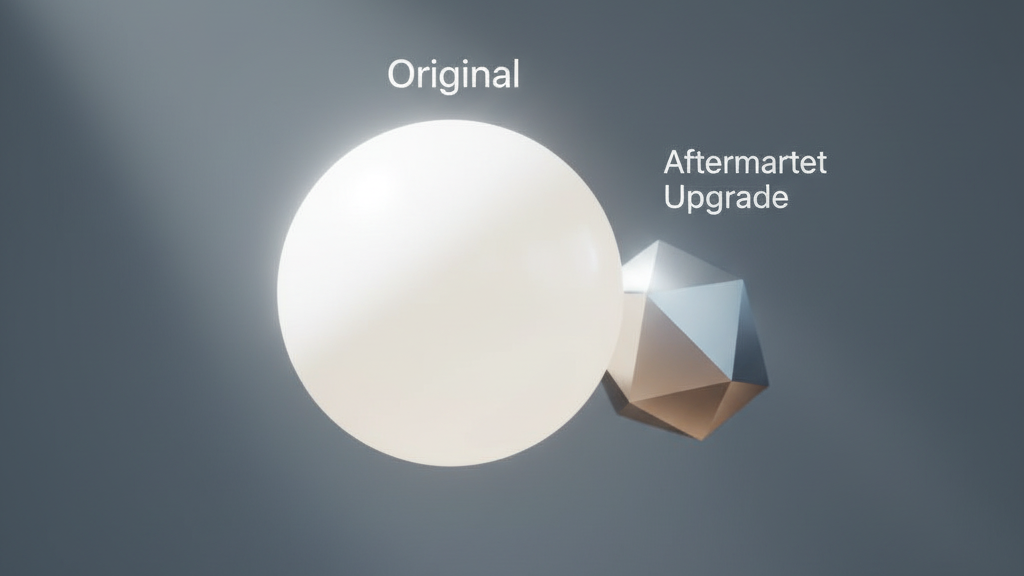
Quest 2 Strap Showdown: Stock vs Aftermarket for Long-Session Comfort
If you push your Quest 2 beyond half-hour demo sessions—whether for multi-hour training, flight sims, or marathon co-op nights—the headset strap quickly becomes a limiting factor. The stock fabric strap is light and fuss-free, but hotspots, forehead pressure, and shifting can shorten comfortable play. Aftermarket straps promise broader contact, thicker padding, and better balance, yet they add weight and complexity. ⏱️ 10-min read
This guide gives a practical, long-session–focused comparison of the original Quest 2 strap versus the most useful aftermarket upgrades. You’ll get clear explanations of how strap geometry and materials affect pressure points, simple install-and-adjust steps, model recommendations grouped by what they actually solve, and a 6-point quick-decision checklist to help you choose the right upgrade for all-day comfort.
Overview: Original Quest 2 Strap vs Aftermarket Options
The stock Quest 2 strap is purposeful in its simplicity: a single fabric loop with modest foam and a small plastic mount. It’s light, easy to fit, and keeps the headset feeling nimble in short sessions. That same minimalism concentrates force into a few contact zones—forehead, temples, and a small crown area—so after 45–90 minutes many users report hotspots or sliding.
Aftermarket straps target that weakness. Most add wider bands, memory‑foam or high‑density padding, and multiple adjustment points (top, rear, and side) so pressure is distributed across a larger surface. Some include occipital pads or rigid back plates that transfer load toward the rear of the skull; others integrate battery packs to extend playtime. The trade-offs are predictable: more padding and rear support improve steadiness and comfort at the expense of added weight, bulk, and cost. Installation ranges from plug-and-play swaps to systems that require different back plates or third‑party clips—so check compatibility before buying.
Comfort, Fit, and Weight Distribution
Comfort in VR is mechanical: where and how force meets your skull. Strap geometry (single band, split-top, rigid halo), padding density, and the tension you dial in determine whether pressure is focused or spread. The stock strap’s thin foam and single horizontal band concentrate load—think of a narrow belt pressing into the same line on your forehead. Aftermarket options replace that narrow line with broader contact points or a split-top that transfers load to the crown and occipital region.
High-density foams (memory foam, closed-cell foams) spread pressure and rebound slowly, preventing sharp soreness. A wider top strap prevents shifting on hair and keeps the headset level, while a contoured rear pad stabilizes the base of the skull to reduce forward tilt. Micro-adjustments at the rear are crucial: a knob or slider allows you to fine‑tune how much weight sits on your forehead versus the back of your head.
Weight distribution matters as much as absolute weight. A battery-equipped strap will reduce forehead pressure by shifting mass backward, but if the rear pad is thin you’ll trade forehead soreness for an occipital hotspot and potential neck fatigue if you spend a lot of time looking down. For long sessions, prioritize even compression across a broad area and breathable padding that won’t trap heat.
Popular Aftermarket Straps to Consider
Not all upgrades chase the same problem. Below are the common, well-regarded options and what they practically deliver for long sessions:
- Meta Elite Strap (with/without battery): Direct, reliable upgrade. The non‑battery Elite Strap adds firmer rear support and a wider contact surface for improved steadiness. The battery variant moves weight rearward and extends headset runtime—but it’s noticeably heavier and benefits from a padded occipital band to avoid rear strain.
- Kiwi Design Deluxe Head Strap: Emphasizes plush comfort—thicker memory foam and a roomy top band spread pressure well for marathon gaming. It’s bulkier and can push the headset slightly forward; works best with a dialed rear pad.
- AMVR Options: Affordable, padded alternatives with side padding and straightforward adjustment (knobs or Velcro). Good value if you want more cushion without a large premium.
- BoboVR and similar halo designs: These often use a semi-rigid halo plus rear support to create stable balance. They can be a sweet spot between Elite’s rigid support and Kiwi’s plush padding.
When deciding, ask what you want solved: more cushioning, better balance, or added battery life. Each model trades one comfort variable for another; read hands-on reviews that measure how a strap changes weight distribution, not just whether it feels “softer.”
Installation and Adjustment: A Beginner’s Guide
Swapping straps is usually straightforward, but correct orientation and micro-adjustments make the difference between “slightly better” and “night-and-day” comfort. Here’s a step-by-step that covers most aftermarket straps and emphasizes long-session setup.
- Power down and remove the headset. Release the original band by unhooking it from the side anchors—most use quick-release clips on the Quest 2 hubs.
- If your new strap uses the same clips, align and press the mounting tabs into the side hubs until you hear a click. For straps with different back plates, follow the manufacturer’s directions to replace the rear mount.
- Position the rear pad so it contacts the occipital bone (the base of your skull). With the pad at that sweet spot, look straight ahead—this orientation keeps the headset from tipping forward during play.
- Attach any battery pack or extra cushions first. Route cables away from the facial interface to prevent pinching or lens interference. Secure loose cables with included clips or small Velcro ties.
- Adjust the top strap so the headset sits level on your face. Tighten the rear dial or straps incrementally until the headset feels secure but not pinching. Aim for a snug crown fit that prevents the headset from sliding when you lean forward.
- Test with movement—look down, turn your head, and jump lightly. Rebalance if the headset slides or creates fresh pressure points. Use small changes rather than big pulls; micro-adjustments matter most.
Finally, test with and without glasses if you wear them. Some aftermarket straps change how the headset seals, so verify clearance and lens distance before long sessions.
Weight, Balance, and All-Day Comfort
For multi-hour sessions the single most common complaint is neck fatigue. The reason isn’t always total weight—it’s where that weight sits. A well-designed strap redistributes some of the headset’s forward pull toward the rear and across the crown so the neck supports a balanced load rather than fighting a forward-heavy device.
Rear-supported designs and rigid back plates excel at this. They transfer load to larger, stiffer surfaces and reduce the tendency for the headset to pivot forward. However, if the back pad is narrow or unpadded, you’ll create a new hotspot at the occiput. Choose styles with a sizeable, cushioned rear pad or a split-top design that shares the load.
Battery straps are a double-edged sword: they reduce forehead pressure and extend playtime, but they increase static mass behind your head. Expect a short adaptation period when you switch to a battery pack—initially it can feel rear-heavy when you look down. To minimize this, seek straps with adjustable rear angles and substantial padding under the battery. For very long sessions, alternate-mounted setups or periodic breaks to relieve muscle fatigue are useful tactics.
Practical rule: if you routinely do seated work that involves looking down (cockpit sims, seated training), pick a strap that keeps the center of mass close to the head’s natural pivot point; if you stand and move a lot, prioritize low-profile padding and secure side straps to prevent shifting.
Glasses Wearers and Compatibility Considerations
Glasses introduce a unique set of constraints: temple clearance, lens contact risk, and fogging. A strap that improves long-session comfort but compresses the facial interface can rub frames, push lenses, or worsen fogging—turning a comfort upgrade into a nuisance. Look for straps that advertise glasses-friendly geometry and verify three things before buying.
First, eye relief: does the headset sit slightly farther from the face with this strap? More eye relief reduces lens contact with frames. Second, padding cutouts: straps and facial interfaces with deeper temple cutouts and softly finished edges prevent frame pressure. Third, adjustable rear pads: being able to move the headset slightly forward or back helps accommodate different bridge heights and nose shapes.
Try before you buy when possible—test the strap with the actual eyeglasses you wear, including thicker frames or sunglasses if you switch. If that’s not possible, read user feedback from other glasses wearers and check return policies carefully. As a small tip: thinner temple arms and a lower nose bridge on your frames can help compatibility with many aftermarket straps, but that’s a glasses-side change rather than a strap fix.
Maintenance, Cleaning, and Longevity
Straps work hard—sweat, oils from skin and hair products, and repeated tension all wear them down. Simple maintenance keeps pads comfortable and prevents failures during long sessions. For routine cleaning, use a damp microfiber cloth and mild soap or a gentle cleaner; avoid harsh solvents that can break down foam and elastic. After wiping, air-dry thoroughly in a ventilated area—do not heat-dry or expose padding to direct sun or heaters, which will degrade foams and adhesives.
Inspect mounting points, clips, and stitching every few weeks if you game often. Look for loose screws, frayed stitching, or cracked plastic around quick-release hubs. Tighten loose hardware and replace damaged straps immediately; a failing strap under load can cause an abrupt drop and possible damage. Rotating between two straps can dramatically extend life—the wear gets distributed and you can deep-clean one while using the other.
For battery-equipped straps, follow battery care best practices: avoid leaving the pack fully discharged for long periods, store in a cool dry place, and inspect cable insulation. Replace foam cushions when they compress or show permanent deformation; many vendors sell replacement pads for a fraction of a full strap’s price, extending usability without replacing the entire system.
Buying Guide: How to Choose and Where to Buy
Selecting the right strap requires weighing comfort features against price and compatibility. Use these selection criteria as your evaluation framework:
- Padding type and coverage: Memory foam vs open-cell; size and shape of the rear pad.
- Adjustability: Presence of top strap, rear dial, side sliders, and micro-adjust options.
- Weight and balance: Consider both the strap’s weight and whether it redistributes load rearward.
- Accessory compatibility: Battery packs, lens inserts, and whether the strap interferes with glasses.
- Price, warranty, and returns: Official Elite Straps typically cost more but have predictable compatibility and support; third‑party options vary widely—buy from vendors with clear warranties and return policies.
Where to buy: start with Meta/Quest’s official store for the Elite Strap and validated accessories—this minimizes compatibility surprises. For third‑party options, reputable retailers and manufacturer sites (Kiwi Design, AMVR, BoboVR) are safer bets than random marketplace sellers. Read multiple user reviews that specifically mention long‑session wear, glasses compatibility, and the vendor’s return experience.
Quick-Decision Checklist for Long Sessions
Use this six-point checklist to decide whether to keep the stock strap or upgrade, and which aftermarket direction to take:
- Session length: If typical sessions exceed 60–90 minutes, plan to upgrade to avoid hotspots.
- Primary discomfort: Is the pain on the forehead, crown, or occiput? Forehead → fuller rear support or battery strap; crown → wider top strap; occiput → larger padded rear plate.
- Glasses use: Wear glasses regularly? Prioritize glasses-friendly straps with deeper temple cutouts and more eye relief.
- Mobility style: Mostly seated and looking down? Choose a strap that keeps the center of mass near your head pivot (adjustable rear angle). Active/standing use → low-profile side padding to prevent snagging.
- Battery needs: Do you need extended runtime? Battery straps are useful but expect added rear weight—ensure good occipital padding to avoid hotspots.
- Budget and risk tolerance: Want official fit and support? Elite Strap. Want softer cushioning for less money? Kiwi or AMVR. Check return policies before finalizing.
If you’re still unsure, try an affordable padded third-party strap first—if it fixes the main hotspots you can justify a pricier, battery-ready option later.
Next step: test one small variable at a time—start by adding a padded rear pad or switching to a split-top strap before committing to a battery-equipped halo. Small changes reveal where your real comfort bottlenecks are and guide a more confident purchase.

Share:
Weight Distribution Hacks: Battery Placement and Module Positioning for Balance
Choosing between official Meta straps and third-party alternatives for Quest 2 comfort