

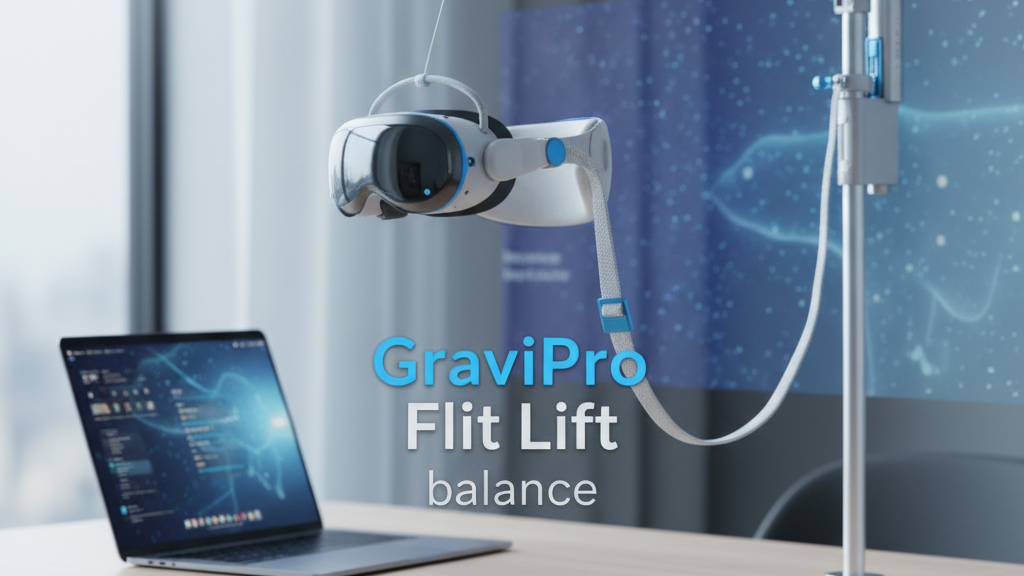
GraviPro and Flit Lift: Redefining Long‑Play Comfort with Dynamic, Weightless VR Support
Extended VR sessions expose the limits of headset ergonomics: torque on the neck, shifting fit, rising heat, and the slow accumulation of micro‑adjustments that pull a user out of immersion. GraviPro—paired with the Flit Lift mechanism—approaches those problems not by shaving grams off the headset but by changing how weight is carried. Through dynamic lifting and torso‑centered load paths, the platform creates a perceptual "weightless" experience that keeps flit-lift-weightless-vr-comfort/the-ultimate-ergonomic-fit-guide-for-diverse-head-shapes-and-preferences" rel="nofollow noopener noreferrer">Vision Pro and similar headsets stable and comfortable for multi‑hour use. ⏱️ 10-min read
This article walks hardware engineers, accessory designers, product managers, and VR developers through the practical design and integration considerations for GraviPro-powered accessories. You’ll get an ergonomics-first explanation of how the system reduces neck torque, a compatibility map for common headsets, mechanical and materials guidance for long sessions, concrete use cases, an actionable developer roadmap (APIs, SDKs, testing), and a plan for validation and adoption informed by pilot data.
Overview of GraviPro and Flit Lift technology
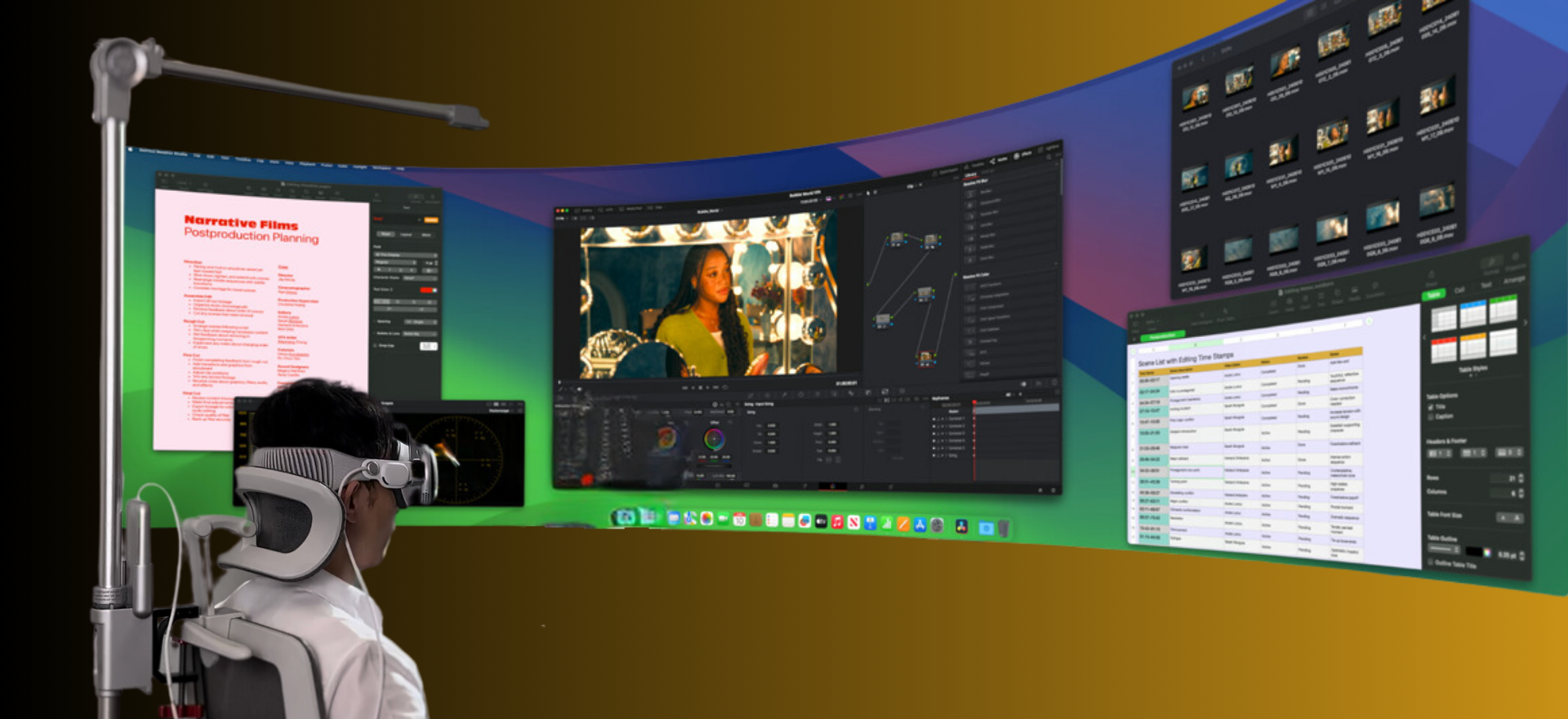
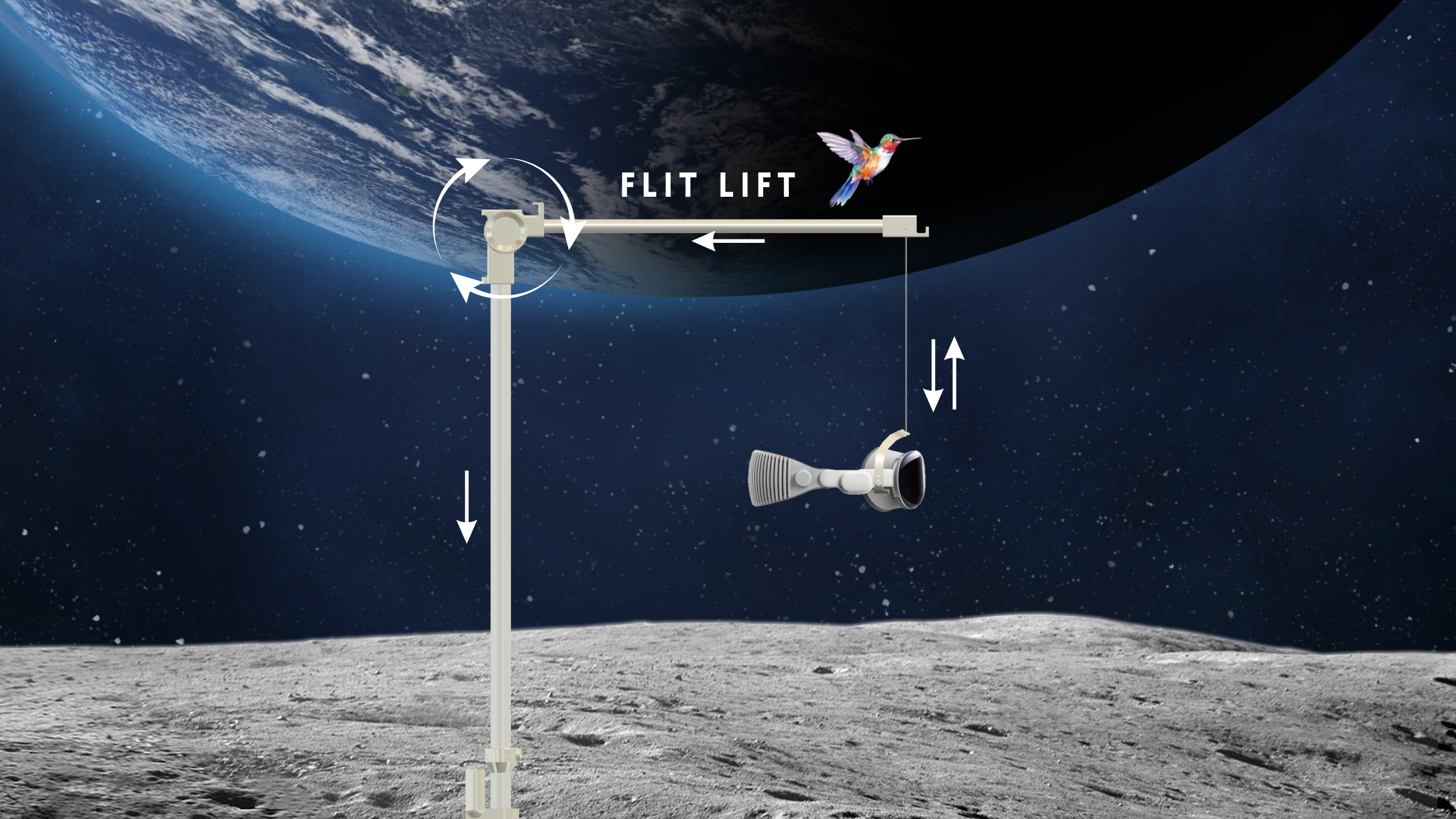
GraviPro is a powered accessory platform that shifts the design conversation from making headsets lighter to distributing their load. Instead of letting the headset alone anchor all mass and resulting torque on the cervical spine, GraviPro shares that load across the crown interface, headset straps, and a torso harness. The Flit Lift module is the lightweight, user‑tunable actuator at the center of this approach—it dynamically transfers a portion of the headset’s effective weight toward the torso so the head feels lighter and more stable.
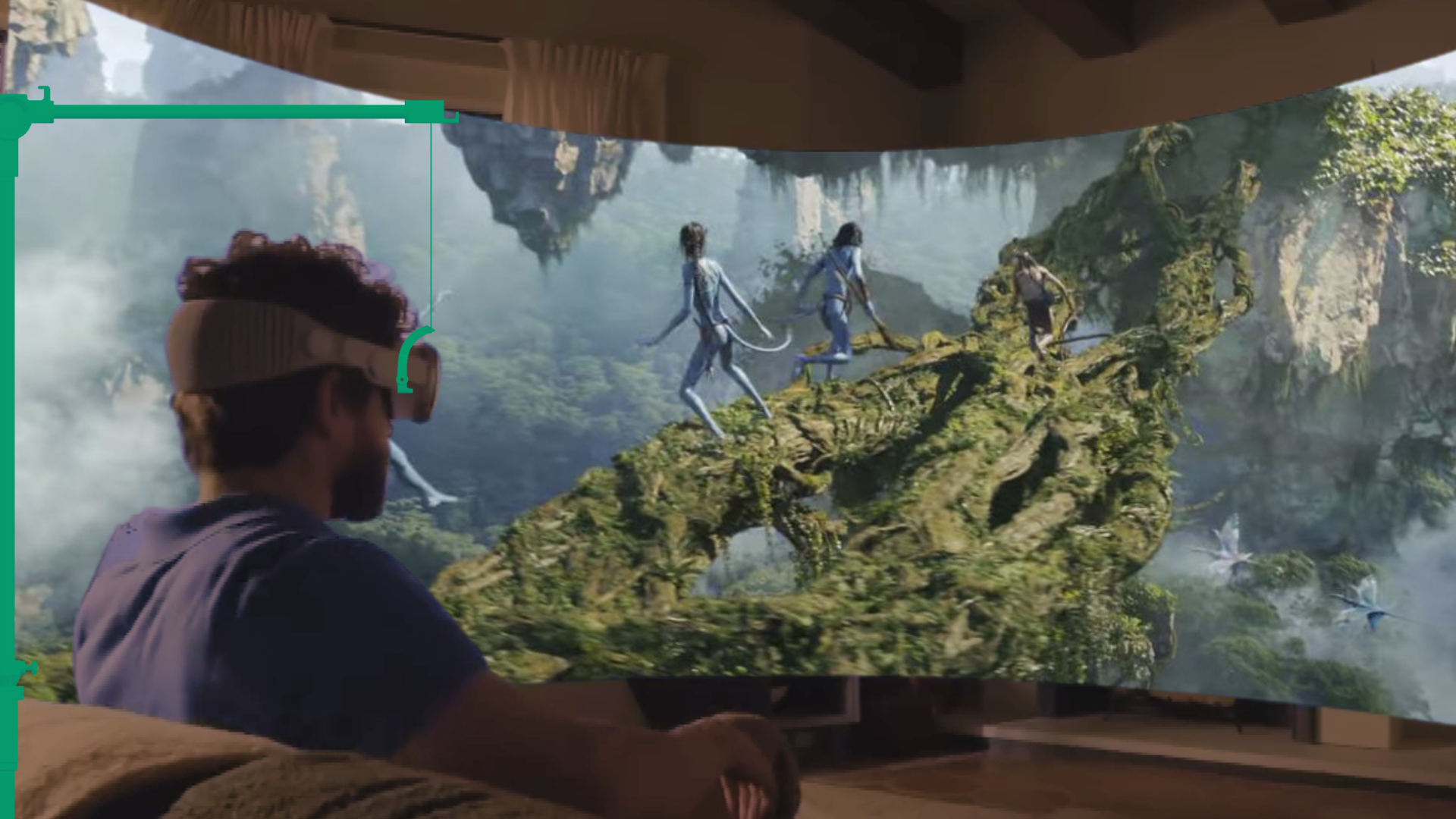
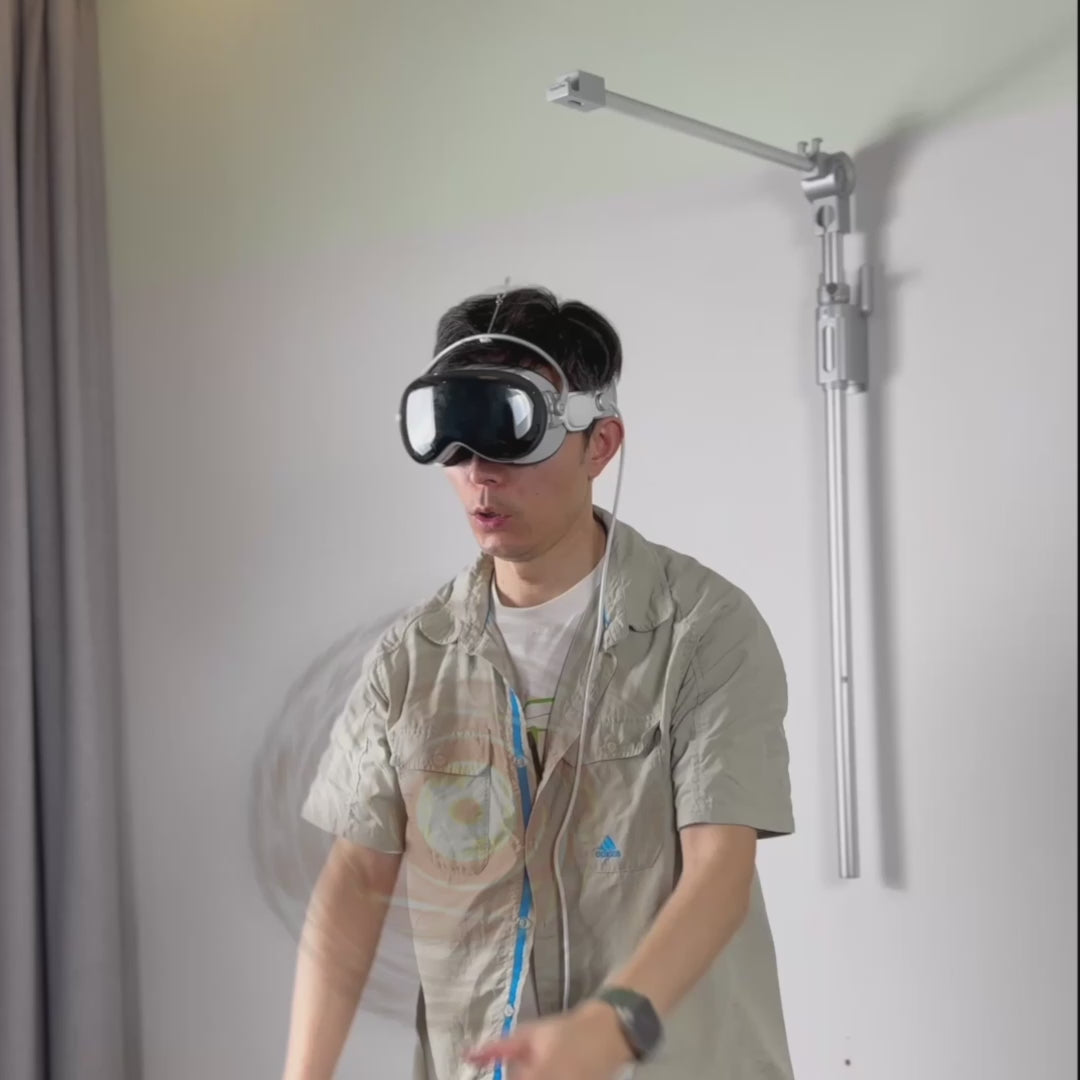
Mechanically, Flit Lift provides height and angle adjustments plus controlled preload and friction so players can tune the balance point where the headset rests in neutral. Those adjustments encourage core engagement and promote midline posture: users naturally carry load through a spine‑support backplate and vest anchors rather than the skull. The result is a lower effective center of gravity near the torso and a headset that resists transient shifts during rapid turns, leaning, and ducking.
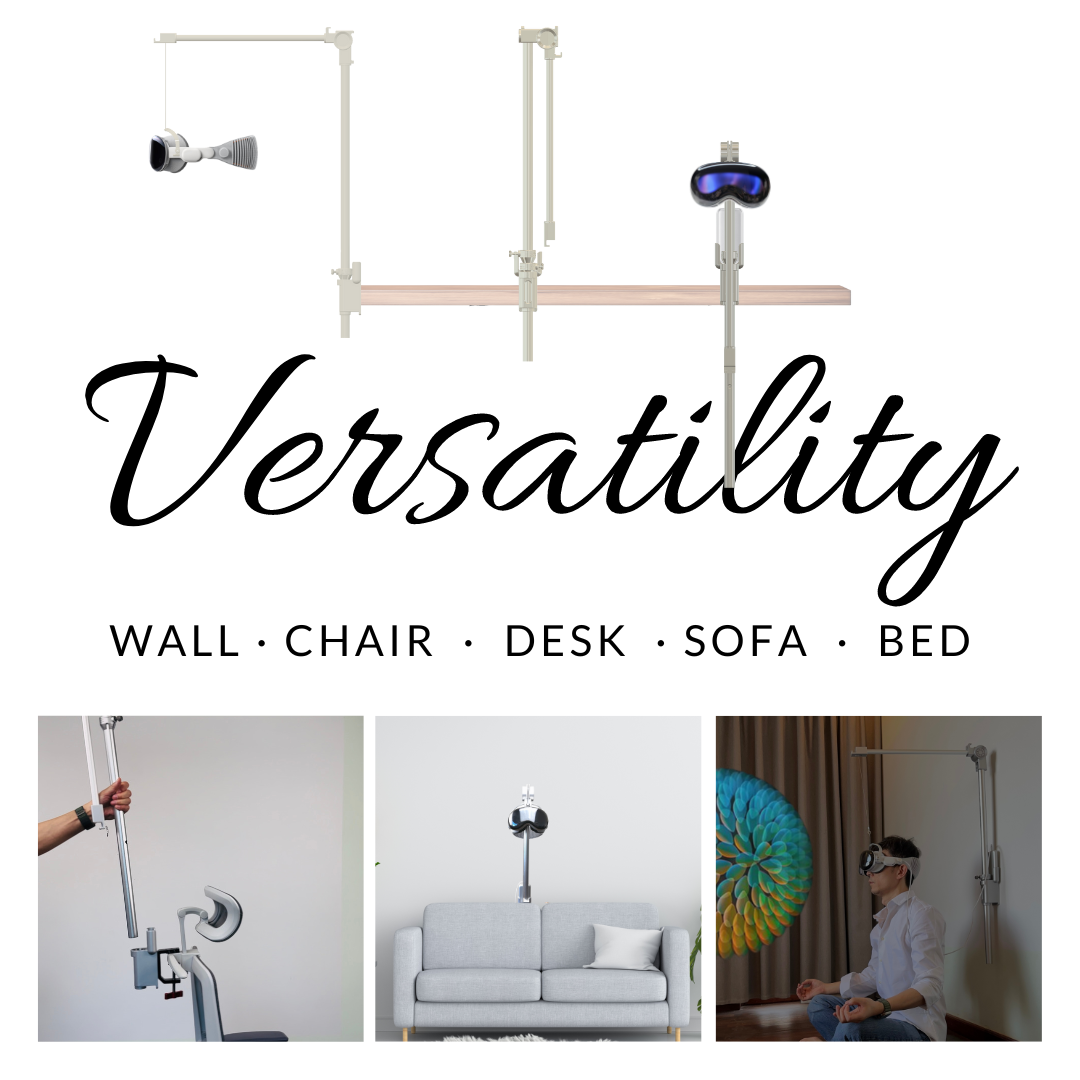
From a product perspective, GraviPro is modular and designed to integrate with a range of headsets, including Vision Pro and common PC and standalone devices. Integration touchpoints include a crown mount, side strap anchors, power and data connectors, and an optional torso module. The platform focuses on predictable alignment and repeatable performance so accessory designers can plan for longer sessions without tradeoffs in tracking fidelity or user safety.
Ergonomic impact: weight distribution and fatigue reduction
Short‑term comfort in VR is often measured by how long a headset can be worn without micro‑adjustments or a sense of strain; long‑term comfort is driven by how the body responds to sustained loads. By routing load paths through a spine support and vest anchors, GraviPro reduces peak neck torque during both static wear and dynamic maneuvers. In practical terms this means fewer mid‑session repositions, steadier tracking, and reduced activation of neck and upper shoulder muscle groups during rapid head movements.
Objective testing frameworks typically combine subjective ratings—like perceived exertion (RPE) scales—and physiological data such as EMG from the upper trapezius and sternocleidomastoid. GraviPro pilot testing tracks these metrics alongside session length and dropout events. Early pilots report consistent reductions in end‑of‑session RPE and observable decreases in muscle activity during representative tasks, supporting longer continuous play windows before fatigue becomes limiting.
Beyond muscle work, redistributing load to a torso module lowers localized heat build‑up around the skull and temples because pressure points are softened and spread. A more stable headset fit also preserves visual alignment and IPD across time; this reduces the need for manual adjustments that can break immersion. For designers, the takeaways are clear: targeting center‑of‑gravity control and load sharing will often deliver bigger comfort wins than incremental gram reductions on the headset shell alone.
Compatibility and integration scope
GraviPro treats compatibility as a practical spectrum rather than a single standard. At the core are common mounting conventions—crown anchors, strap loops, and standardized rail geometries—used by many PC and standalone headsets, including Vision Pro‑class devices. Those anchor points allow GraviPro to provide repeatable mechanical alignment so that sensor geometry and headset tracking remain consistent when a user moves between devices.
To bridge non‑standard shells, the system ships with adaptable adapters and modular rails that conform to curved housings, thin shells, and bulkier enclosures. These adapters preserve center‑of‑gravity assumptions by controlling where the load is introduced relative to the headset’s optical center. For venues with multiple device types, color‑coded quick‑release plates and rails speed swaps while maintaining mechanical repeatability across stations.
Software integration is as important as mechanical fit. GraviPro exposes calibration hooks, safety checks, and telemetry streams so companion apps and titles can read strap tension, estimated center of gravity, and tilt/drift indicators. Integration touchpoints for developers include power management (battery level and thermal states), uptime and health telemetry, and an OTA firmware channel for safety fixes. Where constraints arise—in devices lacking mounting points or with sealed housings—designers can use modular external cradles or adopt a torso‑first approach with cable tethering to preserve the ergonomic benefits.
Mechanical design and materials for long sessions
Designing hardware for marathon sessions demands a balance of stiffness, low mass where it matters, and thermal and tactile comfort. The GraviPro backbone uses lightweight aluminum alloy framing to deliver predictable stiffness without bulk; it stabilizes critical load paths so the center of gravity remains consistent over time. High‑strength polymers provide impact resistance and surface ergonomics, while optional carbon‑fiber reinforcement is available where additional rigidity is required at specific junctions.
Joint design is crucial: low‑friction bushings and wear‑resistant bearings keep motion smooth during thousands of adjustment cycles. Careful tolerancing prevents play that would otherwise introduce micro‑rattles and fatigue. For user contact points, breathable open‑cell foam and moisture‑wicking fabrics reduce skin occlusion and heat accumulation—small changes that add up over hours of play. Straps use adjustable geometry and multiple lift points to fit different head shapes and accommodate facial hair, hats, or other obstructions.
Durability and maintainability are built into the product lifecycle. Quick‑release components simplify swaps and cleaning: hook points and strap clips can be service‑replaced without specialist tools. Corrosion‑resistant finishes on metallic parts extend service life, while internal cable channels ensure snag‑free motion and long cable lifetimes. GraviPro also recommends routine inspections—checking torque on fasteners, visual inspection of bushings, and swap schedules for foam liners—and provides clear cleaning guidelines for long‑term hygiene in shared environments.
Use‑case driven concepts for extended play
Different applications impose distinct demands on comfort systems. Home gamers prioritize quiet operation and a fast, simple fit; arcade operators need robustness and rapid swaps; enterprise trainers require data capture and session management. GraviPro’s modular approach lets designers trade off features—motor topologies and noise profiles, locking versus free‑pivot arms, or added telemetry—against cost and durability requirements for each use case.
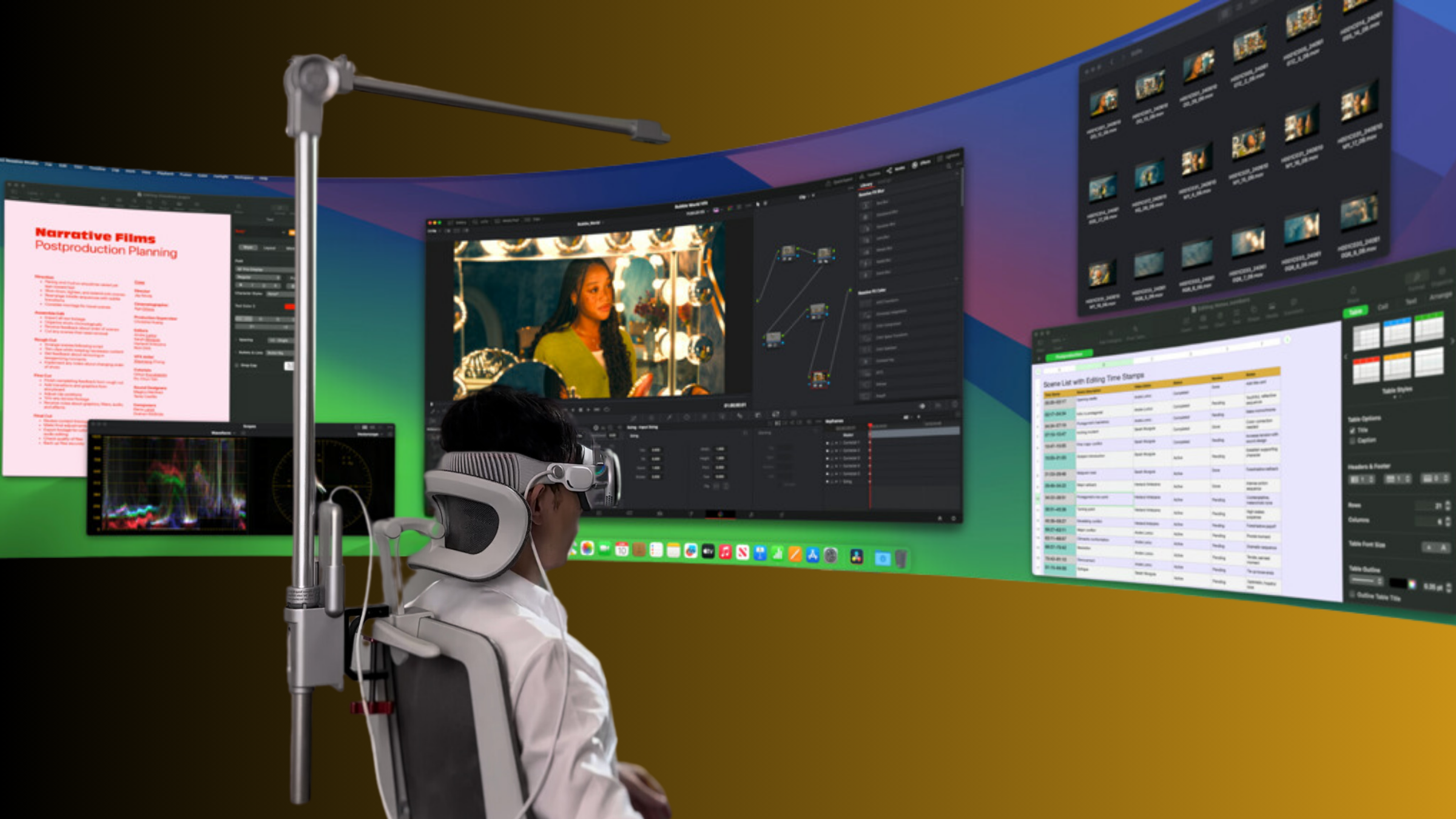
For marathon gaming, the focus is on low audible noise, friction‑tuned Flit Lift settings, and fast donor rails for headset swap. A living‑room configuration emphasizes magnetic clasps for cable management, tool‑less quick releases for rapid fit changes, and power systems tuned for multi‑hour low‑load operation. Arcade and club installations prioritize tool‑free clamps, hardened mounting plates, color coding for station identity, and centralized power/data hubs to minimize per‑station maintenance time.
Enterprise training and endurance use cases exploit GraviPro’s telemetry and logging: session length, motion profiles, strap tension history, and fatigue indicators feed planning templates and automated rest prompts. Trainers can use exportable reports to evaluate skill retention while safely stretching session durations for conditioning or procedural rehearsals. Market positioning for accessories built on GraviPro should emphasize ease of onboarding, clear Vision Pro compatibility, and the advantages of a modular ecosystem that scales from a single home kit to multi‑station deployments.
Developer roadmap: APIs, SDKs, and testing
GraviPro provides an API surface designed for predictable integration across runtime environments. Key endpoints deliver pose (position, orientation, velocity), load metrics (total supported weight, strap tension), and balance diagnostics (center of gravity coordinates, tilt, and drift). Telemetry is available via real‑time WebSocket streams for responsive apps and REST endpoints for batch analysis. Authentication uses per‑device OAuth2 tokens, and sensible rate limits protect device health and app responsiveness.
Two SDKs ship for Unity and Unreal with calibration tooling that aligns GraviPro coordinates to headset spaces—Vision Pro coordinate frames included. Each SDK contains example scenes, input mapping hooks, and a calibration API to push validated transforms at runtime. A short integration checklist: calibrate mount offsets in the companion app, run an automated guided fit while the user holds a neutral pose, verify strap‑tension thresholds, and enable safety limits to reduce assist torque near the extremes of motion.
Testing is a central design activity. GraviPro’s simulator and test harness supports long‑wear scenarios without hardware stress, simulating dynamic head motion, weight shifts, and repeated don/doff cycles. Recommended test suites include automated checks for latency and frame timing, comfort thresholds under representative loads, and real‑world usability across a panel of head sizes and hairstyles. Sample developer integration pseudocode (conceptual) for subscribing to balance telemetry:
{ "subscribe": "/ws/telemetry",
  "channels": ["pose","strap","balance"],
  "auth_token": "DEVICE_OAUTH_TOKEN"
}
Pair these API hooks with in‑game cues—soft haptics, visual reminders, or rest overlays—so application logic can adapt lift profiles during high‑intensity movements or scheduled breaks. Prioritize fail‑safe behaviors: if telemetry drops or a safety threshold triggers, the system should gracefully transition to a nominal strapped state rather than an abrupt drop.
Validation, feedback, and adoption signals
Validation combines quantitative telemetry with qualitative user reports. GraviPro pilots track three core data streams: perceived exertion on a 0–10 scale at session end, neck load proxies derived from strap sensors and headset motion to estimate cervical torque, and session continuity metrics (daily streaks, average session length, dropout events). A planned pilot cohort of 100+ users allows subgroup analysis by headset type, padding variant, and head size—data that informs ergonomic tweaks and firmware parameter tuning.
An early‑adopter program accelerates iterative improvement. Structured beta programs with partner studios and in‑app telemetry prompts after each session gather both objective and subjective feedback. A rapid triage flow prioritizes issues—firmware updates for immediate fixes, padding revisions for recurring comfort flags, and harness redesigns when a significant portion of users report fit problems. This closed‑loop approach drives bi‑monthly releases that maintain engagement and demonstrate responsiveness to partners.
Adoption signals to watch for include studios piloting GraviPro at scale, retailer demo trials, and in‑market evidence of longer session lengths. In one controlled deployment across a gaming cafe, compact studio, and home setup, stations using Flit Lift reported session extensions of roughly 25–35%—from a baseline of about 60 minutes to average slots between 75 and 90 minutes—while participants reported fewer mid‑session adjustments and lower neck and shoulder fatigue. Those numbers make a compelling commercial case for both consumer and commercial deployments.
To convert interest into adoption, provide clear outreach: sample hardware kits, a developer portal with SDKs and integration guides, and a visible pilot partner program. For engineers, the quickest path is to request the dev kit, run the guided calibration, and instrument a small‑scale A/B trial to capture the metrics above—RPE, strap tension, and session continuity—to quantify the system’s value in your application.
Next step: join the GraviPro ecosystem and test a weightless session
If you’re designing accessories or experiences for extended VR sessions, practical next steps are: request the GraviPro developer kit, integrate the SDK into a simple calibration scene, and run a 10‑user pilot to collect baseline RPE and strap telemetry. Use the guided fit workflows to tune Flit Lift parameters for your target audience, and pair telemetry with in‑app rest prompts to preserve safety during extended play. These three actions—test, measure, iterate—turn the promise of weightless comfort into a repeatable product advantage.
Share:
The ultimate ergonomic fit guide for diverse head shapes and preferences
Installation and Calibration Essentials for Meta Quest with GraviPro Gravity Assist