

How to Integrate GraviPro and Flit Lift with Meta Quest and Valve Index for Weightless, Balanced VR Sessions
If you want to stop fighting a front-heavy headset and enjoy longer, more comfortable VR sessions, a gravity-assisted system like GraviPro with its Flit Lift modules can change the game. This guide walks you step-by-step through compatibility checks, parts and tools, mounting on Meta Quest and Valve Index, cable routing, ergonomic tuning, and the routine maintenance that keeps the system reliable. ⏱️ 9-min read
I’ll keep this practical: clear prerequisites, a calibration checklist you can reuse, exact mounting tips to avoid sensor occlusion, and troubleshooting patterns for the issues you’ll actually encounter. Whether you’re a gamer stretching sessions into marathons, a modder integrating hardware, or a developer testing long-duration experiences, you’ll have a repeatable workflow to get GraviPro working well with Quest and Index hardware.
Compatibility and prerequisites
Start by confirming hardware compatibility. GraviPro and Flit Lift explicitly support Meta Quest 2 and Quest 3 models and the Valve Index platform in their current kit versions, but interface options vary by SKU. Inspect your kit documentation to confirm whether your GraviPro supports USB-C tethering, wireless pairing, or specific radio modules for your headset. If your setup uses a Link cable, verify that USB-C routing and strain-relief options are compatible with the GraviPro mounting points.
Firmware parity matters. You’ll need to confirm firmware versions for GraviPro components, Flit Lift modules, and the companion app or hub before you begin. In the app or hub, compare installed versions against the vendor’s baseline. If updates are required, follow the official upgrade path and keep a rollback option (a saved firmware binary or documented prior version) in case a new release behaves unexpectedly.
Prepare your physical environment: reserve a clear play area roughly 2 m by 2 m as a practical baseline, on non-slip flooring with defined boundaries. Ensure there’s unobstructed headroom and a safe path for cables so nothing can snag during large motions. Finally, inspect potential mounting interfaces—brackets, rail adapters, and quick-release clamps—confirm their load ratings and check whether adapters are needed for specific headset housings. If a mount seems under-rated for the combined mass of headset plus GraviPro, don’t improvise: use a rated adapter or move to a different anchor point.
GraviPro and Flit Lift: what you’re adding
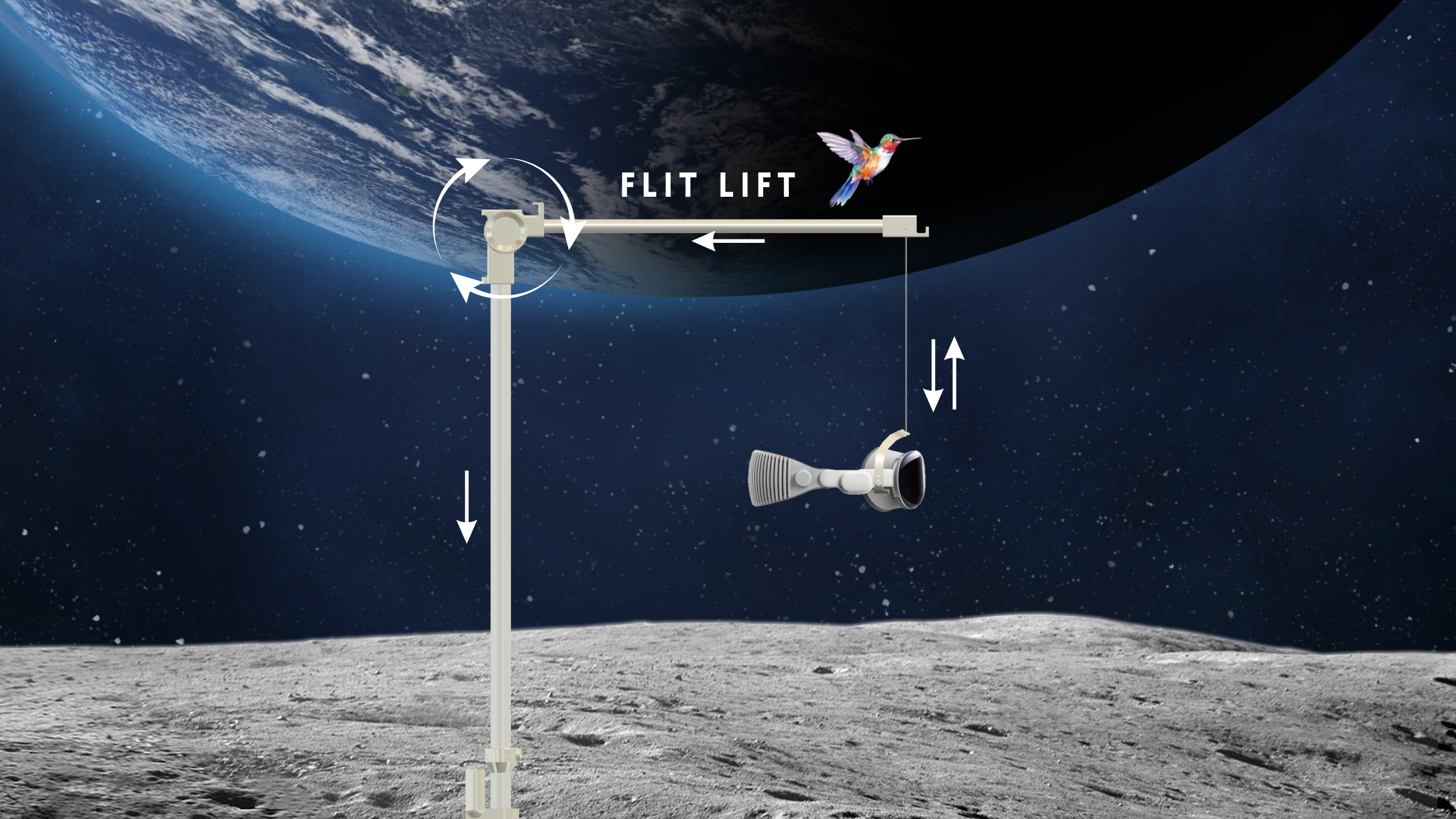
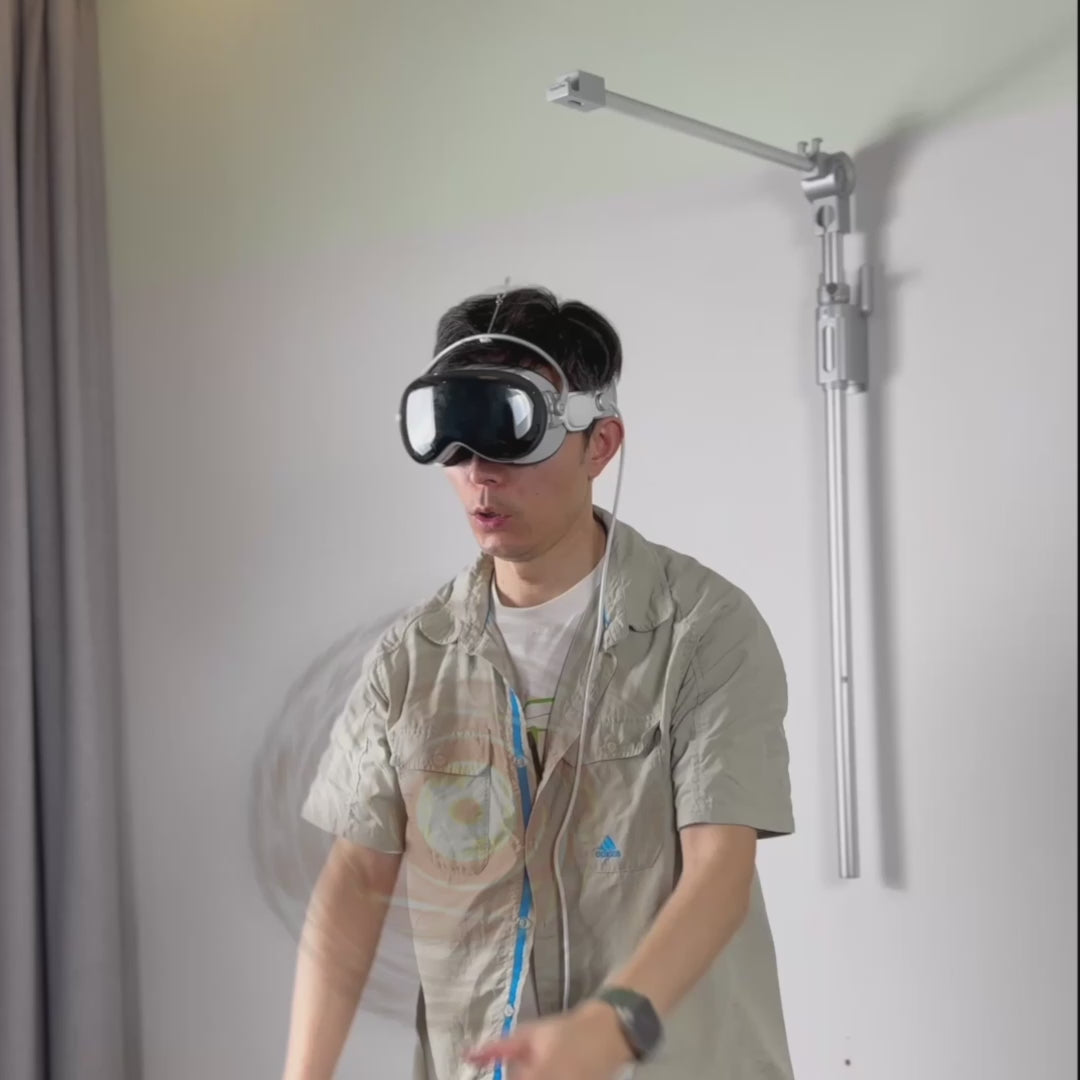
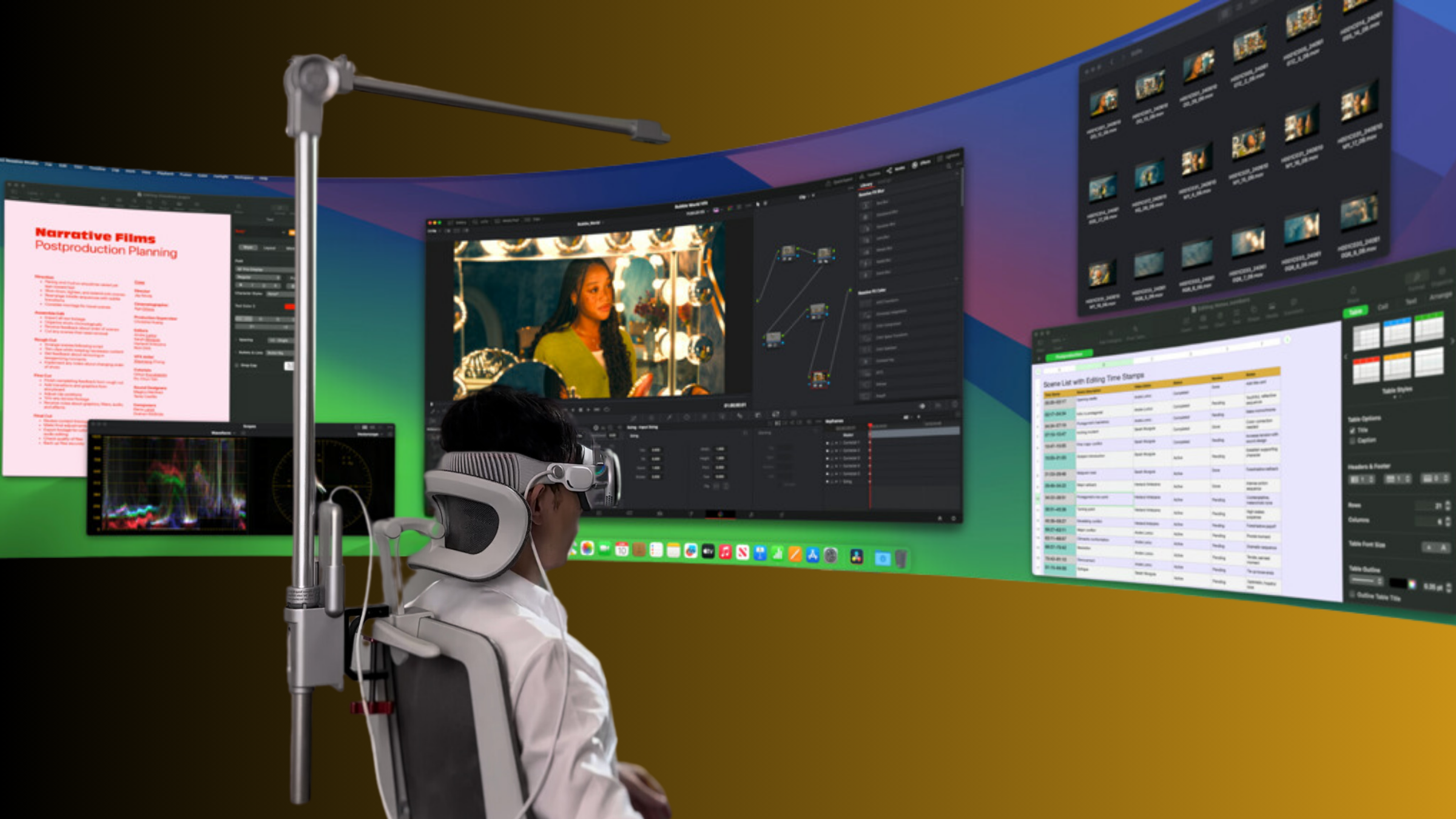
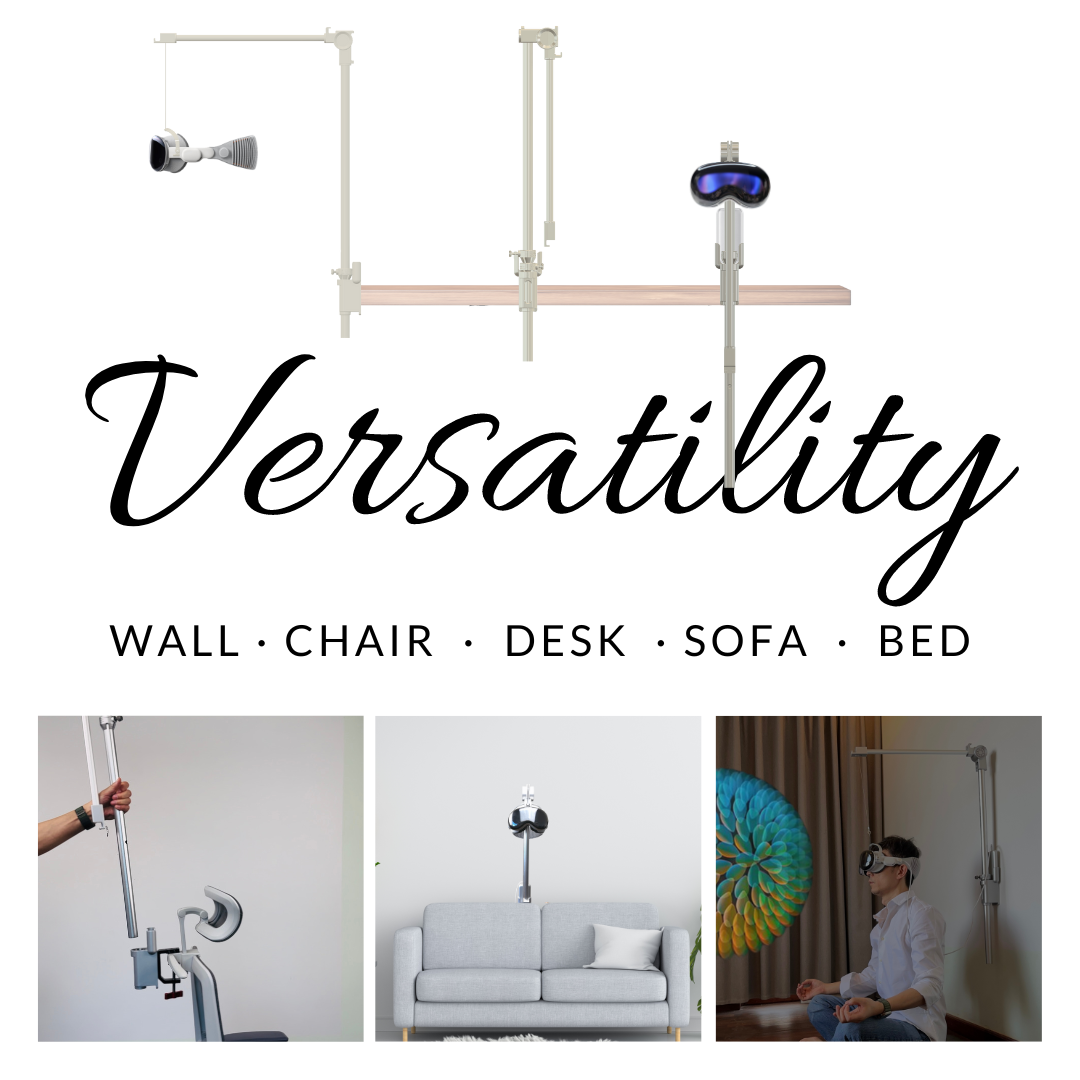
GraviPro functions as a lightweight framework that redistributes a headset’s load toward your body’s center of gravity. The practical element you’ll install is Flit Lift, a modular lift-and-balance subsystem that attaches to the GraviPro frame and interfaces with Quest and Index straps, housings, and face cushions. Flit Lift is built to stay out of sensor fields and to provide measured vertical lift so the headset feels lighter without altering tracking geometry.
Under the hood, Flit Lift relies on compact IMUs and anchor sensors that monitor motion, orientation, and head posture. A small, local control loop translates those inputs into micro-adjustments of vertical support and subtle rebalancing. In plain terms: when you lean forward, the system reduces front-heavy torque; when you nod or turn, it dampens tiny jostles that would otherwise tug at your neck. That results in steadier view lock and fewer micro-corrections from your neck muscles during extended sessions.
The user benefits are concrete. Expect reduced neck fatigue, fewer readjustments during play, and a steadier visual frame when executing rapid head movements. Because the system is modular, you don’t redesign your headset; you add a layer of dynamic support that adapts to each user’s posture. For developers and researchers, that steadiness also reduces tracking jitter in long-duration tests—helpful for consistent data collection.
Tools, parts, and calibration checklist
Before you open the box, lay out everything and confirm you have both the components and the tools the vendor lists. Here’s a practical inventory and a repeatable calibration workflow to run each time you change headsets, users, or physical mounting.
- Core components: GraviPro base unit, Flit Lift module(s), mounting brackets/adapters, quick-release clamps, optional balancing weights, extension and power cables, padding and strap covers, and the companion app or hub.
- Tools (commonly not included): metric and imperial hex keys, torque wrench (if specified), small screwdriver set, threadlocker for permanent installs, and a measured spacer gauge for alignment checks.
Calibration framework — treat this as a checklist you can log each session against:
- Static balance setup: with the headset on, set Flit Lift to its neutral height and check front-to-back tilt. Adjust until the headset rests in a natural, eyes-forward position with minimal neck strain.
- Axis alignment calibration: confirm the lift axis aligns with the headset’s vertical plane; small lateral offsets create torque and tracking error.
- Dynamic response profiling: have the user perform nods, turns, and small hops; tune response curves so lift activation is smooth and not “bouncy.”
- Sensitivity tuning per user: dial in softer or firmer support depending on play style and neck strength.
Prerequisites: clean mounting surfaces, room markers for safe motion, and verified firmware versions before you begin. Safety checks: confirm clamps are tight, nothing occludes sensors, and log calibration results (date, user, room, settings) so you can revert or iterate quickly.
Mounting GraviPro on Meta Quest for balance
Mounting on Meta Quest requires attention to the headset’s center of gravity and preserving the cameras’ field of view. Start by clearing accessories that could clash with mounting points—external trackers, bulky faceplates, or thick third-party cushions. If you use a modular facial cushion, consider temporarily switching to a thinner interface during initial alignment to avoid masking balance issues.
Attach the GraviPro mounting interface to the Quest body using the manufacturer-recommended anchor points. The guiding principle is alignment: aim to place the mount so its centerline sits close to the headset’s center of gravity. If your mount sits too high or too low, you’ll introduce a tipping moment and the lift will feel unnatural. Check that the interface is flush with the housing and that no clamp pinches cables or obscures the headset’s cameras or IR emitters.
Position the Flit Lift module so its lift axis follows the Quest’s vertical plane—this reduces front-to-back torque. Route any cables around the headset perimeter rather than across front-facing sensors; use supplied clips to follow the strap instead of looping over cameras. For strap placement, secure Flit Lift to the back or side anchors of the head strap as recommended, then tighten clamps gently and test quick-release functionality. You should be able to remove the headset rapidly in an emergency without fighting a seized clamp.
Once mounted, run the app pairing and a basic calibration: set neutral lift, check that the headset rests eyes-forward without forcing chin tilt, and perform small head movements to ensure the system engages smoothly. If you feel the front of the headset still pulls down, incrementally increase rear lift or add a small balancing weight to the rear anchor and re-test.
Valve Index integration considerations
The Valve Index has a bulkier strap geometry and a thicker face gasket than Quest, so adaptation requires a slightly different approach. First, confirm that your GraviPro clamps or adapter plates seat firmly on the Index strap without creating pressure hot spots. Use softer strap pads under clamps when necessary and check that the clamp doesn’t interfere with the Index’s ratchet/adjuster mechanism.
Cable routing is crucial: plan for the Index Link cable and any base station wiring to avoid tugging on the headset. Leave generous slack loops at the headset end and secure them along a path that does not cross GraviPro travel arcs—braided sleeves and shoulder-height guides work well. For setups with base stations, ensure GraviPro components do not occlude line-of-sight between Lighthouses and tracked devices; mount testing should include sweeping head motions to check for shadowing.
Tracking impact is a common concern. Run a visual check: with the Index on, have someone observe front, side, and rear views while you move through typical play motions. If any GraviPro part occludes cameras or reflective surfaces, reposition the mount or add low-profile spacers. Valve Index adds mass compared to Quest, so tailor the GraviPro balance profile accordingly—run the dedicated Index calibration cycle if available, and document the tuned center-of-gravity settings. For research or multi-user rooms, store per-headset calibration profiles to avoid repeating full setup each session.
Cable management and ergonomic tuning
Good cable management is about preventing force transfer to the headset and keeping cables out of the user’s motion envelope. Map a routing plan from GraviPro to power or PC that uses gentle curves and secure anchors. Use adhesive cable tracks, braided sleeves, and clips to keep lines tidy; a shoulder-height guide (a clip or short rail) removes vertical drag during head turns. Avoid sharp kinks and keep strain-relief at every connector.
Set initial lift tension with ergonomics in mind: aim for an upright, neutral head posture where the ears align roughly with the shoulders and eyes look straight ahead. Start with light tension and increase until the headset feels weightless under normal posture—never so much that the headset lifts your head forward or compresses the crown. Test for comfort in 20–30 minute blocks and adjust padding distribution and crown strap tension to eliminate pressure points.
Fine tuning includes padding swaps, crown strap repositioning, and checking for pinch points around clamps and hinges. If you have thick hair, route straps and clamps to avoid hair pulling by adding thin soft covers where metal meets skin. Regular maintenance reduces surprises: inspect cable jackets for abrasion, re-seat connectors, and replace worn clips before they fail. A small habit—wiping sweat and oils from padding after sessions—prevents slippage that can slowly alter fit and balance.
Troubleshooting, maintenance, and performance tips
When something drifts or feels off, follow a simple diagnostic flow: physical checks first, then software. Start by confirming mount alignment and clamp tightness; then re-run static balance and dynamic profiling. Verify firmware versions across GraviPro, Flit Lift, and the companion app—mismatched code can cause drift and inconsistent response. If the issue persists, isolate components by testing the Flit Lift on its own or swapping to a known-good headset.
Common problems and stepwise remedies:
- Slip or skidding clamps — retighten per torque spec, add soft pads beneath clamps, and check for wear on strap material.
- Overbalance (head lifting forward or backward) — reduce lift force, realign the lift axis, or add small counterweights; retest with a neutral posture.
- Tracking ghosting or occlusion — reposition hardware away from cameras, run sensor diagnostics, and ensure no reflective surfaces or cables cross the lighthouse sightlines.
- Laggy lift response — check firmware and wireless link quality; if wired, inspect connectors and cable integrity.
Maintenance cadence: monthly checks of clamps and mounts, quarterly inspection of power and extension cables, and immediate replacement of any frayed or damaged parts. Keep a version log for firmware and saved calibration profiles—store per-user profiles if you share hardware. Performance improvements often come from small changes: a softer response curve for reduced micro-bounce, a tiny rear counterweight for stubborn front-heavy headsets, or rerouting cables to eliminate even slight pull. In shared environments, create a quick-per-user checklist to reduce setup time and preserve profiles.
Next step: run a 20–30 minute play session with the final profile, note comfort and any tracking changes, and save the profile with a clear name (headset-model + user + date). Keep spare clamps and a basic tool kit nearby—reliable long sessions are more about careful tuning and maintenance than hardware perfection.

Share:
Step-By-Step Setup: Deploying GraviPro for a Pain-Free Quest 2 Marathon
Using counterweights to balance heavier headsets without sacrificing mobility