

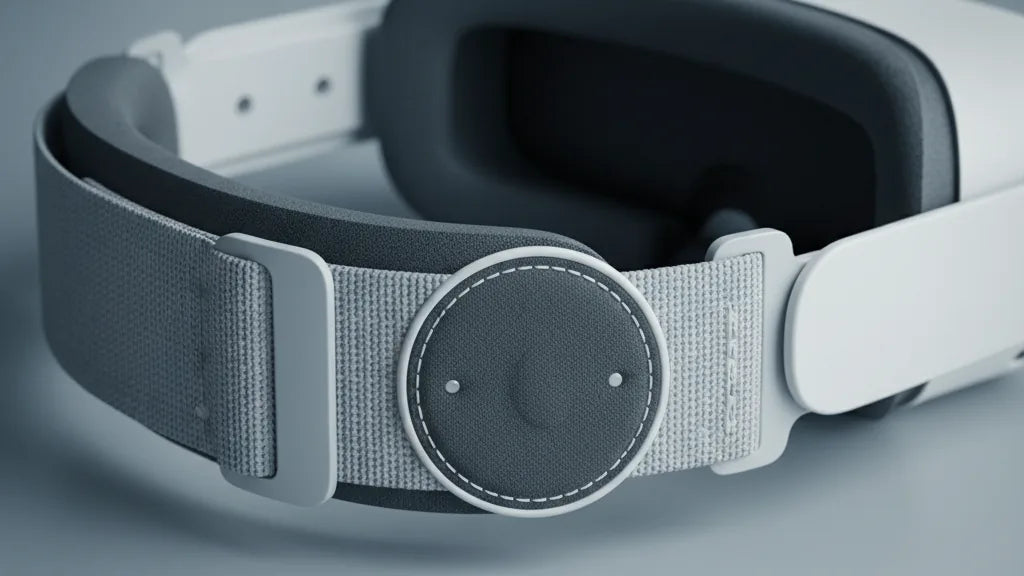
Materials, Padding, and Durability: Choosing a Quest 2 Comfort Strap That Lasts Through Long Sessions
If you spend hours in VR, a comfortable strap that doesn't sag, chafe, or fall apart is as important as your headset itself. This guide walks through the materials, construction cues, padding choices, fit factors, and maintenance routines that make a Quest 2 comfort-strap-onto-a-quest-2-headset" rel="nofollow noopener noreferrer">comfort strap last — and stay comfortable — for marathon play or extended productivity sessions. ⏱️ 10-min read
Think of this as the durability-focused cheat sheet: how to read a strap’s materials and stitching, what padding types really matter for sweat and pressure, how balance and geometry reduce neck strain, and how to clean and replace parts without tossing the whole rig. I’ll use real examples — stock Quest 2, the Elite Strap family, and common third‑party upgrades — to translate specs into everyday decisions you’ll appreciate after the third sweaty boss fight.
Materials that matter: what the strap is made of and why it lasts
The first durability clue is the material family. Most Quest 2 comfort straps mix three core sets: silicone or rubberized surfaces, woven fabrics (usually polyester or nylon), and rigid plastics or polyurethane-backed panels that form the chassis. Each brings a different balance of feel, resilience, and maintenance demands.
Silicone or neoprene-like surfaces are excellent where moisture resistance matters. They wipe clean, hold shape during sweaty sessions, and are less likely to harbor odor. That’s why many rear pads and contact surfaces intended for heavy use use silicone or neoprene covers. Fabric straps — often woven nylon or polyester with a soft microfleece backing — feel lighter and more breathable; they reduce a clammy feeling but need gentler cleaning and can absorb sweat over time unless treated. Plastic or PU-backed straps provide structural rigidity: a molded plastic chassis keeps the headset aligned and protects attachment points, while the soft pads offer comfort. The downside is that cheaper plastics can become brittle after years, especially with UV and heat exposure.
Durability comes from more than the raw material. Tensile strength around attachment points, consistent molding (no thin wall sections), and tight weaving reduce stress concentration. Flexible joint design matters: straps that flex slightly at seams prevent repeated stress on a single hinge or stitch. If a strap lists polycarbonate or reinforced ABS for buckles and rails, that’s usually a sign of longevity for everyday drops and pulls; metal hardware increases life further but marginally raises weight.
Padding and micro-foam: how cushioning affects long-session comfort
Padding is where comfort and durability intersect. The two most common approaches are memory foam and resilient foams (open-cell or closed-cell), sometimes combined with silicone or gel layers. How a pad behaves under long wear — whether it springs back, traps heat, or flattens over time — defines whether a strap will still feel good after 50 hours or only 5.
Memory foam conforms to your skull, reducing hotspots by distributing pressure across a wider area. This is especially useful at the crown and rear cradle where concentrated pressure produces fatigue. Gel-infused or open-cell memory foams add cooling and airflow. In contrast, silicone or firmer foams rebound faster and offer steadier support, which some users prefer for active play where the headset must stay locked in place. The practical sweet spot for long sessions is a hybrid: a softer top layer for contouring and a dense, resilient base layer to avoid bottoming out and to maintain shape over time.
Breathability is equally important. Open-cell foams and perforations help moisture move away from skin; fabrics with moisture-wicking treatments further reduce sweat buildup. Closed-cell foams resist water but can trap heat and become stiff, so they’re better for rear counterweights or external support pieces rather than crown pads. Look for replaceable pads: pads are consumables — they’ll compress and wear before the plastic chassis does. Brands like VR Cover and some FlitLift lines pair adaptive foams with breathable covers explicitly to extend useful life during long sessions.
Structural durability: stitching, reinforcement, and replaceable parts
Surface materials and padding won’t matter if the strap unravels at the seam or a clip snaps off. Construction quality is the backbone of a durable comfort strap. Key signs of solid construction include double-stitching at load-bearing seams, box‑X patterns or bar tacks where straps meet the headset, and well-molded attachment points where screws or clips sit. Those reinforcements distribute strain and prevent fraying under repeated adjustment.
Clip and buckle materials are a frequent failure point. High‑grade plastics like polycarbonate and ABS perform well in normal use, but repeated flexing and exposure to temperature swings can make lower-grade plastics brittle. Metal alternatives — aluminum rings, stainless steel pins — cost more and add a bit of weight, but they resist wear and won’t crack under stress. Good designs use plastics where flexibility is helpful and metal for pins and hinge reinforcements.
Modularity is a major longevity advantage. Headsets with replaceable face and rear pads, detachable Velcro straps, or swappable sliders let you replace the worn component instead of discarding the whole strap. The stock Quest 2 strap is simple but limited; the Elite Strap introduces a rigid chassis and replaceable pads, and many third‑party straps go further with user-replaceable cushions, reinforced rails, and spare clips included. When choosing a strap, look for explicit details about replacement parts or a policy from the maker — that’s often the difference between a one- to two‑year lifespan and a product that serves you for many more.
Weight distribution and balance: design cues that reduce fatigue
Perceived comfort is half materials and half balance. The Quest 2 is naturally front-heavy because of its optics and face assembly; effective comfort straps manage that by shifting the center of gravity rearward and spreading load across a wider area. The quickest win is a rear counterweight or a broad rear cradle. Even a modest, well-placed rear pad can dramatically reduce the forward pull on your face and the “squinching” feeling around the forehead.
Look for three geometry cues: a wide rear cradle that cups the back of the head, a broad top strap that prevents the rear pad from digging in, and a balanced attachment point that transfers load into the skull’s broader rear area rather than concentrating it at the temples. Some straps integrate a battery pack as a counterweight (Elite Strap with Battery), which both extends playtime and moves mass rearward; others sell removable weights for the same effect. The trade-off is added mass — but when placed behind the head, the perceived burden is lower than the same weight at the front.
Additionally, a rigid chassis that keeps the headset aligned is essential for long sessions. Flexing in the mount forces constant micro‑adjustments and creates hotspots. A balanced strap that locks alignment reduces neck strain and the muscle fatigue that comes from fighting the headset’s tendency to tilt forward. If you play seated for long stretches, prioritize rear counterbalance and a wide cradle; for active, standing use, opt for secure top strap adjustability in combination with a stable rear pad.
Fit factors for long sessions: adjustability, height, and glasses compatibility
Fit is the most personal part of durability: an ill-fitting, perfectly built strap will still cause hotspots and early fatigue. Two axes matter: circumference adjustability and vertical/head-height adjustment. A tight, dial‑style rear adjustment (as on the Elite Strap) lets you fine-tune lateral fit quickly. Vertical adjustment — sliders, hook-and-loop top straps or step‑adjusting buckles — lets you change the headset’s pitch and avoid temple pressure by shifting the contact point.
Adjustability also mitigates pressure concentration. A strap that lets you lower the headset slightly can take pressure off the nose and redistribute it across the forehead and rear cradle. Conversely, raising the headset can relieve the temples. For glasses wearers, a wider forehead interface and shallow facial interface reduce pressure on frames; some face cushions are specifically shaped to create more space between lenses and the headset foam. If you wear large frames, test a strap with removable, thicker face cushions or choose third‑party face covers designed for glasses compatibility.
Small mechanical cues indicate thoughtful fit design: indexed stops on vertical sliders (so the headset doesn’t slip), non-slip surfaces on dials, and locking pins or friction detents in buckles. These prevent gradual loosening during use. When buying, consider your head shape and typical use case: competitive shooters who move a lot need tight lateral retention and a snug cradle, while productivity users may prefer slightly looser fit with broader pads for pressure distribution.
Maintenance, cleaning, and replacement: extending strap life
Even the best strap will show wear without basic maintenance. Cleaning, inspection, and timely replacement of consumables — pads, Velcro strips, sliders — extend useful life and keep comfort consistent. For silicone and rigid plastic components, wipe with a soft cloth dampened in mild soap and water; avoid bleach, strong solvents, or abrasive scrubbers that can puncture foam covers or strip coatings. Fabric portions respond well to spot cleaning with diluted gentle detergent and should be air-dried fully before reassembly.
Establish a simple cadence: quick wipe after heavy sessions, deeper clean every few weeks if you sweat a lot, and a monthly inspection of seams, clips, and adjustment mechanisms. Look for specific signs of fatigue: foam compression or cracking of PU surfaces, frayed stitching near load points, Velcro that no longer grips, and plastic hairline cracks near clips or hinge points. If you see any of these, replace the affected part if possible. Pads are consumable — plan to replace crown and rear pads after 6–18 months of heavy use depending on material quality.
Proper storage matters. Keep the strap in a cool, dry place out of direct sunlight and away from heat sources; prolonged UV and heat exposure accelerate plastics and foam degradation. Don’t drape heavy objects over the strap (which deforms padding) and avoid long-term compression. When ordering replacements, match material types: switching from soft memory foam to a denser foam pad will change fit and pressure distribution, so test carefully. Many third‑party makers sell individual replacement pads and clips — a small investment that prevents premature disposal of an otherwise sound chassis.
Installation and compatibility: swapping in straps and matching with Elite/third-party options
Swapping a Quest 2 comfort strap is a straightforward upgrade, but a few simple precautions prevent damage and ensure compatibility. The official strap and most third‑party options use the same basic attachment points on the Quest 2, but designs vary: some add a rigid rail that interfaces with standard loops, while others require minor disassembly to swap the faceplate or remove the stock head strap.
Quick installation steps:
- Power off and remove the headset from your face. If your strap has electronics (battery pack), disconnect power cables first.
- Release the stock straps by unhooking the top strap and sliding out the side anchors — consult the strap manual for exact steps to avoid forcing plastic tabs.
- Align the replacement strap’s anchors with the headset loops; insert gently until you hear or feel the clip seat. For rigid chassis designs, ensure the rail aligns with the headset’s side grooves.
- Attach pads and any rear counterweight last, then adjust fit and test for slippage and balance before use.
Common pitfalls: forcing clips into place, neglecting the orientation of the rear cradle (many are asymmetrical), and not testing the dial or sliders under motion. If your strap includes a battery pack (Elite Strap with Battery), check how the added rear weight affects balance and adjust top strap height to compensate. Third‑party straps often advertise reinforced rails or metal adapters; verify the vendor’s compatibility notes and watch for reviews that mention misaligned anchors or stress on the headset’s shell.
Finally, when evaluating compatibility, consider replaceability. Prefer straps with modular pads and available spare parts. That way you can keep a sturdy chassis for years while rotating consumable cushions and small clips — a pragmatic approach that maximizes both comfort and value over time.
Next step: inspect your current strap for the key durability cues mentioned here — material family, reinforced seams, replaceable pads, and balance design — then decide whether cleaning, a pad swap, or a full chassis upgrade is the right move to keep you comfortable through your next long session.



Share:
Step by step retrofit fitting the Vision Pro comfort strap onto a Quest 2 headset
Facial interface geometry and perceived weight on Quest headsets