


The Glasses-Friendly Advantage: How to Choose, Install, and Tune a Quest 2 Comfort Strap for Long Sessions
If you wear glasses and play on the Meta Quest 2, you already know the stock fabric strap works in a pinch but rarely survives long sessions without discomfort: red marks, temple pinch, and constant fiddling. A purpose-built comfort strap changes that experience by redistributing weight, minimizing facial pressure, and giving you adjustment options that respect your frames. ⏱️ 11-min read
This guide walks through why comfort straps matter, what design features actually help glasses wearers, how the official Elite Strap compares to third‑party options, and a hands‑on install and 5‑minute tuning routine to get you into long, uninterrupted VR sessions. You’ll also find practical tips on reducing headset load, cleaning and care, compatibility with other accessories, and how to pick a strap that matches your budget and use case.
Why Comfort Straps Matter for Quest 2 Long Sessions
The difference between a half‑hour demo and a marathon session often comes down to how the headset distributes its weight and where it makes contact with your face. The stock Quest 2 strap concentrates force on the forehead and nose bridge and leaves the cheeks and temples vulnerable to pressure points. This setup causes red marks, soreness, and frequent readjustments—interruptions that break immersion.
A good comfort strap spreads that load across a broader area: the forehead, crown, and rear of the skull. That change in geometry reduces localized pressure on the nose and cheekbones, which is especially beneficial for glasses wearers whose frames can otherwise be pushed into the skin or rub against the headset rim. Better distribution also stabilizes the lenses, so eye relief and alignment remain consistent during movement. Practically, that means fewer mid‑session tweaks, steadier visuals, and the ability to play longer without discomfort.
Third‑party manufacturers such as AMVR, Kiwi Design, and BoboVR have focused on these pain points—adding softer, breathable padding, deeper facial curves, and rear cradles or halo designs that move support away from the face. For many users, switching to one of these straps translates directly into extended, more comfortable play.
Glasses-Wearer Friendly Design: Padding, Height, and Strap Length Adjustments
Design details matter for glasses wearers because small shifts in fit can translate into frame pressure or lens contact. When evaluating comfort straps, look past marketing and focus on three things: padding placement, headset height/tilt options, and strap length adjustability.
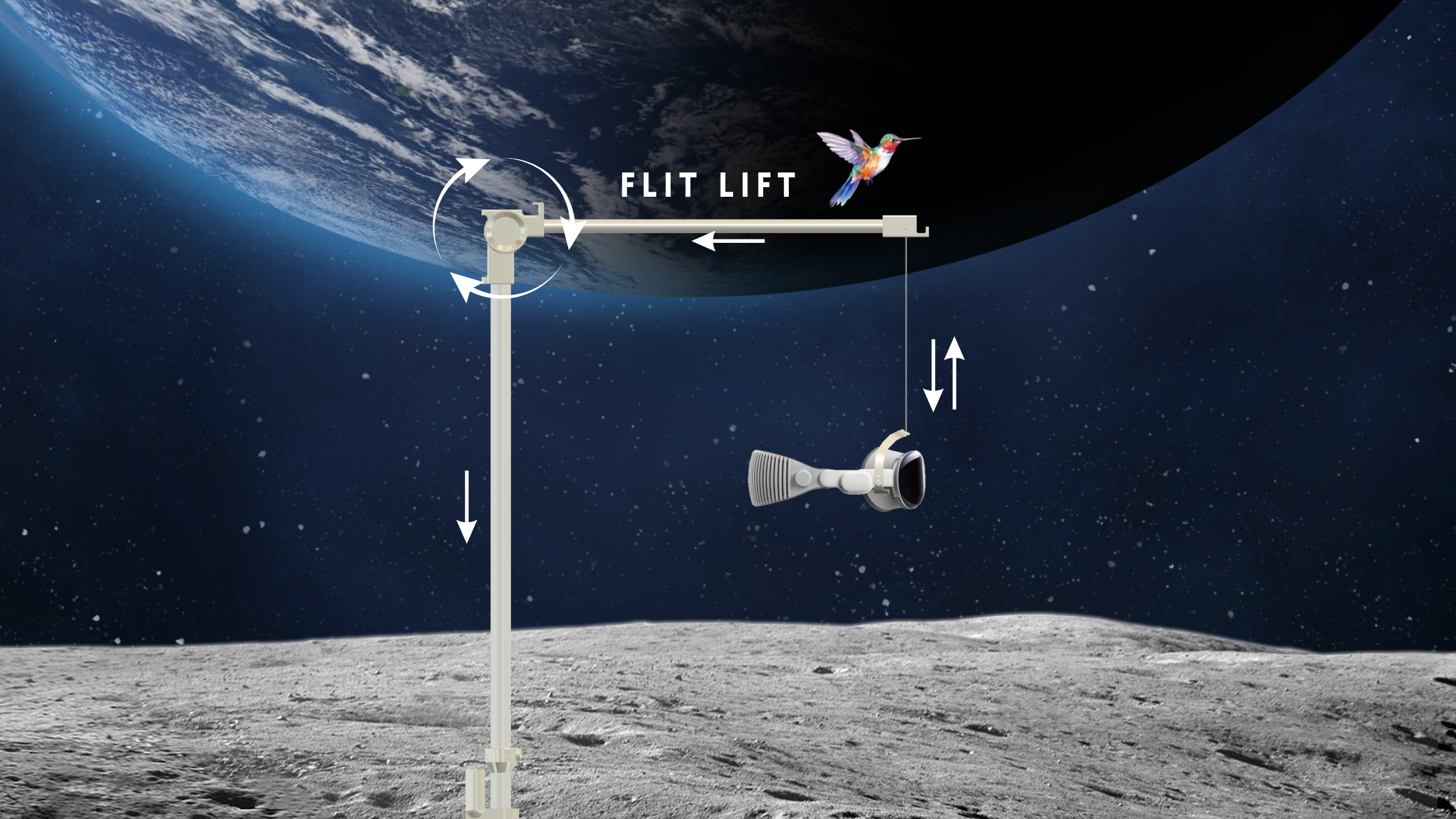
Padding should cushion the temples and cheeks without encroaching on the nose bridge. Multi‑layer foam or memory foam combined with a breathable cover (mesh or brushed fabric) offers a soft interface that doesn’t trap heat. Contoured edges and a deeper facial cavity help keep foam away from your glasses’ temple tips. Brands like FlitLift and certain Kiwi Design models use this approach—soft contact points without crowding the frames.
Height and tilt controls create the clearance glasses need. An adjustable top strap that raises the headset slightly can lift temple arms clear of the crown of your head, while a tilt or yoke mechanism lets you angle the faceplate so it sits away from the temples rather than pressing into them. These small changes reduce lateral pressure and cut down on nose bridge load.
Practical adjustment steps to reduce temple and nose pressure:
- Put on your glasses, then the headset. Start with straps loose.
- Adjust crown strap height until the headset feels centered—avoid pulling it flat against your forehead.
- Tighten side straps just enough to stop forward tilt; stop when lenses appear centered without pressing the frame arms.
- Fine‑tune tilt so the faceplate clears your temple tips. Add 1–2 mm of forehead lift if you feel temple rub.
- If available, lock rear cradle or dial to maintain this balance.
Small, incremental adjustments are the key. Over‑tightening masks a bad balance and usually makes glasses discomfort worse rather than better.
Elite Strap vs. Third-Party Comfort Straps: What to Consider
The official Meta Elite Strap is the first logical upgrade for many Quest 2 users because it’s designed to be a drop‑in improvement: firmer rear support, a more rigid frame, and an adjustment dial. It stabilizes the headset compared to the stock fabric strap, and for some, its simplicity and integration are advantages. However, the Elite Strap’s rigid construction can create pressure points for glasses wearers if padding placement and curve don’t match your head shape. There have also been durability concerns on early versions, and the extra rigidity isn’t always the best fit for everyone’s comfort profile.
Third‑party straps often aim directly at the Elite Strap’s shortcomings. Halo or halo‑plus designs (the BoboVR M2 Pro is an example) gently suspend the headset so facial contact is minimized. These designs often incorporate a rear counterweight or magnetic battery pack that improves balance and increases playtime—two wins for glasses wearers who need both clearance and extended sessions.
When comparing options, prioritize:
- Material and build quality—durable plastics with soft, replaceable padding are ideal.
- Adjustment fidelity—smooth dials, reliable clips, and easy length changes matter in practice.
- Weight vs. benefit—the strap shouldn’t add excessive mass unless it provides a meaningful counterbalance.
- Compatibility—check side‑mount types and whether face pads and spacers still fit.
Third‑party straps from Kiwi Design and AMVR often match or beat the Elite Strap on comfort and value because they focus on ergonomics and glasses clearance. BoboVR’s halo models add counterweight benefits, while Kiwi’s and AMVR’s offerings emphasize padding and flexibility. Think about your use case—stationary play vs. active movement, long session streaming vs. casual play—before buying.
Step-by-Step Install and Fine-Tuning for Quest 2 Comfort Straps
Installing a comfort strap is straightforward, but the real benefit comes from a concise tuning routine. Follow this sequence to swap the stock strap and optimize fit within five minutes.
Safe removal and install:
- Power off the headset and remove any third‑party face pads for easier access.
- Support the headset with one hand near the crown. For quick‑release straps, press the tab and slide the strap out; for screw mounts, loosen screws and lift off the strap components. Save any original hardware.
- Inspect the new strap—identify side mounts, rear cradle, and top strap. Align side mounts with the headset posts and press until they click. Attach the rear cradle and snap the top strap into place.
Five‑minute tuning routine:
- Minute 0–1: With glasses on, put the headset on loosely. Check temple clearance and note where the headset touches the face.
- Minute 1–2: Raise or lower the crown strap to center the lenses vertically. Aim for the sweet spot where you see the least vignette and no frame contact.
- Minute 2–3: Tighten side straps incrementally until forward tilt is stopped. Stop once lenses remain stable through small head movements.
- Minute 3–4: Adjust tilt/yoke so the faceplate angles slightly away from temple arms; add small forehead lift if needed to avoid nose pressure.
- Minute 4–5: Do a quick movement test—look left/right/up/down and walk in place. Make one last micro‑adjustment and lock any dials or clips.
If you feel any pinching, back off tension and re‑check tilt before tightening again. For glasses wearers, the goal is a secure but forgiving hold that doesn’t compress the frame into skin.
Weight, Balance, and How to Reduce Headset Load
Perceived weight is as much about balance as it is about mass. A lighter strap that pulls the headset forward will feel heavier than a slightly heavier one that redistributes force toward the back of the head. Shifting the center of gravity (CG) rearward reduces neck strain and the need to clamp the headset to your face.
Counterweights and rear cradles are the simplest ways to move the CG. Some straps integrate battery packs or small metal weights into the rear cradle; these not only increase playtime when the pack is a battery but also counterbalance the front‑heavy optics. Halo designs achieve a similar effect by transferring much of the load to a band that hugs the skull and spreads pressure evenly.
Concrete tips to reduce headset load:
- Choose a strap with a rear cradle or install a small counterweight if you frequently feel forward pull.
- Prefer memory foam or multi‑layer padding that distributes contact rather than compressing a small area.
- Use the top strap to support vertical load—raising the crown slightly can take pressure off the nose.
- When possible, sit during long sessions. Even with a perfect strap, gravity adds up over time; changing posture reduces fatigue.
Remember that over‑tightening is a common trap. Balanced support lets you keep a comfortable tension while maintaining lens alignment. If you’re experimenting with a battery counterweight, start with small masses and increase until the headset feels neutral; the goal is stability, not neck strain from too-heavy rear packs.
Maintenance, Cleaning, and Longevity of Comfort Straps
Because comfort straps touch skin and hair, regular cleaning preserves materials and hygiene. How you clean depends on the component materials—fabric sections need gentler care, while plastic and silicone parts tolerate more aggressive cleaning.
Cleaning best practices:
- Fabric and foam covers: Hand wash in lukewarm water with a mild, non‑abrasive soap. Gently agitate, rinse thoroughly, and air dry completely before reattaching. Avoid machine washing or tumble drying, which degrade foam and stitching.
- Silicone and plastic: Wipe with a damp cloth or use a mild disinfectant spray, then dry with a clean towel. Don’t soak these parts for long periods to prevent trapped moisture.
- Leather or faux‑leather accents: Wipe with a damp cloth and a small amount of gentle cleaner; treat sparingly to preserve texture.
Signs it’s time to replace parts include flattened foam that no longer cushions, torn fabric or seams, brittle plastics, and malfunctioning adjustment mechanisms (sticky dials, cracked clips). Storing the strap properly extends its life: lay it flat or hang it gently rather than leaving it crushed in a bag. Keep it out of direct sunlight and away from extreme heat, which can warp plastics and dry out padding.
For straps with replaceable pads, keep a spare set on hand; swapping foam every year of heavy use keeps comfort high without replacing the whole strap. Small maintenance steps—wiping down after sweaty sessions and air‑drying fully—add months to the lifespan.
Compatibility and Accessories: Vision Pro, Third-Party Gear, and Wireless Attachments
Compatibility is more than whether a strap fits the Quest 2’s mounts. Accessories you add—wireless adapters, battery packs, prescription lens inserts, and even cross‑device gear like Vision Pro attachments—affect balance and clearance, which is crucial for glasses wearers.
When using prescription lens inserts, check whether the strap’s face cavity provides sufficient room. Some bulkier inserts can push frames forward and reduce temple clearance; in those cases, a strap that offers extra forehead lift or a wider facial curve helps. If you plan to use a wireless adapter or an external battery pack, consider where it mounts: rear‑mounted packs are preferable because they counterbalance front weight. Side‑mounted or chest‑mounted adapters may not shift CG effectively and can create awkward cable routing that tugs during movement.
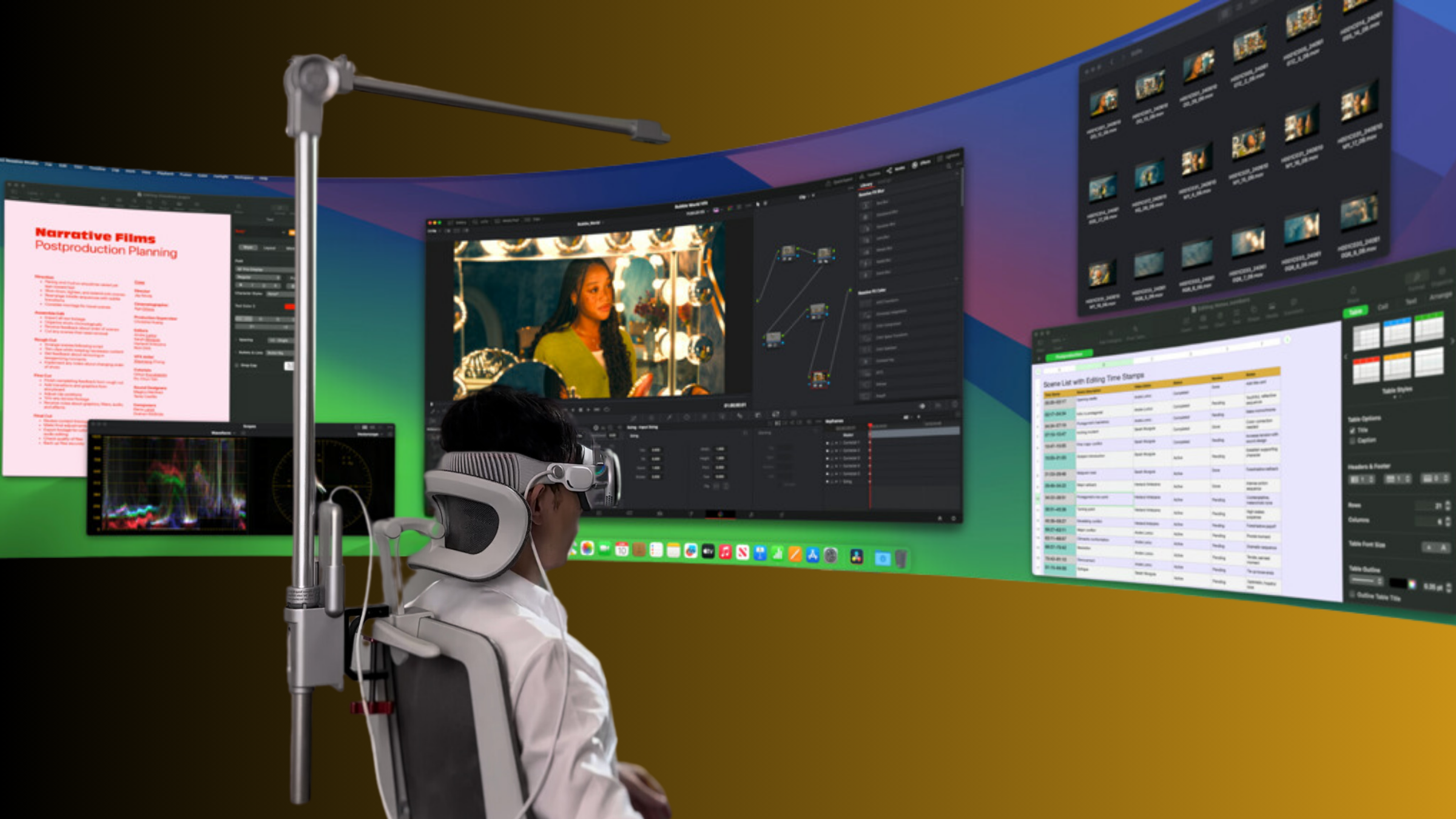
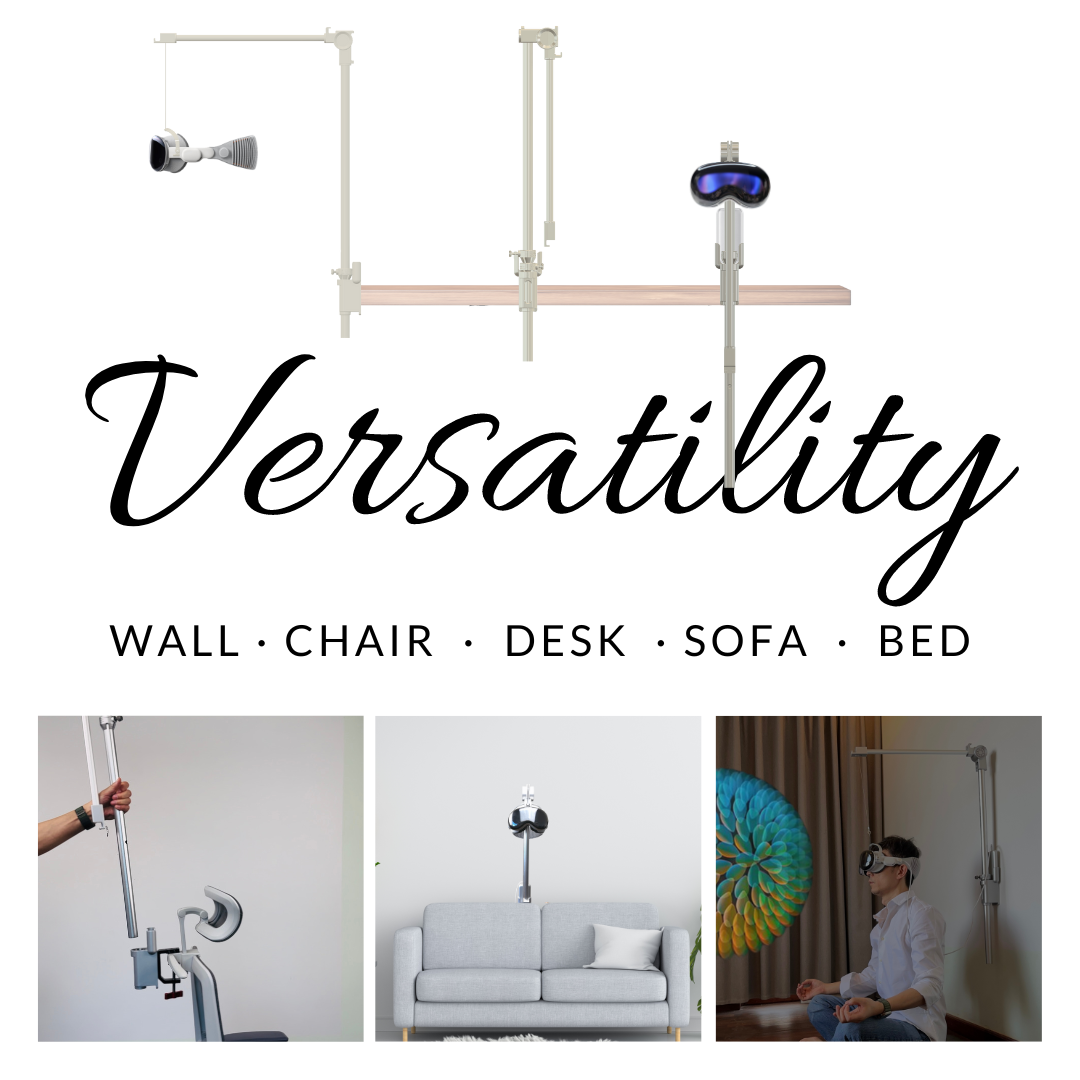
Vision Pro accessories and cross‑device gear sometimes change how the headset sits on your face. While Vision Pro is a different product line, certain third‑party accessories are designed to be universal—always verify dimensions and mounting points before buying. The rule of thumb: if an accessory adds meaningful front weight, it should be paired with a strap that offers rear counterbalance; if it sits at the rear, make sure the cradle and clips are compatible and secure.
Finally, account for cable and port placement. Wireless adapters reduce tethering but can introduce small antennas or dongles that alter fit. Test any new accessory in a short session first to ensure it doesn’t introduce new pressure points.
Smart Buying Guide: Affordable Options and Practical Upgrades
You don’t have to spend a fortune to get a meaningful comfort upgrade. Use these decision criteria to balance price, comfort, and feature set based on your usage patterns.
Decision checklist:
- Primary use: Are you standing and moving, seated and streaming, or a mix? Active play benefits from halo designs; seated streamers may prefer padded rear cradles.
- Glasses priority: If you wear thick frames or progressive lenses, prioritize depth and adjustable tilt over low cost.
- Weight tolerance: If you’re sensitive to rear weight, avoid heavy battery packs and look for lightweight halo designs or padded cradles instead.
- Budget: Mid‑range third‑party straps (Kiwi Design, AMVR) offer most comfort features at a fraction of premium prices. Halo designs with built‑in battery packs (BoboVR M2 Pro) cost more but solve two problems at once—balance and battery life.
- Replaceability: Prefer straps with modular pads so you can refresh cushioning without replacing the whole unit.
Affordable starting picks: AMVR and Kiwi Design models often provide better padding and adjustability than stock for a modest price. If you want to spend a bit more for a halo approach and integrated battery, consider BoboVR’s halo designs. Reserve the Elite Strap if you prefer official accessories and want a simple, integrated upgrade—just test it for pressure points with your glasses before committing to long sessions.
If you’re unsure, buy from retailers with easy returns and try the strap in a typical session (60–90 minutes) to see how it performs under real conditions. That hands‑on test is the most reliable indicator of whether a strap will work for your glasses and play style.
Next step: choose a strap based on your primary pain point—pressure, balance, or battery—and plan a brief fitting and break‑in routine within the first week of use to refine adjustments for marathon sessions.

Share:
Ergonomic Fit for Quest 2: Optimizing Strap Pressure to Reduce Head Strain
Third party accessories compatibility guide for Meta Quest two