

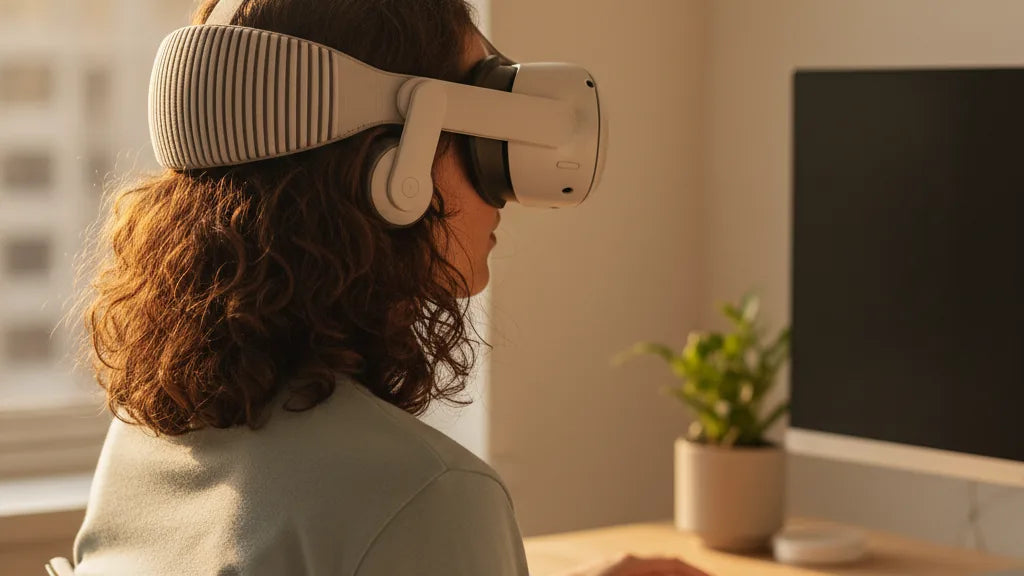
Top Third‑Party Quest 2 Head Straps for Extended Comfort: A Practical, Feature‑First Guide
If you’re a Meta Quest 2 owner logging multi‑hour play sessions, the stock strap quickly becomes the weakest link in your comfort chain. Upgrading to a third‑party head strap is one of the fastest, most cost‑effective ways to reduce facial pressure, eliminate neck strain, and keep immersion longer. This guide walks through what actually matters when choosing a strap, recommends the best options by user need, and gives hands‑on setup, maintenance, and compatibility advice so you can pick—and tune—a strap that fits your playstyle. ⏱️ 10-min read
Read on for a feature‑driven framework (not just brand hype), step‑by‑step installation and adjustment tips, practical fixes for neck fatigue, and a straightforward buying checklist that helps you decide between budget upgrades and premium battery‑integrated solutions.
What matters most in a Quest 2 third‑party strap
Comfort is the baseline: a strap must spread the headset’s weight away from your nose and forehead and across the crown and rear of your head. That starts with two design choices: how the strap distributes weight (rear counterweight vs. halo/halo‑like band) and how it fine‑tunes fit (top and rear adjustability). Rear‑counterweight designs shift mass behind your head—often with a small battery pack—while halo or rigid bands wrap around the crown for even load transfer. Both can work well; your body size and preferred motion range decide which feels natural.
Adjustability matters almost as much as padding. Smooth dials or ratchet systems let you micro‑tune tension so the headset stays steady during fast turns without clamping down on your scalp. Material choice and padding density are practical: soft, breathable foams avoid hotspots and soak up sweat, while durable webbing and reinforced plastics prevent early failure. Finally, check for battery‑pack compatibility, glasses friendliness (temple clearance and nose‑guard shape), and the price‑to‑durability tradeoff—sometimes paying a little more up front saves money and hassle later.
Top picks by category (with example brands to research)
Not all upgrades are created equal—here’s a quick taxonomy to match strap styles to user needs, plus familiar brands to investigate.
- Best overall (comfort + durability): Look for options that pair a robust rear cradle, thick crown padding, and a reliable dial. Brands like KIWI Design and AMVR offer models that feel premium without the official price tag; many include a counterweight mounting point or optional battery integration.
- Best budget upgrade: If you want an immediate lift over stock without breaking the bank, entry models from AMVR or generic straps sold by smaller makers provide improved side stability and padding for 30–50% of the official price. They often trade long‑term durability for low cost, but yield a meaningful comfort boost.
- Best for long battery life: Third‑party straps with integrated battery packs or secure back pockets for power banks—especially those sold as “with battery” bundles—are ideal for streamers or players who sprint through multi‑hour raids. Check models from KIWI Design that explicitly list USB‑C access and battery mounting.
- Best for glasses wearers: VRCover and some AMVR designs prioritize lens clearance and softer facial interfaces to reduce temple pressure. Look for straps that pair with aftermarket facial interfaces or include removable, low‑profile foam.
- Best halo / balance design: Halo‑style or rigid band straps (often marketed as “halo” or “halo‑like”) distribute weight across the crown and temple. They’re excellent for people who dislike rear pressure or want minimal forehead contact. BoboVR and select KIWI Design models use these concepts well.
Each category serves a different user: casual players may be happiest with a budget model, while competitive or endurance users should prioritize secure dials, durable materials, and battery compatibility.
How third‑party straps compare to the official Elite Strap
The official Elite Strap and its battery variant set a baseline for ergonomics and integration, but third‑party options have closed the gap—and in some cases, surpassed Meta’s offering in specific areas. Price is the most obvious difference: many third‑party straps deliver similar or better comfort at a fraction of the Elite Strap’s premium cost, making them attractive value plays.
Ergonomics and comfort vary by design. The Elite Strap improves on the stock strap by adding a more rigid rear cradle and a top strap, but third‑party manufacturers pushed innovation faster—adding thicker rear pads, optional counterweights, and alternative halo or cradle geometries that can offer superior pressure relief. If you want a battery, Meta’s Elite Strap with Battery integrates neatly, but third‑party straps often allow larger power banks or different mounting positions for a longer runtime or easier cable routing.
Build quality is mixed across both camps. Meta has improved Elite’s materials and connectors, but quality still depends on use. With third‑party straps, read user reviews for long‑term durability—look for reinforced plastic around the attachment rails and strong stitching on fabric pieces. A third‑party strap is a better choice when you prioritize specific features (battery capacity, halo comfort, glasses clearance) or want better value. The Elite Strap still wins for a worry‑free, OEM fit and predictable fitment if you prefer a plug‑and‑play upgrade.
Step‑by‑step installation and adjustment for long‑session comfort
Installing a third‑party strap is straightforward, but small mistakes at setup are the most common cause of discomfort. Follow this sequence for a clean swap and a tuned fit:
- Power down: Turn off your Quest 2 to avoid accidental inputs and to protect cables while swapping parts.
- Remove the stock strap: Unclip or slide out the side rails—keep any small screws or clips if the manufacturer recommends reusing them.
- Mount the new strap: Align its side hooks with the headset’s rails and press until the clips click. Ensure the strap sits flush with the headset body; gaps mean misalignment or future stress points.
- Attach crown/top piece: Secure the top band and set it to a middle position to start. Make sure padding sits flat without folds or pinched foam.
- Set rear tension: Put the headset on, then tighten the rear dial or ratchet until the headset feels supported but not clamped. Aim for balance—if the front still tilts down, tighten the rear slightly more.
- Fine‑tune while seated: Play for 10–15 minutes sitting, performing typical gestures and head turns. Watch for hotspots at the brow, temples, or nose; adjust crown height and rear tension accordingly.
If you wear glasses, re‑check temple clearance and lens alignment during the seated test and make micro‑adjustments. Repeat the comfort test standing and moving—fast pivots can reveal slippage that a sitting test won’t.
Compatibility checklist: batteries, facial interfaces, controllers and Vision Pro considerations
Before you buy, confirm the new strap won’t create unexpected friction with your existing accessories. Use this checklist to avoid compatibility surprises:
- Mounting points and attachment method: Verify the strap uses the Quest 2’s side rails or lists explicit compatibility. Some aftermarket straps require an adapter or different clip orientation.
- Battery pack fit and charging access: If the strap integrates a battery, make sure the pack’s USB‑C port and cable routing are accessible while mounted. For straps without batteries, check if there’s a secure pocket or Velcro patch for external power banks.
- Facial interface compatibility: Confirm the strap’s footprint won’t interfere with the facial gasket, nose guard, or aftermarket covers (VRCover, KIWI Design pads). Some straps change the compression angle against the face, which affects light blocking and lens positioning.
- Glasses clearance: Look for straps that pair with low‑profile foam or state they’re “glasses‑friendly.” Read reviews from glasses wearers—this is where real‑world feedback matters more than specs.
- Controller pairing and passthrough: Most straps won’t affect controllers, but check that any large rear pads don’t obstruct Quick‑Capture or passthrough sensors in your play area.
- Vision Pro accessories: Apple Vision Pro accessories and stands are designed for a different headset geometry. Explicitly, Vision Pro accessories are generally not compatible with Quest 2—verify that any accessory you’re considering is intended for Quest 2, not another platform.
If in doubt, look for product pages that include clear compatibility notes and responsive seller support—return and warranty policies are especially important for straps that change how other add‑ons mount.
Real comfort fixes: weight distribution and ergonomics tips
Tiny adjustments often yield the biggest comfort gains. Two principles guide ergonomics: shift mass toward the rear and minimize pressure on the brow and nose. Start by loosening the top strap so the halo or crown band carries the load, not your forehead. The top strap’s role is to keep the headset vertically aligned, not to hold its weight.
Next, tune the rear cradle or counterweight. If the front of the headset still droops, increase rear tension incrementally until the unit sits level. You want a centered center of gravity—when properly balanced, the headset feels almost weightless. For heavy front assemblies or users with short hair, small counterweights (2–4 oz) in the rear pocket can make a dramatic difference without overloading the neck.
Pay attention to pad placement. Thin, firm padding under the crown spreads pressure across a wider area; softer padding under the rear cradle absorbs motion and reduces micro‑shifts. If hotspots appear, move padding slightly forward or backward—small shifts change contact points and pressure dramatically. Finally, incorporate posture: sit upright with shoulders relaxed and let your neck support a neutral head position. Test with the games you play most—fast swings, ducking, and leaning reveal different balance needs than seated puzzle games.
Cleaning, maintenance and when to replace parts
Regular care keeps comfort consistent and prevents premature failure. Start by removing any detachable pads before cleaning. Use a damp microfiber cloth and mild soap to wipe fabric and foam surfaces—avoid saturating foam or submerging parts. Don’t use bleach, acetone, or alcohol cleaners on padding or elastic; these degrade foam and adhesives. Rinse light soap residue with a barely damp cloth, then air‑dry fully away from direct sun or heat sources.
Maintain Velcro and adjusters by removing lint with a small brush; a clogged Velcro hook will lose grip and transfer stress to other components. Inspect seams and plastic mounts monthly if you’re a heavy user. Look for hairline cracks around molded clips, frayed webbing, or loosened screws. Replace worn facial interfaces and padding as their compression increases—compressed foam loses its ability to distribute pressure and will force the strap to overcompensate.
Signs it’s time to replace parts: persistent hotspots after re‑adjustment, wobble or slippage that tightening won’t fix, visible cracks on attachment points, or Velcro that no longer holds. For heavy users (daily multi‑hour sessions), plan on a basic service cadence: clean after every sweaty session, inspect weekly, and replace foam or straps every 6–12 months depending on wear. Lighter users may stretch that timeline to 12–24 months.
Practical buying checklist and decision flow
Before you click purchase, run this short decision flow to match strap type to your needs and avoid returns:
- How long are your sessions? If most sessions are under 60 minutes, a budget upgrade with better side stability might be enough. If you play 1.5–4 hours regularly, prioritize a rear‑cradle or halo design with thick padding and a reliable dial.
- Do you need extended battery life? If yes, choose straps with integrated batteries or a secure pocket for a power bank. Verify USB‑C access and cable routing.
- Do you wear glasses? Favor straps that advertise glasses friendliness and pair well with thin aftermarket facial interfaces (VRCover, KIWI pads).
- What’s your budget? Entry upgrades start around $30–50; mid‑range comfort straps sit in the $40–80 band; premium, battery‑ready, or halo designs approach $80–120. Factor in replacement pads and shipping.
- Check real reviews: focus on long‑session comfort, durability reports, and fit for different head shapes. Look for photos of the mounted strap with batteries or facial interfaces you use.
- Verify return policy and warranty: prefer sellers with at least 30‑day returns and clear warranty terms—this protects against incompatible geometry or premature failures.
Quick next steps: measure your head circumference if you’re between sizes, shortlist three models that meet your priority list, read the most recent user reviews, and confirm the seller’s return policy. If possible, try in‑person or buy from retailers with easy returns so you can test in your typical play environment.
Ready to upgrade? Use the decision flow above, prioritize fit and weight distribution over brand names, and remember: the right strap makes the Quest 2 vanish from awareness so you can focus on what matters—playing comfortably for hours.

Share:
Official Quest 2 straps versus third-party options: which delivers best comfort and value
Head cushion benefits boosting comfort and stability on Quest 2 sessions