


Ergonomic Deep Dive: How Your Quest 2 Head Strap Shapes Comfort, Weight Distribution, and Head Pressure
If you own a Quest 2 or spend long hours in VR, the difference between an okay session and a pain-free, immersive experience often comes down to the strap. Head-strap design doesn’t just hold the headset in place — it controls where the weight presses against your skull, how your neck shares the load, and whether you notice hotspots after an hour. ⏱️ 11-min read
This article gives a practical, evidence-based look at what straps change, why those changes matter physiologically, and exactly how to tune, maintain, and choose a strap for marathon VR sessions. Expect clear adjustments, real-user examples, and concrete steps you can test in ten minutes or less.
Weight distribution and contact pressure: what the strap actually changes
When we talk about strap comfort we’re really talking about two measurable things: contact pressure (force per area at each touchpoint) and weight distribution (how the headset mass is shared across those touchpoints). A poorly designed strap concentrates force onto a small area — usually the forehead or cheekbones — producing a “hotspot” where pressure, friction, and heat build and discomfort begins.
A good strap intentionally creates multiple contact zones: the crown of the head, the temples, and the occipital region (the base of the skull). Spreading the same weight across larger surface areas lowers peak contact pressure and reduces the chance of nerve irritation or skin redness. That’s why halo-style or rear-support straps feel dramatically different from the stock elastic band: they transfer some of the load from a narrow brow strip into the broader back-of-head pad, lowering forehead pressure and reducing the torque applied to the neck.
Strap geometry and tension change where the headset pushes against bone or soft tissue. A high top strap pulls the headset upward, increasing temple contact and reducing forehead pinch; a low top strap lets the front droop, intensifying brow pressure. Likewise, side-strap tension moves the headset laterally — uneven tension creates asymmetric hotspots and can make the display seem tilted, which compounds visual fatigue.
Practically, an effective strap reduces neck torque by distributing vertical and horizontal forces across more muscle groups, meaning the trapezius and neck extensors don’t have to fight a single fulcrum point. That’s why even modest strap changes can turn a 60‑minute session into a comfortable 3‑hour block: the body simply stops fighting to hold the headset stable.
Quest 2 strap options: standard, Elite, and third-party—comfort implications
The Quest 2 ships with a lightweight elastic strap: quick, unobtrusive, and cheap. For short play sessions it works fine, but it often fails when sessions lengthen or gameplay gets active. The elastic design provides minimal rear support, so the headset’s front-heavy mass tends to tilt forward and concentrate pressure on the forehead and cheekbones. Users report slipping, hot-spotting, and early neck fatigue with the stock strap.
Meta’s official Elite Strap replaces soft elasticity with a rigid frame and a rear adjustment dial. That rear cradle cradles the back of your head and transfers some of the forward weight rearward, reducing face pressure and stabilizing the view. The Elite Strap with an integrated battery adds run-time and acts as a counterweight: by shifting the center of gravity back, it reduces forehead push and the sensation of front-heaviness. However, that rear weight can increase neck load if the total mass grows too large for your neck strength or posture, so balance matters.
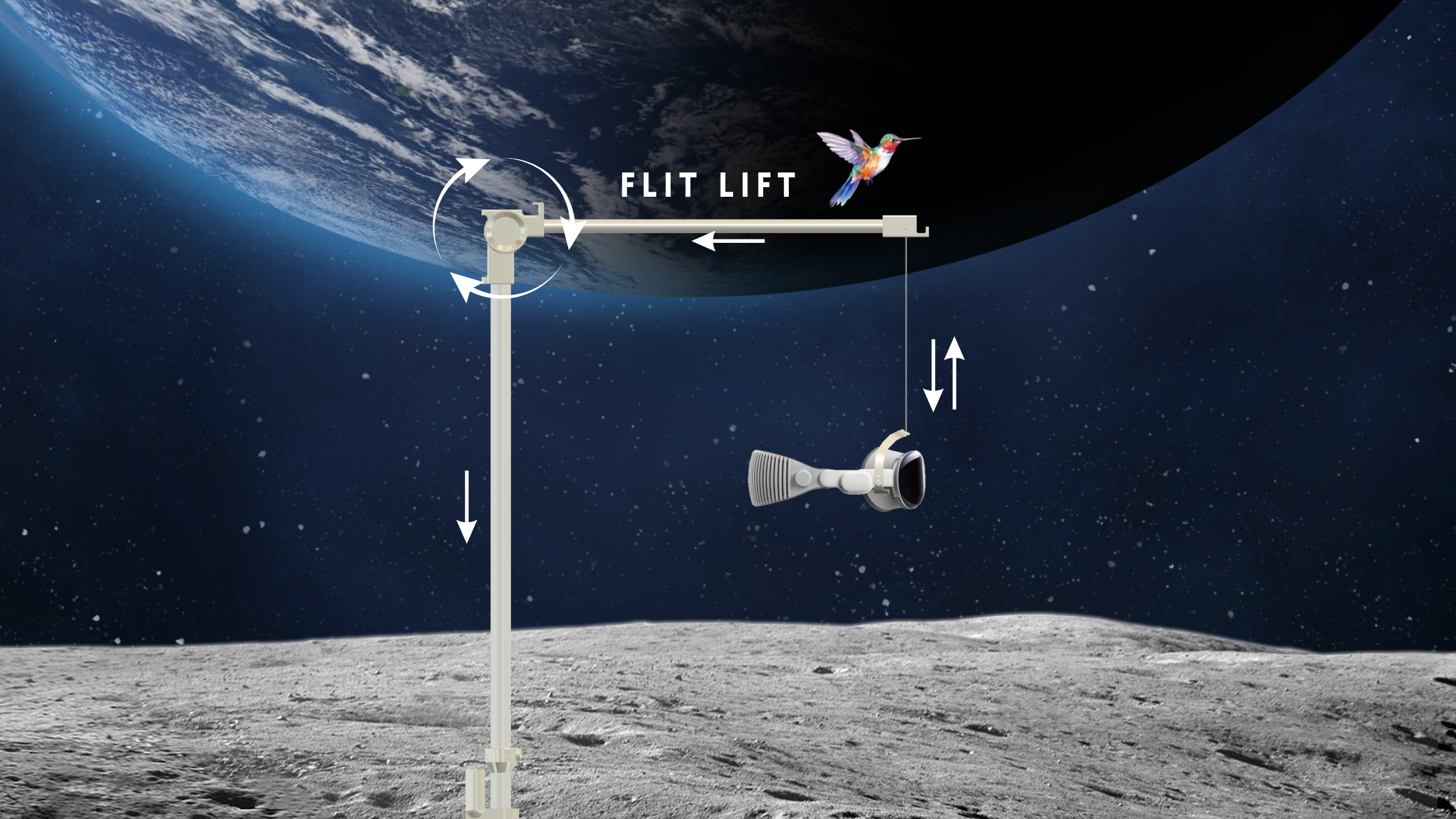
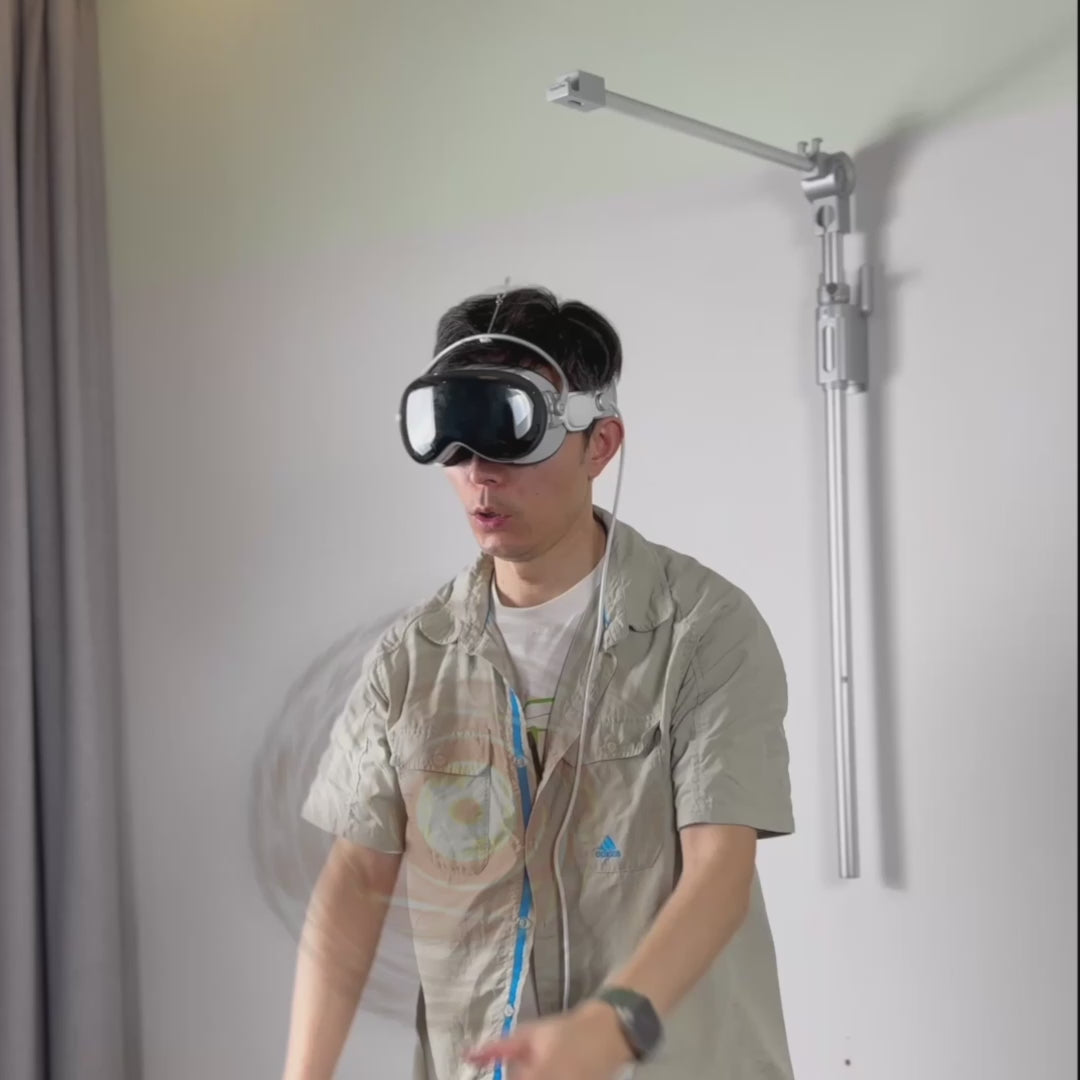
Third-party manufacturers have expanded this market aggressively. Some brands focus on thicker, more conforming padding (memory foam or multi-density foams), others on mechanical adjustability (ratchet systems, hinged halos, and dynamic lifts). Innovations like the FlitLift GraviPro-inspired mechanisms offer subtle counterbalance or lift to create a near-weightless feel. The trade-offs are clear: better padding and rear support typically improve long-session comfort but can add mass or bulk. Look for designs that spread contact area, allow micro-tuning (dial or hinge adjustments), and maintain lens alignment as you tweak fit.
Precise fit: height, length, and tightening for optimal balance
Tuning the fit is a small-effort, high-return step. The goal is to have the lenses aligned to your eyes with the headset stable at light pressure — not clamped tight. Follow these precise steps and test them in short sessions until they feel neutral:
- Place the headset on your face, center the lenses, and let the front sit naturally on your facial contours. Keep the main rear strap loose initially.
- Set the top/crown strap so it rests over the highest point of your skull. If it’s too far forward you’ll see more forehead pressure; too far back shifts load to the occiput and can tilt the headset forward.
- Tighten the rear strap gradually until the headset stays steady under light movement. You should be able to slide one finger under the strap comfortably; if you can fit two, tighten slightly.
- Equalize side straps in tiny increments. Do one notch on the left, then one on the right. If the display tilts, adjust the top strap height rather than over-tightening a single side.
- With glasses, allow 1–2 mm extra width at the temples and check for pinching behind the ears or pressure on temple frames. If you wear glasses, prefer straps with broader temple contact or softer temple padding.
After initial tuning, do a five- to ten-minute movement test: look up and down, shake your head gently, and perform a couple of game gestures. Scan for numbness, tingling, or heat at the brow and occiput. Micro-adjust in one- or two-click increments; small changes often have big comfort effects. Remember: symmetry matters — asymmetric adjustments are the usual cause of persistent hotspots.
Cushions, materials, and skin comfort during long sessions
Material choices determine how a strap feels hour after hour. A cushion that looks plush on day one can become a skin irritant if it traps heat or absorbs sweat. When evaluating cushions and covers, consider three properties: conformability (how well the padding molds), breathability (how it moves heat and moisture away), and hygiene (how easy it is to clean or replace).
Foams come in many densities. Memory foam conforms to skull contours and reduces peak pressure by increasing contact area; firm foams resist bottoming out under long compression and preserve shape longer. Open-cell foams and breathable mesh fabrics promote airflow and reduce sweat buildup. Leather-like or PU surfaces are easy to wipe and resist sweat, but they can trap heat and feel slick; textured fabric covers like velour or moisture-wicking knit strike a balance, providing a soft feel while allowing moisture transfer.
Silicone inserts and non-slip grippers can prevent motion without clamping. They’re simple to clean and don’t absorb sweat, making them a good choice for shared headsets. For hygiene, pick removable, washable face pads and straps; plan to clean them after heavy use. Replace foam that’s compressed, cracked, or no longer springing back — degraded padding concentrates force and recreates the very hotspots you tried to eliminate.
Practical tip: if you find heat buildup unavoidable, swap to materials that prioritize airflow (open-cell foam with fabric cover) and add short cooling breaks every 45–60 minutes. Small swaps in cushion density or cover material can turn a sweaty hour into a comfortable two-hour block.
Installation and maintenance: steps to fit and care
Installing a comfort strap and keeping it in good condition is straightforward but worth doing methodically. A poor install can negate the strap’s ergonomic benefits; regular maintenance preserves padding geometry and hygienic performance.
- Remove the stock strap (if present) by releasing the anchor points at the headset sides. Keep the original hardware in case you want to revert.
- Align the new strap’s connectors with the headset mounts — most are keyed to snap into place. Press firmly until you hear a click and gently tug to verify secure attachment.
- If your strap uses a dial, ratchet, or hinge, start with it in the neutral or loosened position. Don’t forcefully crank a tight fit; the aim is light, distributed pressure.
- Fit the headset and follow the tuning steps above (crown placement, rear tension, side equalization). Check for play in the connectors and make sure the strap doesn’t shift under motion.
Cleaning and inspection: wipe non-porous surfaces with a soft cloth and mild soap solution; avoid harsh chemicals on foam or fabric. For fabric pads, remove and hand-wash with mild detergent and allow full air drying before reattaching. Inspect foam for compression lines, cracking, or loss of rebound; replace pads when they no longer spring back or when seams split. Tighten any screws or fasteners periodically — rocking connectors indicate wear and can alter load paths. For straps with integrated batteries, follow manufacturer safety instructions: remove batteries before cleaning and check battery charge cycles and physical integrity annually.
Weight, balance, and battery considerations in real use
The Quest 2 is relatively light compared to many PC VR headsets, but that lightness makes it sensitive to how weight is distributed. Add-on straps and rear batteries change the center of gravity: moving mass rearward reduces forehead pressure but increases the moment arm the neck must counter. Whether that tradeoff is worthwhile depends on head shape, neck strength, and session length.
A rear-weighted strap is often the fastest path to reduce face hotspots. By offsetting the headset front, it can dramatically reduce redness across the bridge of the nose and forehead, and users typically report longer comfortable sessions. But adding a heavy battery can amplify neck torque over long periods: the musculature of the neck may fatigue in a different way, producing soreness at the base of the skull or between shoulder blades if you aren’t attentive to posture.
Match accessory weight to your use. If you do many seated sessions with minimal head motion, a heavier rear counterweight is usually beneficial. If you play standing, active games, or dance-like experiences, prioritize low mass and quick stabilizing systems (rigid halos with minimal battery weight). For mixed use, a compromise strap with modest padding and a small, removable counterweight or battery offers flexibility.
Practical balance tips: when adding a battery, test a 60–90 minute session and note any neck ache. Strengthening posture (brief neck extension and shoulder-stability exercises) can help, as can switching between strap modes during multi-hour days. Finally, remember that subjective comfort scales with stability: a heavier but stable headset often feels more comfortable than a lighter but constantly shifting one.
Interoperability and future-proofing: compatibility with Vision Pro and accessories
As mixed-reality ecosystems expand, accessory compatibility becomes a practical concern. Apple’s Vision Pro accessories — and their strap designs — are tailored to Vision Pro geometry and mounting systems; they generally do not directly fit Quest 2 mounts. Some third-party vendors advertise cross-compatibility or produce adapter kits, but fit and mechanical interfaces vary widely, and improper adapters can shift load unpredictably.
When selecting a strap to “future-proof” your setup, favor modular systems with documented compatibility: replaceable pads, standardized mounting points, or adapter-friendly flanges. Straps with universal or widely adopted anchor shapes make it easier to swap future modules: battery packs, audio mounts, or accessory arms. Also look for vendors that publish exact dimensions and mounting tolerances — these let you verify compatibility before buying and reduce the risk of making an expensive purchase that misfits.
Beyond mechanical fit, think about how the strap handles software and sensor changes. Head straps that minimize occlusion of outward-facing cameras and sensors are preferable for evolving mixed-reality experiences. Designs that keep the headset vented and sensors unobstructed will likely remain compatible with future spatial-computing features.
Finally, consider the upgrade path: a strap that offers a removable battery or a detachable rear cradle gives you the flexibility to test new balance options without replacing the entire harness. For longevity, aim for replaceable covers and pads and manufacturers who provide spare parts. That combination of modularity and careful documentation is the best hedge against rapid device turnover in the VR space.
Quick real-world examples and a practical next step
Real users bring these mechanics to life. Sarah, a 3D artist, swapped her Quest 2 stock strap for a padded halo-style third-party strap and extended her comfortable modeling sessions from 90 minutes to three hours. The broader crown contact and conforming memory foam eliminated forehead hotspots and let her focus on work rather than fidgeting. Mark, a developer doing long seated coding-plus-testing sessions, adopted a GraviPro-like lifting accessory with a small counterbalance. The near-weightless feel reduced front-face pressure and allowed him to work comfortably for four hours — though he interleaved short breaks to relieve the occipital muscles.
Next step you can perform now: tune the stock strap using the five-step fit checklist in this article. After ten minutes of micro-adjustments, test a 30–60 minute session and note any persistent hotspots. If you still feel significant pressure at the brow or cheekbones, evaluate an official Elite Strap or a third-party halo with wide crown contact. If neck soreness appears after adding a rear battery, try removing it for active sessions and use it only for seated play.
Comfort is a small-investment, high-return problem. With a few minutes of tuning, the right strap, and basic maintenance you can dramatically extend your pleasant VR time and protect yourself from the subtle but cumulative effects of poor weight distribution.

Compartir:
Balancing Quest 2 with a counterweight: boost stability during long sessions
Comparing Quest 2 comfort strap types: original, elite, and affordable third-party options