

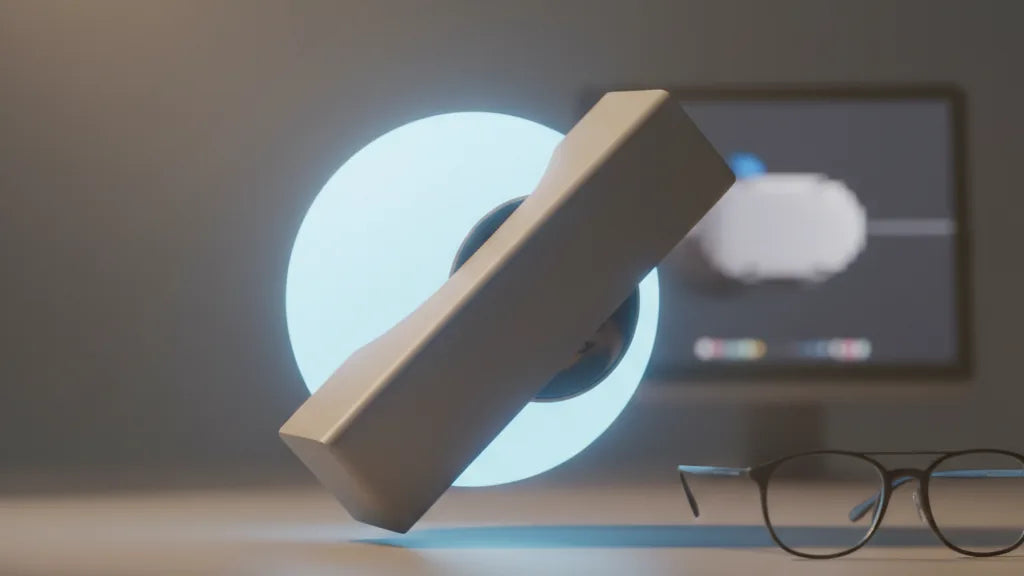
Quest 2 Comfort for Long Sessions: A Practical Guide to Straps, Fit, and Balance (Especially for Glasses Wearers)
If you want your Meta Quest 2 to feel like a window into another world rather than a weight on your face, comfort is not optional—it's essential. This guide focuses on pragmatic, non-hype ways to make the Quest 2 comfortable for extended sessions: choosing the right strap, fitting it correctly, protecting your glasses, and distributing weight so your neck and face don’t suffer. ⏱️ 10-min read
I’ll walk through strap options (stock, Elite, and third‑party), show you how to install and fine‑tune a comfort strap, offer targeted tips for glasses wearers, and explain simple weight‑distribution tricks that reduce fatigue. Expect actionable steps, real user examples, and maintenance advice so your headset stays comfortable for months of use.
Why comfort matters for extended Quest 2 sessions
Immersion depends on forgetting the hardware. When the Quest 2 shifts, presses into your cheekbones, or lets light leak around the lenses, the illusion snaps and your session becomes about readjusting instead of exploring. Those small interruptions add up: what should be a focused hour of gaming, design work, or social VR becomes a series of breaks to relieve pressure or wipe a damp forehead.
Beyond annoyance, an ill-fitting headset creates real physical problems. Users commonly report pressure marks on the face, soreness at the temples, and tension headaches from uneven weight distribution. Eye strain is also common when the headset sits at the wrong angle or the IPD (interpupillary distance) isn’t correctly set—both of which are exacerbated by a shifting or sloppy fit. Over time, repeated sessions with poor ergonomics can contribute to chronic neck discomfort, postural problems, and an aversion to longer VR experiences. In short: making the Quest 2 comfortable isn’t indulgence—it’s how you preserve both immersion and your body for longer, more enjoyable sessions.
Understanding Quest 2 strap options: Standard, Elite Strap, and third‑party
Every Quest 2 ships with a basic fabric strap: an elastic loop system that keeps the headset usable straight out of the box. It’s inexpensive, easy to install, and light—but it loosens, shifts during active play, and concentrates the headset’s weight on the face and forehead. For short sessions or casual players this is adequate; for anything longer, the limits become obvious.
Meta’s official Elite Strap attempts to address those problems with a rigid frame and an adjustment dial at the rear. The dial lets you tune the fit and the rigid arms move more weight off the face. In practice, many users feel a noticeable improvement in stability and balance. That said, the Elite Strap has had durability complaints—plastic arms that can crack—and some early users saw failures that required warranty work. If you choose the Elite, be mindful of fit and don’t overtighten the dial.
That gap created room for third‑party comfort straps and halo systems. Brands like Kiwi Design, BoboVR, and others offer halo-style straps, battery‑integrated models, and various back‑weight designs. These accessories vary widely in materials and design: some prioritize a soft halo that lifts the headset off the face, others use back batteries for counterbalance, and a few combine both. The practical takeaway: the stock strap is okay for short play; the Elite Strap is a solid step up but watch for wear; and several third‑party options give targeted fixes—better padding, better rear support, and integrated counterweights—so choose based on your priorities (comfort, battery life, or durability).
Install and adjust a comfort strap (beginner‑friendly)
Installing a third‑party or upgraded comfort strap is usually quick, but the right order and a few small checks make a big difference. Follow these steps to remove the stock strap, attach a new one, and fine‑tune the fit so the headset sits stable without snapping tight against your face.
- Remove the stock strap carefully. Pull the elastic side arms out of their slots on the headset. They’re designed to give, but do this gently. Unthread the top strap from the central loop and keep the original strap—it's useful for resale or as a backup.
- Attach the new strap. Slide the new strap’s side arms into the headset’s side posts until they click or feel secure. If your strap has a top band, thread it through the top loop so it sits straight (not twisted) over your head.
- Initial fitting. Put the headset on and tighten the rear adjustment (dial or velcro) until the front foam rests on your face but does not dig in. The goal is an even seal around the cheeks and nose without concentrated pressure at the forehead.
- Fine‑tune while seated. Lean forward and move your head—shake gently, look up and down. If the headset shifts forward, loosen the top strap slightly or re‑adjust the rear dial to pull weight backward. If pressure concentrates on your forehead, raise the rear support or add a thin shim under the top strap.
- Check IPD and view. With the headset stable, use the Quest 2’s bottom IPD slider so images align with your pupils. Slight head tilt changes can alter clarity—reposition if needed.
Small iterative adjustments—loosen, test, tighten a little—will get you a fit where the Quest 2 stays put and the weight feels neutral. If you have a strap with an optional battery or counterweight, add it last and re‑balance as described below.
Fit tips for glasses wearers and extended‑use ergonomics
Glasses are a common source of discomfort in VR, but with the right approach you can protect both your lenses and your face while maintaining optical clarity. Start with the official glasses spacer that comes with the Quest 2; it creates critical clearance between your frames and the headset lenses so you don’t scratch the optics. Never force your frames against the lenses—if space is tight, change frames or use prescription inserts.
Prescription lens inserts are the cleanest long‑term solution for glasses wearers. These clip into the headset and align precisely with the Quest’s optics, removing the need to wear your glasses inside the headset at all. They reduce pressure on your nose and temple areas, improve image clarity, and decrease fogging. Third‑party vendors make inserts for a wide range of prescriptions; check reviews and return policies before buying.
IPD adjustment matters more when you wear corrective lenses. Misaligned optics create blur and eye strain that manifest as headaches in long sessions. Use the bottom slider to set your Quest 2 IPD so the virtual image is crisp; then, if you use lenses or inserts, recheck with each accessory because small changes in lens thickness or position can change the sweet spot.
Finally, choose glasses with thin, narrow frames if possible. Bulky arms press into the facial foam and can create pressure points. A lightweight headset pad (memory foam alternatives) or halo strap that lifts weight off the cheeks will help glasses sit comfortably without being squeezed between face and foam.
Weight distribution and balance: reducing head and neck fatigue
The Quest 2 is naturally front‑heavy: the display, electronics, and battery sit forward of your ears. Left unchecked, that forward pull makes your neck compensate and your forehead bear pressure. The simplest principle for lasting comfort is to shift the center of mass backward so the headset’s weight sits closer to the midpoint of your head.
Practical ways to do that:
- Rear-mounted battery packs: Many third‑party straps support mounting a small battery at the back. Besides extending playtime, that battery becomes a counterweight that balances the headset. Try 100–250 g to start—enough to counter forward pull without creating a heavy lever on your neck.
- Dedicated counterweights: If you don’t need extra battery life, small removable weights exist that clip to the rear strap. They’re discrete and let you test different masses and positions quickly.
- Halo straps and rigid frames: Halo or rigid ring systems re‑route load to the skull’s perimeter rather than the face. The result is a perceptible reduction in facial pressure even without additional rear weight.
Placement matters: position the counterweight low and centered behind your head, not too high where it pushes your ears forward. After adding weight, retune the top strap and rear dial. If you feel a new pressure point near the crown, small foam shims or redistributed padding can resolve it. Real‑world examples show how effective this is—users like Alex replaced a standard strap with a Kiwi Design Elite Strap with Battery and eliminated forehead pressure for marathon sessions, while professionals like Sarah moved to a halo strap plus thin rear weight to support all‑day work in VR.
Compatibility and cross‑brand considerations (Apple Vision Pro, wireless accessories, and more)
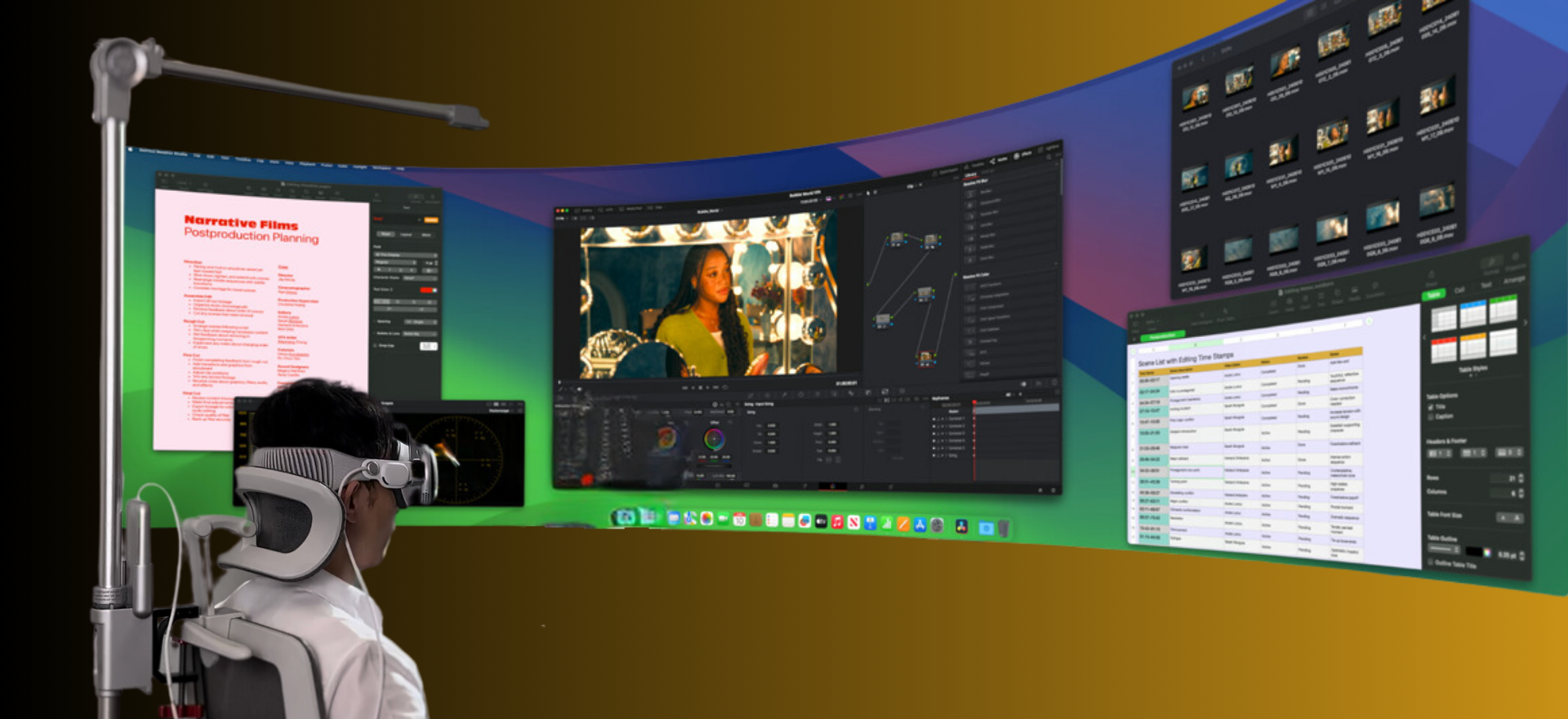
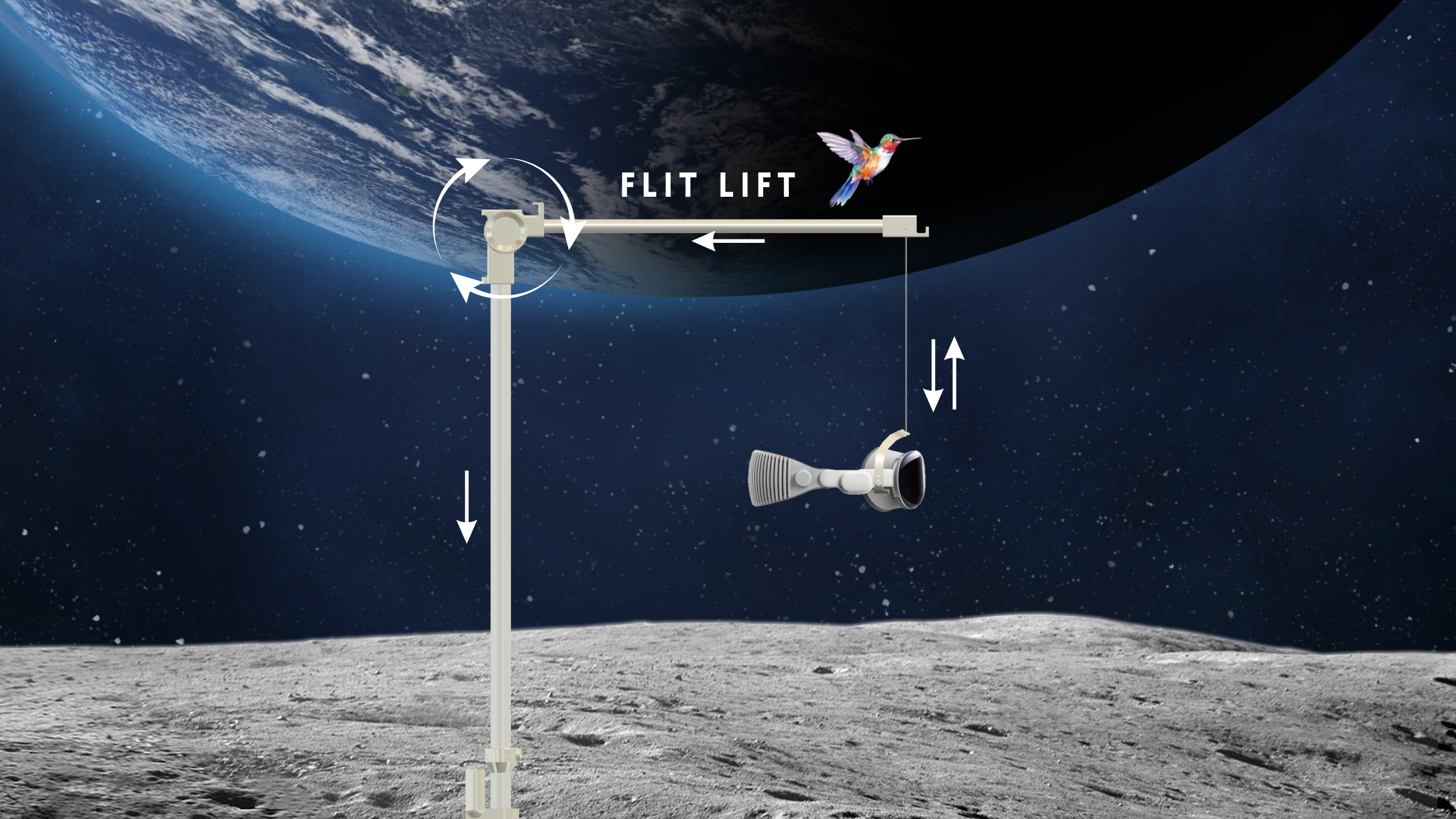
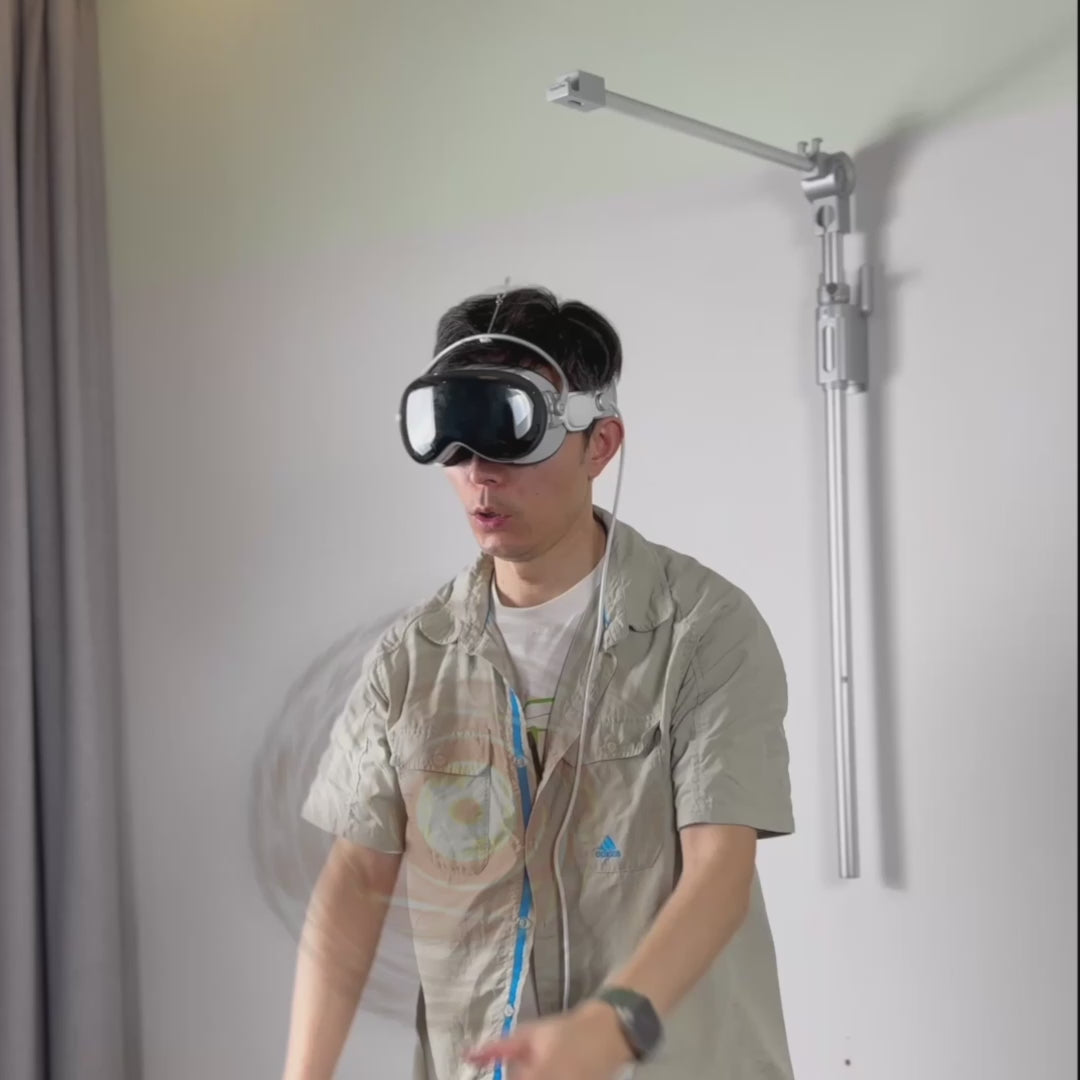
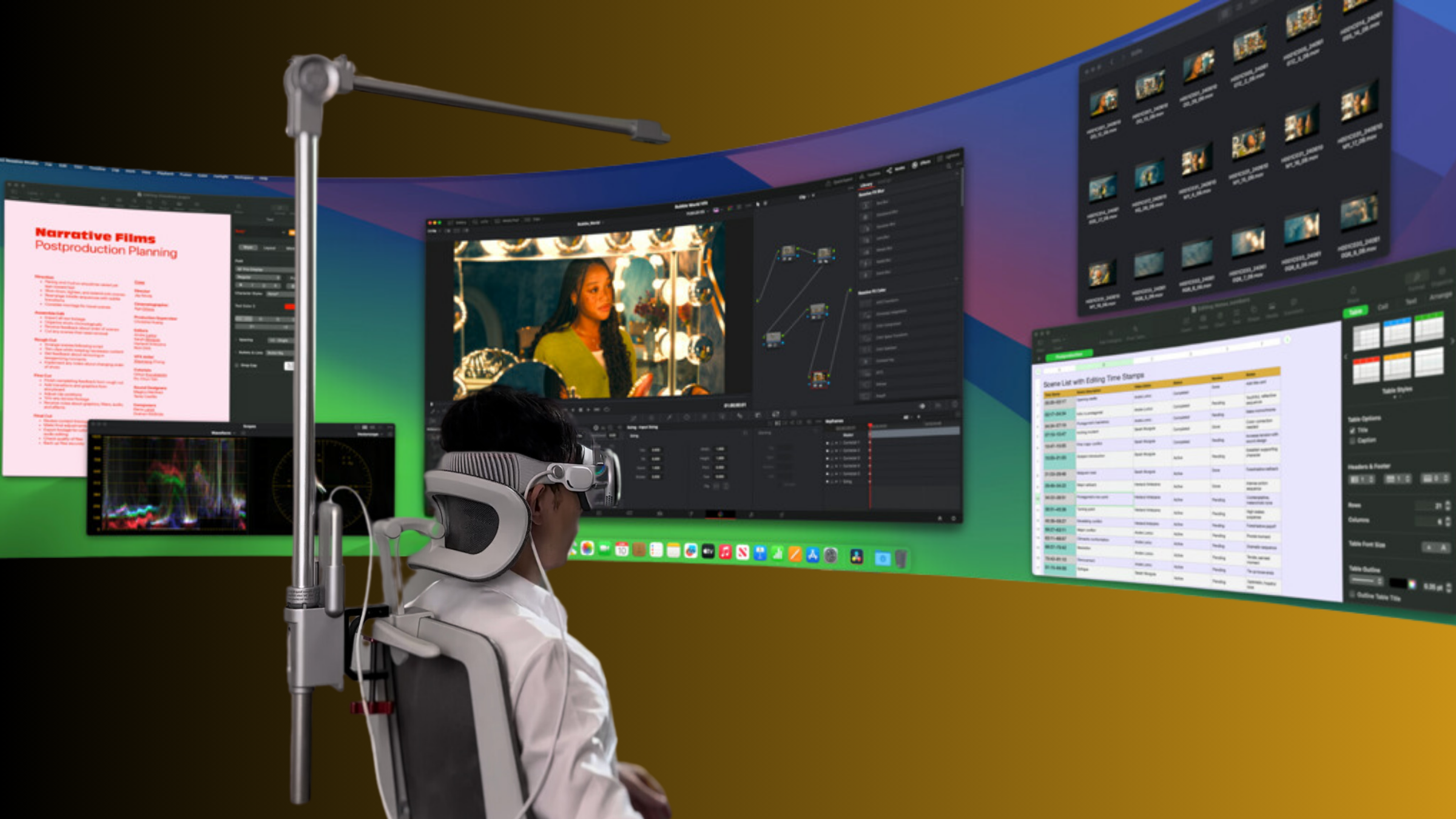
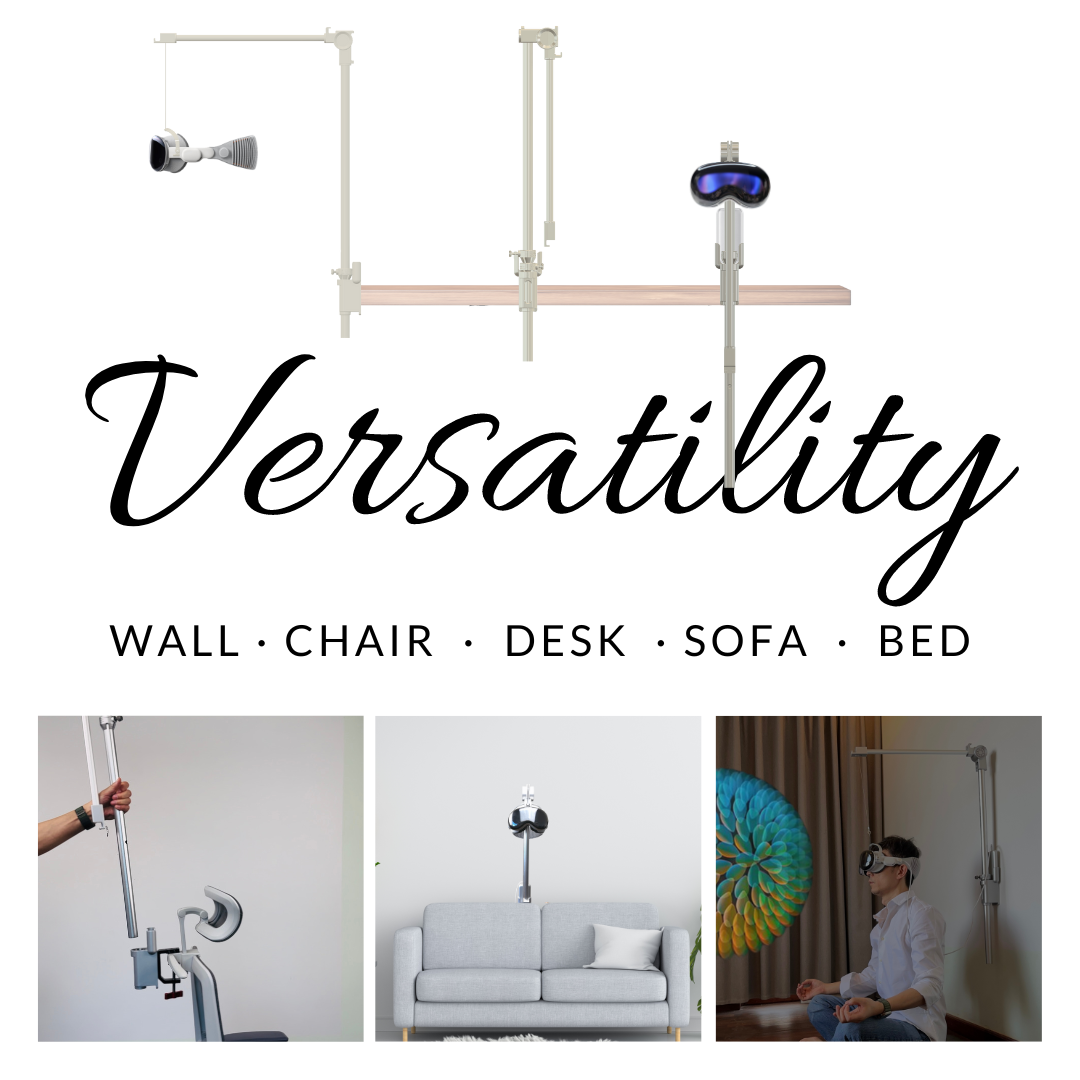
Ergonomic principles translate across headsets. Whether you use a Quest 2 or another device like the Apple Vision Pro, the same issues—front heaviness, pressure points, and need for good balance—appear. For heavier, front‑weighted systems, external lifts and rear support solutions (FlitLift and similar products for Vision Pro) help reduce neck strain and facial pressure. The difference is often in attachment methods and materials, but conceptually you’re solving the same problem.
When adding accessories, think about integration. Rear batteries and counterweights work well if the strap design supports secure attachment points. For example, many Quest 2 third‑party straps have clips or pockets specifically for batteries; avoid taping batteries or weights directly to foam because that damages padding and voids warranties. Wireless audio is another consideration: compact earbuds or slim on‑ear headphones limit interference with straps, while bulky over‑ear models often clash with the strap frame and create new pressure points. If you need over‑ear sound for immersion, look for slim-profile designs with soft ear pads that sit without pressing the strap outward.
Finally, check the headset’s sensors and passthrough cameras when adding hardware. Some rear mounts can slightly shift the headset’s fit or occlude tracking if they affect the shell’s geometry. After any major adjustment, test tracking responsiveness and Guardian boundaries before diving into intense experiences.
Maintenance, cleaning, and long‑term care for Quest 2 straps
Comfort degrades when sweat, oils, and dirt accumulate. Regular cleaning extends the life of pads and straps and keeps foam from breaking down into an uncomfortable mess. For foam and fabric components, use a damp microfiber cloth and mild soap—avoid soaking memory foam. For PU leather or similar wipes, a damp cloth with gentle soap works; let components air dry completely before reassembling.
When cleaning lenses, use lens‑safe microfiber cloths and optical cleaner or lens wipes. Never use household cleaners or alcohol on optical coatings—they can strip anti‑reflective layers. If your strap includes velcro, hair and lint will gather: use a lint roller or a fine comb to clear debris so velcro lasts longer and seals properly.
Replaceables matter. Foam pads flatten over months of heavy use; replace them periodically (many third‑party pads are inexpensive). If you use a battery pack, follow safe charging practices and avoid storing batteries attached to the headset for long periods—this reduces pressure on straps and lessens the chance of leaks or swelling. Finally, inspect plastic attachment points for hairline cracks or flexing, especially if you use the official Elite Strap—the reported durability issues often started at the side arms. Replace cracked parts to avoid sudden failure mid‑use.
Must‑have comfort accessories and quick‑fix tips for all‑day wear
Small changes add up. Beyond a comfort strap, here are accessories and shortcuts that improve long sessions immediately:
- Prescription lens inserts: The single best upgrade for glasses wearers who want consistent clarity and less facial pressure.
- Rear battery or counterweight: Dual benefit: longer playtime and superior balance.
- Halo strap or padded top band: Moves pressure off the face—especially helpful for creative or productivity use.
- Replaceable foam and breathable face covers: Swap in washable covers for hygiene and cooler sessions; choose breathable fabrics to reduce sweat.
- Quick shims and adhesive pads: Thin foam adhesives can lift a pressure point in seconds without redoing the whole fit.
- Compact earbuds: Minimize interference with straps and reduce ear pressure compared with large over‑ear sets.
Quick fixes during a session: loosen the rear dial a fraction and then tighten the top strap slightly to relieve a pinched temple; wipe the faceplate and foam with an alcohol‑free wipe between users; toggle IPD if you switch between users with different prescriptions. If you still experience discomfort after trying these, change strap type—many users report moving from a rigid Elite Strap to a halo system cured chronic facial pressure.
Next step: decide which single upgrade will help most—if you wear glasses, start with prescription inserts; if your sessions leave your neck sore, add a rear counterweight or battery. Make one change at a time and test over multiple sessions so you can judge results objectively.

Compartir:
All day comfort tested which Quest 2 straps stay comfortable after hours of use
Reducing pressure points with padding strategies on lightweight VR headsets