


Fabric Versus Memory Foam: Choosing the Right Apple Vision Pro Strap for Ultimate Comfort
The Apple Vision Pro stands as a monumental leap in spatial computing, offering an unparalleled immersive experience. Yet, even the most groundbreaking technology can be hampered by a simple, often overlooked detail: the comfort of its head strap. For anyone spending extended periods in the digital realm, the material hugging your head is not just an accessory—it's foundational to long-session comfort, sustained focus, and overall enjoyment. The choice between fabric and memory foam, while seemingly minor, profoundly impacts everything from pressure distribution to heat management and even the longevity of your device's most tactile interface. ⏱️ 10-min read
Navigating the nuances of strap materials can feel like a deep dive into ergonomics, but it doesn't have to be. This guide will meticulously break down the core differences between fabric and memory foam straps for your Apple Vision Pro, exploring how each material performs under the unique demands of spatial computing. We'll weigh breathability against cushioning, examine durability alongside care requirements, and ultimately help you make an informed decision to maximize your Vision Pro experience, ensuring comfort is never a compromise.
Key Differences Between Fabric and Memory Foam Straps
At the heart of the fabric versus memory foam debate lies their fundamental material composition and structural philosophy. Fabric straps typically utilize woven or knitted fibers such as polyester, nylon, or various synthetic blends. These materials are chosen for their inherent properties: durability, effective moisture management, and ease of cleaning. Against the skin, fabric often feels lighter and cooler, promoting airflow without significant bulk. Their construction emphasizes flexibility and a generally flat profile, though some designs incorporate braids or light padding. This design approach prioritizes a natural, unencumbered feel, relying on even tension across a broader surface area to distribute the headset's weight.
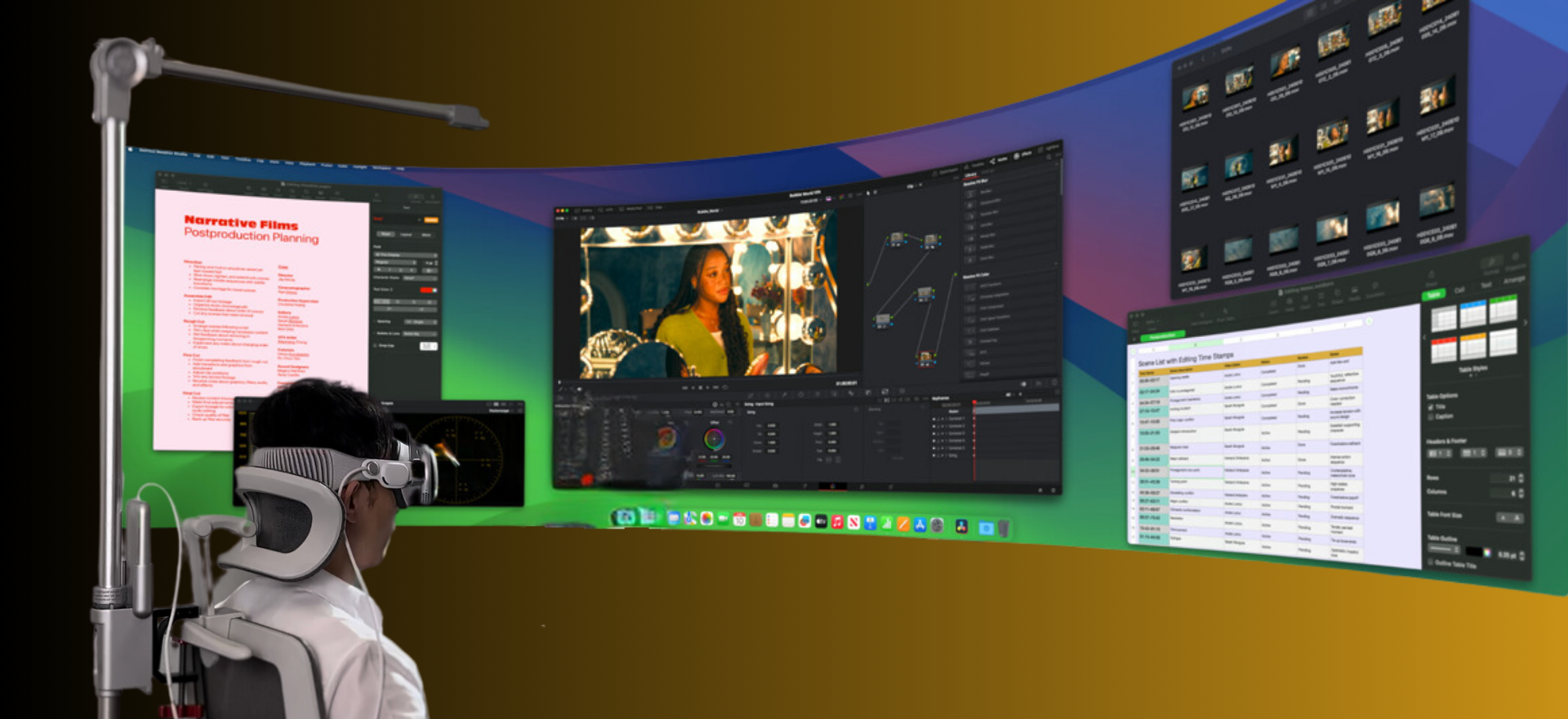
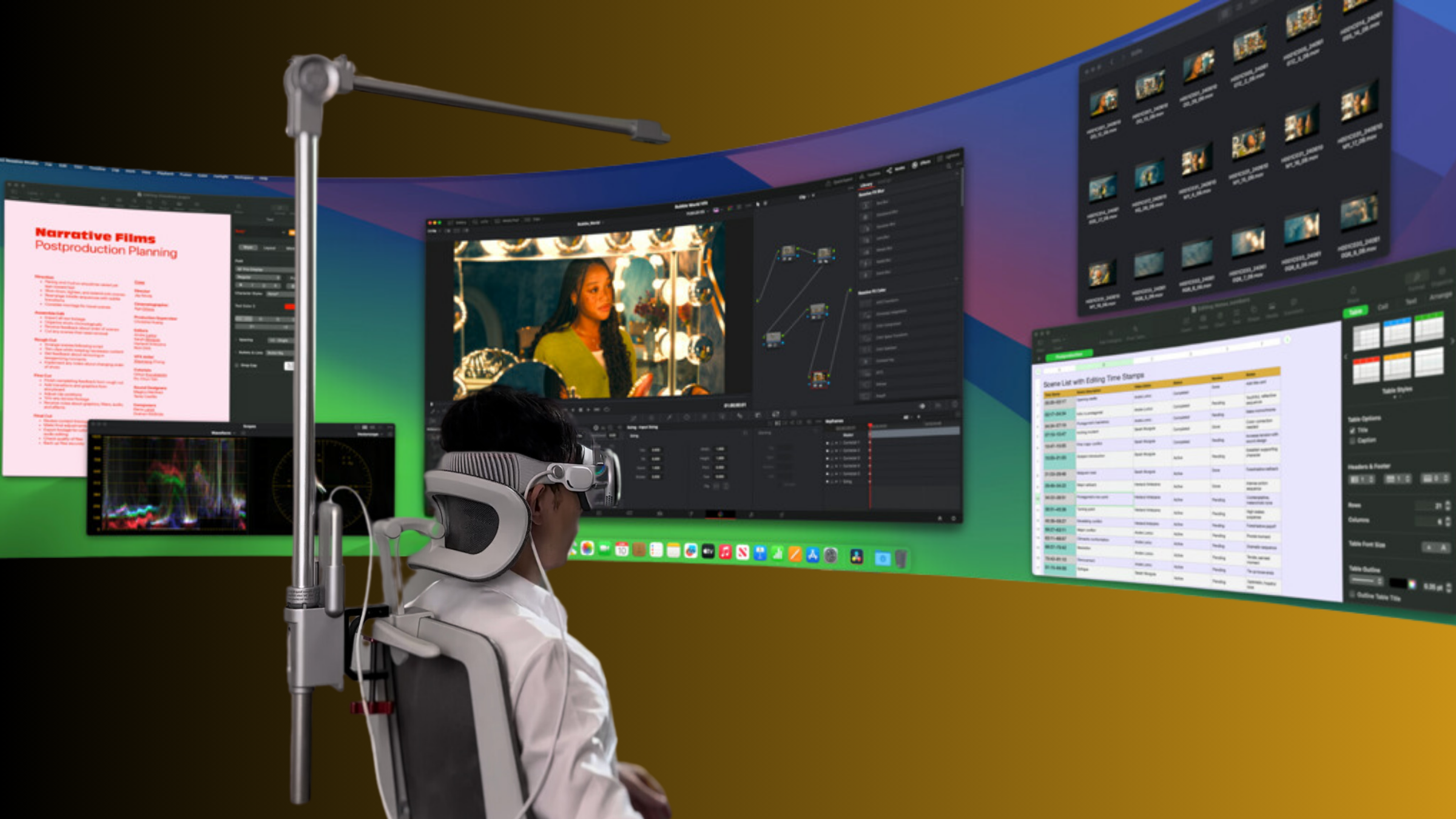
Conversely, memory foam straps integrate viscoelastic polyurethane foam into their core, which is then usually encased in a fabric cover. The defining characteristic of memory foam is its ability to soften and conform to the unique contours of your head when exposed to body heat and pressure. This creates a highly personalized, sculpted fit that can feel exceptionally secure. Structurally, memory foam straps are often molded to provide specific ergonomic contours, which can enhance stability and pressure distribution by filling potential gaps. While this adds a degree of thickness and mass compared to most fabric alternatives, the initial impression of added weight is often offset by the foam's adaptive cushioning once it fully conforms. When first worn, fabric straps tend to offer immediate relief due to their lightness and breathability, whereas memory foam introduces a denser, more cushioned sensation that, after a brief break-in period, can melt away localized pressure points. Brands like FlitLift GraviPro often highlight this sculpted, conforming comfort as a key advantage, emphasizing a "glove-like" fit.
Comfort and Pressure Distribution in Long Sessions
The true test of any Apple Vision Pro strap emerges during extended sessions. When you are deeply immersed in a spatial environment, the way the strap distributes weight becomes just as critical as the initial plushness against your skull. Memory foam and fabric straps approach sustained comfort and pressure management from distinct angles, and understanding these differences is key to predicting where discomfort might arise over time.
Memory foam excels at mitigating localized pressure points due thanks to its viscoelastic properties. As the foam warms and yields under the weight of the Vision Pro, it precisely conforms to the unique topography of your head. This dynamic adaptation spreads the contact area across the crown, along the forehead edge, and downward to the occipital region at the back of the head. This "adaptive cushioning" effectively smooths out potential hotspots that might otherwise develop at the temples or the delicate occipital bone. For gamers or professionals engaged in multi-hour VR sessions, this conforming ability often translates into a profound reduction in perceived weight and a sensation of sustained, "weightless" comfort, preventing the forehead from bearing the brunt of the device's load and allowing temple pressure to dissipate.
Fabric straps, on the other hand, deliver comfort through a combination of even tension and a broader, more flexible contact surface. By distributing the Vision Pro's weight more generally along the sides and back of the head, they aim to prevent pressure points from forming at any single spot. The inherent flexibility and pliability of fabric allow for a wide fit that can be adjusted to balance tension across various parts of the head. While less "molding" than memory foam, well-designed fabric straps can still offer impressive comfort during prolonged wear, often enhanced by their breathability and the ease with which tension can be adjusted on the fly. However, without the adaptive contouring of memory foam, the pressure distribution relies more heavily on the user's initial adjustment and the strap's inherent design to avoid points where the material might dig in or shift, especially during active movement or sustained, static wear.
Breathability and Heat Management
One of the most significant distinctions between fabric and memory foam straps for the Apple Vision Pro lies in their approach to breathability and thermal regulation. This factor often dictates comfort, especially for users in warmer climates, those prone to sweating, or individuals undertaking intensive, long-duration sessions.
Fabric straps, particularly those constructed from knits or woven blends, inherently offer superior breathability. Their open structure is designed with microscopic air channels that facilitate active airflow around the scalp, forehead, and temples. This porosity allows cooler ambient air to reach the skin and efficiently vents away accumulated heat and moisture. Even lightweight fabric materials can provide a noticeably cooler sensation during extended use, directly counteracting the heat generated by the Vision Pro itself and the user's body. This enhanced ventilation is a primary reason why professionals engaged in collaborative work or focused tasks often prefer fabric options, as it helps maintain a comfortable skin temperature and reduces the distraction of clamminess.
Memory foam, by its very nature, is engineered to conform and create a close seal against the head. While this property is excellent for pressure distribution, it also means that the foam tends to trap a layer of warmer air between the material and the skin. This resistance to quick cooling can lead to a gradual increase in skin temperature after an hour or more of wear. In essence, the same snug fit that enhances stability can also function as a thermal insulator, particularly if the headset sits tight against the scalp. The inevitable consequence for many users is increased sweat accumulation, which can result in discomfort, skin irritation around the brow, or even the strap becoming slick and potentially shifting. To mitigate this, some memory foam strap designs incorporate perforations, internal air channels, or highly breathable outer fabric covers. Furthermore, moisture-wicking inner layers, often made from advanced polyester blends or even merino wool linings, are sometimes integrated to draw sweat away from the skin, aiming to keep the contact surface drier and more comfortable despite the foam's insulating properties. The overall effect of heat buildup, however, remains a key consideration, varying significantly with ambient room temperature, individual hair coverage, and the tightness with which the headset is worn.
Durability, Wear, and Cleaning
The longevity and maintenance of your Apple Vision Pro strap are crucial considerations, impacting both hygiene and sustained comfort over time. Both fabric and memory foam materials have distinct wear patterns and cleaning requirements that affect their overall durability and lifespan.
Fabric straps, typically made from polyester or nylon blends, generally demonstrate excellent abrasion resistance and good color retention. Common wear patterns include slight fraying at edges, occasional thread pulls, or minor stretching, especially at attachment points that endure repeated bending. Knitted fabrics, while often softer, can sometimes develop pilling—small balls of fiber—with friction. Fabric materials generally handle skin oils and sweat effectively, resisting quick staining, though prolonged exposure without cleaning can lead to gradual discoloration or a slight stiffness. For cleaning, fabric straps are relatively straightforward: a gentle hand wash with mild detergent and subsequent air drying is often effective for a thorough clean. For quick refreshes, spot cleaning with a damp cloth and a mild soap solution is usually sufficient. This ease of cleaning contributes to their practical durability, as regular maintenance can prevent sweat and oil buildup that might otherwise degrade the material.
Memory foam straps, though often covered in fabric, rely on the integrity of their viscoelastic core. With consistent use, the foam itself can compress over time, leading to visible indentations that reduce its conforming ability. More severe wear can result in cracking or degradation of the foam core, particularly in areas of high stress. Memory foam is also more susceptible to absorbing moisture and skin oils, which can lead to unpleasant odors, a loss of its characteristic softness, and accelerated breakdown of the foam structure if not properly managed. Exposure to direct sunlight or high heat can further accelerate the degradation of memory foam, making it more sensitive to environmental factors than most fabrics. Cleaning memory foam requires a more delicate approach: it should be spot cleaned with a mild soap solution and a damp cloth, then thoroughly air-dried, ensuring it is completely dry before reattachment to prevent mildew or further degradation. Machine washing is generally not recommended as it can damage the foam's internal structure. Accessories like the FlitLift GraviPro, which often feature memory foam, highlight the importance of careful material selection and maintenance for long-term accessory performance. Understanding these wear characteristics and cleaning protocols is essential for maximizing the lifespan and hygienic comfort of either strap type.
Fit, Adjustability, and Compatibility with Vision Pro Hardware
The ideal Apple Vision Pro strap not only cushions but also integrates seamlessly with the device, providing stability and balanced weight distribution. The material choice—fabric or memory foam—significantly influences the strap’s flexibility, adjustability, and overall compatibility with the Vision Pro’s unique attachment system and internal padding.
Fabric straps often excel in sheer flexibility and ease of adjustment. Their pliable nature allows for quick, intuitive modifications using common mechanisms such as hook-and-loop fasteners, simple sliders, or cinching buckles. This means users can effortlessly tighten or loosen the fit to accommodate changes in headwear, share the device among different users, or fine-tune comfort throughout a session. The inherent lightness and low profile of fabric also make it highly versatile, allowing for a wide range of designs that prioritize a streamlined look and feel. Moreover, fabric readily accepts sewing or bonding for secure, robust attachment points that integrate flawlessly with the Vision Pro’s frame, ensuring a reliable connection without adding unnecessary bulk. This adaptability makes fabric a strong contender for those who prioritize immediate, on-the-fly fit customization and a lightweight presence.
Memory foam straps, while less instantly adjustable in their core material, offer a profound benefit in their ability to provide a "molded fit." After a period of initial wear, the foam adapts to the wearer's specific head contours, creating a uniquely personalized and stable experience. This custom-like fit often translates to exceptional stability, minimizing any unwanted shifting or wobbling of the Vision Pro during movement. While the foam itself isn't adjusted like fabric, variations in foam density or the inclusion of interchangeable foam pads can offer a bespoke level of comfort and support. However, integrating memory foam into Vision Pro accessories requires careful engineering. Designers must ensure that the attachment mechanisms remain robust and reliable without compromising the foam's comfort properties or adding excessive bulk. Achieving balanced weight distribution with memory foam straps involves leveraging their contouring ability to spread the device's mass evenly across the head, rather than relying solely on tension. This ensures that the Vision Pro stays securely in place, even when paired with external accessories, offering a consistent and immersive experience that is less prone to distraction from device movement.
Maintenance and Hygiene Best Practices
Maintaining the cleanliness and integrity of your Apple Vision Pro strap is paramount not only for hygiene but also for preserving comfort and extending the accessory's lifespan. Both fabric and memory foam straps demand specific care routines to ensure they remain fresh, comfortable, and functional.
For fabric straps, regular cleaning is straightforward and highly recommended.
- Daily Refresh: After each session, particularly if you've been active or in a warm environment, use a soft, dry microfiber cloth



Compartir:
The Best Face Padding Options for Quest Two Comfort and Fit
Comparing strap ergonomics: comfort straps versus standard straps on Quest headsets