


How Strap Design Changes Weight Distribution on Quest 2 — A Practical Guide for Longer, More Comfortable Play
The Meta Quest 2 is a compact, capable headset — but its front-heavy internal layout can make long sessions uncomfortable if the straps and padding don’t do the heavy lifting. This guide walks through how strap design drives weight distribution, why that matters for neck and face comfort, and exactly how to tune or upgrade your setup to play longer without fatigue. ⏱️ 10-min read
You’ll get clear explanations of crown, side, and rear support; comparisons of stock, Elite, and popular third-party straps; practical tuning tips (including counterweight ranges and placement); and step-by-step fitting checks so adjustments are fast and effective. Expect actionable advice you can use between games to keep your Quest 2 balanced and your focus in the virtual world.
Understanding weight distribution in VR headsets
At the core of headset comfort is the center of mass. On the Quest 2, most of the weight — the display assembly, optics, and battery — sits forward of your face, creating a torque that tends to pull the unit down and forward. Think of the headset as a lever: the more mass that sits in front of the pivot point (your nasal bridge), the greater the downward force on cheekbones and nose. That pressure shows up as red marks, pinching, and a short tolerance for long sessions.
Strap design is the mechanical answer to that torque. Good straps reposition contact points so the skull — not the lower face — takes more of the load. By lifting some of the weight onto the crown and back of the head, straps convert that forward torque into a balanced distribution across a larger surface area. The practical result: less facial pressure, fewer adjustments mid-session, and reduced neck strain from constantly fighting a forward tilt.
Strap construction basics: crown strap, side supports, and back strap
A headset strap is rarely just one band. Effective systems combine three functional zones: the crown (top) strap that supplies vertical lift, the side supports that stabilize lateral movement, and the rear strap or cradle that provides counter-torque. Each component contributes differently to how weight is shared across the head.
The crown strap moves some load from the cheeks to the top of the skull; side supports keep the headset from wobbling during quick turns; and the rear strap shifts the center of gravity backward so the front doesn’t sag. Padding and contact geometry matter: a narrow, unpadded band can create pressure points, while wider, contoured padding distributes force more evenly across the occipital area and temples. The angle where straps meet the headset also affects leverage — straps that pull upward more than backward increase vertical lift, whereas straps with a rearward vector emphasize horizontal counterbalance.
The role of top straps and vertical support
Top straps are the primary source of vertical support. When positioned and tensioned correctly, they lift the headset slightly onto the crown, removing a significant portion of the downward pull from your nose and cheeks. This shift reduces facial fatigue and makes the image feel steadier during rapid head movements or long, immersive sessions.
Designs vary: a single narrow band can press into the forehead and concentrate force, while Y-straps or padded crown designs spread pressure across more of the scalp. The right approach is to set the top strap so it lifts, not squeezes: aim for contact that feels supportive but not constrictive. A common mistake is overtightening the crown strap to stop slippage; that tends to create hotspots on the forehead and increases local discomfort. Instead, position the strap higher up the back of the skull and use moderate tension — the headset should feel stable when you nod or shake your head, but without pinching.
Horizontal balance: counterweights and rear cradles
Where vertical lift addresses facial pressure, horizontal balance prevents forward tilt. Adding weight to the rear of the strap shifts the headset’s center of gravity back toward the occipital region, counteracting the forward mass of the display. This method reduces the demand on your neck extensor muscles during intense gameplay and lessens the temptation to constantly nudge the headset upward with your hands.
Two common approaches achieve this: rear-mounted counterweights and halo or cradle designs that distribute load across a wider area at the back of the head. A rear battery pack is a practical dual-use example — it adds runtime and moves mass rearward, improving stability. Halo designs excel by spreading pressure across the occiput and lower temples, creating a more comfortable footprint than a single point of contact. The net effect is a steadier image, fewer micro-adjustments, and significantly less neck fatigue over multi-hour sessions.
Material rigidity vs. flexibility in weight spread
Material choice affects how forces are transmitted into your head. Rigid plastic frames can lock the headset in place and reduce wobble, but they must be well contoured and padded; otherwise rigid edges will create hotspots at the brow or temple. Flexible fabric straps adapt to head shapes and distribute pressure more evenly, reducing the sensation of sharp pressure points but sometimes allowing more motion during aggressive movement.
It’s not a matter of one being strictly better than the other: the ideal strap often blends rigidity for stability with soft, contoured padding at contact areas. Some third-party solutions pair a semi-rigid halo with foam or gel pads, combining the positional security of a rigid frame with the pressure distribution of softer materials. Consider how you move in VR — if you do fast-paced shooters or room-scale swings, prioritize a design that limits wobble; if you favor seated experiences, softer, more conforming materials may win on long-session comfort.
Precision adjustment mechanisms for a custom fit
How you tweak a strap matters as much as which strap you use. Precision mechanisms — ratcheting dials, micro-adjust sliders, and hinged tilt systems — let you dial in tension and angle so the headset sits evenly without over-tightening. Dial systems, in particular, provide small, repeatable increments that are easier to tune than Velcro or simple buckles.
Different adjustment types have trade-offs. Dials give fine control and consistent repeatability; hinged designs allow quick tilt adjustments that relieve pressure on the forehead without sacrificing stability; Velcro is fast and cheap but can slip or lose grip over time. When tuning, aim for even contact across the brow, temples, and back of the head. After each micro-adjustment, put the headset on and perform simple head motions — nod, shake, and look side to side — to confirm it stays centered and comfortable. Small changes (1–2 mm) make outsized differences in pressure distribution, so adjust incrementally and test in short bursts.
Strap choice and balance: stock strap vs Elite Strap vs third‑party options
Choosing a strap is a trade-off between weight, adjustability, and how the design redistributes load. The stock Quest 2 strap is lightweight and compact but tends to concentrate pressure on the cheeks and brow in longer sessions. The official Elite Strap adds a sturdier rear band and a dial for tensioning, which generally improves stability and shifts more load to the top and back of the head. Adding the Elite Strap with a rear battery or counterweight improves balance further by moving mass rearward.
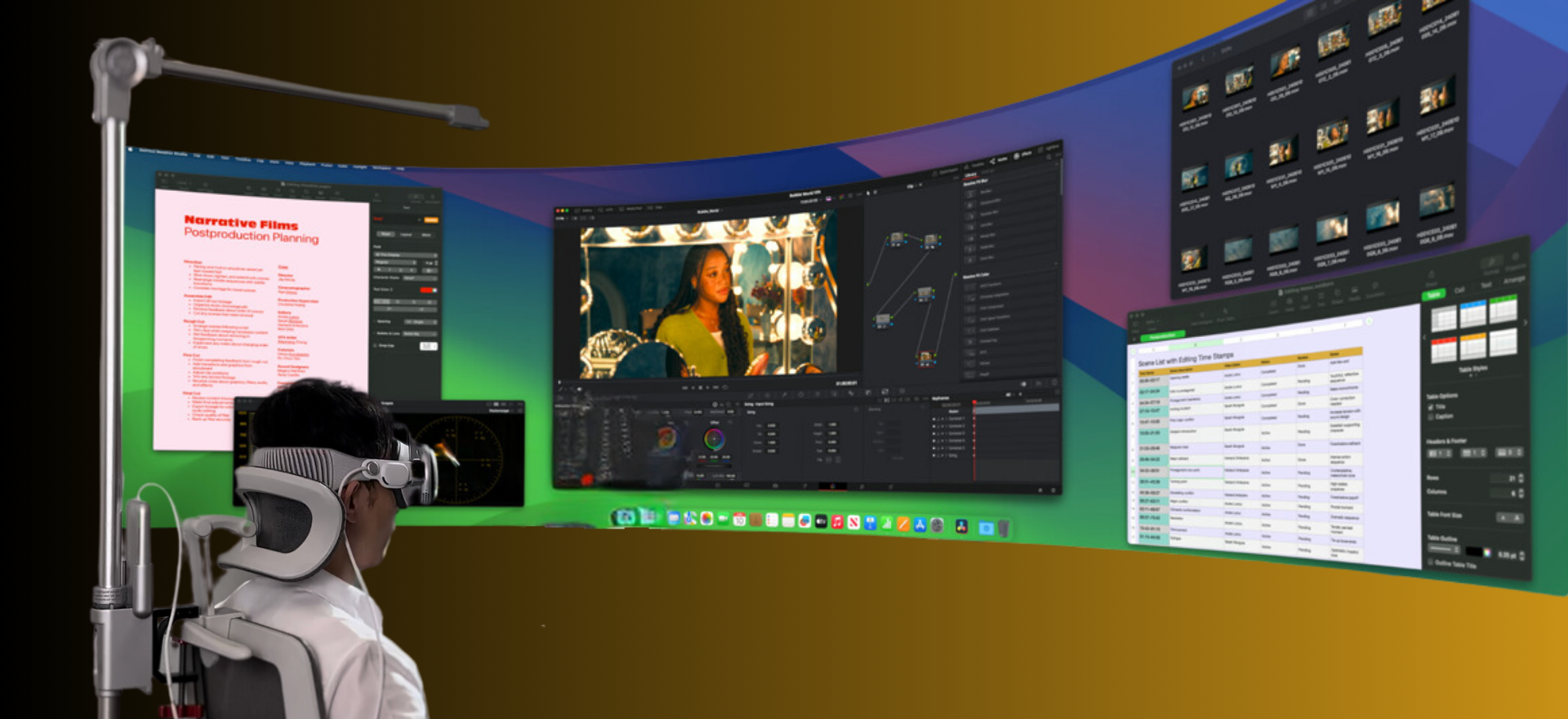
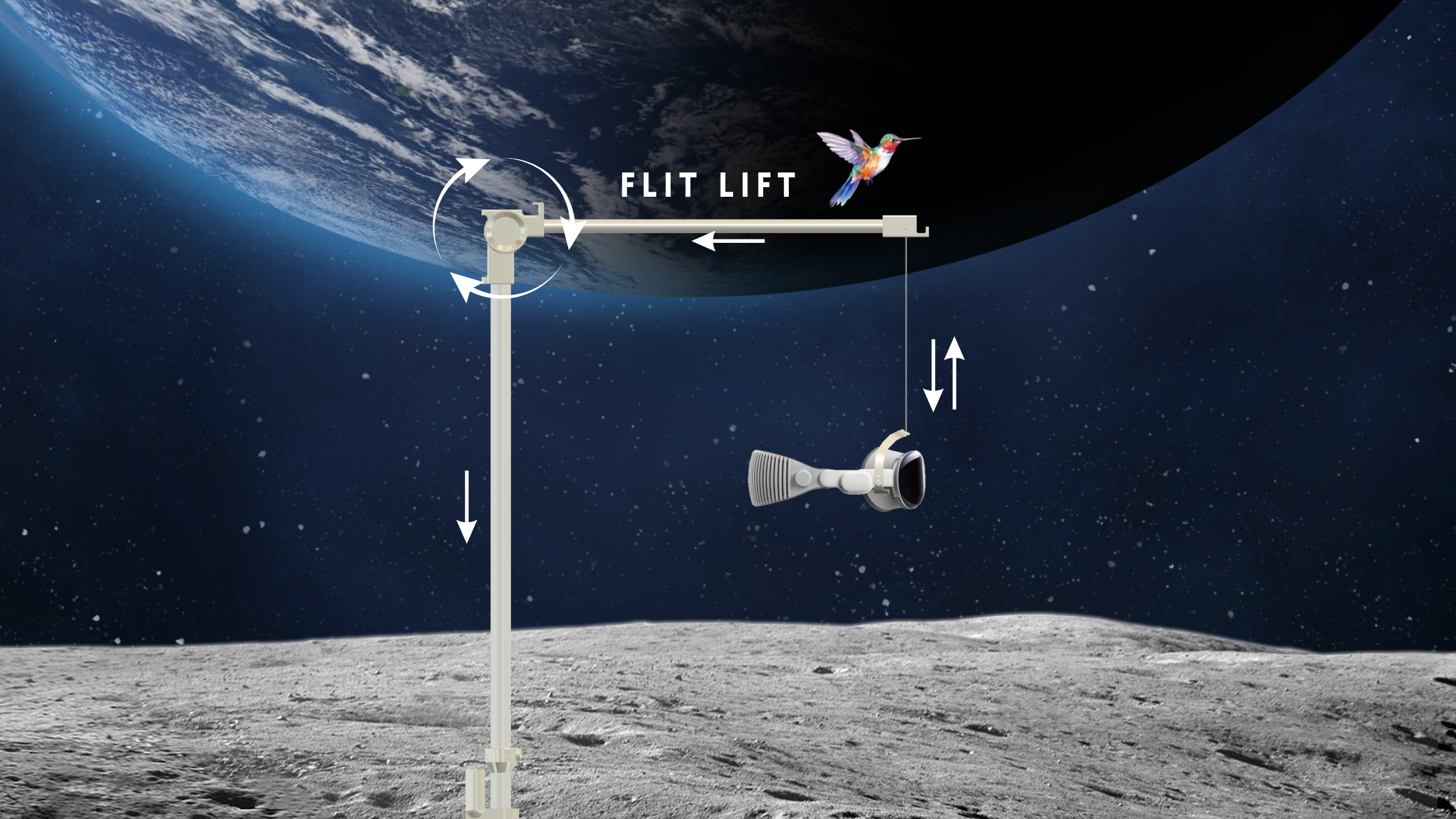
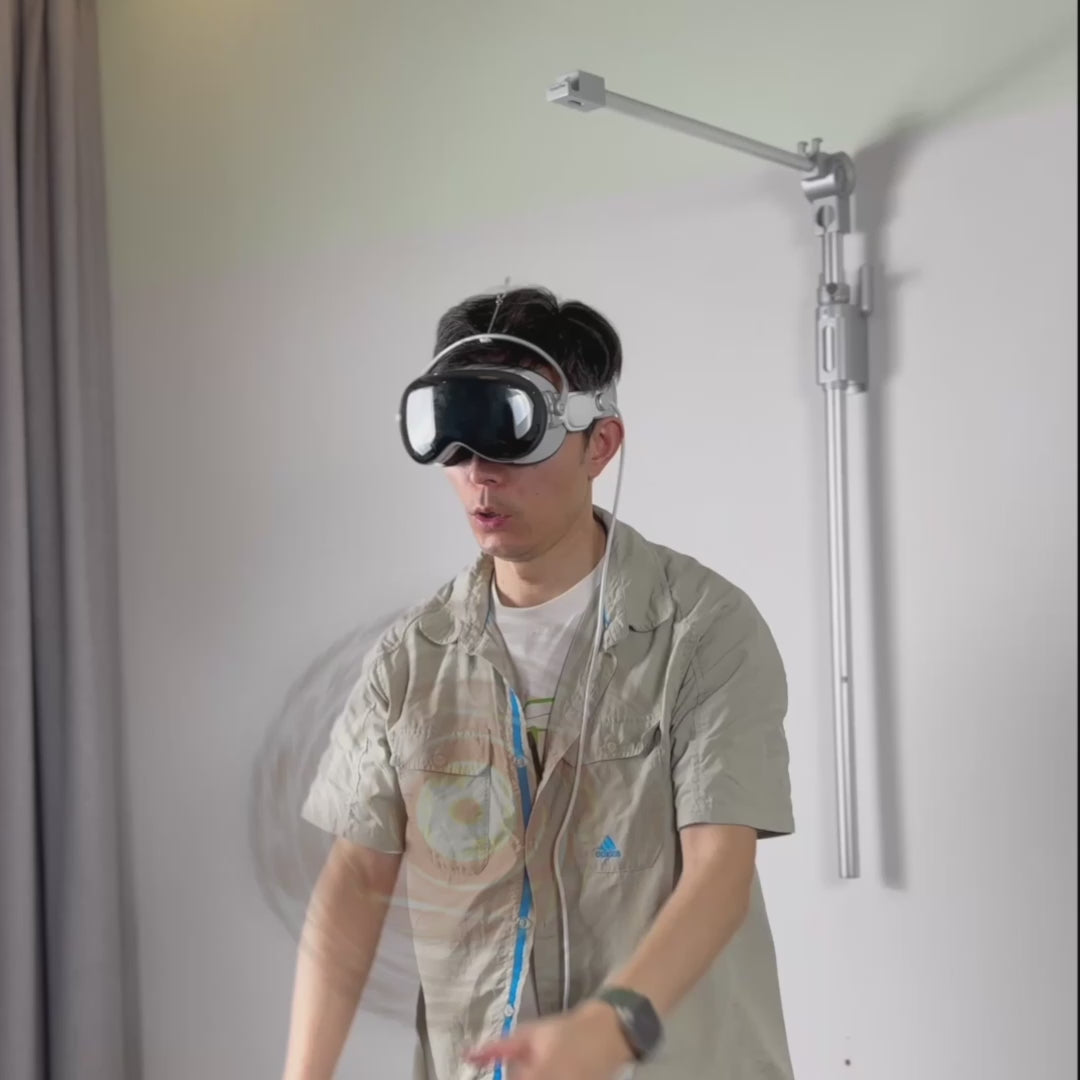
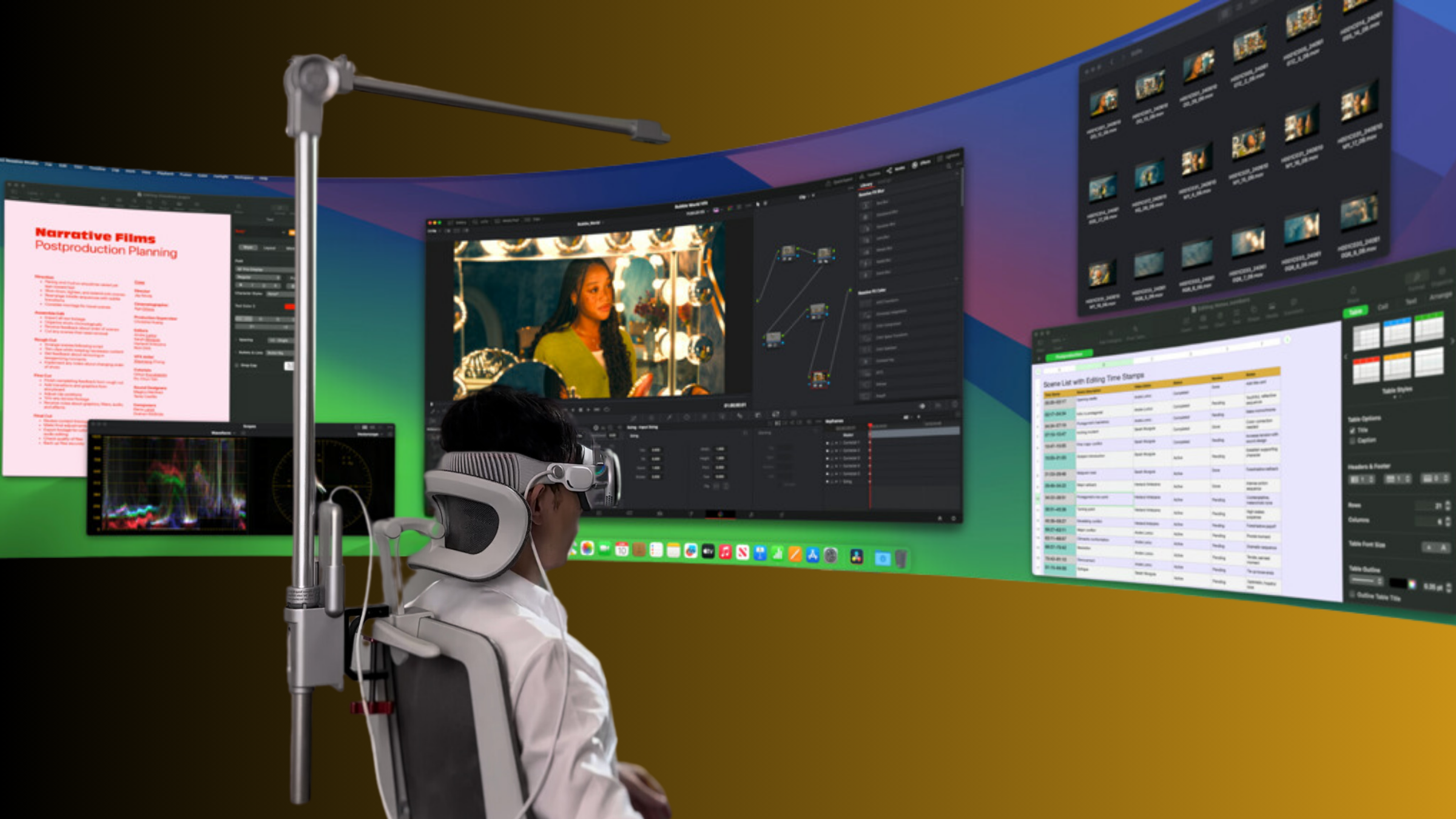
Third-party alternatives such as Kiwi Design, Bobo, AMVR, and FlitLift GraviPro offer a range of halo, cradle, and padded crown designs. Halo systems typically excel at horizontal balance, while padded top straps focus on vertical lift and even distribution. Some third-party solutions are purpose-built to accept small counterweights or battery packs, giving you modularity in fine-tuning weight distribution. When selecting, consider your playstyle: fast-paced room-scale combat benefits from rigid or halo designs that minimize wobble; narrative, seated, or flight experiences reward softer, more conforming straps that prioritize long-term comfort.
Counterweights, cushions, and padding: fine-tuning rear balance
If your headset still feels front-heavy after adjusting straps, a small rear counterweight is a simple, low-cost fix. Start light — roughly 40–60 grams — and add in 20‑gram increments until the headset maintains level during quick head turns. The goal is to nudge the center of gravity back enough to stop the unit from tilting forward without feeling like a pendulum anchored to the rear.
Placement matters as much as mass. Position the weight low and centered on the rear strap or inside a rear cradle to create a stable moment arm that counters front bias. Avoid off-center weights that generate lateral pull. Use soft cushions or gel pads at contact points to spread the supporting force across the occipital ridge, and consider memory-foam facepad swaps to eliminate cheek hotspots. If you use a rear battery pack, pack it snug and low — a higher, loosely secured pack can introduce wobble and defeat the purpose of the counterweight.
Installation and fit: step-by-step guide for optimal weight distribution
- Remove the stock strap (if replacing): unlock the side clips and lift the strap free. Keep original parts in case you revert later.
- Attach the new strap or reattach the stock strap with fresh padding. Ensure side anchors are seated evenly on both sides so the headset doesn’t twist.
- Set helmet height: position the headset so the lenses sit centered over your eyes. A slightly higher fit often reduces cheek pressure; make small 1–2 mm changes and re-evaluate.
- Tension the top strap: tighten until the headset is lifted, not squeezed. The top strap should make the unit stable when you nod; avoid excessive forehead pressure.
- Adjust the rear strap: use the dial or Velcro to bring the rear against the occipital area. Aim for firm, even contact without sharp pressure points.
- Perform a balance test: do quick head turns, look up and down, and simulate a short play session. Watch for forward sag or hotspots and adjust incremental tension accordingly.
- Add counterweight if needed: start with 40–60 g at the rear, test again, and add in small increments until balanced.
- Finalize comfort: add gel pads or a thicker face gasket if cheek pressure persists; if you wear glasses, check temple clearance and tilt slightly to avoid frame contact.
After each change, play a ten‑to‑fifteen minute session to ensure the new setup still feels good under actual gameplay conditions rather than just in a static test.
User experiences: real-world impact of upgraded straps
Across user reports, the difference between stock and upgraded strap systems is striking. One dedicated gamer who switched from the stock band to a halo-style strap plus a rear battery noted a dramatic reduction in cheek pressure and red marks after a two-hour session. The headset stayed level through vigorous head turns and reduced mid-session fiddling to keep the display centered.
Another VR enthusiast added a padded top strap and modest rear counterweight and went from 45‑minute comfortable sessions to consistent two-hour stretches with minimal neck fatigue. The padded crown redistributed force so the facial area no longer bore the brunt of the weight, and the small rear mass prevented forward tilt without feeling cumbersome. Common themes: upgraded straps produce steadier images, fewer micro-adjustments, and a real improvement in immersion simply because players aren’t pulled back into physical discomfort.
Next step: a simple checklist to try right now
Before buying anything new, follow this quick checklist: raise the headset a few millimeters, reposition and slightly tighten the top strap, secure the rear strap against the occiput, and perform a short in-game balance test. If the headset still pulls forward, add a 40–60 g counterweight low on the rear strap and iterate in 20 g steps. If you plan to buy, choose a strap that matches your movement style — halo for aggressive, fast motion; padded crown for long, seated sessions — and prioritize precision adjustments like a dial for repeatable comfort.


Compartir:
Padding Upgrade Guide: foam, fabric, and cooling inserts for Quest 2 comfort
Counterweights and Balance: How Extra Weight Affects Quest 2 Gaming Sessions