

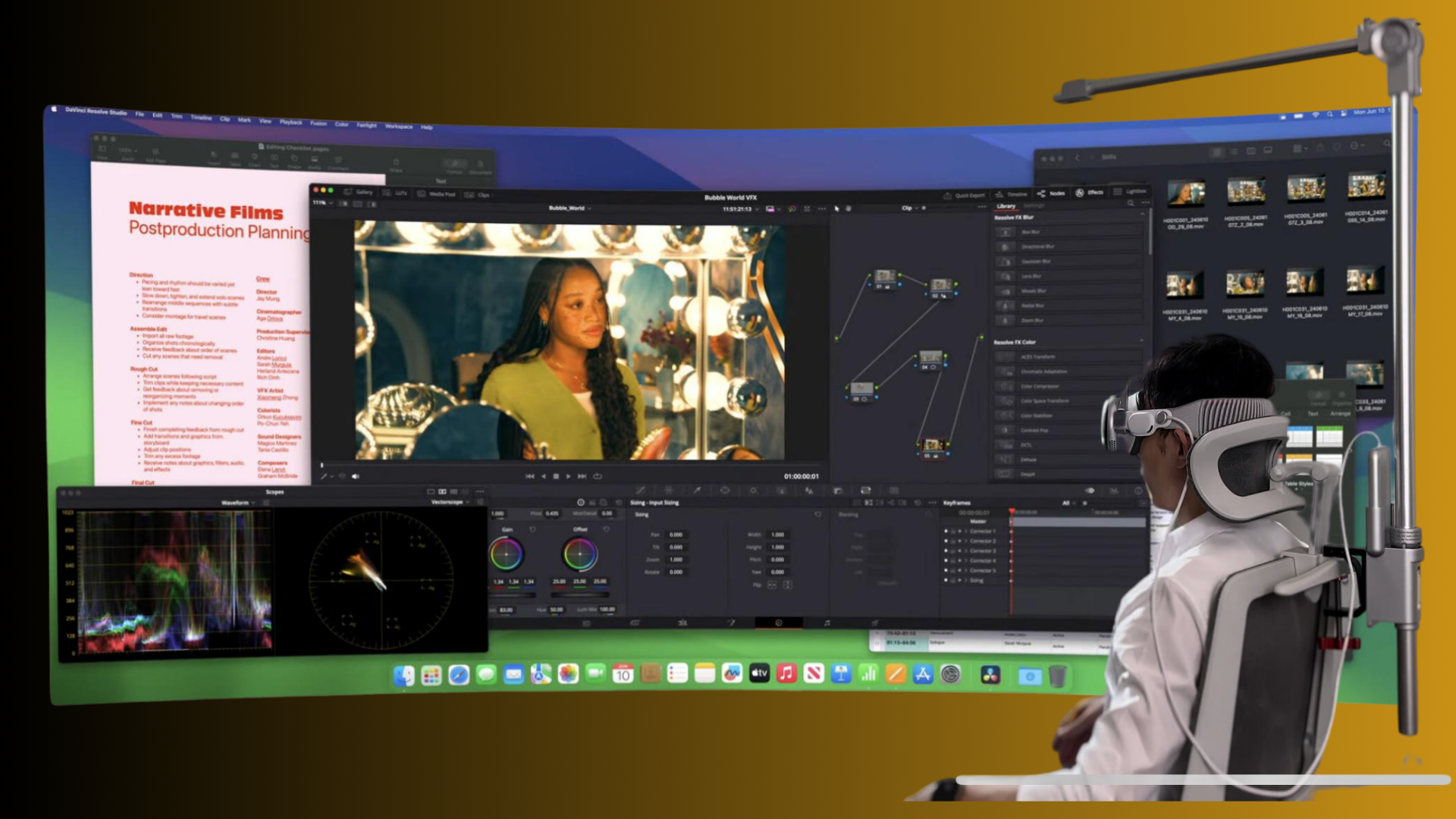
If your Quest 2 leaves your neck tight after an hour or your forehead aches after a long session, it’s not just the headset’s weight—it’s where that weight sits. Small changes to strap geometry, padding, and accessory placement can dramatically reduce neck torque and let you play longer, with less fatigue. ⏱️ 10-min read
This guide walks through how load travels across the forehead, temples, and occiput; compares stock, Elite, and third‑party strap systems; shows a quick-install checklist; and shares practical tuning, balancing, and maintenance strategies specifically aimed at Quest 2 users who want more comfortable, longer sessions.
Understanding Strap Weight Distribution
Think of the Quest 2 as a small mass trying to tilt your head forward. Your neck extensors and upper trapezius work constantly to counter that forward torque. Even modest weight becomes noticeable after 30 minutes; by an hour you can expect stiffness at the base of the skull, tighter shoulders, and temple or forehead pressure. That’s the physiology behind the annoyance.
Center of gravity matters more than raw mass. A headset with the bulk pulled toward the face creates greater torque around the neck—a heavier feel—even if the total weight hasn’t changed. Shifting mass rearward toward the occipital region (the lower back of the skull) reduces that forward lever arm and lowers perceived effort.
Strap contact points change how that load is shared. Front or temple contact forces anterior load onto the face and nose bridge and increases neck muscle activation. Rear-cradle or halo systems move more of the load to the crown or occiput, distributing pressure across larger areas and changing the balance point. However, each approach brings trade-offs: moving weight rearward can relieve forehead pressure but create hotspots at the back of the head, while halo systems spread load but can shift strain to the crown if poorly padded.
Strap Systems Compared: Standard vs Elite vs Third-Party
The stock Quest 2 strap is minimalist: elastic bands that cinch the headset to your face. It’s lightweight and compact, but its lack of rigid support exposes the headset’s front-heavy design. Users commonly report forehead and cheek pressure, frequent readjustments, and limited comfort during long play—precisely because the headset’s center of gravity sits forward.
Meta’s official Elite Strap introduces a rigid frame and cradle that anchor around the rear of the head. That structure shifts the center of gravity back, reducing forward pull and stabilizing the display. For long seated sessions or room-scale where steady head tracking matters, the Elite Strap cuts neck fatigue significantly. Its drawbacks are added weight and a bulkier footprint; the rigid parts concentrate load if not padded or positioned correctly.
Third‑party options vary widely. Some offer lightweight halo-style bands that distribute pressure across the crown and forehead with thicker padding—great for users with glasses or those who dislike rear cradles. Others add rear battery mounts or quick-release buckles. The best third‑party designs balance adjustability (height, tilt, and rear position) with padding quality. Scenario examples make the choice clearer: glasses wearers often prefer halo or soft-cushion designs that reduce temple pressure; long-session streamers favor rigid rear-cradle straps with rear battery packs for balance; mobile players who move a lot may choose secure, snug designs that prevent slippage. Match the strap to how and how long you play.
Quick-Install Guide for Quest 2 Comfort Straps
Swapping straps can change how your headset feels immediately. This concise, step‑by‑step install lets you attach common comfort straps correctly and run an initial balance check so you don’t introduce new pressure points.
- Pre-install inspection: Remove the stock strap and wipe the anchor points with a microfiber cloth. Look for cracks, bent tabs, or sticky residue that might prevent secure mounting.
- Rigid strap attach: Align the rear cradle plate with the headset flank and snap the anchors into both side clips. You should hear or feel a solid click—test each side gently by tugging to confirm engagement.
- Soft/halo attach: Loop the crown band over the headset’s top edge, seat the forehead pad flush against your brow, then fasten the side Velcro or clips. Ensure the band runs flat and isn’t twisted.
- Initial fit: Center the headset on your face. Tighten rear cradle or side straps until the headset sits snug without digging. Set the top strap to neutral—just enough to prevent forward tilt.
Post-install balance check:
- Sit upright and look straight ahead. The headset should rest evenly across the forehead with only light contact.
- Do a one-minute wear test and monitor for hotspots: forehead, temples, or occiput. If you feel forward pull at the nose, slightly tighten rear support or loosen the top strap until the nose lift reduces.
- Confirm camera alignment and IPD feel unchanged; if the display tilts, adjust the top strap and rear cradle incrementally.
These steps prevent common mistakes—overtightening the top strap or leaving the rear cradle misaligned—that create forward torque or painful pressure points.
Fine-Tuning for Comfort During Long Sessions
Initial setup is only the start. Micro-adjustments during play are what sustain comfort. Small changes to top-strap tension, cradle position, or padding rotation can make a 90‑minute session feel the same as a 30‑minute one if done right.
Start with micro-adjustments to the top strap. Loosen or tighten in millimeter steps—small changes shift the headset’s center of gravity forward or backward. A slight loosening often reduces forehead pressure while allowing the rear support to bear more load. Equally important: periodically rotate and reseat the rear cradle to prevent pressure points. Lift the rear section, shift it a few degrees left or right, and reseat; pressure distributes differently across soft tissue on the skull, and rotating prevents a single hotspot from developing.
Posture matters. Keep your spine upright, shoulders relaxed, and the display roughly at eye-level so muscles don’t have to fight constant craning. Use short breaks every 30–45 minutes to unclench shoulders and perform neck mobility movements—this resets muscle tension and reduces cumulative strain.
Use repeatable comfort tests before diving into long sessions: a neutral‑tilt check, a one‑minute wear test, and torque awareness during a quick in-game head turn. Adjust only one variable at a time—top tension, rear height, or padding position—so you can map which change improved comfort. Over time you’ll develop a personal setup script that gets you to comfortable balance quickly.
Weight Reduction and Balance Strategy
Accessories add features but also alter weight and balance. Common contributors are comfort straps, rear battery packs, audio solutions, counterweights, and cables. The practical strategy is to minimize unnecessary mass, then deliberately position remaining mass to shorten the lever arm.
Start by auditing attachments: does that extra microphone or oversized fan really add value? If it’s essential, place it as close to the headset’s centerline or rear as possible. Rear-mounted battery packs are popular because they shift the center of gravity backward and reduce forward torque. Remember: a rear battery reduces perceived forward pull but still increases total mass on your neck. If prolonged sessions are your goal, prioritize higher-capacity, lighter batteries and place them low on the occiput rather than high on the crown.
Counterweights are a precise balancing tool. If you’ve mounted a heavy front accessory, adding a small rear counterweight equalizes torque. Simple solutions include modular weight pouches that clip to the rear strap or purpose-built balance plates. The goal is to bring the headset’s center of gravity closer to the middle of your skull, reducing torque without adding excessive mass. Practical tip: start with small increments—50–100 g—until forward pull decreases without creating new rear hotspots.
Finally, cable routing matters. Letting cables hang forward adds torque. Route speaker cables or battery leads along the rear strap and secure them with Velcro ties. That small step reduces forward drag and keeps balance stable during movement.
Glasses Wearers and Comfort
Glasses introduce unique pressure patterns: temple squeeze, nose bridge pressure, and shifting frames when straps are hampered. The right strap setup can protect your frames and your comfort at the same time.
First, give your frames space. Slightly raise the headset’s vertical position and reduce top-strap tension so the headset rests more on the occiput and less on the face. This increases clearance at the nose bridge. Cushioning choices matter: thicker, denser forehead pads and softer temple-area padding reduce localized pressure. Consider thinner temple pads or perforated foam if frames get pinched by bulky padding.
Lens inserts are a game changer for many glasses users. With prescription inserts, you remove the frames from contact pressure entirely, letting you use a snugger but more balanced strap setup without squeezing your glasses. If you prefer to keep glasses, rotate and reseat the rear cradle frequently and use a halo-style strap that spreads load across the crown rather than clamping the temples.
When fine-tuning, prioritize even load distribution over tightness. A secure fit—not a crushing one—preserves frame alignment and prevents cheek or temple hotspots. If you notice frames shifting during head turns, loosen the top strap slightly and compensate with a little more rear support. These small shifts reduce temple shear and maintain stable optics for longer sessions.
Compatibility & Ecosystem
Not all clamps, cradles, or accessories play nicely together. Quest 2 uses specific anchor points and clip geometry; the Elite Strap and many third-party comfort straps are designed to match those anchors, but variations exist. Before buying, verify that the strap uses the same two‑point side clips or offers adapters for stock mounts.
Third‑party straps often include adapter plates or universal clips. Check for secure locking mechanisms—soft Velcro-only solutions fastened to the shell can work but may permit micro-shifts during movement. Rigid snap-in anchors provide more stable balance for heavy accessories like rear batteries.
Mixing components requires attention: if you pair an Elite-style rear cradle with a third‑party top halo, test for interference where straps cross and ensure the combined parts don’t change the headset’s tilt. Some aftermarket add-ons—battery packs, audio solutions, or counterweight modules—fit proprietary mounts. Look for clear compatibility notes or modular mounting systems that use Velcro or M‑LOK style rails if you want interchangeability.
Cross-compatibility with non-Quest headsets is limited. Vision Pro and other headsets use different shell shapes and mounting systems; a Quest 2-specific rear cradle likely won’t fit securely on those devices. If you plan to swap straps across different headsets, choose third‑party, universal-style bands designed for multiple shells, but expect some compromise in fit or stability.
Maintenance, Replacement, and Best-Value Options
Comfort is sustained by care. Regular cleaning and inspection extend strap life and preserve safe fit. Wipe down pads and contact surfaces after sweaty sessions with a damp cloth and mild soap; allow foam and fabric to air dry fully. Avoid saturating foam or elastic—excess moisture accelerates material breakdown.
Inspect mounts and connectors monthly. Look for cracked plastic, frayed stitches, stretched elastic, or loose rivets—small defects worsen with heat and motion and can lead to sudden failure. If straps start losing adjustment range, show persistent asymmetry, or develop visible damage, replace them; worn straps are both uncomfortable and risky mid-session.
Value options: a few well-chosen accessories preserve comfort without breaking the bank. Replaceable forehead cushions, breathable fabric covers, and inexpensive foam replacements are cost-effective. Mid-priced rear counterweight pouches and lightweight rear battery packs deliver big comfort gains for relatively small outlay. For glasses wearers, prescription lens inserts are often the best single investment for comfort and optics.
Keep a small kit on hand: microfiber cloth, spare Velcro strap, a couple of small zip ties for cable routing, and a compact set of replacement pads. These items let you address most comfort issues quickly—rotating padding, securing loose cables, or replacing a worn strap—so you can get back to play with minimal downtime.
Next step: try a single change—swap to a rear-cradle strap or add a small rear counterweight—and measure comfort across a 60‑minute session. Track muscle tightness, hotspots, and posture; that data will guide your optimal balance setup.

Compartir:
Counterweights and Straps: Practical Upgrades for Lighter VR Headsets
Weight distribution vs neck strain: ergonomic insights for Quest two and Vision Pro setups