

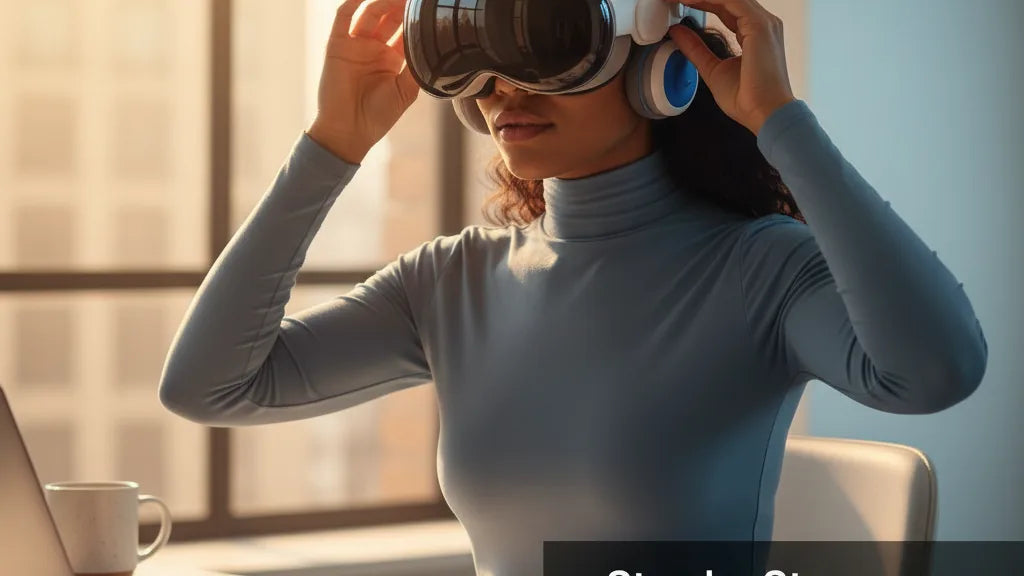
Mastering Quest 2 Comfort: A Step-by-Step Guide to Your Ultimate VR Fit
Stepping into virtual reality with your Meta Quest 2 should be an experience of boundless immersion, not nagging discomfort. Yet, for many, extended sessions bring an unwelcome parade of headaches, red marks, or a constantly shifting headset. These aren't just minor irritations; they're genuine barriers to presence, performance, and prolonged enjoyment. Properly adjusting your Quest 2 head strap isn't a cosmetic tweak; it's a fundamental optimization that directly impacts how deeply you can lose yourself in virtual worlds and how long you can stay there without distraction. ⏱️ 12-min read
This comprehensive guide will walk you through the essential steps to transform your Quest 2 from a tolerable gadget into a seamless extension of your senses. We'll delve into everything from choosing the right strap to fine-tuning its tension, ensuring glasses wearers find their sweet spot, and maintaining your setup for lasting comfort. Whether you're a VR veteran tired of pressure points or a newcomer seeking the ideal initial fit, prepare to unlock hours of comfortable, headache-free virtual exploration and gaming.
Assess Strap Options and Comfort Goals
Before you even touch an adjustment buckle, it is essential to understand the landscape of Quest 2 head straps and what you personally aim to achieve in terms of comfort. Your journey to an optimal fit begins by identifying your current strap and honestly evaluating its performance against your specific needs.
The journey often begins with the stock strap. This elastic fabric band is lightweight and simple, a functional starting point provided with the headset. However, many users quickly discover its limitations during longer play sessions, often citing inadequate support and a tendency for the headset's front-heavy nature to pull downwards. While it's perfectly serviceable for short bursts, its design can lead to noticeable pressure on the face and an overall unstable feel during active gameplay.
For those seeking an immediate upgrade, the official Elite Strap often comes to mind. This rigid, halo-style strap offers significantly improved weight distribution, cradling the back of your head more effectively. Its standout feature is a convenient rear adjustment dial, which allows for quick, precise tension changes. This design choice alone can drastically reduce pressure on the face and forehead, making it a popular choice for enhancing comfort.
Beyond Meta's official offerings lies a vast ecosystem of third-party straps. These vary widely, from simple silicone covers that add a thin layer of padding to the stock strap, to complete rigid replacements with advanced features. Some third-party options integrate built-in battery packs, doubling as counterweights to further balance the headset's weight. Others focus purely on ergonomic design, offering enhanced padding, different cradle shapes, or even modular components. Evaluating these alternatives helps you choose a strap that truly matches your individual needs and budget. Consider factors such as material quality, ease of cleaning, and compatibility with other accessories you might use.
As you consider your options, or even if you're sticking with your current strap, set clear comfort goals. What bothers you most?
- Weight Distribution: Do you feel undue pressure on your cheekbones or forehead? A good strap should distribute the headset's weight evenly across your head, reducing focal pressure points.
- Padding: Is the existing padding sufficient to prevent discomfort over time? Look for thick, soft cushions that conform to your head without creating hotspots.
- Adjustability: Can you easily fine-tune the strap for a perfect fit, or do you struggle to achieve the right balance? Effortless adjustment is key for sharing the headset or making quick tweaks during a session.
- Stability: Does the headset shift during quick head movements in active games? A secure strap ensures the display stays aligned with your eyes, preserving immersion and tracking accuracy.
Install or Replace Your Quest 2 Comfort Strap
Whether you're installing a brand-new strap or replacing a worn-out one, a precise and secure attachment is paramount for comfort and stability. This process is straightforward, even for beginners, but requires attention to detail to ensure proper alignment and a snug fit without pinching or imbalance.
Step 1: Power Down and Prepare Safety first. Completely power off your Quest 2 headset and unplug any connected cables, such as charging cords or PC link cables. This prevents accidental power-ups or damage during handling. Next, if your headset feels particularly tight against your face, or if you simply want better access to the side strap attachment points, consider gently removing the facial interface. This foam or silicone cushion usually unclips easily from the headset, revealing more of the internal structure and giving you ample room to work. Lay your Quest 2 on a soft, clean surface to protect its lenses and exterior from scratches. If you're removing an old strap, gently unclip it from both sides of the headset and set it aside. For third-party straps, ensure you have all included adapters, clips, or cushions ready. Step 2: Align and Clip the New Strap Hold your new comfort strap, whether it is an Elite Strap or a third-party alternative, so that its anchors or connectors line up perfectly with the corresponding slots on either side of the Quest 2. It’s generally easiest to insert one side first, typically the left, guiding the anchor into its slot until it clicks securely into place. Then, repeat this process for the right side. You should hear distinct clicks, indicating that the clips are fully engaged. Visually verify that the strap sits evenly across the headset and that both clips are completely seated without any noticeable side slack or tilt. A properly installed strap will feel solid and integral to the headset, with no wiggle at the attachment points. Step 3: Initial Test Fit and Gentle Adjustment Once the strap is securely clipped, it’s time for an initial test. Carefully place the headset on your head and apply light pressure. This isn't about achieving a perfect fit yet, but rather checking the basic stability and ensuring there's no immediate discomfort. If the fit feels uncomfortably tight at your temples or surprisingly loose at the crown, use the strap’s primary adjustment mechanism – be it a rear dial, Velcro, or sliding buckles – to make a preliminary adjustment. The goal here is to achieve a balanced, snug feeling that holds the headset in place without being restrictive. Double-check for any rubbing or pinching, especially around your ears or at the base of your skull. The weight should begin to feel distributed, not concentrated solely on your face. Step 4: Manage Hardware Safely During installation, pay attention to any loose cables or strap components. If your new strap includes a battery pack or other wired accessories, route any cables neatly to avoid snagging or obstruction. Ensure all clips, buckles, and moving parts operate smoothly and securely. A secure installation is the foundation for all subsequent comfort adjustments, setting the stage for distraction-free VR sessions.Set Strap Height and Position for Balanced Weight
Achieving a truly comfortable Quest 2 fit goes beyond simple tightness; it's about intelligent weight distribution, particularly preventing the notorious front-heavy feeling that can lead to headaches and facial pressure. This balance starts with the strategic positioning and adjustment of your top strap and the rear cradle.
Begin by focusing on the top strap. This often-overlooked component plays a crucial role in preventing the headset from sliding down your face and placing undue pressure on your cheeks and nose. The ideal position for the top strap is centered over the very crown of your head, essentially forming an arc that evenly distributes some of the headset’s weight vertically. When you put the headset on, aim for the front edge of the top strap to rest just above your eyebrows, without pulling your hair or creating a bald spot. The headset itself should feel level and parallel to the floor when viewed from the side, not tilting upwards or downwards.
Once the top strap is positioned, use its adjuster – whether it's a Velcro tab, a buckle, or a slider – to fine-tune its length. The goal is to feel a gentle, even pressure on the top of your head, which helps to lift the weight slightly off your face. Avoid overtightening here; if the top strap is too short, it can create a hot spot on your crown or pull the headset upwards, leading to an uncomfortable gap at the bottom or an awkward viewing angle. Instead, aim for just enough tension to help support the headset without it feeling like it's clamping your skull.
Next, turn your attention to the rear cradle of your head strap. This is the part that cups the back of your head, and its position is vital for stability and spreading the weight effectively. The rear cradle should rest comfortably towards the back of your skull, ideally just above the nape of your neck, rather than sitting too high on the back of your head. When correctly positioned, it acts as a counter-balance, shifting some of the headset's forward weight towards the back of your head.
For straps with a rear adjustment dial (like the Elite Strap or many third-party options), begin to rotate the dial evenly. You'll feel the rear cradle gently but firmly tighten around the back of your head. The objective here is to achieve stability and notice a subtle lightening of the pressure on your nose and face. If you observe the headset tilting forward, or if you feel increased pressure on your forehead, you've likely over-tightened the rear cradle without proper balance. Loosen it slightly and re-evaluate the top strap's contribution. The combined effect of the top strap and rear cradle should create a sensation of the headset being securely "cradled" on your head, with its weight evenly distributed across the crown and the back, rather than pulling on your face. This balanced approach is foundational for long-session comfort.
Tune Strap Length and Tension for Comfort
With the top strap and rear cradle roughly positioned for balanced weight, the next crucial step is fine-tuning the side strap tension. This adjustment creates the final secure embrace around your head, ensuring the headset stays stable during movement without introducing uncomfortable pressure points. The key is to achieve even tension, avoid overtightening, and leave just enough slack for natural head movements and glasses.
For straps with a single rear adjustment dial (common on Elite and many third-party straps), this step is often combined with adjusting the rear cradle. As you rotate the dial, it simultaneously shortens both the side straps and the top strap, drawing the entire system inward. The goal is to tighten the dial until the headset feels stable and secure, but not restrictive. You should feel a gentle, uniform pressure around your head, with the display remaining perfectly steady and the edges of your vision clear. The moment you feel any pinching, hot spots around your temples, or excessive pressure on your cheekbones, you've gone too far. Loosen the dial a hair and re-evaluate.
If you are using the stock strap or a third-party strap with individual side strap adjusters (usually plastic sliders), the process requires a bit more finesse.
- Start Loose: Begin with the side straps relatively loose.
- Gradual Tightening: Tighten each side strap a small increment at a time, moving back and forth between the left and right sides. This ensures symmetrical tension and prevents the headset from becoming lopsided.
- Monitor Pressure: As you tighten, pay close attention to the pressure felt on both temples and your face. The objective is to secure the headset so it doesn't move when you shake your head gently, but without creating noticeable pressure points.
- Test Clarity: Ensure the display remains clear and focused. If the image starts to blur or you notice "god rays" increasing, it might indicate that the headset is being pulled too close to your eyes or at an incorrect angle.
- Leave a Little Slack: This is a critical, yet often overlooked, tip. A common mistake is to overtighten the straps in pursuit of absolute stability. However, a slight amount of slack or give can dramatically improve long-term comfort. This minimal flexibility allows for tiny, natural movements of your head without the strap digging in, and it's particularly vital for glasses wearers (more on that next). It also accommodates the subtle shifting of padding and allows your skin to breathe.
Accommodate Glasses Wearers and Add Cushioning
Wearing glasses with your Quest 2 can present unique challenges, but it absolutely shouldn't diminish your comfort or VR experience. With a few thoughtful adjustments and additions, you can achieve a clear, comfortable view without risking damage to your eyewear or the headset's lenses.
The most crucial step for any glasses wearer is to utilize the glasses spacer. Your Quest 2 headset actually includes a small, often overlooked, plastic insert designed specifically for this purpose. This spacer subtly increases the distance between the Quest 2's internal lenses and your face, creating precious millimeters of clearance for your glasses frames. Always install this spacer if you wear eyewear, as it prevents your glasses from rubbing against and potentially scratching both the Quest 2's lenses and your own. The spacer is usually a thin plastic frame that clips into the facial interface, pushing it out slightly.
Beyond the standard spacer, consider upgrading your facial interface. Many third-party options, from brands like VR Cover or AMVR, offer designs that are inherently more glasses-friendly. These might feature thinner foam around the temples, wider cutouts, or a more flexible material that conforms better around your frames without pushing them into your face. Some even provide slightly more depth, giving your glasses extra breathing room without relying solely on the spacer. The goal is a snug feel that doesn't compromise room for your frames.
Even without glasses, or especially if you find certain areas of your head still

Compartir:
Lightweight Versus Durable: Choosing the Best Comfort Accessories for Oculus Quest Two
Step by step retrofit fitting the Vision Pro comfort strap onto a Quest 2 headset