

The Ultimate Ergonomic Fit Guide for Diverse Head Shapes: Practical Steps Using GraviPro Dynamic Lifting and Flit Lift Comfort
Comfort in VR is not a one-size-fits-all problem — it’s an engineering challenge shaped by anatomy, motion, and materials. This guide translates biomechanics and real-world testing into practical, repeatable steps for fitting Vision Pro and compatible headsets to the broadest range of head shapes using GraviPro’s dynamic lifting and flit-lift-weightless-vr-comfort/maximizing-comfort-and-tracking-with-flit-lift-accessories" rel="nofollow noopener noreferrer">Flit Lift’s micro-adjustable support. ⏱️ 12-min read
You’ll get concrete measurement methods, step-by-step setup routines, material trade-offs, objective metrics to validate changes, developer integration tips, and hands-on maintenance practices. Whether you’re a VR gamer chasing longer sessions, a headset designer optimizing the next strap system, or a developer wanting safe dynamic lift integration, this article gives the data-driven techniques that consistently reduce pressure points, steadier tracking, and longer comfortable wear.
Understanding diverse head shapes and fit needs
Heads generally fall into three broad categories: round, oval, or elongated. Each has predictable contact and pressure patterns that influence strap tension, pad selection, and dynamic lift behavior. A round head increases contact at temples and the crown, often creating lateral pressure during rapid pivots. An oval head concentrates support along the forehead and high crown, which can be forgiving for facial seal but vulnerable to forward tilt. An elongated head places more load on the occipital bone (back of skull), increasing the need for rear cradle support.
Beyond shape, age, ethnicity, and hairstyle alter fit priorities. Thinning hair and smoother scalps reveal pressure points more quickly; dense or textured hair can either cushion contact zones or push pads out of alignment. A universal fit strategy must therefore balance three criteria: stability during dynamic movement, sustained comfort over sessions, and compatibility with glasses or hair styles.
To meet those criteria, combine adaptive padding with dynamic load management. Rigid padding that doesn’t accommodate movement creates hotspots as contact areas shift; adaptive materials like memory foam, gel, or modular cushions follow contours and redistribute load. GraviPro and Flit Lift work as a baseline: GraviPro handles active redistribution of forces across contact points, while Flit Lift provides micro-adjustable strap geometry that tailors tension in small increments. Together they create a system that adapts to both static anatomy and motion-induced shifts.
Core principles of GraviPro dynamic lifting system and Flit Lift
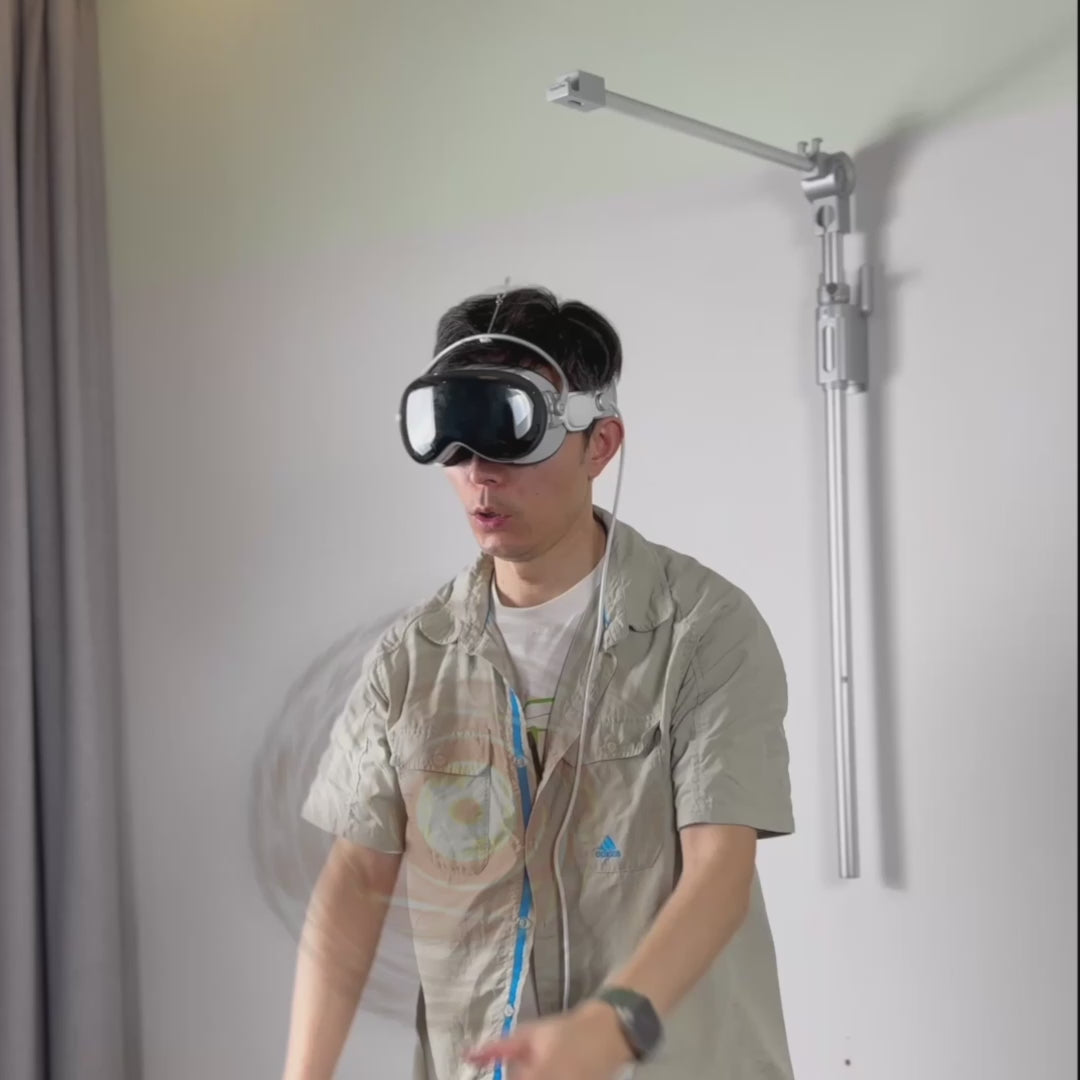
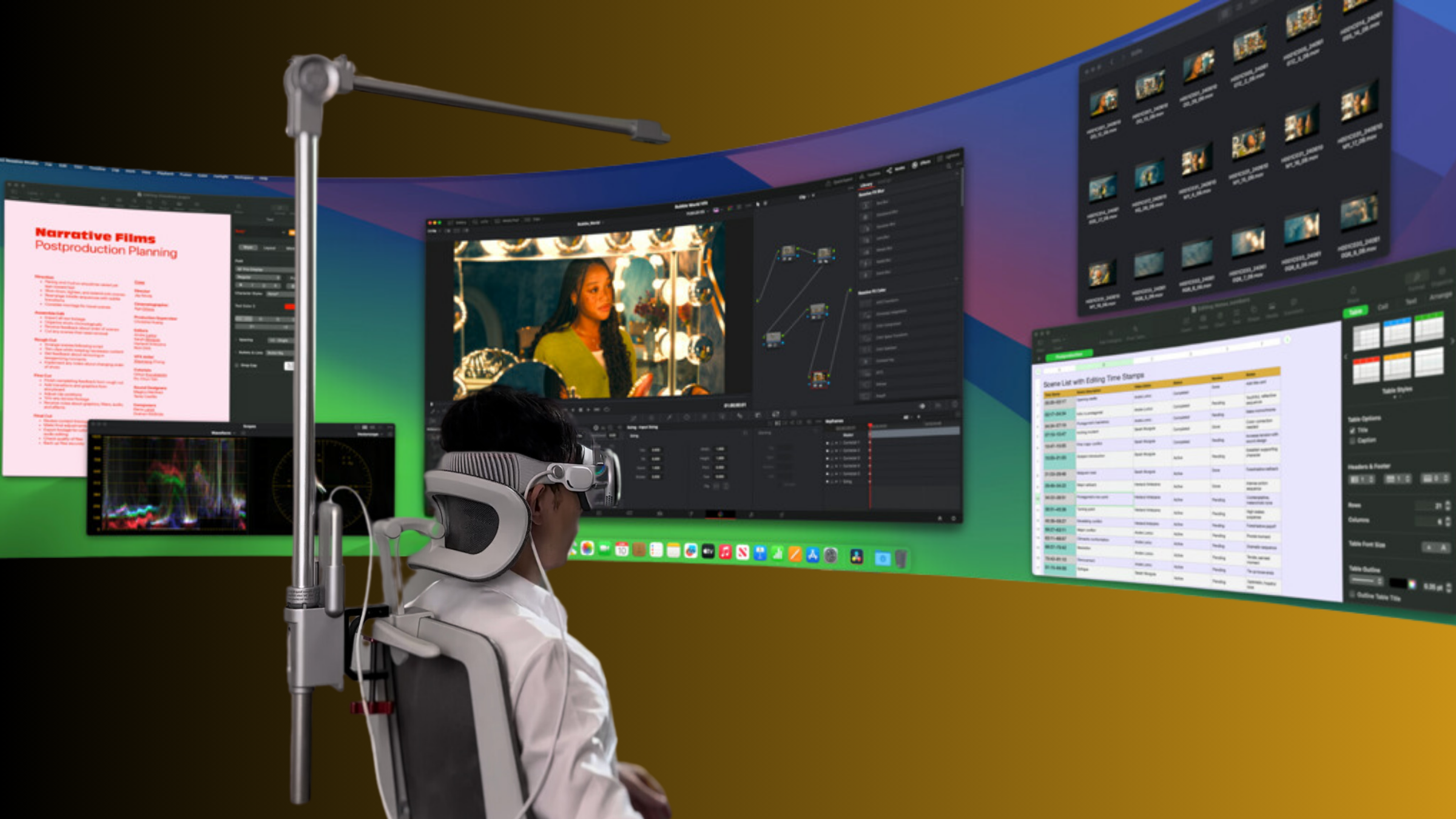
At its core, GraviPro is a dynamic lifting system that actively manages load distribution to keep the headset’s optical axis aligned with your eyes. Instead of relying on a single rigid point of support, GraviPro subtly reallocates force between forehead, crown, and occipital pads as you move. The result is fewer micro-tilts and steadier visuals during quick head motions — a major difference during action-heavy gaming or precise design work.
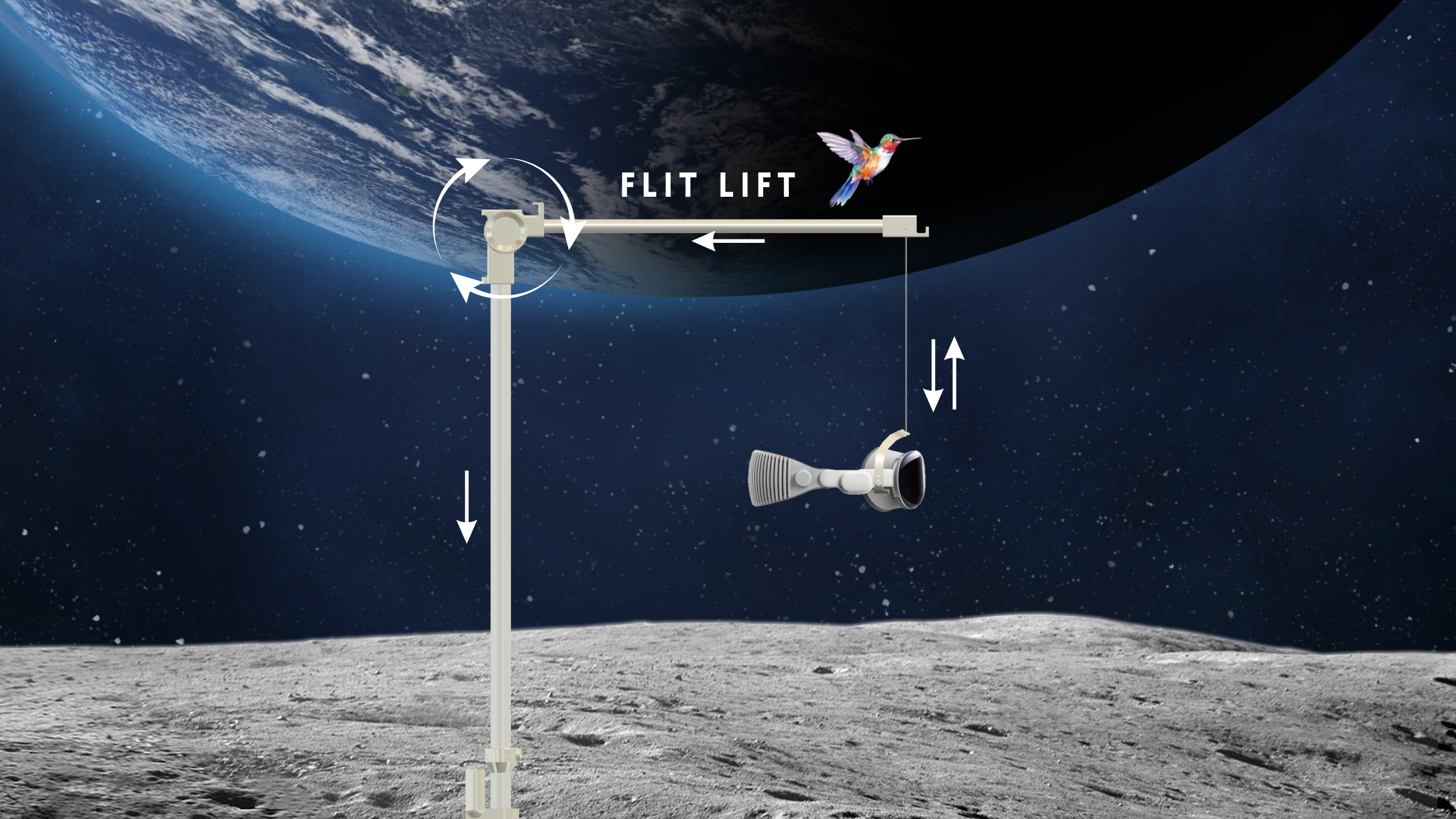
Flit Lift complements this by offering modular, micro-adjustable straps. Rather than coarse “tight/loose” steps, Flit Lift’s segments change tension in small increments so you can dial in balance without pinching. The combination addresses two common failure modes: forward sag (when cheek and nose pressure rises) and rearward shift (when the occipital area carries too much load).
Design considerations emphasize torque distribution and center-of-gravity (CG) alignment. By re-centering the headset’s CG toward the head’s neutral plane, GraviPro reduces the moment arms that generate temple pressure and neck strain. Material choices also matter: breathable foams, low-heat polymers, and vented liners limit thermal buildup while maintaining structural damping so the system responds smoothly and not abruptly during movement.
GraviPro’s impact on balance, pressure points, and heat management
When you attach a gravity-assisted accessory like GraviPro, you change the headset’s effective CG and how that weight transmits into contact zones. A well-calibrated system spreads load across a larger surface area and introduces narrow relief gaps where skin is most sensitive — temples, around the ears, and the occiput. Memory-foam cushions with soft microfiber sleeves tend to reduce peak contact pressure by increasing the contact footprint; thin, dense pads concentrate force and create hotspots.
Heat is a frequent comfort breaker. GraviPro’s venting strategy combines breathable liners, crown vents to channel warm air upward, and lateral air channels that help cool the scalp. This prevents the “sticky patch” feeling that shortens sessions. In practice, users report fewer sweaty hotspots and more consistent skin temperatures after incorporating vented liners and moisture-wicking covers.
Stability improvements are measurable: even small reductions in micro-tilt deliver clearer optics during quick head turns, and damping elements in GraviPro’s frame lessen transient reactions that otherwise pressure the temples. For different head sizes, vary the band profile: low-profile bands reduce crown pressure for small heads; mid-profile suits average sizes; high-profile or widened crown contact works for heavier setups or larger heads where top-side support is needed.
Step-by-step fit customization for Vision Pro and compatible headsets
Getting a repeatable, comfortable fit requires a systematic workflow. Start with simple measurements and a baseline setup, then iterate with movement tests and small adjustments.
- Prepare and measure: Wipe cushions and lenses clean with a microfiber cloth. Measure temple-to-temple width and crown height (hairline to highest crown point), and record hairstyle (updo, loose, braided, etc.). If you use Flit Lift, note current pad thickness.
- Baseline placement: Loosen all straps. Position the crown pad about 5–8 mm above the brow line and center it. Set side straps so they feel secure but not pinching near the jaw. Check symmetry using a mirror.
- Initial GraviPro lift: Start with a low lift level. If using a numeric scale, choose the first notch (e.g., 10–20% of full lift). Allow the system to settle for 30–60 seconds and feel for evenness across forehead and occiput.
- Quick movement test: Nod, look left-right, and take two brisk turns. Observe visual drift, slippage, or hotspots. If the headset sags forward, increase lift a notch; if it shifts backward or creates occipital pressure, decrease or move crown pad slightly forward.
- Fine-tune padding and strap geometry: Swap to a thicker or thinner cushion depending on hotspot mapping (see testing section). Use Flit Lift’s micro-adjust steps to balance tension left-to-right. Re-run motion tests until tilt is minimal and pressure under 3/10 on your comfort scale.
- Quick-start presets: Save three presets — “Light Activity” (low lift, medium tension), “Action” (higher lift, cross-strap engaged), and “Long Sessions” (balanced lift with padded occiput support). These reduce setup time while still matching different use cases.
Small, incremental changes work best. Avoid cranking straps to “fix” fit — that often trades one hotspot for another. Reassess after 15 minutes of active use and again at 60 minutes; small creep and shifts happen and should be corrected early to avoid cumulative discomfort.
Headband, strap configuration and padding materials
Headband profile influences where you feel load. Choose profile geometry based on device weight and session type: low-profile headbands sit near the brow and are comfortable for lighter headsets, mid-profile bands give even contact for typical sessions, and high-profile bands increase top contact for heavier setups and vigorous motion. Many users prefer a mid-profile headband combined with an over-ear support to shift load off the face.
Strap geometry matters as much as material. A single-loop strap is minimalist but prone to tilt if tension is uneven. Cross-strap configurations add a crown cradle and resist rotational torque. Over-ear supports route force toward bone structures around the temporal area and can reduce forward nose pressure on heavier headsets. Use tension zoning to set different tightness on crown, sides, and occiput — a good starting point is slightly looser at the jawline, firmer at the crown, and moderate at the occiput for balanced support.
Padding materials each have trade-offs:
- Open-cell foam: breathable, quick-drying, and resilient. Best for long sessions where moisture control matters.
- Memory foam: conforms to contours and reduces peak pressure, but can trap heat if not paired with a breathable cover.
- Silicone gel: resists compression and keeps shape under repeated use; use with a fabric overlay to prevent slipping and increase skin comfort.
Durability and hygiene are part of material choice. Open-cell foams work well with moisture-wicking fabrics and are easy to clean; memory foam often needs replacement more frequently under heavy use. For many users, a hybrid approach — gel layer over open-cell foam with a microfiber cover — provides a balance of contouring, cooling, and longevity.
Metrics and testing: assessing comfort, performance, immersion
To move from subjective impressions to repeatable improvements, use a mix of objective and subjective metrics. Create a simple test protocol and record results after each adjustment.
Comfort indicators to gather:
- Hotspot count: number of distinct pressure spots you identify.
- Pressure unevenness: rate each hotspot 0–10 for intensity.
- Pain/fatigue scale: overall discomfort 0–10 after set intervals.
Performance and fit stability:
- Alignment drift: measure optical axis tilt in degrees during a 2-minute nod/turn routine — record average and peak tilt.
- Motion-induced tilt: capture micro-tilts during rapid head sweeps; smaller is better for tracking fidelity.
Immersion markers:
- Perceived realism (0–5) and vestibular strain (0–5).
- Task pacing: time to complete a standard in-scene action to spot performance friction.
Test protocol (15/30/60 minute blocks):
- 15-minute baseline with a medium-activity scene; note immediate hotspots and ease of initial fit.
- 30-minute session with exploratory head motion and short sprints; log alignment drift and any increased pressure.
- 60-minute endurance test with varied content and thermal stress (fan or warm room) to observe sweat, pad compression, and sustained fatigue.
Pair subjective notes with simple sensor tools when possible: a low-cost pressure mapping strip, an IMU to record head motion, or even timed check-ins every 10 minutes. The goal is repeatable numbers: aim for fewer than 2 distinct hotspots, pain under 3/10, and optical axis drift under 1–2 degrees during standard movement for a comfortable, immersive experience.
Developer integration: APIs, torque, weight distribution, and GraviPro compatibility
For developers integrating GraviPro into apps or drivers, the system provides real-time telemetry and control channels via REST and WebSocket endpoints, with SDKs for Unity, Unreal, and a C/C++ wrapper for native builds. Data streams include lift position in meters, pad pressure in kilopascals, and torque in newton-meters. Update rates are configurable and can run up to 60 Hz for local, low-latency applications.
Safety is central: GraviPro enforces torque ceilings that prevent excessive forces on the skull. Developers should subscribe to torque and pad pressure topics and implement adaptive behavior when thresholds approach limits — reduce motion gain, scale down haptic intensity, or switch to safer locomotion mechanics. This minimizes discomfort and avoids triggering emergency torque-safety responses that interrupt immersion.
Weight distribution data is exposed as vectors and moment values. Use these to recalibrate in-game physics or pointer mapping when a user increases lift or changes padding. For example, heavier rear support shifts perceived CG posteriorly; an avatar’s head collider and cursor mapping should adapt to avoid perceived lag or reaching errors.
Best practices
- Poll sensor streams at a moderate rate (30–60 Hz) and smooth data with short moving averages to avoid jittering responses.
- Provide clear user consent and transparent settings for automated lift adjustments — users must be able to opt-out of automatic force changes.
- Test across head models and preset profiles; include a calibration flow that records temple width and crown height and suggests a default lift/tension mapping for the user.
Finally, GraviPro supports plug-in adapters for major headset brands; design your code to detect adapter presence and switch to compatible control profiles automatically to avoid unsafe commands on unsupported hardware.
Real-world insights: early adopters, testimonials, and measurable outcomes
Early adopters span gamers who play fast-paced titles, professionals who run long collaborative sessions, and lab testers who stress systems for hours. Common themes emerge: greater balance, less neck fatigue, and fewer pressure hotspots. Gamers report steadier aim and fewer interruptions from headset adjustments during competitive play. Professionals appreciate discreet, stable fit that doesn’t distract during presentations or screen-sharing sessions.
Quantitative outcomes from user tests show notable improvements. Typical results include longer comfortable session lengths (users often add 20–40% more minutes before needing a break), a decrease in reported hotspots after initial fitting (from an average of 3–4 hotspots down to 1–2), and higher comfort survey scores on standardized scales. Neck fatigue scores drop when GraviPro reduces forward torque; several users reported multi-hour sessions with minimal discomfort once presets were tailored to their head shape.
However, there are caveats. Initial setup matters: users who skip the fine-tuning step (micro-adjusting Flit Lift tension and swapping pads) often see limited benefit. Similarly, heavy hairstyles or certain glasses frames still require specific pad and strap choices to avoid localized pressure. The takeaway: the system delivers measurable benefits, but only when combined with the measurement and iteration workflow described earlier.
Maintenance, compatibility, and upkeep: cleaning, wearables, lifetime
Good hygiene and periodic checks keep an ergonomic fit reliable. Before each session perform quick safety checks — inspect strap integrity, confirm buckles click properly, and scan pads for tears or compression. Clean cushions weekly or after heavy use: wipe with a mild soap solution, rinse lightly if the cover is removable, and air dry away from direct heat. Microfiber and moisture-wicking covers are machine washable on gentle cycles and extend pad life.
Replacement intervals depend on use intensity. For heavy daily use, plan pad and cover replacement every 3–6 months; for moderate or occasional users, 6–12 months is reasonable. Look for visible compression lines, loss of rebound, or fabric thinning as indicators for swap-out. Silicone gel pads last longer but require fabric overlays to maintain grip; memory foam wears faster in high-heat environments and should be inspected frequently.
Compatibility checks matter when mixing accessories and headsets. Ensure GraviPro adapter plates match headset mounting points, and verify that automatic lift features are disabled on devices that can’t safely accept them. For future-proofing, monitor firmware updates for both the headset and GraviPro: updates often add calibration profiles, safety tuning, or new preset mappings for different head models.
Document a maintenance log: date of pad replacement, firmware versions, and typical session lengths. This not only helps warranty claims but also correlates user comfort trends with specific hardware or software configurations — valuable data when optimizing for larger user groups.
Next step: pick one headset and run the 15/30/60-minute protocol described earlier, record your initial metrics, and iterate through two Flit Lift presets. Save your best settings and compare the subjective results after a week of use to see measurable improvements.

Compartir:
Maximizing Comfort and Tracking with Flit Lift Accessories
Designing GraviPro Powered VR Accessories for Extended Play Sessions