

Vision Pro vs Quest 2 Straps: Real-world Comfort, Fit, and Long‑Session Wearability
Choosing a VR headset is as much about comfort as it is about specs. For buyers and long‑session users—gamers, reviewers, and professionals—the strap system determines whether a two‑hour session is immersive or simply exhausting. This article compares the Vision Pro and Quest 2 through the lens of real use: vision-pro-accessories-that-boost-comfort-and-usability" rel="nofollow noopener noreferrer">weight distribution, adjustability, pressure points, glasses compatibility, upgrade paths, and practical fixes that reviewers and owners actually rely on. ⏱️ 11-min read
Across hands‑on testing and user reports, I synthesize what matters most when you’ll be wearing a headset for hours: where the mass sits, how well the straps let you tune fit, and which upgrades actually change the comfort equation. Expect concrete tips you can apply today—how to set straps for longer play, which third‑party mods make a real difference, and when to replace padding before it starts wrecking your sessions.
Weight, balance, and long-session comfort
At first glance, both headsets feel substantial—but the way that weight is distributed makes all the difference over a 60+ minute session. The Vision Pro is unmistakably front‑heavy: the visor and glass assembly bear most of the load, while the battery and any off‑head packs live to the side or at your hip depending on setup. In practice that forward pull encourages a subtle chin‑down posture and leads to neck and upper‑shoulder fatigue after an hour or two, especially when you’re scanning vertically or keeping your head lifted for detailed tasks like 3D work or cockpit sims.
The Quest 2, by contrast, often feels more centered because the internal battery and relatively compact front housing reduce forward torque. The default elastic strap and stock foam interface cushion some of the front pressure, so shorter sessions (30–60 minutes) tend to be fine for most users. Still, the Quest 2 isn’t perfect: after several hours users commonly report concentrated pressure across the forehead and temples if the gasket is too tight or if the strap isn’t adjusted for even distribution.
What reviewers emphasize is that perceived weight isn’t just about mass but leverage and contact area. A headset with more rear contact or a wider, firmer headband will move the pivot point closer to the skull and relieve neck strain. That’s why the same device can feel tolerable for short media sessions but painful in marathon gaming or productivity sessions—small changes in balance compound over time.
Strap design and adjustability
Strap architecture defines how easily you can tune that balance. Apple’s Vision Pro uses two primary families: the Solo Knit Band—a seamless, elastic loop that gives a soft, uniform hold—and the Dual Loop Band, which splits front and back support to let you set top‑to‑back pressure independently. The Dual Loop is the more versatile choice for long use: you can dial the rear element to carry more weight and use the front band to center the display precisely, which reduces the need for repeated re‑positioning.
The Quest 2 follows a simpler route: a basic elastic strap with a single adjustment point. It’s quick to don and familiar to most users, but it lacks the extra islands of tuning that prevent slippage and hotspots. Because there’s only one strap tension lever, you’re often choosing between a slightly loose fit that shifts during movement and a tight fit that creates pressure at the temples and across the cheeks. Reviewers and daily users report more frequent re‑centering and strap adjustments with this single‑point design, especially during active play.
Adjustability range—how low or high the headset sits, how much top‑strap tension you can apply, and whether padding positions can shift—also matters. The Vision Pro’s knit option is forgiving for many head shapes, while the Dual Loop can be tailored. Quest 2 owners will find the greatest comfort gains by moving to dual‑adjust systems (official or third‑party) that introduce a rear cradle or an occipital pad to counteract front load.
Cushioning and pressure distribution
Padding quality and contact geometry decide whether you get broad surface support or pointy hotspots. The Vision Pro’s modular Light Seal system is engineered for personalization: multiple seal shapes and sizes, soft premium materials, and a focus on airflow and even pressure. In real‑world testing this translates to fewer sharp pressure points on the nose and the cheeks, and a more consistent seal that improves immersion without aggressively compressing soft tissue.
By contrast, the Quest 2 ships with a standard foam facial interface that works but shows its age during long sessions. The foam can compact, absorb sweat, and concentrate pressure at the forehead or along the cheekbones. That’s why many users swap to memory‑foam or silicone replacements: memory foam conforms to your unique facial valleys while silicone can offer easier cleaning and better isolation. The precise difference you'd feel over a two‑hour session is subtle: the Vision Pro’s materials tend to maintain a softer long‑term contact, whereas Quest 2 foam will often need replacement sooner to keep the same comfort level.
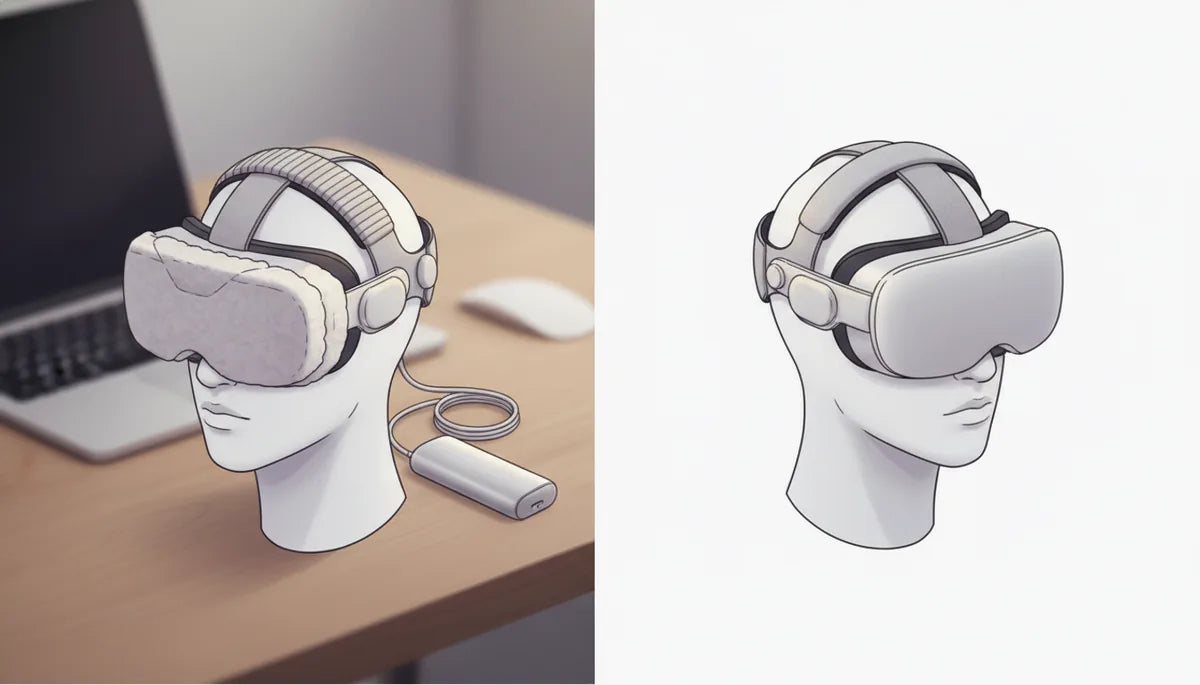
Another important difference is how each design treats the occipital region (the base of the skull). When padding and straps route more load to the back of the head through a broader contact area—either via a beefier headband or an added counterweight—the forehead pressure drops and hot spots behind the temples decrease. That’s the practical reason a wider Elite Strap or a Vision Pro rear pad feels so different in long sessions: they swap pressure from small, painful contact patches to larger, tolerable surfaces.
Glasses‑wearer considerations and eyewear compatibility
If you wear prescription glasses, fit strategies change. The Vision Pro has a built‑in, elegant answer: Zeiss prescription lens inserts that magnetically attach to the internal optics. These inserts provide prescription‑grade clarity without frames pressing into your face, and they preserve the headset’s intended seal and balance. For glasses‑wearers who’ve tried them, the inserts are a game‑changer—no extra bulk, no tilted frames, and no need to over‑loosen straps to accommodate temple arms.
Quest 2 uses a practical spacer included in the box to create room for glasses. The spacer works for many frames, but comfort varies with temple thickness and frame depth. For a long‑term solution, third‑party prescription inserts (from vendors like Reloptix or VR Optician) clip over the Quest 2’s lenses and eliminate the need to wear glasses under the gasket. These inserts reduce pressure on the nose and temples and generally improve stability, but they’re an extra purchase and add minimal weight to the front—so you might still want a better strap to manage the balance.
Don’t forget ventilation and fogging. Better light seals and insert fit on the Vision Pro reduce fog and still allow some breathability; a poorly fitting Quest 2 interface combined with glasses can create both pressure and condensation. If you plan regular long sessions with glasses, prioritize inserts or a headset whose cushion geometry leaves adequate clearance and airflow rather than depending on the default foam spacer alone.
Quest 2 strap upgrades and fit tips for comfort
For Quest 2 owners, strap upgrades are among the highest‑value improvements you can make. The official Elite Strap replaces elastic bands with a firmer rear support and a wider contact surface, reducing the forward pull and making the headset feel more centered. Pairing the Elite Strap with the Elite Battery Pack shifts mass toward the occipital region, further reducing forehead pressure and extending session length. Third‑party options range from memory‑foam head cradles to rigid halo systems that mimic higher‑end PC VR headsets.
Here are practical, step‑by‑step adjustments to squeeze the most comfort from a Quest 2 setup:
- Start with the rear strap centered at the base of your skull and the top strap across your crown. Loosen everything first, then tighten slowly until the display sits in the same place when you nod.
- Aim for a "float" fit: the headset should be secure but not crushing. If you feel pressure on the forehead, add rear tension or a small counterweight.
- Seat the facial cushion properly: press the gasket evenly against the face and ensure the nose area isn't pinched. Reposition gaps until light leaks are minimal without excess squeeze.
- If using a battery pack, route cables close to the head and mount the pack low on the back—this reduces torque better than letting it hang off to the side.
Small tweaks—raising or lowering the strap height by a few millimeters—often eliminate the most stubborn pressure points. For long gaming sessions, alternate between slightly different strap tensions every hour to vary contact points and reduce localized fatigue.
Compatibility and the third‑party ecosystem
The accessory ecosystems for Vision Pro and Quest 2 are different in scale and compatibility. Vision Pro accessories are fewer but tailored: third‑party bands that boost rear padding or add occipital support will be designed specifically for the Vision Pro’s attachment points and material, because the knit and loop architectures are proprietary. That means better integration and a lower risk of fit surprises—but fewer low‑cost options.
Quest 2 enjoys a thriving third‑party market. There are cross‑compatible halo systems, memory‑foam interfaces, prescription insert kits, and battery packs. However, compatibility isn’t universal: some third‑party straps are model‑specific and may not fit differently shaped facial interfaces or experimental mods. Mixing and matching can introduce cable routing or mounting quirks that affect balance—always check vendor fit notes and user photos before buying.
When considering future upgrades, think ecosystem: if you want many upgrade paths (battery packs, audio mods, prescription inserts), Quest 2 is more flexible and budget‑friendly. If you want high‑quality, tightly integrated accessories that match the headset’s engineering intent, Vision Pro’s smaller but focused ecosystem may be preferable—just expect fewer inexpensive add‑ons. Also consider resale and longevity: a widely supported platform makes later comfort upgrades easier and cheaper.
Real‑world user feedback and best‑practices
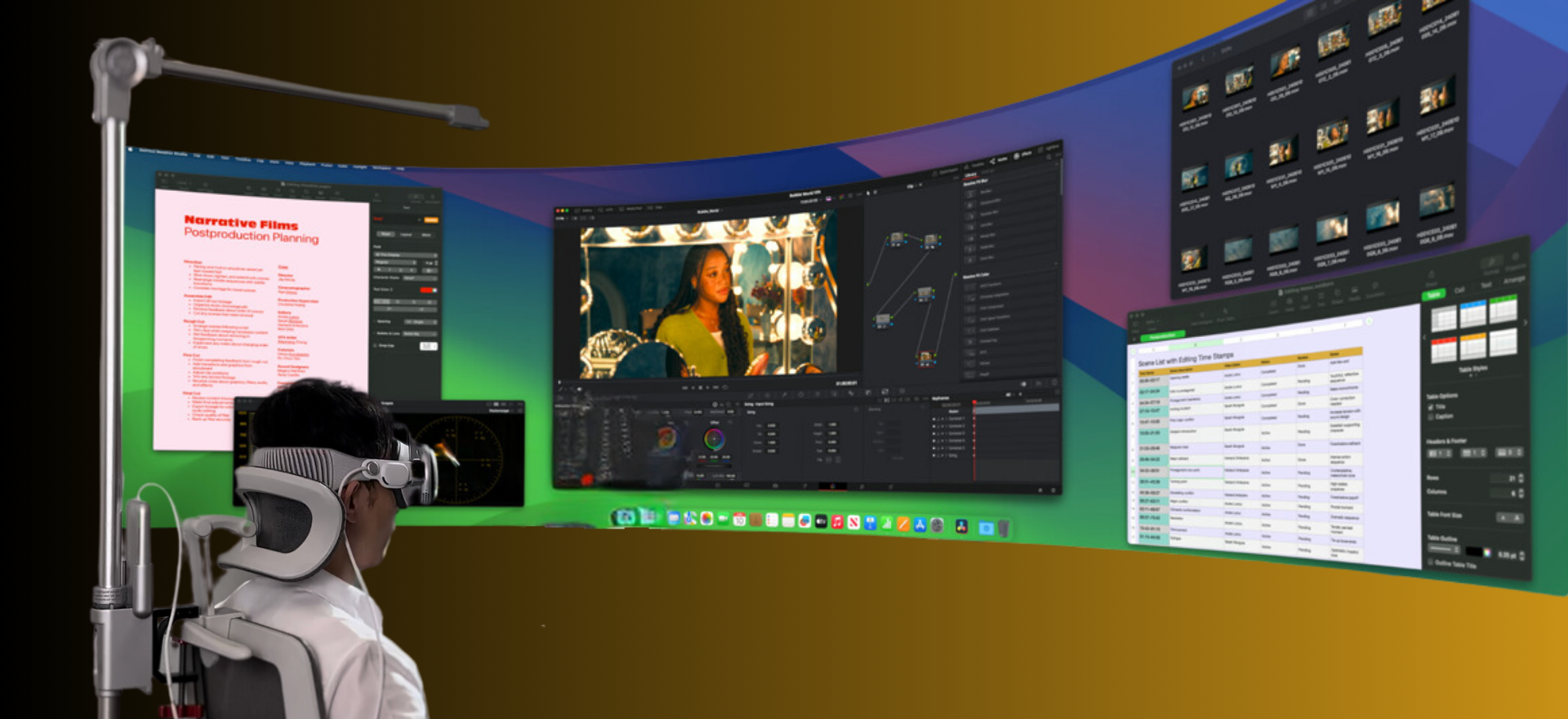
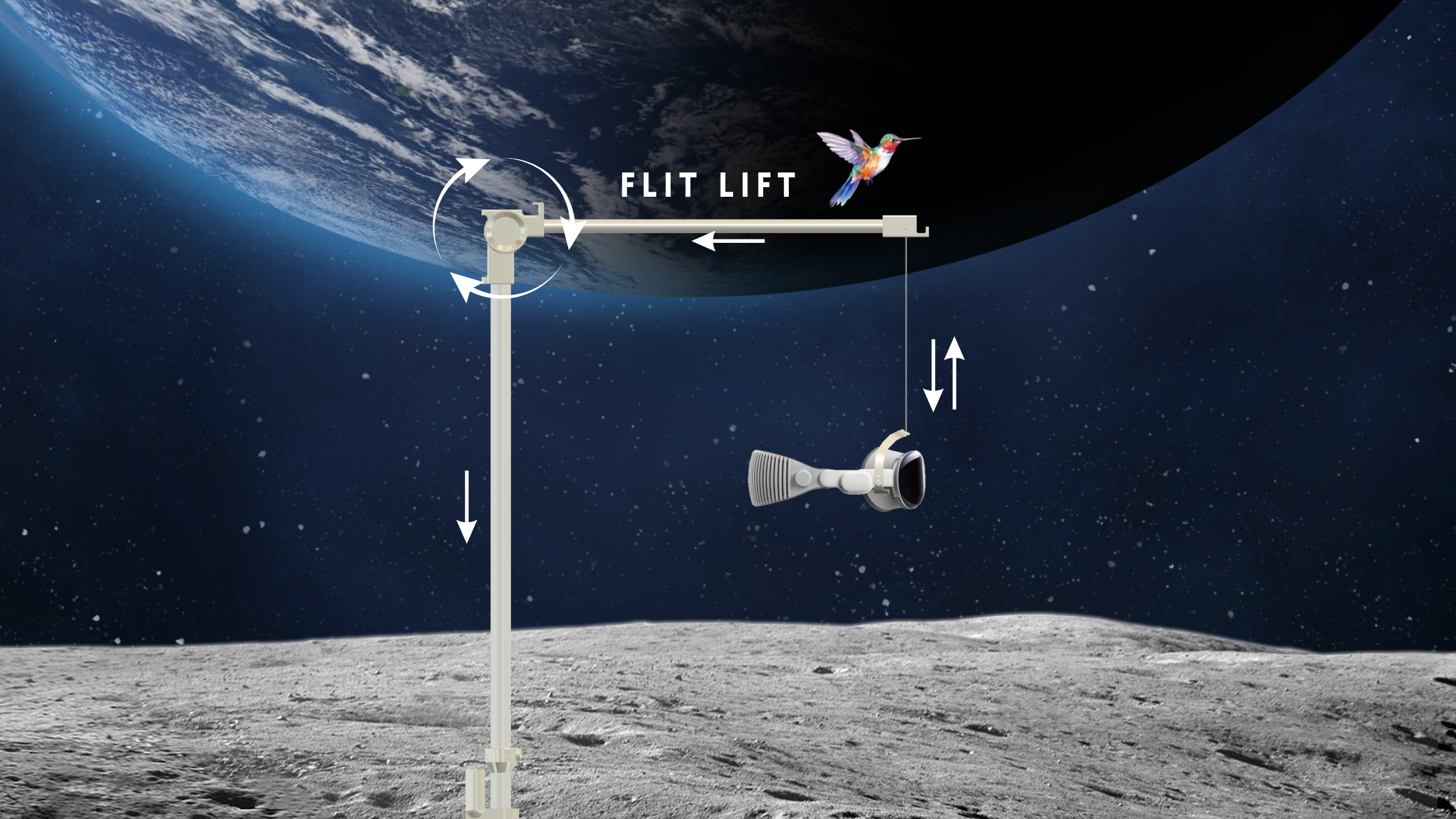
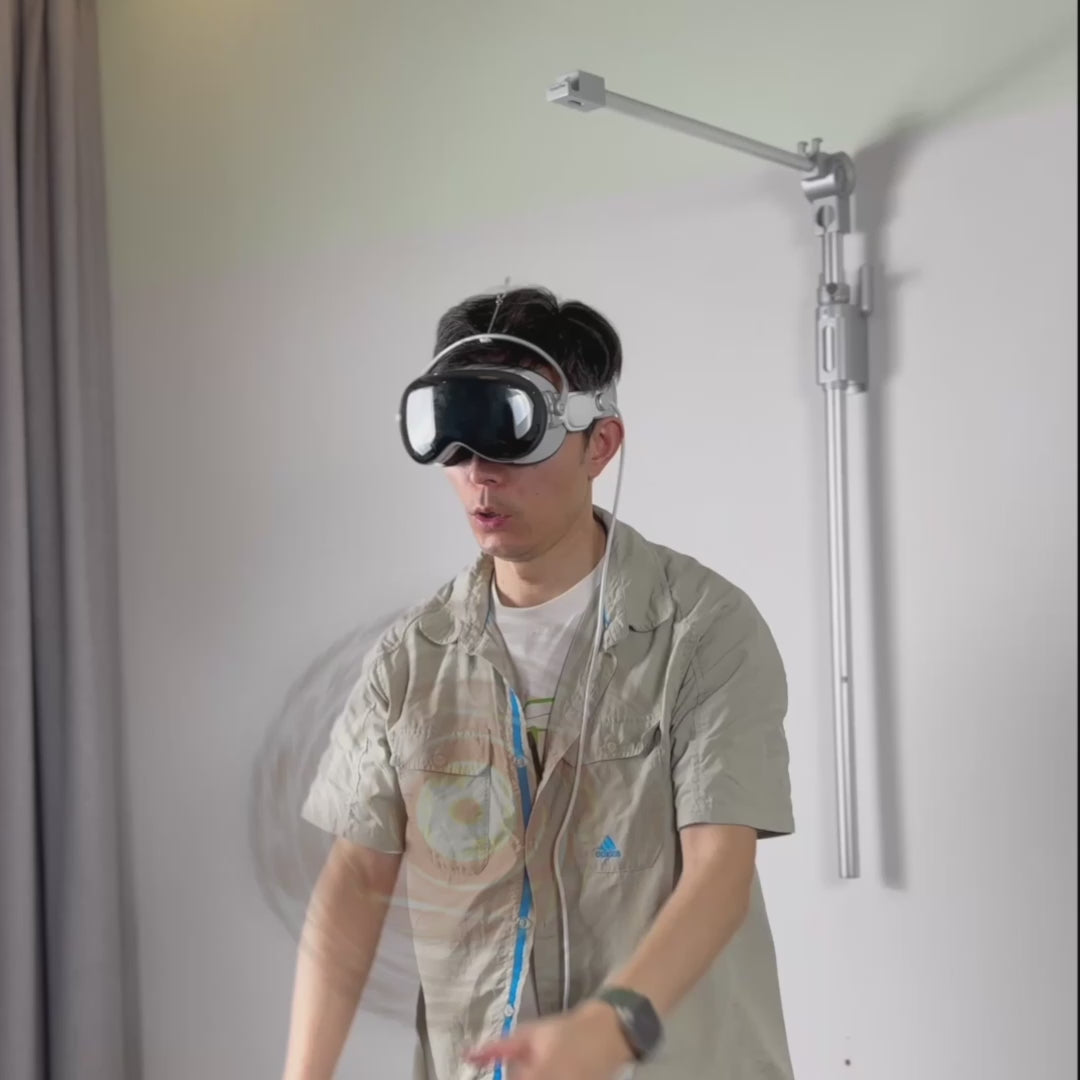
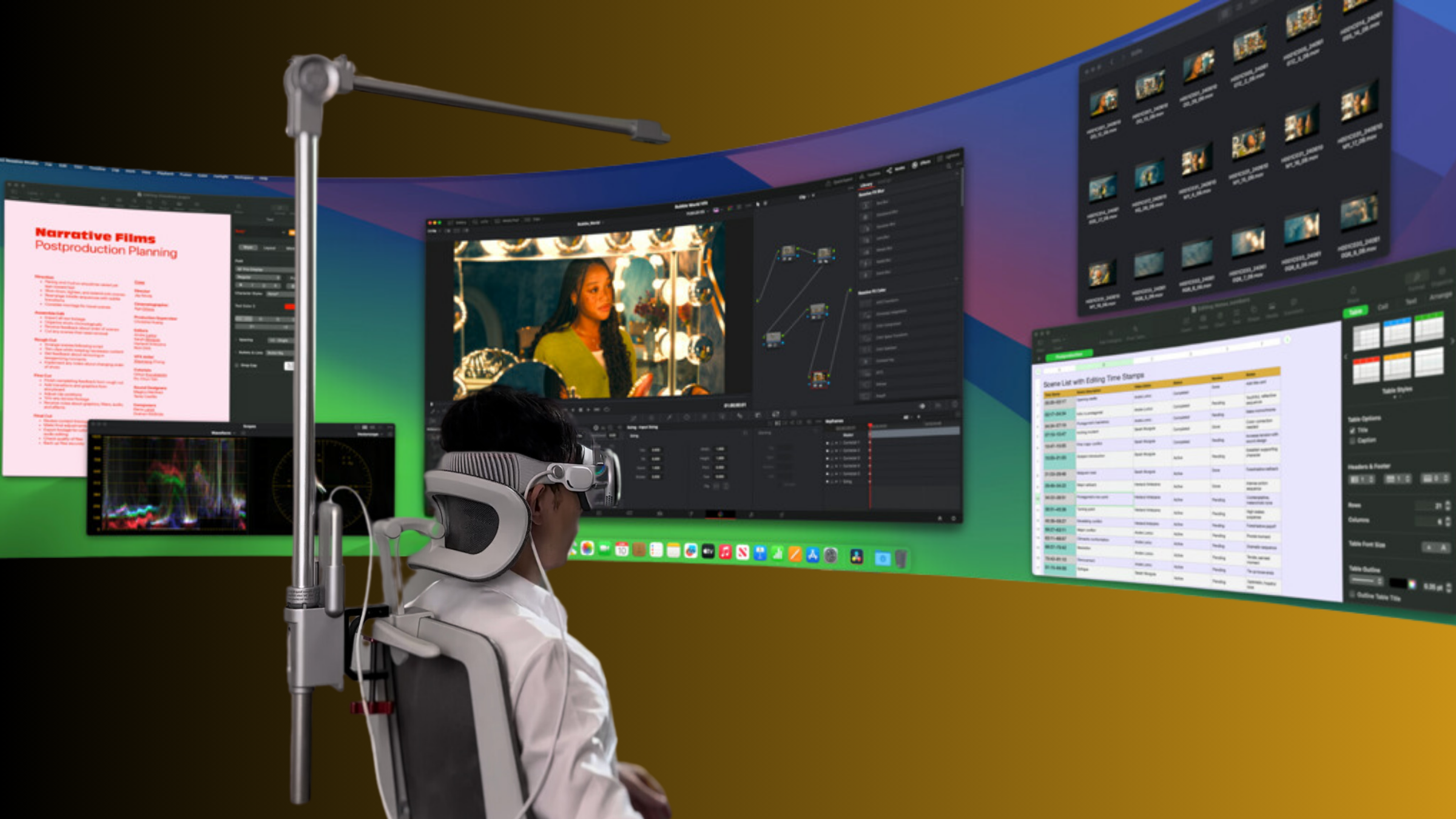
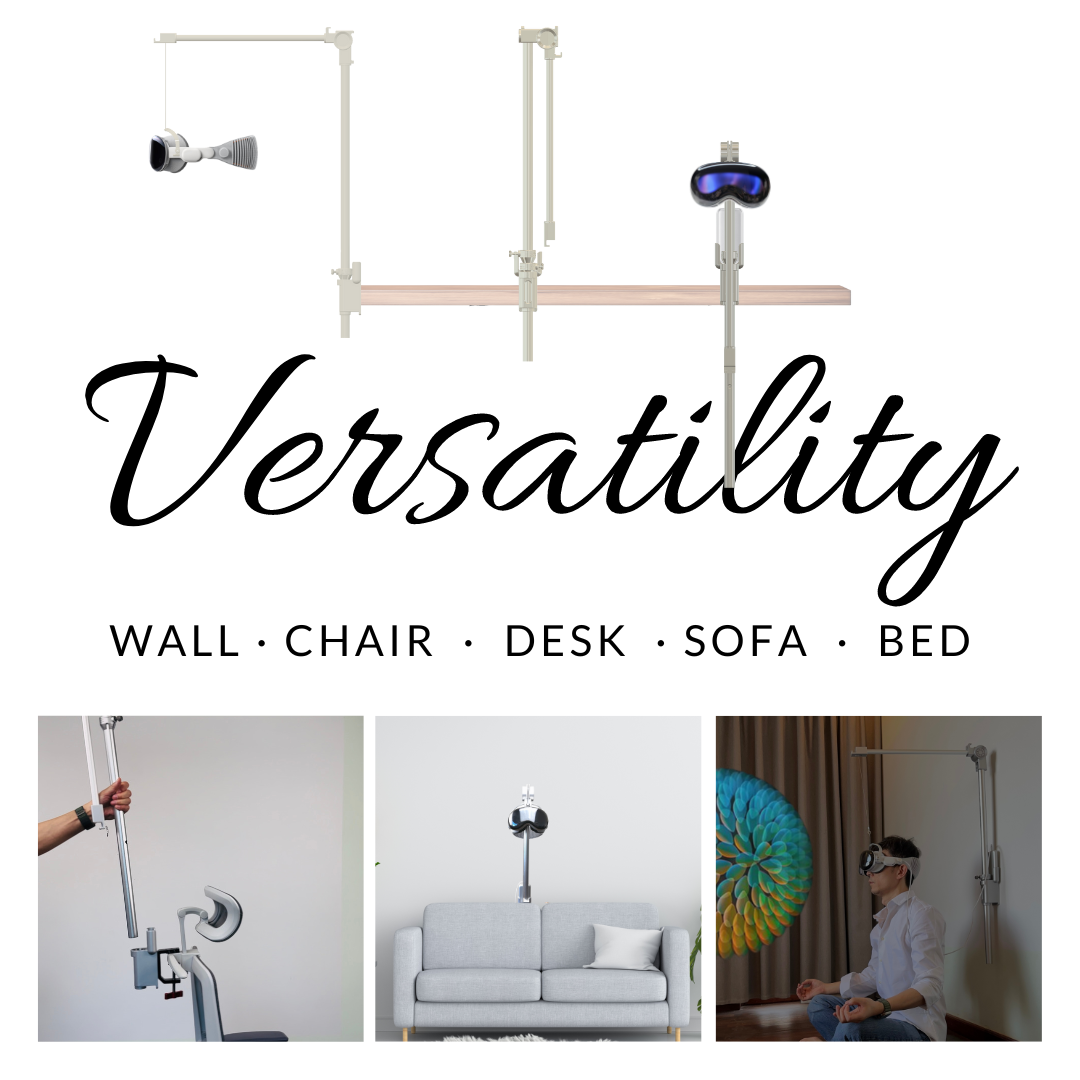
Synthesizing reviews and hands‑on notes reveals consistent themes. Vision Pro users praise the premium feel, modular light seals, and off‑ear spatial audio that doesn’t press on the ears—these features preserve a sense of openness and reduce ear fatigue. But many report pronounced neck pain and forehead pressure over extended sessions, particularly when using the Solo Knit Band for fast on/off consumer use. That’s why accessories like the FlitLift GraviPro, which redistribute load toward the rear and shoulders, have emerged to counter the front‑heavy tendency.
Quest 2 users commonly report strap slippage and red marks after long sessions, but they also appreciate the headset’s lighter overall front mass. The single‑point strap causes more frequent micro‑adjustments during active play, but moving to an Elite Strap or a well‑designed third‑party halo significantly cuts those interruptions. For productivity—long meetings, remote desktop work, or content creation—reviewers recommend a rear‑support strap and prescription inserts to reduce the need for continuous re‑positioning and to maintain display clarity without adjusting the headset.
Recommendations by use‑case:
- Gaming (active movement): prioritize a rear‑support halo or Elite Strap to prevent shift and reduce hotspots.
- Marathon sessions (content creation, simulations): choose broader contact areas and prescription inserts; consider counterweights or belt‑mounted batteries.
- Casual media (movies, short apps): stock straps are often fine; upgrade only if you routinely go past an hour without breaks.
Maintenance, cleaning, and longevity
Care extends the life of straps and cushions. For foam and knit surfaces, sweat and oils break down materials and compress padding—leading to lost elasticity and increased hotspots. Establish a simple routine: wipe facial interfaces and straps after each heavy use with a damp microfiber cloth and a mild, non‑alcoholic cleaner. For removable silicone or fabric cushions, follow vendor washing instructions—many silicone skews are rinse‑safe, while foams should be swapped rather than soaked.
Storage matters: keep headsets on a stand or shelf where the strap and padding aren’t folded or compressed for long periods. Heat speeds material degradation, so avoid hot cars or direct sunlight. For elastic straps, avoid over‑tightening when not in use; prolonged high tension reduces elasticity sooner.
Signs it’s time to replace a strap or cushion:
- Visible compression or creasing in foam that no longer returns to shape.
- Loss of strap elasticity—if the strap slips to its tightest setting more quickly than it used to.
- Persistent odors that don’t disappear after cleaning, or skin irritation after use.
- Loose stitching, frayed seams, or degraded clips that no longer hold tension reliably.
For heavy daily users, expect to replace foam interfaces every 6–12 months; silicone and knit bands generally last longer with proper care. Keep a spare facial cushion and a basic cleaning kit on hand—small maintenance habits prevent big comfort problems during long sessions.
Takeaway: If you primarily value long‑session comfort and plan to use VR for extended gaming or work, prioritize balance over raw weight. The Vision Pro gives you premium seals and optics but needs thoughtful rear support to offset its front‑heavy nature; the Quest 2 starts lighter and benefits most from an Elite Strap or a quality third‑party halo and prescription inserts. Test strap adjustability, padding breadth, and how the headset routes weight away from the forehead before committing—and consider modest upgrades early, as they offer the largest real‑world comfort gains.

Compartir:
Travel Ready VR: Lightweight Battery Solutions for Meta Quest 2 On The Move
Official Meta Strap vs. Third-Party Alternatives: Which Keeps Wireless Accessories Balanced?