


How to Optimize Meta Quest 2 Weight Distribution, Strap Bias, and Long-Session Comfort
Long VR sessions shouldn’t be a trade-off between immersion and a sore forehead. The meta-quest-2-comfort-without-bulk" rel="nofollow noopener noreferrer">Meta Quest 2 is intentionally lightweight but front-heavy: the lenses, display, and front electronics concentrate mass toward your face. That forward bias can lead to forehead pressure, neck strain, and unstable view during movement. This guide walks you through practical, step-by-step techniques—from choosing the right strap to adding counterweights and caring for interfaces—so your Quest 2 feels balanced and comfortable for hours. ⏱️ 11-min read
Read on for clear adjustments, a beginner-friendly comfort-strap install, and real-world examples that show what works for casual play, streaming, fitness, and travel. Each section includes checks you can perform in minutes, and quick fixes to reduce fatigue and improve tracking stability.
Understanding weight distribution, bias, and comfort on Quest 2
The Meta Quest 2’s front-loaded design places the center of gravity (CG) toward your face. In plain terms: the headset naturally wants to tip forward. When that happens, weight concentrates on three common pressure points—forehead, nose bridge, and the cheeks—creating hotspots that make long sessions unpleasant. More than comfort, this bias affects how steady the virtual image remains. A forward-biased headset increases torque around your neck, so small head moves can translate into larger perceived motion in VR. That adds to fatigue and can worsen motion sickness in sensitive users.
Two concepts matter for comfort: distribution and bias. Distribution describes how the headset’s weight is shared across crown, occiput (back of the head), and face. Bias describes the direction the headset tends to pull—in Quest 2’s case, forward. Strap design, padding thickness, and attachment points act like levers. A firm rear cradle or halo lifts the front, moving the CG rearward so your skull, not just your face, carries more of the load. The correct facial interface also influences perceived weight: thicker, well-shaped pads spread pressure and reduce hotspot formation, while a poorly matched gasket can force unnecessary strap tension to compensate for misalignment.
Strap options and how they affect weight and comfort
Choosing the right strap changes everything. The stock Quest 2 soft strap is light and flexible, great for quick sessions and portability, but it offers limited rear support. That means the headset’s front weight often rests directly on your face. Elastic and fabric third-party straps can improve fit slightly by broadening contact, but they rarely counteract the fundamental forward bias.
For a noticeable shift in comfort, look to more structured options. The official Meta Quest 2 Elite Strap and similar rigid or halo-style mounts cradle the back of your head and redistribute load toward the occiput. This actively lifts the front away from the nose and forehead. The trade-offs are predictable: a halo or rigid strap adds weight and bulk, but it reduces facial pressure and keeps the view more stable during vigorous motion. Some players add a small modular counterweight to the rear—especially streamers or fitness users—to tune balance further. Keep in mind that adding weight at the back shifts the CG rearward but increases overall headset mass, which can raise neck load over very long sessions.
Which to choose?
- Stock soft strap: Best for short sessions, travel, and minimal bulk.
- Elastic/fabric upgrades: Good low-cost comfort and broader contact, but limited on bias correction.
- Rigid halo/Elite Strap: Best for extended play, streaming, and active use—provides clear reduction in forehead and nose pressure.
- Modular rear strap with counterweight: Ideal when you need precise balance tuning for vigorous movement or camera-stable streaming.
Step-by-step installation guide for a comfort strap
Installing a comfort strap is straightforward, but small mistakes can leave the headset unstable. Follow these steps to install a halo-style or Elite Strap on your Quest 2 and verify secure, balanced mounting before the first long session.
- Power off your Quest 2 and remove the facial interface if your strap instructions require it. Work on a clean surface to avoid scratching lenses.
- Attach mounting brackets to the sides of the Quest 2. Most third-party and official straps use the two standard anchor points near the headset’s temples. Ensure the clips or screws sit flush and aren’t cross-threaded.
- Fit the halo or rear cradle into the brackets. You should hear or feel a click; if there’s resistance, back off and realign. For screw-in systems, tighten evenly to avoid warping the plastic trim.
- Install the top crown strap if included. This strap carries the lift for the headset—make initial adjustments loose so you can fine-tune while wearing it.
- Put the headset on and center the lenses over your eyes. Close the rear cradle so it rests on the occiput (the round part at the base of your skull), not the lower neck. This position provides leverage to lift the front.
- Gradually tighten the halo’s rear tensioner until you feel the front lift off your nose and cheeks. Aim for even pressure—your face should feel gently supported, not pinched.
- Lock the top strap into place last, using it to fine-tune vertical position and optical clarity.
Common mistakes to avoid: over-tightening the top strap first (which pushes the headset into your face), misaligning the rear cradle low on the neck, and failing to check bracket seating. Do a short motion test—look left-right-up-down—to ensure the view stays centered and straps don’t slip.
Fine-tuning fit: height, strap length, and tightening tips
Comfort comes from micro-adjustments. Once your comfort strap is installed, use these checks and tweaks to find the sweet spot where the headset’s center of gravity feels neutral and the optics stay in the “optical sweet spot.”
- Top strap height: The top strap controls vertical lift. If the headset sits too low—pressure on the cheeks and nose—tighten the top strap in small increments. If it pushes into your forehead or creates brow hotspots, loosen it slightly and raise the rear cradle a notch.
- Rear strap length/tension: The rear cradle should be snug on the occiput. Start light and increase tension until the front weight reduces. If tightening causes neck strain, ease back; you may need a smaller counterweight or a different halo angle.
- Overall tightness: The headset should feel secure without pinching. A good rule: if you can jiggle the headset more than about 10 mm on your face with brisk movement, tighten slightly. Conversely, if breathing or circulation feels restricted, loosen immediately.
Practical indicators of correct tightness:
- The view remains stable during quick head turns—no noticeable image drift.
- You can wear the headset for 15–30 minutes and feel only mild pressure that does not increase over time.
- The top of the halo bears the lifting load, not the bridge of your nose.
Watch out for common tightening pitfalls: asymmetrical straps (one side tighter than the other) cause lens misalignment and skewed visuals; over-compressed facial foam can push the optics away from the lenses and degrade image clarity; and excessive rear counterweight can cause posterior neck fatigue over long sessions. Adjust in 5–10 minute play blocks—small changes compound quickly.
Weight distribution with battery packs and external accessories
Adding a battery pack or external accessories changes the headset’s CG and may be one of the quickest ways to improve or worsen comfort. A rear-mounted battery pack shifts weight toward the occiput, countering the Quest 2’s front bias—useful for extended play—but it also increases total mass, which can increase neck load. The trick is placement and incremental testing.
How to add and balance a battery pack:
- Choose a low-profile pack that clips to the rear strap or sits in a dedicated pocket on the halo. Avoid large, mobile packs that can swing during movement.
- Start with a light attachment (100–200 g). Put the headset on, stand upright, and nod your head slowly. Does the headset still tilt forward? Increase weight in 25–50 g steps until forward tilt reduces.
- Perform active movement tests—play a short rhythm game or perform rapid head turns. If neck muscles tire sooner, you've likely added too much mass and should reduce the weight or switch to a lighter pack.
- For USB-C powered packs, route the cable so it doesn’t pull on the headset during movement; use cable clips or a short coiled cable to absorb motion.
Balance-testing steps to find your sweet spot:
- Stand with your head neutral and note perceived front pressure.
- Add or remove small weights at the rear and repeat. Keep sessions short to avoid cumulative fatigue masking imbalance.
- Once you’ve found a position that reduces facial pressure and keeps the view stable, secure the pack and re-check after a 30–60 minute session.
Remember: a stable view often matters more than minimizing total grams. A modest rear mass that prevents forward tilt will usually improve comfort and reduce motion sickness more than shaving a few grams off the headset’s weight.
Comfort strategies for glasses wearers and long sessions
Glasses add complexity. Pressure on the temples, nose, and cheeks is common when glasses meet facial interfaces. The right padding, nose cut, and ventilation can make VR usable for hours without fogging or sore temples.
Practical tips for glasses compatibility:
- Choose a thinner, higher-quality facial pad (memory or open-cell foam) with a wider nose cut to reduce pressure on the bridge. Thinner pads reduce temple contact and help keep lenses aligned without extra strap tension.
- Consider a glasses spacer or a “glasses-friendly” interface that creates a little extra room without pushing the headset outward. Test clarity after adding a spacer—small shifts can move the optical sweet spot.
- Anti-fog and ventilation: Glasses fog is a common complaint. Use perforated padding or silicone covers with ventilation channels. Storing your headset with a small gap in the facial interface between sessions helps moisture escape.
Reducing cheek and temple pressure for long sessions:
- Shift load away from the face with a halo or rear cradle and small rear pad.
- Take short breaks every 30–45 minutes to relieve pressure and allow perspiration to evaporate—this prevents pad compression and skin irritation.
- If you experience temple soreness, loosen side straps slightly and tighten the top crown to transfer load upward—not sideways.
Case example: a glasses-wearing streamer swapped the stock foam for a thin, breathable memory-foam interface, added a slim rear pad and lightweight counterweight, and used periodic 5-minute breaks between streams. Result: less temple contact, fewer fogging issues, and steadier camera framing during long broadcasts.
Maintenance, cleaning, and strap replacement options
Comfort is partly maintenance. Foam interfaces compress, sweat degrades padding and cover materials, and strap elasticity can change over time. A simple cleaning and replacement routine extends life and maintains comfort.
Cleaning routine:
- After each session: wipe silicone covers and hard surfaces with a damp microfiber cloth. For foam, blot away sweat and let air dry completely before storing.
- Weekly: use an alcohol-free disinfectant wipe on the facial interface and straps. Avoid soaking foam—moisture trapped inside accelerates breakdown.
- Monthly: remove and hand-wash washable fabric covers (if your accessory allows), and inspect Velcro, clips, and screws for wear.
Replacement and wear indicators:
- Foam becomes thinner or uneven after ~6–12 months of heavy use—replace when you notice increased face hotspots or poor seal.
- Strap elasticity loss or persistent slippage are signs to replace soft straps; rigid halo systems typically last longer but watch padding compression points.
- Frayed edges, broken clips, or loose mounting hardware mean immediate replacement—don’t gamble with a headset falling during use.
Where to buy: use reputable vendors and check explicit compatibility with Quest 2 mounting points. Official Meta accessories, known third-party brands, and well-reviewed sellers on major marketplaces are safer bets than unknown generic items. Read compatibility notes—some rigid halos require specific clearance around the VR shell and may not sit flush with certain facial interfaces.
Cross-brand compatibility and Vision Pro context
Third-party straps and accessories can be excellent value, but compatibility matters. The Quest 2 uses standard side anchors, but build tolerances vary. Look for accessories that specify Quest 2 compatibility and include adjustable mounting hardware. Avoid designs that press directly against ventilation paths, as they can trap heat and create pressure points where foam meets hard plastic.
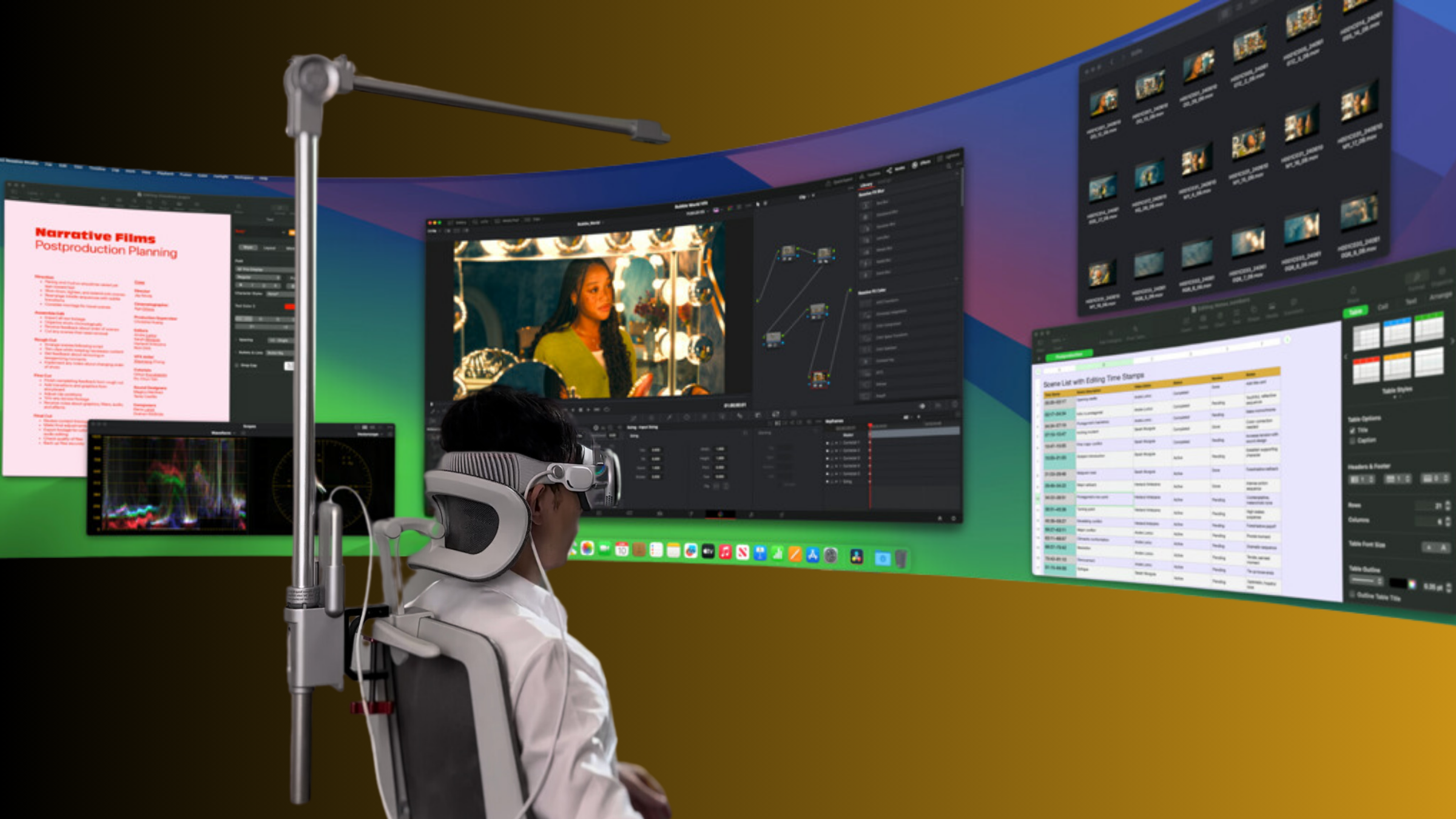
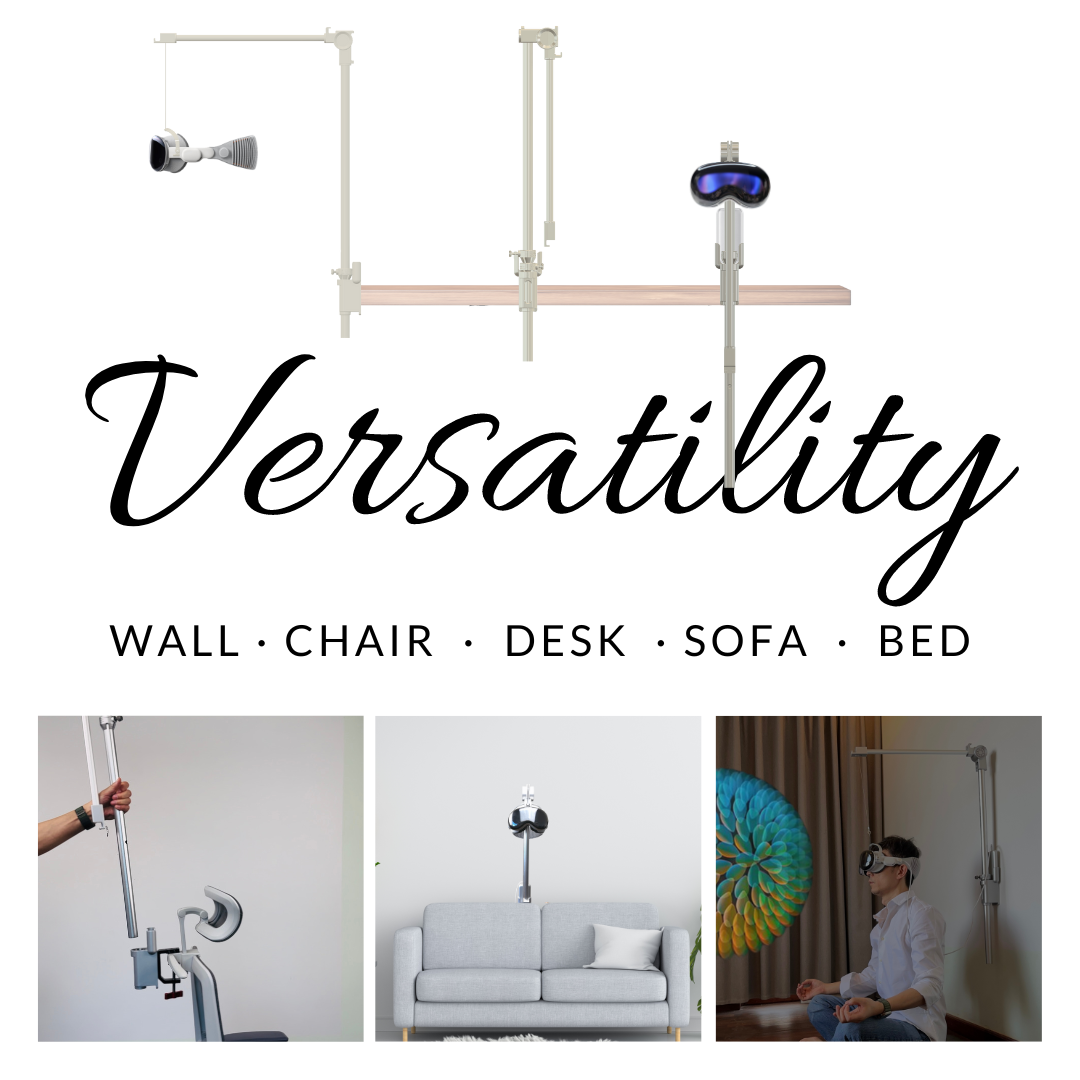
What the Vision Pro teaches us: Apple’s Vision Pro emphasizes modularity and a wide range of strap options—from soft bands to rigid cradles and specialized cushions. Two practical lessons transfer directly to Quest 2 users: first, modularity lets you tailor support to activity—use a lightweight strap for travel, and swap to a rigid halo for active play. Second, well-vented interfaces and breathable materials improve long-session comfort as much as structural support. Vision Pro accessories also highlight the benefit of fitting adjustments that precisely tune vertical position and rear contact area—features worth seeking in Quest 2 third-party halos.
Compatibility checklist before you buy a third-party strap:
- Confirm the accessory lists Meta Quest 2 (not just “VR headset”) and note any required adapters.
- Check clearance around the headset’s shell and the facial interface—some rigid halos need extra side space.
- Read feedback about ventilation and heat buildup—especially important for fitness usage.
- Verify return and warranty policies in case the strap changes comfort negatively for your head shape.
Finally, remember that the best solution often mixes elements: a well-shaped facial interface, a rigid rear cradle, and a small rear counterweight. Borrow lessons from higher-end ecosystems like Vision Pro—modularity, ventilation, and precise adjustability—while using Quest-specific accessories to keep costs reasonable.
Next step: pick one change to test in your next session—swap the foam, tighten the halo, or add a light counterweight—and measure comfort in 15–30 minute blocks. Small, iterative changes are the fastest path to long-session comfort.

Share:
Top Lightweight Straps for Meta Quest 2: Comfort Without Bulk
Comparing Quest 2 Comfort Straps Elite Strap vs Deluxe Audio Strap vs Third-Party Options