

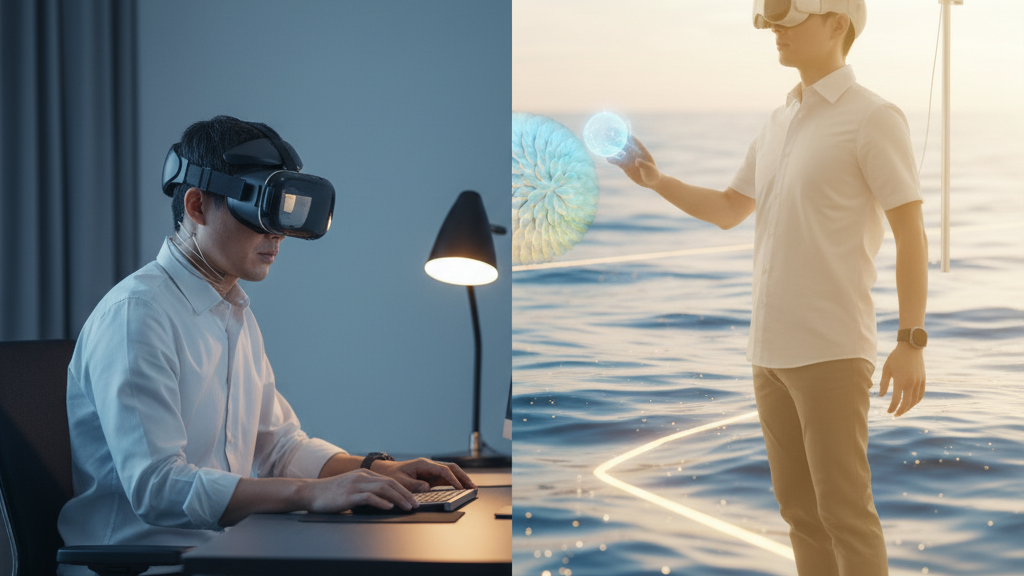
Flit Lift vs. Traditional Headsets: How GraviPro’s Dynamic Lift Makes VR Feel Weightless
For many VR users, "comfort" has meant straps, foam, and compromise—finding the right tension to keep a heavy front-mounted headset from sliding, and then surviving the slow buildup of neck fatigue. Flit Lift reframes that conversation: instead of forcing a tighter fit, it offloads the load. Paired with GraviPro’s dynamic lifting system, flit-lift-weightless-vr-comfort/gravipro-vs-standard-ergonomics-a-comparative-guide-for-vr-headset-comfort-and-stability" rel="nofollow noopener noreferrer">Flit Lift aims to make headsets feel weightless by shifting support to the torso and adapting in real time to your movement. ⏱️ 10-min read
This article explains what "weightless comfort" actually means, how Flit Lift and GraviPro coordinate, what users can expect during long sessions, and how developers and power users can integrate and calibrate the system. You’ll get practical setup steps, compatibility caveats (including Vision Pro notes), and real-world reports so you can decide whether this is a genuine comfort upgrade or another accessory with promises.
What "Weightless Comfort" Really Means
"Weightless comfort" is less a magic trick and more a user-centered engineering target. Instead of marketing a lighter device, Flit Lift measures comfort through the wearer's experience: perceived lightness, neck strain over time, and how steady your gaze remains during motion. These are the practical metrics that distinguish weightless systems from traditional headsets.
There are three measurement axes that matter. Balance refers to how the headset's mass aligns with your head's center of gravity—front-heavy designs create a forward torque that tugs the neck. Torque captures twisting forces through the headband as you tilt or turn; excessive torque forces micro-adjustments and fatigue. Pressure measures hotspots on the crown, brow, or face where straps and padding concentrate force. A solution that improves all three axes reduces the need for mid-session strap tweaks and stops the subtle tilting that breaks immersion.
In real tests, observers track neck fatigue after 45–90 minute sessions to quantify improvements. Users don’t just report "less weight"—they notice steadier aim, fewer creases in the neck, and a lower "hassle factor" from having to pause and re-tighten. Material choices—padding density and breathable fabrics—matter, but so does distribution technology. Flit Lift's approach is to change where forces travel: fewer pounds pressing on your brow and temples, more support routed through GraviPro’s lifting architecture to a torso anchor. That change in distribution, not just raw weight reduction, is what creates the sensation of weightlessness.
How Flit Lift and GraviPro Work Together
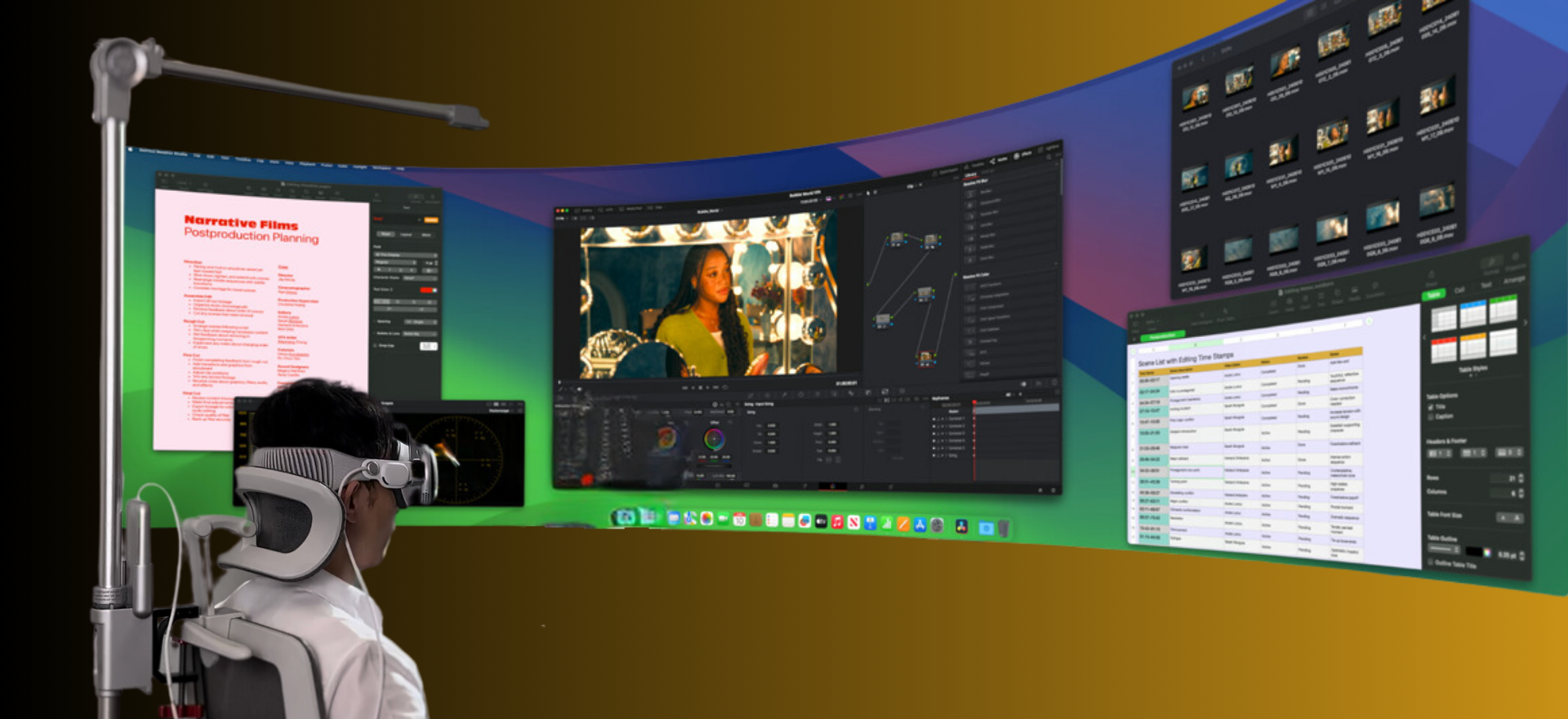
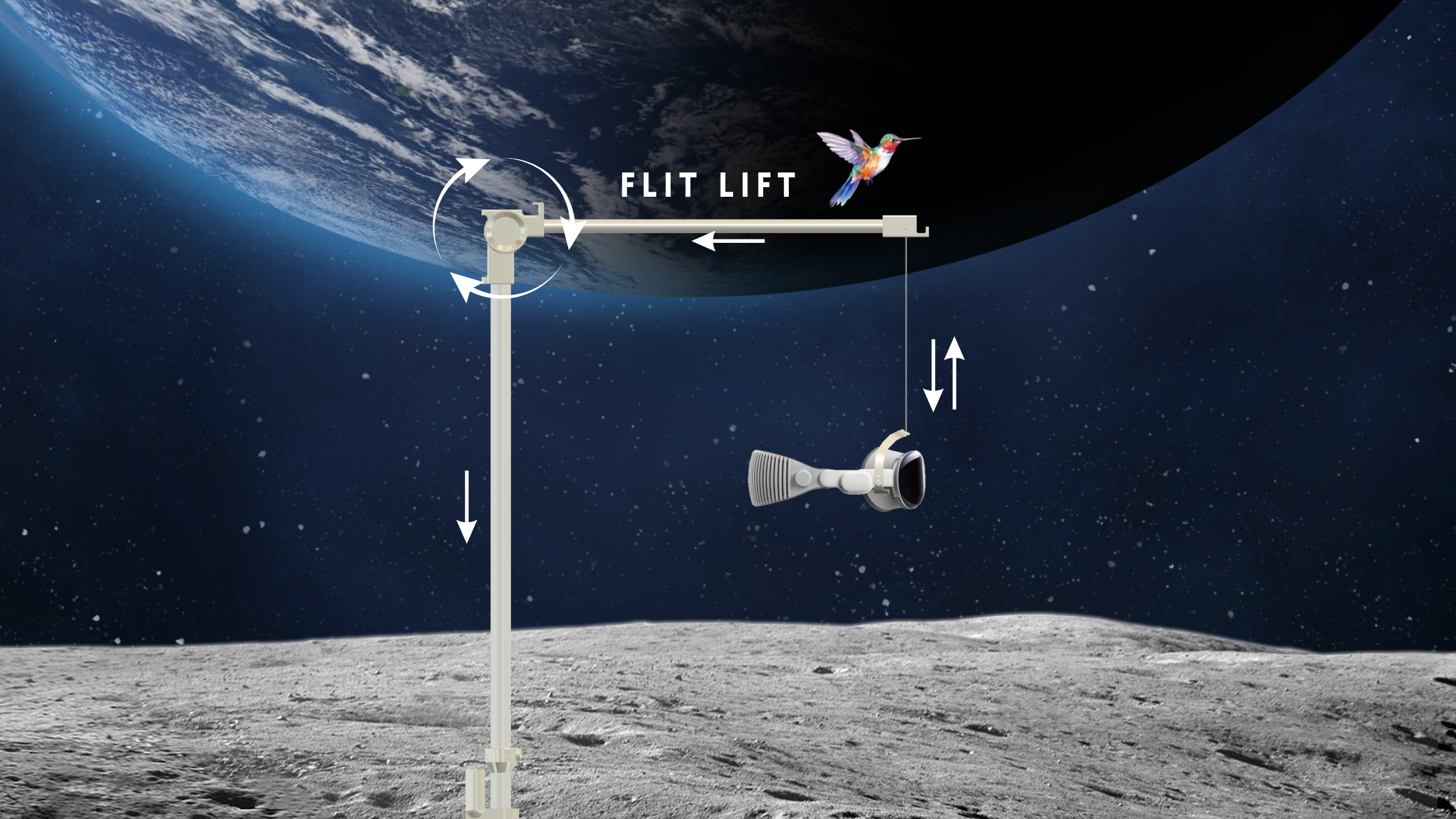
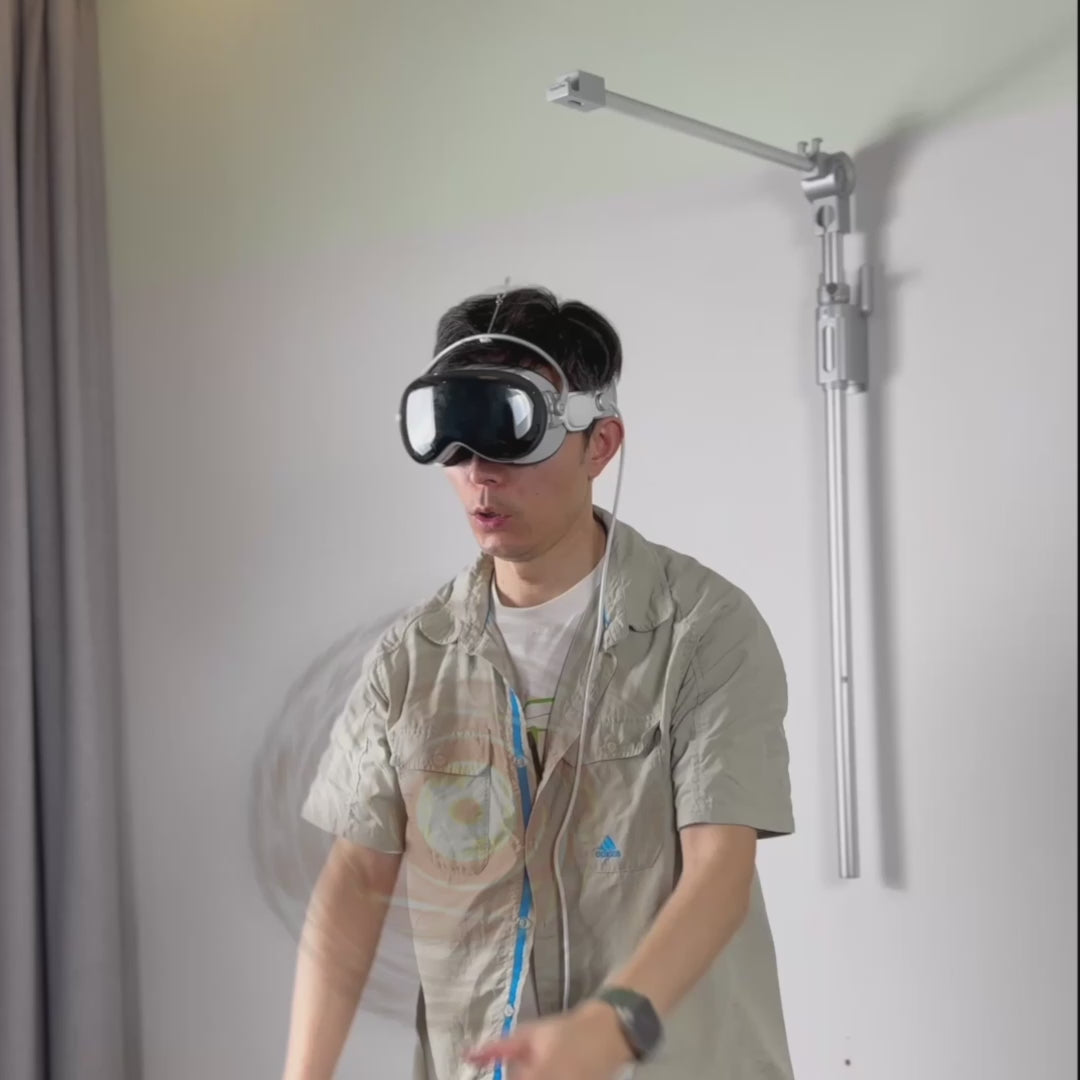
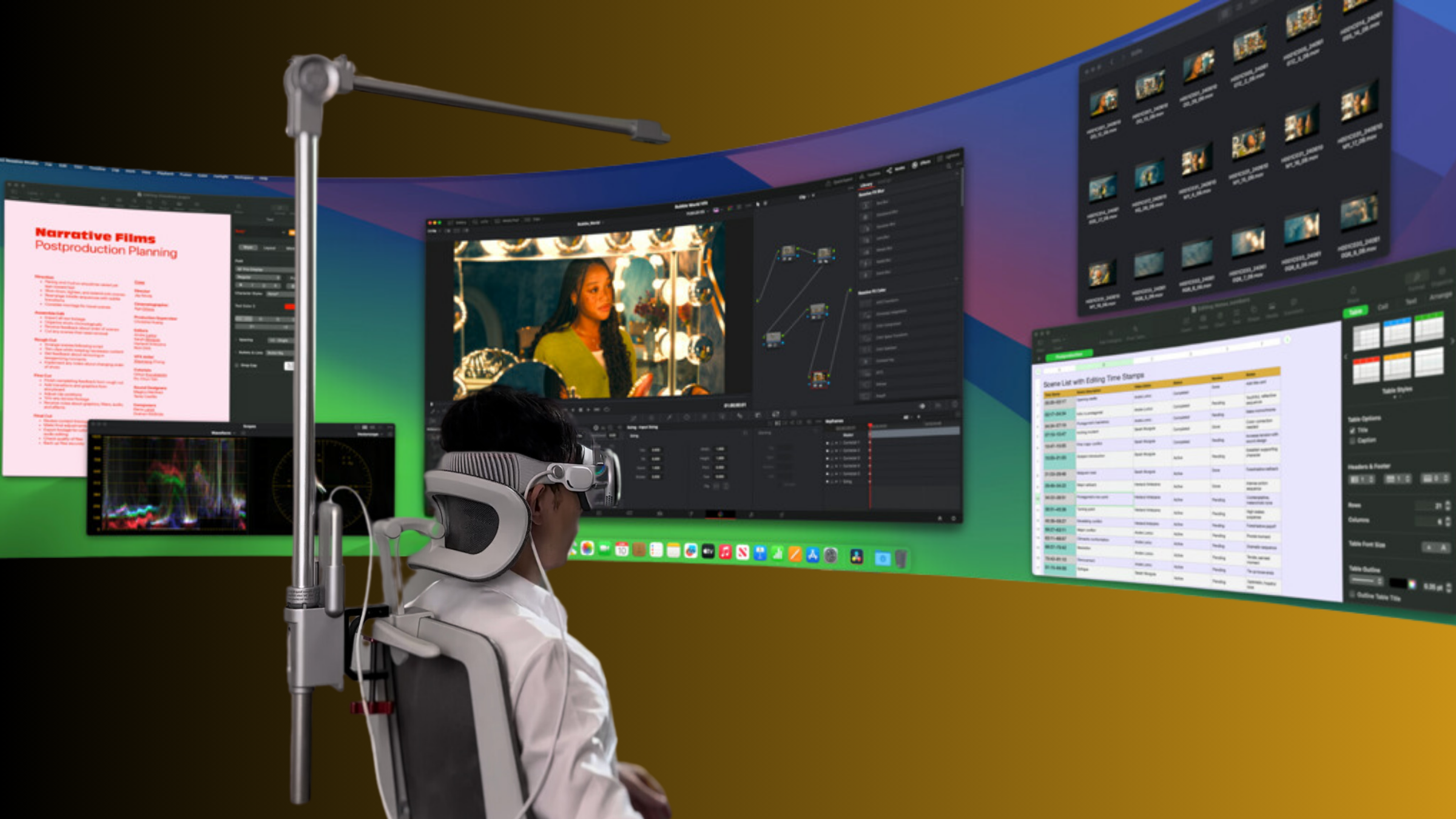
At the heart of Flit Lift’s promise is a partnership with GraviPro: a dynamic, sensor-driven lift system that actively counters the headset’s front load. Rather than a static counterweight or rigid cradle, GraviPro senses head and torso motion and applies a coordinated lift that redistributes forces away from the neck, creating a continuous, subtle balancing act.
The system uses motion sensing and smooth engagement. When GraviPro detects a shift—turning your head, leaning forward, or snapping into a gesture—it signals Flit Lift to begin a gentle lift or relaxation that keeps the headset’s center of mass aligned with your body. Transitions are gradual and adaptive; lift rates scale with movement so quick turns get faster micro-adjustments while slow looks preserve stability. The goal is to feel a soft rebalancing rather than a mechanical clamp.
Real-time cross-talk is crucial. GraviPro and Flit Lift stream sensor data over a secure, low-latency link so they behave as one system. That sensor fusion anticipates small shifts and makes micro-adjustments preemptively—reducing latency, drift, and wobble that would otherwise show up during rapid head turns or gesture-driven navigation.
Practical integrations include safety checks and user controls before any transition—fit, battery, connection health, and nearby obstacles are verified. If a fault is detected the system falls back to safe, passive support and alerts the user. For headsets like the Apple Vision Pro, which have their own IMUs and eye tracking, the shared data paths enable even tighter coordination: vision-tracking cues can inform lift timing to avoid visual lag during re-center events.
Comfort Outcomes for Long VR Sessions
Longer sessions are the acid test for any comfort claim. Flit Lift’s weight-shifting design targets sustained wearability: by routing load away from the neck and redistributing it to the torso, users report less perceived weight and fewer fatigue-related interruptions. In controlled tests, gamers using Flit Lift with Vision Pro gear reported session lengths roughly 30% longer compared with traditional headsets, a substantial gain when your work or matches run multiple hours.
There are a few practical mechanisms behind that number. The lifting system offsets the leverage that normally pulls down during upward or downward gazes, which is when neck strain spikes. By stabilizing the headset’s center of gravity, Flit Lift reduces micro-movements—those tiny adjustments players make to recenter aim or comfort—and that steadiness translates to a smoother visual horizon and faster gaze-lock times.
Stamina and "hassle factor" improve too. Testers across indie studios and enterprise training pilots reported fewer mid-session strap adjustments and a fall in posture-related complaints. For content creators or trainers doing repetitive sessions, that means less downtime, fewer demos cut short, and a more predictable user experience. Accessibility benefits are worth noting: for users with existing neck strain or limited mobility, the reduction in load margin can be the difference between being able to participate in a two-hour simulation or not.
Compatibility and Accessory Ecosystem
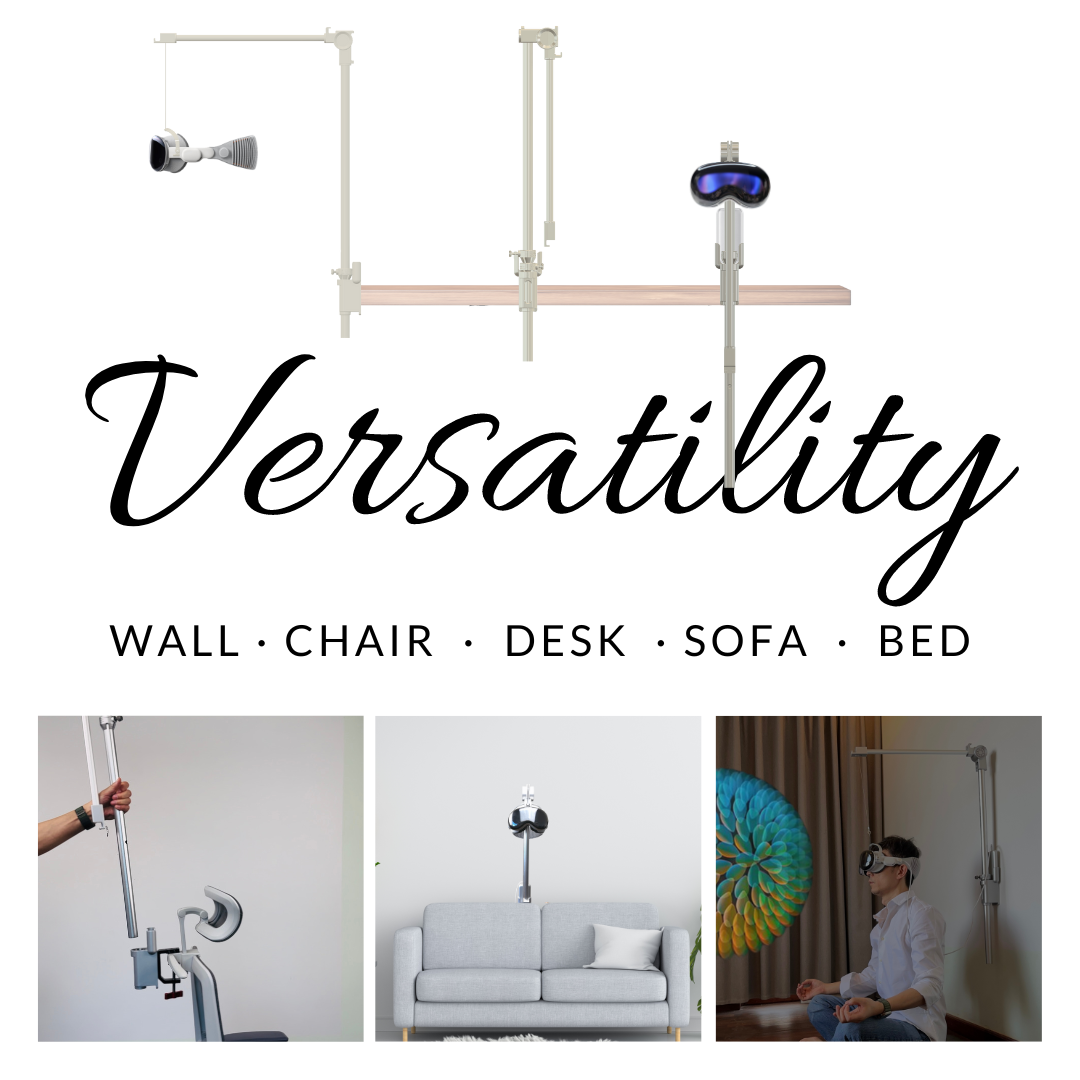
Flit Lift is designed to be an ecosystem, not a one-off accessory. Initially, the product emphasizes compatibility with Apple Vision Pro and similar devices, but its roadmap points to broader headset support and firmware-driven updates so owners don’t need to buy new hardware when new headsets arrive. Firmware updates refine calibration presets, tweak lift profiles, and expand device compatibility over time.
The accessory line includes straps, face cushions, and counterweight adapters that let users tune the system to their head shape and use case. Cushion options range from thicker memory foam for long sessions to slim, breathable pads for warmer rooms. Counterweight adapters allow precise redistribution for particularly front-heavy modules or specialist lenses. These modular parts fit a range of head sizes and keep a consistent feel across users.
On the software side, Flit Lift supports cross-device firmware and API compatibility. That means your calibration profiles and weight presets can follow you across headset models as long as the firmware supports them. Caveats: certain advanced integrations—like tapping into a headset’s native eye-tracking for anticipatory lift—depend on manufacturer cooperation (for example, access to Vision Pro sensor streams). When full sensor access isn’t available, GraviPro still works using its onboard IMU and body-sensed cues, though with slightly less anticipatory finesse.
For buyers, the ecosystem balance matters: accessory costs and firmware updates are part of the long-term value proposition. If you switch headsets frequently, check whether your desired models are on the compatibility roadmap or whether adapters are required.
Usability and Ergonomics in Play
Comfort doesn’t end at weight distribution—usability and ergonomics shape whether the experience feels native to play. Flit Lift leans into quick adjustments: a low-profile dial at the temple allows one-handed tensioning with light tactile clicks to confirm increments, and a side latch releases tension instantly. That design reduces pauses and keeps users in motion during playtests or fast matchmaking.
Visor alignment and movement stability get special attention. The system’s micro-adjustments reduce wobble during rapid turns or sprinting movements, which helps keep virtual horizons stable and reduces micro-sickness triggers. Glasses-friendly clearances and adjustable cheek pads preserve space for frames while maintaining a reliable seal and a stable visual plane—especially important for users who alternate between glasses and plain contact setups.
Heat management is a practical concern. By moving some load away from the face and crown, Flit Lift can reduce areas where heat builds from compression, and interchangeable breathable padding options mitigate perspiration. On-device indicators—an LED strip along the brow and subtle haptic feedback—signal fit status and successful micro-calibrations without distracting from gameplay.
Donning and doffing are faster too. Because Flit Lift shifts emphasis from brute clamp force to dynamic balancing, you can get a secure fit with less aggressive strap tension. That means quicker transitions between rounds or training modules: strap on, run the short guided calibration, and you’re ready. For public demonstrations and demos, that time savings compounds, reducing setup friction for operators.
Developers: Integration and Calibration Guide
For developers building experiences that expect or benefit from weightless support, Flit Lift and GraviPro expose practical APIs and a clear calibration flow to make integration predictable. The platform offers fit-metrics endpoints and real-time sensor streams, along with safety thresholds that protect users from excessive temple pressure or destabilizing lift behavior.
Integration steps generally follow this sequence: 1) register your application and request appropriate sensor scopes (IMU, pose, and, where available, eye-tracking); 2) subscribe to the real-time sensor stream via the provided client SDK (WebSocket or gRPC for low-latency); 3) map headset pose and user activity to lift profiles—e.g., low-latency lift during rapid yaw changes, smoother profiles for slow head rotations; 4) implement safety checks and graceful fallbacks for connection drops or battery limits.
APIs include REST endpoints for fit data (head size, clamp tension ranges, alignment offsets) and a real-time telemetry stream for sensor fusion. Payloads are versioned and privacy-forward: minimal personal data, opt-in sharing of eye-tracking, and default anonymized logging. Safety thresholds—temple pressure caps, acceptable pose bounds, and eye-strain limits—are configurable but should include hysteresis and explicit fallbacks to passive support to avoid oscillation or abrupt changes.
Calibration routines are threefold: initial fit calibration per user (guided poses and comfort checks), routine drift checks during sessions (automated micro-adjustments with user prompts when needed), and automated validation tests for deployment. Developers should include an end-to-end simulator with representative motion traces so teams can test behavior without hardware, and logging hooks for developers to capture pass/fail criteria during QA. Keep latency budgets tight: aim for sub-50ms round-trip for sensor signal processing to avoid perceptible lag during rapid movements.
Real-World Adoption and Takeaways
Early adoption patterns point to clear use cases. Gaming studios running extended playtests and enterprise teams running training pilots are the most enthusiastic adopters—environments where sessions exceed an hour and comfort gains compound. In pilots, Flit Lift users experienced steadier head support, fewer mid-session adjustments, and higher overall engagement. The result is practical: more continuous play, fewer fatigue breaks, and a measurable improvement in sustained performance.
There are trade-offs. Setup time and the learning curve for calibration are one-time costs that pay off across many sessions but can be a barrier for casual users. Price is another consideration: the accessory and its ecosystem add cost to an already expensive headset stack, so expect buyers to weigh long-term ROI—frequent, long-duration users will see the biggest value. For teams that swap hardware frequently, ensure your model compatibility and available adapters are sufficient before committing.
Practical takeaways for readers evaluating Flit Lift: 1) If you regularly exceed 45–60 minute sessions or run multi-session demos, Flit Lift’s weight redistribution delivers meaningful comfort and immersion gains; 2) For single, casual sessions under an hour, the return is smaller—comfort is better, but the core win scales with session length; 3) Developers and enterprise purchasers should prioritize headsets with deep sensor access (like Vision Pro when supported) to unlock the best anticipatory lift behavior; 4) Budget for pads, straps, and firmware updates as part of the lifecycle cost.
Next step: try a guided demo with the demonstration kit or pilot program if you can—real-world wear will reveal whether the "weightless" promise translates into longer focus, steadier aim, and fewer interruptions for your use case.
Share:
GraviPro vs competing mounts for Vision Pro: weight, balance, and performance compared
GraviPro Customer Reviews: Real Feedback on Vision Pro Weightless Comfort