


Glasses‑Friendly Quest 2 Straps: How to Achieve Comfort Without Fog or Squeeze
If you wear glasses and use a Meta Quest 2, you already know the two common session-enders: frames pinched by tight straps and lenses clouded by fog. The right comfort strap — and the small adjustments that come with it — can turn a frustrating 30-minute session into a comfortable three‑hour run. This guide walks you through choosing straps that respect your glasses, installing them safely, and fine‑tuning fit, ventilation, and balance so long sessions stay pleasant. ⏱️ 10-min read
Below you’ll find practical comparisons (including the Elite Strap vs third‑party alternatives), a screw‑free install walkthrough, targeted fit tweaks for different frame types, fog-prevention tactics, balance strategies for marathon play, and buying and maintenance advice. Read it end-to-end or jump to the section you need — each part contains specific checks and actionable tips you can test in minutes.
Choosing the right Quest 2 comfort strap: what to look for
Picking a glasses‑friendly comfort strap is about three core variables: how the headset’s weight is managed, where padding contacts your head and face, and how much adjustability you have. For glasses wearers, the goal isn’t just “comfort” — it’s “comfort without compromising frame clearance or airflow.” That means looking for straps that offer wide length adjustment, multiple micro‑adjust points at the crown, and a low‑profile facial contact surface that reduces pressure on temples and cheeks.
Weight distribution is the first decision maker. A strap that routes load to the crown or rear of the skull reduces nose and cheek pressure — which directly lowers the chance your lenses press into your frames. Materials matter too: breathable foam or ventilated silicone pads reduce sweat and heat build‑up, improving long‑session comfort. Hypoallergenic pads help if you have sensitive skin or wear glasses for many hours.
Finally, check accessory compatibility. If you plan to add battery packs, counterweights, clip‑on fans, or prescription lens inserts, confirm the strap supports those accessories without obstructing anchors or vents. A glasses‑friendly strap will leave sufficient face clearance for inserts and won’t force lenses against frames as you adjust tension. Think practical: the right strap should feel like it makes your Quest 2 an extension of your head rather than a vise on your nose.
Elite Strap vs. alternatives: how comfort changes with design
Meta’s Elite Strap (with or without battery) is known for its sturdiness and simple dial tensioning. For many users it’s a straightforward comfort upgrade over the stock elastic. But for glasses wearers, the Elite’s more rigid structure and tightening method can push the headset closer to the face and increase pressure on spectacles, especially around the temples and nose bridge. That steady squeeze can shorten comfortable playtime and, in extreme cases, wear the frames where they contact the plastic.
Third‑party options like Kiwi Design, BoboVR, and halo‑style straps take different approaches. Halo straps distribute load around the crown, reducing direct facial contact. That often translates into less squeeze on the nose and cheeks and better clearance for larger frames. Many third‑party straps also attach with flexible or hinged connectors that allow micro‑tilt adjustments — these small angles can be the difference between lenses rubbing on your glasses or sitting a safe distance away.
Battery‑integrated designs are another factor. Rear‑mounted battery packs built into some Elite variants and third‑party straps act as counterweights, pulling the headset backward and relieving pressure on the nose. This helps with balance but adds backside mass; if the padding there is insufficient or the venting is poor, you can get heat build‑up that increases fog risk. In practice, glasses wearers often benefit most from halo or rear‑strap designs that prioritize clearance and airflow, while battery packs are helpful only when paired with breathable pads and well‑engineered attachment points.
Step-by-step install for Quest 2 comfort strap
Swapping in a comfort strap is usually mechanical and screw‑free — but it pays to be deliberate. Quick, careful installation avoids stress on lens housings and keeps your glasses safe. Follow these steps for a smooth, secure swap:
- Power off the Quest 2 and remove glasses, if possible. This reduces accidental knocks to frames and lenses.
- Hold the headset with one hand under the faceplate. Locate the elastic side straps and find the release tabs where they meet the side caps.
- Press the release tabs and slide the strap straight out. Don’t pry or twist the housing; if it resists, back off and check the alignment of the side cap before continuing.
- Select your comfort strap type (halo, rear‑strap, Elite‑style) and identify the anchor points. Halo models typically clip at the top and rear; Elite and many third‑party strap types use the pre‑existing side slots.
- Attach the new strap to the anchor points. Ensure all clips seat fully — you should hear or feel a click. Keep lateral pressure off the lenses as you work.
- Make initial adjustments before tightening fully: set the top strap so the band lies flat across the crown, then engage the rear tension dial or secure the rear strap at a light tension.
- Do a quick movement test: lean forward, shake your head gently, and check that the headset remains stable and that the faceplate doesn’t press into where your glasses would sit.
Quick‑start checks after installation: confirm there is no creak at attachment points, ensure straps don’t rub against glasses arms, and verify facial pads sit flush without compressing into your frame edges. If you plan to add a battery pack, attach and test balance in the same session to catch any uncomfortable torque early.
Fit tweaks for glasses wearers: height, length, and padding
Small adjustments make big differences for glasses users. The combination of top strap height, rear tension, and facial pad spacing controls whether your frames feel snug or squeezed and whether your lenses fog. Treat these tweaks like a checklist to test and refine each time you change headgear or frames.
Start with the top strap anchor. Rather than pulling it straight back, try raising its rear anchor point only one notch higher on the skull. That subtle change shifts more weight to the crown and reduces downward pressure on the nose bridge. Next, set rear tension incrementally: tighten until the headset feels stable during head turns but stop before the temple areas feel compressed. For dial systems, make micro‑adjustments in quarter turns and re‑test motion stability.
Facial pads matter more than most users expect. If you have thin metal frames, a thin foam spacer at the nasal bridge can cushion contact and prevent the headset from pinching the nose. For thicker acetate frames, a small facial interface spacer or a higher nose pad setting spreads contact across the cheek, avoiding concentrated pressure. If you have progressive or large lenses, aim to increase nose clearance with spacers and a slightly raised pad so the headset doesn't rub the top of your frames.
Validation checks to run after adjustments:
- Clearance: slide a finger between the lens and your glasses temple at the widest point — you should feel a 2–3 mm gap without pressure.
- Nose comfort: wear for 10 minutes and check for red marks on the nose bridge; persistent indenting means loosen or add a spacer.
- Ear pressure: ensure the glasses' arms don’t sit under an unyielding strap — the arms should rest naturally with minimal pinching at the temples.
Fog prevention and ventilation: keep lenses clear
Fog is the moisture problem: warm, humid breath condenses on cooler lens surfaces when airflow is constricted. Glasses make this worse by redirecting moisture upward. Tackling fog is about managing seal, airflow, and lens surface chemistry.
Start with the seal. A perfect seal isn’t required for comfort, but an overly tight, skin‑pressed seal traps humidity. Slightly loosening the fit at the cheek pads or adding a micro gap near the nose can create a controlled airflow path that carries moist air away. Breathable face pads (vented foam or perforated silicone) promote air exchange while maintaining stability. If your strap design naturally lifts the headset off the face (halo or rear weighted designs), you’ll get more passive airflow and less condensation.
Active measures: clip‑on fans are inexpensive and effective — a gentle airflow across the lenses dramatically reduces humidity buildup. Anti‑fog treatments (wipes, sprays, or hydrophilic coatings) are another layer of defense. Apply them to both headset lenses and glasses per product instructions; reapply as advised. For prescription lens inserts, choose models with anti‑fog coatings if fog is a repeat problem.
Replacement timeline: foam pads take the brunt of moisture and oils. Replace them when they become compressed, lose shape, or frequently sog with sweat — typically every 6–12 months depending on use. If fog persists despite ventilation and anti‑fog treatments, evaluate strap design: anything that forces the headset tightly onto the face will exacerbate condensation and may need swapping for a halo or rear‑weight solution.
Weight, balance, and comfort for long sessions
Extended VR sessions highlight the relationship between weight distribution and neck fatigue. The Quest 2’s forward mass can torque the head down, and when that weight sits on your nose and cheeks, glasses bear the brunt. The trick is to move mass rearward, improve crown support, and use lightweight counterweights where appropriate.
Halo and rear‑strap designs are effective because they route load around the crown and back of the skull, not through the face. If you use a strap with a rear battery or counterweight, mount small packs low and centered — they should counterbalance the forward tilt, not create a new lever arm that pulls the headset into your neck. Lightweight lithium battery packs or purpose-built counterweights (50–150 g) are usually sufficient; avoid oversized packs that introduce heat or strain anchor points.
Increase crown padding and switch to breathable materials to reduce pressure points and heat. Thicker crown pads spread load across a larger surface, reducing localized soreness. Pay attention to strap tension: overly tight straps will feel secure for a short session but cause numbness and fatigue in the long run. For marathon play, adopt a cadence: break every 45–60 minutes to rest neck muscles and give lenses a chance to de‑humidify.
Practical tests:
- Forward‑tilt test: with the headset on, lean forward 45° and hold — you should feel minimal pull on the nose in 10 seconds.
- Turn test: briskly shake your head side‑to‑side — the headset should stay stable without crushing your temples.
- Balance test: add your intended battery or counterweight and repeat the above checks; adjust until torque is neutral.
Maintenance, compatibility, and buying advice
Maintaining straps preserves fit and hygiene. Wipe foam and silicone pads with a mild, diluted detergent or a VR‑safe cleaning wipe after heavy use. Let pads air dry fully before reattaching. Replace foam pads when they compress, lose shape, or develop odor — usually every 6–12 months for frequent users. For leather or faux‑leather surfaces, use a product suited to the material to avoid cracking.
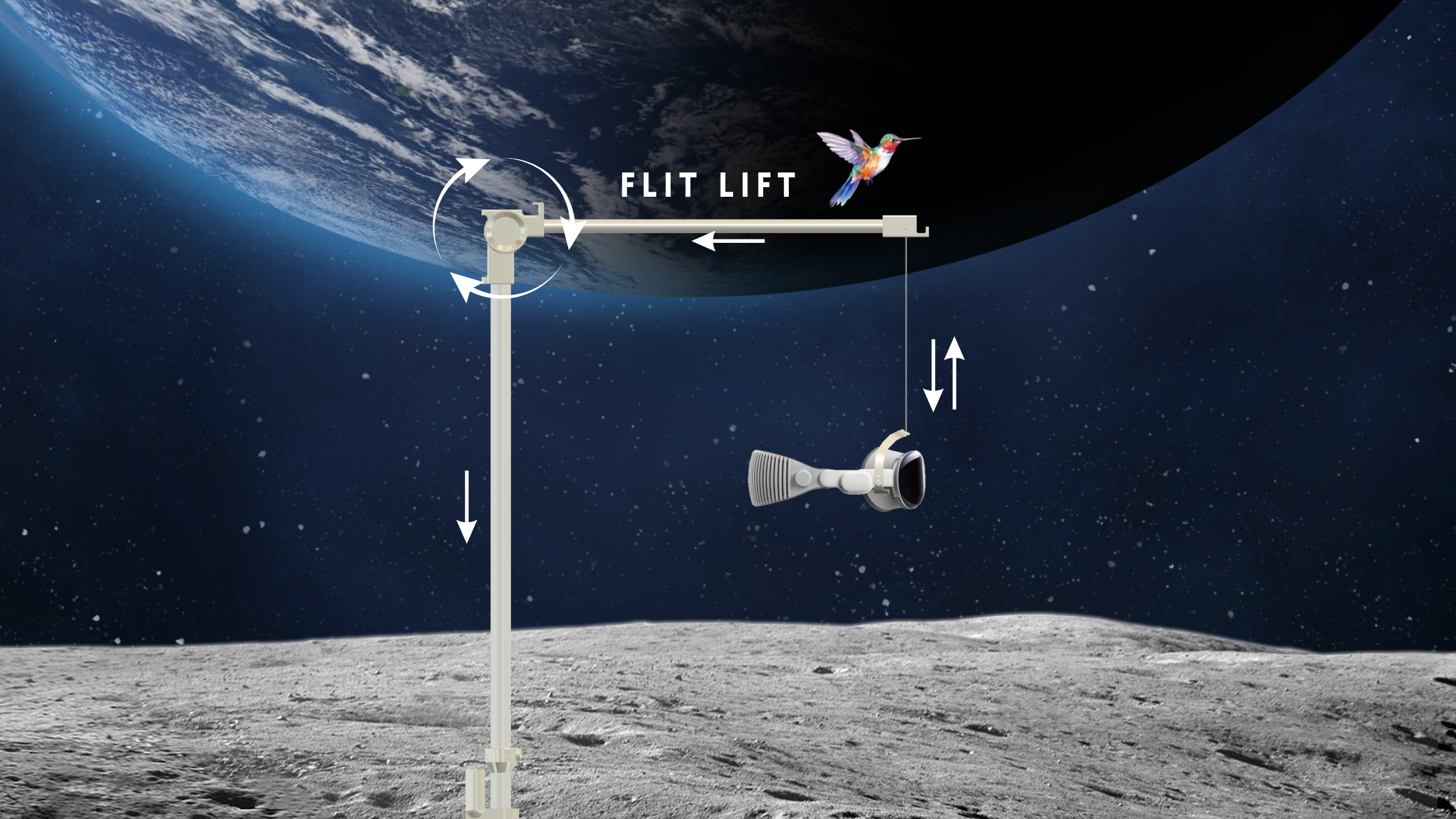
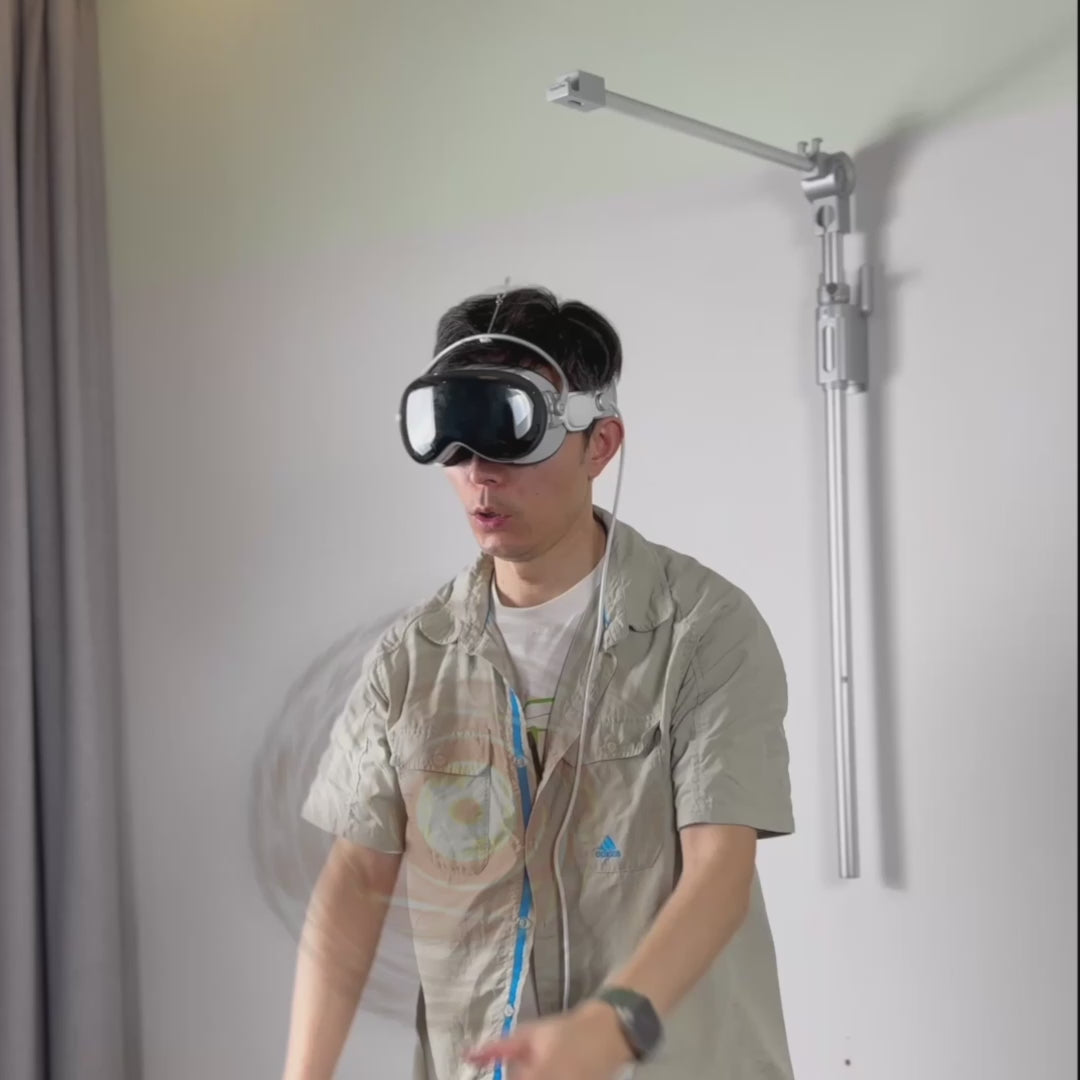
Compatibility checklist before purchase: verify the strap works with Quest 2 side anchors, supports your desired battery packs or counterweights, and doesn’t block voice or environmental sensors. While some third‑party straps advertise cross‑compatibility with other headsets (for example, adapters for Apple Vision Pro lifts), always confirm with the manufacturer to avoid wasting money on incompatible mounts. Avoid straps that require drilling or permanent modification unless you accept that commitment.
Buying advice and price‑to‑performance: Meta’s Elite Strap is a solid, durable mid‑range option if you prioritize build and a simple tensioning system. If glasses friendliness is the priority, budget halo or rear strap options from Kiwi Design, BoboVR, or similar manufacturers often outperform the Elite for clearance and airflow at a similar or lower price point. For battery packs and counterweights, prioritize purpose‑built accessories that match the strap’s rail and weight ratings — generic packs can slip or cause torquing.
Where to buy: use official stores, well‑rated specialty VR retailers, or major marketplaces with clear return policies. Read reviews from glasses wearers specifically — many users note whether a strap squeezes or fogs, which tells you more than general comfort blurbs. When in doubt, choose a retailer with a friendly return window so you can test fit with your actual frames.
Next step: start with the adjustments outlined here — raise the crown anchor slightly, loosen rear tension to a medium level, and add a thin nose spacer if you wear metal frames. Test for clearance and fog over a 10‑minute session. If you still feel pinch or fog, try a halo or rear‑weighted strap with breathable pads and a small clip‑on fan for the simplest, most reliable improvement.

Share:
Padding, Materials, and Fit: Comparing Quest 2 Head Straps for Long Sessions
The Best Face Padding Options for Quest Two Comfort and Fit