

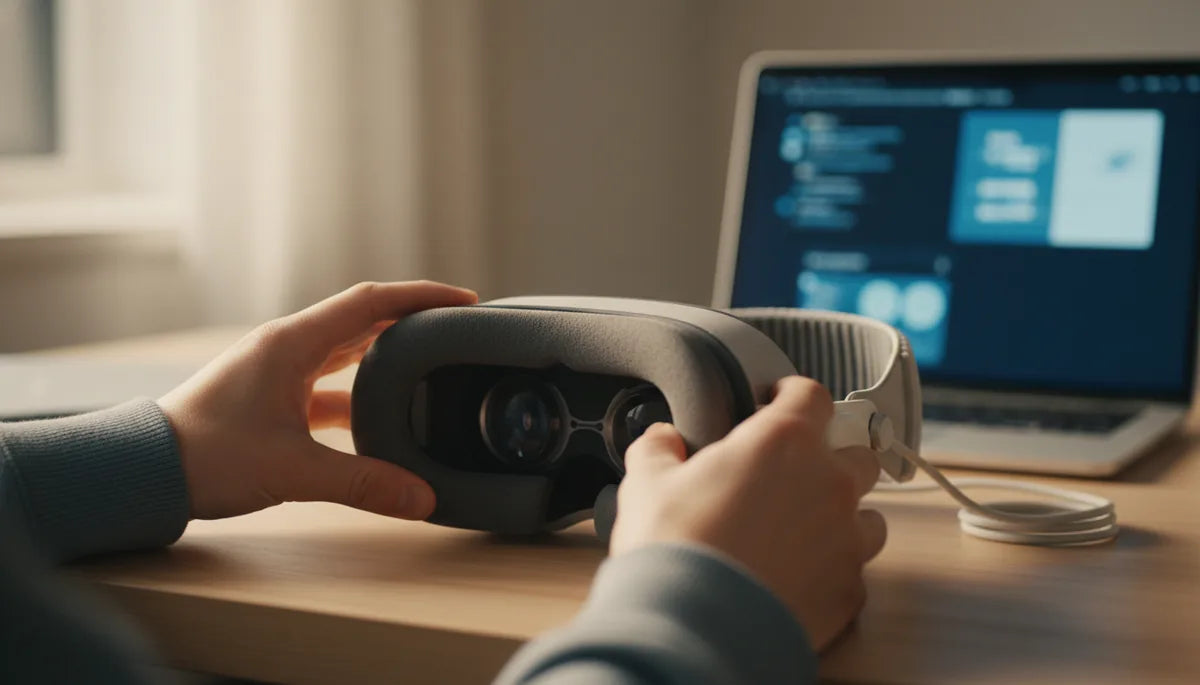
How to Choose the Most Comfortable Facial Interface for Your Oculus Quest 2: A Practical Side-by-Side Guide
Comfort is the quiet feature that makes or breaks a great VR session. For Quest 2 owners—from daily fighters in Beat Saber to newcomers trying their first immersive documentary—the facial interface and straps determine whether you’re distracted by sweat, pinching, or constant readjustments, or whether you can disappear into virtual worlds for hours. ⏱️ 12-min read
This guide walks through the comfort basics, compares straps and cushions, helps you pick by head shape and glasses, and gives hands-on installation, weight-balancing, maintenance, and buying advice. Read it once and you’ll know which changes buy the most comfort for your time and money.
Understanding facial interface comfort basics
The facial interface is the ring of foam, silicone, or hybrid material that sits between your face and the headset. It’s deceptively simple: the shape and material tune how the headset seals, where it presses, how hot it gets, and how clear your view remains. If the seal is too loose you’ll get light leaks and fogging; if it’s too tight you’ll trade clear visuals for sore cheekbones.
Four main factors determine comfort. Seal: aim for a consistent, even contact around the lenses that blocks stray light but doesn’t clamp the nose. Pressure points: the interface should spread force, not concentrate it along the bridge of the nose, the cheekbones, or the temples. Breathability: materials that wick sweat and allow air to pass keep skin cooler and reduce slippage. Material and foam density: foam is soft and conforming, silicone is easier to clean, and hybrids try to balance both. Denser foam resists compression and keeps spacing stable for IPD and lens distance; too firm and you feel like you’re resting on a block.
Secondary—but still important—considerations include how the seal affects perceived field of view (thicker seals can push lenses closer and narrow FOV slightly) and how different cushion shapes change light leakage patterns. For glasses wearers, look for deeper recesses or thinner inner flanges so frames don’t press the lenses or tilt the headset.
Straps vs cushions: what to choose for Quest 2 comfort
Comfort is a partnership between straps and cushions. Think of straps as the chassis that distributes weight, and cushions as the contact interface that negotiates your face shape. Choosing the right combo is the fastest route to longer, more comfortable sessions.
The stock Quest strap is light and simple; it’s fine for short sessions but concentrates more weight across the cheeks and nose during long play. The Elite Strap and other rigid or halo-style supports move load toward the crown and the back of the skull, relieving facial pressure. Elastic fabric straps and aftermarket soft halo designs offer a middle ground: they’re lighter than hardshell elites and still improve weight distribution compared to the stock strap.
Cushions change the surface area that touches your skin. A thicker, softer cushion eases cheek pressure and reduces hotspots, but may trap heat and reduce airflow or crowd prescription lens inserts. Thinner or firmer cushions keep lenses at a more precise distance and resist compression over time, preserving eye relief and IPD stability, but they can feel sharper on the nose for some users.
For glasses wearers, strap choice and cushion depth both matter. A supportive strap that lifts the headset from the cheeks prevents frames from getting pinched between foam and lenses. Cushions marketed as “glasses-friendly” typically have deeper recesses or cutouts that spare the temple arms. Longevity-wise, denser foam and silicone fares better against heavy use; thin retail foam will compress and smell faster.
How to decide based on your head shape and glasses
Comfort is personal. Start by measuring or observing where you currently feel pressure and how your glasses fit inside the headset. Practical metrics: cheekbone width (across the widest point), nose bridge height (from skin to brow), and pupil distance (IPD). Use these to match cushion flange width, seal depth, and strap height.
For narrow faces: choose a cushion with a higher nose flange and smaller horizontal seal so the headset seals without pinching the sides of the nose. A medium-density foam (not too soft) helps maintain lens distance while conforming to the nose. A higher crown strap position can lift the front and reduce cheek pressure.
For wide faces: look for wider flanges and a larger contact footprint to spread pressure across the cheeks. Softer, slightly thicker cushions reduce hotspots for broad cheekbones. Make sure the strap can tighten enough at the crown—some halo designs offer more lateral adjustment to suit broader heads.
If you wear glasses: pick cushions with deeper lens recesses and thinner inner flanges to avoid frame contact. Some brands (VR Cover Comfort Plus, KIWI Design) label their cushions as glasses-compatible; those usually have extra clearance and materials that don’t abrade temple arms. Also check that your strap lifts the headset off the cheeks so the temple ends don’t get sandwiched between face and lens—halo or rear-supported straps excel here.
Threshold tips: target a cushion density that’s medium—firm enough to resist squish after 30–60 minutes but soft enough to avoid sharp pressure on the nose. For strap height, the crown strap should sit comfortably on the top of your head (not your forehead) so the majority of weight sits on the skull’s rear and crown.
Step-by-step install and fit for common interfaces
Installing a new cushion or strap is straightforward if you follow a few careful steps. Start by powering off the headset and removing accessories. For cushions, gently pull the stock pad evenly from all sides—if screws hold it in place, keep them safe. Wipe the faceplate with a microfiber cloth to remove oils and dust before fitting the new pad.
- Align and seat: position the replacement cushion so notches match around the cameras and lenses. For snap-fit pads press evenly around the perimeter until the pad clicks into place. For adhesive pads follow manufacturer instructions and allow curing time—avoid heat and sunlight during that period.
- Attach the strap: if swapping to an Elite Strap or halo, slide or clip the side mounts per the product guide. Ensure any pivot points are oriented correctly so the strap bows over the crown, not the forehead.
- Initial fit: loosen every strap before putting the headset on. Place the headset, tighten the forehead area first to establish a stable seal, then adjust the crown or rear strap to shift weight off the cheeks.
- Fine-tune: check for even tension; the headset should not rock front-to-back. Run a seal test: turn on a bright screen or menu and look for light leaks around the nose and cheeks with the lenses in place. If you see light, loosen the crown slightly and tighten the forehead strap until the seal clears without excessive pressure.
- Movement test: shake your head gently and simulate in-game motions. If the headset shifts, add a bit of crown tension or consider a strap with a firmer rear anchor.
Common pitfalls: over-tightening to eliminate light leaks makes the headset become front-heavy and creates neck fatigue. If adhesive pads don’t sit flush, remove and re-seat before the glue fully sets. Snap-fit cushions that don’t click evenly are at risk of creating a gap that will push against your cheek or cause fogging.
Weight distribution and long-session comfort
The single most effective change to improve long-session comfort is moving the load away from your face and toward the skull’s top and back. When the headset’s center of gravity sits near the front, the cheeks bear the brunt; when the center shifts rearward and upward the headset feels lighter and less intrusive.
Halo and rear-support straps are designed for exactly this reason. They spread weight across a larger surface area and tuck weight into the crown and occipital regions of the head, reducing facial pressure and hotspots. An Elite Strap, a rigid hardshell strap, or a soft halo will each offer improved balance over the stock strap; the choice depends on your tolerance for weight and how precise you need to be about IPD and lens distance.
Adding a counterweight or battery pack at the rear can dramatically improve balance, but it must be securely mounted and centered. A loose or off-center counterweight will shift during play and create jarring new pressure points. If you add a battery, check mount stability in vigorous movements; prefer mounting systems that bolt or clip firmly into the strap rather than loosely held pouches.
Front-heavy setups to avoid include thick front-mounted accessories that push the center of mass forward without providing rear support—example: large microphone booms or heavy lens covers without a corresponding rear anchor. If you need a front accessory for audio or optics, plan to pair it with a halo or rear-balanced strap and consider sacrificing some minimal front weight for stability.
Finally, remember padding density matters for long sessions: firmer padding preserves clearance for IPD and lens distance, while softer padding may feel better short-term but can compress and change the headset’s balance over time. If you notice gradual sagging in the headset alignment during long sessions, switch to a firmer pad or tighter rear support.
Maintenance, cleaning, and durability
Comfort and hygiene go hand in hand. Sweat and skin oils degrade materials and create smells and skin irritation if left unchecked. A simple maintenance routine keeps cushions fresh and prevents breakdown that impacts fit.
- Daily wipe-down: after heavy sessions, wipe silicone or leatherette surfaces with a soft cloth and mild soap solution. Dry thoroughly to prevent slipping.
- Fabric covers: remove and launder per manufacturer guidelines—typically a gentle cycle or hand wash with mild detergent and air-dry. Avoid bleach unless the product explicitly permits it.
- Foam care: never use harsh solvents like acetone or denatured alcohol on foam—these degrade adhesives and the foam matrix. Spot clean foam with a damp cloth and mild soap, blotting rather than scrubbing.
- Disinfecting between users: use alcohol-free disinfectant wipes or a diluted hydrogen peroxide spray designed for electronics and materials, and follow with a dry cloth. For shared gear, consider removable, washable covers that can be swapped between sessions.
- Replacement cadence: for heavy users, plan to replace foam every 6–12 months; lighter users will push that timeline further. Watch for visible compression, flattened areas, loose stitching, or degraded adhesive as signs it’s time to replace.
- Check fasteners: regularly inspect seams, Velcro, and clip mounts. Adhesive cushions can be stubborn to remove and may leave residue; clip or snap designs are easier to clean and maintain.
Keeping spare cushions or covers on hand reduces downtime. If you notice a persistent odor after cleaning or the foam has lost its spring back, budget for a replacement—comfort and hygiene are worth the cost when your headset spends hours on your face.
Budget and premium options: a quick-buy guide
Comfort upgrades range from inexpensive silicone covers to high-end halo rigs. Choose based on session length, frequency of use, and whether you need glasses compatibility or precise lens spacing.
Under $25: thin silicone covers and basic foam replacements. These are cheap and washable—good for quick hygiene upgrades or spare parts—but often thin and prone to quicker wear. If you’re experimenting or need a temporary fix, this tier is your low-risk option.
$25–$60 (mid-range): brands like VR Cover, KIWI Design, and BOBOVR sit here. You’ll find thicker padding, better sweat resistance, and options explicitly labeled for Quest 2 and glasses compatibility. Mid-range cushions typically strike the best value for most users: they improve comfort meaningfully without committing to a heavy strap or premium price.
$60+ (premium): memory-foam wraps, leatherette zip-on covers, orthotic halo straps, and Elite-style supports fit this category. Brands such as VR Cover Deluxe, Argon, and AMVR offer products that significantly improve weight distribution and long-session comfort. Premium gear often uses denser memory foam, higher-quality fabrics, and robust mounting systems. These are worth it if you do marathon VR sessions, stream, or rely on VR for professional use.
Buying tips: always confirm Quest 2 compatibility—faceplates differ between Quest 1 and 2. Read product pages for wording like “Quest 2 fit” and check community reviews for real-world fit notes. If you use prescription lens inserts or thick lens protectors, verify clearance. For many users, a mid-range cushion plus a budget halo strap or refurbished Elite Strap is the point of diminishing returns: comfortable enough for long play but not so expensive that it becomes an afterthought.
Compatibility and cross-accessory considerations
Accessories can interact in unintended ways—confirming fit before purchase saves frustration. The Quest 1 and Quest 2 faceplates have slightly different curvatures; cushions made for one may not sit flush on the other, so always check the listing for explicit model compatibility.
Prescription lens inserts and lens protectors require clearance. If a cushion pushes lenses forward or sits too close to the frame, it can press against inserts or crowd the nose. Look for cushions that mention “insert-friendly” or specify extra internal depth. If you already use third-party lens adapters, check for user reports of interference; even small flange changes can obstruct snap-on adapters.
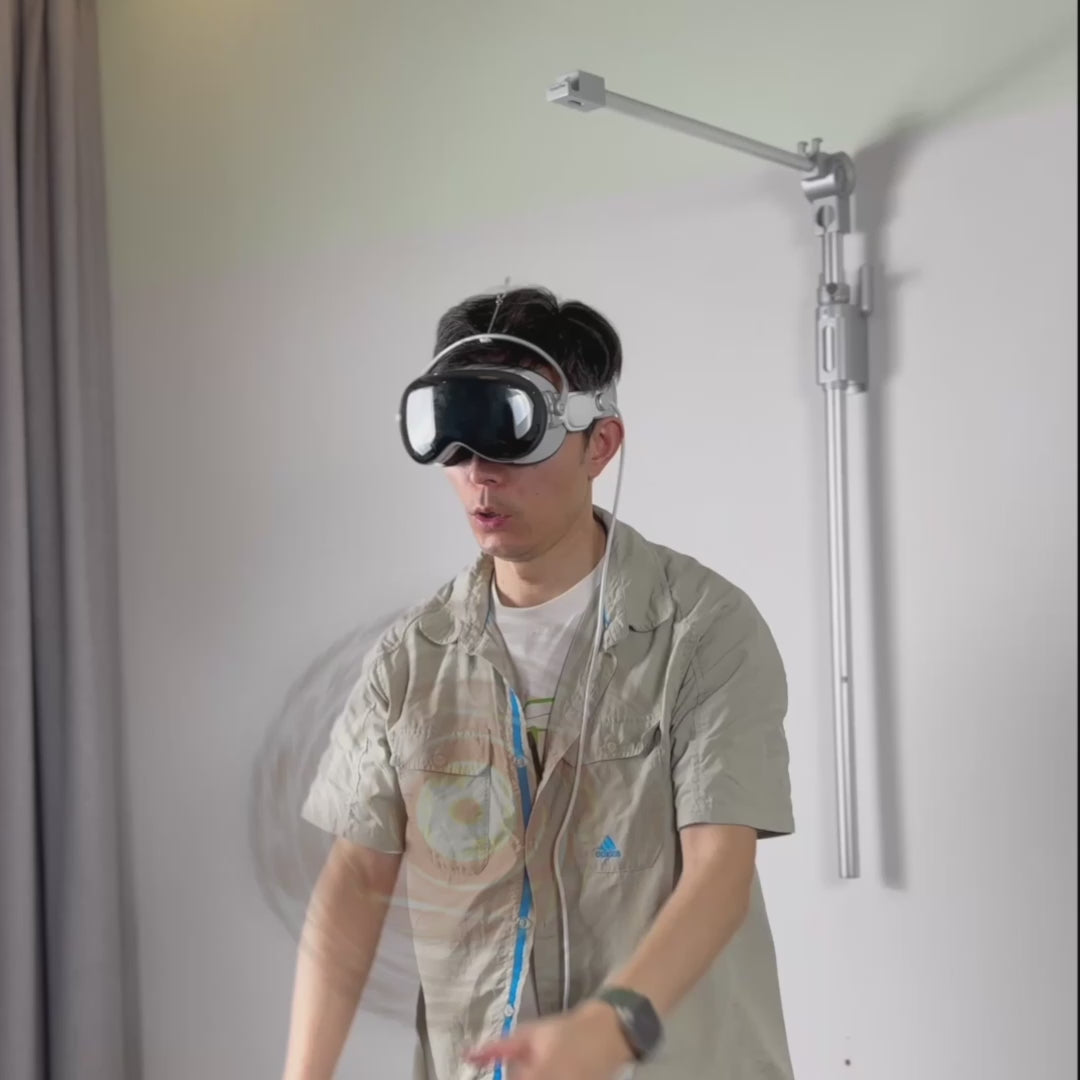
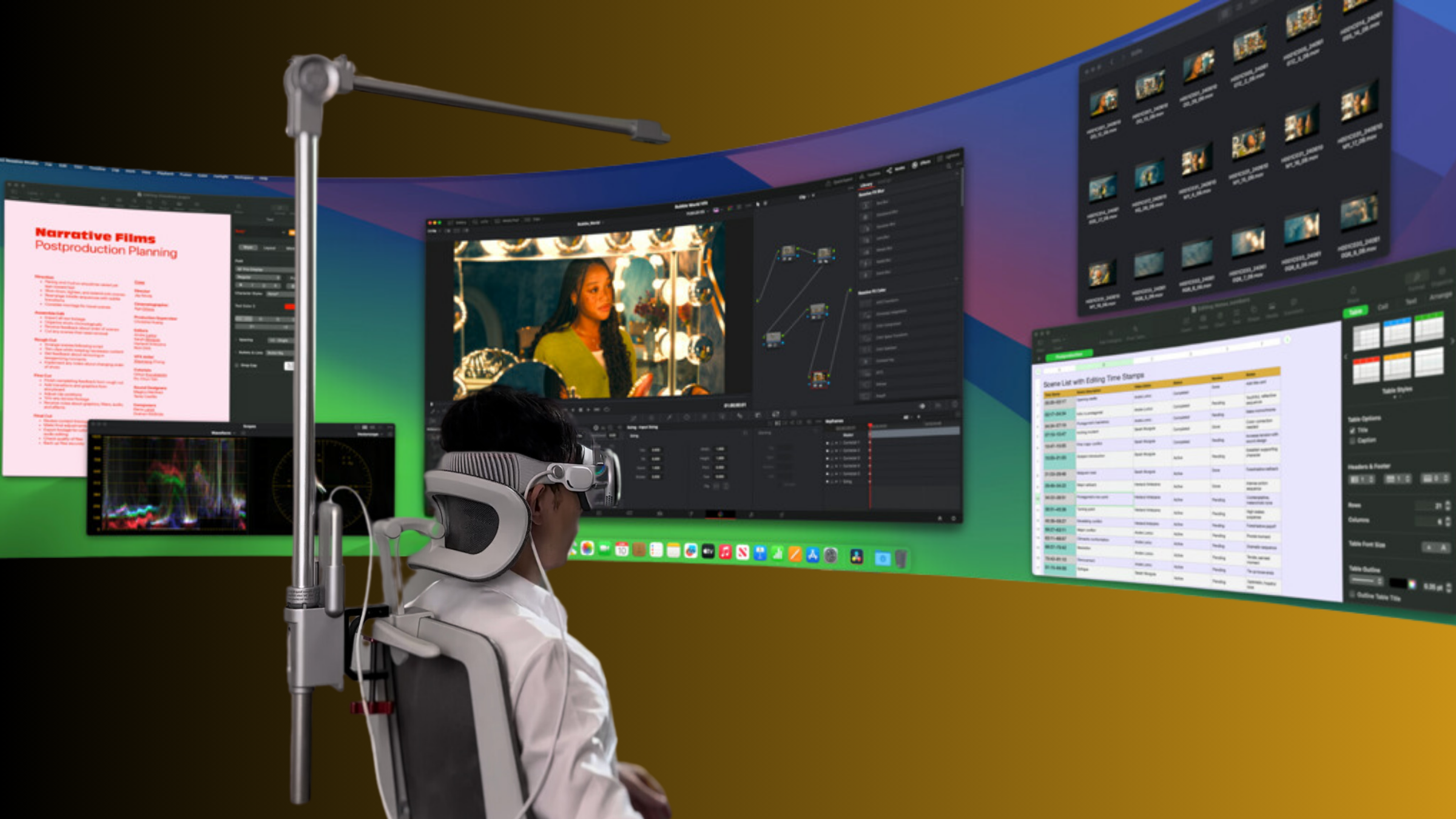
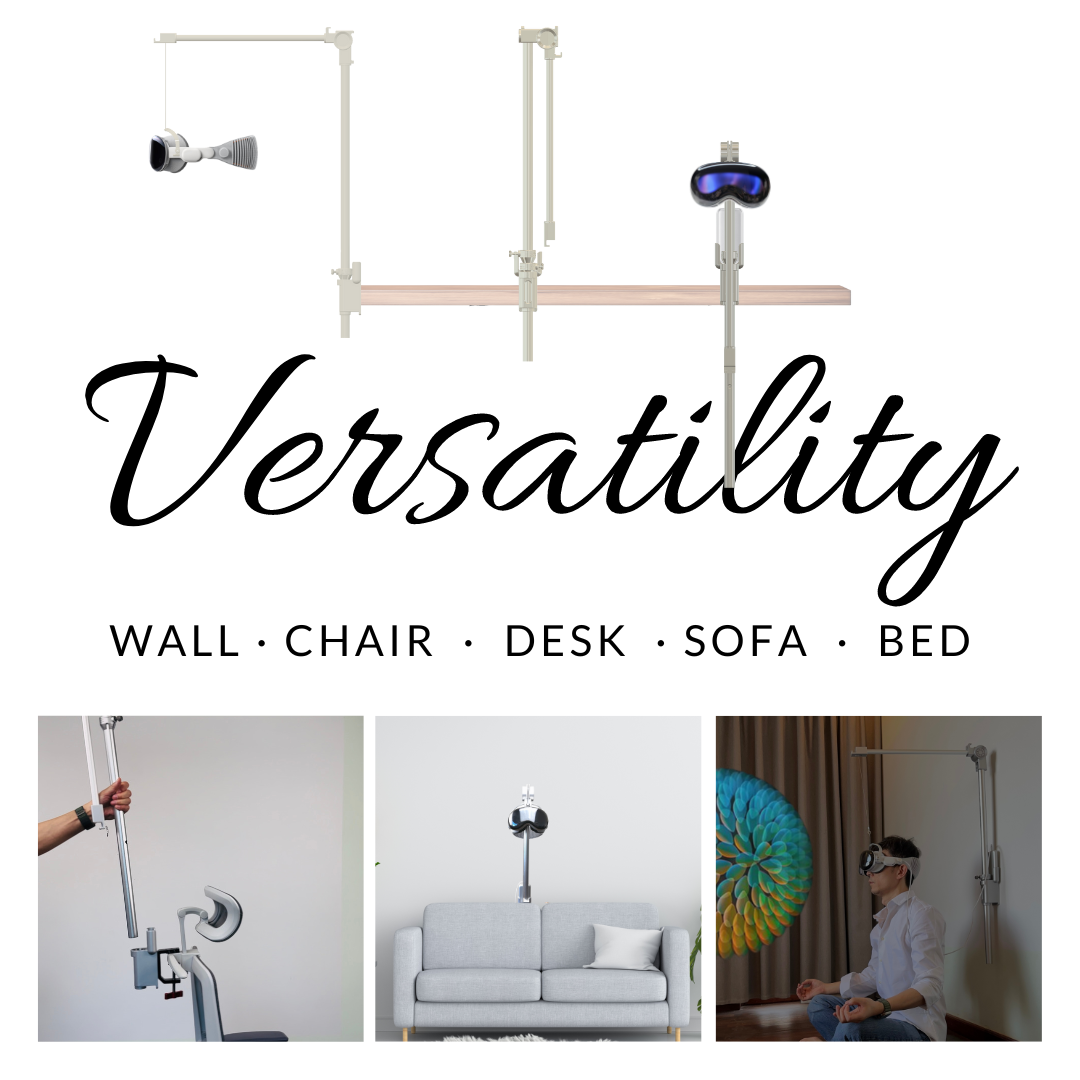
Cross-compatibility examples: Apple Vision Pro accessories are not designed for Quest 2 and are unlikely to be a simple fit. If you see an Apple Vision Pro comfort strap on marketplace listings for Quest 2, treat it with caution—differences in mounting, curvature, and weight distribution can cause poor seals or stress the headset shell. Always verify the mounting method (adhesive, clip, snap) and whether it allows easy removal for cleaning or replacement.
Other add-ons—microphones, fans, and camera attachments—can also interfere with cushion flanges. Read product images and Q&A sections closely; user photos often reveal fit problems that vendor images don’t show. Lastly, choose removable cushions (clip or snap) where possible: they’re easier to clean, swap, and replace than adhesive mounts. That flexibility pays off if you iterate on comfort or share your headset with friends.
Next step: pick one small upgrade—either a mid-range cushion or a simple halo strap—and test it for a week. Track changes in facial soreness, lens stability, and sweat. Small tweaks yield big returns, and once you find the right balance, your Quest 2 will feel like a tailored piece of gear instead of a generic shell.

Share:
Head strap compatibility across Meta Quest revisions what to know
Travel Ready VR: Lightweight Battery Solutions for Meta Quest 2 On The Move