


How Lightweight Counterbalance Systems Rebalance Your Quest 2 (and Save Your Neck)
Front-heavy VR headsets like the Quest 2 offer incredible immersion, but that extra weight forward of your face often translates into neck strain, forehead pressure, and frequent readjustments. Lightweight counterbalance systems are a low‑profile, high‑impact solution: they move mass rearward so the headset sits in balance rather than pulling at the front. ⏱️ 10-min read
This guide explains what those systems are, why weight distribution matters, how compatibility and choices differ across straps and accessories, and—most importantly—how to pick, install, and care for a counterbalance setup that keeps you comfortable through long sessions. Expect practical examples (DIY and commercial), a clear install workflow for Quest 2 owners, and tips to avoid common trade-offs.
What lightweight counterbalance systems are and how they work
At its simplest, a counterbalance system is a small weight or weighted assembly mounted toward the back of your head to shift the headset’s center of gravity rearward. Think of a seesaw: a modest weight placed far from the pivot can offset a heavier load nearer the front. VR headsets pivot around the sides of your head near the ears, so a compact rear mass produces a surprisingly large balancing effect without adding much bulk to the faceplate.
There are two broad approaches. Passive systems use fixed weights—clip‑ons, strap wraps, adhesive pads, or backplates with integrated ballast—to provide constant rearward force. Active systems (still emerging) integrate batteries, tiny actuators, or dynamic mounts that adjust balance in real time. Most Quest 2 users will encounter passive options: discreet, modular, and easy to tune.
The goal is not simply to add mass but to reallocate it so the headset becomes stable and neutral on the head. A small plate with 50–150 grams of dense material placed at the crown can eliminate the need to shove the visor into your face, reducing forehead and cheek pressure. The real benefit is perceived: once balanced, the headset feels lighter and follows head movement more naturally, turning long‑session wear from a chore into a sustained experience.
Why weight distribution matters for Quest 2 and other headsets
Weight distribution dictates how much torque the headset applies to your neck and face. When mass is concentrated in front, your head tilts forward to compensate—your neck extensor muscles engage and your visual field subtly shifts. Over a 30–90 minute session that adds up to fatigue, soreness, and the temptation to take breaks more often than you’d like. Properly balancing the headset reduces that forward tilt and spreads load across the crown and occipital area, significantly lowering muscle activation.
Upgrading to a better strap helps, but it’s not a cure-all. The Quest 2 Elite Strap, for example, improves stability and ergonomics by adding a sturdier band and a more secure fit. However, if the center of gravity remains forward, that strap simply gives your face something else to press against. Counterbalance systems complement strap upgrades by addressing the physics: they move the center of mass so the Elite Strap (or any robust headband) can hold the weight without transferring it to the forehead or cheeks.
Beyond comfort, balanced weight improves gameplay stability. A headset that sits neutrally resists momentum when you pivot suddenly or jump, which reduces micro‑shifts that can disturb tracking or blur motion. For competitive shooters, rhythm games, or long training sessions, that stability keeps your inputs accurate and your focus on the experience rather than on repeated adjustments.
Compatibility landscape: Quest 2, Elite Strap, third‑party options, and cross‑compatibility
The accessory ecosystem for Quest 2 is broad: Oculus’ (Meta’s) official Elite Strap and Elite Strap with Battery, a wide range of third‑party headbands, and modular backplates and counterweights from niche makers. Counterbalance solutions attach in several ways: Velcro wraps that fit around the strap, clip‑on weights that latch to a backplate, adhesive pads stuck to a rear band, or full replacement backplates that secure via the headset’s screw points and cushioning.
When assessing compatibility, focus on attachment method and physical geometry rather than brand names. A strap‑on weight that clamps to a 20–30mm strap will often fit both an Elite Strap and many third‑party bands. Backplates designed for the Quest 2 will align with the headset’s mounting points; 3D‑printed plates and modular systems let you swap ballast or padding. If you use a battery pack for extended sessions, look for integrated designs that combine power and balance in one rear module—these keep cables tidy and place mass where it helps most.
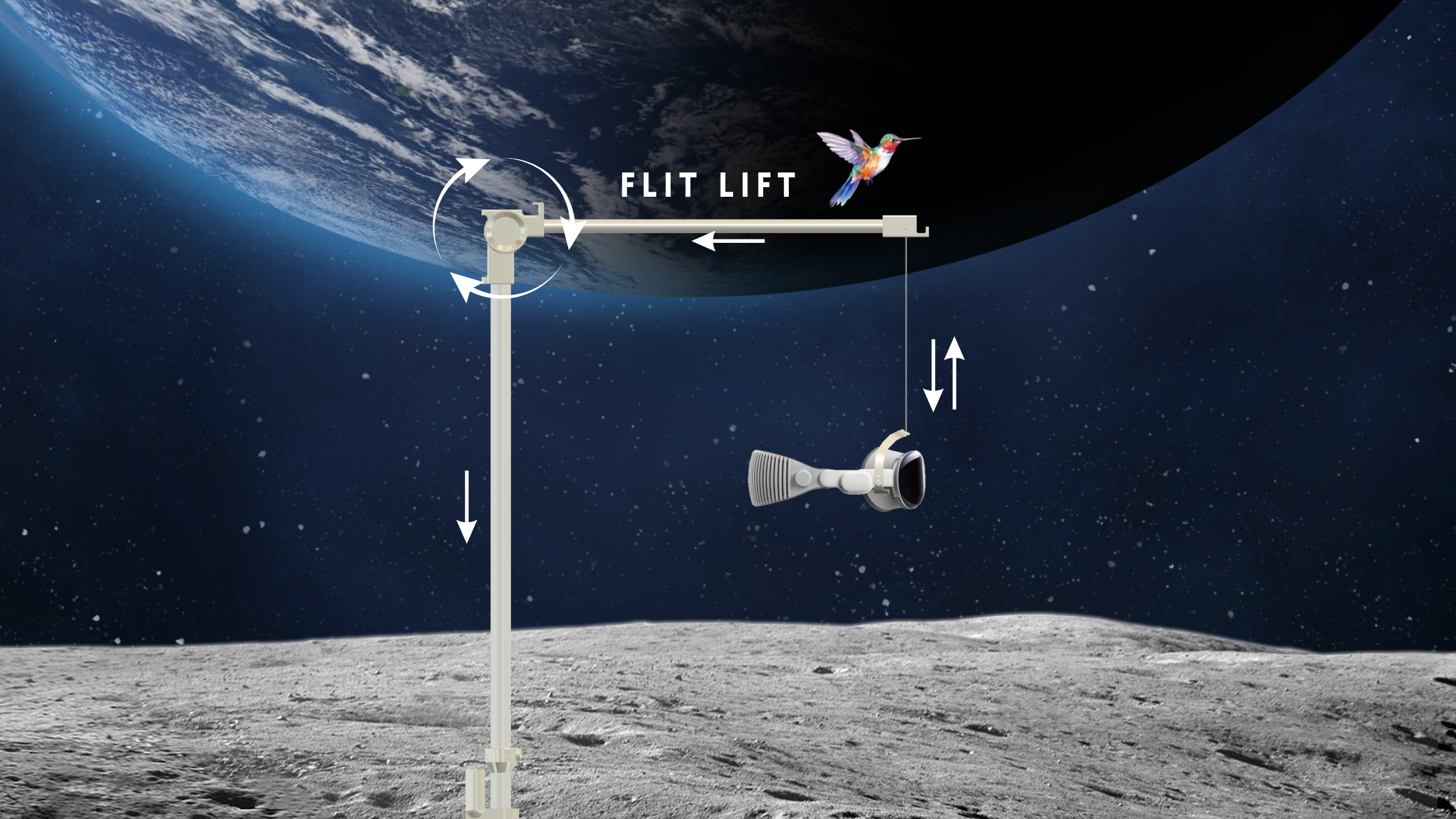
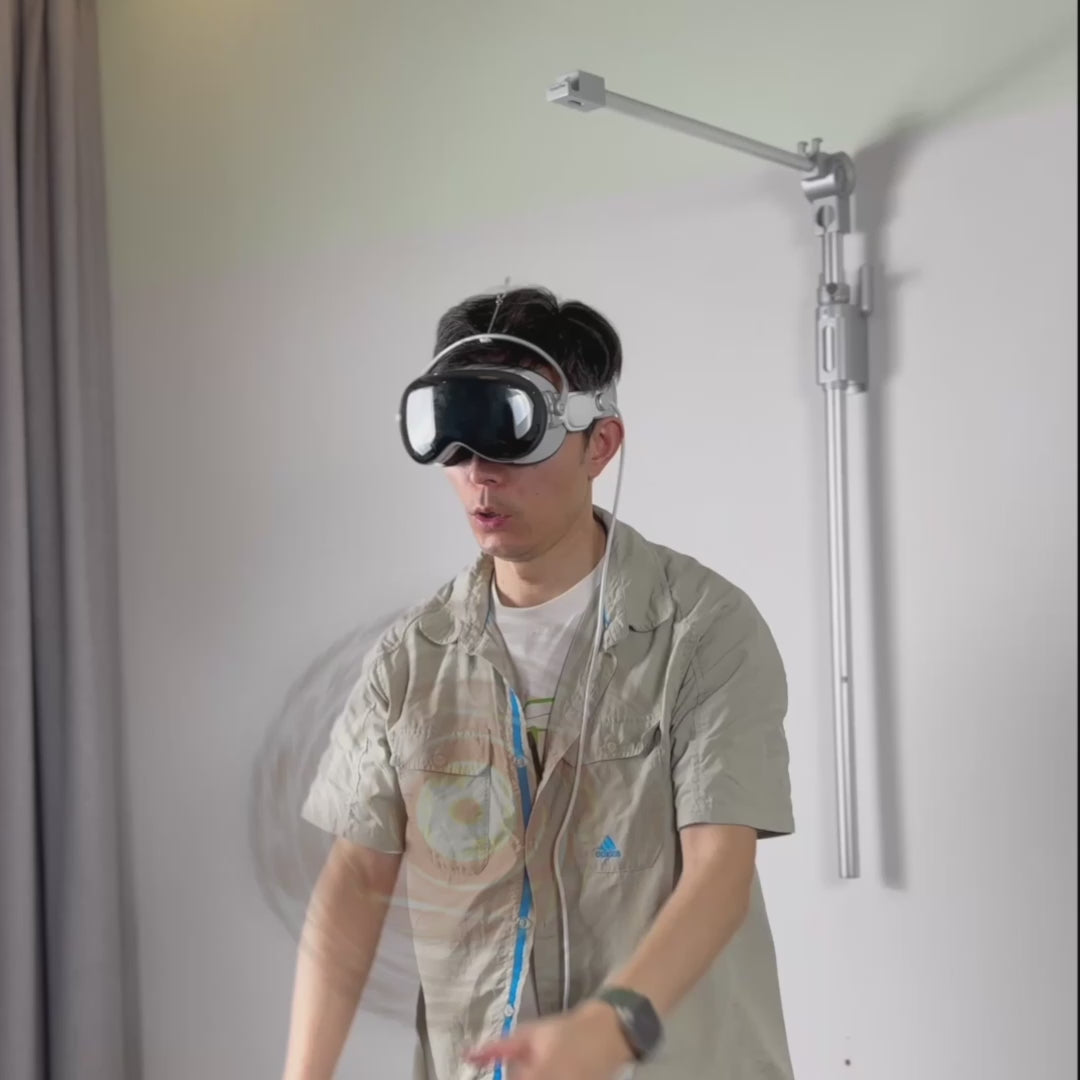
Products built for other platforms—Apple Vision Pro accessories, for example—show how premium balance aids can be elegant and effective, but don’t assume cross‑compatibility. The Vision Pro’s mounting geometry and intended use differ from the Quest 2; a Vision Pro Lift Stand won’t necessarily fit a Quest 2 without adapters. Always check bolt patterns, strap widths, and clearance for crown padding before buying. The most flexible route for Quest 2 owners is modular gear made specifically for the headset or universal straps with documented compatibility.
How to choose a counterbalance system: weight, materials, and adjustability
Choosing a counterbalance system is a practical exercise in matching mass, range, and ergonomics to your head shape, playstyle, and any other mods you use. Here are the criteria that matter most:
- Weight range: Look for systems that allow incremental adjustment. Many users find 40–150 grams effective for Quest 2, but if you add a battery pack or lens inserts you may need more. Systems with removable plates or stackable weights give the most control.
- Material and density: Dense metals (steel, brass) and engineered tungsten alloys add ballast with minimal volume; ABS or reinforced polymers provide structure with lighter mass. A compact dense weight is preferable to a voluminous hollow weight that shifts or sags.
- Attachment security: Clamps and screw‑on backplates are the most secure for active use. Velcro and adhesive pads are quick and low‑profile but can shift under sweat or vigorous movement—look for industrial‑grade fasteners if you choose those options.
- Adjustability: Vertical height matters as much as mass—being able to lower or raise the weight across the crown changes leverage. Ratchets, sliders, and multi‑position mounts let you tune two variables: mass and moment arm.
- Comfort and clearance: Ensure the system leaves room for glasses, headphones, and ventilation. Padding at the crown should distribute pressure; thin hard plates that pinch will trade one discomfort for another.
Consider special features: integrated battery packs solve power and balance together but require heat and cable management. Modular 3D‑printed plates appeal if you like to tinker and fine‑tune. Finally, factor in aesthetics and warranty—some commercial kits come with an attractive finish and return policies that DIY fixes don’t offer.
Step‑by‑step install guide for Quest 2 users
Installing a counterbalance on a Quest 2 can be straightforward. Below is a practical workflow that covers both clip/strap weights and backplate systems. Have basic tools (screwdriver set, isopropyl wipes, and any supplied screws or Velcro) ready.
- Prepare and inspect: Power off the headset and remove the facial interface if needed. Wipe the rear strap area clean so adhesives bond properly. If using a replacement backplate, remove the stock parts carefully and keep screws organized.
- Attach the strap or mount: If you’re moving to an Elite Strap or third‑party band, install that first following the manufacturer’s instructions. For clip‑on or strap‑on weights, open the clamp and slide it onto the rear band where the crown rests; align it centrally.
- Add the ballast: Insert the recommended weights—start light. For stackable systems, begin with one layer (e.g., 40–60 g) rather than the maximum. If you’re using a battery pack, mount the pack so the connector faces inward and the mass is centered low on the rear band for best leverage.
- Set initial balance: Put the headset on and relax your neck. The visor should sit naturally without you needing to push it forward. If the front still dips, add a small amount of weight or move the ballast slightly farther back. If the crown feels painfully pressed, remove small increments until comfortable.
- Test dynamically: Tilt your head up and down, then perform quick left‑right turns and a few simulated jumps (carefully). Check for slippage, creak, or shifting. If anything moves, re‑tighten clamps or replace adhesive with stronger fasteners.
- Fine‑tune for accessories: If you plan to use on‑ear headphones, make sure the counterweight doesn't interfere. If you wear glasses, ensure the face gasket still clears the frames and there’s no added pressure on the temples.
Start each new session with a quick comfort check—balance can drift after a few minutes as the straps settle. Once you find a setting that lasts through motion tests, you’ll likely be able to wear the headset much longer without fatigue.
Performance outcomes: comfort, neck strain, and long‑session wear
Users who add a well‑tuned counterbalance to a Quest 2 typically report three immediate benefits: a reduction in forehead and nose pressure, less neck fatigue, and stronger headset stability during active movement. The sensation is often described as the headset becoming 'neutral'—it no longer tugs forward but simply follows your head. For long sessions—streaming, multiplayer sessions, or professional VR work—that translates into measurable comfort gains: you’ll notice fewer adjustments and less soreness afterward.
There are secondary performance perks. With less micro‑movement of the headset relative to your head, tracking sensors see fewer unexpected shifts, which can improve perceived responsiveness and reduce artifacts in edge tracking. The psychological effect matters too: when the hardware recedes from awareness, immersion deepens and you can stay focused on the task rather than the fit.
Trade‑offs are real and worth planning for. Even lightweight systems add some bulk at the crown, which can feel noticeable if you prefer ultra‑minimal setups. Battery packs mounted at the rear can introduce heat—choose packs designed for headphone/headband use and monitor temperature during long sessions. Adhesive or soft‑strap solutions may shift during heavy movement or sweating, so secure attachment is key for active gamers. Lastly, balance is personal: what’s perfect for a tall forehead and short neck may not suit a different head shape; expect a short tuning period.
Maintenance, care, and best practices for longevity
Keeping a counterbalance system reliable is largely about routine checks and sensible hygiene. Sweat, oils, and repeated motion can loosen adhesives and corrode fasteners over time. Make a habit of inspecting mounting points every few weeks and wiping contact surfaces with isopropyl alcohol (70% or higher) to remove residue. Replace Velcro strips or adhesive pads when their grip weakens—don’t rely on worn fasteners under vigorous play.
If your counterbalance integrates a battery pack, follow battery care best practices: use the recommended charger, avoid full charge/discharge extremes when possible, and allow the pack to cool before storing it in a closed case. Check cables and connectors for frays and secure them with braided sleeves or clips to prevent snagging during play.
Replace foam pads and gaskets on a schedule that matches your use—heavy users may swap face cushions every 6–12 months; casual users can go longer. For 3D‑printed or plated parts, inspect screw threads and mounting holes for wear; threadlock compound can help keep screws from backing out, but use a light formula intended for small fasteners. Finally, if you modify your headset with new lenses, microphone booms, or external trackers, re‑balance—the centre of mass can shift significantly with each add‑on.
Small, consistent maintenance preserves comfort and safety. A quick five‑minute check before a marathon session will prevent a lot of mid‑game surprises and keep your setup feeling like new.
Useful next step
Try a staged approach: start with a modest 40–60 g clip or Velcro weight and pair it with a sturdy strap like the Elite Strap or a supported third‑party band. Spend a session tuning placement and then iterate—add or move small weights rather than swapping to a heavy single block. If you prefer a polished solution, evaluate modular backplates or battery‑integrated packs designed for the Quest 2. Whichever path you choose, prioritize secure attachment and incremental tuning to find the balance that turns long VR sessions into truly comfortable experiences.

Share:
Comparing Quest 2 Comfort Straps Elite Strap vs Deluxe Audio Strap vs Third-Party Options
How to tighten Quest 2 comfort strap for glasses wearers without fogging