


Weightless Comfort, Solid Tracking: How Flit Lift and GraviPro Rebalance Your VR Experience
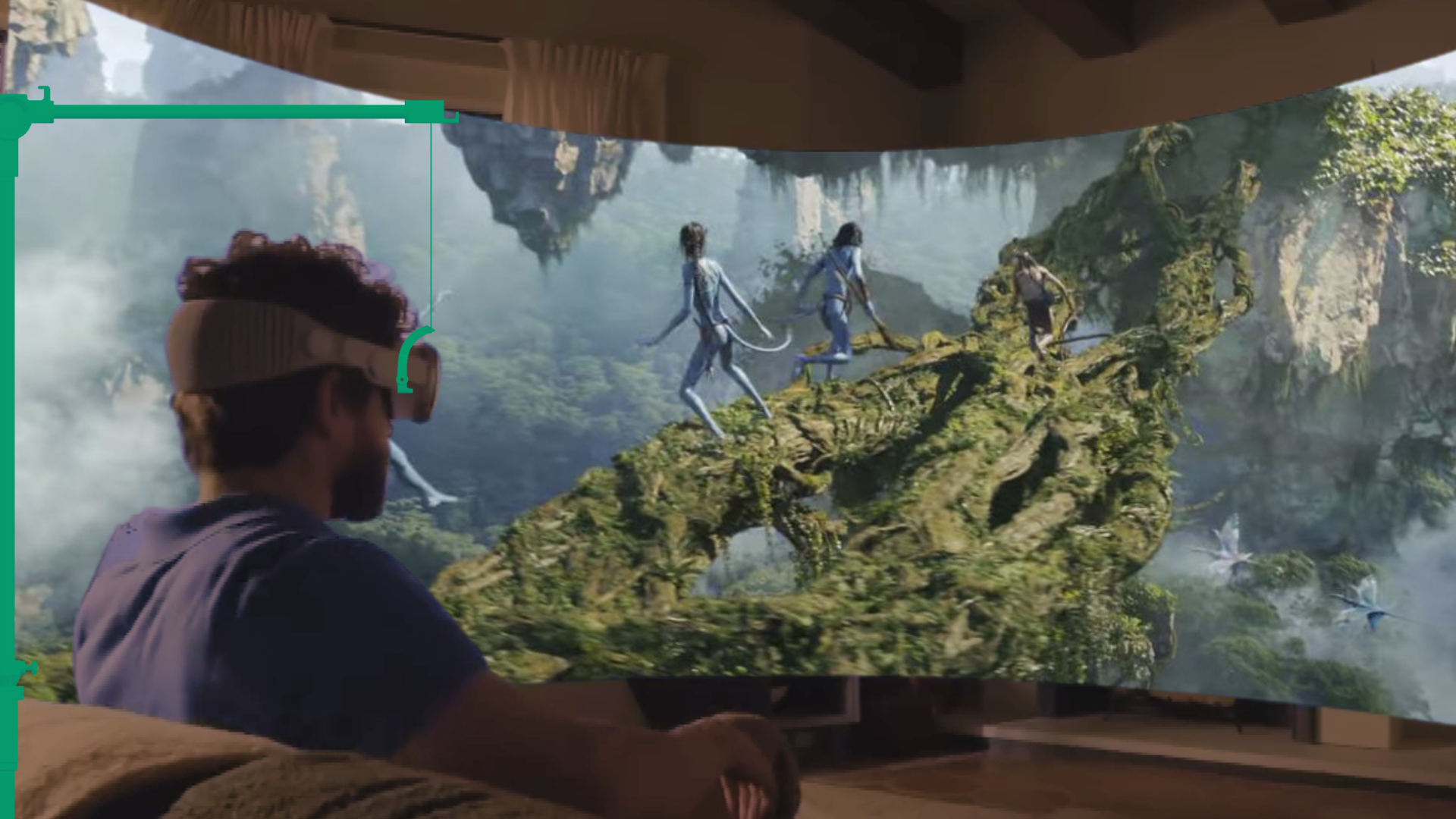
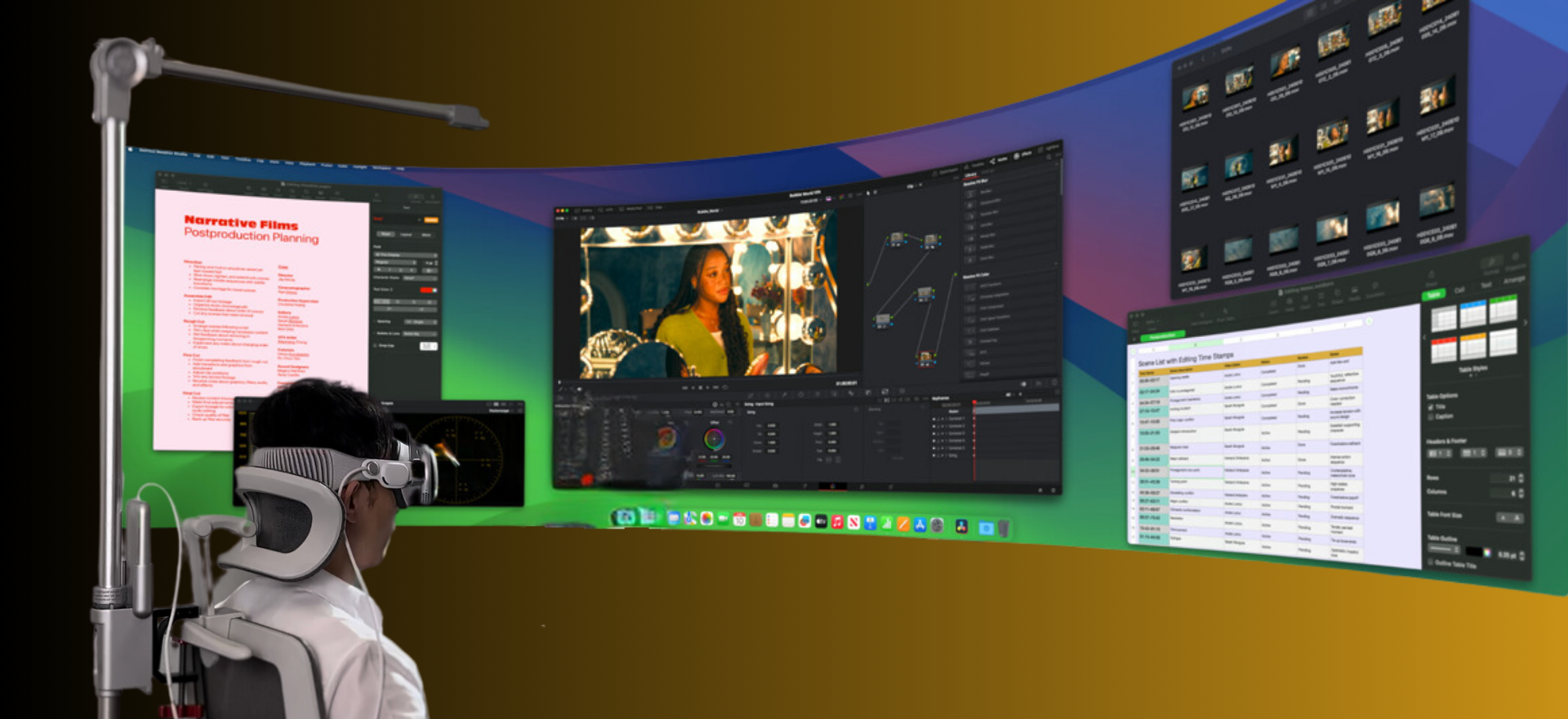
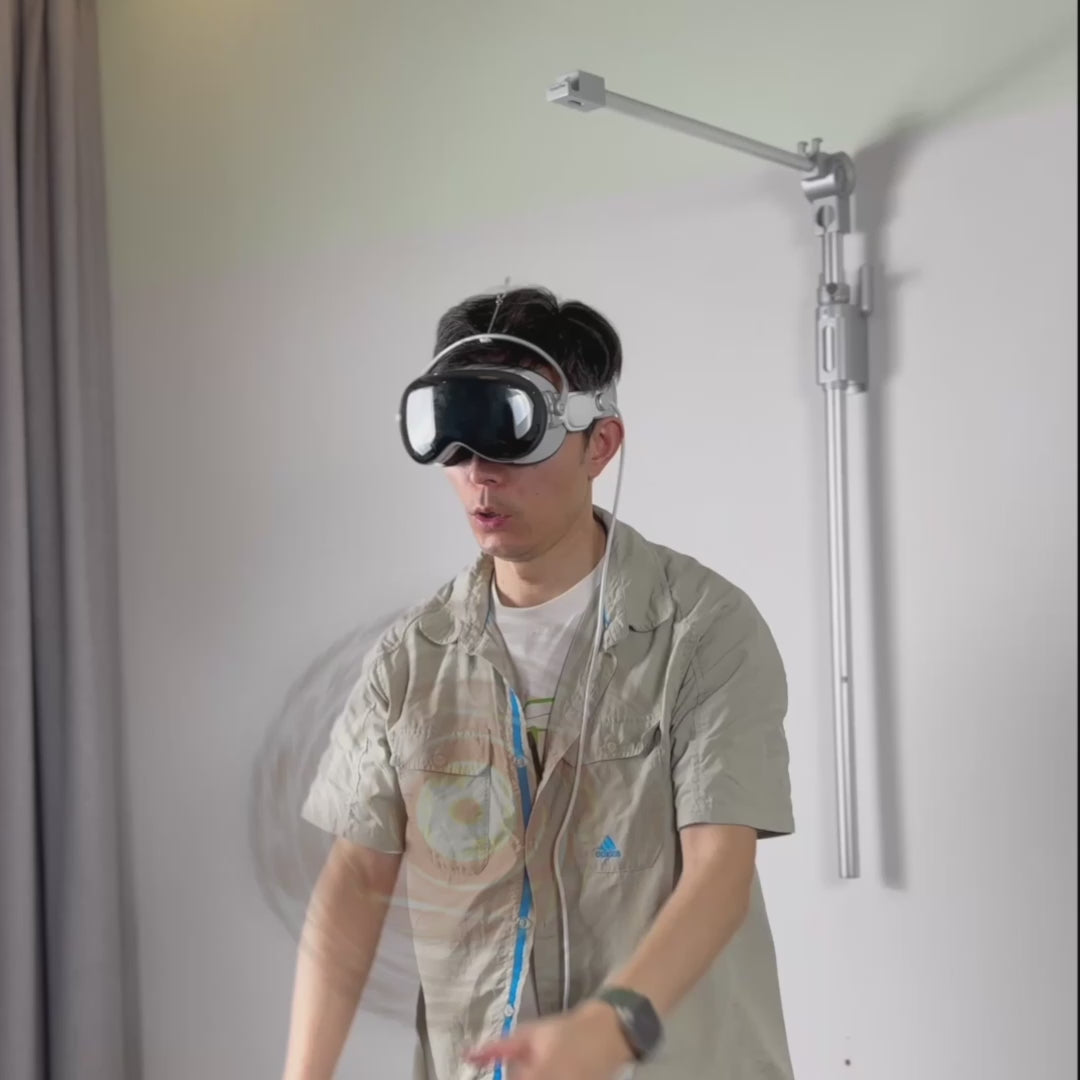
Wearing a modern VR headset for hours used to mean sore cheekbones, a stiff neck, and occasional tracking hiccups when the weight tugged the optics out of alignment. Flit Lift—paired with GraviPro’s balance controller—rethinks that problem by using a gravity-assisted lifting system to shift a headset’s center of mass back toward the body’s hinge point. The result is what many flit-lift-weightless-vr-comfort/measuring-ergonomic-impact-metrics-for-comfort-and-posture-with-gravipro-vr-wearables" rel="nofollow noopener noreferrer">early adopters call “weightless” comfort: the physical load is offset while the headset’s sensors remain in stable alignment for reliable tracking. ⏱️ 10-min read
This guide walks through how the Flit Lift–GraviPro system works, which headsets it supports (including Vision Pro), how to set up and calibrate it for best results, what players and developers should expect in performance, and practical maintenance and troubleshooting routines. If you’re a VR gamer, developer, or experimenter interested in longer sessions without the trade-off of tracking integrity, read on for specific steps, testing targets, and real-world tips to get the most out of this gear.
Understanding the Flit Lift–GraviPro System
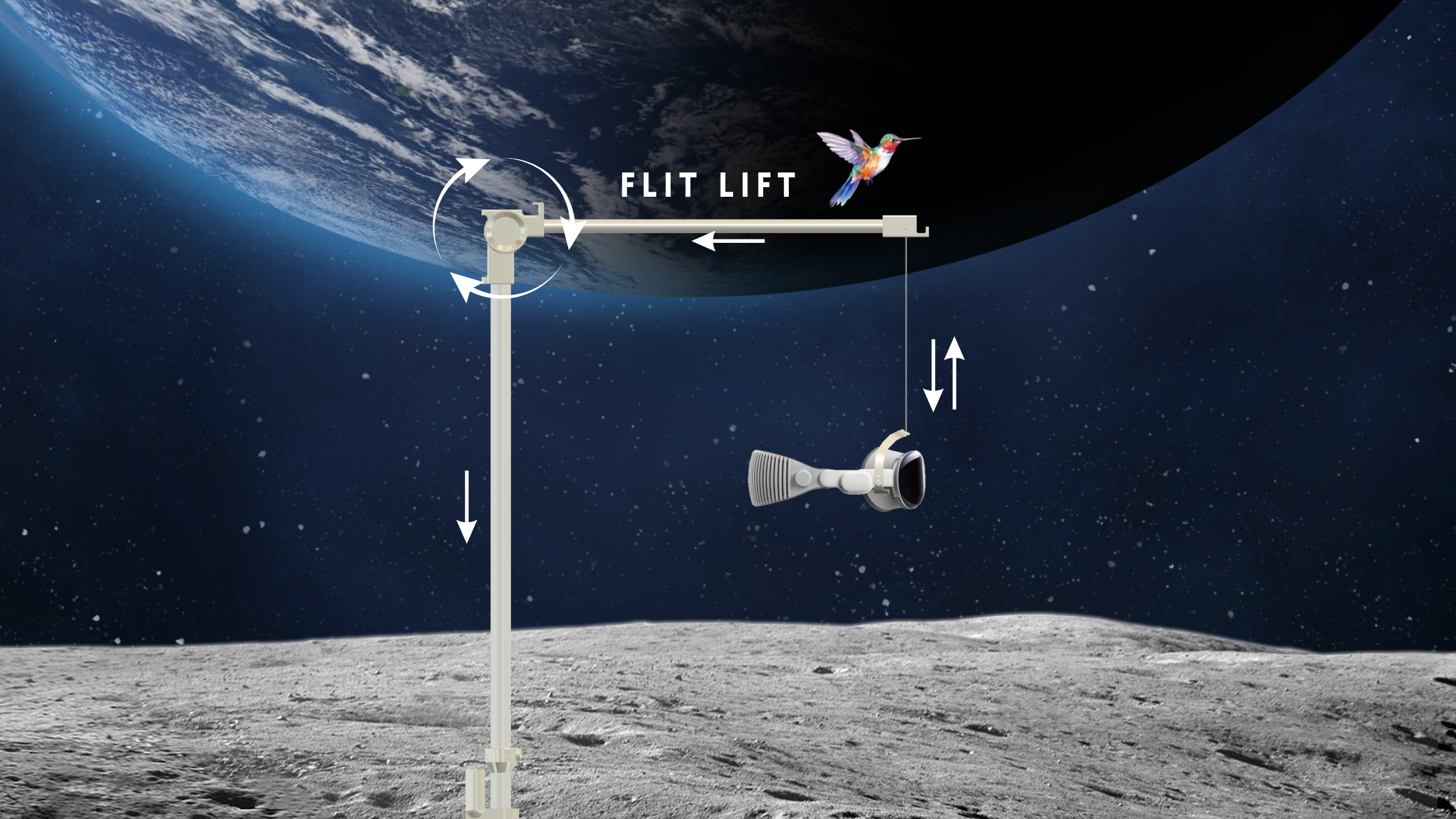
At its core, Flit Lift is a dynamic, gravity-assisted lifting mechanism that pairs with GraviPro, a compact balance controller. The lifting arms provide vertical adjustability and a dependable mechanical path to transfer load away from the forehead and face. GraviPro hosts a small sensor cluster—accelerometers, gyros, and load cells—that continuously measures tilt, motion, and the instantaneous load on the lift. Those readings feed into GraviPro’s control loop, which makes subtle, real-time adjustments to the lift mechanism so the headset feels nearly weightless.
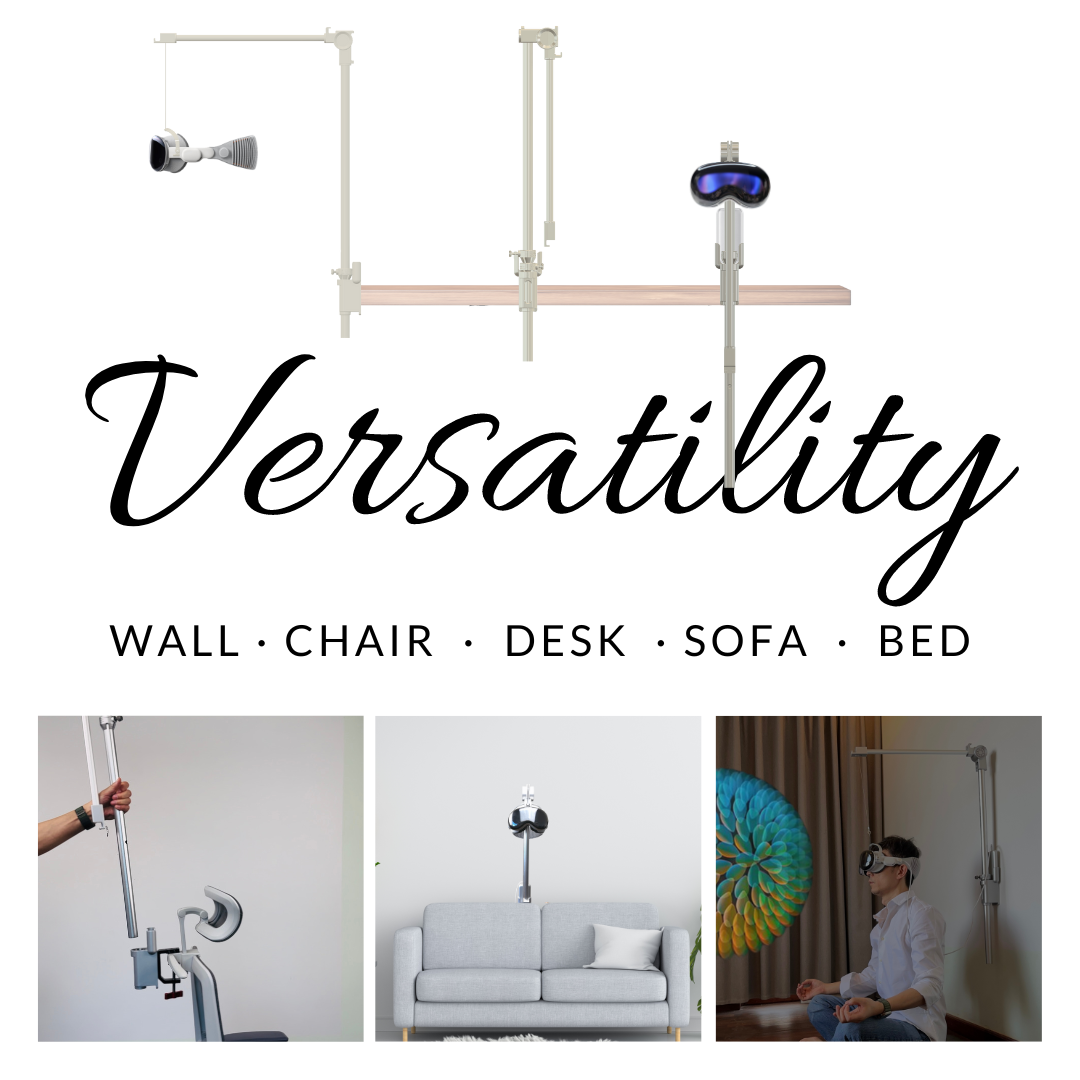
Mechanically, the system is simple but precise: lift arms attach to a base plate or crown mount, routing lightweight cables through internal guides so they don’t snag or block your field of view. The counterbalance system shifts the effective center of mass toward the back and down toward the neck’s hinge point. Because torque is a product of force and distance, shortening that lever arm reduces neck effort to maintain a neutral gaze, easing shoulder and upper-back fatigue during extended use.
Design-wise, Flit Lift allows micro-adjustments across a finely graduated lift range, so you can tune the offset for different postures and headset configurations—whether you’re using a naked Vision Pro or an HMD with extra accessories. The GraviPro controller keeps the lift responsive enough to work with rapid head turns without introducing wobble, which is crucial for preserving VR tracking fidelity.
Compatibility and Setup with Vision Pro and Other Headsets
Flit Lift accessories are engineered to work with a wide range of popular headsets: Vision Pro, Meta Quest family (Quest 2, Quest Pro, Quest 3), Pico models, and Valve Index. The kit typically includes mounting anchors, interchangeable adapters, adjustable straps, and cable-routing guides to match common headband and halo-arm designs. That flexibility is essential when you’re switching headsets for different sessions or when a lab environment uses multiple devices.
Basic setup is deliberately repeatable: unpack and verify components, then attach the supplied base plate to your headset’s crown mount or headband using the correct adapter. Finger-tighten fasteners before snugging by hand—avoid overtightening plastics. Mount the lift arms and clip the counterweight platform into place, aligning the arms with the headset’s center of gravity. Route data, power, and tether cables along the arms using the supplied clips so they don’t pull at the headset during motion.
- Power on sequence: confirm the GraviPro module boots and the sensor LEDs indicate readiness. Keep any firmware up to date.
- Balance bias: with the headset on, adjust the counterweight until forward tilt is neutral within about 1–2 degrees. Use small increments and test each change with a short head sweep.
- Calibration checks: look left/right, nod, and perform a rapid yaw to ensure the headset returns cleanly to a stable position without perceptible rebound or slack.
- Sensor clearance: confirm the HMD’s optical and IMU sensors remain clear of obstructions and the lift arms don’t cast shadows over camera modules.
For Vision Pro users, pay special attention to the headset’s outward-facing sensor array and passthrough cameras—Flit Lift offers low-profile adapters to keep sensor fields unobstructed. For halo-arm or halo-band styles (common in Index and Quest Pro), select the anchor that matches the headband geometry to minimize wobble during aggressive movement.
Impact on Comfort and Tracking
Comfort gains from the Flit Lift–GraviPro system come from two complementary effects: redistributed weight and adjustable contact geometry. Instead of compressing the temples and nose, the headset’s vertical load is transferred through the lift arms and counterweight to a support that sits closer to the torso hinge point. That reduces cheek and jaw pressure and helps maintain a more natural neck posture.
Dialable tension is an important part of the equation. Flit Lift’s adjustable straps and fine-grain lift increments let you tune how much of the load the lift takes versus the headband. The sweet spot keeps the headset snug against your face—preventing light leaks—without over-pressing any single point. Contoured, breathable padding completes the comfort stack; many users report less heat buildup around the forehead when pressure is reduced and airflow improves around the facial interface.
Tracking benefits are more than incidental. When the headset is mechanically stable—meaning the optics and IMU maintain consistent alignment relative to the skull—the inside-out or external trackers see fewer transient offsets caused by sag or bounce. That leads to smoother pose streams during rapid yaw, pitch, and roll. Practically, you’ll notice fewer micro-dips and less drift during aggressive head motion and quicker reacquisition after saccadic eye-head movements. For AR-capable headsets like Vision Pro, keeping camera-bearing surfaces steady also reduces recalibration prompts and preserves spatial anchors.
Performance Benefits for Gamers and Long Sessions
For gamers, the most tangible benefit is endurance: you can play longer without the physical interruptions that used to require headset readjustments. Flit Lift’s mechanical support lets competitive players and marathon streamers maintain a more consistent field of view and head angle, which translates into steadier aim and fewer mid-match hardware tweaks.
Beyond comfort, the improved mechanical stability affects gameplay mechanics that depend on precise head tracking. With a balanced headset, small head corrections—micro-saccades and rapid glances—are less likely to perturb the optical stack enough to cause tracking artefacts. Practically, that means faster reacquisition after a quick flick of the eyes or a head jab, which can be decisive in fast-paced shooters or rhythm titles.
Users have reported fewer calibration prompts across long sessions, which reduces interruption and produces a smoother session flow. In training and simulation contexts—flight sims, driving rigs, or prolonged practice runs—this consistency is especially valuable: you capture cleaner input data, and your muscle memory trains on an unchanging mapping between head motion and in-game response. For social VR and extended watch parties, the comfort improvements reduce the number of breaks and improve participation time.
Developers: Integrating GraviPro with VR Headsets
Developers and headset vendors can integrate GraviPro via a documented SDK that exposes pose and lift state data. Key API endpoints include /pose (delivering position x, y, z and orientation in quaternion form, with optional velocity vectors), /lift-status (current lift stage, drive percentage, tension mode), and /timestamps (monotonic clock anchors for frame-accurate correlation). For high-rate pose updates, WebSocket streams are recommended—aim to support 90 Hz or higher. REST calls are fine for occasional state checks and maintenance commands.
Authentication uses token-based credentials; respect rate limits and protect tokens similarly to other device control systems. Practically, keep the render thread free of blocking I/O: use lock-free ring buffers or thread-safe queues to move GraviPro data onto the render thread, and marshal updates to the main thread before you call engine functions. Monitor frame pacing and stay inside tight latency budgets—GraviPro recommends an end-to-end latency target under 20 ms for a responsive, natural feel.
For Unity and Unreal, Flit Lift provides plugins and sample integration patterns. A typical flow is:
- Initialize plugin and authenticate the session.
- Subscribe to the /pose WebSocket stream and enqueue incoming frames into a lock-free buffer.
- On the render thread, dequeue the latest pose and interpolate to match your frame timestamp.
- Use /lift-status to display user-facing UI (e.g., “Lift: 65% — Balanced”) and to adjust virtual camera baselines when needed.
Testing focus areas for integration are clear: measure power draw under peak and idle states (especially when ancillary motors or actuators are used), verify tracking accuracy against a ground-truth rig or motion capture system, measure calibration latency between physical change and reported /lift-status updates, and confirm compatibility across headband geometries and headset firmware versions. These checks help avoid surprises in distributed deployments where multiple headset makes and revisions are present.
Maintenance, Safety, and Troubleshooting
Regular maintenance preserves both comfort and tracking fidelity. Before each session do a quick visual inspection: check moving joints, sensor mounts, and mounting brackets for looseness, cracks, or corrosion. Test fasteners against the manufacturer’s torque specs and replace components showing fatigue. Flit Lift parts include visible wear indicators—if a slider reveals a red band or gap marks widen, schedule a replacement before instability appears.
Cleaning is straightforward but important: wipe external surfaces with a microfiber cloth and mild detergent where needed; keep solvents away from electronics and sensors. Use compressed air sparingly to clear any dust from vents or sensor apertures, and avoid directing high-pressure streams close to optical coatings. For padding and facial interfaces, follow the manufacturer’s guidance—removable covers are often machine washable on a gentle cycle; otherwise hand wash and air dry to avoid warping.
Common issues and quick fixes:
- Drift or misalignment: rerun the balance bias routine and check that cables are not pulling the headset. If drift persists, update firmware and run a sensor re-calibration.
- Loose mounts or wobble: tighten anchors, replace stripped screws, and ensure the adapter matches the headband geometry.
- Unexpected stops or motor noise: verify the emergency stop has not been partially engaged and inspect the counterweight path for obstructions.
- Power anomalies: check that the power cable routing isn’t under tension and test with another verified power supply if available.
Safety notes: always observe published weight thresholds and avoid adding non-validated accessories to the lift arms. Test the emergency stop before extended sessions so you’re familiar with how to cut power immediately. Keep the play area clear, route cables to prevent trips, and avoid placing the lifting assembly near liquids or extreme temperatures that could degrade mechanical parts.
Getting Started: Early Adopters, Reviews, and Real-World Scenarios
Flit Lift periodically runs early-access programs; if you want in, sign up on their official site, subscribe to the newsletter, and join community channels like Discord. Invitations often depend on region, headset ownership, and a willingness to provide constructive feedback. Early testers commonly share setup photos and tuning tips that accelerate your own setup time—look for videos showing Vision Pro-specific adapters and strap configurations.
Practical scenarios where Flit Lift shines:
- Gamer marathons: players report sustained comfort across multi-hour practice sessions and fewer stiffness episodes. Fine-tuning the counterbalance for headset-plus-accessories (like audio modules) is key.
- Research and studio work: labs capture cleaner head-motion data during rapid movements—teams note fewer tracking glitches and smoother yaw/pitch signals.
- Simulations and training: flight and driving sims benefit from steady optics and consistent mapping between head orientation and in-sim view, improving training fidelity.
- Social VR: longer, more comfortable meetups and watch parties with fewer mid-session adjustments.
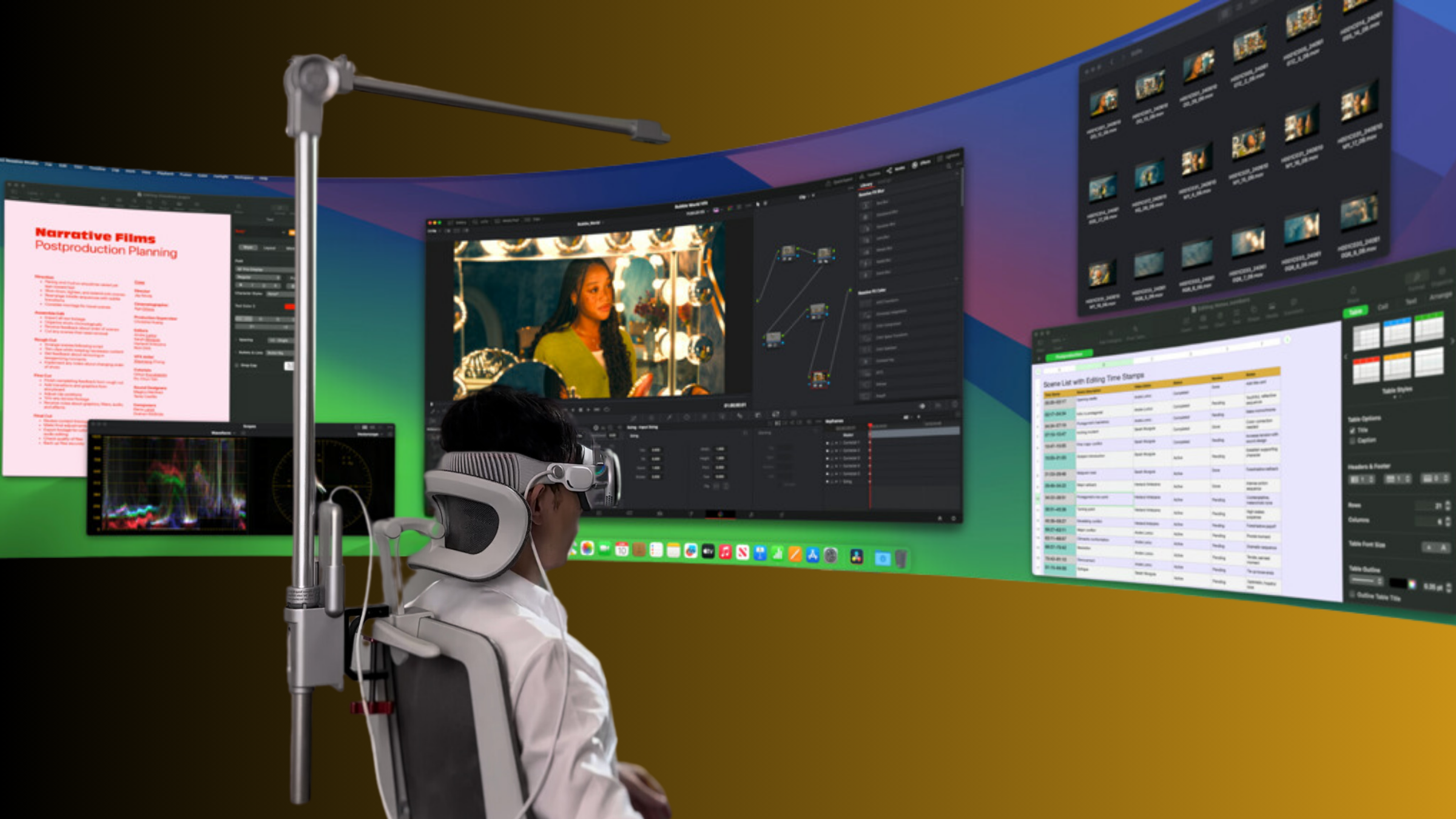
Typical outcomes reported by reviewers and early adopters include reduced neck strain, a gentler fit around the temples and nose, and quicker re-alignment after rapid turns. For Vision Pro users, the low-profile adapters preserve passthrough and external camera fidelity; for Quest and Index users, picking the correct anchor and strap combination minimizes wobble and keeps the headset sealed to the face without pressure points.
If you’re an early adopter configuring a Vision Pro setup, start with the low-profile adapter, set the lift to take approximately 60–70% of the headset weight as a baseline, and then tune downward until you regain just enough headband support for micro-adjustments. That balance often gives the best mix of comfort and sensor stability.
Next step: if you’re ready to test it out, download the GraviPro SDK, check compatibility with your headset firmware, and perform the balance bias routine documented here. If you’re a developer, run integration tests with a profiler and validate that GraviPro’s pose updates align with your render loop under a 20 ms budget.

Share:
Measuring Ergonomic Impact: Metrics for Comfort and Posture with GraviPro VR Wearables
The ultimate ergonomic fit guide for diverse head shapes and preferences