

Upgrade Your Quest 2 Facial Interface: A Comfort-First Guide to Longer VR Sessions
If your Quest 2 starts to feel heavy, hot, or pinchy after 30–60 minutes, the problem is rarely the headset’s virtual world—it’s the physical interface between your face and the device. Small changes to straps, cushions, and fit can add real minutes (or hours) of comfortable play without sacrificing immersion. ⏱️ 10-min read
This practical guide walks Quest 2 owners through a comfort-first upgrade path: how to audit your baseline fit, choose the right comfort strap and facial cushions, install them correctly, fine-tune balance, manage glasses and fog, and keep your interface hygienic and long-lasting. Expect clear, hands-on tips and trade-offs so you can extend sessions with confidence.
Assess baseline comfort and fit
Before you spend money, record where the headset currently bothers you. Put on the Quest 2 for a short test session—five to ten minutes of typical movement—and pay attention to three things: where you feel pressure, how the straps carry weight, and how the padding behaves. Take notes: the time when numbness, tingling, or red marks appear; whether pressure sits above the brows, at the temples, or across the cheek pads; and whether the headset tilts forward or slides during quick turns.
Create a simple log entry for each try: date, session duration, hotspots, strap tension (loose, medium, tight), and any fogging or sweating. Photograph red marks or imprints for comparison. That baseline helps you judge improvements after swaps or adjustments. For example, if you consistently note heavy nose pressure after ten minutes, a thicker foam pad or a spacer may be the right first purchase; if the headset tips forward, focus on rear-mounted support.
Also assess padding density and irritation: does the foam feel plush, medium, or firm against skin? Does it compress flat quickly? Plush memory foam is comfortable but can trap heat; high-density foam resists flattening but feels firmer initially. Finally, note ventilation: early fogging or pooled moisture near the nose signals that the seal geometry may be forcing breath upward—another easy fix once you’ve pinpointed it.
Choose a comfort strap: Elite Strap, aftermarket options, and compatibility
Straps change how the headset sits on your skull. Meta’s Elite Strap family (standard Elite, Elite Strap with added structure, and the battery-equipped Elite) shifts where weight lands and how stable the headset feels. The standard Elite Strap stays relatively light and is quick to adjust—helpful if you do short sessions or twitch a lot. The more structured Elite variants stabilize the headset for longer play, reducing cheek and nose torque. The battery-equipped model places additional mass toward the rear, which often improves balance but increases total head load.
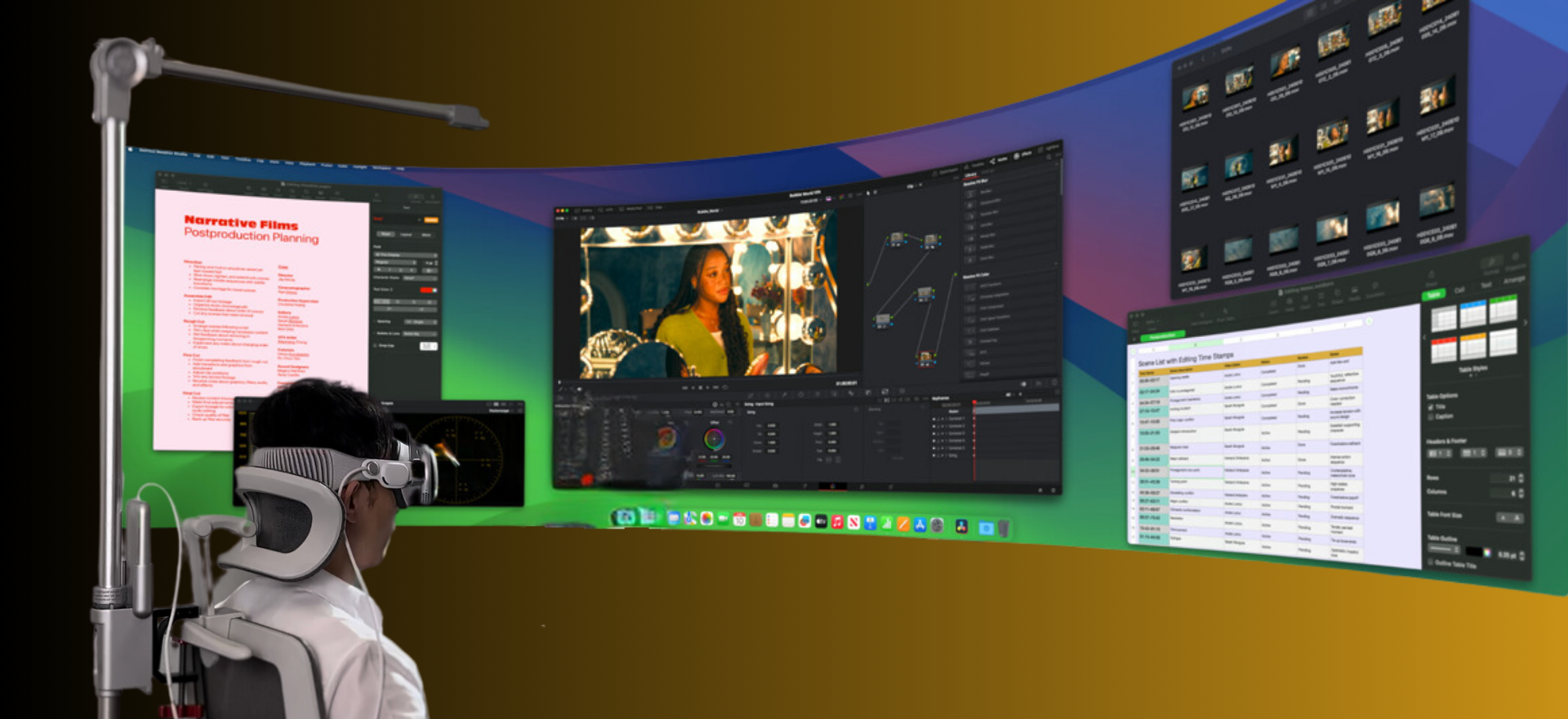
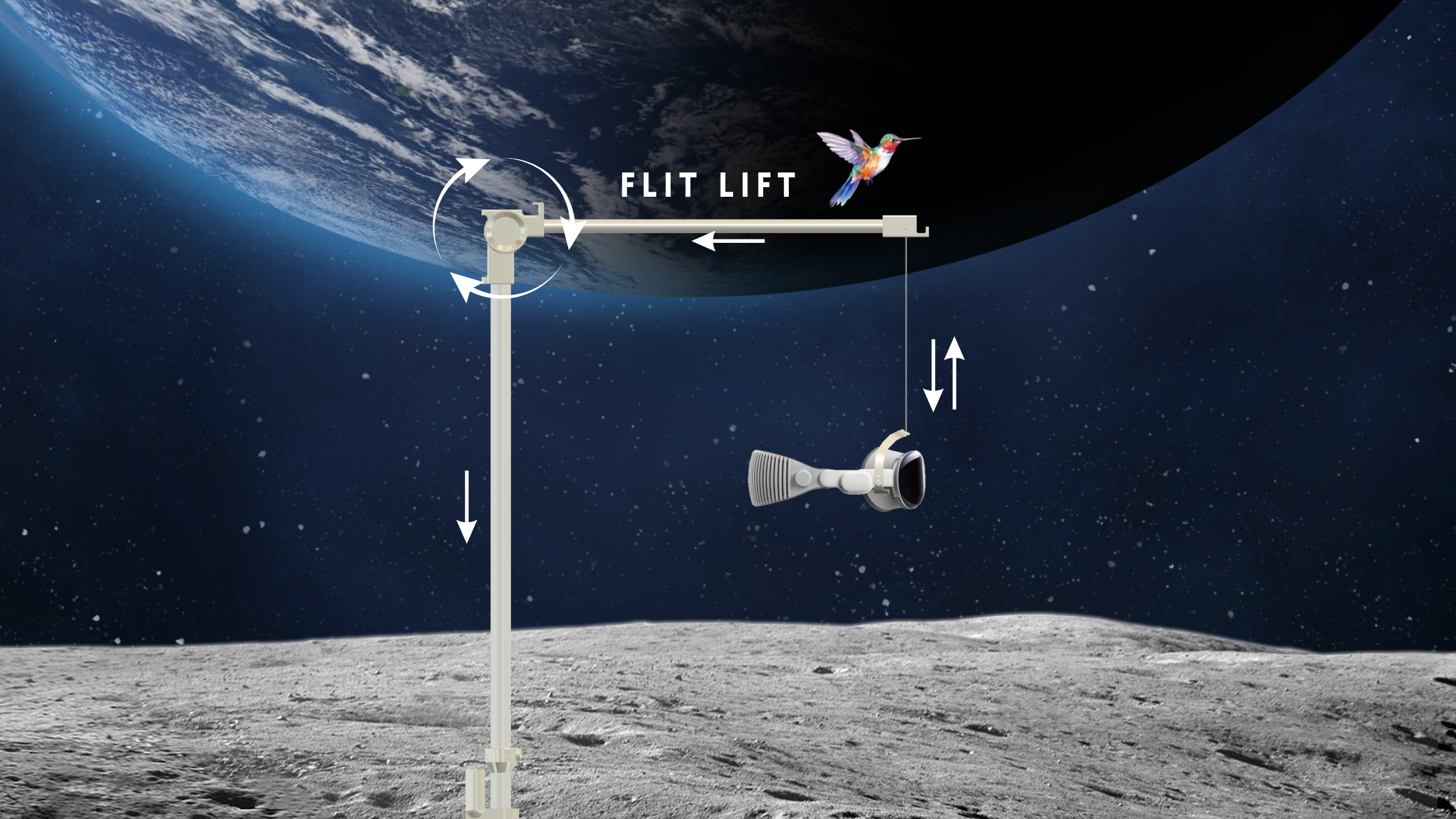
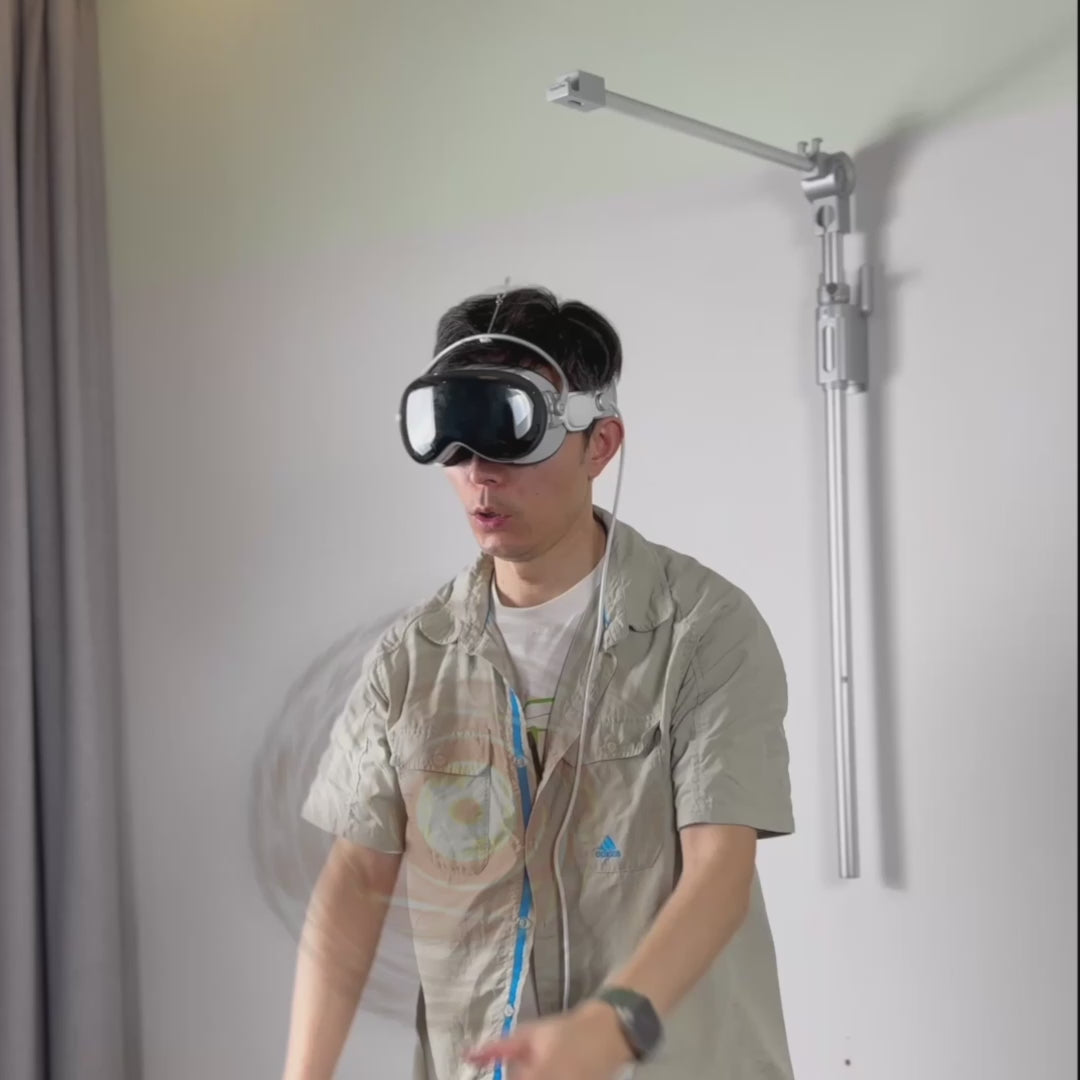
Third-party vendors like Kiwi Design, AMVR, FlitLift, and GraviPro offer a spectrum of choices: wider straps and thicker memory-foam rear pads, modular attachments, quick-release buckles, and sometimes lighter designs intended to reduce neck strain. Trade-offs matter—thicker padding can feel better initially but may compress faster; a heavy rear pad or battery is great for center-of-gravity, but adds overall weight. Check warranties and return policies; third-party cushions and straps vary widely in build quality and longevity.
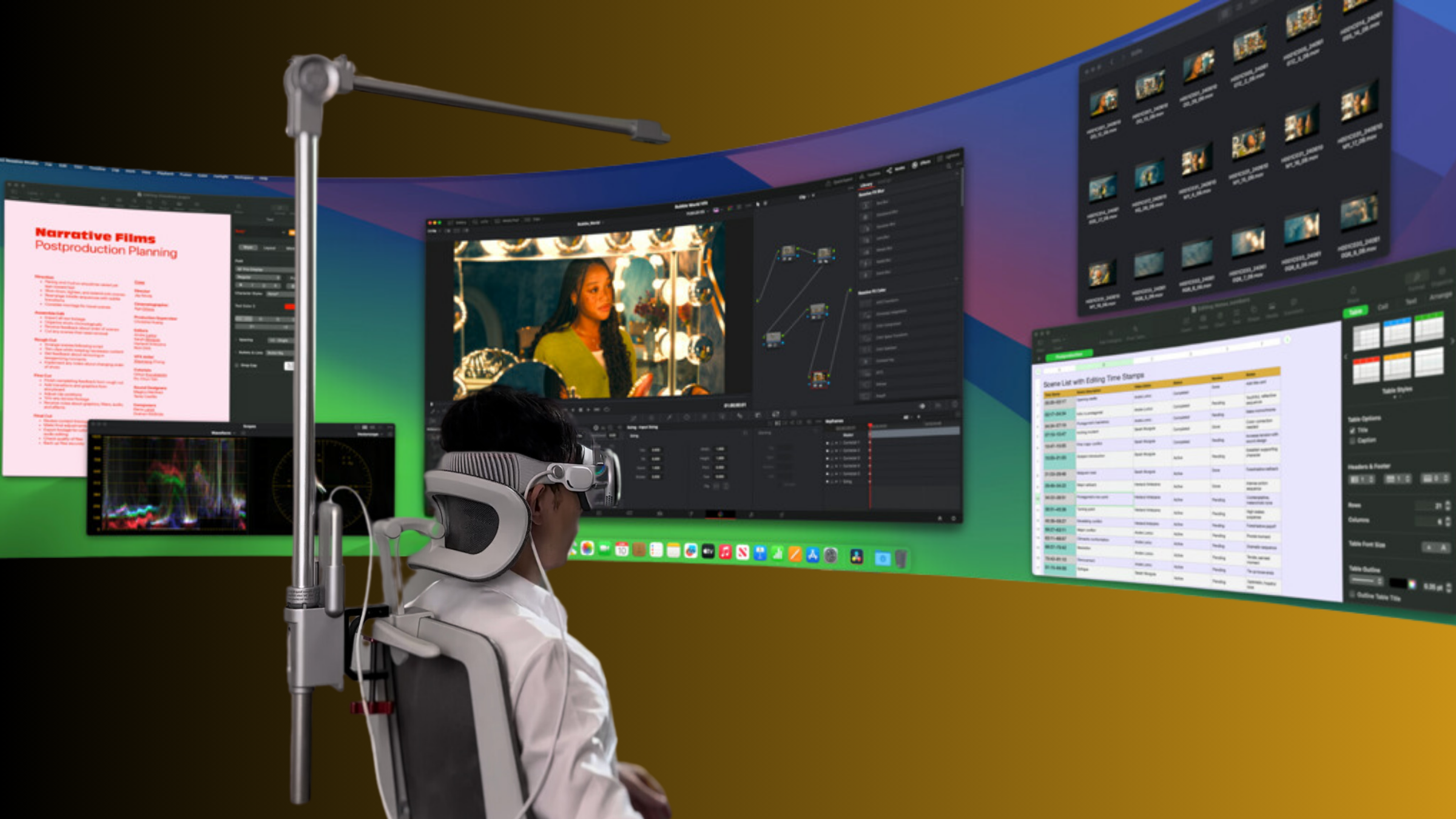
Compatibility: make sure any strap you buy is explicitly marketed for Quest 2. Some modern straps—like those designed for other headsets such as Apple Vision Pro—are not natively compatible and require adapters or risky modifications; avoid those unless you’re comfortable with nonstandard mounts. Finally, consider ecosystem fit: if you plan to add a rear battery pack, wireless adapter, or over-ear headphones, confirm anchor points and clearance before buying.
Upgrade the facial interface: cushions, spacers, and skin contact
The facial cushion is the single biggest factor in perceived comfort during long sessions. Materials and profile alter pressure distribution, ventilation, and cleanliness. Memory foam molds to the face and feels plush, making it excellent for cheek and brow comfort but it can trap heat and absorb sweat. High-density foam resists compression and tends to keep its shape longer, though it can feel firmer on initial wear. Silicone gaskets or shells are non-absorbent and simple to wipe clean; hybrid designs combine foam padding with a removable silicone rim for both comfort and easy hygiene.
Choose cushion thickness and cut based on where you felt pressure in your baseline test. If the headset pressed on your nose bridge, try thicker (or differently profiled) foam to change the contact points. If you experienced light bleed at the edges, a denser face gasket or thin spacer can improve the seal without adding bulk. Spacers—thin foam rings, silicone wedges, or adjustable edge gaskets—let you dial gap and pressure. They’re especially useful for blocking light around the cheeks and reducing direct pressure on the nose without changing strap tightness.
For sensitive skin pick hypoallergenic materials and patch-test new cushions for a day. Cleaning matters: avoid soaking foam; wipe foam and silicone surfaces with a mild soap solution and air-dry thoroughly. Removable covers or silicone shells are easier to keep fresh between sessions. When shopping, verify the cushion’s compatibility with Quest 2’s faceplate and any aftermarket strap you plan to use; the last thing you want is a new strap that won’t seat a preferred cushion properly.
Step-by-step install guide for Quest 2 comfort strap
Swapping a comfort strap and facepad is straightforward if you follow ordered steps and keep track of small parts. Work slowly and on a soft, clean surface to avoid scratching lenses or the headset shell. Here’s a practical install sequence:
- Power down the headset and disconnect accessories. Place the Quest 2 face-down on a microfiber cloth to protect lenses.
- Remove the stock strap by releasing side clips or unscrewing the anchor screws (if present). Keep screws and small pieces in a tray or on a magnetic mat to avoid losing them.
- Detach the existing facial cushion by gently peeling it away from the plastic faceplate; most pads are anchored by tabs or adhesive. If you need to remove screws, note their placement and use a light touch when re-securing.
- Before attaching the new strap, align any side connectors or anchor posts with the headset slots. Slide the strap in evenly on both sides—misalignment increases the chance of uneven tension.
- If your strap uses screws, hand-tighten first, then use a screwdriver to snug them. Avoid overtightening; plastic threads strip easily. If clips are used, ensure they click fully into place.
- Attach the new facial cushion by lining up tabs or adhesive pads. Press all around the perimeter to secure the seal. If using a silicone shell over foam, seat the shell so it covers the faceplate lip evenly.
- Put the headset on and set a light, initial tension. Don’t fully lock the strap yet—run through the fit-tuning steps below before final tightening.
Take your time throughout. If you feel any scratchiness or misalignment while installing, stop and re-seat the component—small mistakes now can cause hotspots later.
Fine-tune fit for weight distribution and balance
An upgraded strap and cushion are only useful if you tune weight distribution. The goal is to move the headset’s center of gravity slightly rearward so it rests comfortably across the skull rather than pulling on the nose and cheeks. Start by adjusting the top strap just enough to prevent forward tilt, then reposition the rear pad or harness to sit across the upper rear of your head—this spreads load across a broad area.
Make incremental changes and test with movement: nod, shake your head, and perform quick turns to reveal hotspots. Press lightly on the headset while adjusting straps to feel how the load shifts. If you notice a single pressure point, experiment with cushion thickness or add a thin spacer to redistribute force. Many users find that raising the top strap a notch or two reduces cheek compression while keeping a secure seal.
Consider a rear counterweight if forward tilt persists. Lightweight batteries or purpose-built counterweights (100–200 grams depending on head size) attached to the back strap can neutralize front-heavy torque without making the headset feel heavy. Keep in mind the trade-off: adding mass reduces torque on the face but increases overall neck load. Aim for even pressure all around—no sharp spots at the temples, jawline, or nose—and re-check balance after any accessory changes like larger headphones or a Clippable fan.
Glasses wearers: comfort, clearance, and fog prevention
For glasses wearers, the right facial interface prevents frame contact, temple pinching, and fog. Start by measuring how much gap your frames need; trial different cushion profiles to find one that keeps frames clear of the foam while maintaining a good seal. Low-profile or “prescription-friendly” cushions increase internal space; alternatively, thin spacers around the nose and cheek can create clearance without letting light in.
Fog is often the immediate annoyance. Prevent it at the source: ensure vents aren’t blocked by straps or your hair, and use anti-fog wipes or sprays made for optics. If fogging persists, try a small USB clip-on fan designed for VR—placed so it improves airflow without breaking the face seal. Another practical tip is to slightly loosen the strap to let more air move through the lower face area; test to ensure this doesn’t introduce light bleed or reduce tracking fidelity.
Temple comfort comes down to strap positioning. Raise or lower the top strap to shift pressure away from where the glasses’ stems sit; a correctly positioned top strap prevents frames from being pushed into your temples. If your frames are particularly wide, consider a faceplate with a wider cut or a foam profile designed for glasses. Finally, wear and tear: glasses can press into foam and cause quicker degradation—switch to a wipeable silicone shell or removable cover if you regularly use glasses.
Maintenance and longevity of the facial interface
Well-maintained cushions last longer and stay hygienic—this is essential if you share your headset. Wipe foam and silicone surfaces after heavy use with a mild soap solution (a few drops of dish soap in warm water), using a soft cloth. Avoid soaking foam; instead dampen the cloth, wipe, and then let components air-dry completely in a ventilated area away from direct heat. For removable covers, follow manufacturer instructions; many are machine-washable on a gentle cycle if specified.
Inspect cushions regularly for compression, tears, and lingering odor. Frequent users should expect foam pads to show noticeable wear after 6–12 months; compressed foam that fails to rebound or that retains sweat smells should be replaced. Silicone shells last longer and are easier to disinfect, but check edges for cracking. Store the headset in a cool, dry place and use a protective case to keep dust, UV, and pet hair away from cushions.
Rotate interfaces—if you own multiple cushions or a removable silicone rim, switch them out periodically to distribute wear. Keep a small cleaning kit (microfiber cloth, mild soap, spare cover) near your VR area; routine care not only extends component life but preserves a fresh fit that supports longer, more comfortable sessions.
Long-session ergonomics and accessory ecosystem
Even with a perfect strap and cushion, long VR time benefits from smart ergonomics and the right accessories. Plan short, structured breaks: a practical cadence is to pause every 45–60 minutes for two to five minutes to stand, blink deliberately, and stretch your neck and shoulders. During breaks do a few slow neck circles, shoulder rolls, and a 20-second distant-focus exercise to rest your eyes. Hydration and ambient lighting also reduce fatigue between sessions.
Manage cables and add-ons so they don’t fight your fit. Route wired connections along the rear strap and secure them with cable clips or Velcro to prevent tugging. If you use a wireless adapter or a rear battery, choose lightweight models and mount them as low and centered as possible to keep the center of gravity near the head’s midpoint. For audio, compact on-strap earbuds or thin over-ear pads usually interfere less with facial stability than bulky headphones.
Accessory selection is about balance. A small rear-mounted battery can transform comfort by pulling weight back, but oversized packs defeat the purpose by adding neck strain. A compact cooling fan, effective cable management, and a modular strap that supports quick swaps will let you iterate until you find the setup that reliably gets you through marathon sessions without hotspots or dizziness. As a next step, try one change at a time—new cushion first, then strap—so you can measure gains against your baseline log and build a setup tuned to your head, not just a best-seller recommendation.


Share:
How headset weight impacts comfort and performance in virtual reality
Ergonomic Strap Upgrades That Reduce Quest 2 Headset Pressure for Long Sessions