


Vision Pro Strap Padding: A Material-First Guide to All-Day Comfort and Lasting Durability
Choosing the right strap padding for your Vision Pro isn’t just about softness—it's about materials, fit, airflow, and long-term performance. Whether you’re a developer logging marathon sessions, a professional using Vision Pro for design or training, or an enthusiast who wants comfort without compromising optics, this guide breaks down the practical choices and steps that lead to reliably comfortable VR wear. ⏱️ 10-min read
Below you’ll find material comparisons, mechanical trade-offs (thickness vs. density), clear installation steps, cleaning and maintenance routines, compatibility notes versus other headsets, cost/value assessments, and everyday tips to keep you comfortable through long sessions. Read on to match padding to how you actually use the Vision Pro.
Materials that matter: padding options for Vision Pro
Start with the material—it's the single biggest determinant of comfort, cooling, and durability. Common padding choices for Vision Pro strap upgrades fall into several buckets: memory foam, polyurethane (PU) foam, gel-infused or silicone gel inserts, and ventilated/open-cell foams. Each has a characteristic feel and performance profile.
Memory foam conforms closely to the head, spreading pressure evenly across contact points; it’s excellent for eliminating hotspots but tends to trap heat unless paired with breathable covers. PU foam is lighter and more responsive, giving a springier feel that resists quick breakdown but may not contour as perfectly. Gel and silicone inserts are exceptional at localized pressure relief and feel cool to the touch; they’re especially useful for users with sensitive skin or for reducing forehead and temple soreness. Ventilated or open-cell foams prioritize airflow and moisture wicking, trading a little plushness for superior breathability during long sessions.
Cover fabrics matter almost as much as the core. Microfiber is soft and skin-friendly, mesh promotes airflow, and leatherette is easy to wipe clean but can get warm. For sensitive skin, look for hypoallergenic-treated fabrics or medical-grade silicone. Finally, remember weight: denser materials add grams that the headset, strap, and neck must carry—small differences compound over hours. Match material to session length and sweat levels: short casual sessions can favor PU or cheaper foam; extended professional use benefits from ventilated foam or gel hybrids under breathable covers.
Comfort mechanics: padding thickness, density, and airflow
Comfort isn’t just softness—it's how thickness, density, and airflow interact with your head shape and the Vision Pro’s ergonomics. Thickness provides cushioning but can subtly shift headset position and the critical eye-to-lens distance. Density determines the feel under load: low-density foam feels plush initially but can “bottom out” during long sessions, while higher-density foam holds shape and support longer.
Think in terms of three linked variables: support, contact area, and heat management. A slightly thicker pad increases contact area, which lowers pressure per square centimeter and reduces sharp hotspots, but too much thickness can lift the headset forward or change the optical clearance. Higher density helps maintain the pad’s profile and resist compression set—the permanent thinning you get after repeated use. For daily multi-hour sessions, choose medium-to-high density with a modest thickness that preserves the Vision Pro’s designed eye box.
Airflow is the wildcard. Open-cell foams and mesh covers allow convective cooling and evaporative moisture transfer—critical to avoid that clammy feeling. Even with gel inserts that feel cool initially, trapped moisture against the skin can create irritation. Incorporate breathable covers and, where possible, pads with channels or perforations. As a rule: if you sweat heavily, prioritize ventilated foam or gel with a mesh cover; for minimal sweating, memory foam under a microfiber cover can deliver luxurious pressure distribution without overheating in shorter sessions.
Durability and longevity: wear, cleaning, and replacement
No pad lasts forever—usage patterns, sweat, and skin oils accelerate degradation. Expect foam pads to show measurable change within 6–24 months depending on session frequency and care. Common failure modes include compression set (permanent flattening), fabric pilling or tearing at stress points, adhesive delamination where layers separate, and lingering odors that resist cleaning.
Monitor your padding with simple checks: press the foam and watch for quick recovery, inspect seams and cover integrity, and sniff for persistent smells even after cleaning. If the pad leaves visible indentations that don’t rebound, or if the headset’s fit changes noticeably, it’s time to replace. Materials like silicone gels or protected gel inserts usually last longer—often beyond two years—if kept covered and cleaned properly.
Cleaning routine affects lifespan. Removing sweat and oils promptly prevents chemical breakdown of foam and fabric. Use gentle hand washing for removable covers and light foam-safe cleaners for exposed foam. Avoid saturating open-cell foam—moisture can promote mildew and accelerate structural failure. When manufacturers provide replacement parts or covers, prioritize those options; they typically restore both hygiene and intended ergonomics at lower long-term cost than repeatedly buying cheap, ill-fitting aftermarket pads.
Fit and installation: padding alignment and adjustment tips
Proper installation preserves the Vision Pro’s optics and the headset’s intended seal. A misaligned pad can introduce pressure points, let light leak around the edges, or change eye-to-lens spacing. Follow a deliberate process when replacing or adjusting padding to keep everything aligned and secure.
- Power down and remove the old pad carefully. Note attachment points—clips, lips, or adhesive strips—and peel slowly to avoid scratching the frame.
- Compare the replacement pad’s geometry to the headset. Hold it up to the brow ridge and cheek recesses to confirm edge radius, thickness, and contour match the faceplate before committing.
- Use top and bottom reference points for alignment. Position the pad so the top edge sits evenly at the brow line and the bottom contacts the cheek cups uniformly to preserve the eye box and light seal.
- Secure in stages. Fasten one side or the center first, then smooth the pad across to the opposite side to avoid air gaps, wrinkles, or tension imbalances.
- Fine-tune strap tension and crown padding. Adjust the strap height and forehead pad position so the headset’s weight rests evenly across the skull, not purely on the brow. If available, move or swap crown pads to redistribute load away from the face.
After installation, put the headset on and test with short tasks: check for lens clarity, absence of light leaks, and whether the headset tilts forward or slides. If you notice any drift, recheck the seating and consider trying a slightly thinner or thicker pad—small adjustments often deliver big comfort gains.
Compatibility and cross-device notes: Vision Pro vs Quest 2 and third-party pads
The Vision Pro uses bespoke mounting geometries and precise optical spacing, which means universal pads designed for other headsets—like the Quest 2—often won’t fit correctly. Differences in attachment lips, curvature, and eye-box spacing can lead to gaps, pressure points, or changed focal distance when you try to mix-and-match components.
When evaluating third-party pads, confirm three things: exact attachment method (clips, adhesive, or hook-and-loop), contour match to the Vision Pro faceplate, and how the pad changes eye-to-lens distance. Adding substantial thickness can alter the critical IPD and focal clearance, affecting visual clarity and the field of view. Some aftermarket pads intentionally include optical offsets; others do not, so test before extended use.
Warranty considerations matter. Using non-Apple accessories typically won’t void the headset’s hardware warranty, but anything that involves adhesive modification to the shell or drilling/machining can. If warranty preservation is essential, favor OEM replacements or third-party vendors who explicitly state compatibility and non-invasive mounting solutions. Look for established VR accessory suppliers that provide exact-fit products or documented templates and return policies. When in doubt, choose vendors with clear measurements, mounting photos, and customer reviews showing real Vision Pro installations.
Maintenance and cleaning routine: extend padding life
Regular care dramatically extends padding life and keeps sessions hygienic. Adopt a simple cadence: quick wipe after each session, weekly deeper clean when possible, and monthly inspections for wear. These small efforts prevent oils and salts from degrading foam and fabrics.
- Daily quick care: After each use, wipe sweat-prone areas with a slightly damp microfiber cloth. This removes salt and skin oils before they chemicalize the foam or fabric.
- Weekly deeper clean: Remove any washable covers and hand-wash them in cool water with a mild, non-irritating detergent. Air-dry fully before reattaching; never use a hot dryer on covers or foams.
- Foam care: For non-removable or open-cell foam, avoid saturation. Use foam-safe cleaners applied sparingly—spritz solution onto a cloth, blot, and then allow thorough air circulation for drying to prevent mold.
- Sanitizing: Low-alcohol wipes designed for electronics are generally safe for fabric covers. UV-C sanitizers can be effective but confirm compatibility with the specific materials to avoid embrittlement or discoloration.
Storage matters too. Keep pads in a cool, dry place—away from direct sunlight and heat sources that can accelerate adhesive failure and foam breakdown. If you rotate multiple pads, store them flat or on a form that mimics the head’s curvature to preserve shape and prevent permanent compression.
Cost, sourcing, and value: options by budget and quality
Price ranges for Vision Pro strap padding vary widely, and the right value depends on how you use the headset. OEM replacements from Apple are usually the priciest but provide a perfect fit and predictable materials. Premium aftermarket pads land in the mid-to-high price tier and often bring better foam specs, antimicrobial covers, or gel hybrids. Budget pads deliver immediate comfort upgrades at low cost but may compress faster or fit imperfectly.
Assess real value by examining density specifications, cover replaceability, included mounting hardware, and warranty or return policies. Products with removable, washable covers typically offer better long-term ROI because you can refresh hygiene without replacing the whole pad. Prioritize vendors that publish exact dimensions, show measuring guides, and have clear compatibility claims for the Vision Pro.
DIY remains an option for skilled tinkerers: buying higher-grade raw foams and sewing custom covers can yield a tailored result at lower recurring cost, but this requires precise templates and skin-safe fabrics. For most users, the sweet spot is a reputable aftermarket supplier offering medium-density ventilated foam or a gel hybrid with a washable mesh cover—these strike a balance between cooling, support, and longevity without the premium OEM price.
Impact on long sessions: weight distribution, comfort cues, and tips
Long sessions expose small comfort faults quickly. Watch for early cues—persistent soreness on the forehead or temples, frequent readjusting, headset tilt, or fogging—that indicate your padding or strap setup needs attention. Address issues early; small micro-adjustments prevent hotspots from becoming injuries.
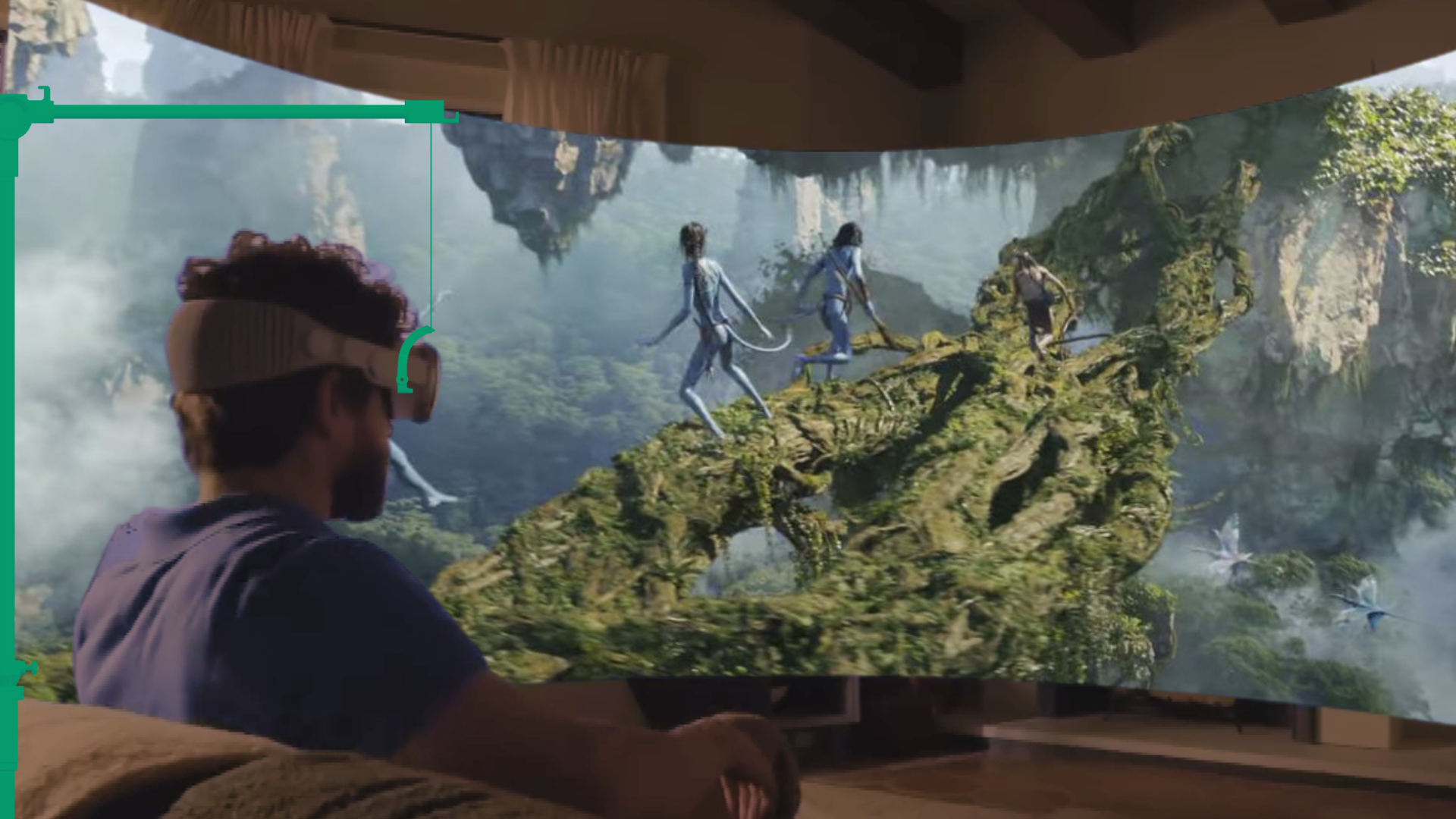
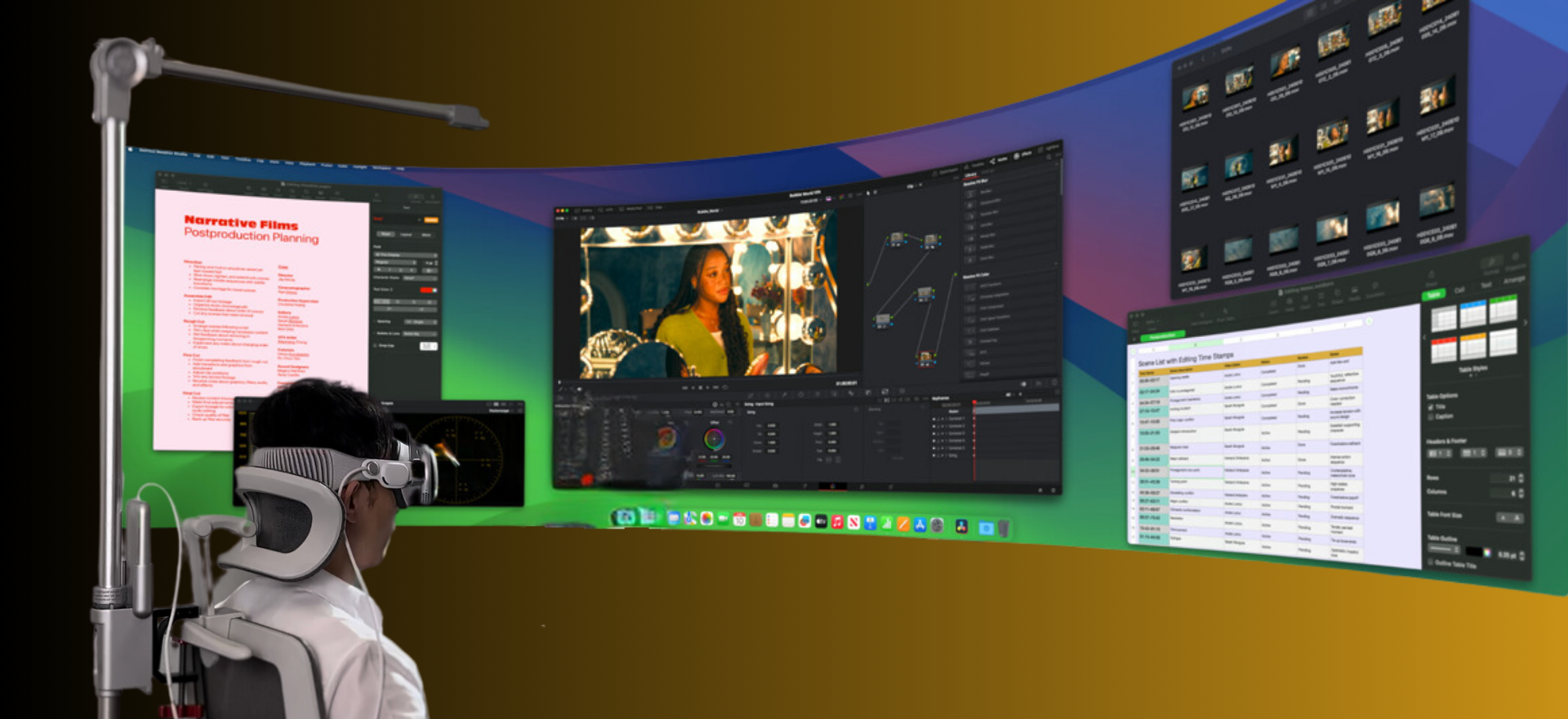
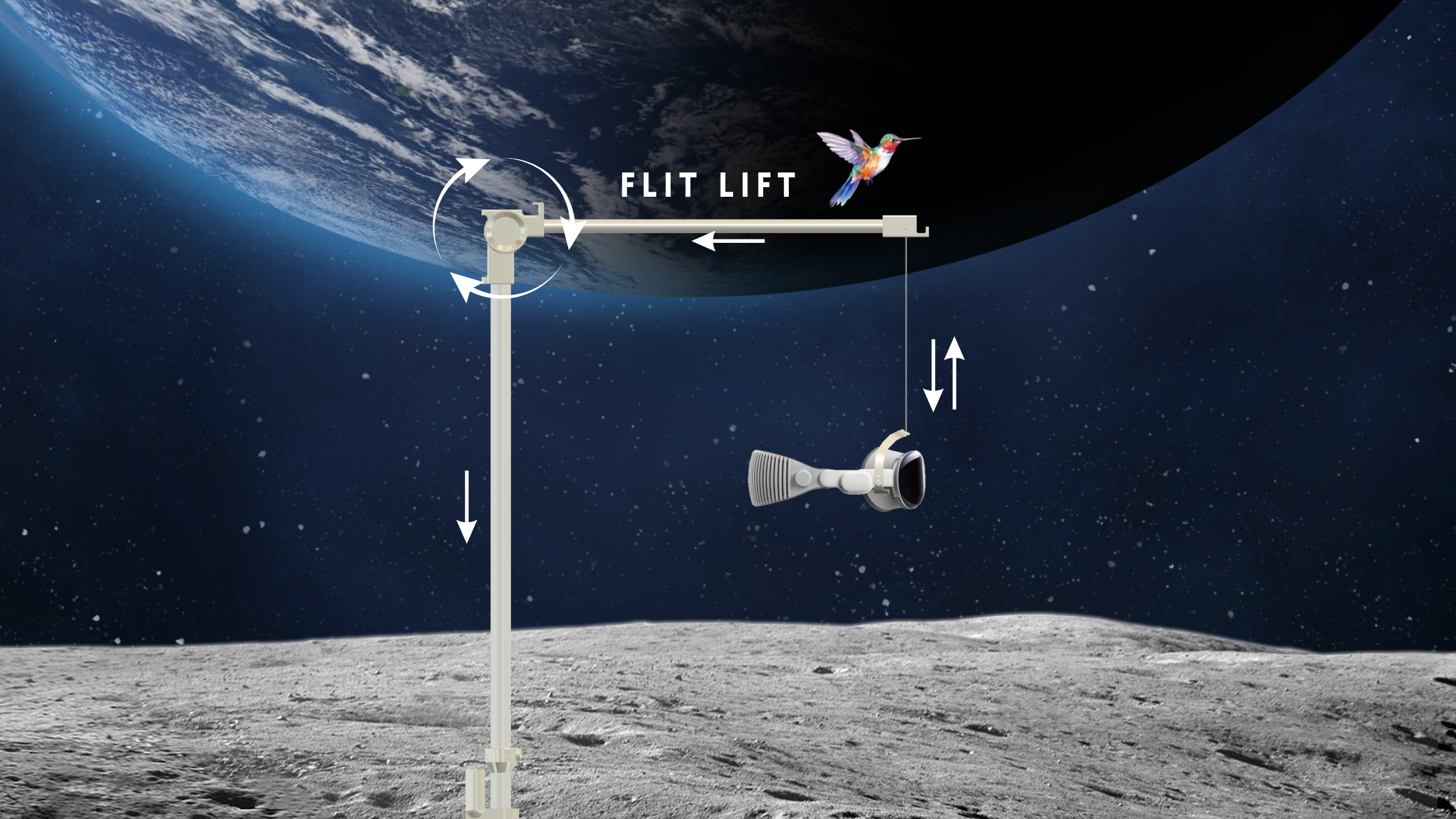
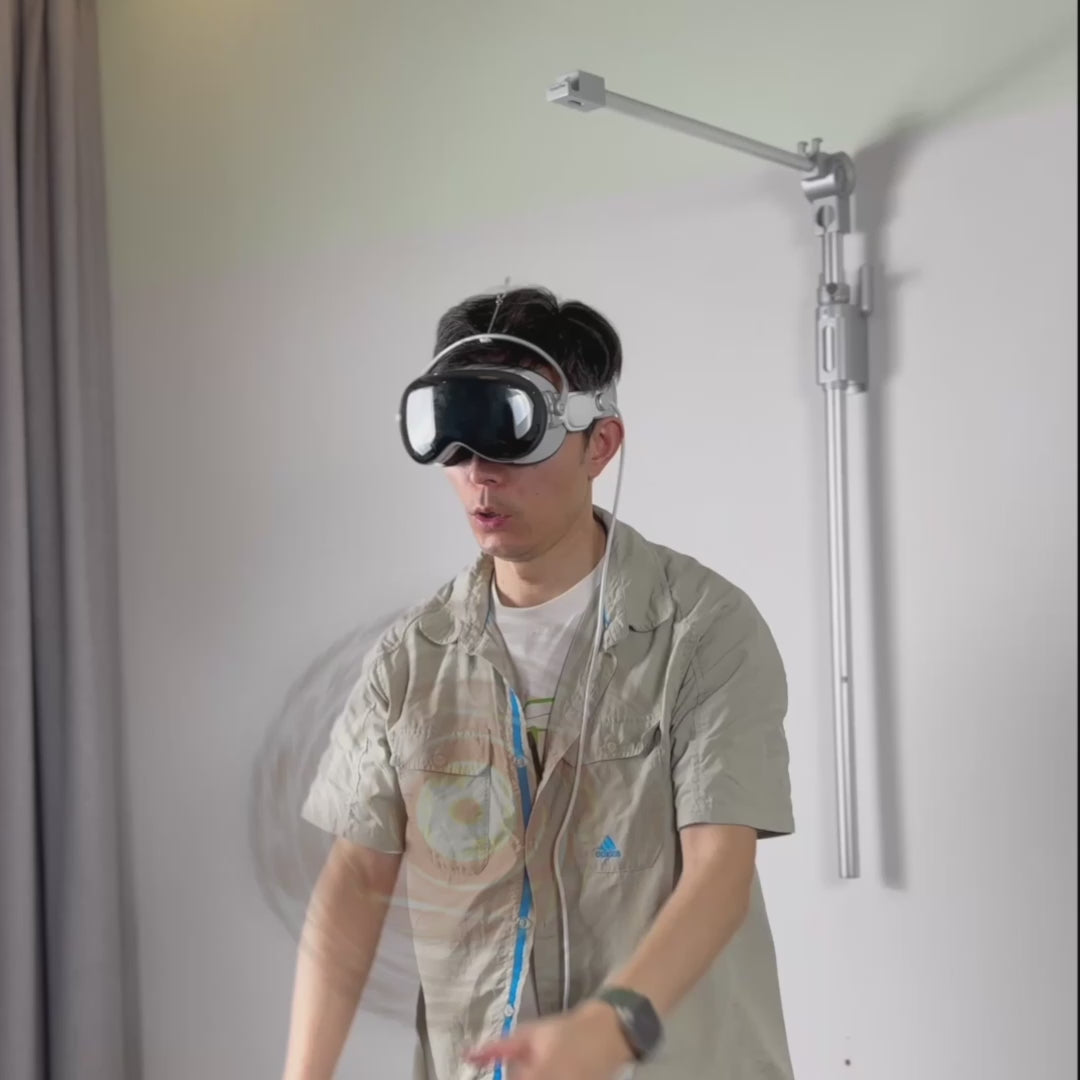
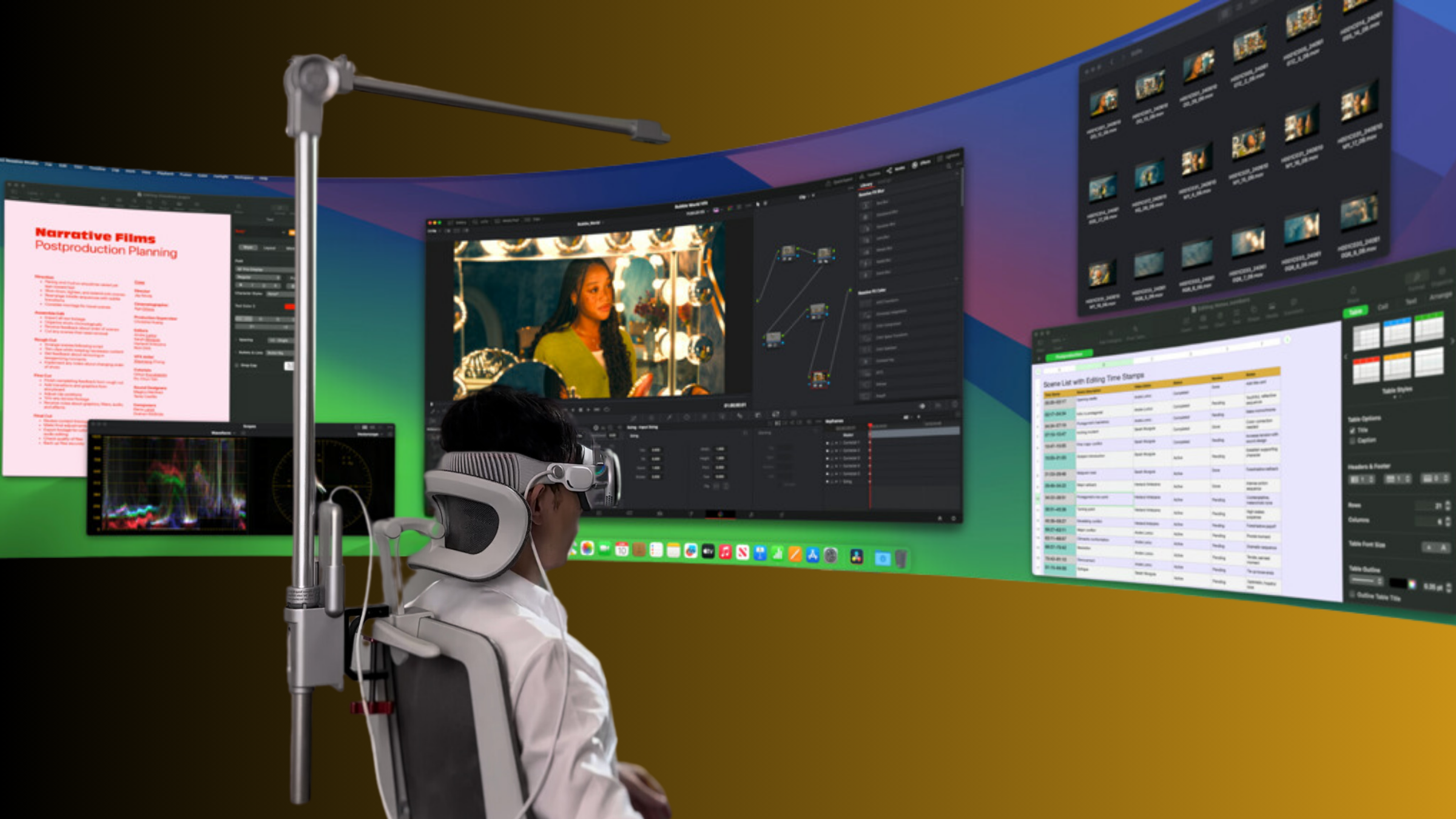
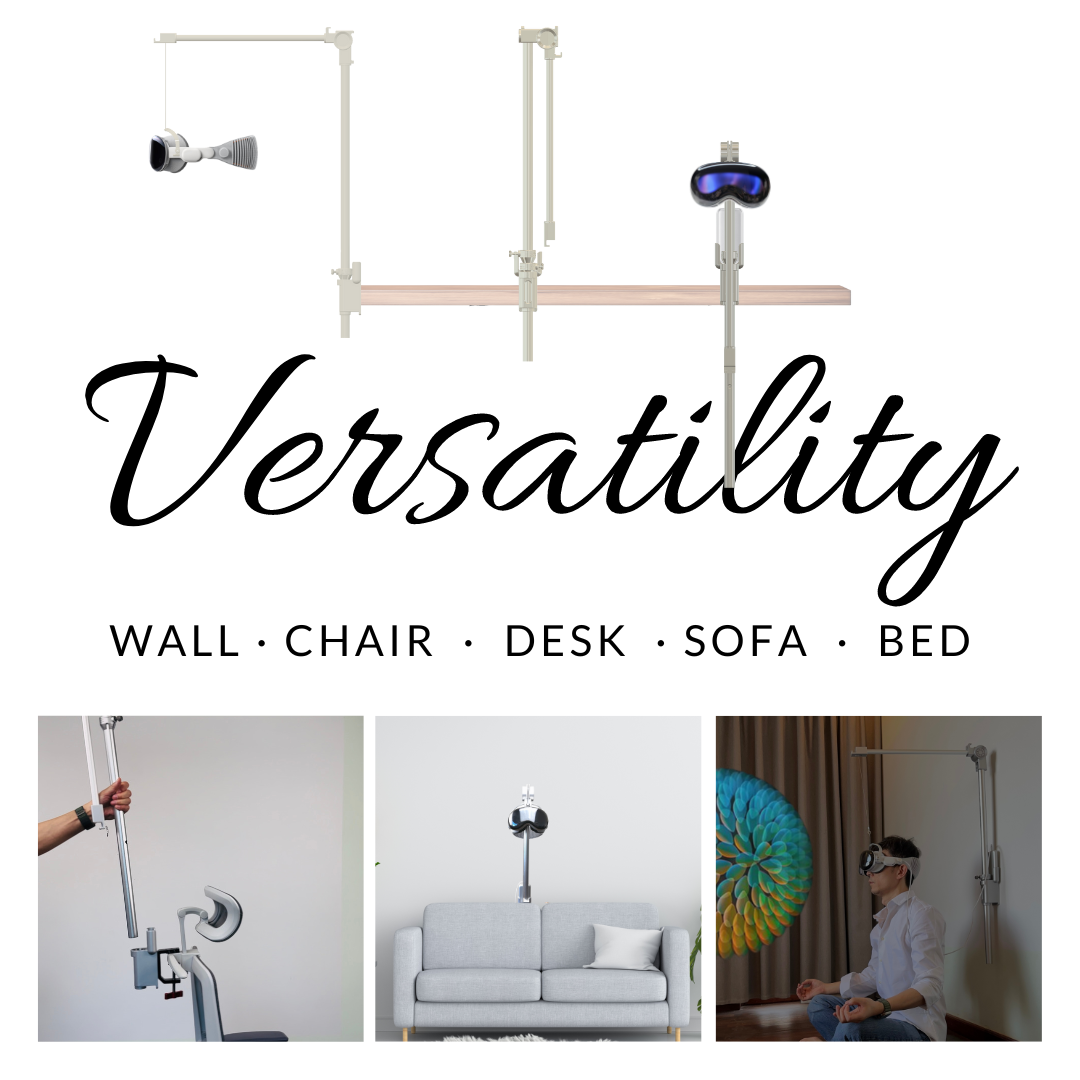
Practical tips that often make the biggest difference include alternating pad positions every 30–60 minutes, slightly loosening and re-tightening straps to change pressure distribution, and using thin breathable sweatbands to manage moisture. If neck strain is the limiting factor, offload weight with support systems: stands like FlitLift GraviPro or similar counterweight solutions transfer load to a stand or harness and can dramatically reduce fatigue.
For balanced wear, ensure the strap and crown padding share the load. Many Vision Pro users get the best endurance by dialing in a firmer crown pad and slightly softer facepad—this shifts weight onto the skull rather than the face. Finally, schedule micro-breaks in long sessions: even a 60–90 second pause to remove the headset and massage hot spots lets circulation return and keeps pressure from building. Over time, a small set of adjustments—material choice, slight thickness tweaks, and scheduled breaks—delivers the most reliable all-day comfort.
If you’re ready to act: measure your faceplate and session length, pick a material profile (ventilated medium-density foam for long sweaty sessions; gel-silicone for sensitive skin), and choose a supplier with clear return policies so you can test fit without risk.

Share:
Odor control for Quest 2 straps: deodorizing, sanitizing, and freshening tips
Tailoring comfort strap length on the Quest: avoid pressure and wobble