


How to Air‑Dry and Store Your Quest 2 Comfort Strap: A Safe, Practical Protocol to Prevent Moisture Damage and Odor
Cleaning your Quest 2 comfort strap is a small act of care that pays off in comfort and hygiene—but how you dry and store it afterward determines whether that care lasts. A damp strap trapped in a drawer becomes a source of musty odor, mildew, and material breakdown; dried and stored correctly, the same strap can stay flexible, supportive, and odor‑free for months. ⏱️ 10-min read
This guide walks you through a practical, step‑by‑step protocol: from the initial blot after cleaning, to the ideal room conditions, what to avoid, material‑specific tips, the role of desiccants, inspection checks, and safe long‑term storage habits. I’ll include concrete examples, timing guidance, and troubleshooting so you can reinstall your Quest 2 strap with confidence and preserve its fit and lifespan.
Post‑cleaning air‑drying basics
The first minutes after cleaning set the tone for the entire drying process. Start by removing excess water with a clean microfiber cloth: press gently from the center of any padded area outward toward the edges to encourage moisture to migrate away from seams and internal cavities. Blot—don't rub—so you lift dampness without working water deeper into foam or fabric. If you used a light soap or approved cleaner, a short spot‑rinse followed by blotting helps remove residue that can trap odors.
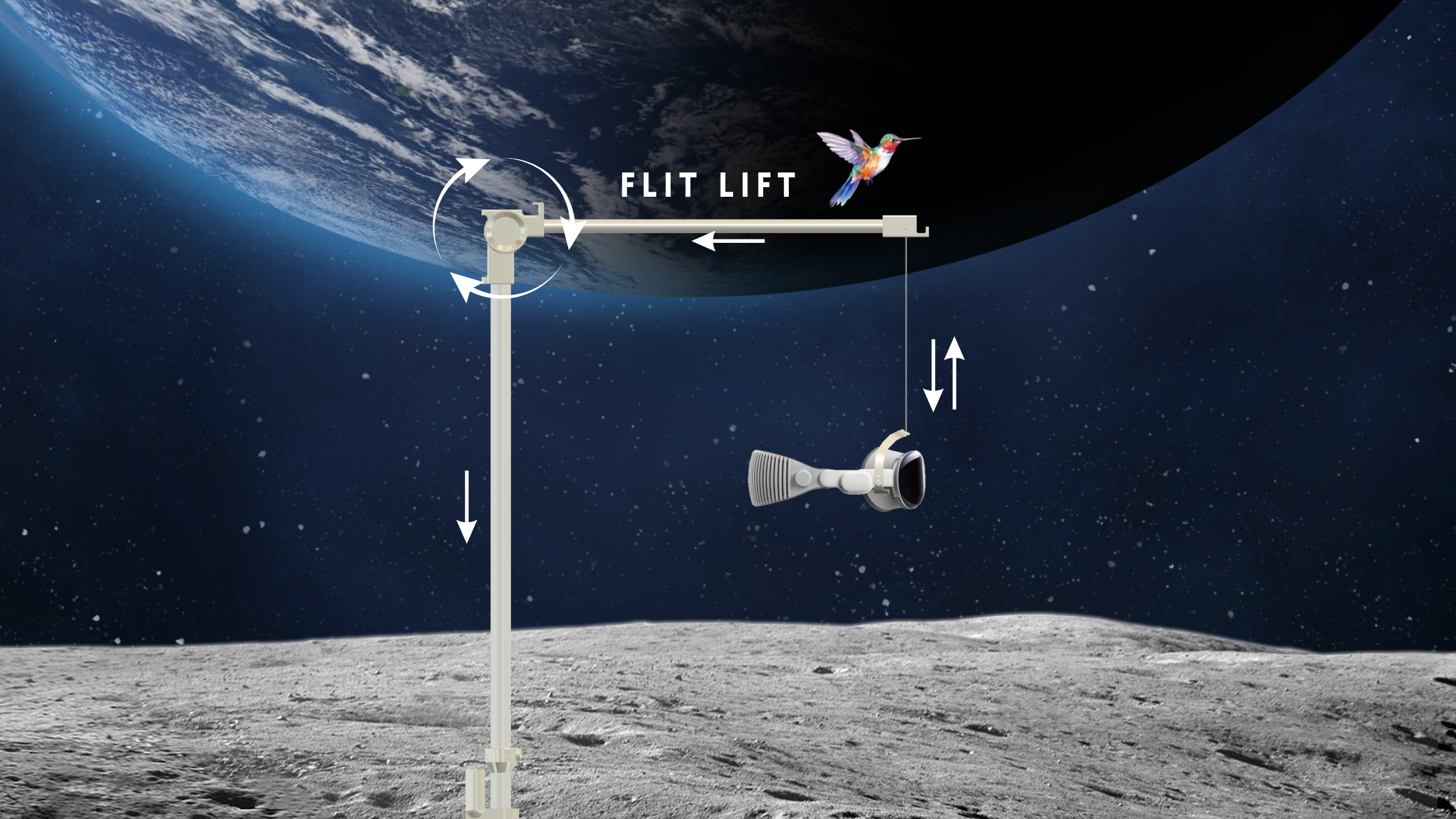
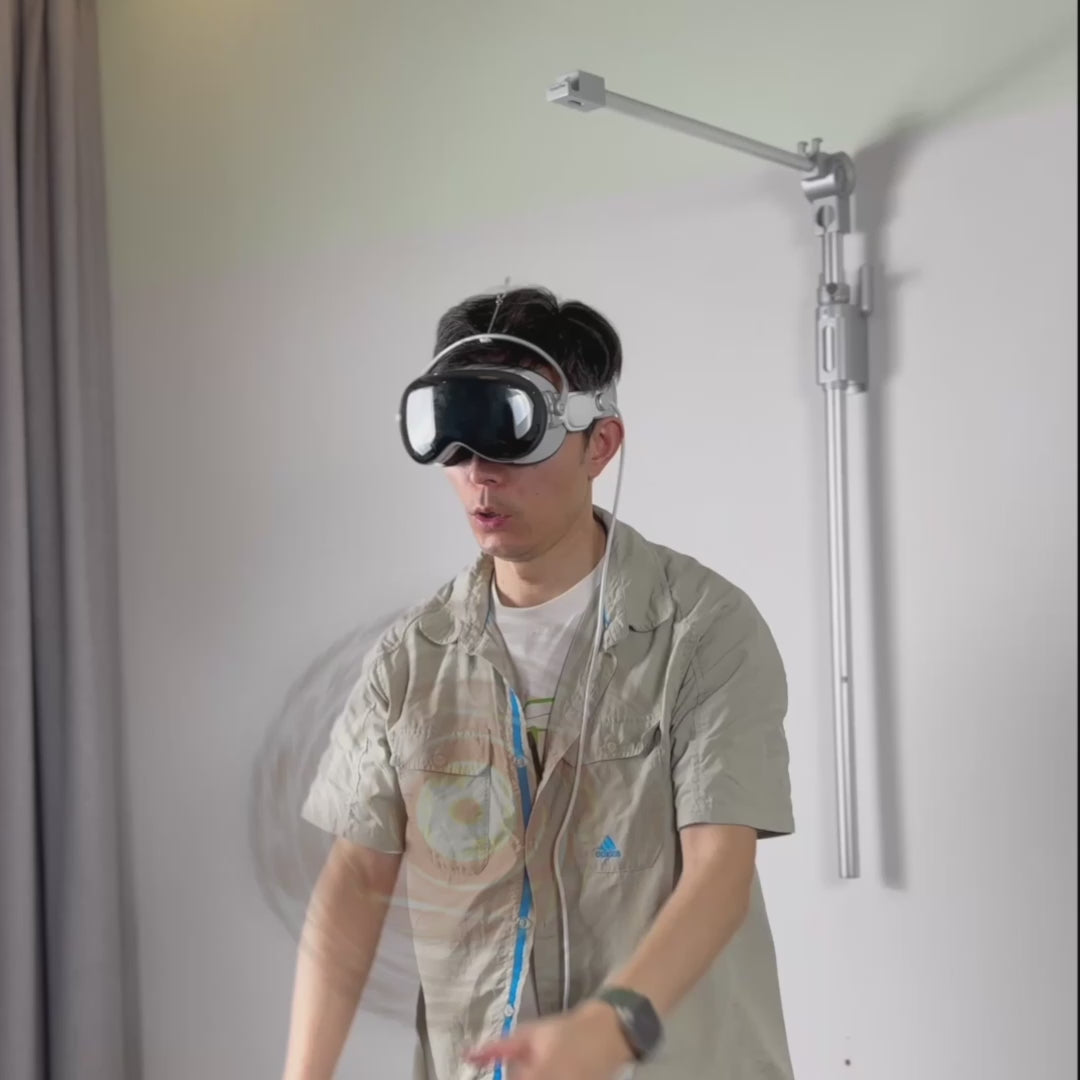
Next, arrange the strap so air can reach both sides. Lay it flat on a dry towel with the skin‑contact surfaces exposed, or use a small rack or lightweight stand to lift it off the surface. Elevating the strap on a stand—examples include third‑party VR stands such as the FlitLift GraviPro—prevents creases and allows airflow under padding. In typical indoor conditions expect somewhere between 12 and 24 hours for the strap to dry to touch; busy foam cores and layered cushions will skew toward the longer end.
Resist the urge to handle or reinstall the strap until it’s fully dry. Even if the outside feels dry after a few hours, hidden seams or foam channels can retain moisture that invites mildew. A simple rhythm—blot, arrange for even airflow, and give it at least 12 hours in a ventilated room—avoids most problems while preserving the strap’s shape and elasticity.
Optimal drying environment
Drying is primarily physics: water evaporates faster when the surrounding air is warm, dry, and moving. Aim for a stable room temperature roughly between 65°F and 72°F (18–22°C). That range prevents materials from becoming too stiff (colder conditions) or drying unevenly and stressfully (excess heat). Keep the strap in a shaded room—bright light and window glass can concentrate heat and cause localized fading or mild warping over time.
Relative humidity matters as much as temperature. Ideally, indoor humidity should be low to moderate; if your home often sits above 60% relative humidity—common in coastal or rainy climates—use a dehumidifier or run air conditioning on a dry setting while the strap dries. Even a small desk dehumidifier or the dryer’s exhaust cycle (vented outdoors) can help lower local humidity and speed evaporation.
Airflow should be gentle and even. A low‑speed fan positioned a few feet away is effective: it speeds moisture removal without blasting the strap, which can deposit dust or create folds. Use a clean, dust‑free surface and good lighting so you can spot damp patches or staining. Finally, keep the drying area uncluttered—avoid laying the strap on surfaces that shed fibers, such as fleece blankets or carpet.
What not to do during drying
Many well‑meaning shortcuts cause more harm than good. Never use hair dryers, space heaters, radiators, or heat guns to accelerate drying. Heat concentrates in small areas, which can warp plastic adjusters, weaken elastic, or cause foam and neoprene trims to harden or crack. Similarly, direct sunlight may seem efficient but exposes materials to UV and hot spots, leading to fading and brittleness that shorten the strap’s useful life.
Do not wring, twist, or aggressively compress the strap. Squeezing hot or cold will force water deeper into foam cells and seams and can misalign stitching or deform foam shapes. Folding a damp strap and tucking it in a drawer is another common mistake: folded, wet fabric traps moisture and creates creases that may never fully relax, inviting mildew and a persistent musty smell.
Avoid using solvents, harsh cleaners, or products not specified for the materials while the strap is damp. Solvents can penetrate fabric and cause discoloration or reduce elasticity when moisture is present. If a stubborn spot remains after the initial cleaning, repeat the mild soap + blotting routine rather than switching to strong chemicals. Lastly, don’t store any strap component until you are certain it is 100% dry—storing damp is the single most avoidable path to odor and deterioration.
Material‑specific drying considerations for the Quest 2 comfort strap
The Quest 2 comfort strap assembles diverse materials—foam pads, fabric covers, elastic, neoprene or faux‑leather accents, and plastic connectors—each with unique moisture behavior. Foam padding is especially prone to trapping water: open‑cell foams soak up and release moisture slowly. After blotting, set the strap so foam faces upward or is exposed to airflow; avoid pressing on foam to wring water out, which tends to force moisture further inside.
Fabric covers dry faster than internal foam, so verify both layers. You may notice the outer fabric feels dry while padding remains cool to the touch—this is a sign to continue drying. If the strap has removable covers or cushions, take them off and dry components separately. Removable covers can be set flat to dry faster; foam cushions should be elevated and turned periodically to encourage even evaporation.
If your strap includes leather or faux‑leather details, treat them gently: do not saturate these areas during cleaning, and avoid prolonged moisture exposure. Leather can become stiff or crack if left wet and then dried too quickly in heat. After the strap is fully dry, you can apply a light conditioner to genuine leather elements (follow manufacturer guidance) to preserve suppleness. Neoprene trims also deserve caution—neoprene can dry unevenly and retain a rubbery odor if not aired thoroughly.
Desiccants and storage options
Desiccants are a valuable second line of defense once the strap is dry. Small silica gel packets (commonly 1–5 grams) or calcium chloride pouches absorb ambient moisture and help prevent humidity rebounds in storage. Place packets near but not directly touching the fabric—use a small mesh bag or tuck packets into a corner of a breathable storage pouch. Replace or recharge desiccants seasonally or when they feel hard and discolored; many silica packets will show color indicators when saturated.
Choose breathable storage over airtight plastic. Cotton, linen, canvas pouches, or fine mesh bags allow residual moisture to escape and permit air exchange, reducing the risk of trapped humidity. If you must use a hard container for travel, line it with a breathable cloth and include fresh desiccant packets; leave the container slightly ajar when at home to allow air circulation. For long trips, a ventilated hard case with desiccants is a reasonable compromise—just avoid sealing a slightly damp strap inside.
Store in a cool, dry spot with moderate airflow—closet shelves away from heat sources, an open electronics cabinet, or a drawer that isn’t tightly packed. Avoid basements, garages, or attics where temperature and humidity fluctuate. If you live in a humid climate, keep a couple of extra desiccant packets in the storage area and check them monthly. In my experience, combining breathable storage with one or two fresh silica packets prevents musty odors for months even in less‑than‑ideal conditions.
Inspection before storage
Before you put the strap away, run a targeted inspection to catch any lingering damp spots, damage, or early signs of mold. Use the pad of your fingers to press light areas: interiors of padding, under seams, and around adjusters. Check for coolness, slight stickiness, or a musty scent—these are reliable indicators that moisture remains. If you find anything other than a completely dry, neutral smell, return the strap to a ventilated drying area.
Examine stitching, foam edges, and connectors for small problems that can worsen in storage. Look for frayed threads, seam gaps, or delamination of cushion edges; a tiny seam gap can trap moisture and become a mildew nidus. Clip or buckle hardware should move freely—stiff or corroded plastics sometimes indicate repeated exposure to moisture and should be cleaned and dried thoroughly before storage.
If you detect a faint odor that doesn’t come from visible dampness, re‑dry and then target the aroma—wipe with a barely damp microfiber cloth containing a mild soap solution, rinse by blotting, and dry again. For persistent odors after drying, place the strap in a breathable bag with fresh silica gel for several days; often the desiccant will pull enough humidity to reduce smell. If mildew is present (visible spots or a strong sour odor), treat the area with a manufacturer‑approved cleaner and repeat the drying protocol before storing.
Safe long‑term storage and maintenance
Long‑term care is simple when approached with routine. After confirming complete dryness, store the strap in a breathable protective pouch in a cool (roughly 60–75°F / 15–24°C), low‑humidity spot. Avoid stacking heavy items on top; keep it loosely coiled or laid flat so elastic and foam retain their shape. If you own multiple straps, rotate their use: giving each strap a break reduces cumulative wear and lets you clean and dry one while using another.
Set a calendar reminder to inspect stored straps monthly. The check should be quick—open the pouch, sniff for mustiness, feel key seams and pads, and replace desiccants if they appear saturated. In many climates this monthly habit prevents small problems from becoming costly repairs or replacements. If you find stickiness or residue, re‑clean with mild soap, blot, and follow the drying routine again.
For occasional conditioning—relevant primarily to genuine leather accents—apply a small amount of leather conditioner only when the strap is completely dry, and test on an inconspicuous area first. For synthetic trims, avoid oils or conditioners that attract dust. Finally, when preparing to use the strap after storage, perform a brief pre‑use check: ensure connectors fasten smoothly, the strap is odor‑free, and padding feels uncompressed. A minute of inspection keeps your VR sessions comfortable and hygienic.
Step‑by‑step drying routine and real‑world outcomes
Follow this stepwise routine after any cleaning session to minimize guesswork and get consistent results:
- Blot: Use a clean microfiber cloth to press out visible moisture—center to edge—without rubbing.
- Separate: If covers or cushions are removable, take them off and dry separately on different racks or towels.
- Arrange: Lay the strap flat on a dry towel or elevate on a small stand so both sides receive airflow.
- Airflow: Use a low‑speed fan positioned 2–4 feet away; turn the strap every 30–60 minutes to expose all surfaces.
- Wait: Allow at least 12 hours; expect up to 24 hours for dense foam or multiple layers. In humid climates, plan for longer and use desiccants or a dehumidifier.
- Inspect: Feel seams, under padding, and fasteners; sniff for mustiness. If any dampness remains, repeat drying steps.
- Store: Place in a breathable bag with fresh silica gel packets and store in a cool, ventilated space.
Real cases illustrate how environment and method affect outcomes. In a dry, ventilated room with a small fan circulating air, a strap with standard foam pads dried evenly in 18–24 hours with no odor and no change in shape. When that same strap was stored in a breathable bag with a 3g silica packet for two months, it reopened smelling neutral and showing no mildew—an inexpensive desiccant controlled seasonal humidity. By contrast, a strap left on a sunny windowsill developed a slight color fade and areas of stiffened trim; it required extra gentle cleaning and re‑drying away from sun to restore suppleness. These outcomes underline the broader lesson: steady, moderate drying conditions beat quick, intense methods every time.
If you encounter problems—persistent odor, visible mold, or badly warped components—address them promptly. Mild surface mold can sometimes be treated with a diluted vinegar wipe (50/50 with water) on non‑sensitive areas, followed by thorough blotting and air‑drying; test first on a hidden patch. For severe damage, contact the manufacturer for replacement parts or a professional repair; continuing to use a compromised strap risks irritation and accelerated wear.
Next step: after your next cleaning, follow this checklist and set a calendar reminder to inspect the strap within a month. Small, consistent actions keep your Quest 2 comfort strap comfortable, odor‑free, and ready for many more gaming sessions.





Share:
Mitigating tracking and comfort issues when adding external batteries to Quest 2
Third-Party Meta Quest Straps: Durability, Comfort, and Value Compared