


Lightweight VR vs Bulkier Sets: Choosing Comfort for Extended Training Sessions
When you plan to spend hours—sometimes days—training in virtual reality, the headset stops being a toy and becomes a tool. The right balance of weight, fit, and optical comfort keeps your attention in the simulation instead of on neck strain, fogging lenses, or slipping straps. This guide walks Quest 2 users and VR trainees through practical trade-offs between lighter headsets and more powerful, bulkier rigs, and it gives concrete steps to make vr-comfort/glasses-friendly-quest-two-comfort-padding-and-fit-tips" rel="nofollow noopener noreferrer">long sessions sustainable. ⏱️ 11-min read
You'll get clear checks for weight and center of gravity, a down-to-earth comparison of Quest 2 strap options (official and third-party), a step-by-step install walkthrough, and setup tips that reduce fatigue. Throughout, I’ll show when lighter is better, when heavier is justified, and which accessories actually do the work rather than just adding more mass.
Weight and Balance: How headset weight and center of gravity affect comfort in long sessions
Raw weight is a useful headline, but comfort over long sessions lives in the center of gravity (CG) and how that mass is distributed across your head. Imagine holding a bowling ball at arm’s length vs. cradling it close to your chest—the further from your pivot points (neck and forehead), the faster you fatigue. The same is true in VR: a light front-heavy headset can feel worse than a slightly heavier, well-balanced one.
Practical checks you can do in minutes: put on the headset with the standard strap, then repeat with a top-and-rear strap (or an Elite-style strap). Pay attention to perceived heaviness after one minute, five minutes, and ten minutes. If you notice your chin or neck tensing to keep the headset aligned, the CG is too far forward. Counterweights, rear battery packs, or a halo-style strap that transfers load to the crown will help—provided they shift the balance rather than simply adding mass.
Also consider motion: dynamic drills amplify balance issues. In agility or instructor-led movement training, a front-heavy unit exaggerates oscillations and head bounce, which in turn increases visual blur and cognitive load. In short: prioritize balance even if it means accepting a few extra ounces. A headset that feels "neutral" on the head will consistently outperform a marginally lighter one that constantly makes you compensate.
Quest 2 Comfort Straps: Elite Strap, Standard, and Third-Party Options
For Quest 2 users, strap choice is the easiest and most effective comfort upgrade. The stock fabric strap is lightweight and compact, but it places most load across your cheeks and nose. The official Elite Strap introduces a stiff rear band and improved top strap to pull force toward the crown, trimming facial pressure and increasing stability—but it also adds noticeable weight.
Third-party options expand the trade-off menu. Halo-style straps or halo-plus-backplate designs (often with integrated batteries) distribute weight across a wider surface, reducing hotspots on cheeks and noses and increasing stability during active sessions. Many third-party straps use wider, padded materials—neoprene or breathable woven fabric—that wick moisture better than the stock cloth. The key decision: does the strap shift the headset’s CG rearward? If a strap only adds padding without rebalancing, you may trade cheek comfort for more lag and neck strain.
When evaluating straps, check these specifics: mount compatibility (does it use original mounting points or a bracket?), ease of install, and whether it creates a pressure hotspot at the crown. Also test with any battery pack you plan to use; a strap designed to accept a rear battery is often better than strapping a pack onto a band that wasn’t made for it. Finally, consider how the added weight impacts portability—if you train on the go, a heavy Elite Strap plus battery may defeat the purpose of a lightweight headset.
Fitting for All-Day Comfort: Padding, Adjustability, and Glasses Fit
All-day comfort starts with even pressure distribution and breathable materials. Top-crown padding matters at least as much as cheek and forehead cushions; a large rear pad that cradles the occiput will relieve pressure from temples and nose. Look for open-cell foam with a moisture-wicking cover or medical-grade silicone inserts if you have sensitive skin. These materials reduce skin red marks and the clammy feeling that builds up after an hour.
Adjustability is about making many small compromises rather than one big fix. Set the top strap so the headset’s weight rests on the crown, not the face. Tighten the rear band to stabilize rotational movement but stop before it digs in—stability is useful, but not at the cost of a headache. If you wear glasses, use a spacer or a glasses-friendly facial interface: a wider facial foam or a thinner silicone profile preserves IPD alignment and prevents lens contact. For prescription lenses, test with your lenses installed and perform short-focus tasks (read small text in a virtual HUD) to verify clarity.
Long hair, hats, and protective headgear complicate fit. For long hair, route straps to avoid catching or compressing a bun; many third-party straps include a slit or channel for ponytails. For thermal comfort, choose perforated or mesh fabrics and consider swapping face cushions mid-session—many trainers keep a fresh, cool cushion in a holder to swap after 60–90 minutes. The objective: maintain stability, avoid hotspots, and ensure the headset remains aligned without constant fiddling.
Step-by-Step Install Guide: Quest 2 Comfort Straps for Beginners
Installing a Quest 2 aftermarket strap doesn’t need to be a workshop task. Follow these clear steps to swap straps cleanly and test for fit. Keep the new strap and any included screws or brackets nearby, and work on a soft surface to avoid scratching lenses or panels.
- Power down the headset and remove the facial interface or foam if your strap’s instructions recommend it. This reduces stress on the mounts.
- Release the side arms of the standard strap. On first-gen-style mounts, gently pivot the plastic clips; on newer versions, press the release tabs. Keep hardware in a small container.
- Align the new strap’s mounts with the headset’s anchor points. If you have a bracket, fit the bracket first and tighten the screws finger-tight—don’t fully torque yet.
- Place the headset on your head and make initial adjustments: set the top strap so the headset sits level and the rear band rests near the occiput. Tighten side adjustments for lateral stability but avoid overtightening.
- If the strap includes a rear battery clip or counterweight, attach it and re-check balance. The goal is to shift perceived weight off the face without making the rear feel heavy enough to pull your head back.
- Test in several positions: look up, look down, and perform a few head turns. Re-tighten mounting screws if you detect any flex or shifting. Wear the headset for 10–20 minutes to expose any hot spots.
- Finally, if you wear glasses, confirm there’s no lens contact. If there is, add a glasses spacer or select a thinner facial interface.
Small adjustments after a real practice set are normal; expect to fine-tune tension and pad placement over the first week of use. Keep a checklist (mount tightness, rear pad position, battery slot secured) to avoid repeating the same mistakes.
Compatibility and Cross-Platform Considerations: Vision Pro vs Quest 2 and Third-Party Accessories
Cross-platform accessory compatibility is tempting: why not use a high-end Vision Pro strap on a Quest 2? In practice, these systems are designed with different mounting geometries, weight profiles, and thermal behaviors, so cross-fitting is rarely plug-and-play. Vision Pro accessories focus on premium optics and specific sensor placement; they often lack the mounting points or flexibility to pair safely with other headsets.
For Quest 2, use accessories explicitly listed as compatible. Third-party straps that claim cross-platform use often require adapter plates or custom brackets—these can increase the number of failure points and may void warranties if they require permanent modifications. For enterprise setups, vendors sometimes build custom mounting rigs or use universal halo supports, but those are engineered solutions rather than off-the-shelf swaps.
Another compatibility issue is power and heat. External battery packs designed for Quest 2 account for its thermal envelope and connector types; pairing a battery intended for a different headset can change weight distribution and airflow. Finally, sensor and tracking arrays matter: adding bulky third-party contraptions near tracking cameras can introduce occlusion and reduce tracking fidelity. When in doubt, prioritize accessories built for your headset and consult the manufacturer’s guidance if you plan cross-platform experimentation.
Beyond the Scale: How material and design impact wearability
Comfort isn’t decided only by grams on a spec sheet. Materials and design choices—padding density, fabric breathability, ventilation paths, and even edge finishing—shape how a headset feels after an hour of continuous use. A well-designed foam with moisture-wicking covers can prevent the clammy skin and irritation that turns a comfortable headset into a distractor.
Key material considerations include cushioning type (open-cell foam vs closed-cell foam), cover fabric (perforated mesh, microfiber, or PU leather), and hypoallergenic properties. Open-cell foams breathe better and conform to facial contours, but they can compress faster; medical-grade silicone liners resist irritation and are easier to clean, useful in shared training environments. Strap materials affect pressure distribution: wider neoprene or woven straps spread load, while narrow rigid bands transfer force into smaller contact areas.
Design details also matter: flared facial interfaces can increase FOV but may change how weight presses on cheeks; ventilation channels reduce fog and heat but might compromise noise isolation. When evaluating accessories, consider maintenance—replaceable face cushions and washable covers keep long-term comfort high and infection risk low for multi-user training. In the balance between weight and materials, choose surfaces and padding that sustain comfort over hours even if they add modest bulk.
Ergonomics in Focus: Field of View, IPD, and visual comfort
Ergonomics extend inside the headset: optical alignment and field of view (FOV) affect eye strain and cognitive load just as much as headband pressure. A crisp image with accurate depth cues lets trainees focus on task fidelity; misaligned optics force micro-corrections that accumulate into headaches and drifting attention.
Begin with IPD (interpupillary distance). Many headsets offer a physical slider—set it to your measured IPD (use a pupillometer at an optometrist or measure with a ruler and a mirror). Even a few millimeters off can blur depth cues. Next, check the vertical alignment and tilt; the headset should be level so the image sits centered over your pupils. If the image skews, the brain compensates, increasing strain.
FOV matters because a natural peripheral field reduces the need for constant head movement. But wider FOVs can be taxing if the optics introduce edge blur. Test by switching between content types: a procedural task requiring fine detail benefits from a smaller, sharper FOV, while spatial navigation drills gain from wider peripheral vision. Lastly, adjust brightness and contrast to minimize pupil constriction/dilation swings, and use color-calibrated content when possible. Optical comfort is the silent partner to strap comfort—both must be tuned for genuinely long, productive sessions.
Optimizing Your Setup: Practical steps for enhanced VR comfort
Comfort is often the sum of many small optimizations. A few deliberate changes to your training area and habits will add up to hours more usable, high-quality practice.
- Balance before you begin: attach any rear battery or counterweight and wear the headset for a short baseline test. If you feel a backward tug, move the pack slightly toward the crown or decrease its mass.
- Manage cables and anchors: for tethered systems, route cables over a ceiling pulley or use a light ceiling bungee to remove drag. Even a subtle cable pull increases neck micro-adjustments over time.
- Schedule micro-breaks: for sessions over 45 minutes, take a 3–5 minute standing break each hour. Remove the headset, stretch the neck forward and back, and reset posture.
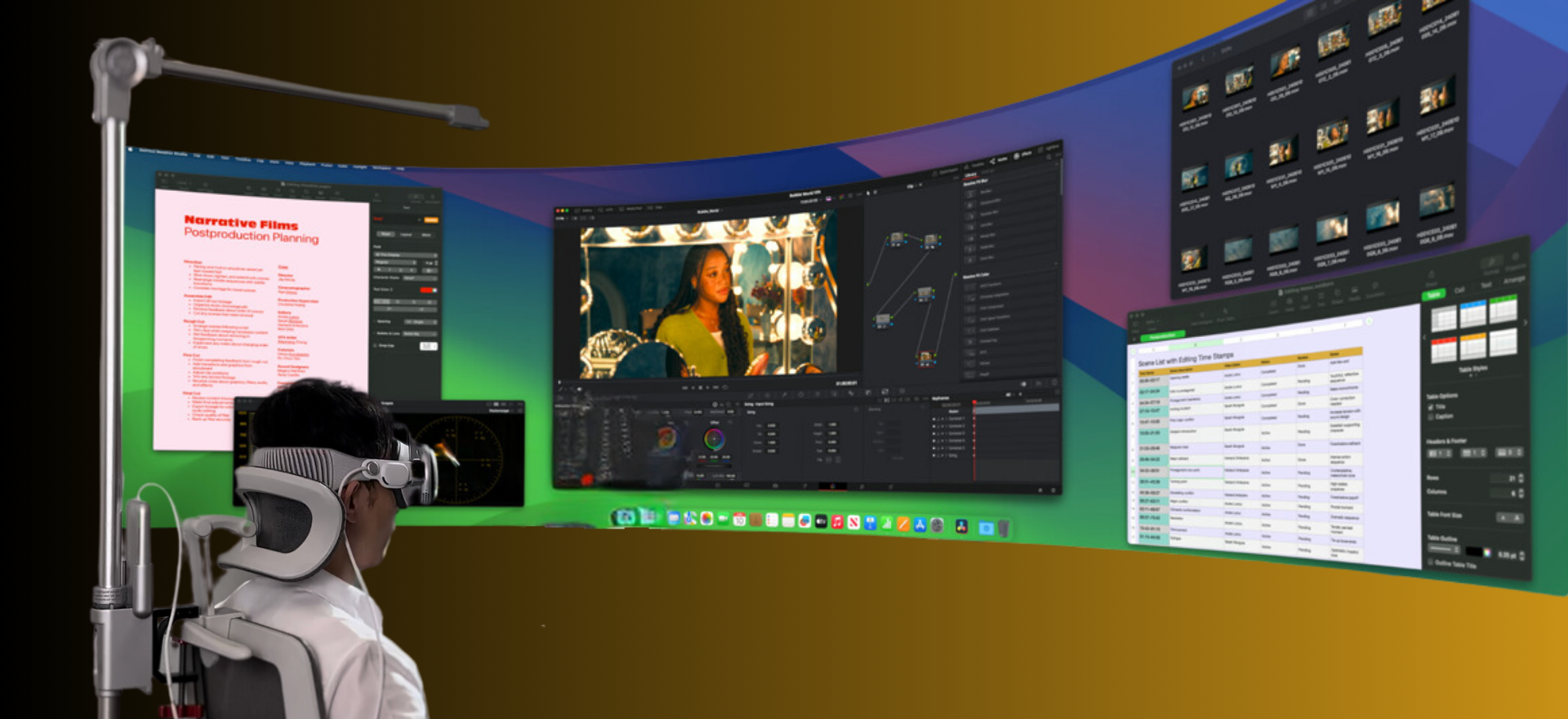
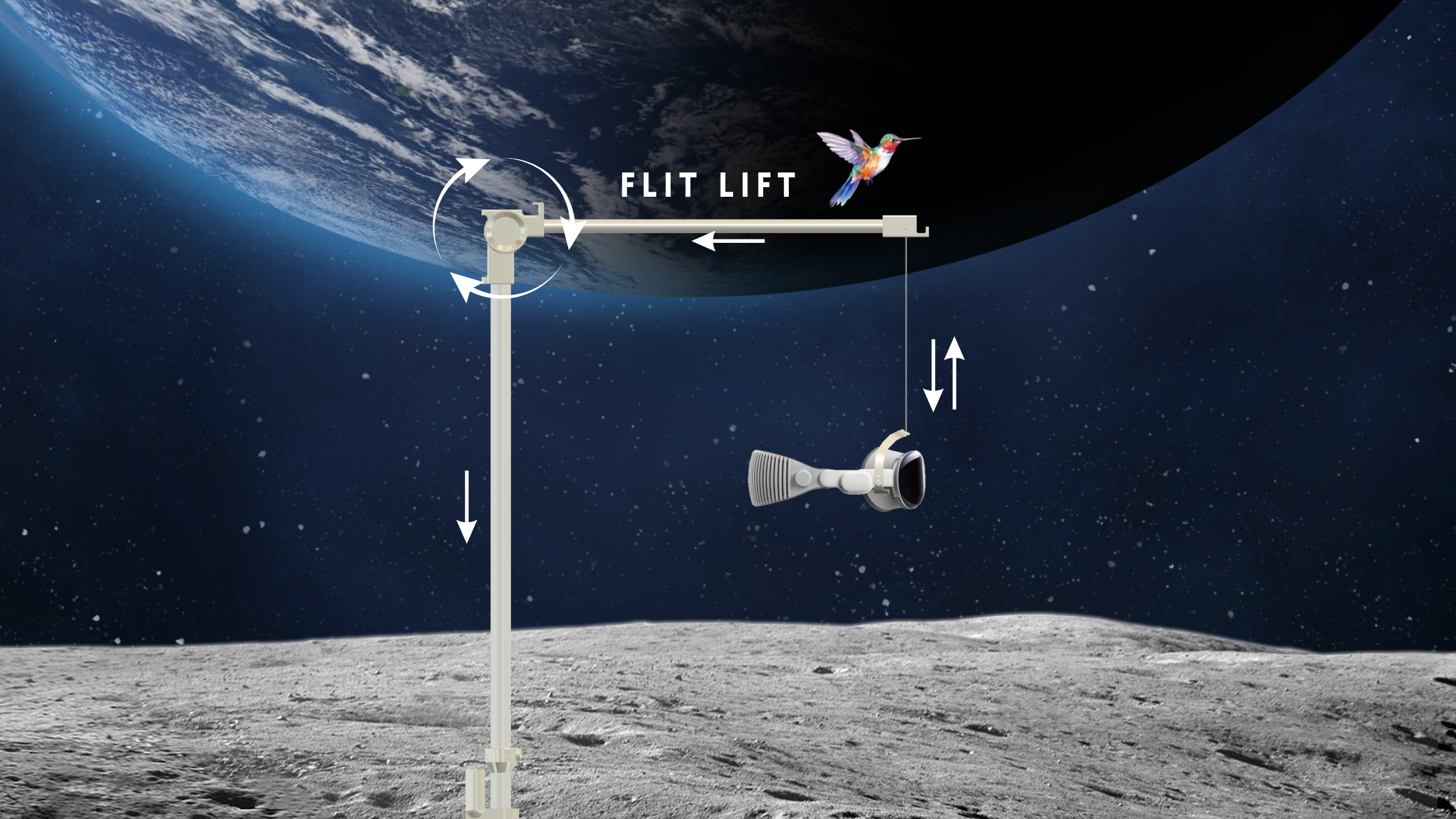
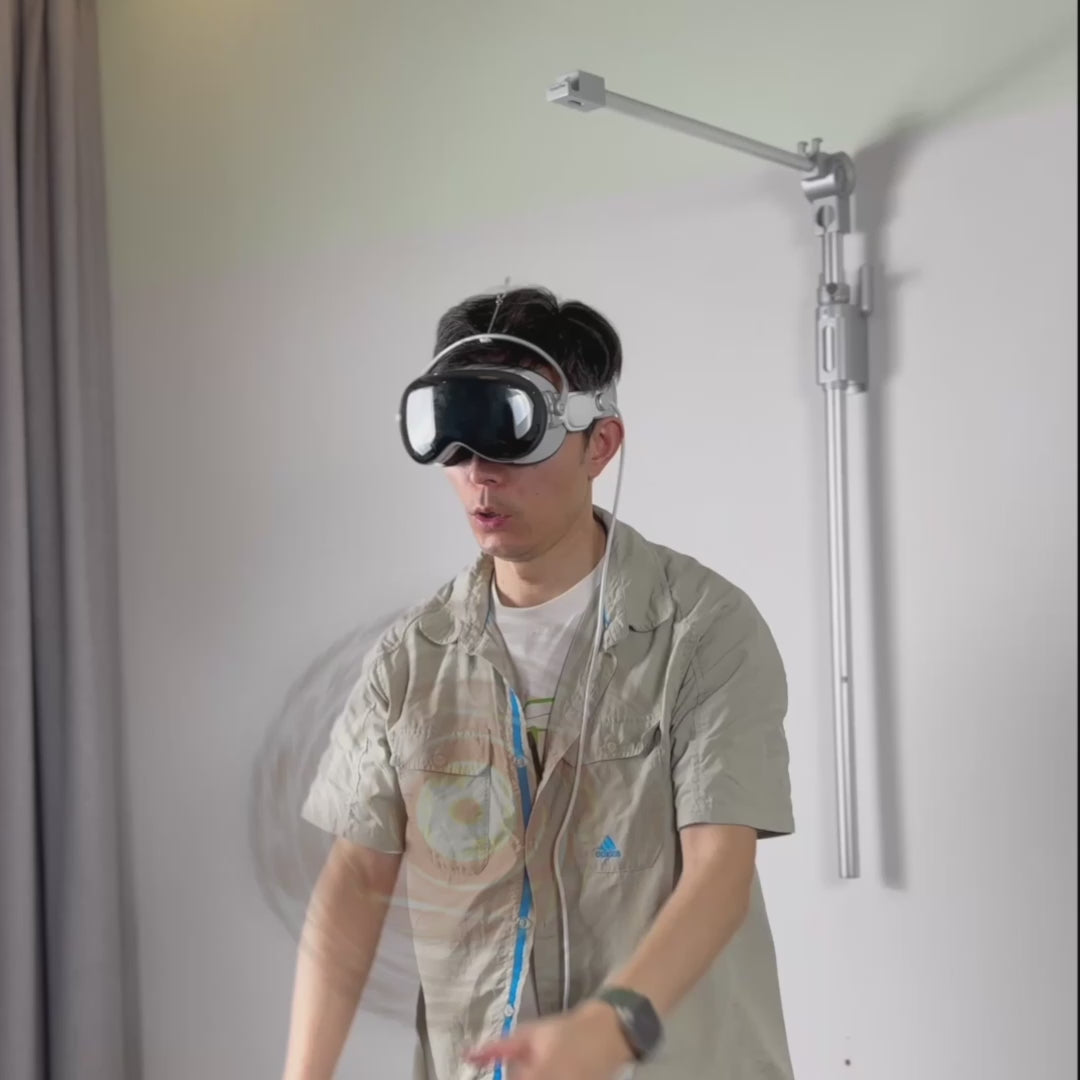
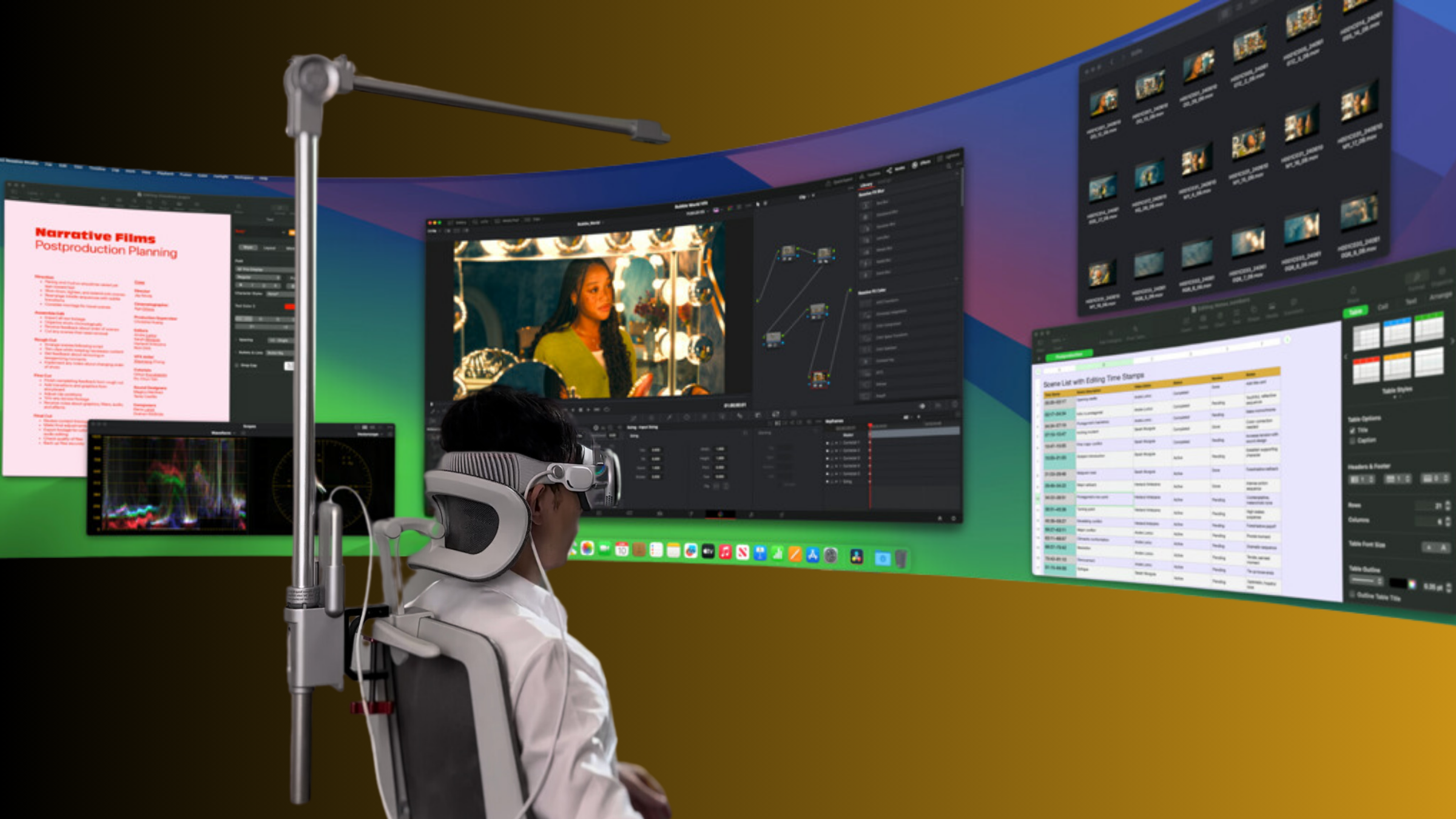
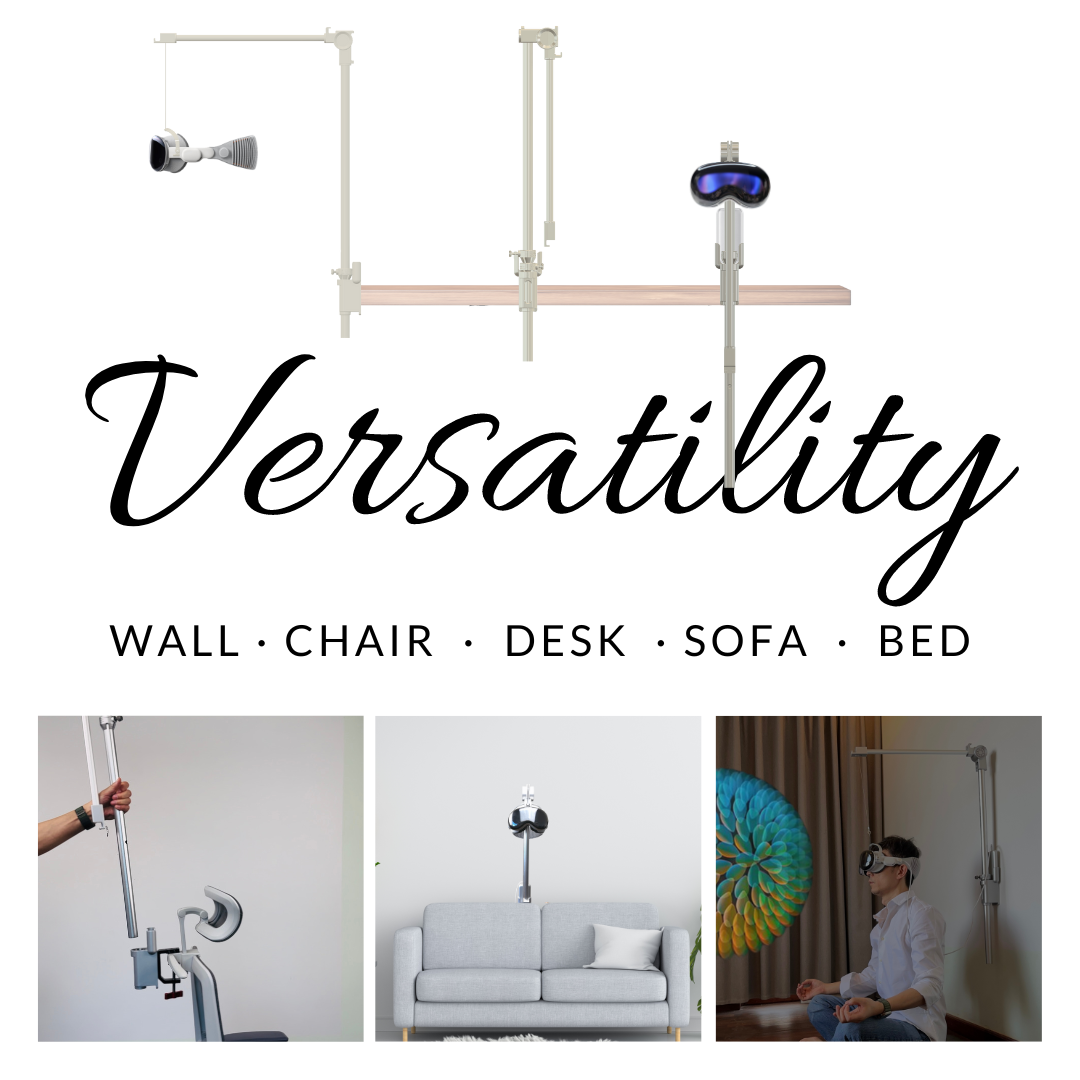
- Use stands and rests: products like lift stands or ergonomic holders let you set the headset down between runs without slamming the face cushion onto surfaces. For Vision Pro owners and similar rigs, a lift stand can simulate a weightless feel during long calibration or review periods.
- Keep spares: swap face cushions mid-session, and have a fresh towel or cooling wipe handy. Skin at the face can heat up quickly; a cool swap can extend comfort by another hour.
Finally, log what you change. Note how long until fatigue, whether hotspots appear, and which drills feel affected by fit. Over time, those data points let you design a setup that's optimized for your training content rather than generic comfort theories.
Training Scenarios: Matching headset type to specific needs
No single headset is ideal for every training scenario. The trick is matching device attributes to training priorities—precision, mobility, or endurance—and designing a workflow that uses each headset where it shines.
Example—surgical simulation: here fidelity and stable hand-eye coordination are paramount. A bulkier headset with higher resolution and superior tracking can deliver the necessary precision. Accept the weight, but compensate with a halo strap and a rear counterweight or a lift stand during observation phases. Break longer hands-on drills into shorter, focused blocks to manage fatigue.
Example—fitness or movement training: endurance and freedom of motion are primary. Lightweight headsets with low front profile and high ventilation are better. Invest in a stable halo strap that secures movement without clamping the face. Prioritize devices with good inside-out tracking to avoid tether constraints, and schedule active cooling breaks to manage heat buildup.
Example—team-based tactical training: situational awareness and peripheral cues matter. A balanced headset with wide FOV and reliable tracking wins here

Share:
Choosing the right Quest head strap: halo versus modern alternatives
How to Choose a Glasses-Friendly Oculus Quest 2 Strap: Fit, Balance, and Padding