


Long-Session Comfort: A Practical Guide to Wearing Quest 2 All Day
If you plan to spend hours in VR—whether for gaming, productivity, or workouts—how the Meta Quest 2 sits on your head matters as much as the software you run. Small choices about straps, padding, and balance compound over multi-hour sessions: a tiny pressure point becomes a throbbing hotspot, and an unbalanced headset becomes a neck problem. This guide walks you through the real-world steps and trade-offs that make the Quest 2 comfortable for long sessions. ⏱️ 10-min read
Read on for clear comparisons, step-by-step setup, tuning tips, weight-management strategies, and routines that keep you playing longer with less fatigue. Every section focuses on concrete adjustments you can make today—no vague claims, just practical fixes and examples.
Baseline comfort: weight, balance, and long-session needs
Comfort on the Quest 2 comes down to three practical variables: weight, padding, and fit. The stock Quest 2 headset weighs about 503 g—light compared with many PC VR headsets—but every accessory, pad, or battery you add shifts the center of gravity and increases the muscular work your neck and upper back must do. Over a two- to four-hour session, those extra grams magnify into tension, especially if the load sits forward on your face.
How that weight distributes is the real story. A snug, well-balanced setup transfers much of the load to the crown and rear of the skull, letting the muscles around the neck relax. A front-heavy configuration concentrates force on the nose bridge and cheekbones and makes you subconsciously lean backward to compensate—exactly the posture that leads to fatigue and neck strain.
Padding type and density change both pressure points and airflow. Thin foam hugs tightly and can cause pinching at the nose; thicker memory-foam or replacement pads (e.g., from VR Cover) spread pressure but can trap heat. Decide what matters for your session: active play often favors breathable, low-profile pads; long productivity blocks favor thicker foam that evens pressure. Know the red flags: headaches, numbness, persistent red marks, or slipping fit are signals to stop, adjust, and reset.
Choosing the right Quest 2 comfort strap: Elite Strap vs. alternatives
The strap you pick is the single biggest comfort upgrade you can make. Meta’s Elite Strap (and the Elite Strap with Battery) gives a rigid frame and a rear anchor that stabilizes the display—this reduces wobble and keeps the image centered during movement. For long, mixed-use sessions where display stability matters (like piloting or standing games), that rigidity is a huge win. The battery variant adds playtime but also adds noticeable rear weight, which helps balance the front but increases overall load.
Halo-style and third-party straps (brands such as BoboVR, AMVR, and several halo-oriented designs) take a different approach: they cradle more of the head and distribute load around the crown. That typically lowers face pressure and improves comfort during long static sessions. The trade-off can be bulk and a shifted center of gravity—some users feel a different kind of pressure at the crown.
Aftermarket face pads are a low-cost, big-impact option. Thicker or different-density pads (PU leather, silicone, or memory foam) can eliminate nose hotspots without changing the strap. Quick decision criteria:
- If you move a lot in VR (fitness or beat-type games), prioritize a strap with strong rear anchoring and secure fit—Elite Strap or a well-made halo is ideal.
- If you sit for long sessions (productivity or long gameplay), favor halo-style and thicker face pads to spread pressure.
- If you wear glasses, look for straps and pads that increase internal volume (or include a glasses spacer) to avoid frame contact.
Step-by-step install and initial fit
Start slow. Rushing installation is how you end up with an asymmetric fit that rubs or causes visual misalignment. Here’s a beginner-friendly sequence from unboxing to secure fit:
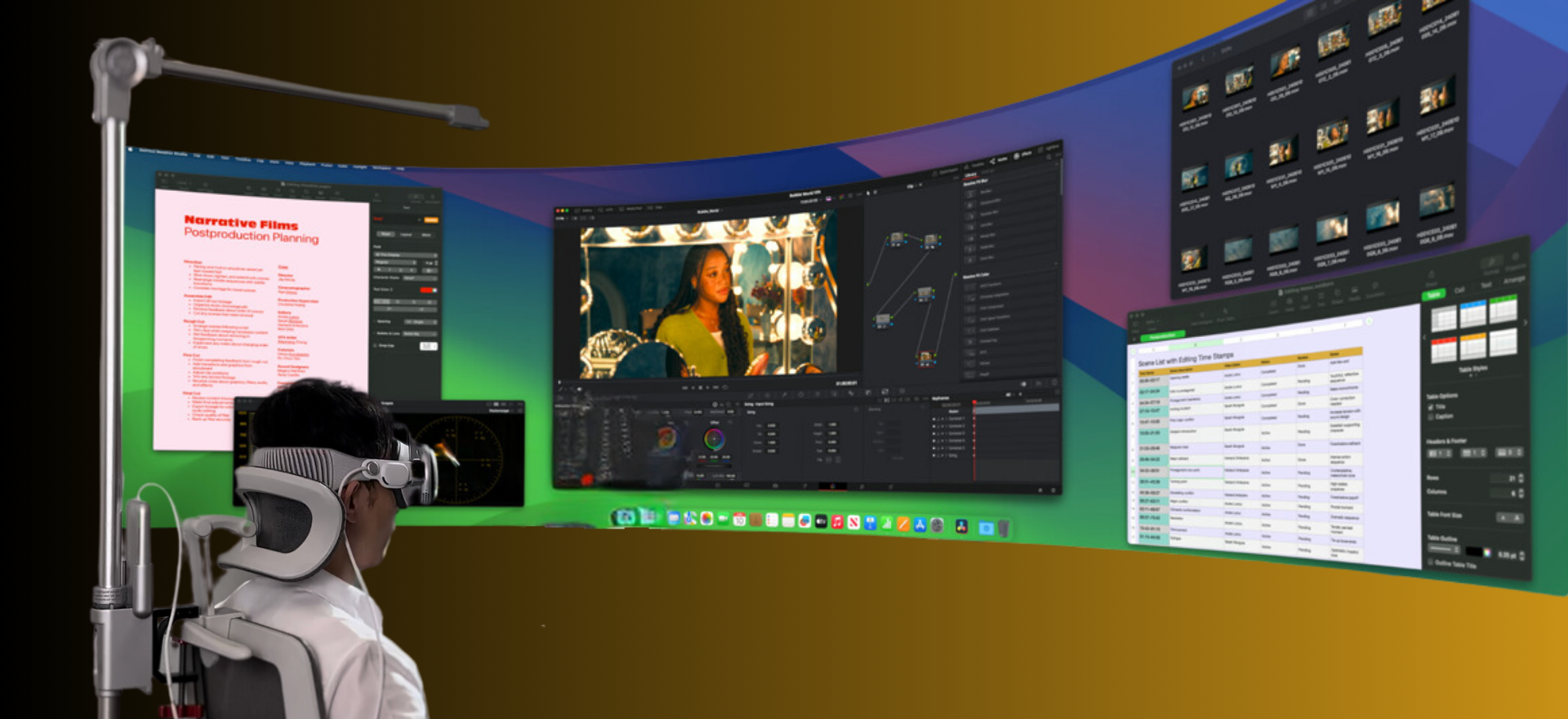
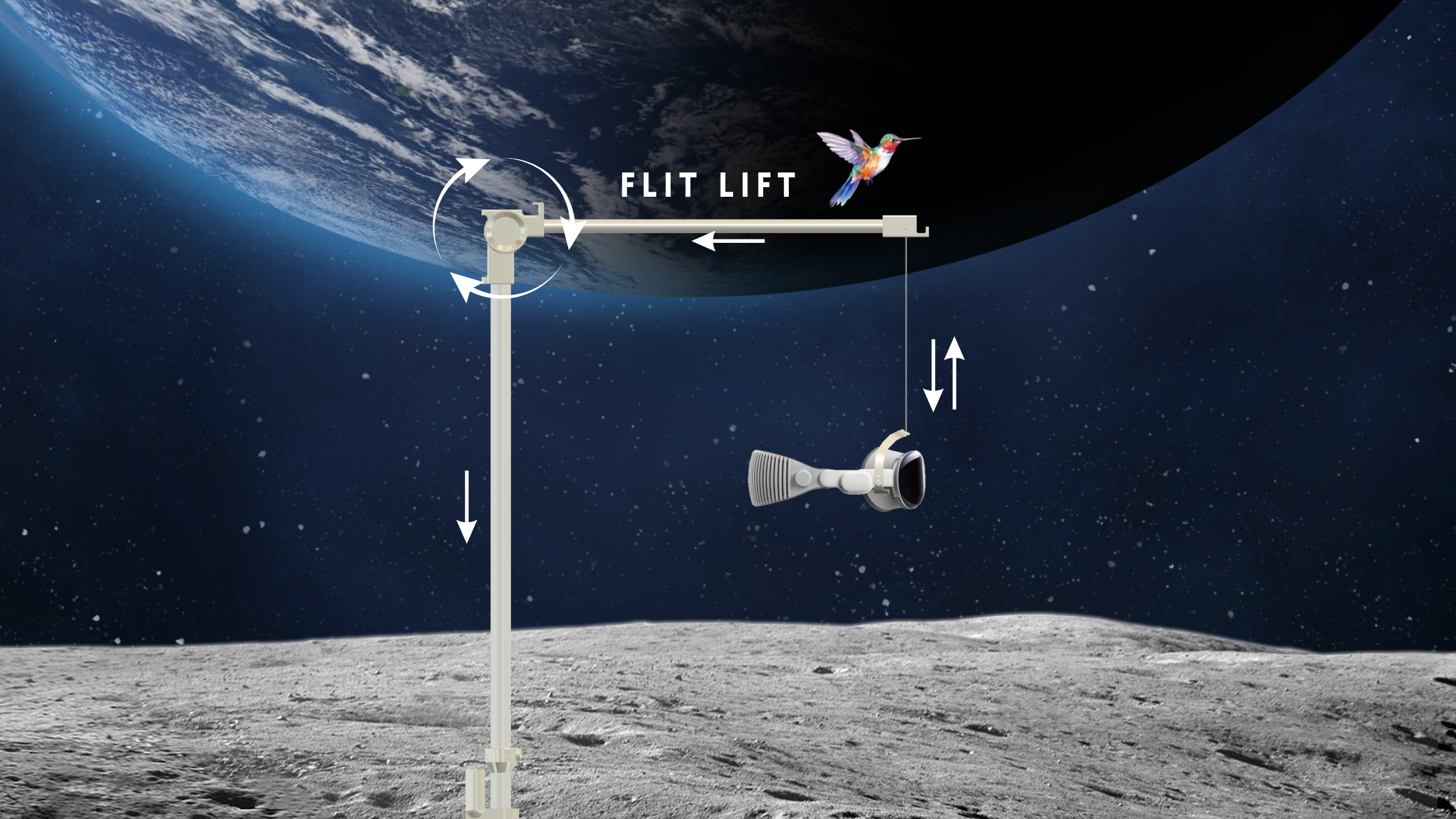
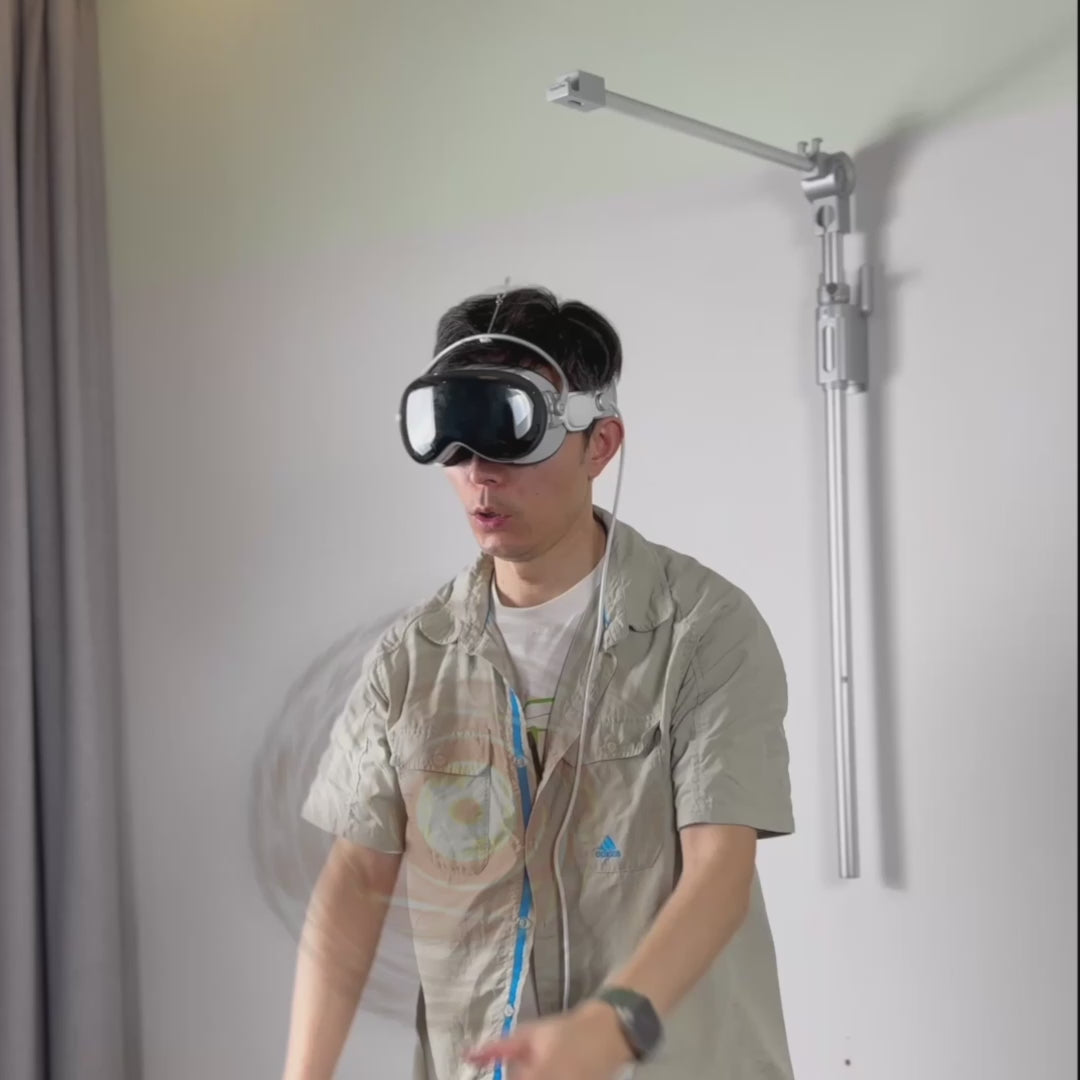
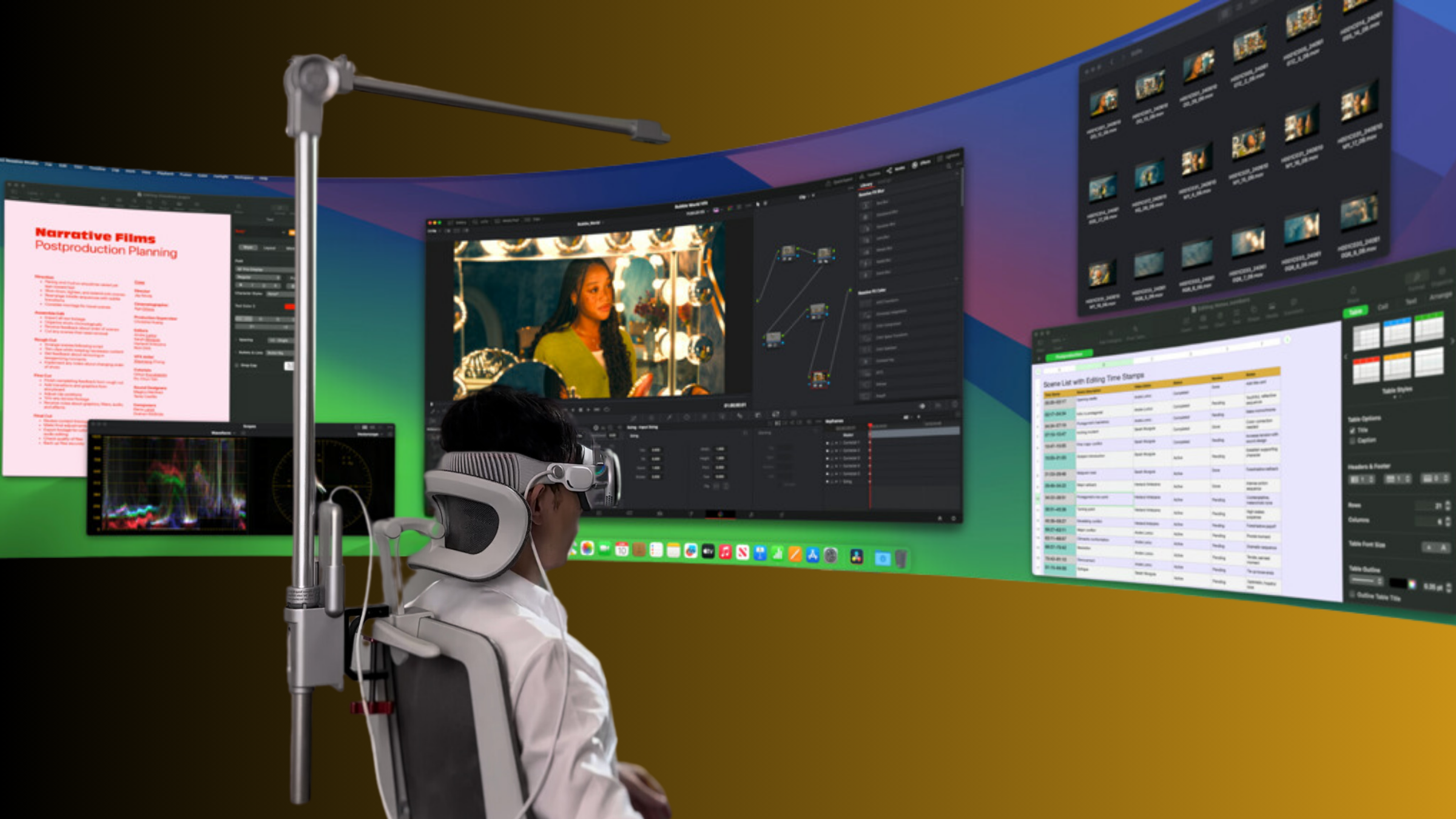
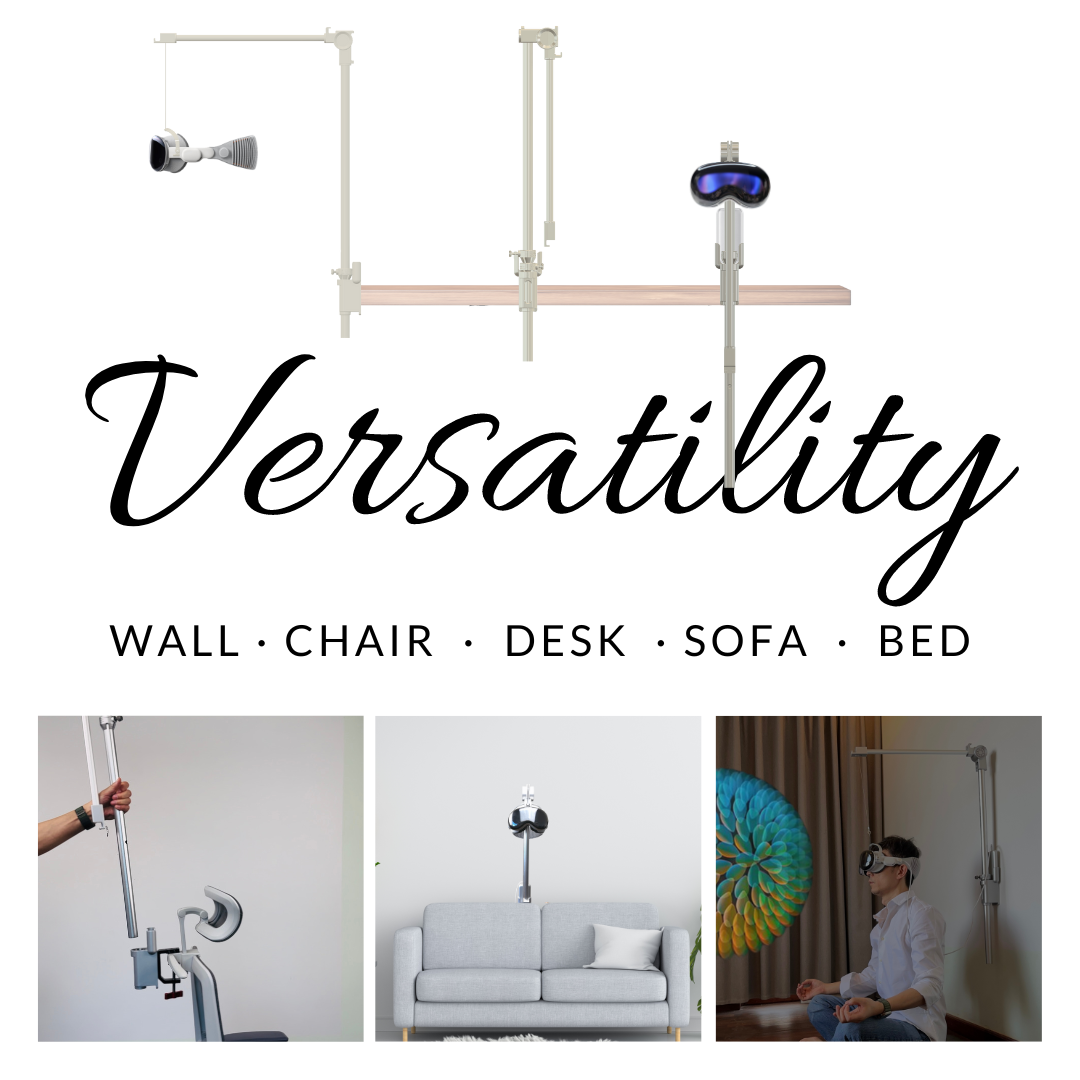
- Prepare your workspace: a clean, soft surface and a small Phillips screwdriver if your replacement uses screws. If you have a stand (like the FlitLift GraviPro), use it to rest the Quest 2 while you work so you don’t strain your neck.
- Remove the stock straps: follow Meta’s instructions. Work one side at a time, keep clips and screws in a labeled container, and don’t force components out of their hinge slots.
- Attach the new strap: align the strap’s connectors with the hinge slots, press until you hear a click, and repeat on the other side. Confirm symmetry—both sides should seat identically.
- Secure any rear anchor or stabilizer. If the manufacturer supplies screws, hand-tighten then snug; avoid overtightening plastic threads.
- Loosen all straps before putting the headset on. Center the facial interface over your face, then gently raise the headset to your eyes and find the eye relief where the image is sharp without brow pressure.
- Tighten incrementally: top strap first to control vertical position, then rear to manage balance. Use small steps—this is tuning, not clamping.
Common pitfalls: asymmetric seating (one eye lower than the other), over-tightening at the temples, and neglecting rear anchor tightness. Verify even pressure by feeling along the brow, nose, and cheeks; the headset should be stable but not pinching. If the display blurs when you move your head, stop and recheck strap symmetry before continuing.
Fine-tuning for all-day wear: height, strap length, and tightening tips
Once the strap is installed, fine-tuning determines whether you’ll feel great for 45 minutes—or miserable after 20. Small adjustments make outsized differences: raise or lower the visor in tiny increments, test for 15–30 seconds, and note any new hotspots. The goal is to have the optical center of the lenses line up with your pupils without the headset pressing hard on the brow or the nose.
Tightening strategy: never clamp everything down at once. Start loose and tighten in incremental steps—one notch, a quarter-turn of the dial, then wear for 2–5 minutes. Check for numbness, red marks, or tingling at each step. If you feel pinching, back off until the pressure disappears. Keep a small notebook or phone note of the settings that worked for different activities: the same strap tension for active fitness won’t be ideal for seated productivity.
Rotate and re-seat the headset every 30–60 minutes to change contact points and restore airflow. Lifting and re-centering refreshes the seal against the face and prevents a single spot from bearing the load the whole time. For glasses wearers, use a thin glasses spacer or a low-profile pad that increases the internal distance—this reduces pressure on the frames and keeps the temple arms from digging into your skin. If you get strap bite at the back of the head, try adding a slim silicone or cloth pad behind the rear anchor to spread pressure and reduce chafing.
Reducing weight and balancing the headset
Simplifying what’s attached to your Quest 2 cuts fatigue. Remove non-essential peripherals when you expect long sessions: heavy faceplates, decorative mounts, or thick aftermarket covers add grams and often change balance in ways that worsen comfort. Prefer lighter straps when possible, and avoid layering both a rigid strap and a bulky halo unless you need both functions.
Battery packs are a common source of questions. A rear-mounted battery pack effectively counters front weight, often making the headset feel more comfortable even though total mass increases. If you don’t want weight on your skull, a belt-mounted battery pack is an excellent compromise. Clip a lightweight battery to a belt or place it in a pocket and run a short USB-C extension—this shifts mass to your torso, reducing neck torque.
Examples of practical setups:
- Long productivity: lightweight halo strap + thicker face pad + belt-mounted battery for extended runtime without tipping forward.
- Active play: Elite Strap or rigid halo + rear-mounted battery for stability and visual centering during quick head turns.
- Mixed sessions: rigid Elite Strap for stability with a thin, breathable face pad to reduce heat during movement.
Small accessories like counterweights (a 100–200 g battery at the rear) often feel better than you’d expect; the key is redistributing torque, not minimizing mass. Try a few configurations for 20–30 minutes each to see what your neck prefers.
Maintenance, cleaning, and care
Good hygiene keeps both you and your cushions comfortable. After each long session, wipe down the facial interface with a damp microfiber cloth or electronics-safe wipes—avoid soaking the foam. Focus on areas that touch skin: the nose bridge, inner cheek areas, and foam edges. Lenses deserve special care: clean in gentle circular motions from center to edge with a dry microfiber cloth; for stubborn smudges use a lens-safe spray applied to the cloth, never directly to the lenses.
Removable covers (silicone or PU leather) are a practical investment. They peel off for washing, reduce sweat buildup, and prevent foam degradation. Follow manufacturer washing instructions and ensure parts dry completely before use. For straps, wipe fabric or elastic bands with a soft damp cloth and mild soap; avoid machine washing unless the product explicitly allows it.
Watch for wear indicators: flattened foam that no longer seals or distributes pressure, fraying straps, or a rear anchor that doesn’t click tightly are signs to replace parts. Replacement pads from reputable brands like VR Cover or other high-rated aftermarket options extend comfort life and often receive strong user reviews for durability and hygiene. Keep a spare face pad and a spare set of strap covers if you expect marathon sessions; swapping them out is fast and prevents surprises mid-session.
Compatibility and accessories: wireless, third-party, and cross-device considerations
Before buying third-party straps or accessories, check physical compatibility with the Quest 2 hinge slots and rear anchor design. Many aftermarket straps are designed specifically for the Quest 2, but designs vary—confirm that the connector type matches and that the manufacturer supports returns if fit is off. Warranty: installing third-party accessories typically won’t void the headset warranty, but physical modification (drilling, gluing) might. Always check both the strap maker’s policy and Meta’s warranty page if you’re unsure.
Cross-device accessories—gear intended for other headsets or devices—can be tempting, but watch weight and balance. For example, some premium aftermarket components designed for heavier PC headsets may overcompensate for the Quest 2, making the setup overly heavy or awkward. If adapting accessories from other devices (like counterweights or custom mounts), test for a short period and prefer removable fixes like belt clips or detachable weights.
Wireless and battery solutions: many third-party battery straps and clip-on batteries work well with Quest 2. Choose well-reviewed options that offer secure mounting and short, reliable USB-C cables. Avoid long, dangling cables that get caught during play—use short, high-quality cables and cable management clips to route power safely along the strap to the headset.
All-day comfort routines and best practices
Comfort isn’t just hardware—it's a routine. The 20-20-20 rule is simple and effective: every 20 minutes, look at something 20 feet away for 20 seconds. This reduces visual strain and helps your eyes blink and rehydrate. Set a recurring timer or use a VR app reminder to make it habitual. Hydration matters: keep water nearby and take small sips during micro-breaks to support tear production and overall comfort.
Micro-break cadence: aim for a 2–3 minute break every 30–45 minutes and a full posture reset (stand, walk, stretch) every 60 minutes. During micro-breaks, lift and reseat the headset, check strap tensions, and rotate contact points. For longer breaks, do simple neck and shoulder stretches: chin tucks, shoulder rolls, and gentle neck side-bends reset musculature that holds the headset.
Progressive loading helps too: if you’re building up to marathon sessions, increase session length by no more than 20% per week. This gradual approach gives your neck, eyes, and skin time to adapt. Environmental factors matter—sit in an ergonomic chair with back support, keep the play area cool to reduce sweat, and use even ambient lighting to cut contrast strain. Lastly, trust simple checks: if you wake with neck soreness or headaches after a session, decrease session length, revisit balance, and try a softer face pad next time.
Takeaway: for long-session Quest 2 comfort, think torque first—redistribute weight, tune fit in tiny steps, and pair hardware upgrades with simple on-headset routines. Start today by trying one change: switch to a halo or Elite Strap, add a washable cover, or move your battery to a belt clip—and use the 20-20-20 rule during your next session.

Share:
Balancing the Headset's Center of Gravity: Practical Adjustments for Different Face Shapes
Custom fit for diverse heads: adjusting elite head strap to suit different head shapes