


Official Meta Strap vs. Third-Party Alternatives: Which Keeps Wireless Accessories Balanced?
If you own a Meta Quest headset and plan to go wireless—adding battery packs, dongles, or beefy audio—you’ve already discovered how much a strap can change the experience. A well-designed strap doesn’t just hold the headset in place; it redistributes weight so your neck, face, and eyes can stay focused on VR rather than on constant micro-adjustments. ⏱️ 11-min read
This article compares Meta’s official straps with popular third‑party alternatives, explains why balance matters for long sessions, and gives concrete, step‑by‑step guidance for adjusting, rebalancing, and testing setups with accessories. Read on if you want to stop fighting headset tilt, reduce neck fatigue, and choose the strap that keeps your wireless accessories from spoiling immersion.
Official Meta Strap vs Elite Strap: Weight, Balance, and Comfort
Meta’s stock comfort strap and the Elite Strap take different design philosophies. The standard Comfort Strap favors minimalism: fabric sides, a simple rear tension point, and a light overall footprint. That keeps the headset’s center of gravity close to your face and minimizes added weight, which works well for short sessions or light accessory loads.
The Elite Strap is a step toward structure. It replaces soft bands with a more rigid headband and a top strap that spreads load across the crown of your head. The result is a steadier fit and less wobble during fast head turns or active games. When Meta offers an Elite Strap with an integrated battery, they intentionally move mass rearward to counteract the front-heavy headset. That counterweight often stabilizes the display and reduces forehead pressure, but it also increases torque on the neck—especially during long horizontal head tilts or repeated quick looks.
Key practical differences:
- Comfort Strap: lightweight, minimal front pressure, better for short, casual play;
- Elite Strap: improved stability and display steadiness; better with moderate accessory loads;
- Elite + Battery: balances front-heavy feel but adds neck load and may need tuning.
For many users the official options are a reliable baseline—engineered for compatibility and predictable balance. If you plan to add a small battery pack or wireless transmitter, the Elite Strap or Elite with battery will usually handle the shift with fewer surprises than the basic strap.
How Wireless Accessories Change the Balance Equation
Wireless accessories—external batteries, transmitters, and bulky wireless audio—introduce concentrated mass away from the headset’s central mounting point. That simple shift creates torque: the front of the headset pulls down, the nose bridge and forehead absorb extra pressure, and the neck muscles engage to hold the display level.
Three predictable problems show up as soon as you add weight behind or beside the headset:
- Front-heavy tilt: The face padding bears more force, creating hotspots on the nose, cheeks, and temples.
- Increased neck strain: A rear-mounted battery can improve front-to-back balance but increases downward force on the cervical spine.
- Stability issues: If the strap can’t secure added mass, the headset will wobble during quick head movements, breaking immersion and possibly increasing motion-sickness risk.
Strategic counterweighting is the standard mechanical solution—place mass at the rear or along the halo so the center of gravity moves closer to the head’s midpoint. But the way that counterweight is integrated matters. A rigid halo will distribute weight across the crown; a padded rear pocket concentrates load behind the occiput. Both can work, but they change comfort dynamics in different ways. The goal is to move the headset’s balance point so you feel steadier, not heavier.
Third-Party Straps That Improve Balance Without Compromising Security
Third-party manufacturers have carved a lot of useful space between Meta’s two official strap options. Their innovations often focus on modularity—removable rear battery packs, adjustable counterweights, and different halo geometries that let you fine-tune where weight sits. A few repeat names illustrate the trends.
KIWI Design: Known for flexible, lightweight straps with reinforced mounting; variants include rear pockets and clip-on counterweights that are easy to add or remove between sessions. They tend to deliver a balance improvement without making the headset feel clunky.
BoboVR: Offers halo-style straps and rigid frames that cradle the head. Halo designs move pressure off the face and onto the crown, allowing longer sessions with fewer facial hotspots. Rigid frames also resist flex, so the display alignment stays consistent during active movement.
AMVR: Focuses on ergonomic padding and rear battery integration. Their straps often include a secure pocket for a phone-sized battery and straps that buckle across the back for added stability. Because the battery sits lower and closer to the occipital ridge, tilt is countered with less crown pressure.
Common third-party innovations:
- Modular rear battery mounts (easy to swap and tune weight);
- Adjustable counterweights (incremental grams to find a sweet spot);
- Halo and rigid frames that spread load across the top and back rather than the face.
Quality varies: some third-party straps are premium-engineered and outperform the Elite for specific uses; others save money but skimp on materials or fit. Read user reviews for long-session comfort rather than judging by specs alone.
Weight, Balance, and Long Sessions: What Really Affects Comfort
Comfort is both subjective and mechanical. On the mechanical side, think in terms of torque, contact points, and pressure distribution. Torque (the tendency of the headset to rotate) is a function of mass and distance from the pivot point—the head. The farther a battery sits from the head’s center, the greater its torque. On the subjective side, comfort is about hotspots, thermal buildup, and how frequently you have to micro‑adjust.
Practical effects to watch for during longer sessions:
- Neck fatigue rises with time as small torque forces add up; even a well-balanced headset will feel heavier after 60–90 minutes if padding and strap tension aren’t tuned;
- Facial pressure causes redness and discomfort within 20–30 minutes if the weight remains concentrated at the front;
- Micro-adjustments break immersion and can increase motion-sickness by altering vestibular cues relative to visual input.
What reduces these problems? A few reliable strategies:
- Shift mass rearwards in measured steps—don’t bolt on a heavy battery and call it a day; add 50–100 grams at a time and test movement.
- Use halo-style straps or top straps to distribute load across the crown rather than focusing pressure on the forehead.
- Optimize padding contact points (forehead, temples, occiput) to avoid single‑spot hotspots—wider contact areas reduce peak pressure.
Ultimately, long-session comfort is a system property: headset weight, strap geometry, accessory mass, and even player posture combine to determine whether an hour in VR feels effortless or exhausting.
Key Factors for Evaluating VR Strap Balance When You Use Accessories
When comparing straps—official or third-party—place these evaluation criteria at the top of your checklist. They’re practical, testable, and will help you choose a setup that stays balanced with wireless accessories attached.
- Mounting and attachment points: Look for secure, low‑slop mounts for batteries and transmitters. Pockets or clips should prevent shifting during fast movement.
- Counterweight options: Adjustable or removable counterweights let you fine‑tune balance. If a strap provides small weight increments, you’ll be able to dial out tilt more precisely.
- Load path and distribution: Does the strap send load to the crown, occiput, or primarily the rear nape? Crown distribution often feels less intrusive but can concentrate pressure if padding is thin.
- Material and padding: Dense, wide padding reduces hotspots by spreading force. Breathable fabrics lower heat buildup during long sessions.
- Adjustability: Fine tensioning matters—micro-adjustable dials or ratchet systems outperform crude Velcro when balancing heavy accessories.
- Quick-release and modularity: If you frequently switch between seated and room-scale, look for quick-release connectors so you can rebalance or remove accessories fast.
Test a strap with the exact accessories you’ll use. A strap that feels great with nothing attached might not handle a transmitter and a battery well. Conversely, some third-party straps are explicitly designed for heavy accessory loads and will outperform official options in those scenarios.
Install and Fit: Step-by-Step to Optimize Balance with Accessories
Balancing a headset is part measurement, part feel. Follow these steps every time you change accessories or straps so you can tune for the most stable, comfortable result.
- Assess baseline: Put on the headset without accessories. Note tilt, hotspots, and any crown pressure. This is your reference.
- Add weight in small increments: Attach your first accessory or battery and test. Start with 50–100 grams per side when experimenting with counterweights.
- Move the weight slowly rearward: Place the battery low on the occiput rather than high on the crown to counter front tilt with less crown pressure.
- Adjust strap tension: Tighten until the headset feels secure but not tight. Aim for even contact across forehead, temples, and crown—no single pressure point.
- Perform movement tests: Look up, down, and quickly left-right. If the front tilts or the headset shifts, relocate small weights or adjust strap geometry.
- Re-test after 20–30 minutes: Heat and slight slippage can change fit over time. Make small tweaks and, if possible, swap to a different strap type if hotspots persist.
- Secure attachments: Use clips, velcro, or zip ties where necessary to prevent weights from sliding during vigorous play.
One practical tip: carry a small set of modular weights (or use coin-sized weights in a strap pocket) so you can experiment with grams until the headset sits level during natural head movement. If you have access to a scale, log the mass and placement so you can reproduce the setup later.
Real-World Balance: Case Studies and User Experiences
Real users highlight how the choices play out in practice. Small tweaks can mean the difference between an hour of comfortable play and a session cut short by neck ache.
Case 1 — Studio shooter: A photographer used the official Meta strap with a slim counterweight clipped behind the neck. After 60–90 minute sessions, comfort rated around 7–8/10. The counterweight reduced front pull and kept the display steady while reaching for props, though long runs still introduced slight rear tension.
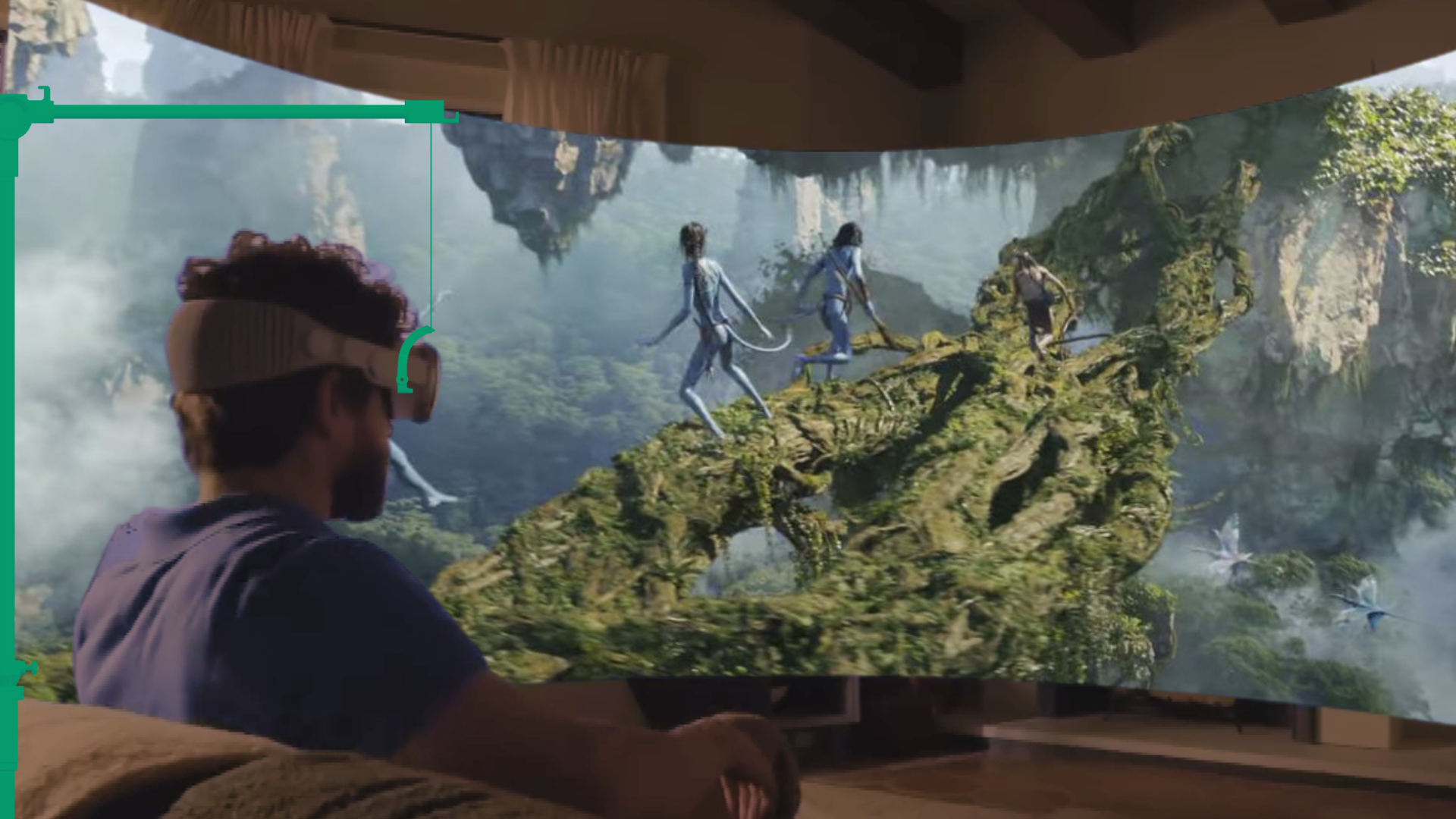
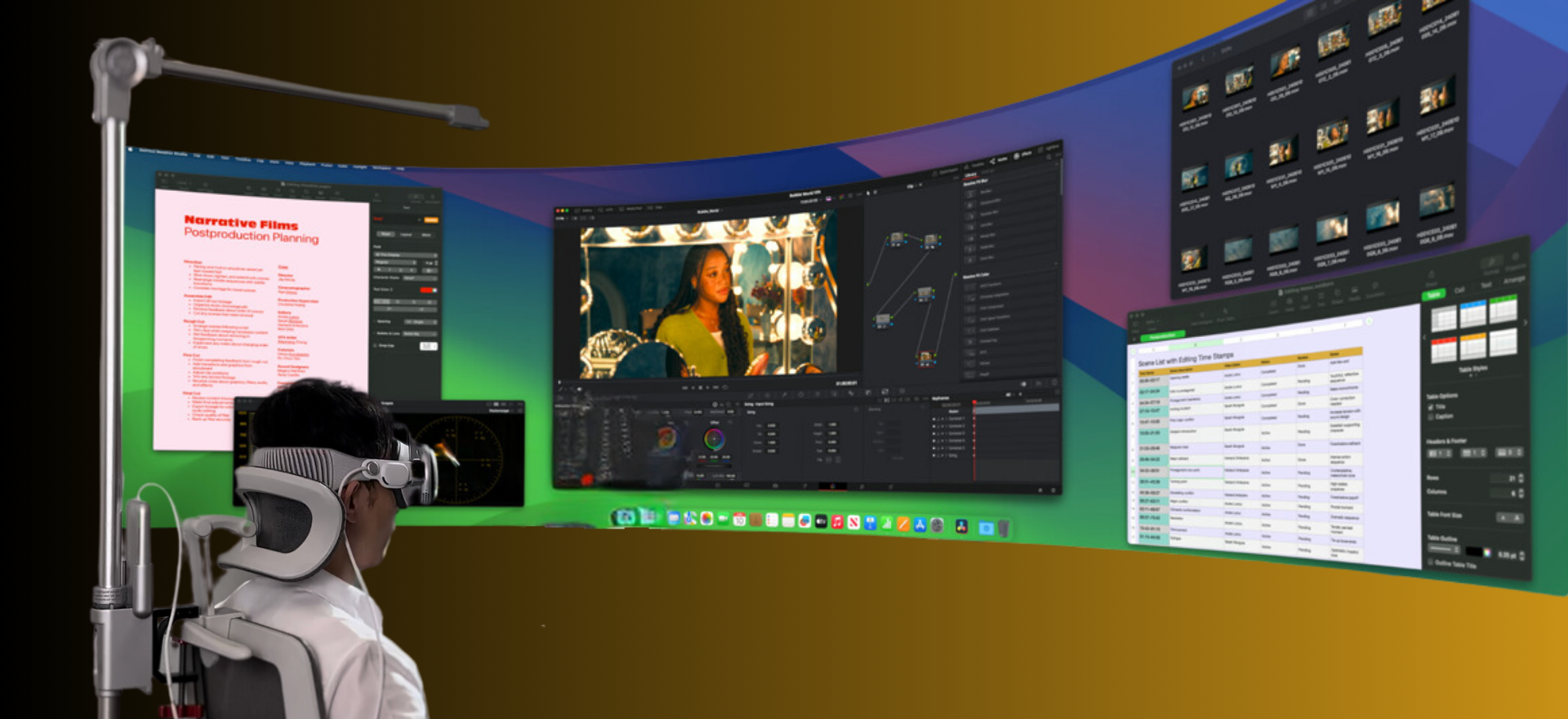
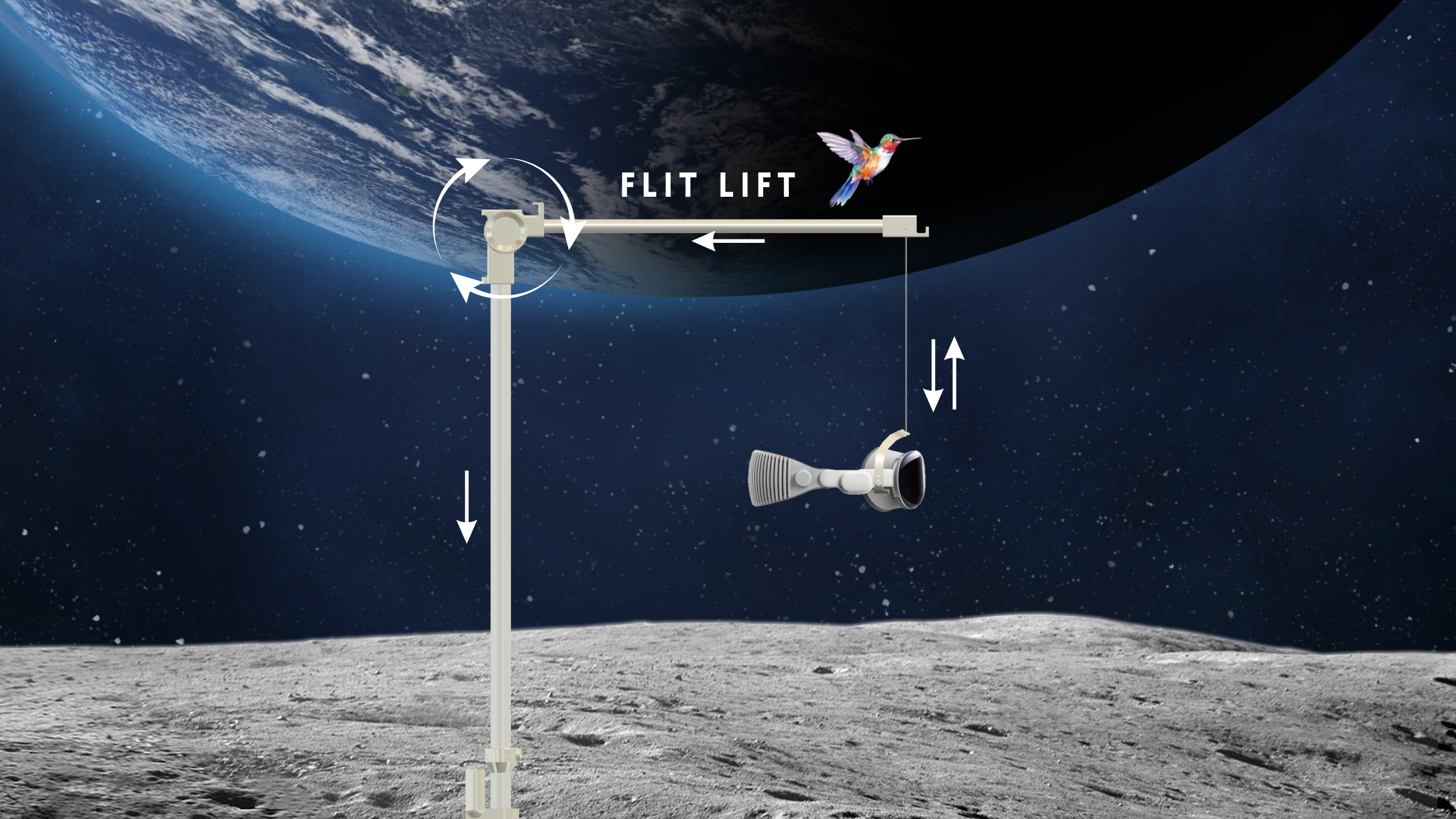
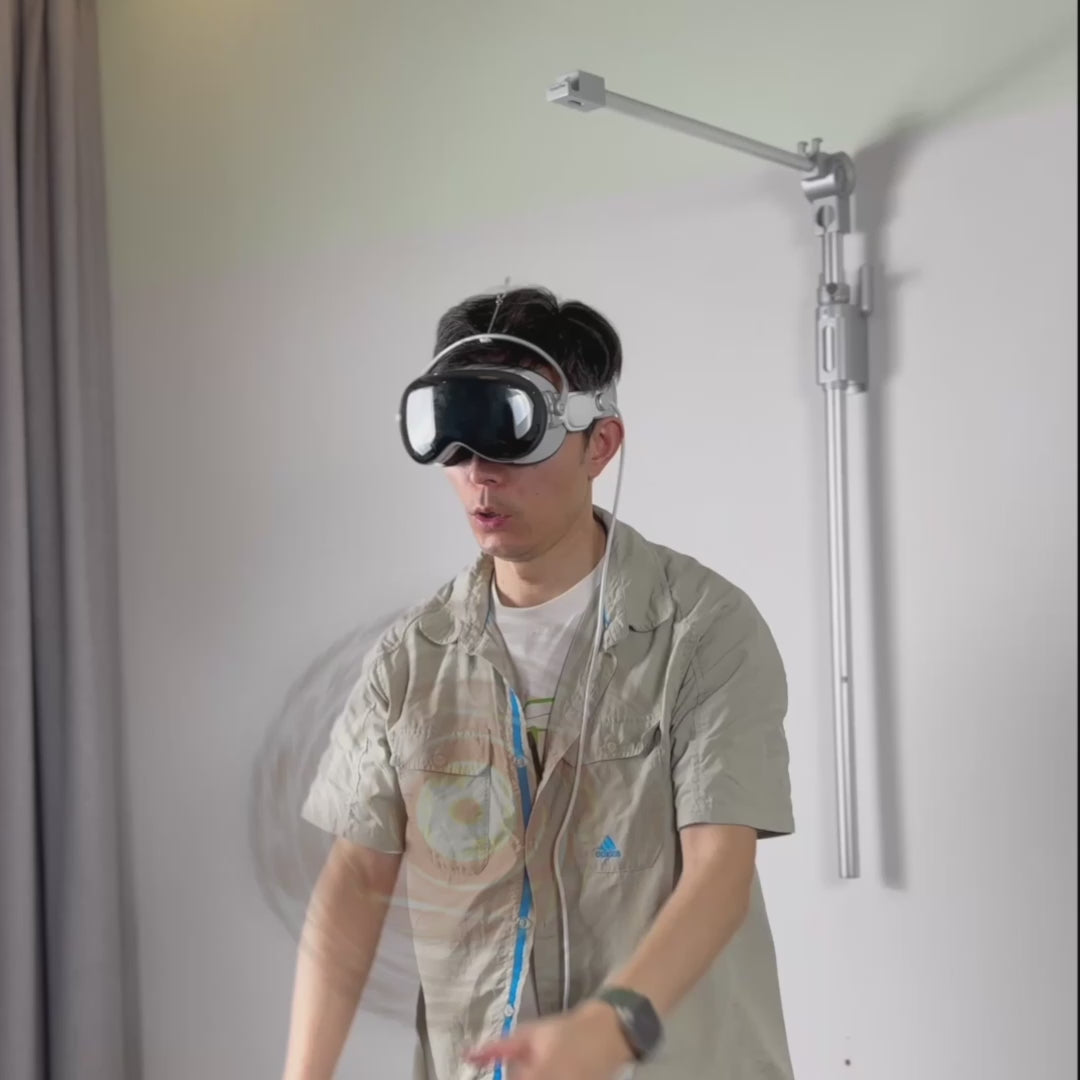
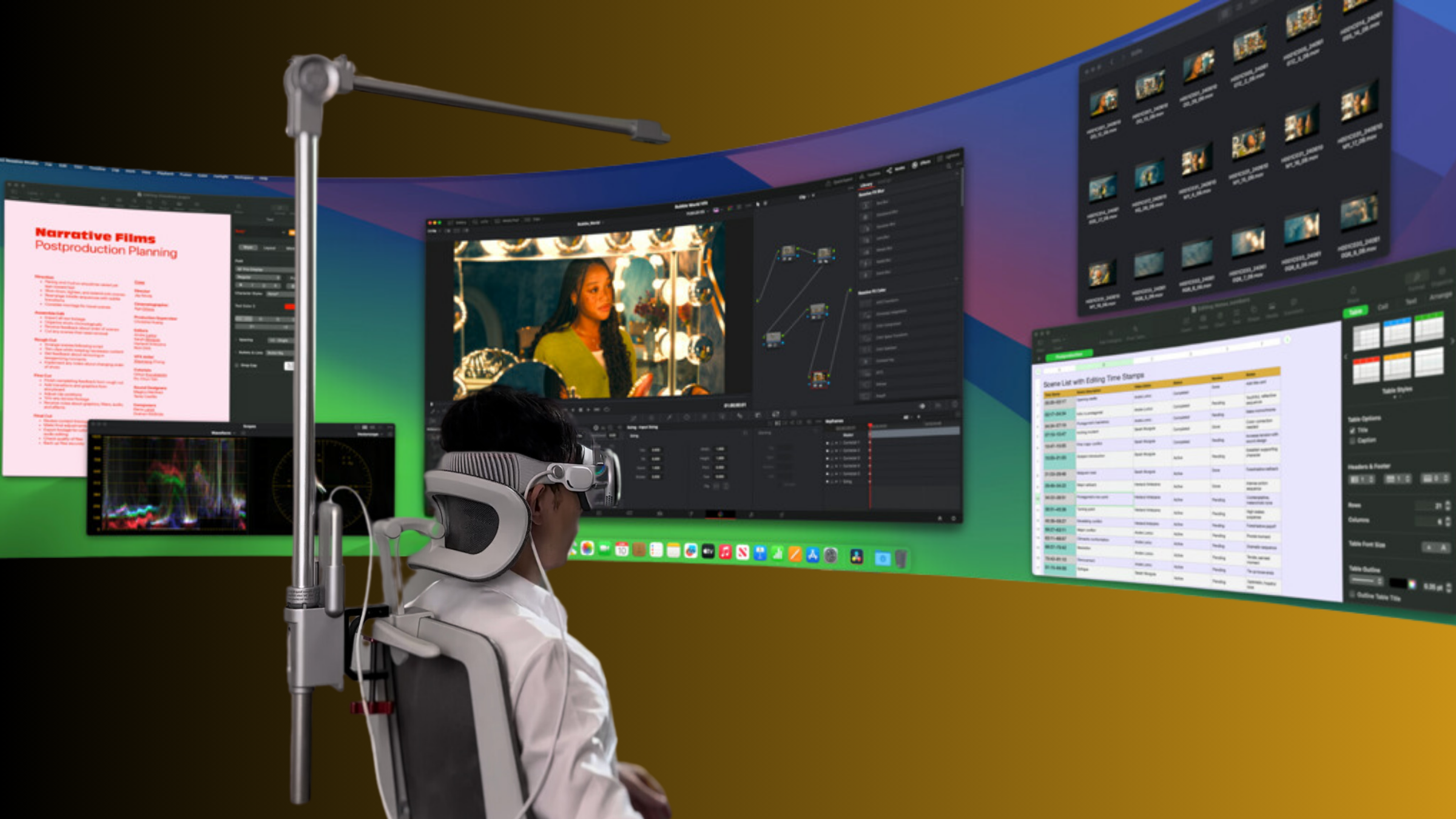
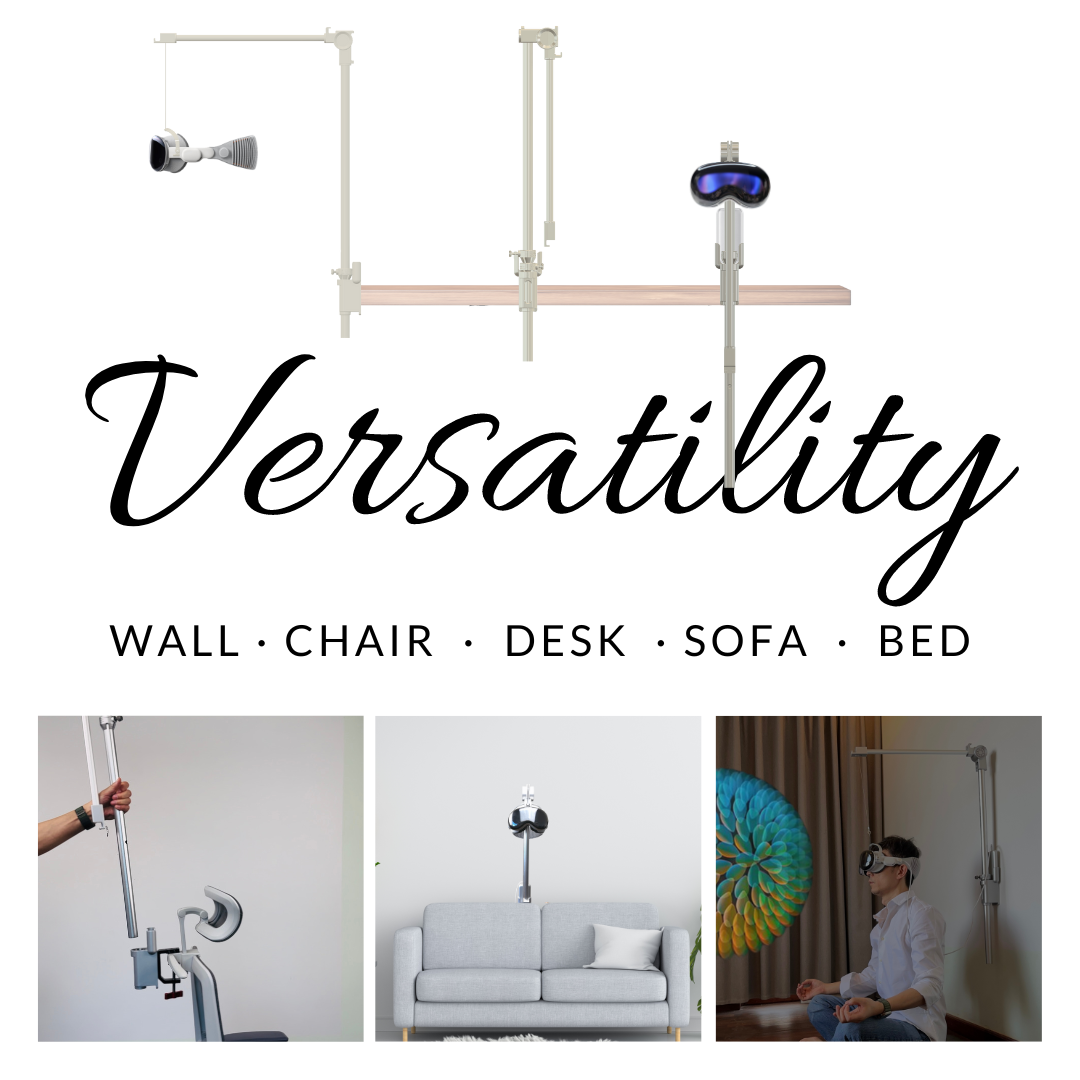
Case 2 — Near‑weightless viewing: A person using a lifting stand (like FlitLift GraviPro for other headsets) reported a near weightless feel during long viewing sessions. Offloading mass entirely removes torque from the neck, which is ideal for passive watching but impractical for mobile room-scale play.
Case 3 — Small-space mobility: Users in tight living rooms favored quick‑adjust third‑party straps with modular counterweights and quick-release connectors. They could swap between seated, standing, and short room‑scale with minimal rebalancing. Comfort ratings typically fell between 7–9/10 depending on padding and accessory load.
These experiences show that there’s no one-size-fits-all solution. The official Meta straps are convenient and consistent; many third‑party options win on customization, removable batteries, and task-specific balance. If your sessions are long, or accessories are heavy, testing multiple strategies—rear batteries, top straps, halo frames—can reveal the most comfortable, repeatable setup for your use pattern.
Making the Choice: Should You Buy Official or Third‑Party?
Answering that comes down to three practical questions: how often you play, what accessories you plan to add, and whether you prefer a plug-and-play system or hands-on customization.
If you play for short sessions or want guaranteed compatibility, Meta’s Comfort Strap or Elite Strap is a strong starting point. They’re engineered to work with official headsets and accessories, they’re simple to use, and they offer predictable balance for light-to-moderate accessory loads.
Choose third‑party when:
- You regularly use rear battery packs, transmitters, or heavy wireless audio;
- You need modularity—quick swapping between setups or incremental counterweights;
- You prioritize long-session comfort over the simplest fit-and-play experience;
- You want to spread load across crown and occiput with halo or rigid-frame designs.
Budget is a practical factor—official straps can carry a premium for manufacturer branding and guaranteed fit, while quality third‑party options span a wider price range. When in doubt, pick a strap that allows easy returns and test it with your actual accessories for 60–90 minutes before committing.
Quick Checklist and Next Step
Before you buy or configure a strap, use this quick checklist to avoid common balance mistakes and save yourself adjustment headaches:
- Test baseline fit without accessories.
- Add accessories in 50–100 g increments and test after each change.
- Prefer rear or occipital placement for counterweights; avoid piling weight high on the crown unless padding supports it.
- Use halo or rigid frames if you want to move pressure off the face.
- Choose straps with secure mounts and minimal slop for batteries/transmitters.
- Reassess after 20–30 minutes of play—comfort shifts as materials settle and heat builds.
Next step: test the strap with your exact wireless accessories. If you’re still undecided, start with the Elite Strap for a predictable compromise between comfort and stability; then experiment with a modular third‑party strap if your accessory load grows. Small weights and a methodical approach to placement will help you find a setup that keeps the headset balanced—and your eyes, neck, and attention—where they belong: in the experience.

Share:
User review roundup real world comfort of Vision Pro versus Quest Two straps
Face Shape Friendly Quest 2 Comfort Padding and Gasket Tweaks