

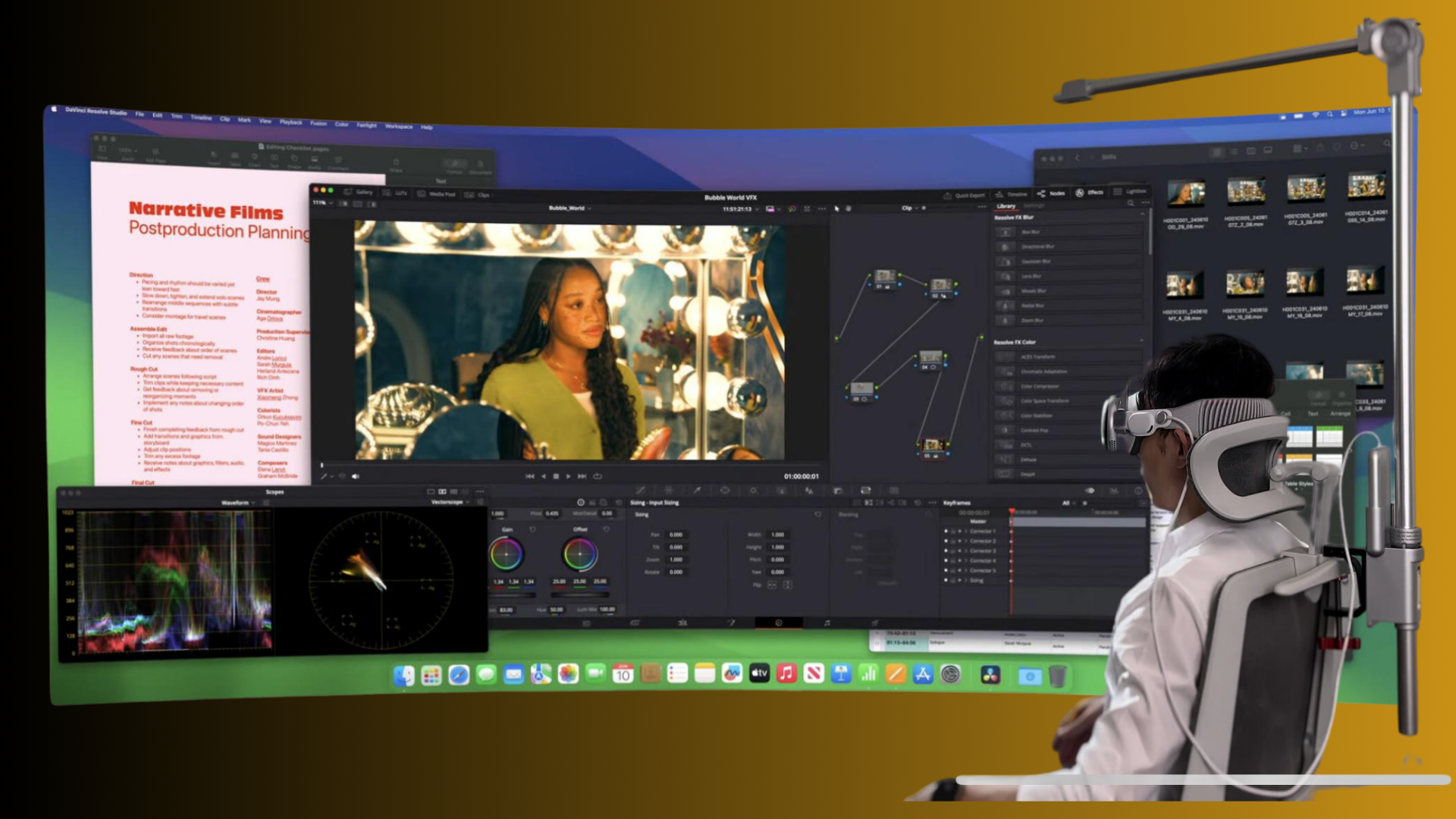
If you spend hours in VR—gaming marathons, design sessions, or productivity blocks—the stock Quest 2 strap starts to feel like an afterthought. Third‑party comfort straps promise better balance, more padding, and battery options, but the real question is which trade‑offs matter for your head, play style, and budget. This guide cuts through marketing blur to compare the straps that people actually use: weight, balance, tightening systems, padding, battery readiness, and compatibility. ⏱️ 12-min read
Read on for quick verdicts, detailed comparisons, beginner‑friendly install steps, fit fixes for glasses and sweat, maintenance tips that extend lifespan, and two short buying shortcuts so you can decide quickly and confidently. Practical examples include KIWI Design, AMVR, BoboVR, VR Cover, and the official Elite Strap as a baseline.
What matters most when choosing a Quest 2 comfort strap
Comfort on long sessions isn’t about brand names—it's about how the strap changes how the headset sits on your head. Focus on five concrete criteria: weight, rear counterbalance, tightening mechanism, padding material, and accessory compatibility.
Weight — lighter is comfortable only if the weight sits in the right place. A 200‑gram strap that keeps most mass behind the head will feel drastically better than a 150‑gram strap that presses forward on your nose. Rear counterbalance — straps with a rear cradle or counterweight shift the center of gravity away from your face; that’s the single most effective measure to reduce cheek and nose pressure during sessions longer than 30–45 minutes.
Tightening mechanism — dials (like the Elite’s wheel) let you micro‑adjust tension while wearing the headset; strap buckles or Velcro are simpler but less precise. Padding material — memory foam, soft neoprene, or breathable fabric make a real difference over hours. Memory foam offers plush support but can retain heat; breathable fabrics wick sweat better. Finally, battery readiness and mount compatibility matter if you plan to add rear batteries or a wireless PC adapter: look for straps with dedicated battery pockets or confirmed compatibility.
Prioritise balance (how the strap shifts the center of gravity) and pad material over flashy features. These two choices determine neck strain, session length comfort, and whether you finally enjoy VR for several hours without constant readjustment.
Top third‑party straps at a glance (quick verdicts)
Here are quick one‑liners to match typical users to likely fits. The official Meta/Oculus Elite Strap remains the baseline for a reliable dial system; third‑party options often trade material or battery features for value.
- Meta/Oculus Elite Strap — Pros: ergonomic dial, rigid rear support, compatible with official battery packs; Cons: higher price, basic padding for some users.
- KIWI Design Comfort Strap — Pros: mid‑range price, memory‑foam padding, good weight distribution; Cons: slightly heavier than stock, snug fit for smaller heads.
- AMVR Strap (replacement / battery-ready) — Pros: battery pockets, reinforced mounts, value for power users; Cons: can add noticeable rear weight, quality varies by model.
- BoboVR M2 Pro — Pros: premium build, crown support, comfortable rear cradle, accessory ports; Cons: among heavier third‑party options and pricier.
- VR Cover Head Strap — Pros: budget‑friendly, washable breathable pad, light; Cons: lacks rigid rear support and dial precision.
Those quick verdicts map to common scenarios: choose VR Cover for hygiene and light sessions, KIWI for a solid mid‑range upgrade, AMVR for battery‑oriented users, BoboVR for a premium alternative, and the Elite Strap if you want proven dial mechanics with official accessory support.
Detailed comparisons: weight, balance, and build
Numbers and photos lie; real comfort comes from where the mass sits and how the strap recovers after movement. Here’s how to read specs and translate them into expected feel.
Weight vs. balance — look for both the strap’s mass and how it relocates the headset’s center of gravity. A strap that adds 150–250 g but places most of that at the low rear of the skull reduces facial pressure more than a light strap that clusters padding around the forehead. Straps that advertise "rear counterweights" do exactly this; they add mass intentionally to relieve the nose bridge.
Tightening systems — the Elite‑style dial (wheel) offers fine control and easy one‑hand tweaks. Buckles or Velcro are secure but require more fiddling and may need full removal for big adjustments. For dynamic play—roomscale or fast motion—a dial keeps the headset stable without repeated readjustments.
Materials and build quality — premium straps use durable nylon or ABS frames with metal‑reinforced connectors; padding will be high‑density memory foam or closed‑cell foam with a sweat‑resistant cover. Cheaper straps use thinner webbing and softer, low‑density foam that compresses over weeks. In practice, expect neck strain after 45–90 minutes on lesser builds and longer, more comfortable sessions with locks, denser padding, and rear cradles. If you’re comparing two straps: favor the one that shifts weight rearward and uses denser foam with a breathable cover.
Battery and accessory considerations: packs, ports, and wireless adapters
Adding a battery transforms your Quest 2 from a sprint device into an endurance machine—but batteries change balance and introduce compatibility questions. There are two common approaches: built‑in battery packs or "battery‑ready" straps with pockets.
Integrated battery straps come with a fixed pack and cable routing. They are convenient and typically balanced by design but can make the headset heavier and less modular. Battery‑ready straps give you the flexibility to pick capacity: expect aftermarket battery packs of 5000–10,000 mAh to extend sessions significantly. Placing the battery at the rear improves balance, but a heavy pack will increase overall load; choose low‑profile packs that mount close to the cradle to avoid torque on the neck.
Accessory ports and cable routing are small details that matter: look for USB‑C pass‑through or a dedicated charging port so you can charge without dismantling the setup. Poor routing leads to cable rub on padding and can misalign sensors. Wireless PC adapters (like the official Air Link alternatives) require secure mounts; some straps provide adapter clips or extra space around the side rails. If you rely on a wireless adapter or plan to use a Link cable, confirm the strap doesn't press on the headset's USB‑C port or block vents.
Finally, check vendor specs and user threads for confirmed accessory compatibility—manufacturers sometimes change small dimensions that affect cable fit or battery pack clearance.
Installation and adjustment for beginners (step‑by‑step)
Installing a third‑party strap is a short process, but proper setup determines whether it feels like an upgrade or a hassle. Use this checklist and a few practical adjustments to get it right on your first try.
- Remove the stock strap: gently spread the side arms outward and detach them from the headset rails.
- Align the new strap’s side arms with the Quest 2 mounting points. Push until you hear or feel the click; confirm both sides are seated.
- If present, thread and attach the top strap through the front slot for crown support.
- Start with all adjustments loose. Put the headset on, then tighten the rear cradle until the headset sits in a stable, low cradle at the back of your skull (firm but not painful).
- Tighten the dial or straps to lift the front slightly off your face—the goal is to transfer load from cheeks/nose to the crown and rear.
- Adjust vertical height: the lenses should center on your eyes without tilting down; top strap tension affects vertical position more than side tension.
- Test with a few head movements and a one‑minute play session: if the headset slides forward, increase rear tension; if it feels top‑heavy, loosen the top strap slightly.
Tip: for IPD and foreshortening checks, use a mixed content test like a close UI and distant scene—if text appears cropped, lower the front a touch; if the world looks "tipped," adjust the top strap. After initial setup, re‑check after a 30‑minute session; padding compresses and may need a minor tweak.
Fit tips for common edge cases: glasses, small/large heads, sweating
Edge cases make or break comfort. Here are specific, actionable fixes for glasses wearers, head size extremes, and sweaty sessions.
Glasses — choose straps with a wider front gap and softer cheek pads to avoid frame pinch. Position glasses inside the headset with temples resting above the cheeks, and nudge the crown strap slightly higher so the lower padding doesn’t press into frames. If you still feel pressure, swap in thinner foam inserts or aftermarket lens spacers that increase clearance. Many users pair a breathable thin headband under the strap to keep glasses from shifting.
Small heads — straps meant to be snug can pinch small heads. Look for models with shorter side tabs or those that advertise “small head” compatibility. Loosen the top strap slightly and tighten the rear cradle first to create a secure, cradle‑like fit without over‑compressing the forehead. If the strap still slips, add a thin foam shim behind the rear cradle to reduce movement.
Large heads — seek straps with extended length and wide contact areas to spread pressure. A well‑designed rear cradle with a broad footprint reduces temple pressure for larger skulls. Avoid narrow, hard‑plastic bands that concentrate force.
Sweat management — breathable fabric covers, perforated foam, and replaceable pads are lifesavers. VR Cover’s washable pads and aftermarket cotton or mesh covers wick moisture and clean easily. For intense cardio VR, choose neoprene with a moisture‑wicking cover or keep an extra pad for quick swaps between sessions.
If you’re regularly in sweaty sessions, plan to replace pads every 6–12 months depending on use and always air‑dry gear before storing.
Cleaning, maintenance, and longevity checks
Regular care extends comfort and keeps straps hygienic. Treat materials according to their composition and inspect mechanical parts frequently.
Cleaning routine — for fabric and neoprene pads: remove if possible and hand‑wash with mild detergent, rinsing thoroughly and air‑drying away from direct heat. For PU leather or vinyl covers: wipe with a damp microfiber and a mild soap solution, then dry. Never submerge headsets or straps containing electronic components. Use a soft brush or cotton swab to clear grime from buckles, dial teeth, and mounting clips.
Maintenance checks — monthly inspections catch wear before failure. Look for: frayed stitching at attachment points, loosening or wobble in the dial, cracked plastic near the side‑rail mounts, and foam that permanently flattens or splits. If the dial feels loose, some models let you remove and tighten the retention screw; check manufacturer guides first.
Replacement parts — many third‑party vendors sell replacement pads, foam inserts, and top straps. If you prefer aftermarket cushion suppliers, VR Cover and other specialist shops supply high‑density foam replacements and washable covers. Rotate between two pads to reduce wear and ensure one is always dry and fresh.
Longevity habits — avoid over‑tightening (it stresses seams), store the strap hanging or flat to preserve shape, and keep it out of sunlight. These small habits prolong the lifespan of foam, fabrics, and connectors.
Compatibility notes and the Vision Pro question
Compatibility is straightforward for Quest 2 accessories but easy to misread when you mix brands. Most third‑party straps advertise direct compatibility with the Quest 2’s side rails; still, check for confirmed fit if the strap adds modules or a counterweight.
Battery packs — confirm whether a strap is officially "battery‑ready" or includes a battery pack. Some straps crowd the USB‑C area or add a thick rear cradle that blocks official battery clips; others provide a dedicated anchor and cable routing. If you plan to use the official Meta battery pack or a specific wireless adapter, search for direct user reports or the manufacturer’s compatibility notes before buying.
Wireless adapters and mounts — wireless PC adapters and passthrough cables need clear access to ports and secure clips. Straps with bulky side rails can push against the headset’s ports or block airflow. Vendors sometimes supply adapter clips, but unless the product description explicitly mentions adapter compatibility, assume you’ll need a small mod or third‑party clip.
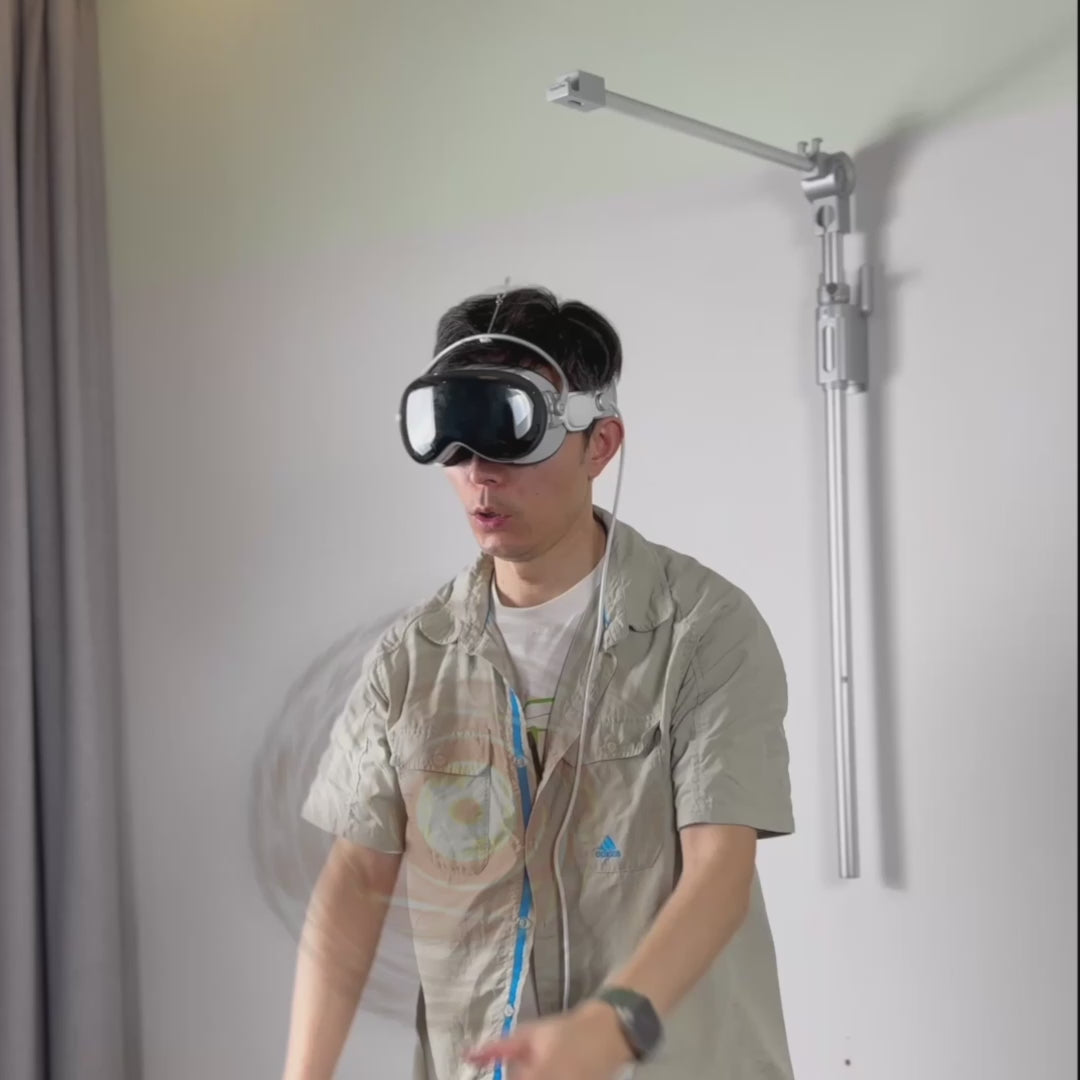
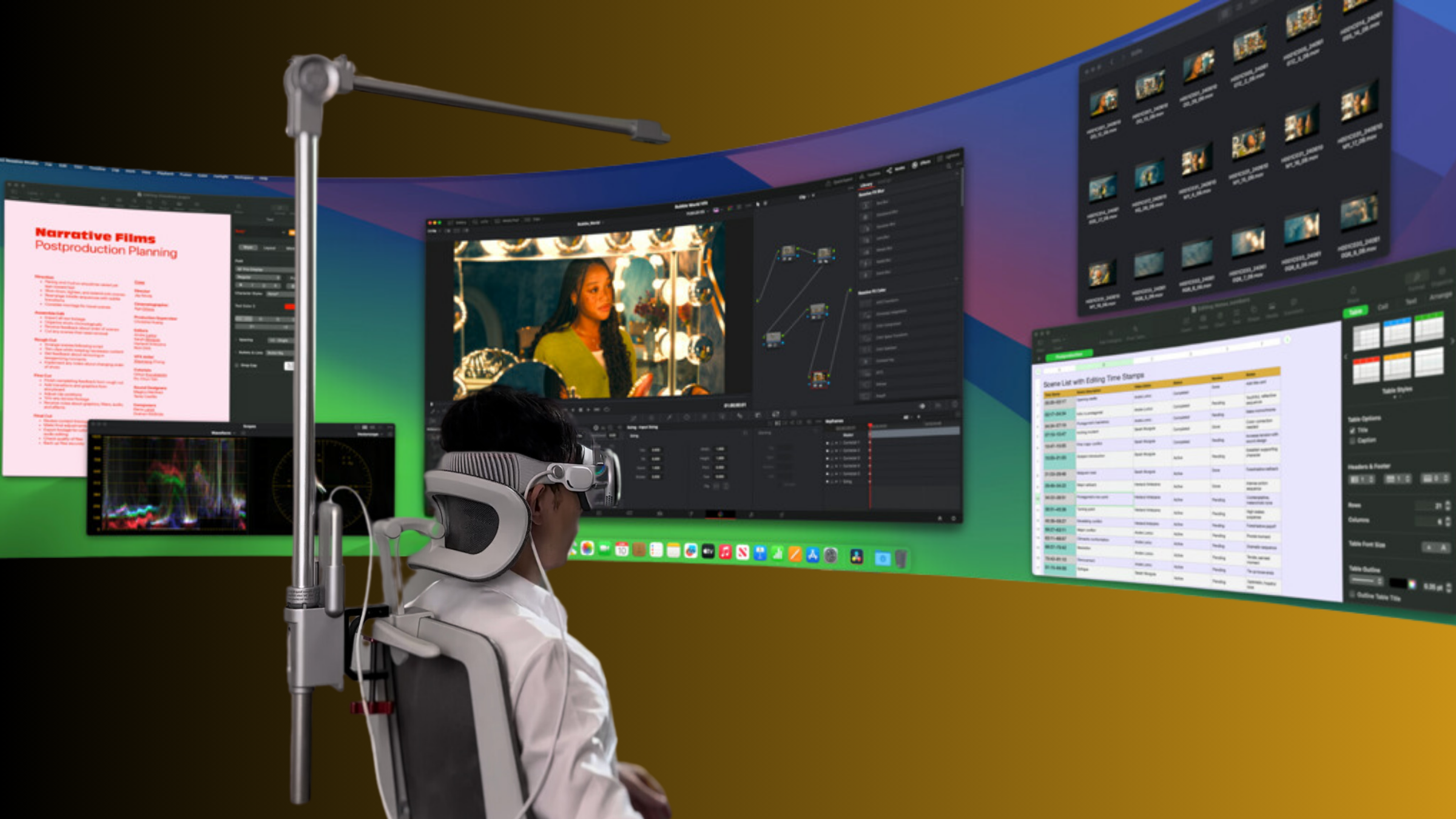
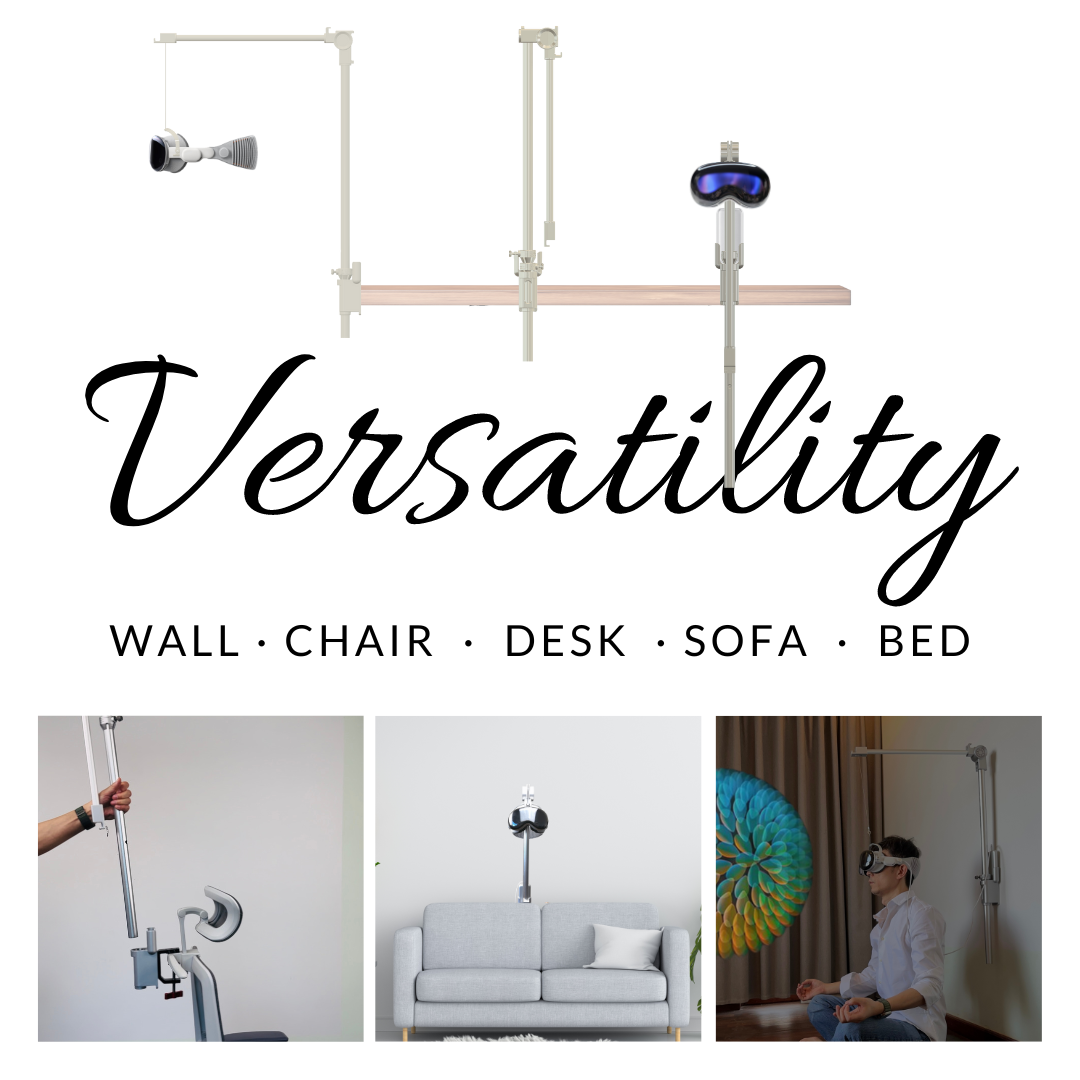
Vision Pro question — Apple’s Vision Pro uses different mounting geometry and balances differently. Do not assume Quest 2 straps or mounts are compatible with Vision Pro accessories. Some companies offer modular adapters or Vision Pro‑specific lines, but these are distinct products. If you plan to move between headsets in future, prioritize straps with replaceable cushions and modular mounting hardware that can be swapped rather than directly assuming cross‑compatibility.
Buying advice and final decision shortcuts
Spend your money where it changes comfort: balance and pad quality. Here are practical buying rules and two quick picks based on session length and budget.
Buying rules:
- Match strap type to session length and activity — light fabric pads for occasional use; rear cradles and dials for multi‑hour sessions or dynamic gameplay.
- Choose an integrated battery only if you want long sessions without cable clutter; otherwise, go battery‑ready and pick a low‑profile pack to maintain balance flexibility.
- Verify dimensions and accessory notes on manufacturer pages and read recent user reviews on trusted sites (Road to VR, UploadVR) and forum threads for real‑world compatibility notes.
- Expect price bands: budget upgrades (~$20–40), solid mid‑range (~$40–80), premium with batteries or advanced cradles (~$80–150+).
Two quick picks:
- Budget pick — VR Cover Head Strap: buy it if you want hygiene, light weight, and an inexpensive comfort boost. Great for shorter sessions and people who prioritize washable pads.
- Premium pick — BoboVR M2 Pro or a well‑reviewed AMVR battery‑ready model: choose this if you play multi‑hour sessions, need a rear cradle and battery options, or frequently use wireless adapters. Expect higher weight but much less facial pressure.
If you’re undecided, prioritize trying a mid‑range strap with a dial and rear cradle first—most owners say moving from the stock strap to a balanced mid‑range model delivers the biggest comfort gain for price. Verify return policies before buying so you can test fit and return if it doesn’t match your head shape.
Next step: measure your typical session length and note whether you wear glasses or use a wireless adapter—those two facts will immediately narrow your choices. Then pick a strap that shifts weight rearward and uses dense, breathable padding; you’ll be amazed how much longer you can comfortably stay in VR.

Share:
Lightweight VR Design: Materials and Engineering That Reduce Headset Mass
Ventilated Cushions and Sweat Management for Vision Pro Comfort