

Elite Strap vs Third-Party Straps for Quest 2: Which Keeps You Comfortable During Marathon VR Sessions?
If you’re planning multi-hour VR sessions on a Quest 2, the head strap becomes as important as the headset itself. Comfort in long play is more than padding—it's how weight is distributed, how heat is managed, and whether the fit stays consistent as you move. This guide evaluates the official Elite Strap against popular third‑party solutions so you can choose the setup that reduces neck strain, prevents hot spots, and keeps you immersed for hours. ⏱️ 10-min read
Below you'll find practical, evidence-based advice: what to measure, how each strap changes pressure distribution, installation and tuning tips for beginners, glasses-friendly adjustments, maintenance routines, and accessory compatibility. Read on to get clear criteria for buying and setting up a strap that makes marathon VR play feel effortless rather than exhausting.
Long-session comfort fundamentals: weight, balance, and heat impact
Long VR sessions expose small discomforts that short demos hide. Think in three practical dimensions: static weight, balance (front-to-back leverage), and heat where padding meets skin. The Quest 2 headset itself is relatively light—roughly in the 500 g range for the headset alone—but how that weight sits on your skull determines whether you’ll be comfortable after 30 minutes or three hours.
Key metrics to watch: total system weight with accessories (battery, headphone modules), perceived neck torque (the leverage that creates neck strain), and the location/intensity of pressure points (forehead, temples, occiput). A front-heavy setup concentrates force against your forehead and cheeks; that’s what causes numbness and facial soreness. You can measure perceived neck torque informally by noting how quickly your neck tires in a 10–15 minute intense session, then changing balance and retesting.
Heat matters as much as pressure. Foam seals and dense cushions trap heat and moisture, which accelerates skin fatigue and fogging. Use breathable foam or gel alternatives, schedule short cooling breaks, and keep the headset’s vents unobstructed. Finally, consistency of fit—how often you need to readjust—affects mental comfort. A strap that stays stable and distributes load will reduce the need to stop, re-center, and break immersion.
Elite Strap vs official head strap: fit, cushion, and adjustability
Meta’s stock fabric strap is light and flexible, but it trades off pressure distribution and stability. The Elite Strap is a purpose-built upgrade: a rigid rear cradle, thicker padding at key contact points, and a ratcheting rear dial for micro-adjustment. In practice that adds up to a steadier picture and less front‑face pressure during long sessions.
The Elite Strap’s rigid backplate moves weight from the forehead toward the occiput and circumferentially around the skull. That reduces forehead pokes and cheek pressure and lowers the frequency of micro-adjustments. The rear dial is especially useful: it lets you fine-tune tension on the fly and lock a consistent fit that resists loosening through vigorous movement or sweat. For marathon play, that predictability alone often translates to noticeably less neck fatigue.
However, there are trade-offs. The Elite Strap can be slightly warmer because the firm padding sits against the skin more fully. Glasses wearers should check cushion profile and clearance: thicker front pads improve pressure distribution but can press glasses frames against temples. For those who prioritize airflow and minimal heat, the stock fabric strap or a ventilated third‑party option may be preferable—if you accept more motion and occasional bounce. Durability-wise, the Elite Strap’s plastic components tend to outlast the elastic fabric's stretch, but any plastic adjustment mechanism will show wear under heavy, daily marathon use—inspect it periodically.
Third-party strap options: what to know before buying
Third‑party straps span a broad range: simple fabric replacements, halo-style designs, rigid frame systems, and battery-integrated packs. Price points range from budget fabric straps to premium frame-and-battery combos. The meaningful differences come down to materials, build quality, and whether the design shifts load effectively from face to skull.
Halo-style straps (Kiwi Design, some BoboVR offerings) wrap a ring around the head and push weight into the brow and crown, often distributing load toward the rear. They typically give a lighter feel at the face and can improve airflow, but lower-mass haloes may require more tightening and can exhibit slight wobble during abrupt head turns. Rigid frame systems use a solid backplate or rails to reduce wobble and provide a consistent contact surface—great for extended sessions where stability matters.
Battery-integrated straps are attractive for extended play, but they add mass. Look for models that place the battery low and centered to act as a counterweight rather than pulling the visor forward. Examine materials: high-density foam and reinforced stitching increase lifetime under marathon use. Check the adjustment mechanisms—smooth dials or dependable quick-release clips are worth the premium—and read real-world reviews for reported failures. Finally, confirm parts availability and warranty: accessible replacement cushions and a clear warranty policy matter when you push a strap hard in repeated long sessions.
Installation and setup: quick install for beginners
Installing an Elite Strap or a third‑party headstrap is straightforward if you follow a consistent sequence. Start with the headset powered off. Locate the stock strap quick-release pins on the side rails, press them, and lift the original strap free. Align the new strap’s attachment tabs with the same anchor points and press until you hear a secure click on both sides.
Once attached, follow this quick setup routine:
- Step 1: Center the headset on your face while it rests loosely on your skull—don’t start by over-tightening.
- Step 2: Tighten the rear dial or side straps evenly until the facial seal is snug, not painful. Aim for distributed contact across forehead and occiput.
- Step 3: If the strap has a crown pad or top strap, adjust it so it supports weight without lifting the visor forward or pinching the scalp.
- Step 4: Route any cables for audio or battery through built-in channels, securing them with supplied clips or Velcro so they don’t tug during movement.
After adjustments, move your head through a full range of motion and play a five to ten-minute active demo. Look for pressure hotspots, any tendency for the visor to slip, and heat accumulation behind the ears or at the lower back of the skull. A proper setup will remain stable and require minimal re-centering; if it doesn’t, loosen the crown slightly and re-balance using the rear dial or counterweight position.
Weight, balance, and battery considerations
Adding a battery pack or on-board audio module changes how the system feels as much as the strap choice. A modest battery that extends play by a couple of hours may add 100–300 g depending on capacity. That additional mass isn’t inherently bad if it’s used as a counterweight—positioned low and centered at the rear it can neutralize forward torque. If mounted high or forward, even a light battery will pull the visor down and increase forehead pressure.
Practical tactics for managing weight and balance:
- Prefer batteries with wide, flat packs that sit low on the occiput rather than tall cylindrical packs that pivot and pull.
- If a strap shifts the center of mass too far back, move the battery slightly forward or split mass across two small packs to fine-tune balance.
- For the lightest possible setup, remove nonessential modules (external speakers, decorative plates) and use breathable cushions to cut heat without adding bulk.
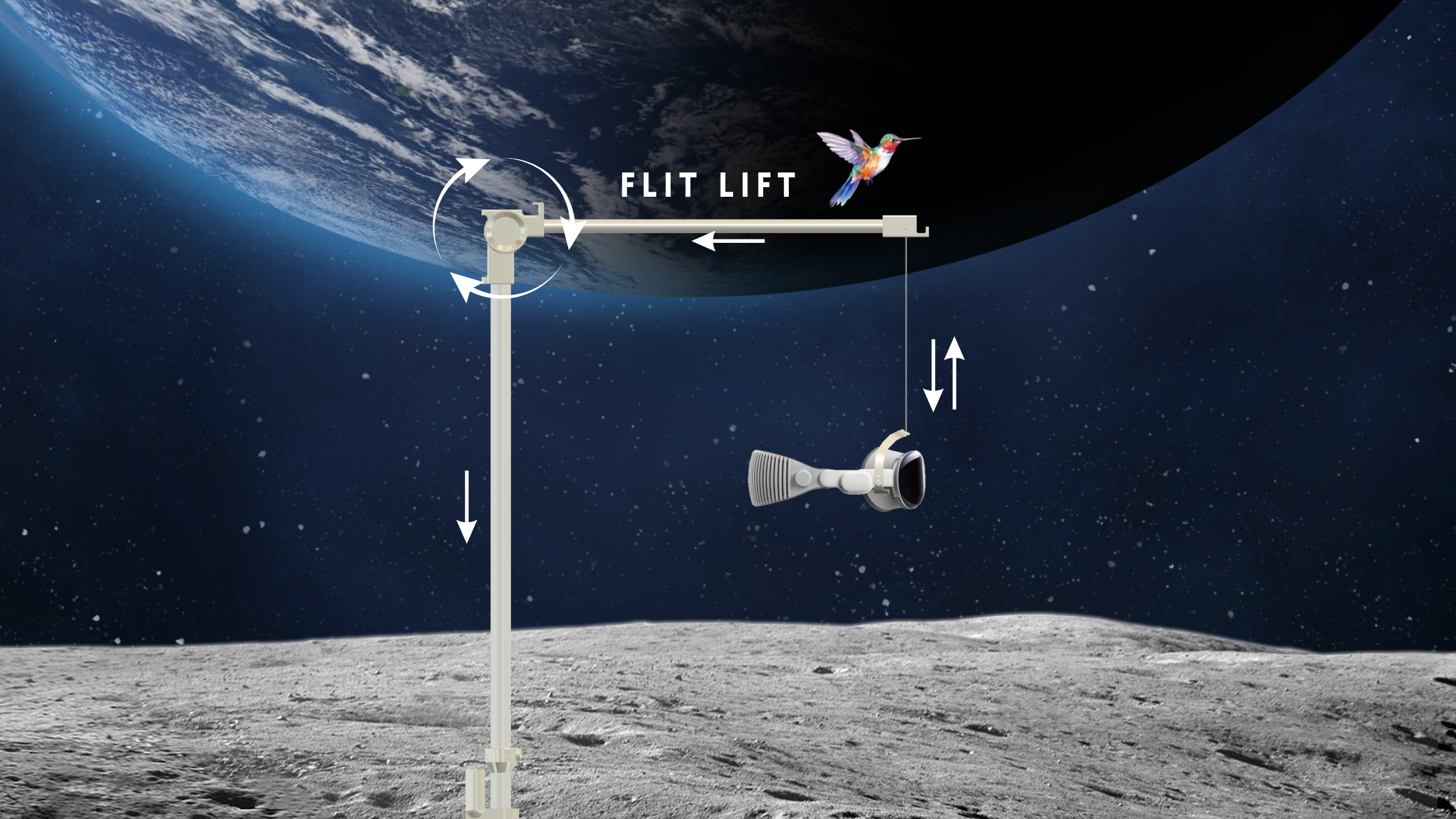
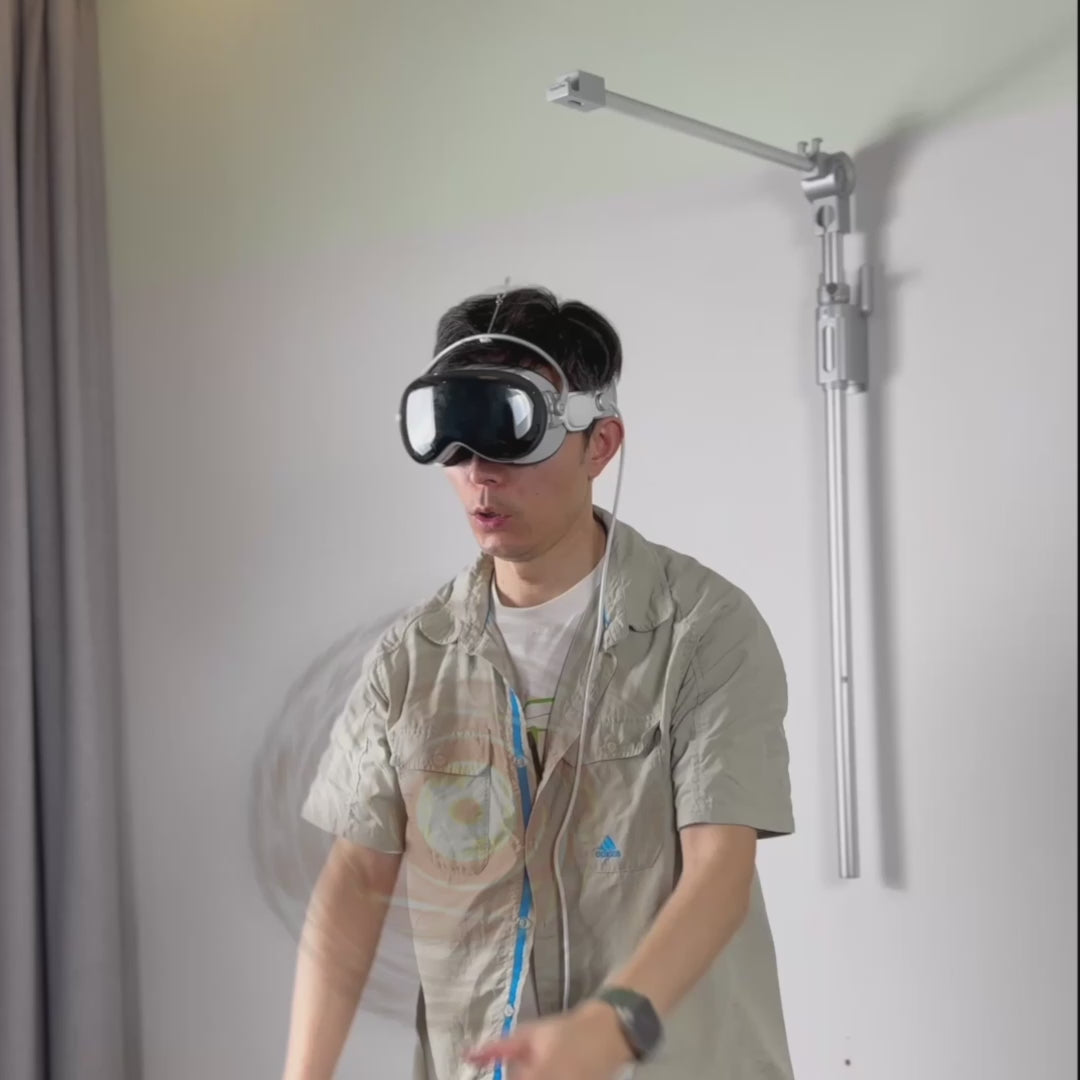
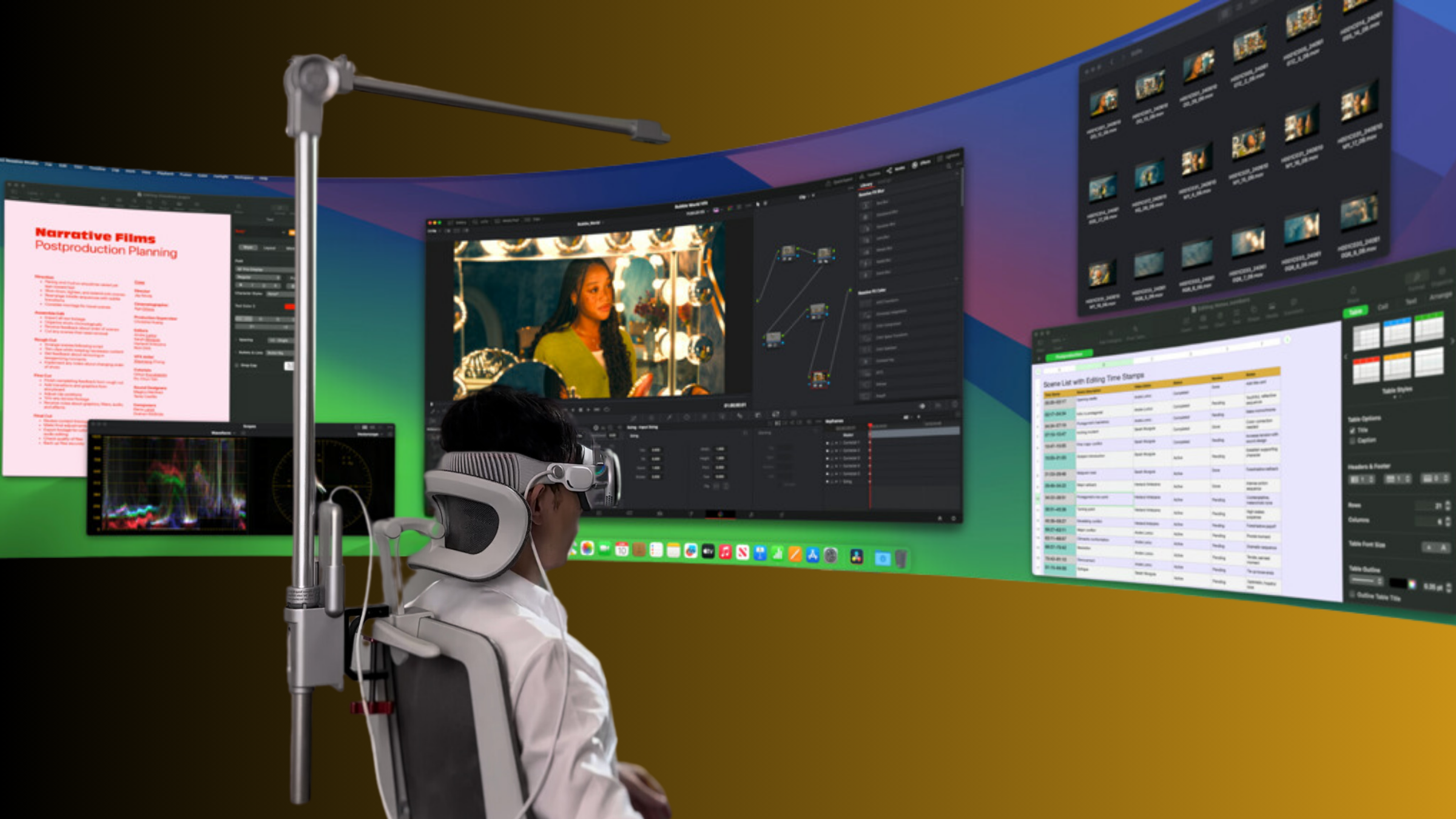
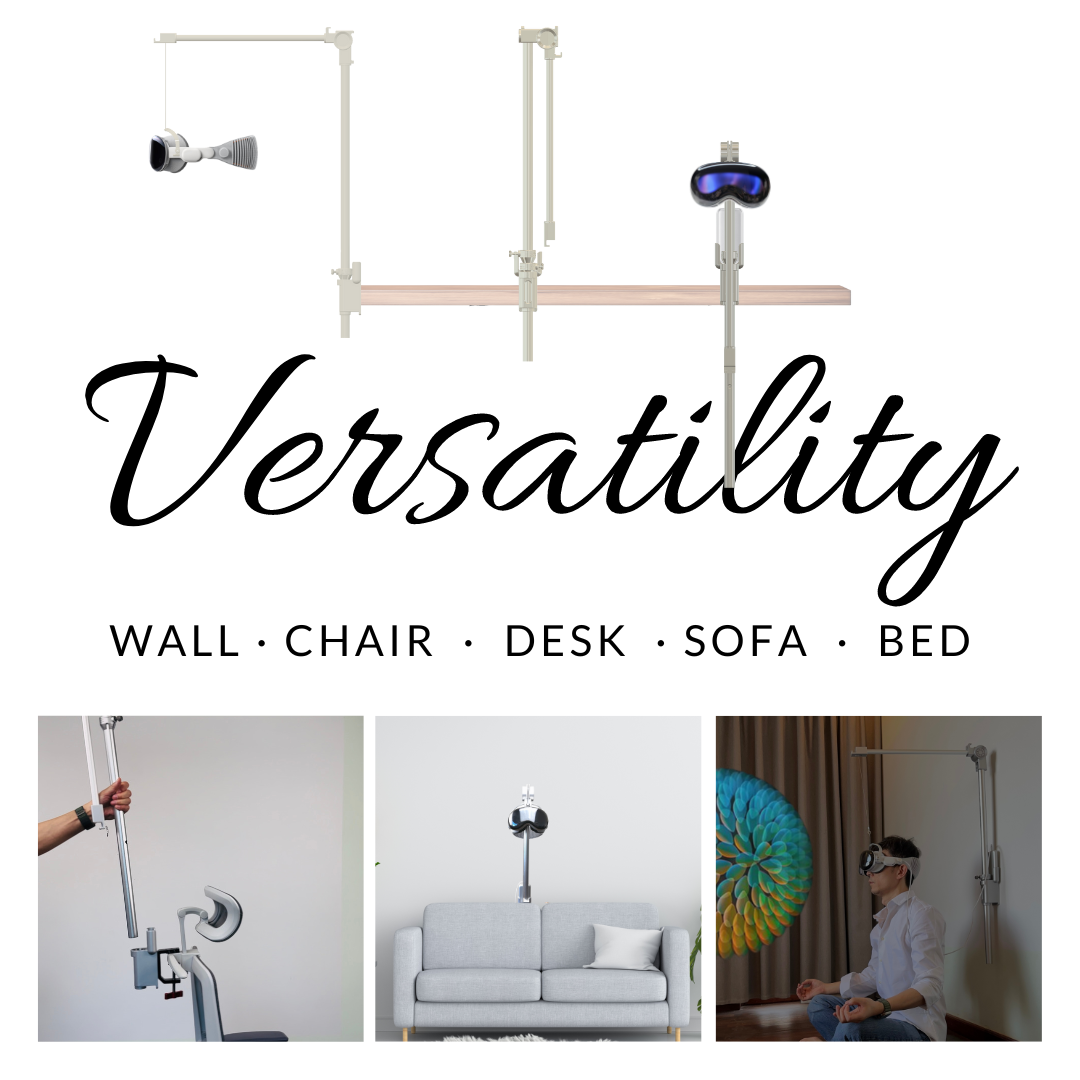
When testing, use short calibration blocks—adjust and then play for 10–30 minutes—so you can feel neck fatigue and torque changes. If neck strain persists, try reducing forward mass (move battery rearward or reduce forehead padding thickness), or consider a lift stand or counterweight system specifically designed to shift load away from the face during marathon sessions.
Glasses wearers: ergonomic tips for long VR sessions
Glasses add a layer of complexity to fit. Too-thick cushions or improper strap tension can press frames into temples or bridge your nose uncomfortably. The goal is to maintain sufficient eye-to-lens clearance and a firm seal without compressing your glasses. Start by testing the headset with your glasses on before final tightening.
Tips that help most users:
- Choose thinner-profile or cutout face cushions designed to increase lens-to-eye distance without sacrificing seal. Magnetic or snap-on cushions with increased rim clearance work well.
- Tighten the rear dial more than you would without glasses so weight is borne by the occiput rather than the frame temples. Avoid over-tightening the forehead strap, which forces frames into the sides of your head.
- If you feel pressure on the nose bridge, try a silicone nasal pad or a foam shim that redistributes load across the upper cheeks instead of the bridge.
- Consider prescription lens inserts to eliminate frame pressure entirely; they reduce heat and shear on skin by keeping the headset cushion geometry simpler.
Finally, check for slippage—glasses can move micro-millimeters inside the frame which translates to blurry images. Secure cable routing and a stable rear cradle reduce that motion. If you frequently switch between glasses and no-glasses users, keep two different cushion setups to avoid constant reconfiguration.
Maintenance, durability, and care for long-term use
Marathon VR sessions accelerate wear on cushions, straps, and adjustment mechanisms. A simple, consistent care routine keeps parts performing and prevents premature failure. After heavy use, wipe foam and plastic contact points with a damp microfiber cloth and mild soap solution; avoid alcohol or harsh solvents that degrade foam and adhesives. For deeper cleaning, hand wash fabric straps in lukewarm water and mild detergent, rinse thoroughly, and air-dry—never use heat or tumble-dry.
Inspect hardware regularly: look for frayed stitching, compressed or misshapen foam, and hairline cracks in plastic connectors or dials. Adjustment wheels should turn smoothly without grinding; clips and quick-release latches should lock cleanly. Replace any cushions showing permanent deformation or cracking—foam that doesn’t spring back is a sign it’s past its prime.
Replacement timelines vary with intensity of use. For daily marathon sessions, expect cushion replacement every 6–12 months; straps and mechanical parts may last 1–3 years depending on build quality. Source replacements from the original manufacturer or reputable third-party vendors; avoid cheap knockoffs for critical parts. Keep spare pads and a backup strap if you rely on uninterrupted play—having a spare eliminates downtime and preserves the life of your primary setup.
Accessory compatibility and cross-ecosystem considerations
Accessories—batteries, face cushions, audio modules, and clip-on add-ons—can extend playtime and comfort, but compatibility differs between the Elite Strap and third-party designs. The Elite Strap supports many clip-on accessories designed for Meta’s mounting points and often integrates easily with rear battery packs made for the strap’s backplate. Third-party halo and frame systems may provide proprietary mounting points or universal straps, so confirm physical attachment and cable routing before purchase.
Magnetic face cushions, snap-in lens shields, and prescription lens inserts are typically compatible across most Quest 2 straps, but rigid backplates and battery mounts are rarely universal. If you plan to add a battery pack, choose a strap that either includes a dedicated mount or has a capacious rear cradle where a pack can sit flat without shifting. Check whether the strap offers built-in cable channels; uncluttered cable routing reduces snags and accidental pulls that can damage connectors.
Regarding cross-ecosystem compatibility: most Quest 2 straps do not physically fit Apple Vision Pro because the Vision Pro uses a different mounting architecture, attachment geometry, and thermal design. The Vision Pro’s headset shape and proprietary connectors mean Quest 2 straps won’t align or secure safely. If you own multiple headsets, plan accessory purchases per platform and prioritize modular pieces like cushions and prescription inserts that can transfer between ecosystems where physically compatible.
Next step: test a strap in short, incremental sessions—adjust, document the setup that works for you, and keep spare cushions. Small changes in pad thickness or battery placement often make the biggest difference in marathon comfort.
Compartir:
Step-by-Step Guide to Adjusting Straps and Adding Counterweights for Better Balance
Beginner friendly guide to installing the Meta Quest 2 comfort strap