


How to Install and Tune the Meta Quest 2 Comfort Strap: A Beginner’s Step‑by‑Step Guide for Long Sessions
If you’ve ever finished a long VR session with red marks across your forehead or a headset that slips every time you turn, upgrading to a comfort strap is one of the fastest ways to fix that. This guide walks you through choosing the right strap, prepping your Quest 2, a careful installation, and the small adjustments that convert a heavy, fidgety headset into something you can wear for hours without thinking about it. ⏱️ 10-min read
Read on for practical, beginner‑friendly steps, real‑world examples, and maintenance tips that keep your strap comfortable and durable. Whether you buy Meta’s official Comfort Strap, the pricier Elite Strap, or a third‑party alternative, these techniques will help you install and tune it so your next VR session feels like a natural extension of your head, not an awkward accessory.
Why upgrade to the Meta Quest 2 comfort strap
The stock fabric strap that ships with the Quest 2 is fine for short demos or quick experiences, but its limitations show up fast when you play for 30 minutes or more. The most common complaints are concentrated pressure on the forehead and cheeks, frequent shifting that blurs the view, and a feeling that the headset is pulling forward. A properly designed comfort strap addresses all three.
First, improved weight distribution: comfort straps move much of the headset’s load from your face to the crown and back of your skull. That shift reduces facial pressure and the red marks that signal localized strain. Second, improved stability: comfort straps often include broader padding, a rear cradling band, or a tightening dial that keeps the headset snug during quick turns or active games. Finally, comfort straps generally add adjustability—so you can tune top‑to‑back balance independently of side tightness, which is crucial if you want long, uninterrupted sessions.
Expect the install to be quick—often under 10 minutes—and the payoff immediate: fewer adjustments mid‑game, less facial soreness afterward, and a steadier image during motion. For beginners, those are the three outcomes that make the switch worth the purchase.
Choosing the right strap: official Comfort Strap vs Elite Strap and third‑party options
Choosing the right strap depends on how you use the Quest 2. If you want a simple upgrade that’s light, easy to install, and widely available, the official Meta Quest 2 Comfort Strap is a reliable pick. It fits the stock mounting points, adds a padded crown and rear support, and keeps the headset compact for storage. The Elite Strap (Meta’s higher‑end model) adds a sturdier build, a more robust adjustment mechanism—often a ratcheting dial—and better long‑term stability, at a higher price and slightly more weight.
Third‑party straps vary dramatically. Some mimic the Elite Strap’s dial and rigid structure for less money; others prioritize ultra‑soft foam or modular battery compatibility. When comparing options, focus on three practical factors: fit (how the strap transfers weight), weight (too heavy defeats the purpose), and compatibility (does it clear glasses and allow attaching a battery pack if you use one?). Look for product pages or reviews that show the strap mounted on a Quest 2—this confirms the mounting points match the headset.
Pay attention to user reviews that mention glasses comfort and active‑motion stability. If you regularly play fast action titles, choose a strap with a secure rear support or dial. If you often share the headset among family members, favor a strap with quick, repeatable adjustments. Finally, consider replacement availability: straps and padding wear out, so a model with readily available replacement pads or customer‑service support will save headaches down the road.
What you’ll need before starting
Gathering a few simple items and taking a moment to inspect the hardware makes installation safer and faster. You’ll need your Meta Quest 2 headset and the comfort strap you bought (official or third‑party). Set up on a clean, well‑lit surface—lay a soft microfiber cloth down so the lenses and front foam aren’t scratched while you work. Keep a shallow tray or a small dish nearby for any tiny screws or caps you remove.
Most modern comfort straps are snap‑on and require no tools, but some third‑party models use screws or small clips. In those cases, a precision screwdriver—typically a Phillips #00 or a Torx T6—and a plastic pry tool can be helpful. Use these gently: small screws are easy to strip, and plastic pry tools help avoid marring the headset shell. If the headset has been used recently, let it cool to avoid condensation forming inside if you’re working in a humid environment.
Finally, confirm compatibility. Check the strap’s listing for explicit Quest 2 compatibility and look for images showing it on a Quest 2. If a strap uses different mounting hardware or appears to require modification, don’t force it—reach out to the seller or choose a strap clearly designed for Quest 2. This prevents cracking the mounting posts or damaging the shell, which would force a repair or replacement.
Step‑by‑step install guide for Quest 2 comfort strap
Installing a comfort strap is straightforward if you proceed deliberately. Follow these steps and pause whenever something doesn’t align cleanly—forcing parts is the most common cause of damage.
- Power down and cool the headset. Turn off the Quest 2 and let it sit for a few minutes if it’s warm. Place it on the microfiber cloth with the faceplate up so lenses are protected.
- Remove the original fabric strap. Find the quick‑release tabs on each side and the top anchor. Support the headset with one hand and gently depress the tab or slide out the connector. If you have screws, loosen them a quarter turn at a time and keep them in your tray.
- Inspect attachment points. Before attaching the new strap, visually inspect the headset posts for cracks or bends. If anything looks damaged, stop and contact support.
- Align the comfort strap anchors. Match left and right so the strap sits symmetrically. Most straps will have a left/right indicator or asymmetrical shape—double‑check so you don’t install it backwards.
- Attach the strap. Snap or press the anchors into the headset slots until you hear a clear click. If screws are required, thread them gently and tighten snugly—avoid over‑torquing. If a piece resists, back off and realign rather than forcing it.
- Route additional straps and cables. If your strap includes a top band, rear pad, or cable channel for accessories such as a battery pack, thread those components now and secure any Velcro or clips.
- Quickly test anchors. Gently tug each connection to confirm it’s locked. Put the headset on briefly, tilt your head forward and shake slightly—if anything feels loose, remove and reattach the problematic anchor.
If your strap has a tightening dial, leave it loose for the initial fit test (you’ll tune it in the next section). Keep the stock strap parts in a safe place—you may want them if you sell the headset or need a temporary replacement.
Fine‑tuning fit: height, strap length, and balance
Once the strap is installed, tuning is where the comfort comes to life. A few small adjustments determine whether the headset rests comfortably across your whole head or concentrates pressure on your face. The key is to balance the headset so the visor doesn’t pull forward yet the overall fit feels secure without pinching.
Start with the rear support or dial. Put the headset on and set the rear dial (or tighten the rear strap) until the weight feels evenly distributed—your cheeks should feel lighter, not squeezed. Tighten slowly; a little goes a long way. Use small incremental turns and test by nodding and turning your head. The headset should stay centered without sliding.
Adjust the top strap next. The top strap’s job is to take pressure off the nose and pull the visor slightly backward so the display sits in front of your eyes naturally. Tighten the top strap just enough to stop the visor from sliding down during gameplay; if you feel a pinch at the crown, ease it off one notch. Side straps (if adjustable) should be balanced: tighten them to eliminate side‑to‑side wobble, but avoid over‑tightening which can cause temple soreness.
Check interpupillary distance (IPD) and lens alignment. With the headset secured, use the Quest 2’s IPD slider to align the lenses to your pupils. If the image is soft or has double edges, small height adjustments of the strap or shifting the headset slightly forward/back can improve clarity without changing the IPD. Perform a quick in‑game test with movement—squat or quickly turn left and right—to make sure the fit holds during active play. Small tweaks now save repeated comfort problems later.
Maintenance, care, and longevity
Caring for your comfort strap keeps it feeling new and avoids premature wear. Foam pads and Velcro attract dirt, sweat, and oil—especially after intense sessions—so regular gentle cleaning is important. For everyday cleanup, use a damp microfiber cloth and wipe the foam and plastic. A drop of mild dish soap in water is acceptable for stubborn spots; apply it to the cloth, not directly to the strap, and remove any soap residue with a clean damp cloth. Let everything air dry completely before reuse.
Avoid bleach, solvents, or machine washing—these damage foam and adhesives. Don’t use direct heat like hair dryers or heaters: high heat can warp plastics and compress foam permanently. If a strap uses removable pads, consider rotating or replacing pads every six to twelve months depending on how heavily you use the headset. Replace straps or pads that show ripped foam, frayed Velcro, or cracked plastic attachments.
Storage matters: keep the Quest 2 in a neutral position—don’t fold or clamp the strap tightly—so the foam and plastic retain their shape. A protective case is ideal when transporting the headset. Finally, inspect attachment points regularly for wear: if the mounting posts look rounded or any clip will not latch firmly, replace the strap or the affected parts immediately to avoid risk of the headset detaching mid‑use.
Compatibility, accessories, and common questions
Glasses wearers: comfort straps usually create more room inside the headset than the stock fabric band, reducing temple rub and the need to remove glasses. If you wear large frames, verify user photos or reviews to confirm the strap won’t press the headset closer to your face. Some straps offer additional padding or inserts specifically to accommodate glasses; these are worth seeking out if you notice pressure points.
Battery packs and other accessories: some third‑party comfort straps include channels or mounting points for external battery packs, while others maintain a slim profile and won’t accept accessories. If you rely on extended battery life, choose a strap advertised as battery‑pack compatible or that leaves the rear surface flat for add‑on modules. Always check that the battery pack won’t obstruct sensors or cameras.
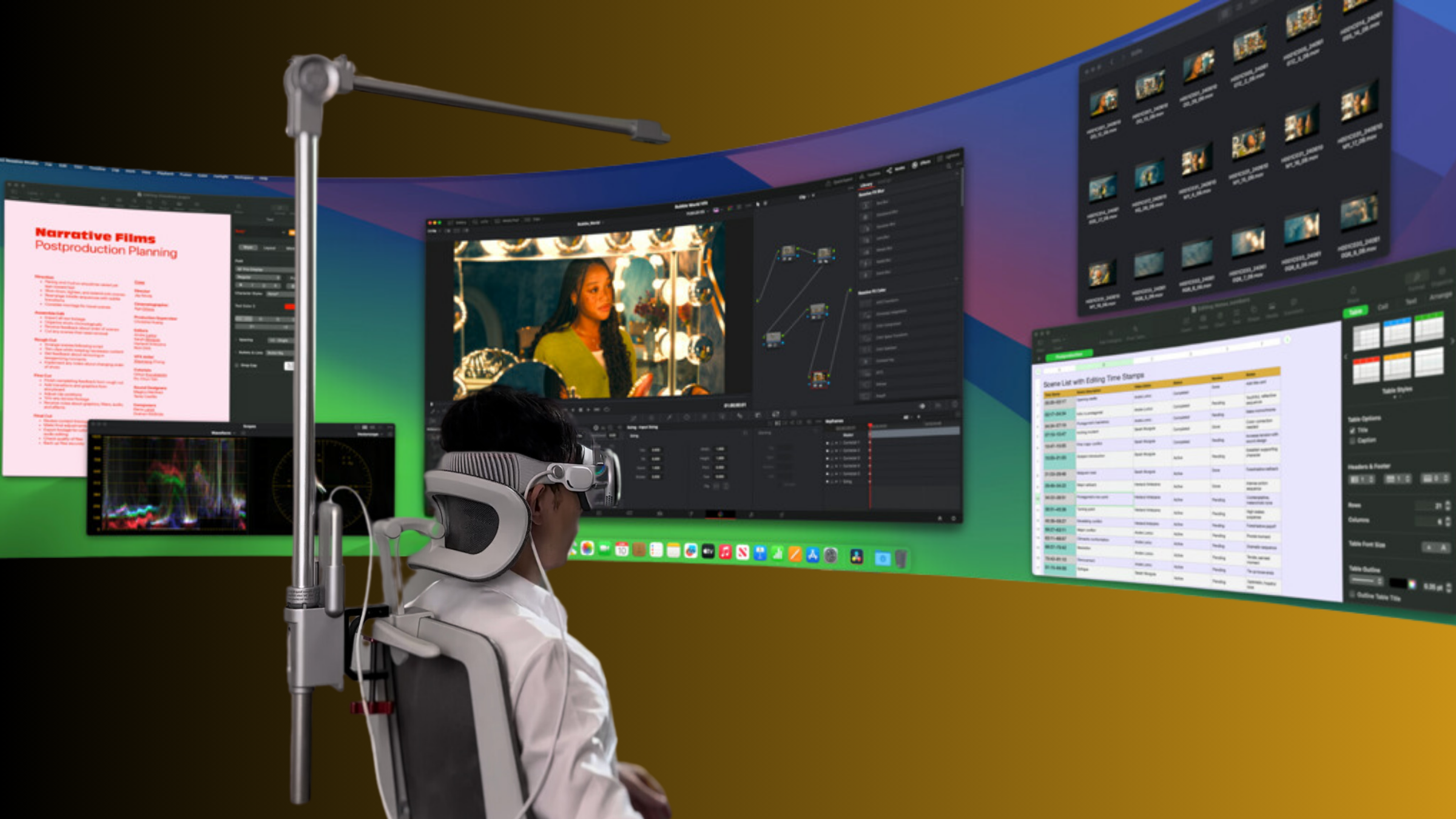
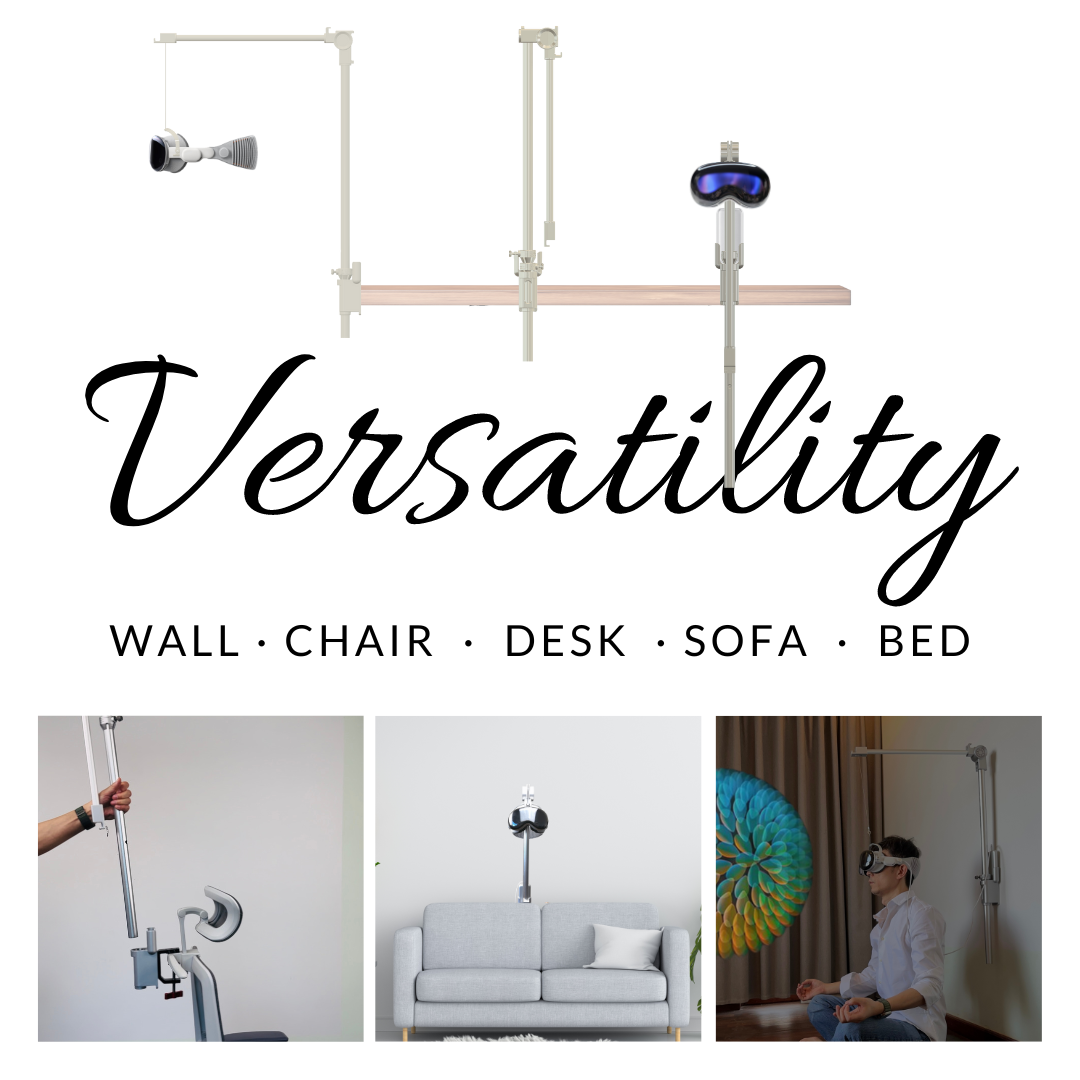
Cross‑compatibility: most Quest 2 comfort straps are designed around the headset’s standard mounting points, but compatibility stops at other headset ecosystems. For example, metal attachments or routing used by Apple Vision Pro accessories will not fit Quest 2 without adapters. If you see a strap claiming universal fit, confirm it specifically lists Quest 2; images and customer Q&A sections are good confirmation. When in doubt, contact the seller.
Common troubleshooting: if the headset feels loose after installation, recheck that anchors clicked fully and that no straps are twisted. If sensors become obstructed, reposition the strap away from the camera housings. For persistent discomfort, redistribute pressure by lowering the strap a little on your head or slightly loosening side straps while tightening the crown. Small iterative changes usually resolve the issue quickly.
Next step: try a 15‑minute playtest after installation, then adjust as needed. Many users find the ideal settings within three to five short playtests—enough to confirm stability during motion and comfort through longer sits.

Compartir:
Elite strap versus third-party options: which keeps you comfortable for marathon VR play
How to choose an Oculus Quest 2 strap: comfort, fit, and durability explained