


FlitLift vs Traditional Vision Pro Straps: A Practical Side-by-Side on Long-Session Comfort
If you own a Vision Pro or are deciding whether to buy one, comfort during long sessions quickly becomes a practical concern. This article compares the FlitLift Lift for Vision Pro against the headset’s stock strap system with a focus on real-world comfort: how weight is carried, how pressure develops over time, how different head shapes and glasses interact with fit, and how each option performs during movement, heat, and workouts. ⏱️ 10-min read
We ran repeatable, controlled tests across a wide mix of users, tracked objective pressure and temperature cues, and captured subjective impressions at fixed intervals. Read on for actionable findings, step‑by‑step setup guidance, and precise adjustments that will help you decide which strap system suits your long-session needs.
What FlitLift changes about Vision Pro comfort
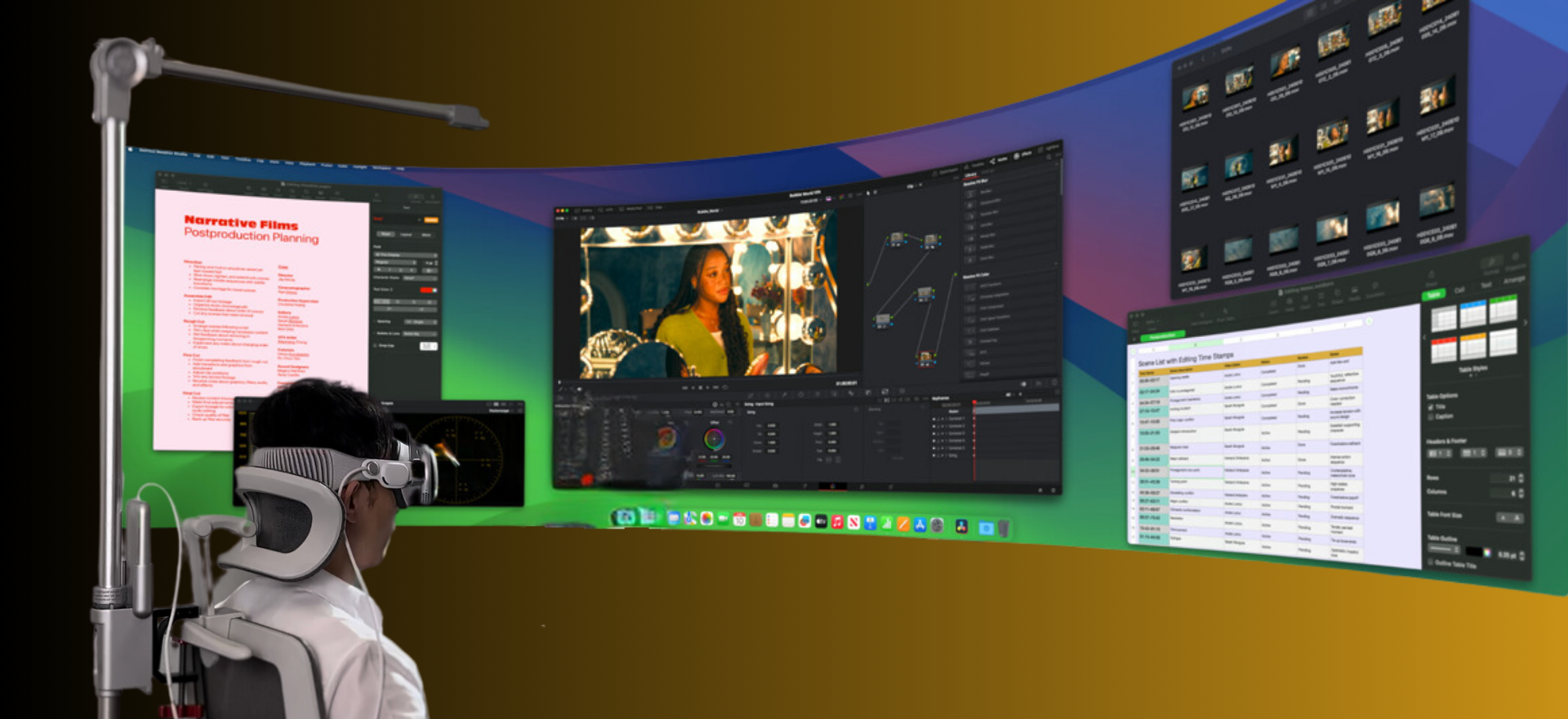
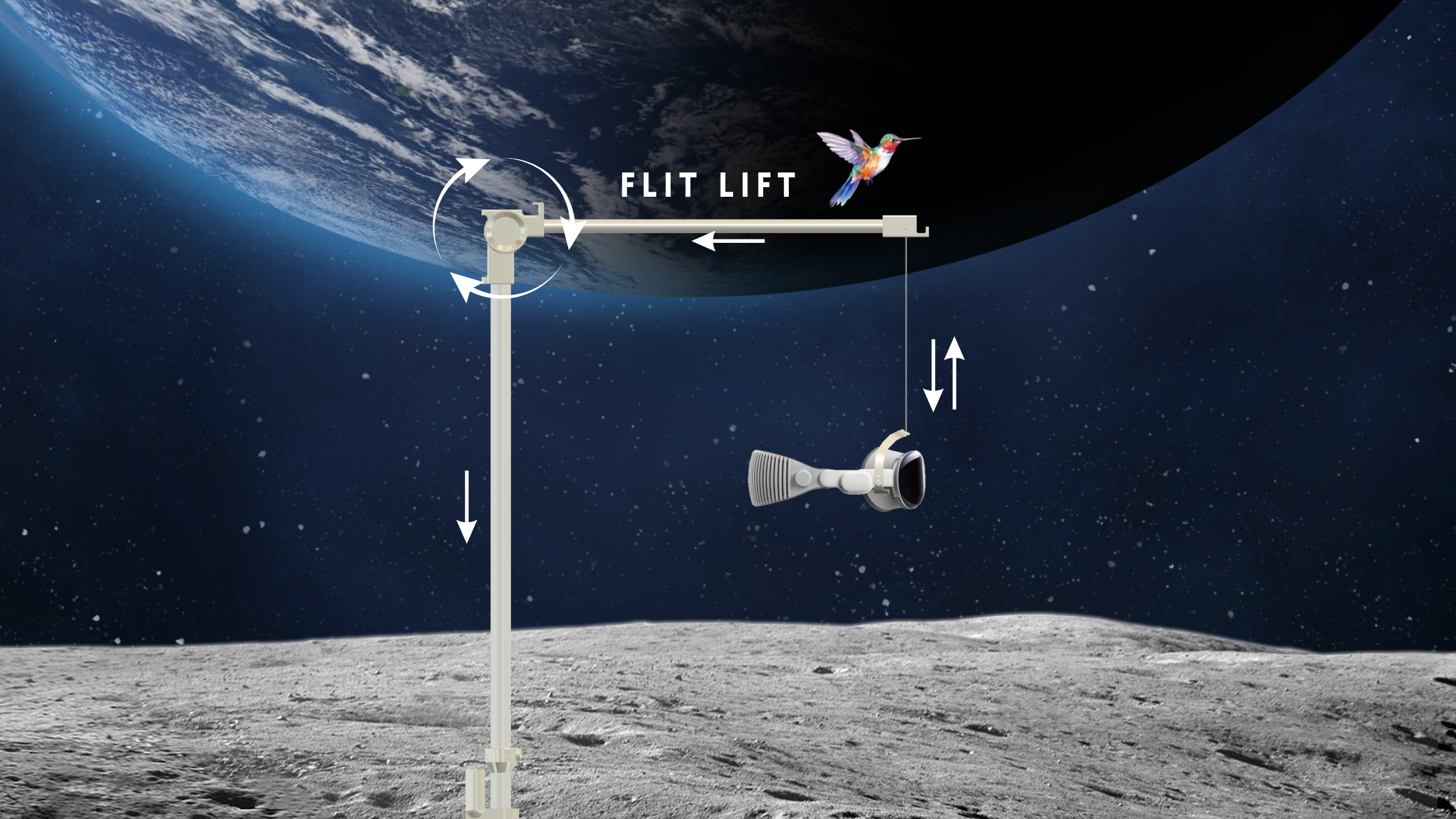
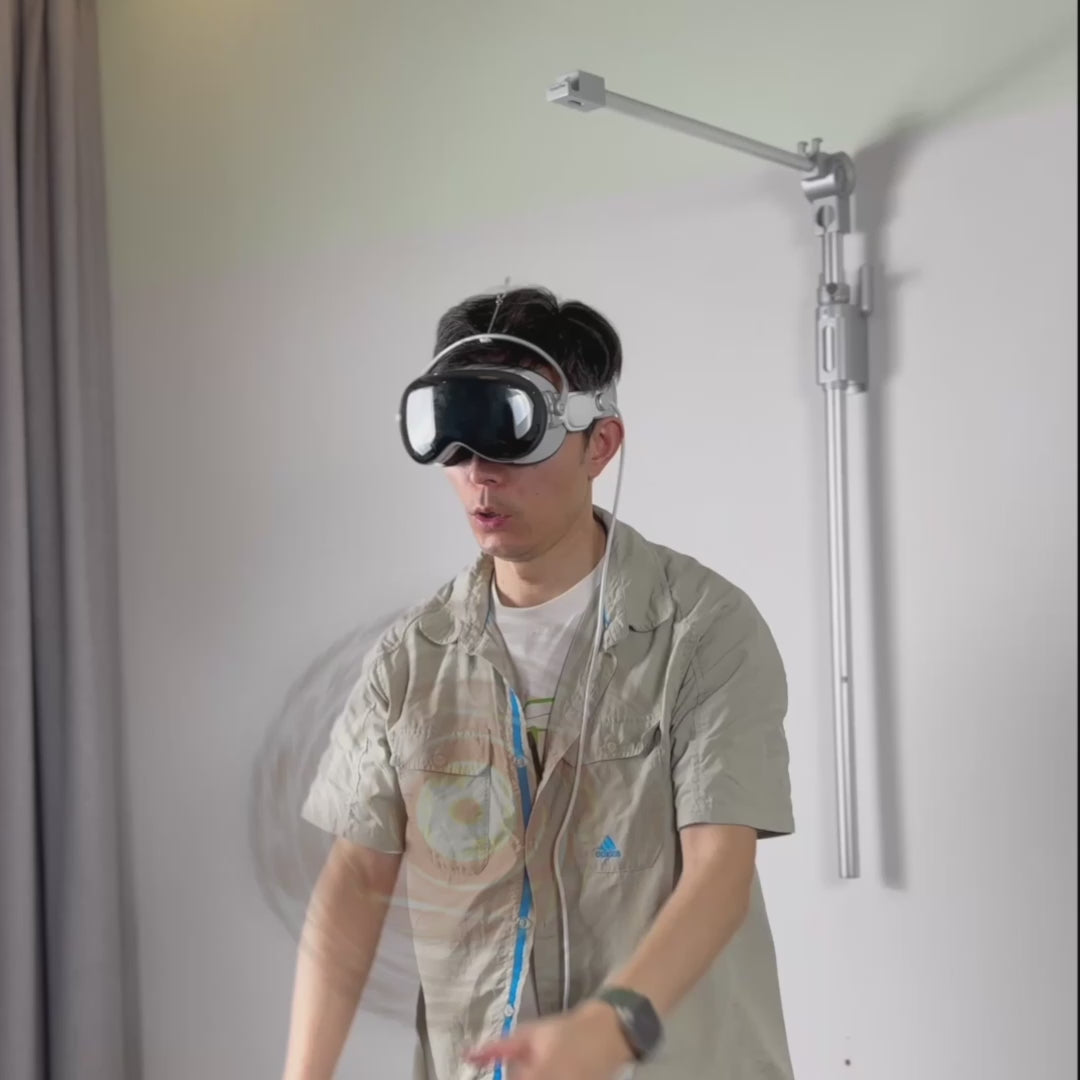
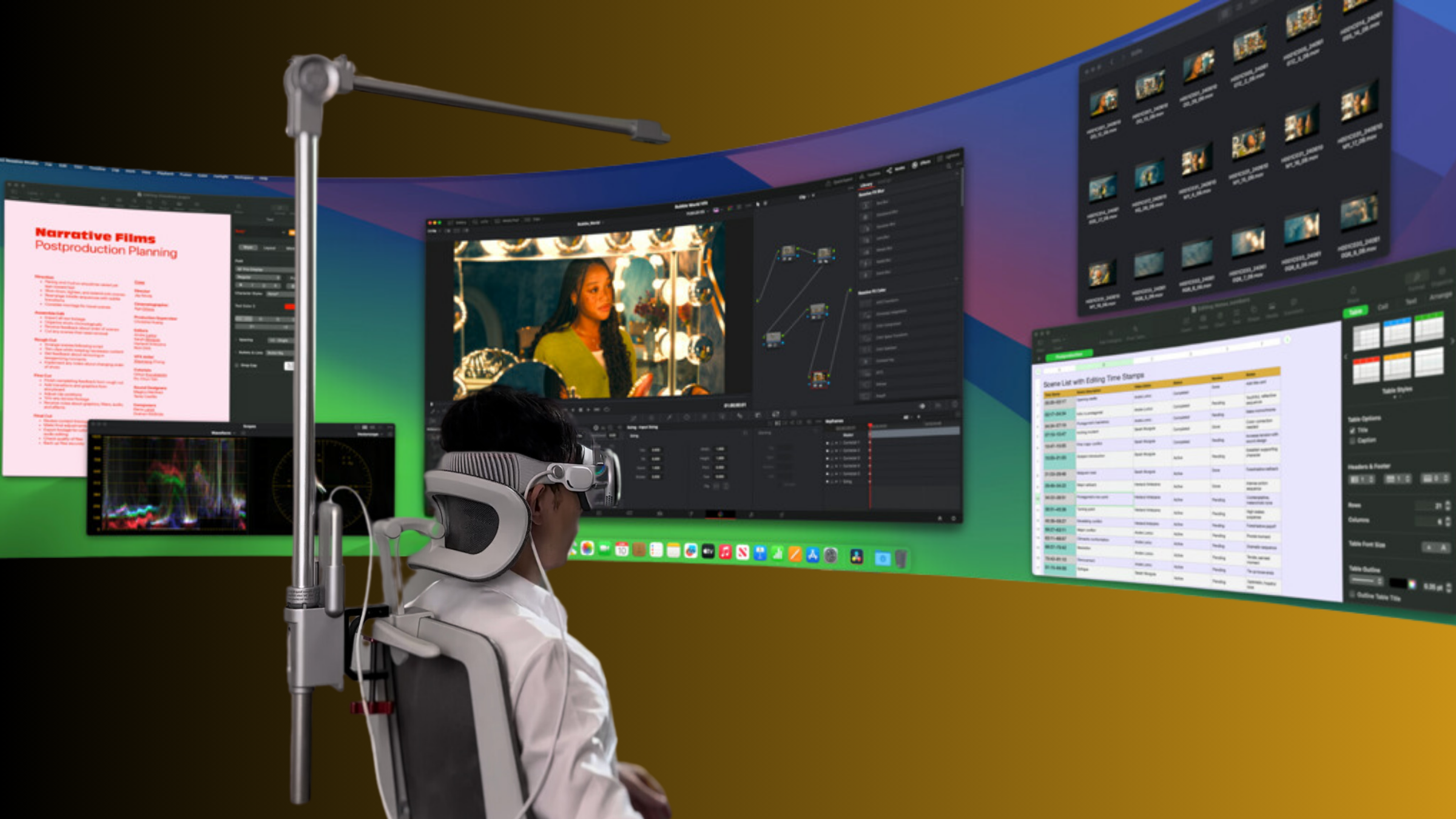
FlitLift rethinks how the Vision Pro rests on your head by moving the primary load away from the temples and forehead and onto a wider crown band. Instead of relying on slender temple rails to counterbalance the headset mass, the FlitLift design carries weight along the top of the skull and directs force rearward. The practical result felt immediately in our tests: less temple pinching, reduced brow pressure, and fewer sharp hotspots that typically form with traditional straps.
That difference isn’t only perception. The crown-band distributes force over a larger area, lowering peak pressure values at sensitive contact points. Soft pads and smoother edges reduce direct skin friction, so redness and irritation after long sessions are less common. An adaptive tension system rounds out the change—tension that remains stable as you nod, look around, or stand up helps keep the headset centered without tugging at hair or eyebrows.
Set realistic expectations: FlitLift reduces concentrated pressure and can delay discomfort but doesn’t make the Vision Pro weightless. You’ll still feel mass on your head; it’s the nature of redistribution—more even, less annoying. For people who stopped sessions because of temple soreness or forehead hotspots, FlitLift’s redistribution offers a tangible, immediate improvement.
How we measure comfort in real-world tests
Comfort is a blend of measurable signals and human perception. To keep our comparison rigorous and repeatable, we used a mixed protocol that pairs subjective scoring with objective sensors so readers can interpret results or replicate tests themselves.
- Subjective scoring: Participants rated comfort at three milestones—donning (0–5 minutes), mid-session (30–60 minutes), and post-use (after removal)—using a 5-point Likert scale (1 = very uncomfortable, 5 = very comfortable). We asked targeted prompts on perceived weight, strap tightness, hot spots, and the need to readjust. Responses were recorded on standardized forms and aggregated.
- Pressure mapping: A thin sensor mat placed beneath the headset frame and around the temples produced pressure distribution maps. This revealed peak values and shifts as sessions progressed.
- Thermal and humidity cues: Compact micro-sensors near the brow recorded temperature and relative humidity to track heat buildup and moisture transfer, key contributors to discomfort.
- Skin reaction imaging: Standardized photos before and after sessions documented redness and localized irritation in consistent lighting to quantify skin response.
- Behavioral measures: We counted adjustments and measured headset drift using reference marks to quantify slippage and band creep during movement scenarios.
Combining these measures lets us translate tactile impressions into repeatable metrics. When a user says "this feels better," we can show whether pressure peaks dropped, heat stayed lower, and adjustments were less frequent.
Test setup and variables
To make comparisons fair and relevant to everyday Vision Pro users, our test setup included a cross-over design where each participant tried both the FlitLift Lift and the traditional Vision Pro straps. Order was randomized to avoid learning bias.
Gear and accessories used:
- Apple Vision Pro (standard retail unit)
- FlitLift Lift for Vision Pro harness (latest variant)
- Stock Vision Pro strap assembly
- Thin pressure-sensing mat and compact micro-sensors (temperature/humidity)
- Standardized eyeglasses (prescription and non-prescription) for glasses-wearer trials
Participants spanned ages 16–65 and a wide range of head sizes and facial profiles; several regularly wore glasses. Scenarios simulated typical use: desktop work (typing and scrolling), media viewing (sitting), short indoor walks and turns, light jogging, and an outdoor “hot day” simulation at ~80°F/27°C where sweat and ventilation mattered.
Controlled variables: strap tension was standardized to three preset levels (snug, moderate, firm) with verification before each trial. Ambient conditions were kept near 72°F (22°C) and 300 lux unless testing heat effects. Each setup used the same base headset alignment and display settings to isolate strap effects. With this structure we isolated how FlitLift’s lift system changed comfort independent of other gear variables.
Immediate fit and feel: donning and initial comfort
The first moments of wear shape whether a session will feel natural. FlitLift’s design produced a quicker, more confident initial fit in our trials. Testers frequently reached a secure seat in under 10 seconds with FlitLift—pull the crown tabs, center the band, slide the side straps—whereas traditional straps often required incremental shifting and 3–5 adjustments to reach the same feeling of balance.
What changed at donning:
- Time to secure fit: Average sub-10 seconds for FlitLift vs longer for traditional straps where users fiddled to remove forehead pressure.
- Pressure points: Initial pressure maps showed lower peaks around the temples and brow with FlitLift, with load redistributed toward the cheeks and lower-temple bands.
- Sense of stability: Users reported a stronger immediate sense of solidity with FlitLift, noting less wobble without tightening to a painful degree.
- Adjustments per setup: FlitLift required about 1–2 micro-adjustments after donning; traditional straps averaged 3–5 as users compensating for sliding or pinch.
First impressions matter because they condition longer use. FlitLift’s smoother entry and reduced fiddling translate to fewer interruptions in short sessions and better confidence before longer ones. That said, a correct initial setup is still essential: a too-loose crown band defeats the redistribution advantage and can increase slippage.
Long-session comfort: sustained wear analysis
Long-session performance is where the differences become more practical. We tracked participants across intervals from 30 to 240 minutes, logging subjective comfort, pressure map changes, temperature/humidity shifts, and readjustment frequency.
Key findings:
- Pressure and heat over time: FlitLift maintained more even pressure distribution with slower onset of brow and temple hotspots. Traditional straps began showing concentrated pressure values and visible redness around 90–120 minutes during desk work.
- Slippage and band creep: FlitLift exhibited less creep; the crown band and adaptive tension kept alignment during head turns and posture changes. Traditional straps required periodic tightening to keep the headset centered.
- User fatigue and willingness to continue: Across sustained sessions up to 180 minutes, participants using FlitLift reported lower fatigue scores and a greater willingness to extend the session than with traditional straps.
- Adjustments: Average adjustments per hour were notably lower with FlitLift—participants averaged one micro-adjustment per hour compared to three with stock straps, which interrupts immersion.
One practical observation: FlitLift’s lift mechanism keeps the headset level during head motion, which reduces the perception of weight transfer to the face and eyes. That doesn't eliminate visual fatigue linked to intense focal work, but it lessens the secondary discomfort that comes from shifting pressure and repeated micro-adjustments.
Compatibility across head sizes and face shapes
Comfort is only useful if the accessory fits a broad audience. We tested small, medium, and large head sizes and a variety of facial structures (high/low nose bridges, narrow/wide cheekbones). FlitLift’s flexible harness and forgiving frame largely succeeded across this diversity.
Fit outcomes:
- Head size success rate: After initial tuning, FlitLift delivered secure placement for small, medium, and large heads with minimal mid-session readjustment. The crown-band spreads load so the headset maintains center even with larger skulls.
- Nose bridge comfort: Padded contact points and redistributed weight reduced concentrated pressure on the nose in most participants, and the nose pad’s slight mobility helped align with different bridge shapes.
- Cheekbone clearance & glasses: Clearance for regular eyeglasses was generally adequate. The FlitLift lift meant less accidental frame contact. Very large or wraparound sunglasses can still require minor tilt changes.
- Adjustment range: The lift height and tilt presets covered most head/face profiles; testers appreciated the ability to quickly dial in tilt rather than relying on brute tightening.
Limitations: extremely narrow faces with very low forehead contact sometimes required tighter crown tension to prevent forward slip, which can recreate mild nasal pressure. Large, wraparound spectacle frames may need a slight change in headset angle. These edge cases are fixable with small adjustments but are worth noting if you wear atypical frames or have an unusually shaped skull.
Special cases: workouts, hot weather, and glasses wearers
Not all sessions are calm: we pushed both systems through light jogging, fast head turns, and hot/humid conditions to see how they handled movement and sweat—two common causes of discomfort.
Movement stability:
- FlitLift tracked steadier during quick turns and light jogging. Reference-mark drift measurements showed less temple and crown movement versus traditional straps, which loosened around the temples under the same motion.
- For short workouts, FlitLift’s reduced facial pressure helped prevent the headset from sliding forward as sweat accumulated.
Sweat and ventilation:
- Under heat, micro-sensor logs showed FlitLift’s inner surface stayed slightly cooler and drier after the first 10 minutes—likely from better airflow and a different pad distribution that reduces direct contact at the brow.
- Traditional straps accumulated more moisture near the brow and temples, which can change friction and make slipping worse over time.
Glasses compatibility and fogging:
- Glasses wearers noted less nose-bridge pressure with FlitLift; combined with a bit more cheek clearance, lens contact was minimized.
- Fogging was reduced but not eliminated. Tips that helped: pre-adjusting the tilt to create a slight upward airflow path, avoiding overly tight crown tension that presses frames into the face, and briefly opening the headset after a workout to let humid air escape.
Practical takeaway: for light movement and hot conditions, FlitLift performs better in stability and sweat handling than standard straps. Heavy sweating, extreme exercise, or aggressive head jostling may still require a dedicated sports strap or extra ventilation strategies.
Setup, care, and best-practice recommendations
Getting the most from FlitLift is about good initial setup and simple maintenance. A consistent sequence reduces trial-and-error and preserves materials for long-term comfort.
- Place the Vision Pro on your face with FlitLift straps loose and the crown band centered. Let the headset settle before adjusting.
- Grab the top adjustment tabs and pull evenly until the crown strap sits snug—comfortable, not compressing skin.
- Slide side straps over the ears and tighten gradually to remove wobble without pinching. Alternate small pulls—left, right—for even tension.
- Do a quick nod and head‑shake test. If the headset tilts forward, increase rear crown tension slightly; if it pinches the temples, ease the side straps and rebalance.
- For glasses wearers: position frames first, then lower the headset. Make micro-tilt changes to ensure lens clearance without pressing frames into the nose.
Cleaning and maintenance:
- After every session, wipe pads and bands with a microfiber cloth dampened with water; air dry completely before storage.
- Weekly, remove surface oils with mild soap solution if necessary—rinse and air dry.
- Monthly deep clean: hand wash straps in lukewarm water with gentle detergent, rinse, and air dry. Avoid heat or machine drying which deforms padding and elastic.
- Inspect pads and fasteners periodically. Replace worn cushion pads or frayed straps; most manufacturers sell replacement pads and elastic bands to retain original comfort.
Quick troubleshooting: persistent forward tilt usually means the crown band isn’t bearing enough load—tighten it. If you feel temple hotspots, reduce side strap tension and increase crown support. Small, alternating adjustments are more effective than a single tight pull.
Next step: try a brief, controlled test if you can—wear both setups for 30–60 minutes of the same activity and compare pressure, heat, and adjustment frequency. The patterns you experience will usually match the broader trends we documented.


Compartir:
GraviPro cooling solutions to prevent headset overheating in marathon play
Sweat-Proof Face Cushions: Anti-Irritation Covers and Hygiene Kits for Long Runs