


Engineering Comfort: How GraviPro Cooling and the Flit Lift System Prevent Headset Overheating During Marathon VR Sessions
Long VR sessions are less about graphics and more about human factors: skin temperature, sweat, fogged visors, and headset balance. When you plan to play for hours — whether training for esports, streaming long sets, or running extended development tests — thermal management and mechanical comfort become the limiting factors. This piece takes a practical, engineering-focused look at how GraviPro’s cooling lineup and the flit-lift-weightless-vr-comfort/beyond-the-headset-must-have-comfort-accessories-for-immersive-vr-experiences" rel="nofollow noopener noreferrer">Flit Lift dynamic support work together to keep headsets cooler, maintain sensor stability, and meaningfully extend comfortable play time. ⏱️ 11-min read
Read on for a hands‑on explanation of the components, how they interact, setup and maintenance tips, measurable outcomes you can expect, and developer guidance for integration. You’ll get concrete steps and testable metrics so you can judge benefit in your own rig instead of relying on marketing claims.
The heat problem in marathon VR sessions
Even the most efficient headsets move heat from processors, displays, and batteries into the immediate interface with the user: the forehead, crown, and rear headband. Over the course of hours, that heat accumulates at contact points and within the small internal volumes of modern headsets. The consequences are both physiological and technical. Physiologically, rising surface temperatures prompt sweating, fogging, headaches and general fatigue — all of which erode focus and shorten useful session lengths. Technically, heat can trigger thermal throttling, cause color and brightness shifts, and induce sensor drift that degrades positional tracking.
Heat behavior in VR is influenced by ambient temperature, workload (high-FPS or intense GPU use), and headset seal geometry. Tight seals help optics but trap warm air; loose seals improve airflow but can let light leak and reduce immersion. Hotspots commonly form at the forehead because the browpad is a small area of concentrated contact, and at the crown where electronics or support bands press. Left unaddressed, those hotspots not only feel unpleasant but create a feedback loop: sweat reduces pad friction and forces frequent adjustments, which in turn disrupts tracking and eye comfort. A practical cooling solution must therefore lower surface temperatures, preserve critical seals, and improve airflow without adding distracting bulk or destabilizing the headset’s balance.
GraviPro cooling solution lineup
GraviPro’s cooling system is built as a modular family that balances active and passive elements so marathon play remains sustainable without sacrificing headset fit. At the core are compact active cooling blocks: micro heat‑exchangers with embedded fins and a small coolant loop. These blocks extract heat from the headset contact points and move it into a circulating fluid that is routed away to a perimeter reservoir or radiator. A low‑noise pump maintains steady flow suited to long sessions rather than peak bursts, which smooths temperature over time and avoids repeated on/off cycling.
Complementing active modules are passive components designed to reduce baseline heat ingress. Enhanced insulation layers slow external thermal influx and built‑in airflow channels guide warm air out of critical zones. The passive channels are deliberately seal‑friendly — they route air around the browpad and temple seals so you keep optical clarity without trapping hot pockets. Modularity is central: adapters allow the same base module to mount to a range of headsets (including common Vision Pro variants where compatible mounts exist), and you can scale the system by adding fins, secondary channels, or a larger reservoir depending on session length and headset load.
The design also prioritizes weight distribution. Since cooling hardware adds mass, GraviPro integrates its modules with existing headbands and distributes mass symmetrically so the headset’s center of gravity remains near the user’s rotational center. That avoids front‑heavy sag and keeps tracking geometry stable while still delivering meaningful heat extraction.
Dynamic lifting and heat management synergy
GraviPro doesn’t treat cooling and support as separate domains. Its dynamic lifting mechanism — a fine‑actuation system that can raise or lower the headset slightly during use — is engineered to work with the cooling network so both thermal and mechanical comfort improve together. Mechanically, the lift redistributes load away from high‑pressure contact points. A small upward shift reduces crown and brow compression, spreading pressure across a ring or rear support. This evens thermal contact and prevents heat from pooling in the crown or temples.
Thermally, lifting creates controlled micro‑gaps at the forehead and temple interfaces. These gaps are large enough to enable convective flow but small enough to preserve the headset seal where it matters for optics. As the lift actuates — either on a scheduled profile or in response to temperature sensors — the resulting airflow pulls warm boundary air out along planned channels, improving heat transport from skin and housing to the exchanger fins. Importantly, the actuation is damped to avoid creating mechanical chatter or a perception of looseness during rapid head movement.
GraviPro aligns its cooling channels with lift nodes intentionally: ducts run adjacent to the primary contact points so heat can travel along the shortest path to the exchanger. That concentration of extraction at the crown and temples optimizes power use — the pump and fans only need to move a small volume of coolant and air to affect large perceived cooling gains. In practice, this synergy reduces peak surface temperatures, stabilizes internal temperatures to avoid thermal throttling, and lowers sweat rates — a visible improvement in long sessions.
Flit Lift compatibility and cooling‑enhanced comfort
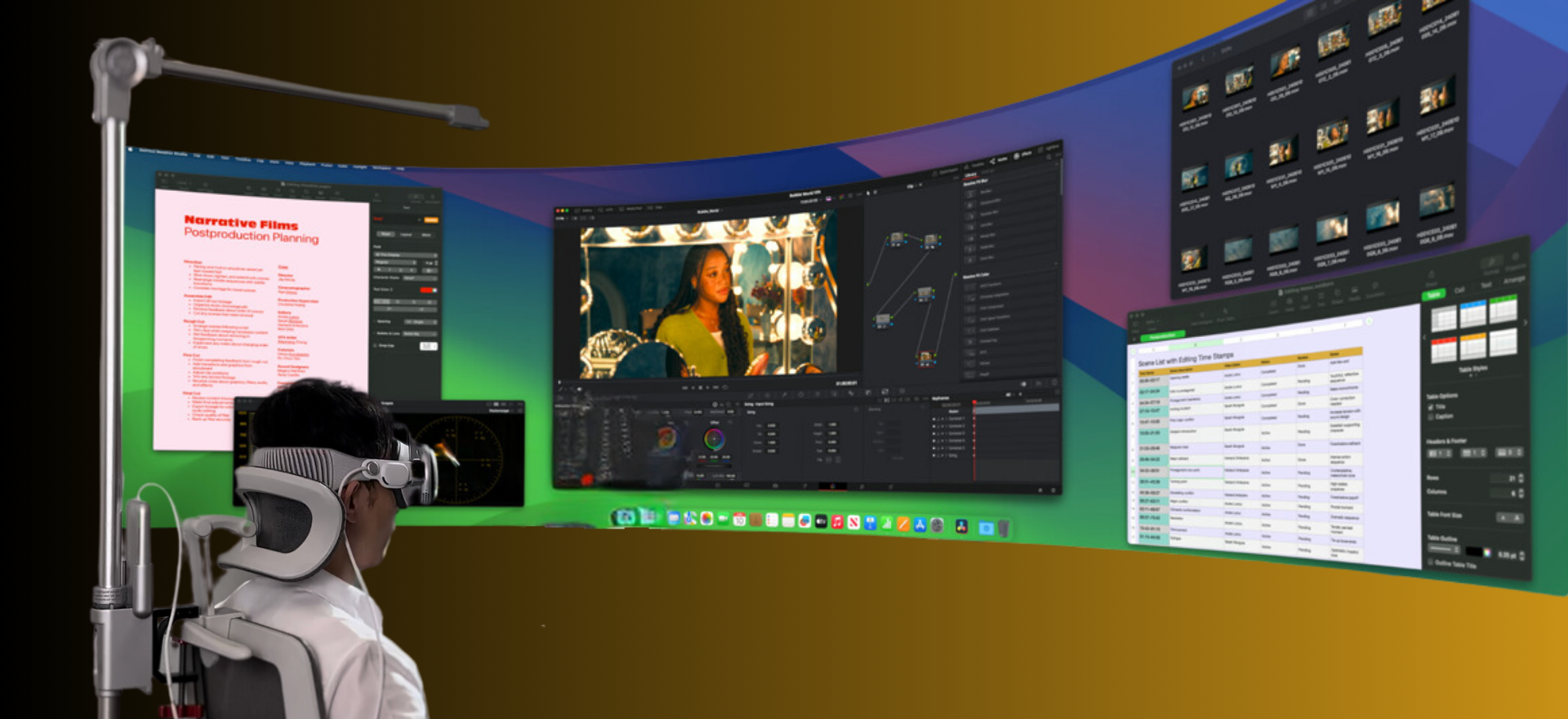
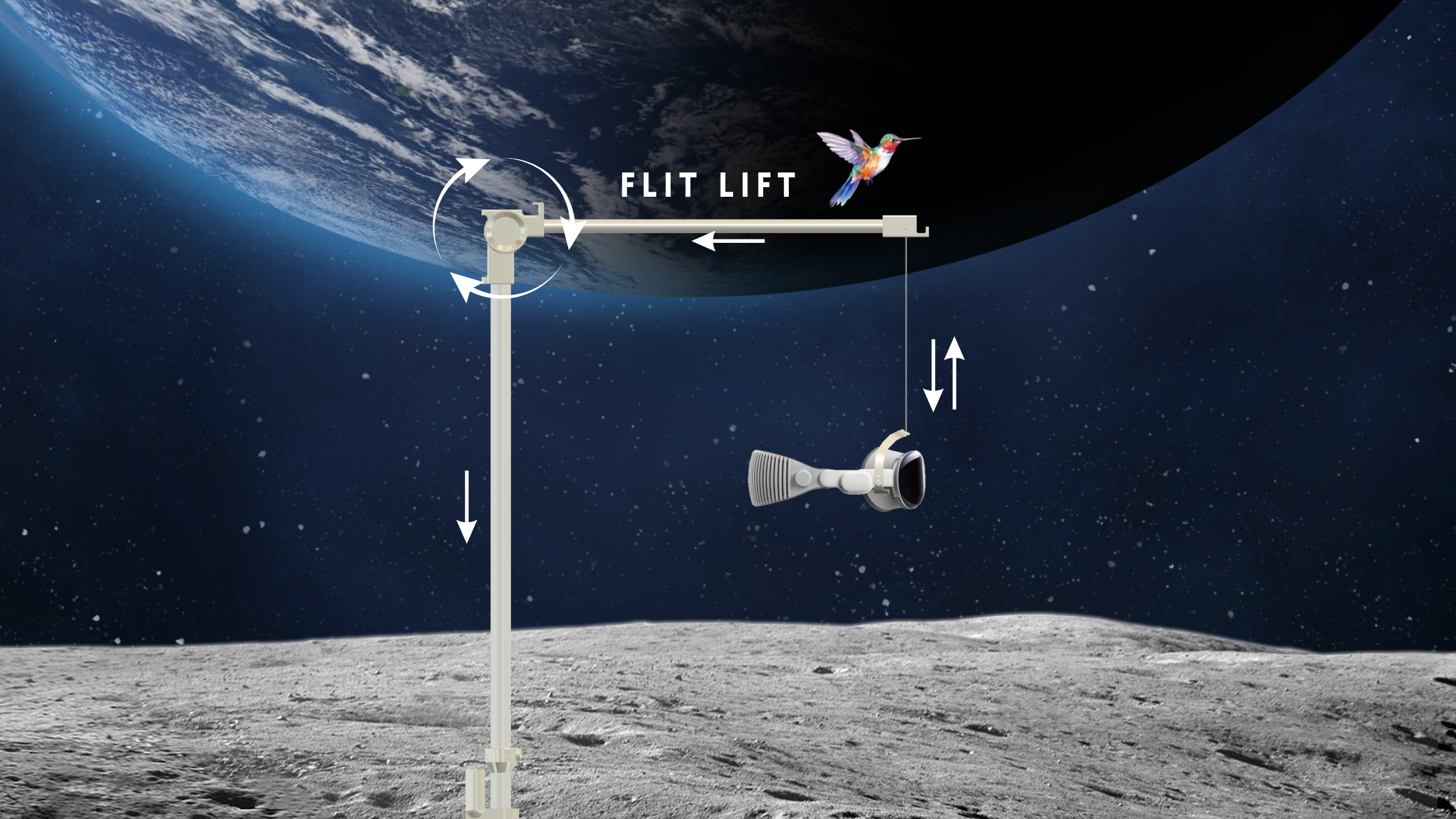
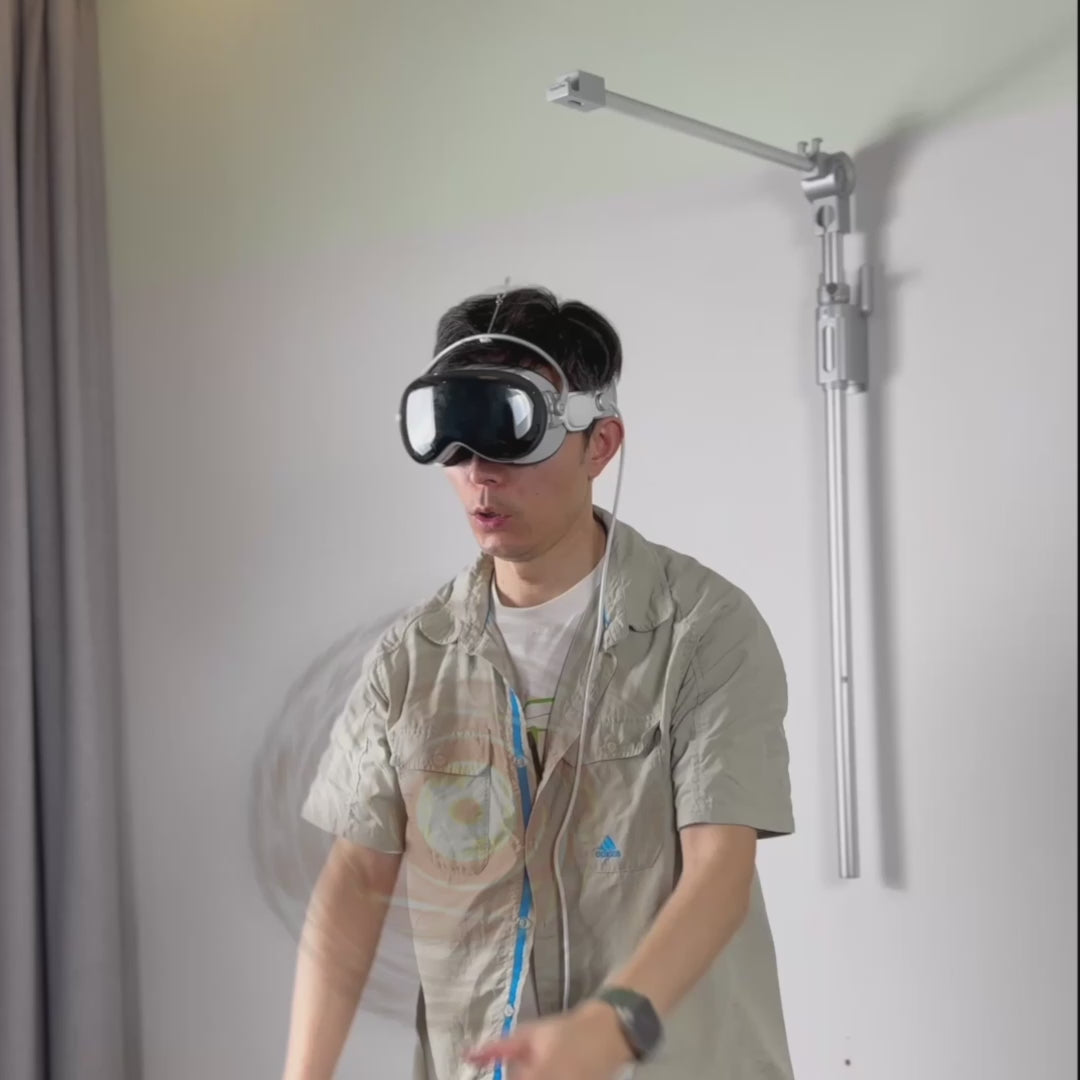
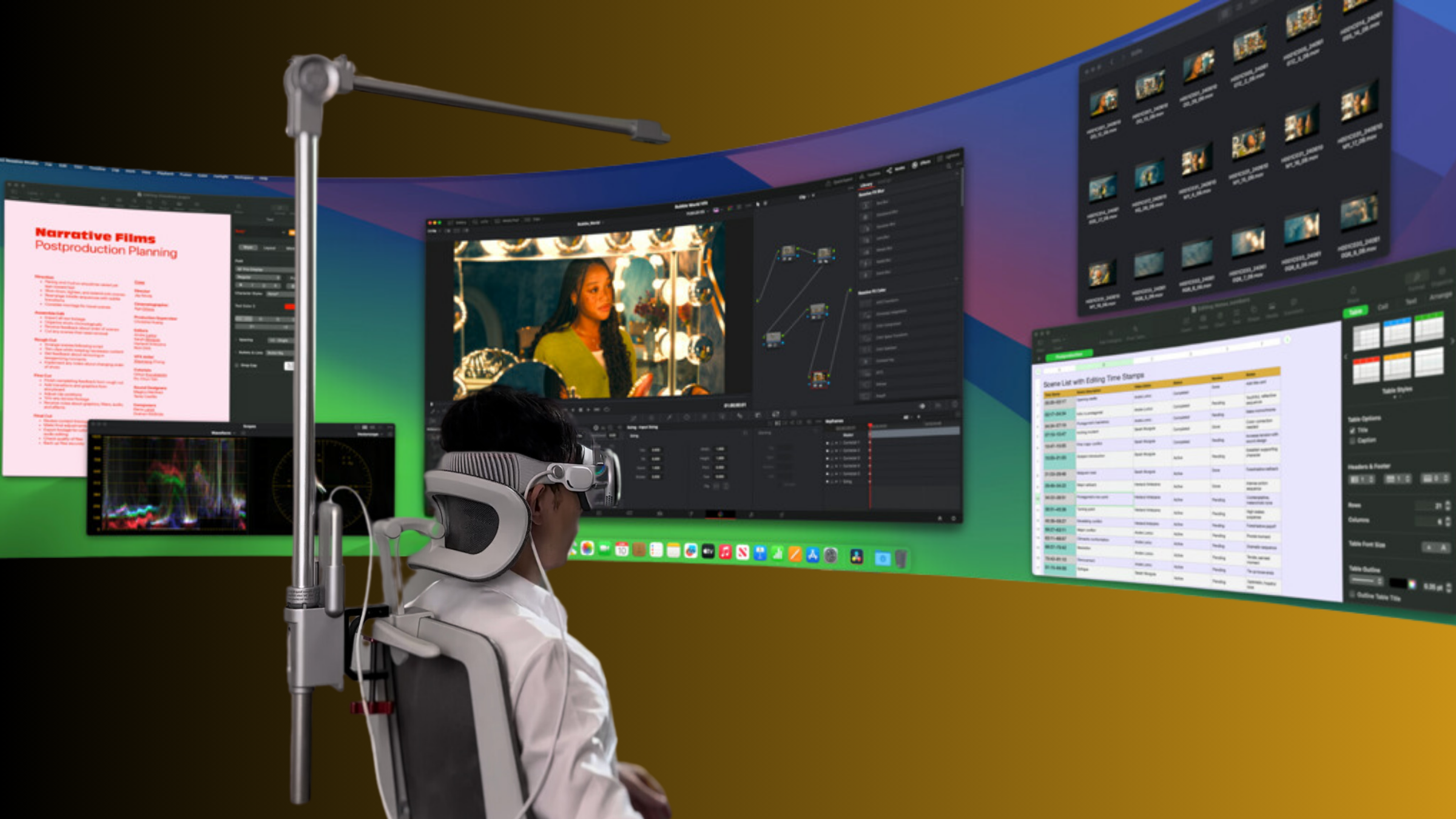
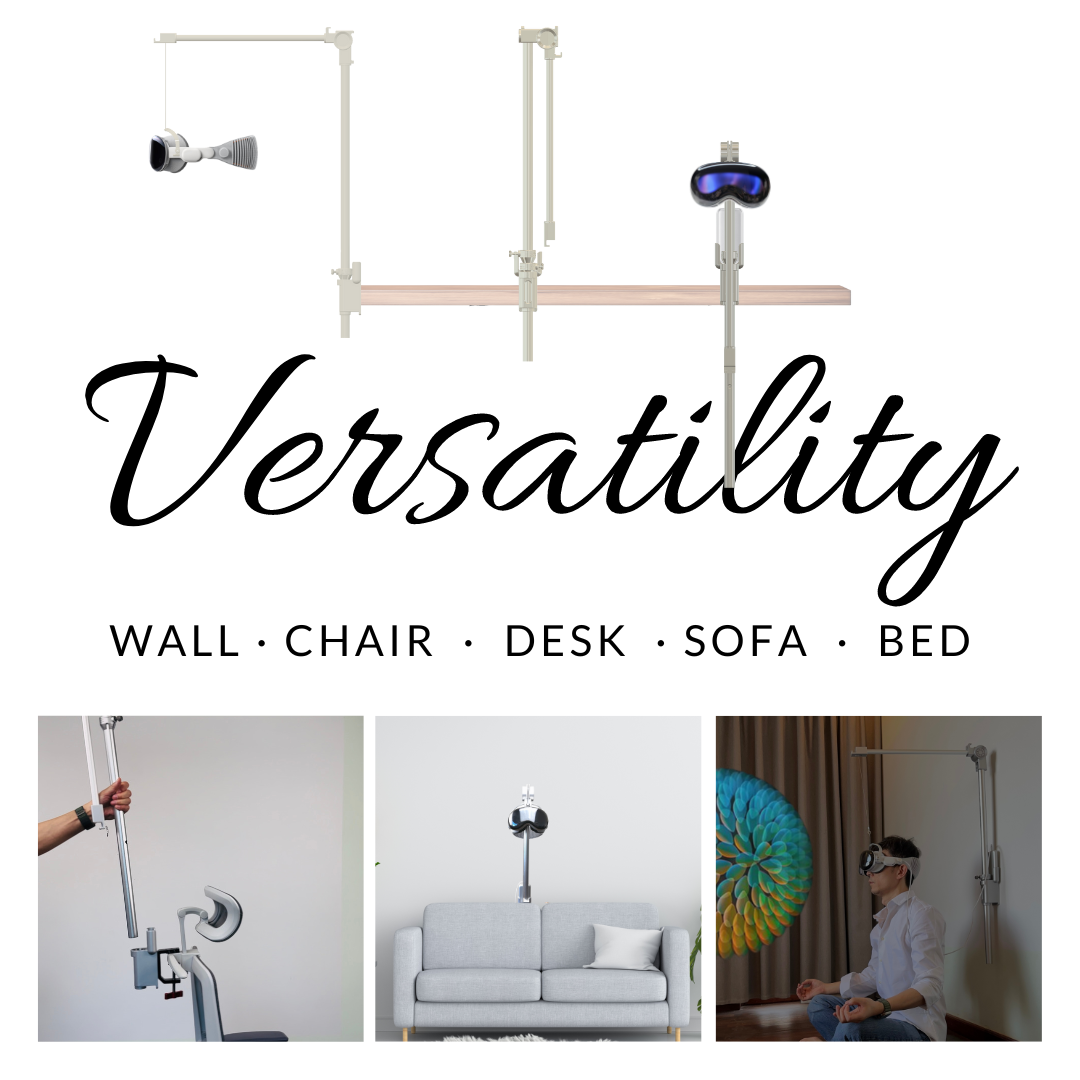
The Flit Lift system was designed for weightless comfort — lifting the headset slightly to reduce pressure on the brow and cheekbones — and it pairs naturally with GraviPro’s cooling approach. The two systems interlock via standard mechanical mounts and shared control lines, so lift height can be adjusted without interrupting coolant routing or changing balance setups. This mechanical integration reduces cable stress and keeps user adjustments quick and intuitive.
When Flit Lift raises the headset by a few millimeters, it does two things for heat: it opens access to temple and crown vents and reduces direct pressure that traps heat at the brow. That freed clearance accelerates airflow along GraviPro’s channels and lets the active exchangers remove heat more efficiently. Users report a distinct sensation of less “heat cling” on the forehead and drier padding — not just because there’s more air, but because the pressure redistribution reduces occlusion that traps sweat.
Flit Lift’s contribution is particularly noticeable during varied motion. During intense turns or quick posture changes, the lift ensures the headset remains balanced and doesn’t dig into the same hotspots repeatedly. For streamers and esports players who switch between sitting and standing or pivot frequently, the combined system keeps cooling consistent and reduces the need for mid‑session adjustments — a small operational win that translates to fewer interruptions and steadier performance.
Compatibility, setup, and fit checks
Before you install any cooling or lift hardware, run a compatibility checklist. Not all headset shells and strap geometries are identical; approved adapter kits exist for popular models and Vision Pro variants where applicable. Check that mounting points are aligned, clearance around factory vents remains unobstructed, and the combined weight keeps the center of gravity within comfortable bounds. If your headset requires a custom adapter, prioritize keyed interfaces and ±0.5 mm alignment tolerance to avoid misfit and stress on the shell.
Setup is straightforward if you follow a few disciplined steps:
- Attach mounting brackets and secure modules per manual torque spec; avoid over-tightening that deforms foam or plastics.
- Route coolant lines away from moving parts and sensors; use gentle curves instead of sharp bends and clip lines to existing strap channels.
- Connect the coolant reservoir and perform a press test on the closed loop to check for leaks; hold 1.2× nominal pressure for a minute to confirm fittings.
- Power the pump and run a lift calibration cycle: confirm full stroke, smooth damping, and no mechanical interference with cables or vents.
- Fit verification: don the headset, check for even clamp tension, and perform a 10–20 minute motion trial (look left/right/up/down) to expose any hotspots or movement-induced friction.
Safety checks are essential. Verify emergency shutoff access that interrupts power and halts pump activity instantly. Confirm that any reservoir is shielded to prevent drips onto electronics, and schedule regular inspection intervals for dampers, seals, and hoses. If you detect any leak, shut down and address it before resuming sessions.
Measuring impact: what to expect in real use
To evaluate GraviPro plus Flit Lift, combine objective sensor readings with subjective comfort logging. Start with three thermistor or IR points: forehead pad, crown contact, and the internal housing near the display. Log these at baseline (cold start), midpoint, and end of your session. Also capture ambient temperature so you can compute delta values — the difference between headset and room temp — which normalizes results across environments.
Practical metrics to monitor
- Temperature stability: look for steady-state trends rather than transient spikes; successful setups show a flattened curve after warm-up rather than continued climb.
- Session duration extension: compare the time until a predefined discomfort threshold (e.g., “must adjust headset” or “noticeable fogging”) with and without cooling.
- Fogging events and sweat rate: use a binary log for fogging (yes/no) and a simple comfort rating (1–5) recorded at 30‑minute intervals.
- Sensor stability and performance: watch for frame time variance, tracking jitter, and any thermal throttling alerts generated by the headset firmware.
From field examples, teams running six‑hour esports marathons reported lower forehead temps and a reduction in late‑session irritation; daily two‑to‑three hour training blocks showed fewer mid‑session adjustments and more consistent sensor readings. Expect tangible improvements: less fogging, fewer headset reseats, and smoother long‑run performance. However, results depend on ambient conditions and the headset’s baseline thermal characteristics — use repeatability tests to confirm consistent gains across sessions.
Development and integration guidance
For hardware and firmware teams, integrating GraviPro requires attention to both data flow and mechanical interfacing. GraviPro exposes per‑zone heat telemetry through an API designed for low‑latency reads; use a 1–2 second polling window and build hysteresis into your triggers to prevent rapid actuation cycles that waste power and produce mechanical wear. Normalize thermal values across headsets in your fleet so analytics teams can compare deltas reliably.
Key engineering notes
- APIs and triggers: design cooling profiles with multiple stages and graceful ramp-up. Use hysteresis on thresholds to avoid oscillation, and provide fallback modes if telemetry is lost.
- Mounting tolerances: adhere to ±0.5 mm alignment and use keyed mechanical interfaces. Validate tolerance stacks in FEA or physical jigs to avoid stress on headsets during repeated install/remove cycles.
- Vibration management: add compliant mounts (silicone or rubber dampers) rated for expected motion to minimize micro‑motion that can both increase noise and reduce thermal conduction efficiency.
- Firmware hooks: expose simple states (idle, ramping, active, fault) for the headset to consume so it can adapt display brightness or workload in response to cooling availability.
- Testing protocols: run repeatability tests with identical heat cycles and target timing tolerances. Execute stress tests that simulate peak GPU loads and rapid head movement to observe mechanical integrity and thermal response.
Privacy and telemetry: log only essential telemetry and anonymize identifiers when sending to backend analytics. For safety, implement an emergency stop that cuts pump and actuators and preserves logs for post‑event diagnosis.
Getting started: practical next steps for early adopters
If you’re ready to run GraviPro and Flit Lift in your setup, follow this pragmatic on‑ramp plan to minimize friction and gather useful data quickly.
- Baseline assessment: catalog each headset model, total weight, strap geometry, and a simple ventilation score (none, partial, wide). Create a one‑page spec sheet for each rig that includes weight in grams and a short comfort note.
- Purchase and staging: order the correct adapter kits for your headsets and an appropriately sized reservoir. If you plan to use Flit Lift, include its mount and ensure shared control lines are ordered together.
- Initial install and leak test: attach modules, route coolant, and perform a 1.2× pressure hold for one minute. Check electrical connections and confirm the emergency shutoff is accessible.
- Calibration session: run lift calibration and a 20‑minute warmup at a medium workload. Log three temperature points, a comfort score, and any fogging events.
- Iterate using a simple loop: after each session, note What worked, What didn’t, and Next step. Tune lift presets by game type — lower lift for seated precision shooters, higher lift for extended streaming where comfort matters more than perfect peripheral seal.
- Feedback channels: report installation notes and telemetry summaries to GraviPro support or developer forums. If you’re a developer, include crash logs and thermal profiles to speed diagnostics.
For teams, schedule a pilot week with three 20–30 minute runs per headset to build a baseline. Compare the logged deltas and subjective ratings against your original spec sheet to quantify gains. If you’re fielding this in an esports house or streaming rig, prioritize repeatability and supply spare dampers, O‑rings, and adapter screws as part of a maintenance kit.
Next step: pick one headset and run a controlled A/B test across three sessions. Log temperatures, subjective comfort, and a short video of head motion to correlate mechanical fit with thermal performance — that data will give you the clearest, actionable insight into how much GraviPro plus Flit Lift will benefit your specific workflow.


Compartir:
Sweat-Proofing Vision Pro: Keep It Comfortable Through Intense Workouts
Flit Lift vs Traditional Straps: Real-World Comfort Tests for Vision Pro