

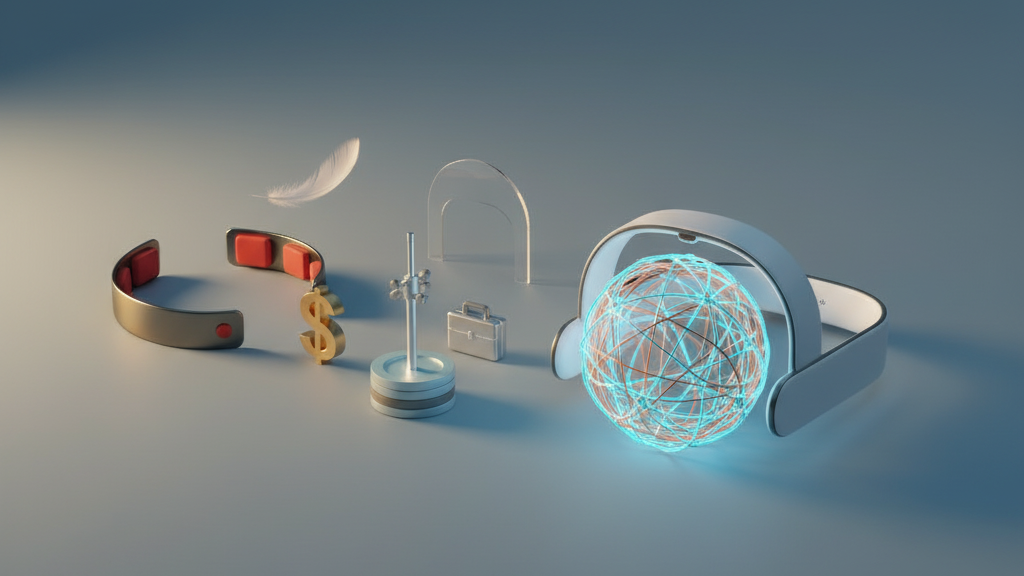
GraviPro vs. Standard VR Headsets: A Practical, Side‑by‑Side Guide to Weightless Comfort
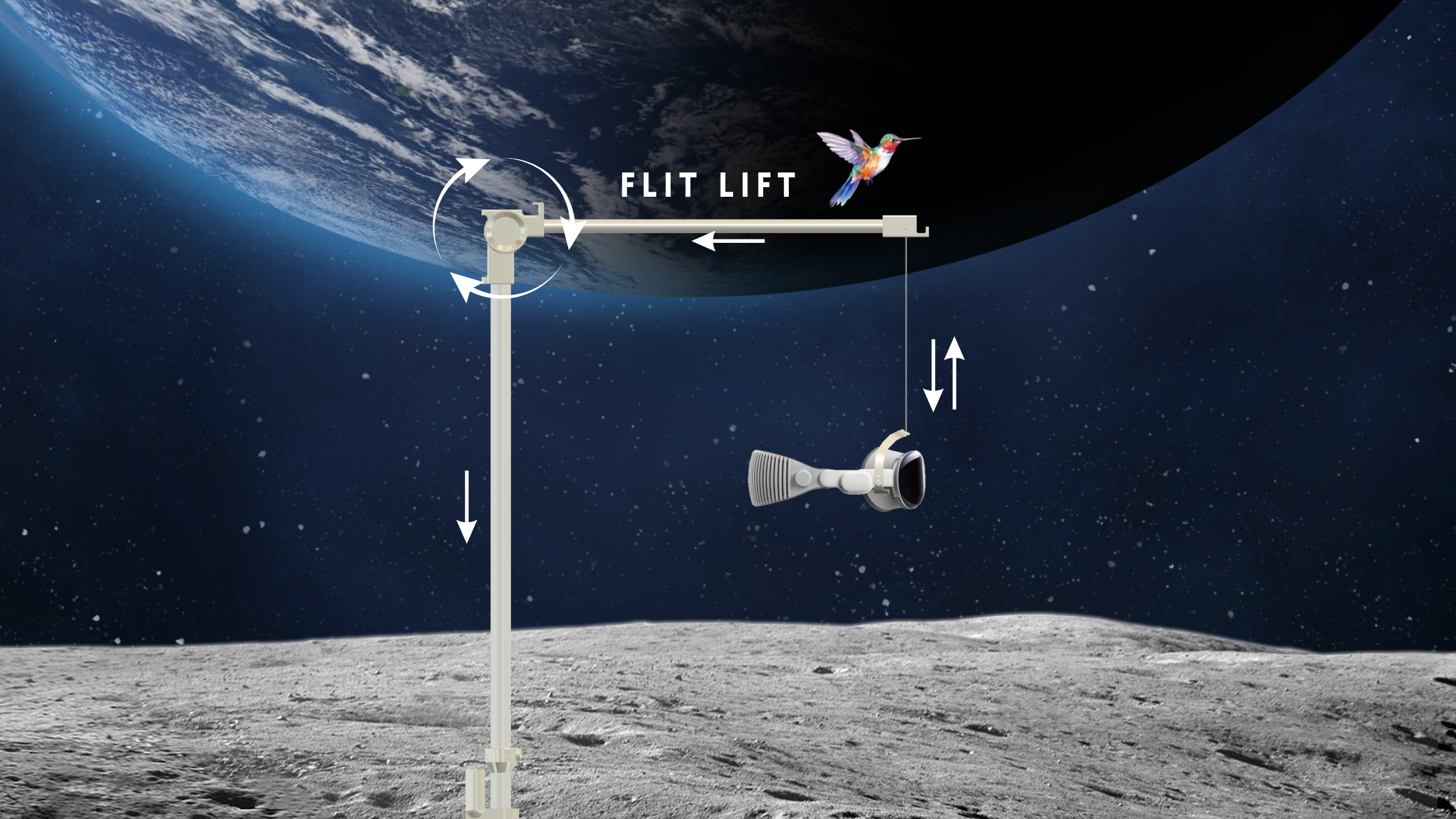
Comfort has become the unsung limiter of great VR sessions. Two hours into a competitive match or a focused development sprint, small design choices—where the weight sits, how pressure is distributed, whether heat builds behind the gasket—dictate whether you’re still immersed or quietly counting minutes until relief. GraviPro and gravity-assisted accessories like flit-lift-weightless-vr-comfort/gravipro-in-the-workplace-ergonomic-vr-solutions-for-training-meetings-and-collaboration" rel="nofollow noopener noreferrer">Flit Lift promise a different experience: the “weightless” feel that keeps lenses stable, necks relaxed, and focus sharp. ⏱️ 10-min read
This article compares GraviPro’s dynamic lifting system and Flit Lift-style counterweights against conventional headset designs. You’ll get concrete comfort metrics, step-by-step setup guidance, real‑world reports from early adopters, developer integration notes, and a pragmatic decision framework to help you decide whether to adopt GraviPro or stick with a standard headset setup.
GraviPro and Flit Lift: What makes weightless comfort possible
GraviPro and Flit Lift approach comfort by solving a simple mechanical problem: most VR headsets place too much mass forward of the head’s pivot point, pulling the faceplate toward the nose and creating hotspots, image wobble, and neck strain. Instead of adding foam in the front, these systems shift the effective center of gravity rearward. A light front frame keeps the optics supported while a discreet counterweight or rear strap assembly anchors the mass behind the crown. The effect is immediate: reduced forward pull, steadier images during quick turns, and less chin‑tucked posture.
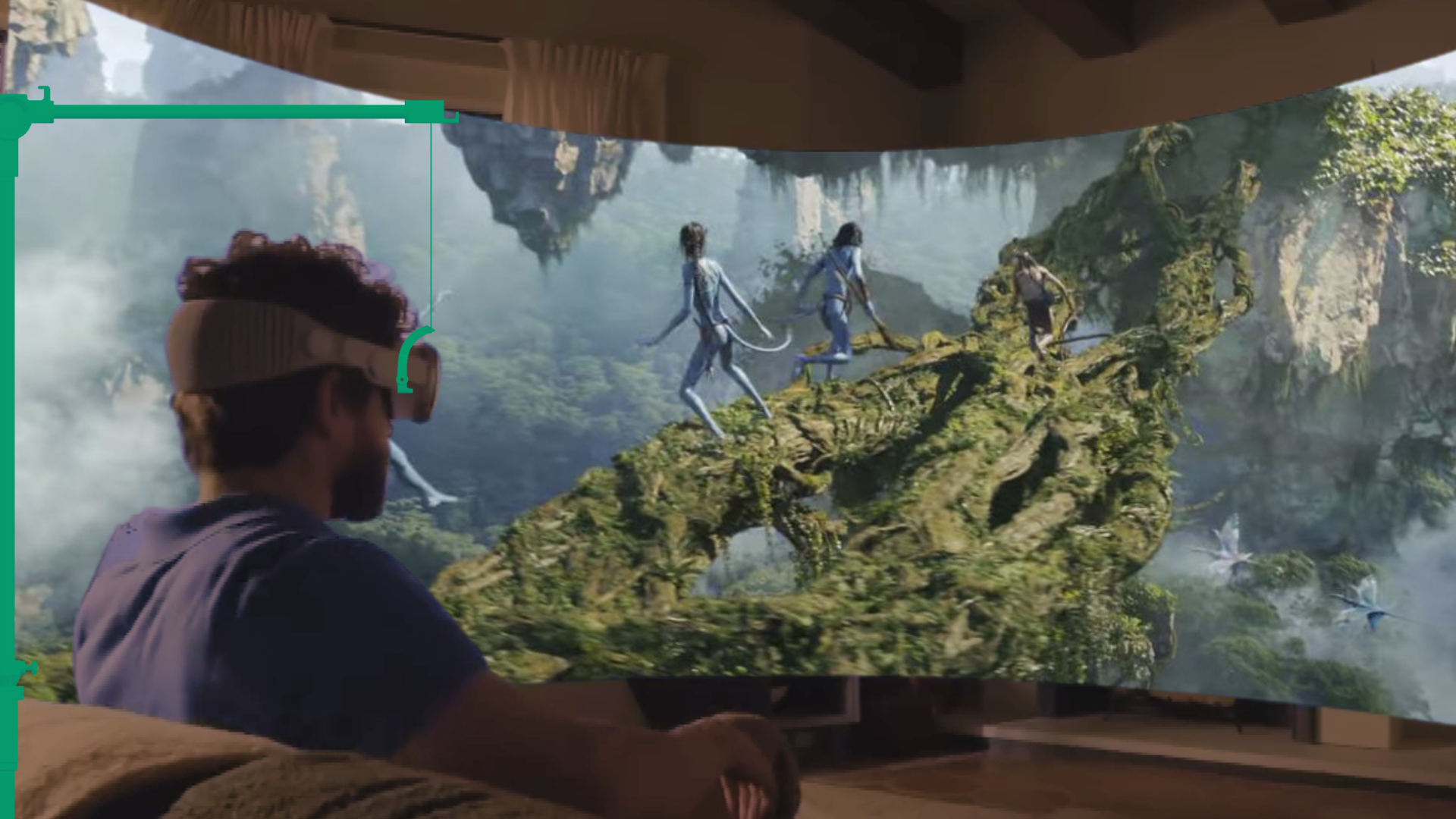
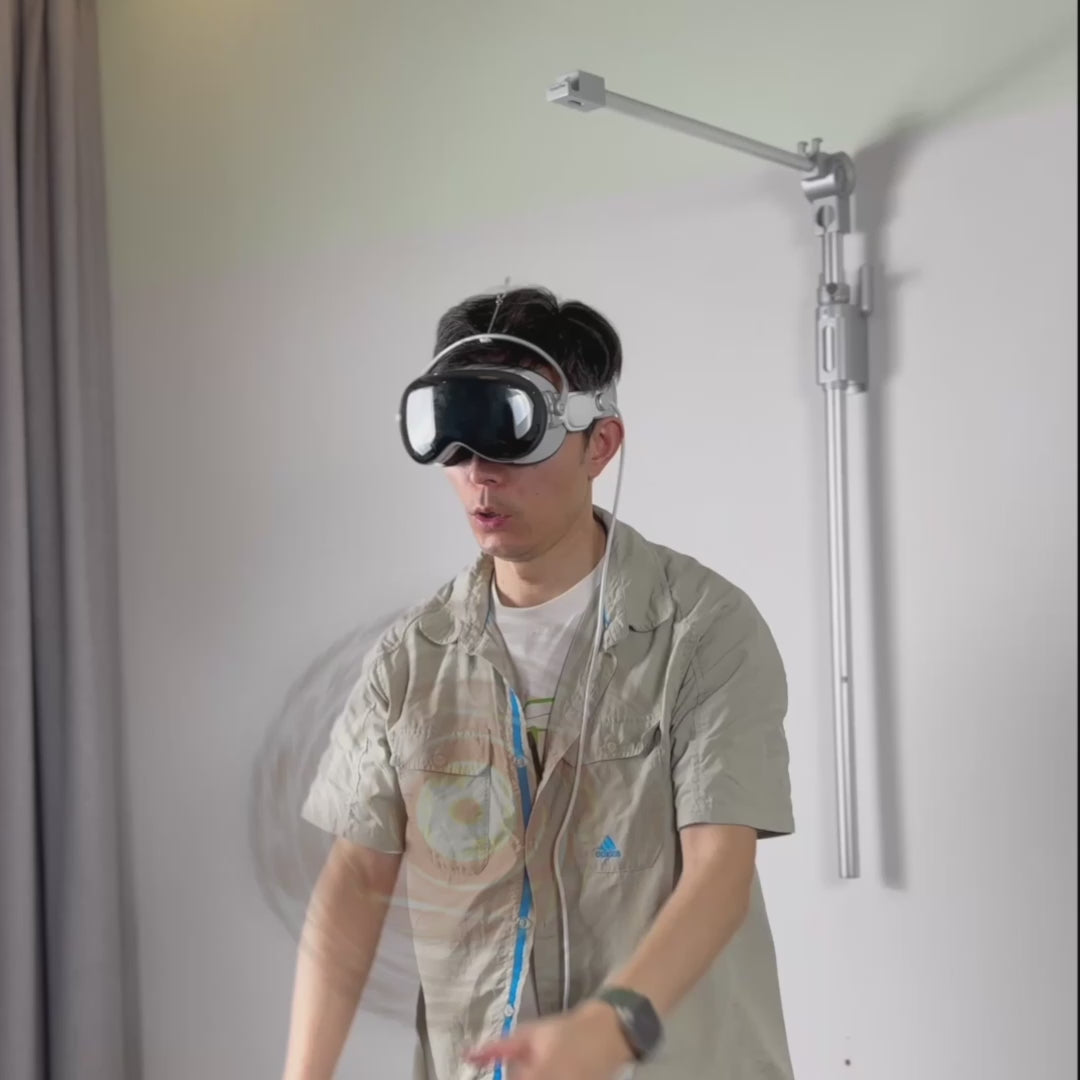
Where conventional headsets rely primarily on padding and facial gaskets to manage force, GraviPro emphasizes balance. Counterweights tucked behind the ears and across the rear strap anchor the headset without compressing the nose or temples. This reduces pressure at classic contact points—bridge of the nose, upper cheekbones, and forehead—and spreads load over a larger head surface. Flit Lift takes a similar tack specifically for Vision Pro, while GraviPro integrates lifting and counterbalance into its main strap architecture to be broadly compatible with multiple headsets.
Materials also matter: an intentionally lightweight frame paired with memory foam and breathable fabrics keeps front pressure low while cushioning rear contact. The combination of redistribution and thoughtful padding explains why many users report a noticeably lighter, more centered feel, especially during sessions that used to end with sore necks or red marks across the face.
Key comfort metrics to compare
Comfort is subjective, but you can measure it with a small set of tangible metrics. When you compare GraviPro-style systems to standard headsets, focus on four core indicators: weight distribution, center of gravity (CG), contact pressure, and session fatigue.
Weight distribution and CG: Measure where the bulk of the device sits relative to your head’s pivot (typically around the ears). A forward-heavy headset increases torque on the neck. GraviPro shifts mass rearward, lowering the torque and producing a feeling of near weightlessness at the face. In practical terms, you should feel less chin lift and less tendency to lean forward when you turn quickly.
Contact pressure: Compare pressure across the forehead, cheeks, nose bridge, and strap anchor points. Use visual markers (temporary toner paper, skin impressions) and subjective checks (do hotspots form after 30 minutes?). GraviPro’s denser, wider padding and counterbalance aims to distribute load so that no single small area bears excessive force.
Heat and breathability: Heat becomes comfort’s silent enemy. Look at venting, foam breathability, and fabric moisture management. Systems that move airflow away from the face and use breathable covers reduce sweat and fogging—an often-underappreciated factor that shortens actual usable session time.
Fatigue over session length: Track perceived neck and facial fatigue at 30, 60, and 90 minutes. A “weightless” feel means low incremental discomfort across these checkpoints. Many early testers reported that GraviPro reduced neck fatigue noticeably after 60–90 minutes, even when total mass didn’t change dramatically.
Setup, fit, and compatibility across headsets
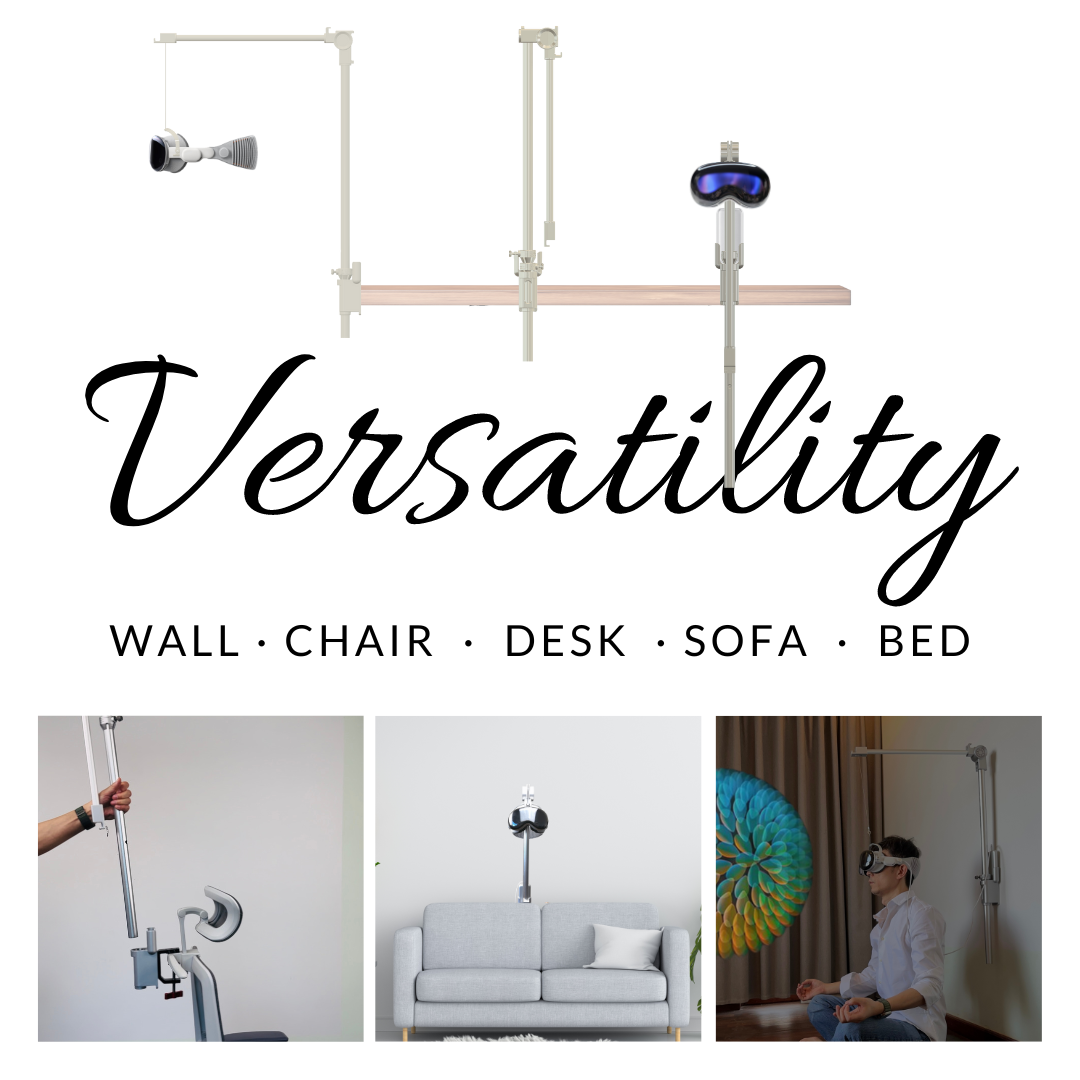
Compatibility and predictable setup are decisive when you switch or add accessories. GraviPro is designed to adapt to modern headsets—Vision Pro (with Flit Lift-style modular parts), Quest 3, and PC-tethered devices—using modular mounting feet and strap adapters. The workflow is intentionally repeatable so users can move between devices with minimal fuss.
Quick setup steps:
- Inspect adapters: Choose the mounting feet sized for your headset and confirm quick-release clips or Velcro are clean and free of lint.
- Attach to crown area: Thread GraviPro supports through the headset’s strap system, seating the front frame lightly over the optics without pressing into the gasket.
- Tighten incrementally: Adjust straps until snug but not binding; avoid over-tightening at the forehead to preserve airflow.
- Run calibration: Use the GraviPro app’s CG alignment tool to balance front-to-back and side-to-side. Perform a short head-turn test to confirm minimal drift.
- Save presets: If you use multiple rooms or headsets, save profiles per environment (lighting, room temperature) for repeatable comfort.
When attaching to Vision Pro, Flit Lift modules provide magnetized or clip-in counterweights and clearances designed to work with the Vision Pro’s facial interface. For other headsets, GraviPro’s adapters use standard strap slots and reinforced anchor points. Note cable routing for tethered headsets—ensure GraviPro doesn’t pin or kink your tether and that any added bulk doesn’t obscure external sensors.
Performance implications: tracking, heat, and wearability
A comfort accessory must not undermine the device’s functional performance. GraviPro’s design tends to improve tracking stability by reducing micro-shifts between the headset and your head: better balance and an evenly distributed fit keep the lenses aligned and sensors in a consistent position relative to your eyes. That steadiness translates to fewer recalibration events and more consistent input data, which matters in competitive play or precision development work.
Tracking reliability: With a secure, balanced fit you reduce transient drift—especially during fast turns or reaching motions. Conversely, a forward-heavy balance can allow subtle forward-backward sway that affects inside-out tracking cameras and IMU fusion. GraviPro’s counterbalance reduces these small displacements, improving sensor consistency.
Thermal behavior: Improved venting and breathable foams reduce heat buildup around the forehead and cheeks. Less sweat not only keeps you comfortable but also maintains clearer optics and sensor windows. However, note that moving some weight to the rear can slightly change airflow across the back of the head; in practice this tends to be less problematic than heat trapped at the face.
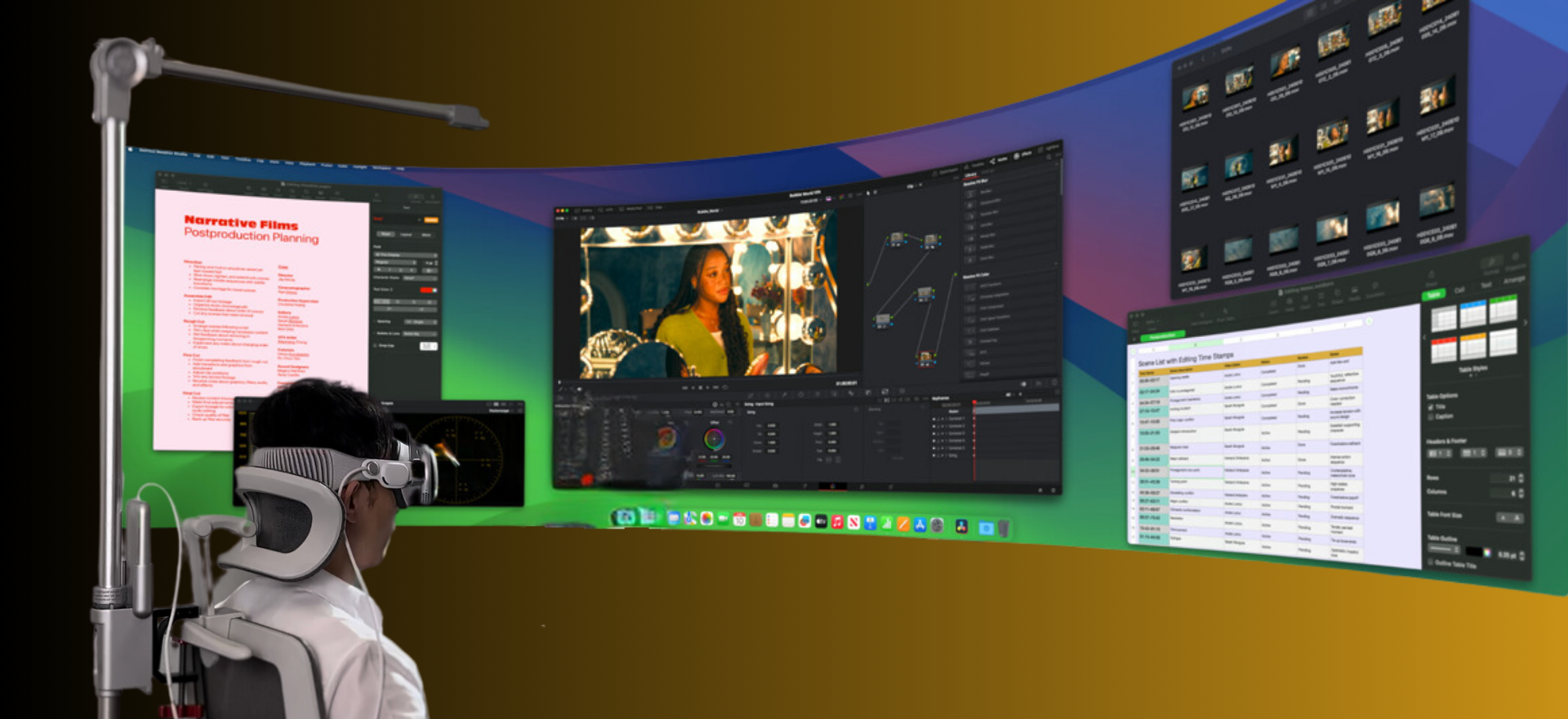
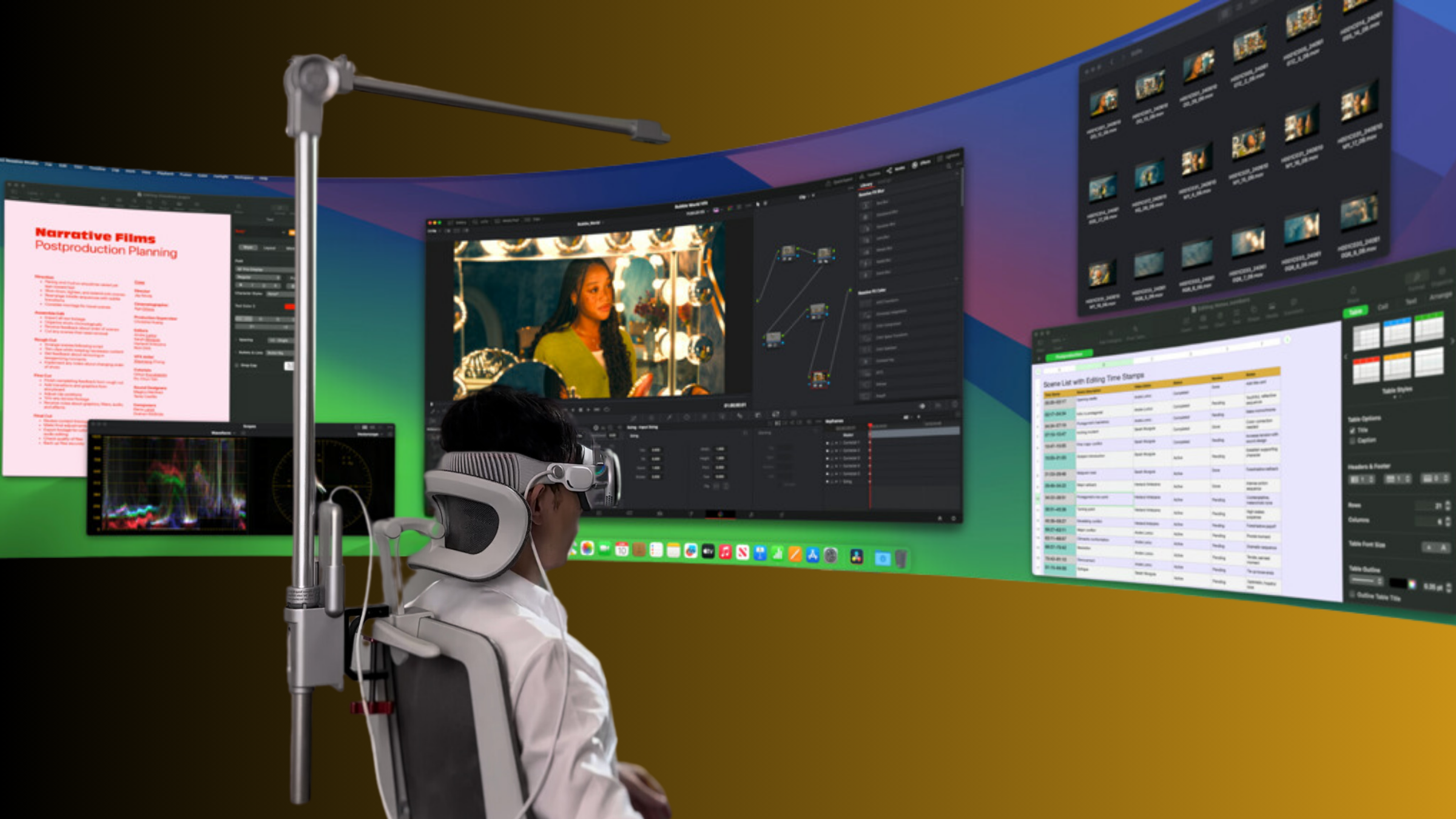
Wearability during long sessions: The most tangible metric is the increase in uninterrupted usable time. Many users who switch to a rear-balanced system report longer comfortable sessions before they need a break. Expect better performance under vigorous activity (room-scale movement, athletic games) and extended sedentary use (development or watching immersive media).
Ergonomics, materials, and durability
Ergonomic choices determine whether a headset feels comfortable at first and stays that way. GraviPro emphasizes denser face padding, breathable covers, and reinforced strap hardware. Denser foam resists rapid compression during movement, maintaining a stable seal without frequent readjustment. That means fewer interruptions and a steadier visual experience.
Padding: Look for memory foam or closed-cell foams with medium-to-high density and a breathable fabric cover. This pairing spreads pressure and resists the “bottoming out” effect where foam flattens and hotspots reappear. Wider contact surfaces across forehead and cheeks also reduce point pressure on the nose and temples—areas that commonly cause discomfort on standard headsets.
Straps and hardware: Reinforced webbing and double-stitched attachment points extend lifespan under repeated tightening and release. Quick-release buckles and smooth adjusters matter when you share hardware or transition between games. GraviPro’s counterweight assembly uses corrosion-resistant finishes and sealed joints to eliminate squeaks or snagging—little details that compound into a more premium, trouble-free experience.
Durability under movement: Because counterweights and swivels see dynamic loads, their longevity is crucial. GraviPro’s design emphasizes high‑strength materials for these parts and smooth pivot points so the system remains balanced without developing play or noise over time. Standard headsets, by contrast, often show strap stretch and degraded fit after months of heavy use, requiring replacements or aftermarket fixes.
Real-world use cases and early adopter insights
Early testers provide the clearest picture of how a weight-redistribution system performs outside the lab. Several consistent themes emerge: reduced neck fatigue during longer sessions, fewer facial hotspots, and improved head-tracking stability during quick movements. One tester moved their setup from a small home office to a living room and found that sessions of 60–90 minutes felt substantially less fatiguing with GraviPro than with their previous headset.
Competitive and long-session players: For gamers who play long ranked sessions or streamers who sit for hours, GraviPro’s reduced forward pull has a practical payoff—fewer breaks, more consistent form, and less post-session neck soreness. Competitive players report that steadier lens alignment helps reduce motion blur and stabilizes aim in fast-paced titles.
Developers and creators: Developers working on precision experiences—surgical sim, industrial training, or fine-grained interaction—benefit from a consistently aligned optical path. Some developers noted fewer re-calibration prompts during iterative testing cycles and more stable gaze and controller tracking while tuning interactions.
Glasses and prescription lenses: Many glasses wearers appreciated the wider nose bridge clearance and adjustable padding that avoids frame pressure. A minority reported mild fogging when moving between cold and warm environments, but overall comfort gains held up across repeated sessions rather than being a short-lived novelty.
Developer integration and ecosystem considerations
GraviPro’s potential is multiplied when developers can read and respond to comfort-related data. The company exposes metrics and inputs through OpenXR-compatible interfaces, enabling broad cross-platform integration. This approach lets engines like Unity and Unreal use standardized action sets to query fit state, calibration status, and comfort metrics.
Integration best practices:
- Map GraviPro inputs to XR action sets: Use OpenXR action mappings to read calibration state, CG offset, and whether a user’s fit profile needs re-checking.
- Offer calibration hooks: Allow apps to trigger calibration at startup or when an environmental change is detected (lighting, temperature, major movement).
- Store user profiles securely: Save fit profiles per user to reduce friction across sessions, but respect privacy by encrypting profiles and retaining them on-device when possible.
- Respect latency budgets: Keep comfort telemetry low-frequency for historical analysis and high-frequency only when it’s required for real-time interactions.
Privacy and UX: Designers should treat weight and fit data as sensitive personal preferences. Provide clear permission prompts, scoped tokens for third-party apps, and on-device processing for common tasks like auto-calibration. A developer-friendly API that exposes a one-time fit profile, periodic drift checks, and easy reversion to baseline balances convenience with user control.
Costs, trade-offs, and a practical decision guide
Adopting GraviPro-style weight distribution is a trade-off: you pay more upfront for a system that redistributes mass and provides durable hardware, and you may add a small amount of bulk at the rear of the headset. For many users, the long-term comfort gains and reduced need for replacement parts justify the higher initial cost. Here’s a practical decision framework to help you decide.
Decision checklist:
- Estimate weekly use: If you wear VR more than 6–8 hours per week, comfort investments pay off faster.
- Assess session type: Competitive players, streamers, and developers benefit most from stable lenses and reduced fatigue. Casual or occasional users may not need the premium hardware.
- Try before you buy: If possible, run a 60–90 minute trial. GraviPro’s value compounds over time; short demos can understate benefits.
- Check compatibility and returns: Confirm adapter fit with your headset and review the vendor’s return policy and warranty for counterweight hardware and straps.
- Factor maintenance: Expect occasional cleaning of pads and checks of pivots; budget for replacement pads if you sweat heavily or share hardware widely.
Trade-offs to weigh: Back-mounted weight reduces forward torque but adds bulk that can affect backpacked setups or certain rig clearances. It changes the thermal profile slightly by concentrating mass (and possibly heat) near the rear strap. Also, setup and calibration time is longer than a plug-and-play headset—however, the repeatable presets and saved profiles largely eliminate ongoing friction.
For frequent users and pros, the payoff is clear: longer comfortable sessions, fewer interruptions, and a lower long-term cost when you count replacement parts and medical annoyance (neck strain). For casual users, the decision hinges on budget and tolerance for a slightly bulkier profile.
Next step: if you’re leaning toward GraviPro, book a hands‑on trial or request a returnable purchase window. Capture baseline metrics—perceived comfort at 30/60/90 minutes, fit profile, and any tracking quirks—then compare results after several sessions to evaluate real-world value.
Compartir:
Quick Setup for Flit Lift: Installing on Your Favorite VR Headset
Technical Deep Dive: The Flit Lift Dynamic Lifting Mechanism Explained