


The Meta Quest 2 is a compact, powerful standalone VR headset—but its compactness comes with a trade-off few new users notice until they try a long session: weight distribution. Though the device weighs roughly 503 g, that mass isn't neutral. Most of it sits in the front visor, and that forward bias can turn an otherwise immersive experience into a fight against neck strain and pressure marks. ⏱️ 10-min read
This guide explains why that front-heavy design matters, how uneven balance creates predictable physical problems, and what you can do—right now—to rebalance your Quest 2 for longer, more comfortable play. You’ll get practical setup steps, strap and accessory recommendations, and simple tests to dial in a fit that keeps you in VR longer and feeling better when you take the headset off.
Understanding weight distribution and its effect on Quest 2 comfort
When manufacturers pack processing hardware, displays, and batteries into a compact visor, the center of gravity naturally shifts forward. With the Quest 2, the display assembly and battery sit toward the front of the device, so even though the headset’s total mass is modest (around 503 g), it behaves like a heavier object because of leverage. The forward center of gravity increases the moment arm acting on your neck—small weight at a distance produces a surprisingly large torque.
What you feel is not just raw weight. It’s where that weight pulls relative to your head’s pivot point. If the headset’s mass is concentrated in the visor, your neck and the small contact points around your face must react to keep the screen centered. That reaction shows up as pressure on your forehead, nose bridge, and cheeks, and as continuous contraction in the upper neck and shoulder muscles. Spread the same mass over a broader area or move it closer to the skull’s center, and it feels dramatically lighter. That’s the essence of optimizing weight distribution: shift the load and broaden the contact zones so muscles relax and immersion improves.
How the Quest 2’s factory balance creates front‑heavy issues
Out of the box, the Quest 2 prioritizes compactness and optics, not long-session ergonomics. The design houses the processing unit and battery within the front visor, concentrating bulk ahead of your face. This front loading produces a clear leverage effect—anterior mass creates a forward pull that your neck must constantly counteract. Even with the stock strap tightened, the headset often pulls downward on the nose and cheeks because the strap’s fabric construction and placement don’t provide robust counter-torque.
The default facial interface does a decent job at cushioning contact points, but it can only do so much. Because the headset tries to grip forward, the facial foam frequently bears most of the load, which leads to visible red marks, shallow indentations, and a tendency to slip or require frequent readjustment during active play. The result is a cycle: you tighten the straps to stop slipping, which increases pressure points; that pressure leads to discomfort and premature session endings. Recognizing this factory bias is the first step toward purposeful rebalancing—adjusting straps, adding rear support, or using counterweights to shift the center of gravity rearward.
The physical toll of uneven VR weight: why it matters beyond irritation
Uneven weight distribution does more than leave temporary marks. The biomechanics are straightforward: when the headset pulls forward, your neck muscles—particularly the upper trapezius and suboccipital group—remain in a contracted state to support the head. Over the course of a long session, that sustained contraction leads to fatigue, stiffness, and, in some cases, sharp “muscle grabbing” when you move suddenly. Neck discomfort can radiate into the shoulders and upper back, limiting mobility and making setup for the next session harder.
Pressure on the face can cause more than cosmetic impressions. Focused pressure over the nose bridge and temples can compress small nerves and blood vessels, contributing to pressure headaches, localized numbness, or transient blurred vision. For glasses wearers, the problem is compounded: the headset often presses frames into the skin or forces an uncomfortable distance between eyes and lenses. Friction from straps and padding—especially if the fit is too tight or sweat accumulates—can aggravate sensitive skin and create irritation that lingers after you remove the device. Taking steps to rebalance the headset reduces all these risks and keeps your VR time focused on the experience rather than on physical aftereffects.
Principles of balancing your Quest 2 for comfort
Comfort is a product of two simple mechanical principles: move the center of gravity closer to the center of your skull, and spread the load across a larger surface area. The first reduces the torque on your neck; the second reduces pressure per square centimeter at contact points. Apply these ideas through strap placement, padding choices, and small counterweights, and you’ll notice immediate improvements.
Practical ways to apply these principles include shifting strap pressure toward the occipital bone at the lower back of your skull and using a top strap that pulls upward on the crown rather than downward on the face. Wider, cushioned bands distribute force across more tissue, which reduces hotspots. Light rear-mounted counterweights (start in the 100–200 g range) move the center of gravity back and create counter‑torque against the visor’s forward pull. But balance is subtle: too much rear weight can make the headset feel like it’s tugging backward. The goal is equilibrium, not simply adding mass. Small iterative adjustments—test, tweak, retest—are the quickest path to a personalized, long-session fit.
Head strap designs and their weight‑balancing roles
Not all head straps are created equal. The default soft strap is lightweight and flexible but tends to allow the visor’s forward pull to concentrate pressure on the cheeks and nose. Rigid or semi-rigid aftermarket straps change that behavior by moving where weight is transferred.
Halo-style straps wrap around the crown and create a higher, more stable contact ring. By distributing load across the top and the back of the skull, they reduce nasal pressure and improve stability during quick head movements. However, if the halo’s padding is thin or the fit is too tight, it can create new hotspots on the forehead or crown. Elite-style straps (like Meta’s Elite Strap) use structured side bands and a rear support to channel weight into flatter regions of the skull. These designs often include a more substantial rear pad or an integration point for an external battery, which provides both positional support and a convenient counterweight. Finally, adjustable rigid frames with rear pads excel at keeping the lenses steady relative to the eyes, reducing wobble and the need for constant repositioning. Choose a design that moves load away from the nose and cheekbones and toward the crown and occiput for the best long-session comfort.
Step‑by‑step guide to balancing your Quest 2
Improving balance doesn’t require exotic parts. With a few measured adjustments and modest accessories you can transform comfort. Start by putting on the headset and wearing it for 10–15 minutes—note where pressure builds and whether the headset tends to slide down when you nod. Use those observations to target specific changes.
- Assess the fit: Identify hotspots (nose bridge, forehead, cheeks) and test for forward pull by nodding and turning your head.
- Raise the top strap: Adjust the top strap so it sits higher on the crown; this creates an upward vector that counteracts forward pull.
- Position the rear strap: Align the rear strap with the occipital bone (the small ridge at the base of your skull) rather than high on the neck; this creates effective counter‑torque.
- Add a small counterweight: Start with 100–200 g at the back of the strap—options include a slim power bank or adhesive weights. Secure the weight low and centered on the rear pad.
- Spread contact: Swap to a wider forehead pad or a thicker facial interface to distribute pressure across more skin.
- Test dynamically: Move your head briskly; the headset should remain stable without increasing facial pressure. If it pulls back, reduce rear weight; if it pulls forward, increase rear support in small increments.
Small adjustments matter more than dramatic changes. Incremental shifts in strap tension and weight placement produce the most comfortable and predictable outcomes. Keep notes on what you change so you can replicate a setup that works well.
Accessory recommendations and real user setups that work
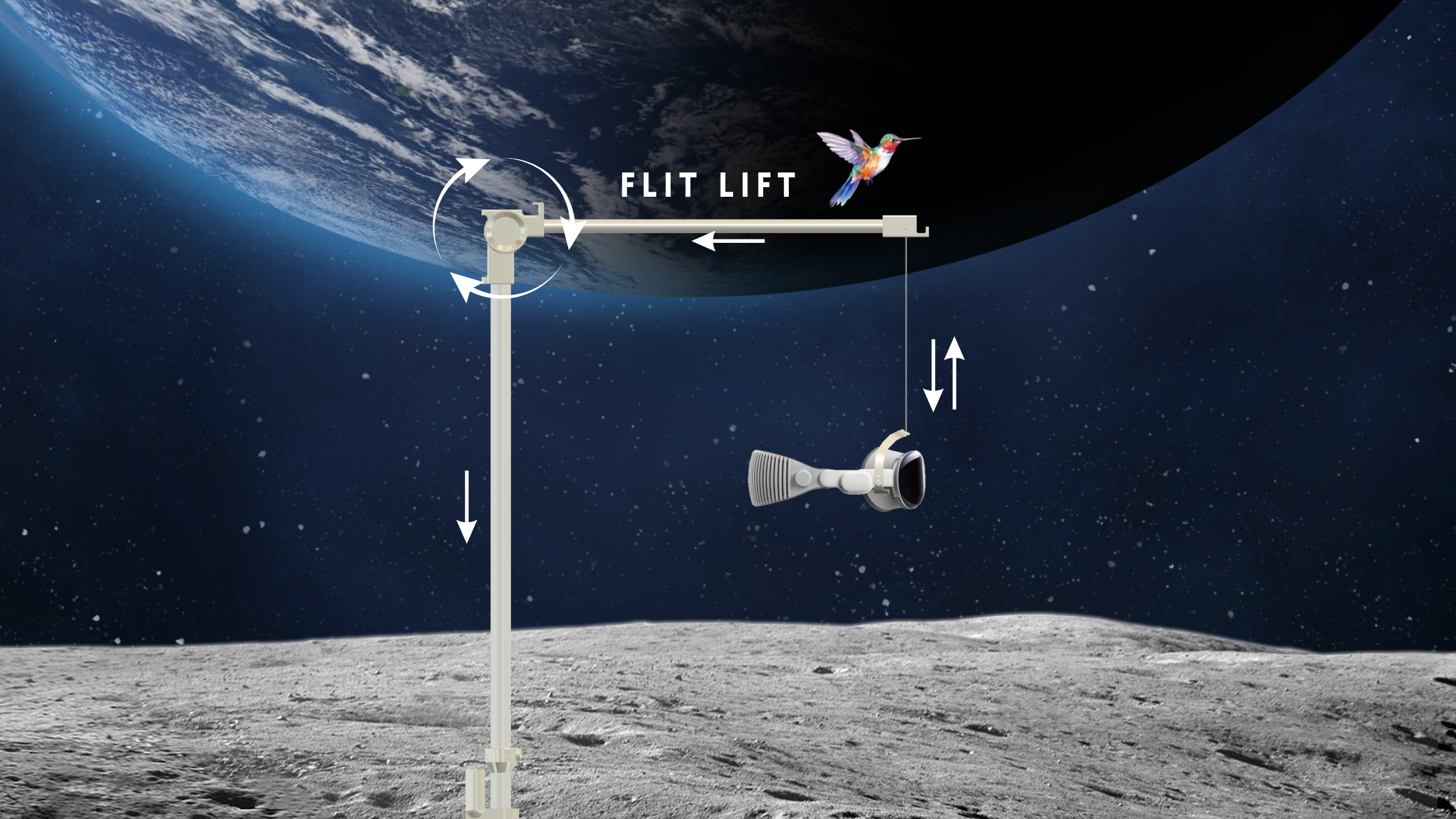
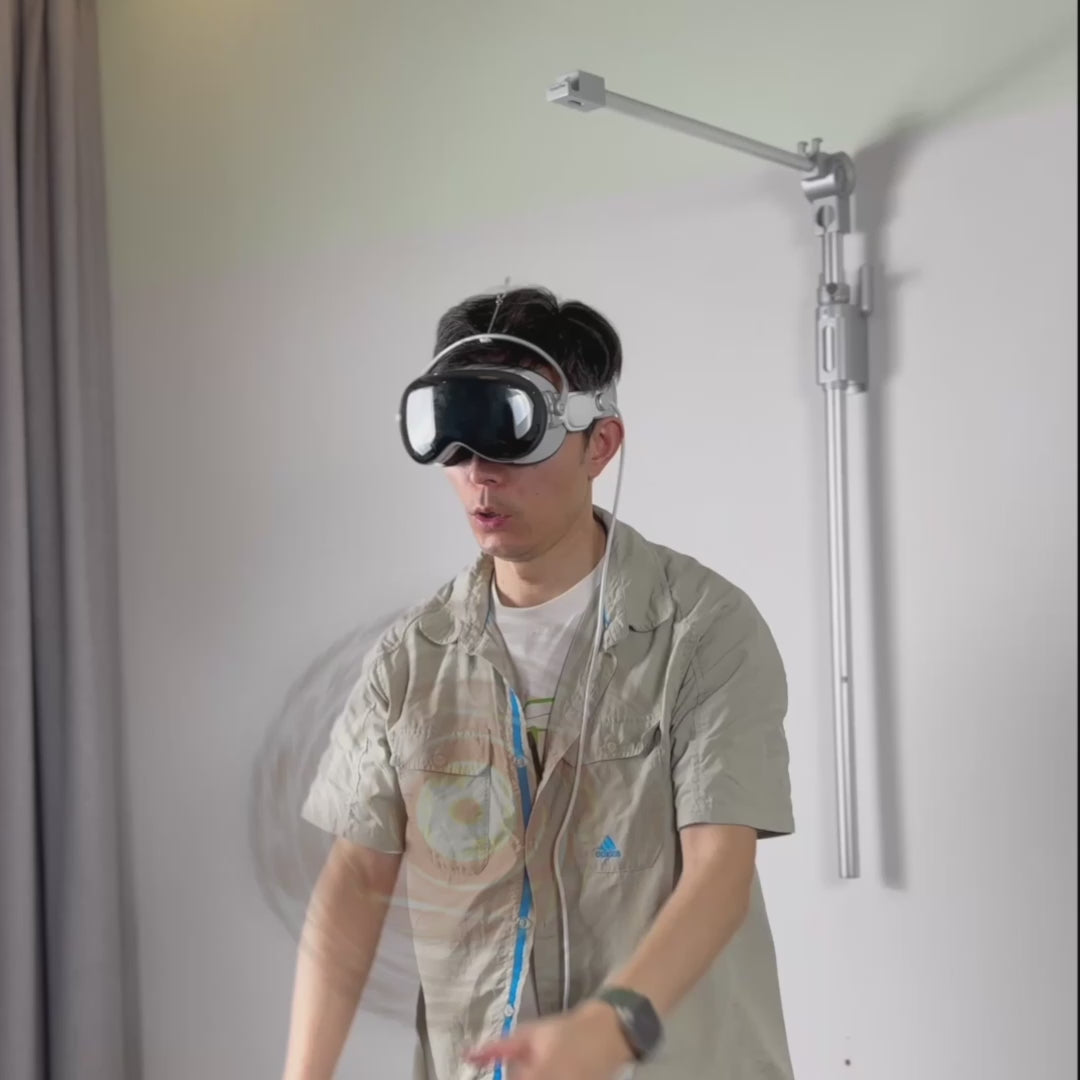
Users have reported dramatic comfort improvements with a few common accessory combinations. Meta’s Elite Strap with Battery is a popular choice because it integrates a rear battery that both extends playtime and provides meaningful counterweight—shifting the headset’s center of gravity rearward. Third-party options, like halo-style mounts and dedicated counterweight straps from brands such as FlitLift (and other ergonomics-focused makers), often match or exceed the factory options in terms of weight redistribution.
Common effective setups include:
- Elite Strap + Battery: Balanced, factory-integrated feel with extended runtime.
- Halo strap + small rear battery: Gives excellent forehead relief while the rear battery provides counter‑torque.
- Rigid wrap-around strap + adhesive counterweights: A budget-friendly approach—use 100–200 g increments and secure weights with Velcro or strong adhesive pockets.
Testing, care, and long‑session habits to preserve comfort
No fit is permanent—comfort changes with sweat, posture, and activity. Treat setup as an iterative process and practice a few habits to get the most from your improvements. Start each session by quickly checking strap alignment: ensure the rear pad sits on your occiput, the top strap rests on the crown, and the facial interface makes even contact without pinching the nose. During play, schedule short breaks every 45–60 minutes to relax neck muscles, blink intentionally, and check for skin irritation.
Care for materials to maintain cushioning and fit. Replace facial interfaces when foam compresses or padding thins; consider washable covers for hygiene, especially if you share the headset. If you use adhesive or Velcro-mounted counterweights, inspect fastenings for wear and re-secure them before each session. Hydration and posture matter too: sitting or standing with a neutral spine reduces the workload on your neck compared with slumping forward. Finally, if you wear glasses, choose a low-profile frame and consider a glasses-friendly facial interface that maintains lens clearance while cushioning contact points. Taken together, these habits extend the benefits of a balanced setup and protect you from recurring discomfort.
Takeaway and next step: a quick checklist to rebalance your Quest 2
Start with small, measurable moves: raise the top strap, seat the rear pad on your occiput, and add 100–200 g at the back if the visor still pulls forward. Swap to a wider forehead pad or a halo/elite-style strap if needed. Test dynamically—nod and turn—then tweak in 10–20 gram or single-click strap increments. Keep a short session log so you can replicate the most comfortable configuration.
If you want one practical next step: try a 15-minute experiment now. Wear the headset, adjust the top and rear straps, then attach a small power bank at the back (100–150 g). Play a familiar VR scene for 20 minutes and note the difference in chin and neck sensation compared with your usual setup. That one test will reveal how much improving weight distribution can change your Quest 2 experience—and whether a modest accessory purchase will be worth it for longer, more immersive play.

Compartir:
How to Fit Oculus Quest 2 with Glasses Without Pinching or Slipping
Elite vs Third-Party Straps for Quest 2: What Each Brings to Your Comfort