

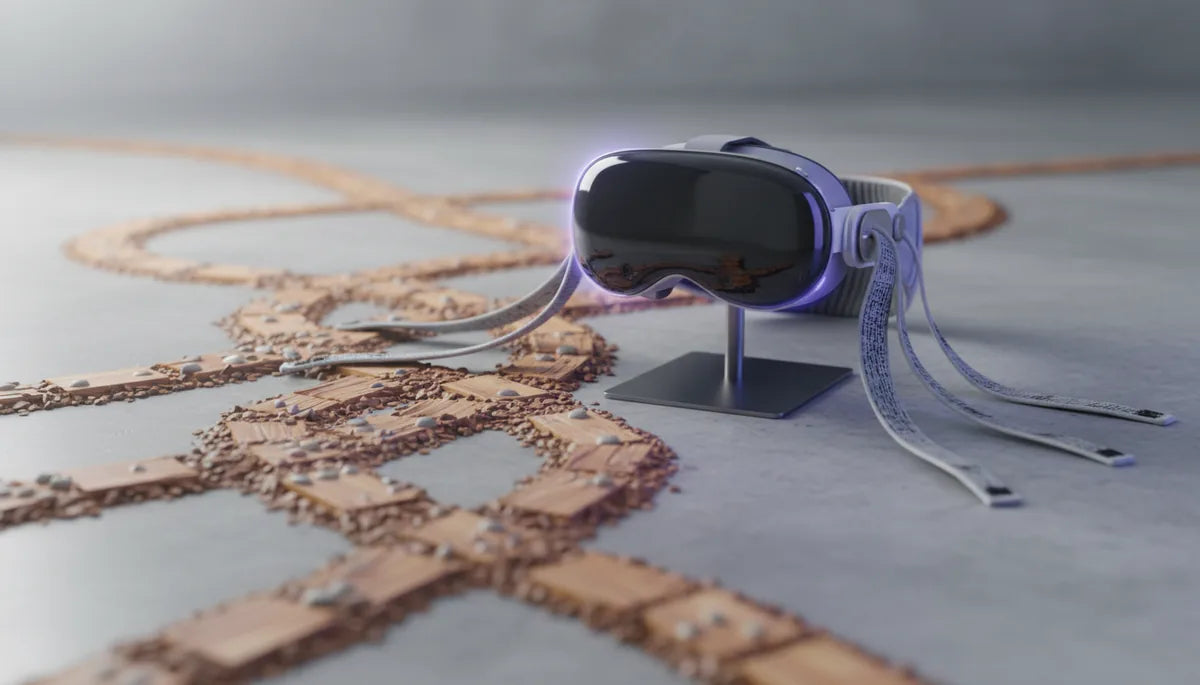
Budget-Friendly Third-Party Straps for Quest 2: Comfort and Stability Without the Premium Price
The Quest 2 is a fantastic headset, but its stock strap often becomes a limiting factor during long sessions, active play, or when you wear glasses. A thoughtfully chosen vr-comfort/oculus-quest-two-straps-showdown-official-vs-third-party-options-for-glasses-comfort" rel="nofollow noopener noreferrer">third-party strap can transform how the headset sits, reducing facial pressure, improving balance, and keeping the headset stable through quick turns—without forcing you to splurge on official accessories. ⏱️ 10-min read
This guide walks Quest 2 owners through why a third-party strap is worth considering, which features really matter on a budget, the main kinds of affordable straps and what each solves, and practical tips for fit, installation, and maintenance. Expect concrete recommendations, real-world fit advice for glasses wearers, and straightforward steps to get a better, longer, and less fidgety VR experience.
Why choose a third-party strap over the stock setup
The stock Quest 2 strap is simple and light, designed to hit a low price point. That economy shows up in performance: weight sits forward on your cheeks and nose, hotspots appear after 30–60 minutes, and the basic elastic strap can loosen or slip when you sweat or move quickly. Third-party straps—especially budget-minded ones—address the two biggest pain points: weight distribution and stability.
Better weight distribution happens when a strap shifts support from the face to the back and crown of the head. Halo-style and rear-cradle designs route load to the occiput and crown, easing pressure on the nose and improving the headset seal. Stability comes from stiffer anchors, broader contact areas, and more adjustable fastening systems (Velcro, ratchets, or buckles). Those features reduce micro-movements that blur the image and break immersion.
Set realistic expectations: budget straps usually cost well under $40 and deliver meaningful comfort improvements, but they may use lighter materials than premium options and occasionally require a little extra initial tweaking. Installation is generally tool-free and reversible, and durability varies—inspect stitching and plastic parts when you buy. For most owners, the tradeoff is clear: a modest investment yields longer play sessions that feel less like endurance tests.
Key features to evaluate on any budget strap
When shopping for an affordable strap, focus on a handful of features that actually change comfort and stability. Prioritize padding quality first: open-cell or high-density memory foam covered in breathable mesh or moisture-wicking fabric will stay comfortable longer and reduce skin irritation. Removable covers are a bonus because they simplify cleaning—important if you share the headset or sweat a lot.
Next, test the adjustability system. A reliable strap should lock a fit with minimal fuss. Look for ratchet dials, multiple notch positions, or firm Velcro that holds under movement. Avoid thin elastic straps that drift or slip. If you wear glasses, confirm the strap design allows extra clearance and that the facepad doesn’t clamp your frames when you tighten the headset.
Weight distribution design is equally critical. Halo or rear-band designs are excellent for distributing load across the crown or rear head; rigid rear plates help counterbalance the front without compressing the face. Finally, check practical details: quick-release buckles for fast sharing, non-slip inner lining, and a basic warranty or return window. These small items separate a strap that’s merely inexpensive from one that’s genuinely good value.
Budget-friendly strap categories and what they do
Budget third-party straps generally fall into three useful categories: halo-style supports, rigid rear-support straps, and softer padded upgrades. Each category targets different discomforts and play styles, so picking the right one depends on how you use your Quest 2.
Halo-style straps move much of the headset’s load to a wide band around the back and top of the head. By routing tension to the crown and occiput, they reduce nose and cheek pressure and stabilize the headset during turns. Models like the BoboVR M2 Mini mimic that approach on a wallet-friendly budget—lighter and less complex than official elite straps but still effective at redistributing weight.
Rigid rear-support straps replace a floppy back piece with a semi-rigid yoke or plate. The stiffness locks the headset’s angle, preventing tilt and helping the lenses stay centered. Budget rigid designs (often marketed as “elite alternatives”) provide a noticeable stability boost during active sessions and are particularly helpful for players who lean forward or do rapid head movements.
Finally, simple padded strap upgrades are the fastest way to improve comfort without changing the headset’s geometry. They add thicker face foam, a soft top strap, or an improved rear pad to reduce hotspots. Some low-cost versions include an integrated battery pack or counterweight option—useful if you want extra runtime, though these add weight and complexity.
How to choose by your use case
Your ideal strap depends on what type of VR you play most. For active, room-scale games—beat-matching, boxing, or fitness—prioritize secure fit and sweat resistance. Look for neoprene or moisture-wicking fabrics, non-slip inner liners, and straps that hold tension through abrupt movements. A rigid rear support or snug halo-style strap is often the best pick for this category.
If you favor seated or relaxed experiences—cinema apps, cockpit sims, or social VR—comfort and pressure relief become the priority. A halo strap or a soft padded upgrade that spreads load across the crown and rear will reduce facial pressure and limit fogging from a tight seal. Glasses wearers should seek straps that allow extra facepad clearance and a shallower clamp at the brow to avoid pinching frames.
For households where the headset is shared, choose quick-adjust systems and removable, washable covers. For marathon sessions where battery life matters, consider straps that accept small external batteries or include integrated packs—knowing that added runtime usually comes with added rear weight. In short: match strap type to movement level, session length, and whether glasses or hygiene are major concerns.
Fit tips for long sessions on Quest 2
A good strap starts with correct tensioning. Begin with every strap piece loosened, place the headset, then gradually tighten side straps until the fit feels secure but not tight. The goal is a snug seal without pinching: you want even pressure on the forehead and cheeks rather than concentrated red marks. A quick nod test and a few head turns tell you whether the headset shifts—if it moves, tighten a notch and retest.
Adjust the top strap or crown pad to change lens alignment without increasing cheek pressure. Small vertical shifts—moving the headset slightly higher or lower on your face—can dramatically affect clarity and comfort. If facial pressure persists, lower the side straps slightly and let a wider rear band carry more load; this reduces nose pinch and prevents seal breaks.
Counterweights are a practical solution for marathon sessions. Start with a light weight and increase incrementally until the balance feels right; too much at the rear can push the forehead into your brow. Glasses wearers should double-check temple clearance and try small movements—tilting and looking left/right—to ensure frames don't press into the foam. Finally, give yourself a five-minute warmup: short adjustments early save you from re-tightening mid-session.
Step-by-step install guide (beginner-friendly)
Swapping a stock Quest 2 strap for a third-party option is usually simple and tool-free. Follow these steps to install confidently and tune the fit for stability and comfort:
- Prepare your workspace: clear a flat surface, power off the headset, and remove any USB cables or accessories.
- Remove the stock strap: gently pull the elastic straps from their mounting points on each side of the headset. If your model has a top strap, unfasten that as well.
- Attach the new strap’s side anchors: align the third-party strap’s connectors with the same slots on the headset. Most designs slide into place or clip securely—listen for a click or check manufacturer instructions if unsure.
- Add any top strap or halo component: secure the top strap to its mount and adjust initial length so the headset rests comfortably on your face without squeezing.
- Set initial fit: sit upright, place the headset on, and tighten side straps until the lenses align roughly with your eyes. Then adjust the top strap or halo for crown support.
- Fine-tune by movement: perform a nod and shake test; walk in place and do a few quick head turns. If the headset shifts forward, tighten the rear band or lower the side tension; if it feels cramped, ease off a notch.
- Check glasses and airflow: if you wear glasses, ensure temples clear the foam. Make a small in-app IPD check and adjust strap height to get sharp optics.
Installation takes five to ten minutes for most users. If the strap includes an integrated battery or counterweight, route cables carefully and keep connectors snug to avoid mid-game disconnects.
Care, maintenance, and longevity tips
Keeping a budget strap functioning well is mostly about cleaning, inspection, and sensible storage. For fabric straps, detach removable pads and hand wash in warm water with mild soap. Rinse thoroughly, gently press out excess water, and air-dry flat away from direct heat or sunlight. For non-removable foam or soft plastics, spot-clean with a damp microfiber cloth and mild soap; avoid soaking any mechanical parts.
Plastic and rigid parts can be wiped with a damp cloth; for disinfection use 70% isopropyl alcohol wipes, applied sparingly and allowed to dry completely before reattaching. Never submerge buckles, ratchets, or any part with a metal fastener. Store straps loosely coiled or flat in a cool, dry place—heat and UV exposure can deform foam and degrade webbing over time.
Inspect your strap periodically: look for frayed seams, cracked plastic, sticky sliders, or any loss of tension in Velcro. If adjusters stick, clean grit with a soft brush and, if recommended, a tiny amount of silicone lubricant on metal portions only. Replace worn foam or entire straps if performance drops; cheap fixes often compromise safety and comfort. Routine care typically extends a budget strap’s usable life by months or years, saving money and preserving the headset’s fit.
Trade-offs and expectations: budget vs comfort
Budget straps are excellent value, but they come with trade-offs you should understand. The most common compromises are material quality, additional weight, and limited warranty support. Cheaper straps may use lighter-grade plastics and thinner foam that compresses sooner, or they might lack the refined adjustment range of premium models. That said, many budget options outperform the stock strap in comfort and stability for most users.
Weight is a paradox: some inexpensive straps reduce facial pressure but add rear weight (counterweights or battery packs), which can improve balance but increase neck fatigue. Decide whether you prefer a lighter headset with more face pressure or a balanced system that feels heavier overall. Compatibility is another consideration—if you plan to use wireless modules, full-face covers, or aftermarket facial interfaces, check for clearances and attachment points.
Finally, accept that a budget strap may require more hands-on tweaking—initial adjustments, occasional re-tightening, and proactive maintenance. For many players, these small chores are a fair trade for dramatically reduced cheek and nose discomfort and a steadier image during play. If you frequently run multi-hour sessions and demand professional-grade materials and warranty coverage, a higher-end strap might still be worth the extra cost. Otherwise, well-chosen budget straps deliver excellent day-to-day improvements without breaking the bank.
Next step: pick a strap type that matches how you play—halo for long, relaxed sessions; rigid rear support for active users; padded upgrades for simple comfort gains—and follow the install and fit tips above to get the most out of your Quest 2.


Compartir:
Oculus Quest Two Straps Showdown: Official vs Third-Party Options for Glasses Comfort
Understanding weight distribution: why Quest 2 straps affect neck comfort