

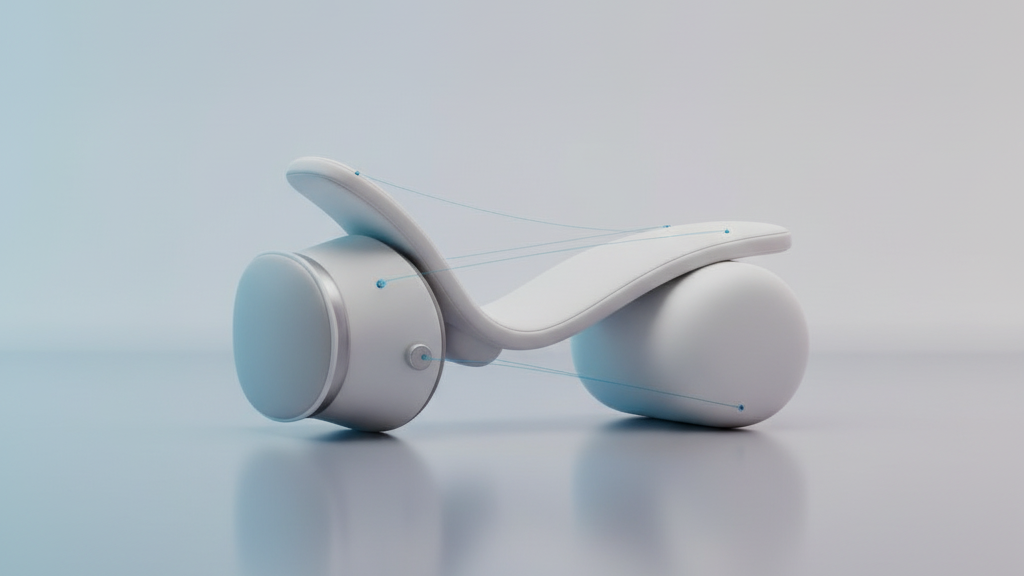
Choose the Right Quest 2 Comfort Strap: Transform Fit, Balance, and Marathon-Session Comfort
If you regularly sink hours into Quest 2 sessions, the stock strap can quickly become the limiting factor. The right aftermarket or official Elite Strap upgrade doesn’t just feel nicer — it changes how the headset sits, shifts pressure away from sore spots, and reduces neck fatigue so you can play longer without distraction. ⏱️ 10-min read
This guide walks Quest 2 owners through the practical choices that matter: padding, geometry, glasses compatibility, and how added mass (batteries or counterweights) changes balance. You’ll get installer-friendly steps, real-world tips for long sessions, and clear rules for maintenance and compatibility so your next strap upgrade is a confident one.
Choosing the right Quest 2 comfort strap
Start by naming your primary pain point: is it forehead pressure, temple rubbing with glasses, or a front-heavy wobble during fast turns? That single clarity immediately narrows the options. Straps are fundamentally about how they distribute the headset’s load across crown, sides, and back — and each geometry produces predictable trade-offs.
Two-strap harness systems spread weight across the crown and the sides, offering broad, even pressure that reduces hotspots on the forehead. Single-strap designs tend to pull from the sides and can feel tighter across the brow, which can be fine for short sessions but may create pinching during marathons. If you have a wider head, thick hair, or wear glasses, prioritize a wider contact area: broad top straps and larger rear cradles reduce pinch points and provide more stable centering.
Padding density and material choices matter more than you might expect. Memory foam hugs contours and reduces point pressure, but it traps heat; closed-cell foam stays firmer and breathes better. Breathable fabrics and perforated foams wick sweat, which is essential if you play in warm rooms or for long stretches. Finally, consider adjustment range: a strap with fine incremental adjustment lets you micro-tune crown tension and rear cradle position, which is crucial once you start pairing the headset with batteries or counterweights.
Official Elite Strap options vs aftermarket alternatives
Meta’s Elite Strap family and the aftermarket ecosystem each solve comfort, but they take different paths. Official options — the basic Elite Strap, the Elite Strap with built-in battery, and versions with a fit wheel — are engineered to match the Quest 2’s balance and attachment points. They generally offer secure rails, precise fit adjustments, and peace-of-mind warranty coverage. The battery-equipped Elite Strap moves mass to the rear, reducing forward tilt and extending play time without adding a separate battery accessory.
Aftermarket straps, meanwhile, compete on variety: lighter-weight frames, thicker or more breathable padding, quick-release clasps, and alternative top-strap shapes. Some third-party designs aim to reduce heat and bulk with an open-frame construction; others focus on padding and a larger rear cradle to lock the headset in for fitness or seated sim racing. These options often cost less and may introduce features Meta doesn’t offer — but they vary widely in build quality, and a handful can require extra tweaking to reach ideal balance.
Think about what you value most. Choose an official Elite Strap if you want plug-and-play confidence and manufacturer warranty alignment. Choose aftermarket if you need a specific feature — slimmer weight profile, extra crown padding, or a faster-release mechanism — and are comfortable inspecting build quality and compatibility before purchase.
How aftermarket straps change fit: weight, balance, and pressure distribution
Replacing the stock strap doesn’t merely change comfort — it alters the headset’s center of gravity and where your head bears the load. Geometry drives that shift. For example, adding a bulky rear cradle or a battery moves mass back, counteracting the Quest 2’s natural forward pull. That typically reduces forehead pressure and makes the display feel more centered. But if the rear cradle is too tall or rigid, it can create a new pressure point at the occipital bone (the base of the skull), trading forehead soreness for neck or rear-head discomfort.
Wider top straps distribute pressure across the crown and reduce hotspots on the forehead. Narrow straps concentrate load and can pinch hair or scalp — noticeable after an hour of play. Padding density plays into this: a soft memory-foam crown will feel plush but compresses over time, gradually moving the effective load toward the front unless the rear support compensates. Conversely, firmer padding holds shape and keeps geometry predictable across long sessions.
Battery modules and integrated rails add mass in specific locations. A small rear battery yields steadier feel and less front-heavy tilt, helping with rapid head movements and reducing upper-neck strain. But heavier setups increase overall neck load; counterweights or balance testing may be necessary to find the sweet spot. The key is tuning tension: loosen the front slightly and increase crown tension or rear cradle contact to shift load off the forehead without creating a rear hotspot.
Step-by-step install for beginners
Swapping to an aftermarket or Elite Strap is straightforward if you follow a careful sequence. Take your time: rushing can damage side rails or connectors. Use this simple flow to install and validate your new strap.
- Power down the headset and loosen all straps. This prevents accidental pinching and makes connectors easier to handle.
- Locate the side-rail attachment points and top-rail guides. Inspect both for dust or wear; wipe clean with a microfiber cloth.
- Remove the stock strap by gently unhooking one side at a time. Don’t force clips — wiggle slightly and pull along the connector’s release angle.
- Align the new strap’s anchors with the side rails and slide in until you hear or feel a positive click. Confirm both sides are seated evenly by eye and by touch.
- Attach the top strap into its crown groove and, if present, install any rear cradle or battery module per the manufacturer’s guide.
- Adjust to extremes: tighten fully and loosen fully to verify the mechanism moves freely and that nothing binds. Then set an initial comfortable tension.
- Perform a quick fit check: put on the headset, perform gentle head rotations and nods, and watch for visor drift, slipping, or pressure migration. If you see forward tilt, shift some tension to the crown or test a light rear counterweight.
After installation, play for 10–15 minutes and re-tune. Padding compresses slightly in early use; a short break, followed by another micro-adjustment, will usually settle the fit. If clips feel loose or you notice play in the rail, stop and reseat — early detection prevents damage during larger movements.
Glasses-friendly design: padding, spacing, and nose relief
For glasses wearers, the strap is as much about maintaining frame clearance as it is about pressure. A good glasses-friendly strap creates a stable gap between lenses and the face while avoiding temple and bridge pressure that causes frames to dig in or fog. Look for three design elements:
- Nose relief geometry: A pronounced cutout or a lowered nose bridge in the facial interface keeps the foam from pushing on your glasses’ bridge. This reduces frame pressure and prevents the headset from nudging your frames upward during movement.
- Temple clearance and padding shape: Curved, forgiving padding at the sides keeps the headset from pressing temple tips against the frame arms. Softer, tapered foam around the cheek and temple area prevents rubbing and red marks.
- Adjustable strap height: A strap that lets you raise or lower the rear cradle changes the headset’s pitch. Lowering the back reduces lens-to-face pressure; raising the back can firm the fit when needed. This micro-geometry matters for glasses because small angle changes translate into significant lens clearance shifts.
Also evaluate how the strap behaves when tightened. Some designs inadvertently push lenses forward as you cinch the harness; prioritize models that route tension away from the lens plane. If you experience fogging, breathable padding and minimal face clamp help, and adding an anti-fog solution to your lenses or taking periodic breaks will reduce humidity buildup.
Weight distribution and long-session comfort tips
The best strap will only take you so far — how you tune it makes the rest. Aim for a neutral load where no single point (forehead, bridge, occiput) bears most of the weight. If your headset tilts forward, the typical corrections are to loosen the front, increase crown tension, or add a modest rear counterweight or battery module. Here are actionable tips:
- Balance before you add mass. Test the new strap unloaded, then attach battery packs or accessories in small steps. Each addition shifts the center of gravity and can require rebalancing.
- Adjust the crown slowly. A small increase in top-strap tension often reduces visor tilt without creating a headache. Tighten incrementally and take a minute between tweaks to feel the change.
- Use rear counterweights smartly. Start light — 50–100 g — and increase only if neck strain decreases. Heavy counterweights can actually increase neck fatigue despite improving visual centering.
- Micro-rests matter. Schedule short 5–10 minute pauses every 60–90 minutes to let skin cool and to reposition straps. This reduces heat and spot soreness more than any single design choice.
- For active play, prioritize a snug rear cradle and slightly higher crown tension to prevent bounce. For seated simulation or cinematic use, a softer crown and more rear contact increases comfort over long sits.
Finally, watch for neck fatigue patterns. If you move from forehead soreness to rear-neck tightness, you’ve overcompensated. Dial back rear pressure or move the counterweight forward slightly until the load feels evenly distributed.
Care, maintenance, and replacement cadence
Good maintenance extends strap life and preserves comfort. Clean and inspect regularly, especially if you sweat during sessions. Here’s a straightforward care routine:
- Weekly wipe-downs: Use a damp microfiber cloth with a mild soap solution to wipe fabric and foam surfaces. Avoid soaking or harsh solvents. Let components air dry fully before use to avoid stiffness or mildew.
- Inspect attachment points: Every few weeks, check the side-rail clips, seams, and any buckles for cracks, fraying, or bent hardware. Replace clips or pads at the first sign of structural damage to avoid sudden failures during use.
- Rotate if you can: If you own multiple straps, rotate them. This evens wear and keeps foam from compressing in one permanent shape.
- Replace padding on signs of fatigue: If foam doesn’t rebound, is permanently compressed, or shows visible tearing, it’s time to replace. For heavy daily users, anticipate padding replacement in the 12–24 month window; lighter users may stretch that to 24–36 months.
Store your headset and straps in a cool, dry place away from direct sunlight. Heat degrades foam and adhesives over time. For aftermarket straps with removable covers, follow the manufacturer’s instructions for washing and drying to avoid shrinkage or loss of shape.
Compatibility, safety, and cross-device considerations
Not every strap fits every headset equally. Most Quest 2 aftermarket straps use the standard side-rail connectors, but confirm the model explicitly supports Quest 2 before buying. Check how deep the connector sits when mounted; shallow seating can introduce play or slip under load. Beware of large battery modules or bulky rear cradles that can interfere with cameras or tracking lines if they sit too close to the headset body.
After installing a new strap, run a quick tracking test: walk a short room-scale path, perform rapid turns, and watch for drift, blurring, or sudden re-centers. If you notice tracking anomalies, reseat the strap or test without the module to isolate the cause. Some third-party parts explicitly note sensor clearance in their specs — give those priority if you rely heavily on room-scale play.
Warranty is another important factor. Using non-OEM padding or connectors may affect manufacturer warranty coverage; read Meta’s policy and the strap maker’s terms before modifying or drilling attachment points. Also, cross-device compatibility is limited: straps designed for Quest 2 generally won’t fit Vision Pro, Quest 1, or newer headsets without specific adapters. Don’t assume interchangeability — check dimensions, rail shape, and attachment method before investing.
One last note: while many strap makers offer generous return windows or trial periods, treat any bold claims (like “zero pressure” or “perfect balance for every head”) with skepticism. Comfort is subjective; a smart buy often includes an easy return policy and customer reviews that match your use case (glasses, fitness, streaming, etc.).
Next step: identify your primary discomfort (forehead, glasses, front-heavy tilt), choose whether you want official reliability or aftermarket variety, and test one change at a time — strap geometry first, then mass additions. Small, deliberate adjustments will get you far more comfort than swapping multiple components at once.

Compartir:
How to Choose a Quest Head Strap for Long Gaming Sessions
How the Elite Strap affects balance and weight distribution on Meta Quest 2