


How to Rebalance Your Quest 2 (and Other VR Headsets) with Back-Mounted Counterweights — A Practical, Science-Backed Guide
If your Quest 2 or other VR headset pulls forward, presses on your nose, or leaves your neck aching after long sessions, a small counterweight at the back can be transformative. This guide walks you through the physics, how to choose the right mass and distribution, strap compatibility, step-by-step installation, testing methods, common setups, special cases like glasses and Vision Pro geometry, and safe maintenance practices. ⏱️ 10-min read
Read on for actionable, evidence-based advice you can test in 10–30 minutes. I’ll include clear starting weights, incremental tuning steps, and practical tools — everything you need to rebalance your headset for steadier visuals and longer, more comfortable play.
The physics of balance: why counterweights matter
Balance in a comfort-strap-installation-guide-a-step-by-step-fit-tutorial" rel="nofollow noopener noreferrer">VR headset is the product of three interacting elements: the headset’s mass, where that mass sits relative to your head, and the support system (facial interface and strap). When the optics, batteries, and electronics concentrate weight in front of your face, the center of mass shifts forward. That forward shift creates torque around the neck’s pivot point, so your neck and facial tissues must resist a constant tipping force.
Think of the headset like a lever: a few extra grams ahead of the pivot multiply as torque, increasing the perceived weight and pressure on the nose and cheeks. A compact counterweight placed near the occipital region (the lower rear of the skull) moves the overall center of mass rearward, shortening the lever arm and reducing the torque your neck muscles need to resist. Practically, this feels like less pinching at the bridge of the nose, fewer adjustments mid-session, and steadier head tracking because the headset sits more aligned over your spine.
Users experimenting with lift systems and counterweights (from small DIY brass inserts to commercial kits) consistently report reduced facial pressure and improved image steadiness. The physical principle is simple: small shifts in center of mass can yield large reductions in muscular effort over extended sessions.
How much weight is right: choosing counterweight mass and distribution
There’s no single “correct” weight — head size, strap type, and how forward your headset tilts all matter. But there is a reliable starting point and a repeatable tuning process. Begin with a total rear counterweight between 50 and 75 grams. That’s enough to notice a change without risking new pressure points.
From that baseline, make adjustments in small increments: add or remove 5–20 grams and test again. If the front still tilts, add weight; if the headset feels top-heavy or you get new neck strain, remove weight or move it lower and further back. Two light weights placed symmetrically near the rear edge frequently outperform one concentrated lump because they preserve left-right balance and reduce twisting when you turn your head.
Distribution strategy:
- Start symmetric: two weights of equal mass, one on each side near the occiput.
- Move rearward: place weights as close to the back edge of the strap as practical — this shifts the center of mass effectively without raising the crown.
- Adjust vertically: if the headset still tilts, nudge the weights slightly lower on the strap to lower the center of mass.
Document your iterations: note the total grams, placement, and subjective comfort across 15–30 minute sessions. That log helps you converge on a setup that lasts through multi-hour use.
Strap compatibility and options: from Elite Strap to third-party solutions
The strap you use matters as much as the weight you add. Official accessories like the Quest 2 Elite Strap are designed with predictable attachment points and load-bearing geometry, so rear-mounted weights often integrate cleanly. The stock comfort strap also accepts some clip-on and Velcro solutions, but third-party headbands vary widely — check for mounting points and load limits before you buy.
Common mounting methods:
- Clip-on pockets: quick to attach and reposition, ideal for testing different placements without removing the entire strap.
- Velcro-backed strips: thin and adjustable; good for micro-adjustments along the strap’s length.
- Integrated plates or modular kits: secure, low-profile, and often designed to accept stacked weights.
- Magnet-assisted holders: fast to mount but be cautious — strong magnets can interact with headset sensors or bend metal frames on some glasses.
Compatibility tips: confirm that pockets won’t press into glasses’ temple arms or interfere with the facial interface. If you wear glasses, ensure the strap keeps the headset from sliding forward and avoid designs that force weights upward where they might rub temple frames. When in doubt, choose low-profile options that hug the skull rather than projecting outwards.
Step-by-step install: adding counterweights to Quest 2
Installing counterweights is straightforward if you follow a measured sequence. Gather your materials: small dense weights (50–100 g discs or modular weights), your chosen mounting system (clips, Velcro pockets, or a dedicated rear plate), isopropyl alcohol, a microfiber cloth, and a small screwdriver if needed.
- Preparation: Clean the area on the strap where the mounts will sit with isopropyl alcohol so adhesive-backed pockets or Velcro make full contact. Inspect the strap and mounting hardware for defects.
- Positioning: Place the pockets or clips centered on the rear edge of the strap, near the occipital region. If using two weights, aim for symmetrical placement left and right to prevent twisting.
- Loading: Add the minimum weight you intend to test (50–75 g total). Use breathable, coated discs or rounded metal cylinders to minimize skin contact irritation.
- Fit and test: Put the headset on, tighten the strap to a normal tension, and check for forward tilt and cheek/nose pressure.
- Fine-tuning: Adjust in small increments — slide the pockets back or forward by a centimeter, or add/remove 5–10 g until the front remains level without overtightening. Re-check after 5–10 minutes of movement.
Secure any loose ends and verify that clips or Velcro remain firmly attached during simulated head turns. If you feel slip, re-clean the strap or switch to a more secure mounting method.
Measurement and testing: know if you’re actually more comfortable
Subjective impressions matter, but pairing them with simple objective checks speeds tuning and removes guesswork. Use your smartphone’s inclinometer or a small bubble level to measure headset tilt with and without weights. Record the forward tilt in degrees — a decrease after adding weights confirms a rearward center-of-mass shift.
Session testing protocol:
- Baseline: Wear the headset for a 15–30 minute session without counterweights. Immediately afterwards, rate neck fatigue and nose pressure on a 0–10 scale and note how often you adjusted the headset.
- Test: Install the chosen counterweight configuration and repeat a 20–40 minute session. Record the same metrics and measure tilt angle with the inclinometer. Pay attention to side-to-side balance and whether the facial seal remains even.
- Repeat: Alternate configurations across multiple days to account for day-to-day variance. Keep the environment, game intensity, and seating posture consistent so comparisons are valid.
Look for meaningful improvements: fewer mid-session adjustments, lower subjective fatigue scores, and a measurable reduction in forward tilt. If neck strain increases or hotspots appear, reduce the weight or reposition it slightly lower on the strap.
Common setups and ready-made options
Most users find success with one of two approaches: the twin-light-weight setup or a single heavier rear weight. Start simple and adjust from there.
Two-small-weights approach: Two weights (totaling 60–120 g) placed symmetrically along the rear strap edge are versatile. They give lateral stability, reduce twisting, and often feel more natural during head turns. This configuration is excellent for people with average forward tilt and those who prefer a lower-profile rear feel.
Single heavier back weight: A single 80–120 g puck centered at the rear works well for pronounced forward tilt or for straps that present limited lateral mounting options. It’s easier to install but can concentrate pressure; if you choose this route, ensure the weight has a smooth housing and sits flush with the strap padding.
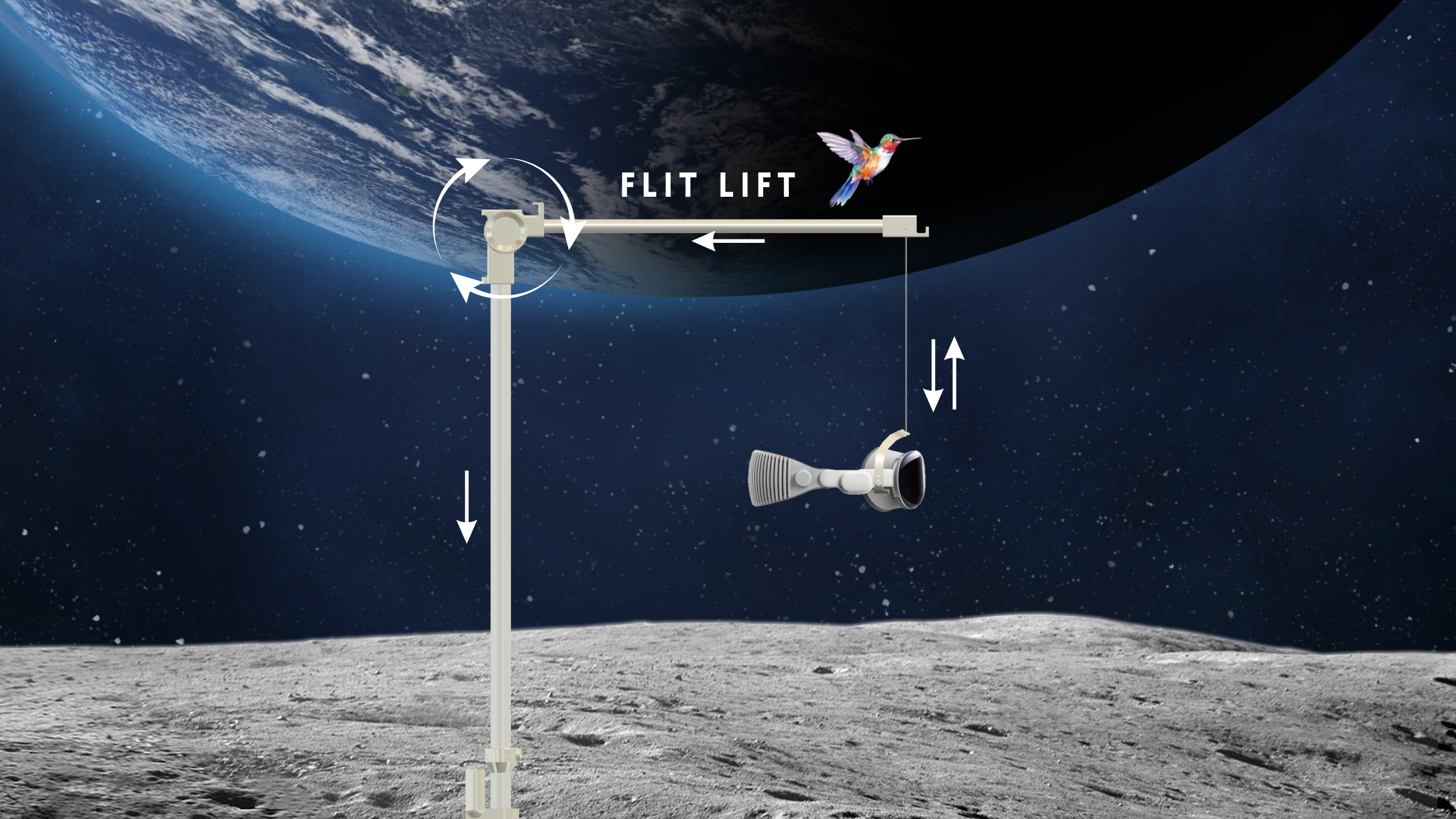
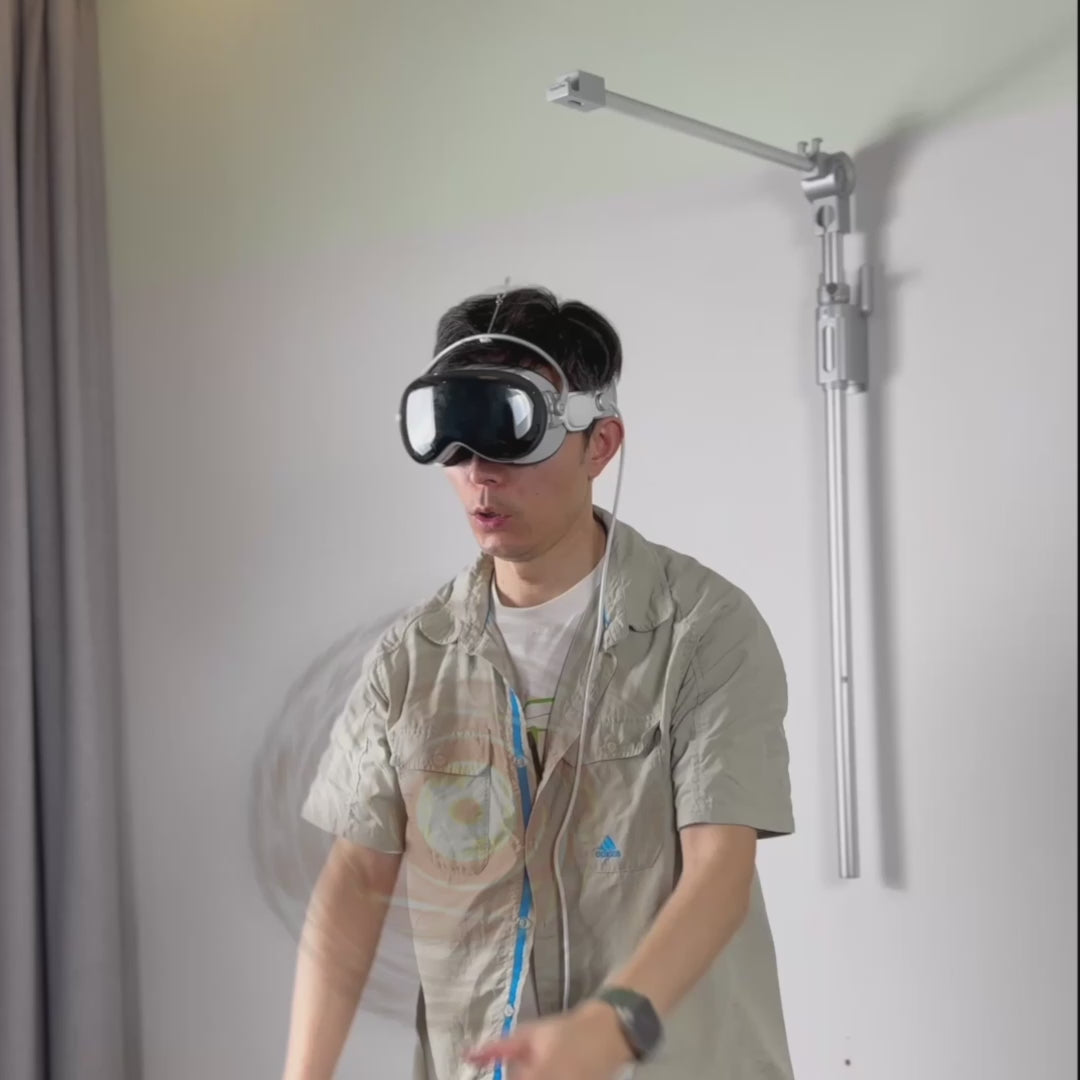
Ready-made kits and brands: Several commercial kits provide modular pockets and dense inserts to experiment with. Products like the FlitLift GraviPro and similar modular lift systems illustrate polished approaches: secure mounts, stackable weights, and attention to low-profile geometry. When selecting a kit, prioritize secure attachment and small-diameter dense weights (brass or steel cores) for minimal bulk.
Practical starting point: try a twin setup of 2×30–60 g (total ~60–120 g). Tune from there using the measurement and testing steps above.
Edge cases and accessories: Vision Pro compatibility and glasses wearers
Not all headsets share the same rear geometry. Apple Vision Pro, for example, uses a different strap and rear profile than Quest 2, so counterweight solutions designed for Quest may not fit without adapters. Before purchasing a kit, check whether the mounting system suits your headset’s strap design and read compatibility notes from the vendor.
For Vision Pro and other unusual geometries, the weight’s placement can move mass toward the crown or side rather than low at the occiput. Start with minimal weight and run quick movement checks (yaw, pitch, and roll) to ensure the weight doesn’t create new instabilities or press into the crown during sudden head motions.
Glasses wearers face two linked challenges: the frames add forward mass and the temple arms create pressure points. Counterweights offset the forward mass well, but avoid mounts that push weights upward or outward where they might press on frames. Low-profile, rounded weights that sit behind the crown are usually best. If you feel the headset tug on the glasses frames, reduce strap tension or add a thin layer of padding between the facial interface and your glasses to protect temple arms.
Accessory tip: consider a slim head cushion beneath the strap to distribute pressure and stop weights from digging into the skull during extended sessions. If you wear prescription glasses, test for optical alignment after each adjustment — even small shifts can change lens-to-eye distance and IPD feel.
Maintenance, safety, and care
Counterweight systems are only safe and comfortable if you maintain them. Routine inspection prevents surprises and prolongs the life of both your headset and accessories. Check mounts, Velcro, and clips for degradation before each long session. Replace frayed straps or worn adhesive pockets promptly.
Cleaning and hygiene:
- Wipe mount housings and weights with a damp microfiber cloth and mild soap; avoid saturating fabric straps with liquids. Use isopropyl alcohol on hard plastic surfaces to remove oils where adhesives mate, but don’t overuse alcohol on foam padding (it degrades foam).
- After sweaty or extended sessions, let straps air out and pat down the facial interface with an anti-bacterial wipe safe for foam or replacement covers as needed.
Safety considerations:
- Secure all weights; loose parts can become hazards if the headset catches on something during play. Never use heavy or loosely anchored weights that could detach mid-session.
- Avoid long dangling cables or straps that could catch. Keep fasteners flush so the headset doesn’t snag on clothing during seated or standing movement.
- Replace Velcro and adhesive parts before they fail. Keep spare clips or adhesive pockets on hand if the vendor sells replacements.
Optimization for long sessions: ergonomics and practical tips
Once you’ve found a weight and placement that reduces forward tilt, small ergonomic refinements will extend comfort for multi-hour sessions. Start by fine-tuning strap height: the rear strap should sit low enough to capture the occiput without forcing the crown upward. If the strap rides too high, the headset can lever forward despite counterweights.
Practical tips to stretch session length:
- Gradual adjustments: increase weight in tiny steps across several sessions rather than making large changes at once.
- Head cushion: a thin memory foam pad under the strap distributes pressure and dampens micro-movement that causes hotspots.
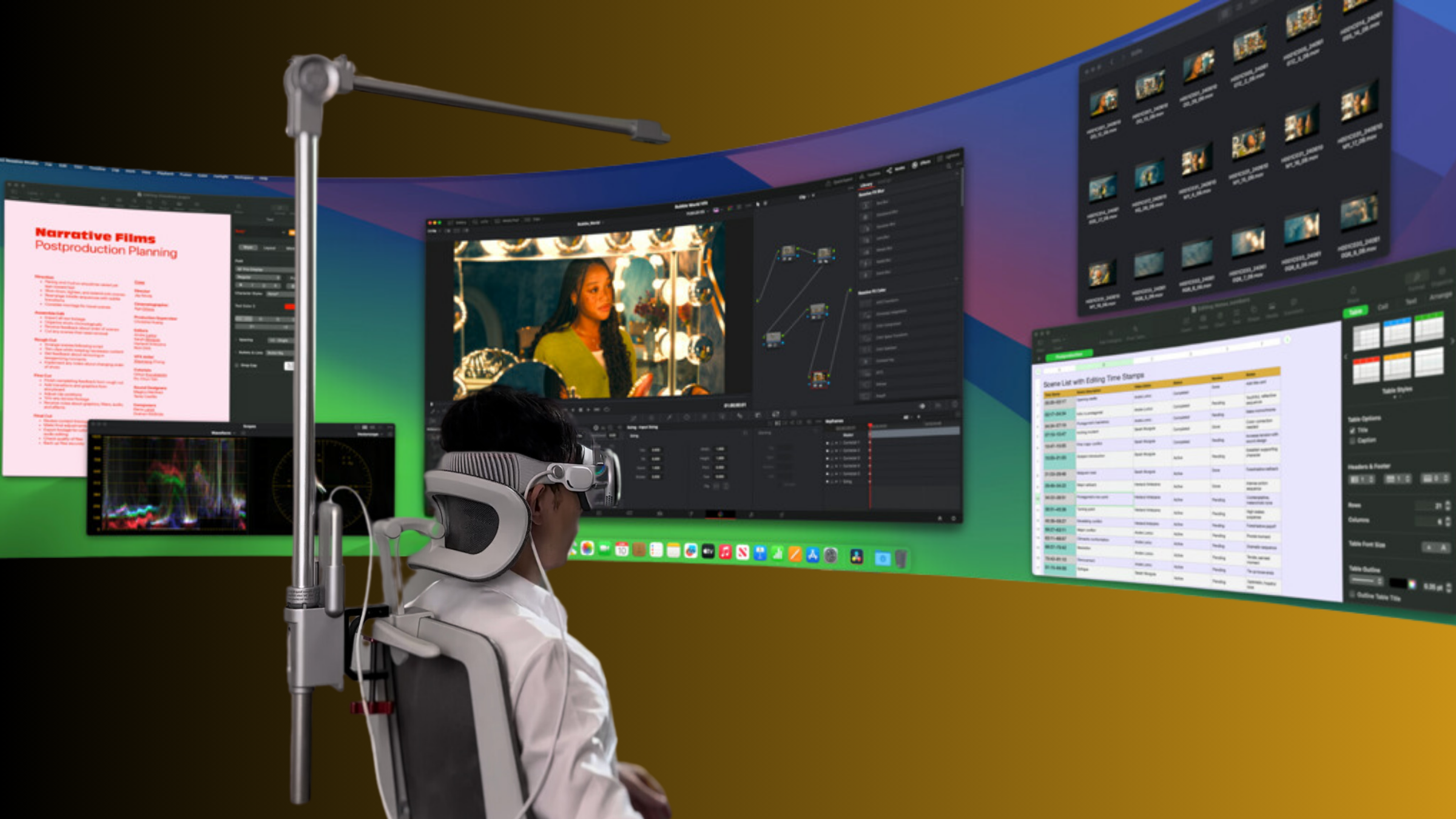
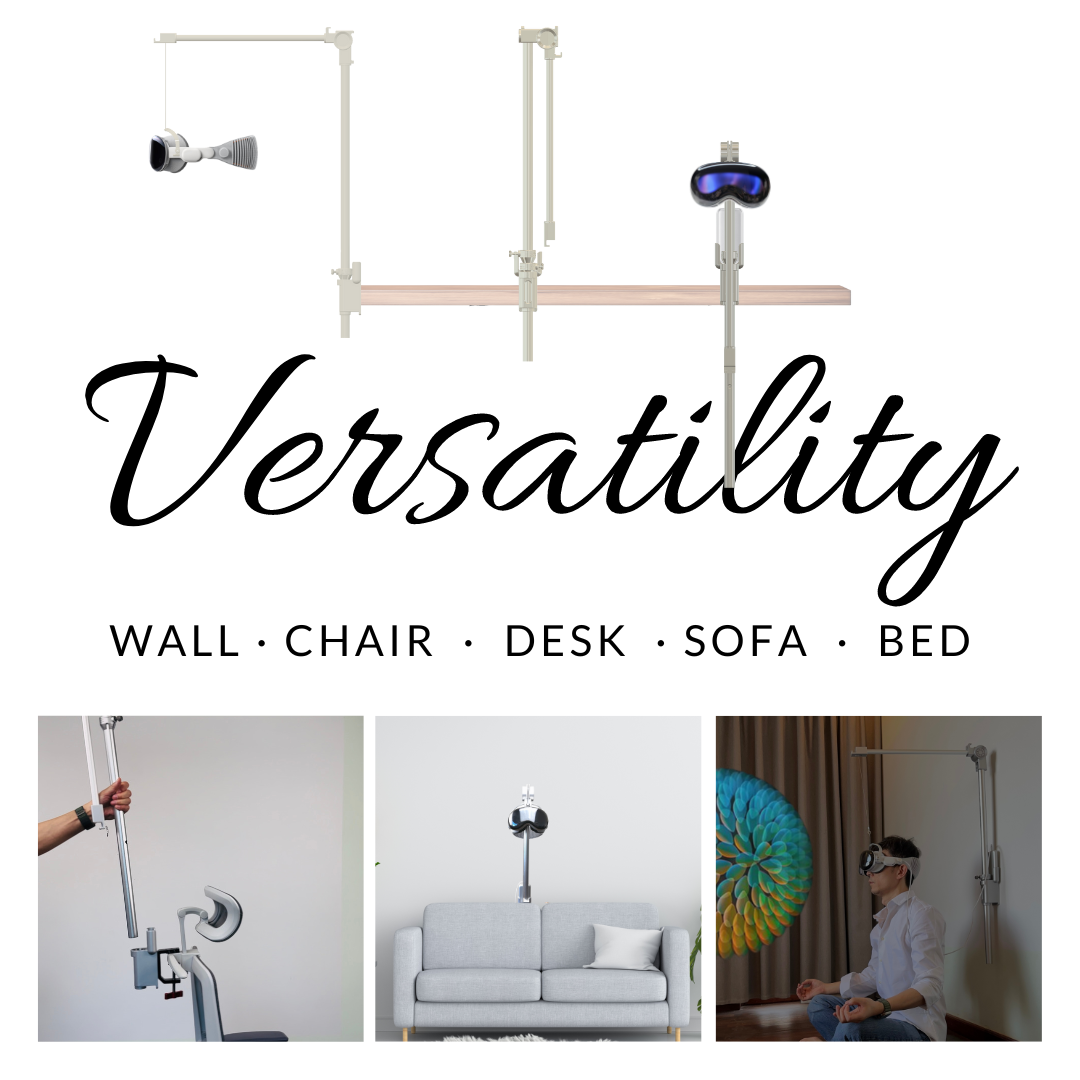
- Alternate support: use a lightweight external lift or a stand during breaks to relieve tissue compression without losing strap tension settings.
- Micro-breaks: even with perfect balance, the neck and facial tissues benefit from 5 minutes of rest every 45–60 minutes.
Remember that more weight is not always better. Aim for a setup where you “forget” the headset rather than constantly notice it. If you start experiencing neck fatigue after adding weight, reduce it or reposition lower and rearward. Small changes in technique — posture, chin tuck, or seat height — often multiply the benefits of a well-balanced headset.
Next step: pick a starting kit or DIY weights around 60–100 g total, mount them symmetrically near the occiput, and run two 20–30 minute comparison sessions using the inclinometer and 0–10 comfort scale described above. Log the results and iterate — you’ll likely find a stable, comfortable setup after two or three adjustments.

Compartir:
Vision Pro vs Meta Quest Ergonomics: Weight, Straps, and User Comfort
Battery Pack Compatibility for Meta Quest 2: What Fits and What to Avoid