

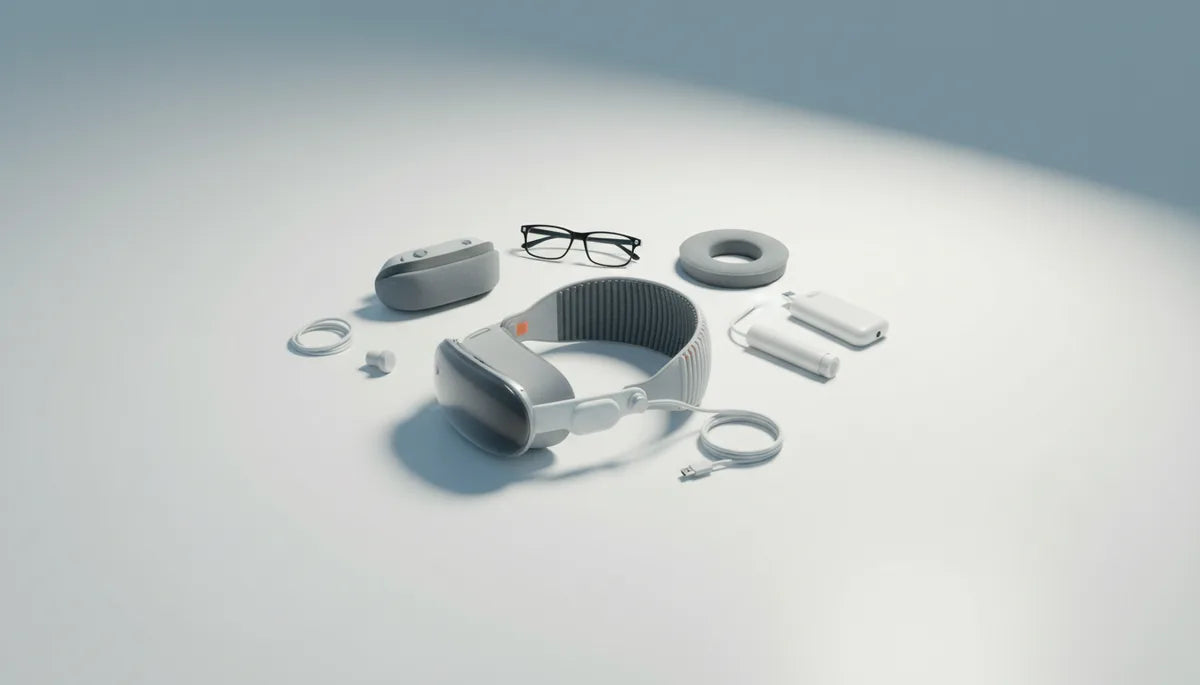
Comfort Straps for Glasses Wearers: Choosing the Best Quest 2 Fit for Long Sessions
Wearing glasses shouldn’t mean sacrificing comfort in VR. The right comfort-strap-vs-elite-strap-vs-third-party" rel="nofollow noopener noreferrer">Quest 2 strap can transform a session from a brisk, uncomfortable experience into a balanced, immersive one that lasts hours. This guide walks glasses-wearing Quest 2 owners through what matters most—where the headset presses, how to move weight off your face, and which strap choices and small tweaks deliver the biggest comfort gains. ⏱️ 11-min read
Read on for practical assessments, a clear comparison of stock, Elite, and third‑party straps, step‑by‑step installation and fit advice, and low‑effort comfort upgrades (spacers, cushions, and anti‑fog tips). By the end you’ll have a checklist and simple testing routine that helps you pick and tune a strap that keeps your glasses (and your patience) intact.
Assessing Comfort Needs for Glasses Wearers
The first step is diagnosing how your glasses interact with the Quest 2. Comfort for glasses wearers is less about a single product and more about pressure points and alignment: where the headset contacts your temples, nose bridge, cheekbones, and the back of your head. Identify hotspots by putting on the headset with your glasses and paying attention to numbness, pinching, or immediate pressure. Those sensations tell you which part of the strap or facial interface is doing too much work.
Temples and the area behind the ears commonly carry excess load when the top strap is too tight or the rear strap is absent. Nose bridge pressure causes glasses to misalign and fog, while cheekbone contact from the foam can create rub spots within minutes. If you feel pinching, try loosening the top strap slightly and readjusting the rear strap before deciding you need a new accessory.
Frame size and temple arm thickness matter. Big frames or thick metal arms are likelier to hit the gasket or get pressed into the face, whereas rimless or slim‑temple plastic frames typically play nicer with the stock pad. But fit beats material: a light metal frame that sits correctly can be more comfortable than a plastic frame that crowds the foam. Also consider personal features—your head shape, bridge height, and hair thickness influence how the headset sits. Take a few minutes to record where you feel pressure, then match that observation to strap features: more rear support for front‑heavy tilt, thicker pads for nose clearance, and adjustable top straps to fine‑tune lens alignment.
Comfort Strap Options on Quest 2: Elite, Third-Party, and Stock
There’s no one-size-fits-all strap, but the choices fall into three practical categories: the stock fabric strap, Meta’s Elite Strap (and its battery version), and a wide variety of third‑party solutions. Each approach balances weight, rigidity, and adjustability differently, which directly affects how your glasses fare over time.
The stock fabric strap is lightweight, inexpensive, and fast to put on. Its flexibility makes it fine for short sessions and casual play, but the trade‑off is limited support. Because the fabric strap doesn’t redistribute much weight, more of the headset’s mass rests on your face—often where the glasses sit—so you may notice more nose and temple pressure during longer sessions.
The official Elite Strap is a step up. It adds a more rigid back band and a wider contact patch at the rear of the skull, which reduces front‑heavy wobble and keeps the visor aligned. For glasses wearers this often translates to fewer adjustments and less slippage that can misalign lenses. The Elite Strap with battery pushes that balancing further by placing extra mass behind your head—helpful if you use lens mods, facial interfaces, or heavier frames—but it increases overall weight and bulk.
Third‑party straps are the most varied. You’ll find memory foam crowns, neoprene wraps, rigid hinged backs, and modular counterweight systems. This category is where you can tune for glasses specifically: some offer thin but dense spacers, others include larger rear pads or crown supports that shift pressure off the nose. But quality varies, so read reviews about durability and compatibility. Look for clear Quest 2 compatibility, and if possible pick a vendor that publishes pad thickness and weight distribution details. For glasses wearers, prioritize straps that promise even load distribution, multi‑point adjustability, and enough clearance at the facial gasket to prevent lens contact.
Installation, Adjustment, and Fit Tips for Beginners
Proper installation and a repeatable adjustment routine are worth more than a top‑tier strap if you don’t use them correctly. Start slow: clip or thread the strap in place, then tune the top and rear adjustments in sequence so tension distributes naturally across the crown and back of the head.
- Attach the strap: align each side near the temple area and secure it into the headset’s clips or loops. For Velcro connections press firmly to avoid loosening during play.
- Position the top strap: with the headset off your face, set the top strap to a slightly loose position—just enough to prevent the headset from flopping forward.
- Put the headset on with your glasses: slide it into place while holding your glasses steady. Let the rear strap sit comfortably behind your head before tightening.
- Tighten the rear strap gradually: tighten until the back feels snug but not constricting. The headset should feel “hung” rather than clamped to your face.
- Find lens alignment: slide the headset up or down to center the lenses with your pupils. With glasses on, you want crisp focus without the frames pressing against the gasket.
- Fine tune: blink, look side to side, and nod slightly. If the glasses shift or the headset tilts, rebalance the top and rear straps in small increments.
Two small rules make a big difference: (1) adjust the top strap first, then the rear strap; (2) if the glasses press on the nose, loosen the top strap a touch and shift the rear strap to compensate. This sequence helps preserve lens alignment while minimizing pinching. If you use thicker facial interfaces or spacers, you may need longer strap lengths or a slightly higher top setting to maintain that crisp view.
Weight, Balance, and Reducing Headset Load
Weight isn’t just an absolute value—what matters is where the weight sits relative to your head. A front‑heavy Quest 2 puts more pressure on the nose and temples, which quickly becomes uncomfortable for glasses wearers. The fastest way to improve comfort is to move weight rearward and create a more even pressure distribution.
Begin with strap selection: rigid or semi‑rigid straps with a wide rear band move load from the face to the crown and back of the skull. If you frequently use prescription inserts, extra accessories, or heavier frames, consider a strap that supports a rear‑mounted battery or counterweight. Adding a battery pack at the back balances the headset’s forward pull and reduces neck strain. Several third‑party options, and even the Elite Strap with battery, purposefully shift mass rearward to produce a steadier fit.
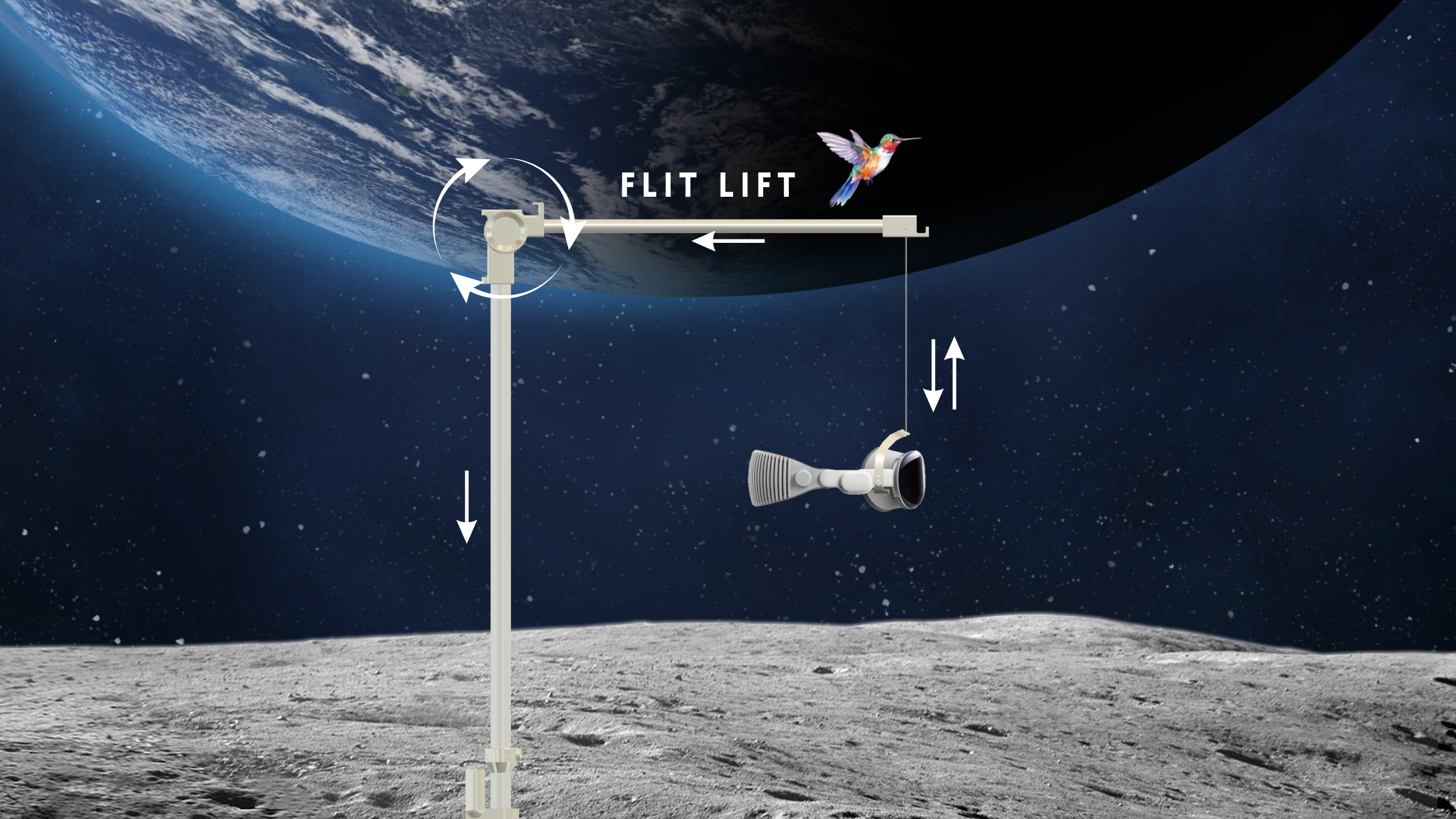
If you don’t want extra hardware, tweak what you have. Slightly loosening the top strap and tightening the rear strap transfers force away from the nose. A crown pad—small, dense foam under the top strap—spreads load across the top of the head rather than concentrating it at a single point. Brands like FlitLift and others have popularized counterweight systems and crown supports aimed exactly at long sessions: they reduce front tilt, stabilize tracking, and give glasses a better chance of staying aligned.
Finally, test with active movement. Put on the headset and perform the motions you do in games—head turns, crouches, and quick looks. If the headset tilts forward or your glasses slide, you either need more rear mass or a different strap geometry. The right balance will let you play through a 60–90 minute session without constant readjustment or red pressure marks forming on your face.
Glasses Fit, Cushions, and Comfort Enhancements
Small changes around the facial interface often yield the largest comfort wins for glasses wearers. The gasket, the cushion thickness, and whether you add a spacer or an insert will define how the glasses interact with the headset’s seal and your cheeks.
Start with cushion thickness. If your frames press into the foam, a 4–8 mm thicker facial interface or a slim spacer behind the pad creates just enough room to prevent contact without wrecking the headset seal. Closed‑cell foams are a good choice: they resist sweat and retain shape over hours. If you dislike foam, silicone covers or breathable fabric pads reduce friction and wick moisture away from your skin, decreasing irritation.
Prescription lens inserts are an attractive option: they eliminate the need to wear your glasses in headset, preventing pressure and fogging entirely. If inserts aren’t practical, consider thin plastic spacers or third‑party frames designed to lift the headset slightly away from your face. Those small millimeters make a major difference for thick temples or taller bridge heights.
To prevent fogging—an annoyance that’s worse for glass wearers—improve airflow and thermal balance. Breathable, moisture‑wicking pads and small vents in third‑party facial interfaces help. Anti‑fog wipes and sprays work on glasses but avoid applying solvents to your headset lenses. When using silicone covers, ensure edges don’t rub the lenses; a smooth path from eye to lens prevents scratches.
Finally, tune pad placement to glasses geometry: higher pads relieve nose pressure for high‑bridge faces; lower, softer pads help for low‑bridge profiles. If you’re undecided, try rotating between thin and thicker pads during play to see which setting consistently prevents pinching and maintains alignment.
Maintenance, Cleaning, and Longevity of Straps
Straps and cushions degrade with sweat, oils, and repeated flexing—especially if you game in multiple sessions per week. A simple maintenance routine extends lifespan and keeps fit consistent, which is essential when your glasses ride against the same foam every time.
- Regular cleaning: wipe foam and silicone parts with a mild soap and water solution or manufacturer‑approved wipes after heavy use. Use a soft cloth, avoid soaking, and let components air dry away from direct heat or sunlight.
- Avoid harsh chemicals: solvents and bleach can break down foam, elastic, and Velcro. Stick to mild detergents and water or alcohol‑free wipes recommended by the strap vendor.
- Rotate cushions: if you have multiple pads, rotate them to equalize compression. Foam that flattens loses sealing ability and increases contact between glasses and headset.
- Inspect fasteners: check clips, Velcro, and stitching monthly for fraying or cracks. Replace worn Velcro straps or buckles before they fail mid‑session and let the headset topple forward.
- Replace when compressed: note when the foam becomes crumbly or stays indented. Compressed cushions no longer distribute pressure and are worth replacing to avoid increased nose or temple strain.
Good maintenance also prevents hygiene problems. Glasses can carry oils into the gasket area; keeping the interface clean prevents deterioration and preserves the fit you tuned so carefully. When shopping for replacements, choose pads and straps specified for Quest 2 compatibility to ensure clip and gasket clearance remain correct.
Budget-Friendly Options and Compatibility with Accessories
Not every glasses‑friendly comfort solution requires a major investment. A few inexpensive tweaks will often get you across the comfort threshold without buying a premium strap immediately.
Budget starter moves: pick up a thin spacer or a replacement foam pad designed for glasses wearers. These cost little but add millimeters of clearance that can stop nose pressure and reduce fogging. Silicone covers and moisture‑wicking replacements are also affordable and greatly improve skin comfort. If you’re on the fence about a rigid strap, try a mid‑priced third‑party strap with a crown pad first—these typically cost less than the Elite Strap and still deliver much better balance than the stock strap.
When to upgrade: if you experience persistent front‑heavy tilt, constant lens misalignment, or start adding accessories (prescription inserts, prescription lens adapters, battery packs), it’s time to move up. A semi‑rigid or rigid strap with a wide rear band will repay its cost in longer, uninterrupted sessions and fewer adjustments.
Compatibility matters. Before buying a strap, verify it’s labeled for Quest 2 or Oculus headsets. If you plan to add a rear battery, ensure the strap’s clip or mounting points don’t obstruct the facial interface. Some third‑party straps offer built‑in battery pockets or attachment rails; others require Velcro pads or aftermarket brackets. Finally, consider wireless accessories and head‑mounted mics—make sure they don’t press into the strap or cause tilt when attached.
Price and durability often correlate, but not always. Read reviews about long‑term wear—elastic fatigue, Velcro lifespan, and foam compression are the common failure points. A careful, incremental approach—try a spacer and new pad first, then upgrade to a strap if needed—will save money and quickly identify which feature matters most for your glasses geometry.
Next step: run a 30‑ to 60‑minute test with your chosen combination (strap, pad, spacer). Note pressure points and do a small checklist: temple comfort, nose pressure, lens alignment, and whether the headset tilts during active movement. Adjust and repeat until you can play a full session without frequent readjustments—then you’ve found your practical, glasses‑friendly setup.

Share:
Strap options compared: official Quest 2 comfort strap vs Elite strap vs third-party
Counterweights and Straps: Practical Upgrades for Lighter VR Headsets