


Rebalance Your Reality: Eliminate VR Neck Strain and Extend Your Sessions
For many of us, virtual reality offers an unparalleled escape, a portal to new worlds and experiences. Yet, that immersive magic often comes at a physical cost: nagging neck strain, discomfort, and a prematurely cut short session. The culprit? Often, it’s not the overall weight of your VR headset, but rather how that weight is distributed. Whether you're battling foes in an intense VR game or exploring digital landscapes, lingering aches can quickly pull you out of the experience. ⏱️ 11-min read
This guide will demystify the biomechanics behind VR-induced neck pain and equip you with practical, expert-level strategies to rebalance any headset, from a Meta Quest 2 to the Apple Vision Pro. By understanding the principles of vr-comfort/the-science-of-vr-weight-and-balance-how-headband-design-affects-quest-2-comfort" rel="nofollow noopener noreferrer">weight distribution and applying clever solutions, you’ll transform your VR setup into a truly comfortable, neck-friendly platform, allowing you to dive deeper and stay longer in the virtual worlds you love.
Understanding VR Headset Weight Distribution and Neck Strain
To truly conquer VR neck strain, we first need to understand its root cause: the often-overlooked science of weight distribution. Your headset, despite its technological marvels, is essentially a mass positioned on your head. The key factor isn't just how heavy it is, but where its center of gravity lies. This invisible balance point dictates how much effort your neck muscles expend.
Think of it like this: if you hold a heavy book close to your chest, it feels manageable. But extend your arms straight out, and that same book quickly becomes an unbearable load, thanks to leverage. A VR headset operates on a similar principle. With most of its critical components – the displays, lenses, and often the battery – concentrated at the front, the headset's center of gravity often sits significantly forward of your neck's natural pivot point. This front-heavy design forces your neck muscles into a constant, subtle tug-of-war, working overtime to counteract the forward pull and keep your head upright. Every glance, every turn, every rapid movement in VR amplifies this effort, making the headset feel heavier than its actual weight.
This incessant muscular exertion quickly leads to fatigue. What starts as a mild stiffness can escalate into persistent discomfort, tension headaches, and even a reduced range of motion after longer sessions. Over weeks or months, this repeated forward loading can contribute to chronic neck tension and potentially even impact your posture outside of VR. The principle isn't exclusive to any single brand or model; it's a universal biomechanical challenge inherent to virtually all front-loaded head-mounted displays. Recognizing this fundamental issue is the first step towards unlocking true, sustained VR comfort.
Mastering Basic Adjustments: Universal Tips for Any Headset
Before investing in any accessories, mastering the fundamental adjustments of your existing headset straps is paramount. A properly fitted headset can dramatically mitigate neck strain and discomfort, making a tangible difference in your VR experience. Many users overlook these basic steps, inadvertently exacerbating issues that could otherwise be easily resolved.
Your initial point of focus should always be the top strap. This often-underestimated component is crucial for vertical balance, designed to distribute a significant portion of the headset's weight across the crown of your head. Instead of allowing all the pressure to bear down on your face and cheeks, the top strap lifts the device, creating a more supported, 'floating' sensation. Gently tighten or loosen it until you feel the headset supported from above, relieving pressure on your cheekbones and forehead. The ideal tension isn't overly tight, but firm enough to prevent the headset from sliding down your face when you move your head.
Once the vertical balance feels right, turn your attention to the side straps or the rear dial, depending on your headset's design. These adjustments are responsible for the horizontal fit, securing the headset snugly around your head. Aim for a fit that is stable and secure, eliminating any distracting side-to-side wobble during rapid movements. However, a common and detrimental mistake is overtightening these straps. While a secure fit is good, excessive tightness can create painful pressure points around your temples, forehead, and the back of your head, leading to headaches and negating any comfort gains. The goal is a firm yet gentle embrace – a secure hold without compression or discomfort, ensuring the headset remains stable without digging in. Taking a few moments to fine-tune these basic adjustments will often yield surprisingly significant comfort improvements, laying a solid foundation for longer, more enjoyable VR sessions.
Upgrade Your Head Strap: The Foundation of Comfort
For many VR enthusiasts, the stock head strap that comes with their headset is merely a starting point, a functional but often uncomfortable compromise. Upgrading to an aftermarket head strap is arguably the most impactful modification you can make to significantly improve weight distribution, stability, and overall comfort during extended VR sessions. These specialized straps are engineered with ergonomics in mind, addressing the shortcomings of their factory-issued counterparts.
When considering an upgrade, you'll encounter a few primary types, each with distinct advantages:
* Halo Straps: These innovative designs shift the point of contact, wrapping around the back of the head and resting higher on the crown. By doing so, they tend to move the headset's effective weight towards the top of your head, easing direct pressure on your face, cheeks, and nose. This can drastically improve balance and make even front-heavy devices feel lighter and more comfortable for prolonged use. * Rigid Frame Straps: Featuring a fixed framework that connects securely to the headset's sides or top, rigid straps excel at minimizing slipping and providing steadfast stability. They distribute the load across a broader area of the head, which is particularly beneficial for active VR experiences requiring quick, dynamic movements. The structural integrity of these straps ensures the headset stays put without needing excessive tightness. * Soft Padded Straps: Often characterized by wide, generously cushioned contact points along the temples, cheeks, and occipital area, these straps prioritize direct padding for gentle skin contact. They are typically made from breathable, soft materials, aiming to reduce pressure points through plush comfort. While incredibly gentle, some soft straps may require careful fitting to prevent slight shifts during vigorous gameplay.
Beyond the type, scrutinize materials and padding thickness. Look for durable, skin-friendly fabrics like nylon, neoprene, or synthetic leather for the outer layers, paired with soft, breathable inner linings to manage sweat and prevent irritation. Padding thickness commonly ranges from 6–12 mm; aim for cushions that contour comfortably to your head's shape without being so thick they disrupt the headset's optimal fit or add unnecessary bulk. A well-chosen aftermarket strap transforms the VR experience, making hours of gameplay feel like minutes, not a chore for your neck.
Strategic Counterweighting: Balancing Front-Heavy Devices
Even with the best basic adjustments and an upgraded head strap, many VR headsets remain inherently front-heavy. This design reality, driven by the necessary placement of displays, lenses, and often the primary processor or battery, means your neck muscles are always battling a forward pull. Strategic counterweighting offers a clever, highly effective solution to this persistent challenge. By adding targeted weight to the rear of your headset, you can dramatically shift its overall center of gravity, bringing it closer to the natural pivot point of your head and significantly reducing the leverage exerted on your neck. The device suddenly feels much lighter, greatly enhancing comfort for even the longest VR excursions.
Fortunately, achieving this critical balance doesn't require complex engineering. Several practical and accessible methods are at your disposal:
* External USB Power Bank: This is a dual-purpose champion. Attaching a compact, lightweight power bank to the rear of your head strap not only provides the necessary counterweight but also extends your headset's battery life. Secure it with strong Velcro straps or a dedicated power bank holder designed for VR. * Reusable Adhesive Weights: Similar to those used for balancing car wheels, small adhesive weights can be carefully applied to the rear of a rigid head strap. These offer precise adjustment and a clean, low-profile look. Always ensure they are applied to a non-contact surface of the strap to prevent irritation or damage. * DIY Weighted Pouches: For a budget-friendly and customizable solution, small fabric pouches filled with inexpensive items like coins, standard washers, or even fine sand can work wonders. Stitch or secure these pouches to the back of your head strap using fabric loops, sturdy Velcro, or even zip ties if the strap permits. Aim for an added weight of approximately 50–150 grams, adjusting as needed to find your perfect balance point without overloading the neck. * Cable Management: While not adding weight, managing your headset's tethered cable (for PC VR setups) can also improve perceived balance. Instead of letting the cable pull unevenly, route it along the back of your head strap and secure it with Velcro ties. This prevents unwanted tugging and keeps the headset's balance consistent during movement.
When attaching any counterweight, ensure it is securely fastened, won't shift during active play, and doesn't interfere with headset sensors or comfort. The goal is a subtle, balanced feel, transforming your front-heavy VR experience into one that feels remarkably neutral and comfortable.
Innovative Solutions for High-End Headsets: Addressing Unique Challenges
Premium VR headsets, while offering unparalleled visual fidelity and performance, often present unique ergonomic challenges due to their advanced, and frequently heavier, designs. Devices like the Valve Index, Pimax series, or the Apple Vision Pro, push the boundaries of technology, but their robust components can lead to a more pronounced front-heavy sensation. Their distinctive, often bulkier, silhouettes can also create new pressure points on the temples, cheeks, or the back of the head, making even subtle head movements feel taxing over prolonged periods. The increased cervical load from these front-heavy devices can quickly lead to fatigue, reducing endurance and immersion.
To address these specific hurdles, the VR community and accessory manufacturers have developed specialized solutions that go beyond universal strap upgrades and basic counterweighting:
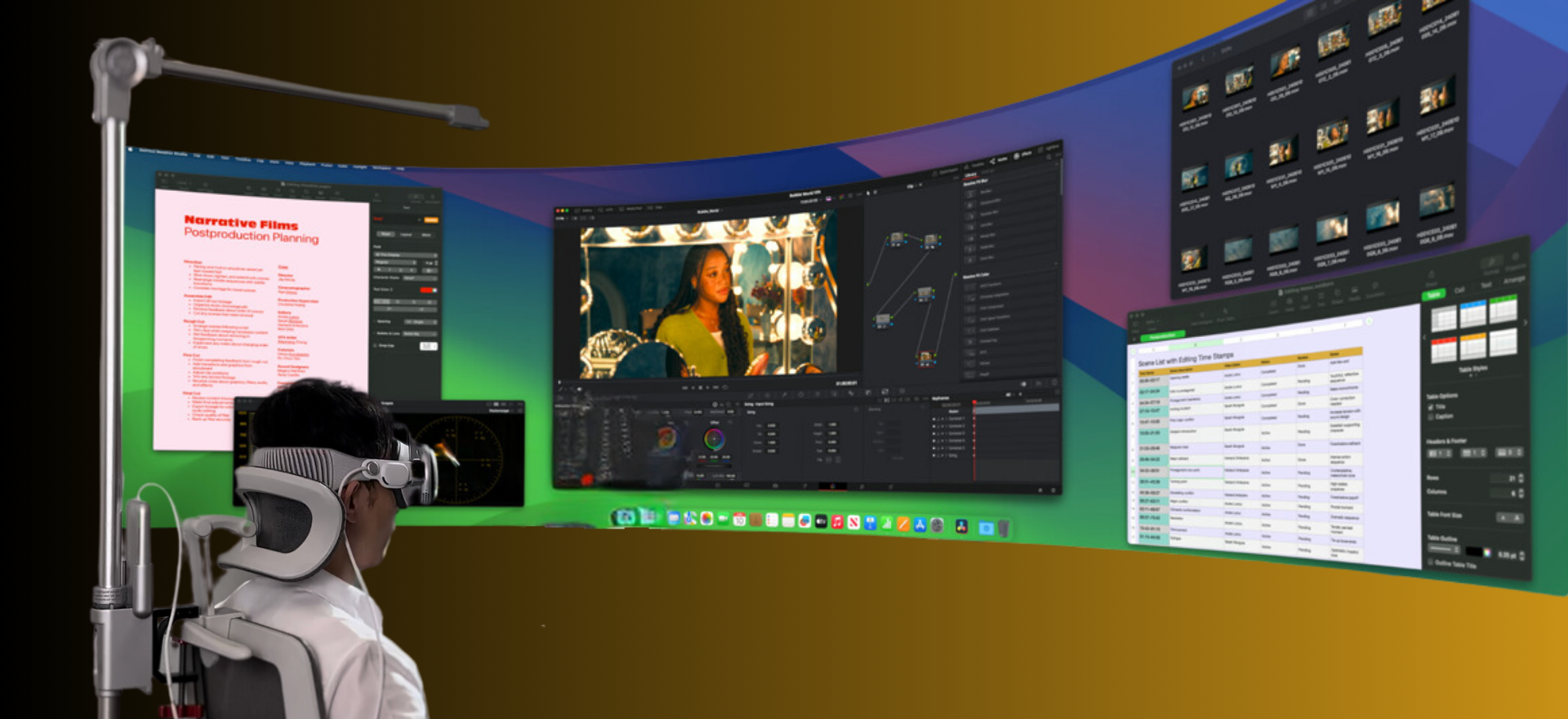
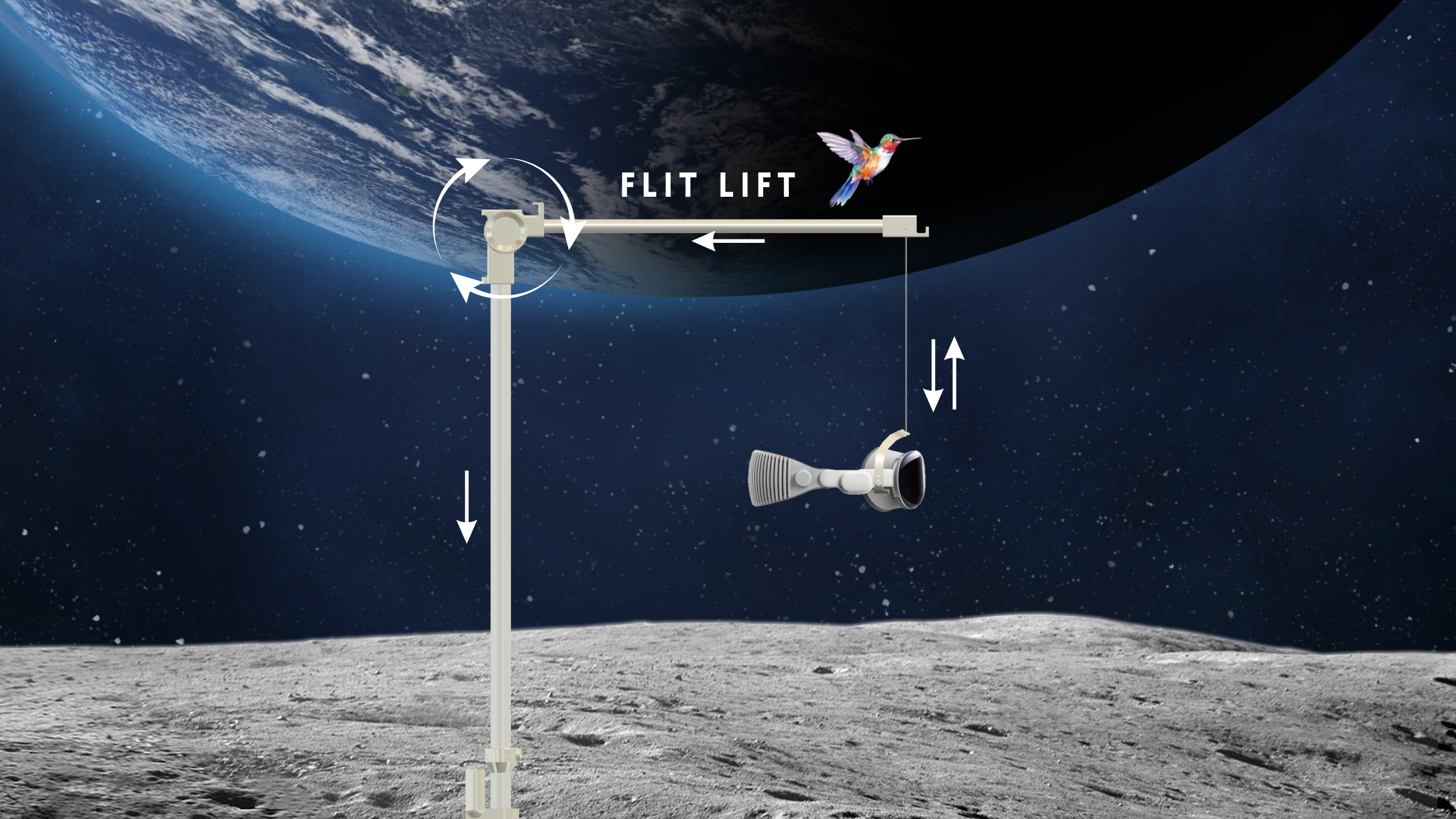
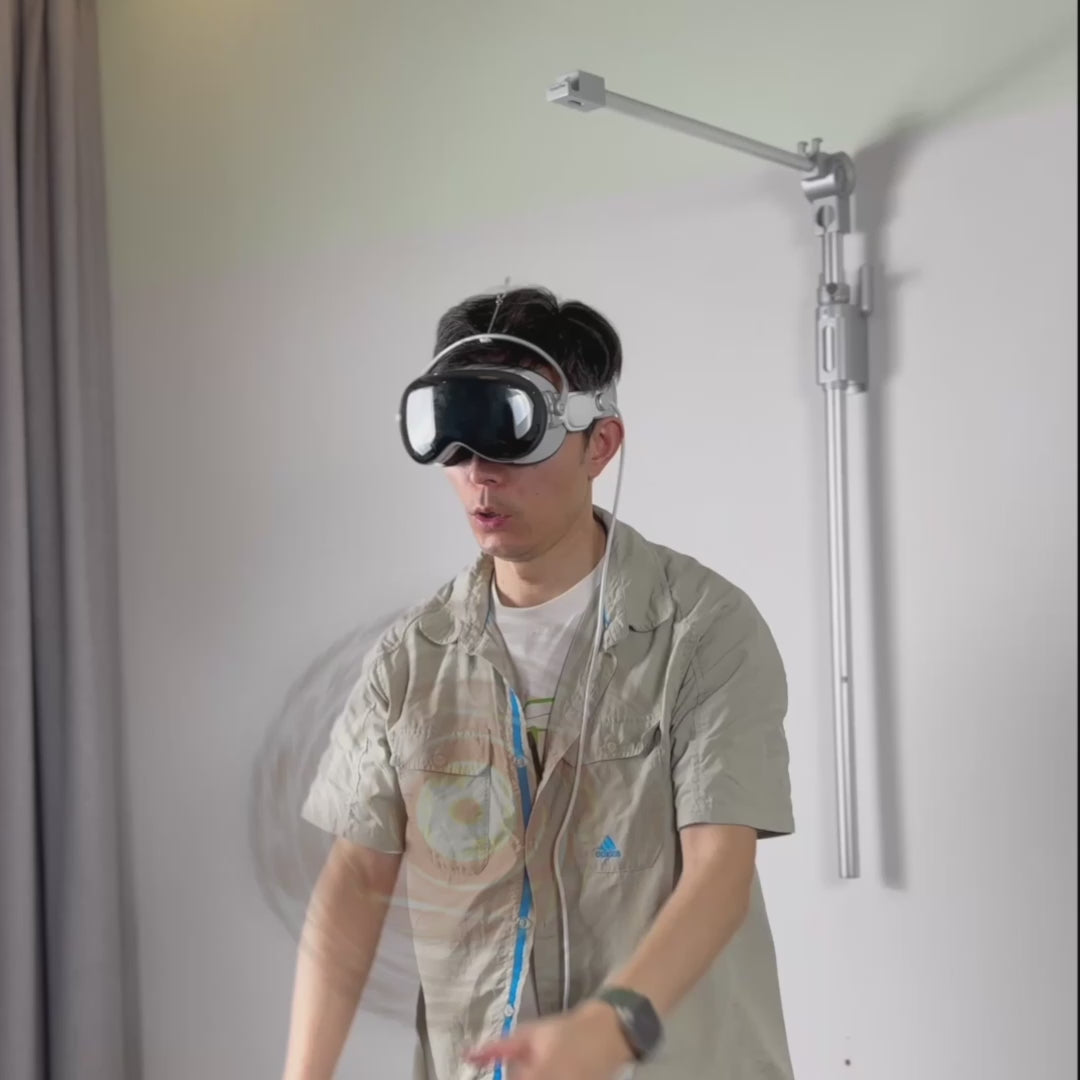
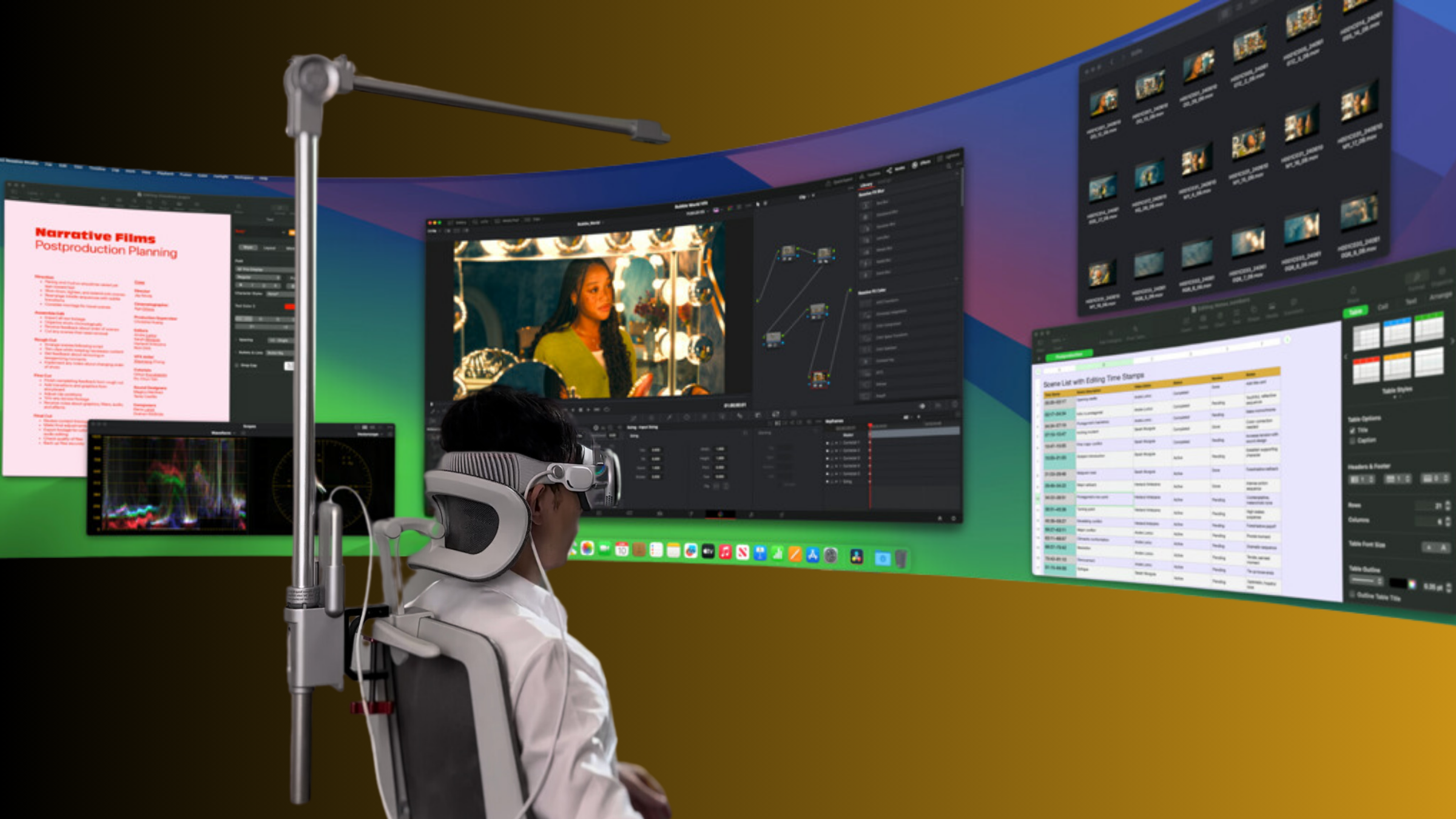
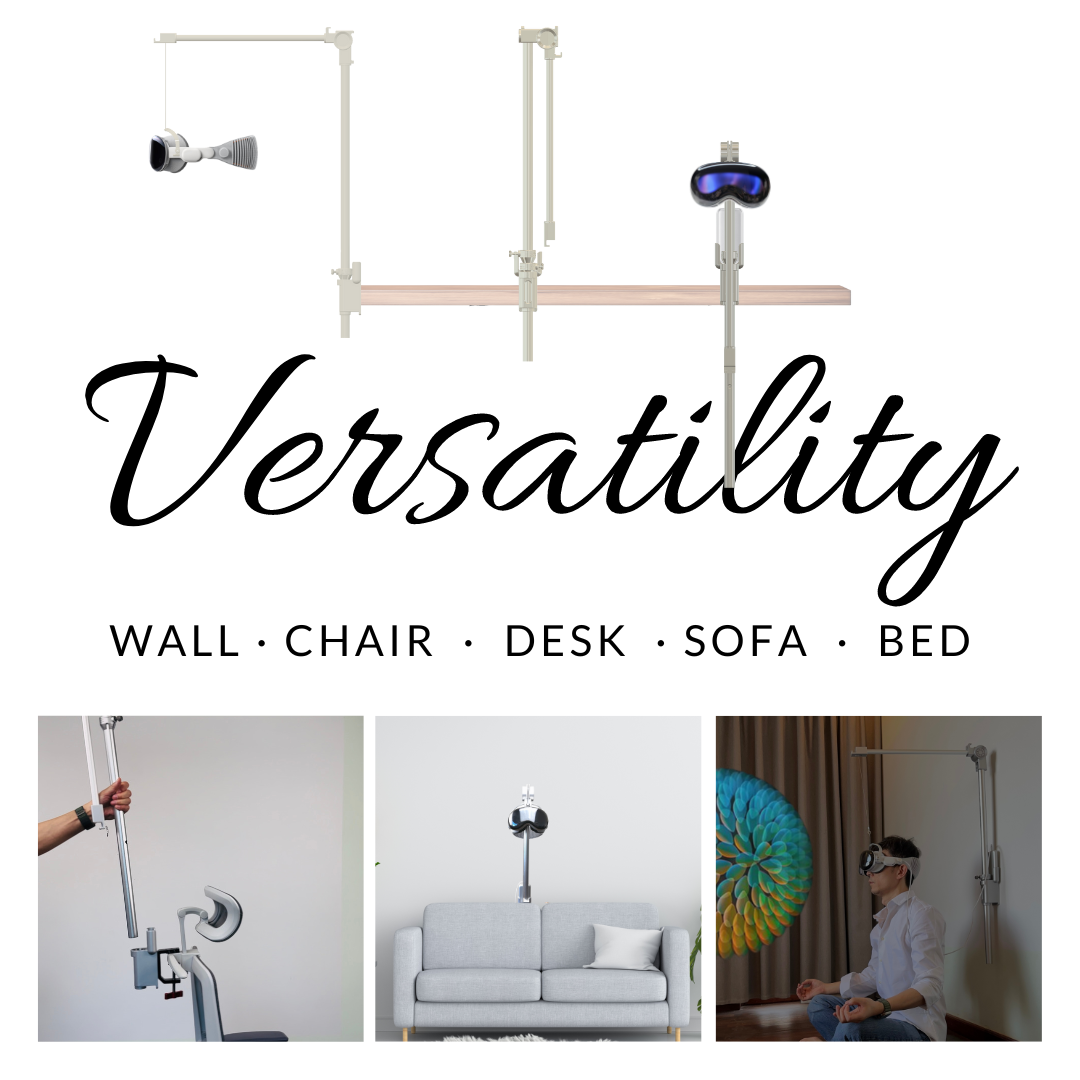
* Modular Strap Kits and Enhanced Rear Supports: For headsets like the Valve Index, which already come with robust straps, users often seek modular kits that offer even greater adjustability and wider support surfaces for the back of the head. These can include additional cushioning, wider pressure distribution plates, or more rigid frames that better cradle the occipital region. * Dedicated Counterweight Systems: While the principle is the same, specialized counterweight systems for high-end headsets are often designed to integrate seamlessly, sometimes even matching the aesthetic. These might involve custom-molded weights that fit perfectly onto the rear strap or integrated battery packs that serve both power and balance functions with premium finishes. * Specialized Lift and Support Devices: For the truly cutting-edge, like the Apple Vision Pro, where comfort is paramount and the design is highly integrated, new categories of accessories are emerging. Consider innovative solutions such as the hypothetical **FlitLift GraviPro**. Such a device might incorporate an articulated support arm that rests on the user's shoulders or upper back, leveraging biomechanical principles to subtly "lift" the headset's effective weight. By transferring some of the device's burden to a more robust part of the body, these specialized accessories aim to create a near "weightless" experience, minimizing any downward pressure on the neck and face. This allows users to experience the headset's full capabilities without the distraction of physical strain, unlocking truly extended, comfortable sessions in premium VR.
These advanced accessories recognize that high-end VR demands high-end comfort solutions, moving beyond simple adjustments to fundamentally redefine the user's physical interaction with their virtual world.
Beyond Gear: Ergonomic Practices for Sustained VR Comfort
While hardware modifications are crucial for VR comfort, they are only one half of the equation. Sustainable, pain-free virtual reality experiences also rely heavily on mindful ergonomic practices and self-care. Even the most perfectly balanced headset can lead to discomfort if you neglect your body's natural limits and needs.
Central to this is maintaining proper posture, whether you're seated or standing in VR. Your spine should maintain its natural curves, not hunched or hyperextended. Aim for a neutral spine, with your shoulders relaxed and gently pulled back, avoiding the common tendency to round them forward. A slight chin tuck helps align your head over your shoulders, preventing it from jutting forward and further stressing your neck. If you’re seated, ensure your chair provides good lumbar support, and adjust its height so your hips are level with or slightly above your knees, with your feet resting flat on the floor or a footrest. If you prefer standing VR, distribute your weight evenly on both feet, with your knees slightly bent and unlocked, allowing for natural movement without rigid tension.
Equally important are regular breaks. It’s easy to lose track of time in immersive VR, but your body needs periodic relief. Plan short pauses – ideally every 25–30 minutes. During these breaks, remove your headset, step away from your play area, and focus your eyes on a distant object to give them a rest. This is also an ideal time to perform some simple, effective neck stretches:
* Chin Tuck: Gently draw your chin straight back, as if trying to make a slight double chin. Hold for 5 seconds, feeling a stretch in the back of your neck. Repeat 5–10 times. * Side Neck Tilt: Slowly tilt your
Share:
The science of VR weight and balance: how headband design affects Quest 2 comfort
All day comfort tested which Quest 2 straps stay comfortable after hours of use