


Mastering Quest 2 Balance: A Practical Guide to Counterweights and Comfort Straps for Longer, Pain-Free VR Sessions
If your meta-quest-2-comfort-straps-for-maximum-comfort" rel="nofollow noopener noreferrer">Meta Quest 2 leaves your forehead sore or your neck stiff after an hour of play, you're not alone. The Quest 2 is a marvel of wireless VR, but its compact design concentrates most of the hardware and battery at the front. That forward bias produces torque that presses the headset into your face and forces your neck muscles to fight a constant forward pull. This guide walks you through why that happens, how counterweights and better straps change the physics, which products and DIY options work best, and exactly how to install and tune a setup so you can play longer without discomfort. ⏱️ 12-min read
Read on for concrete recommendations—battery sizes, strap types, placement tips, testing protocols, and safety notes—so you can rebalance your headset with confidence. Whether you want a neat, commercial solution like the Elite Strap with Battery or a budget DIY pouch with coins, the steps below will help you shift the center of gravity, reduce facial pressure, and maintain head stability during intense sessions.
Why weight distribution matters for Quest 2 comfort
The Meta Quest 2 headset itself weighs about 503 grams (~0.5 kg). Unlike some heavier tethered headsets that spread mass across a larger chassis, the Quest 2 concentrates its components—display, SoC, and battery—near the front. That concentration creates a forward center of gravity (CG), which produces a torque around your neck and pivot points at the face interface. The result: forehead pressure, cheek redness, and neck muscles that stay engaged even when you're standing still.
Think of the headset as a lever: the farther the mass from the neck pivot, the greater the moment (torque) pulling it down. For example, comparing the Quest 2 to heavier headsets like Valve Index (~809 g) or lighter headsets such as Pico 4 (~600 g but different balance) is instructive: heavier does not automatically mean more discomfort—distribution matters. A heavier headset with a rear-supporting strap can feel more comfortable than a lighter but front-heavy headset. That's why rebalancing a 503 g Quest 2 with a rear counterweight can dramatically reduce facial pressure without necessarily making the experience feel heavier on the face.
Beyond immediate discomfort, poor balance shortens usable playtime. Neck strain and tension headaches build gradually; small imbalances that don’t annoy you for ten minutes can become intolerable after an hour. Correcting the weight distribution restores immersion—you stop thinking about the hardware and start experiencing the content. The rest of this guide explains how to achieve that with realistic, safe options.
How counterweights change the balance (principles, trade-offs)
Counterweights work by shifting the headset’s center of gravity rearward so the net torque about the neck is reduced. Imagine the head as a fulcrum: the front-heavy headset creates a downward torque that your neck muscles must counteract. Adding weight behind the head creates a balancing torque in the opposite direction. The amount of compensation depends on two things: the mass of the counterweight and its distance from the pivot (roughly the neck or the back of the head). A small mass placed far back can achieve the same moment as a heavier mass mounted closer to the crown.
The practical consequence is that a well-placed counterweight can make the headset feel lighter on the face even though the total mass goes up. Perceptually, pressure on the forehead and cheeks drops, and the headset tends to sit more stably during motion. That stability also reduces constant micro-adjustments—small readjustments that exacerbate neck fatigue over time. However, the trade-off is that you are increasing the overall load the neck supports. If the added weight is excessive or placed too high, you can swap facial pressure for generalized neck fatigue or an uncomfortable backward pull.
There are limits. If the front-heavy feel comes from a poor strap or a loose fit, counterweights may only mask the problem. Similarly, if you already experience neck pain at rest, adding mass may make things worse. Use counterweights when the primary symptom is forehead/cheek pressure or forward tilt; if the headset rocks or slides, start with strap upgrades and fit adjustments first. The goal is not to eliminate the forward mass—but to move the balance point so the forces on your face and neck are distributed more evenly.
Counterweight options: battery packs, commercial weights, and DIY solutions
There are several effective ways to add mass to the rear of a Quest 2, each with pros and cons. A popular two-in-one approach is an external battery pack. A compact power bank (5,000–10,000 mAh) can extend playtime while acting as a rear mass. Choose a slim model—many community-recommended power banks weigh between 150g and 250g, which is a useful counterbalance without becoming unwieldy. Mind safety: poor airflow or loose connections can cause heat buildup; always use reputable battery brands and avoid mounting a pack directly against breathable padding.
Purpose-built commercial counterweights and weight pouches offer a cleaner look. Products from VR accessory makers are designed to clip into the Elite Strap or popular aftermarket pads, using dense weighted materials to maximize balance with minimal bulk. These are usually safe, stable, and engineered for compatibility. If you prefer a tidy aesthetic and worry about heat or battery risks, a commercial weight is a good choice.
Budget-conscious DIYers have reliable options too. Small coin pouches, sandbag-style inserts, or modular weight modules (stacked metal washers in a small pouch) are inexpensive and adjustable. For example, a pouch with five 20–30g coin weights gives you 100–150g of adjustable mass and lets you fine-tune position. Be cautious with adhesives and Velcro: secure attachment is crucial. Never use loose metal objects that can shift mid-session or puncture padding. In short, batteries for dual-purpose utility, engineered weights for neatness and safety, and DIY inserts for flexibility and economy—each works when chosen and installed thoughtfully.
Choosing the right comfort strap for balance and long play
The strap is more than a mount—it's part of a balance system. The stock Quest 2 soft strap is lightweight but offers limited support for counterweights. For sustained comfort, consider three main categories: Elite-style straps, halo/halo-like straps, and padded aftermarket backbands. The Meta/Oculus Elite Strap (and Elite Strap with Battery) is a direct upgrade: its backband and top-strap design allow you to place weights low and central, and the rigid structure reduces flex during motion. The Elite Strap with Battery integrates power and weight cleanly, offering a tidy single-piece solution.
Halo-style straps (AMVR-style and other third-party halo rigs) wrap around the circumference of the head and distribute load over a larger area. They often shift pressure away from the face and across the crown and back of the skull—useful for people who dislike forehead pressure but who don’t want a heavy lump at one spot on the rear. Halos can feel bulkier and may not match well with glasses. For glasses wearers, padded backbands with deeper front pads and lower pressure points tend to feel better than halos.
When choosing, prioritize adjustability, padding quality, and ventilation. Memory foam or dense padded pads with woven covers breathe better than leatherette for extended play. Look for straps with removable pads and replaceable Velcro because these parts wear out. If you plan to use a rear battery, pick a strap with a mounting point or pouch. Finally, consider the fit system: a dialed backstrap (ratchet) gives quicker, micro-adjustable tensioning, while simple Velcro side straps give finer left/right tilt correction. Choose based on how you tune balance—if you want fast adjustments mid-session, a ratchet-style design will save time.
Step-by-step install and adjustment guide for straps + counterweights
Follow these steps to fit a comfort strap and counterweight safely and effectively. Tools you may need: small Phillips screwdriver (for strap brackets), Velcro straps or zip ties (for DIY pouches), and a lightweight power bank if using battery-based weight. Start seated in a neutral posture with a mirror or a friend to check alignment.
- Remove or loosen the stock strap. Most aftermarket straps slide into the same anchor points. If your strap uses screws or clips, keep them safe for future reinstallation.
- Mount the new strap per manufacturer instructions. Center the back pad directly behind the crown of your head; symmetry is important for left-right balance.
- Attach the counterweight or battery module to the rear pad. Place it low on the pad—just above the neck line—so the mass is farther from the pivot point, increasing its torque effect. Use the provided clip, pouch, or secure with strong Velcro/strap loops. For battery packs, position them horizontally for low profile and stable contact.
- Put on the headset and set your IPD and lens distance first, then adjust the top strap until the headset lifts slightly off your face. The goal is to transfer some load from the facial interface to the strap without creating a backward tug.
- Tighten side straps so the headset doesn’t wiggle. If using a ratchet dial, tighten until snug but not painful. Test with head turns and nods—there should be minimal slippage and the headset should return to neutral without rotating on your face.
Fine tuning: If the headset tilts backward, slide weight slightly lower or forward on the pad. If the front still digs in, increase counterweight mass in 20–50g increments or tighten the top strap. For battery packs, ensure cables (if any) are routed so they don’t pull asymmetrically or chafe padding. Re-run the head movement test and proceed to the balance-testing protocol below.
Practical balance-testing and comfort metrics to use during setup
Comfort is subjective, but you can quantify progress with simple tests that reveal where pressure or torque remain. Start with static pressure checks: after donning the headset and settling the straps, scan your face with your fingertips. Check for concentrated pressure on the forehead, the bridge of the nose, and the upper cheekbones. A balanced setup will show lower pressure at the forehead and less impingement at the nose piece.
Next, perform the head-tilt test. Gently tilt your chin toward your chest (looking down) and then lift your chin up. Note whether the headset slides or whether your neck feels like it's fighting the device. A good balance will keep the headset in place with minimal neck effort and little to no sliding. If you feel a sudden shift, the counterweight is probably too heavy or too high.
Use timed checkpoints to verify endurance: try 10 minutes, then 30, then 60 minutes. During each checkpoint, monitor for creeping discomfort—areas that feel fine at 10 minutes but become sore at 30 or 60 are the real targets. Keep a simple log: where does it hurt (forehead, cheeks, neck), what adjustments you made, and how long until the pain starts. Iteratively move weight in 10–20 mm increments and adjust strap tension, retesting after each change. If discomfort switches from face to neck, you've overcompensated and should reduce mass or lower placement. These practical metrics let you converge on a setup that minimizes both immediate pressure and cumulative fatigue.
Compatibility caveats: wireless accessories, battery packs, and Apple Vision Pro products
Before buying or installing any accessory, check compatibility. Official Elite Straps are designed for Quest 2 mounting points; third-party straps usually fit but vary in attachment systems. If you plan to use a battery pack, confirm there is a secure pouch or clip rated for the pack’s dimensions. Avoid ad-hoc setups where a power bank sits loose in a cloth pouch; movement during play can shift balance or cause abrasion. Likewise, antennas and passthrough sensors on the Quest 2 are positioned near the front—rarely will a rear counterweight interfere, but oversized wings or metallic mounts can affect wireless signals if positioned near the unit’s sides.
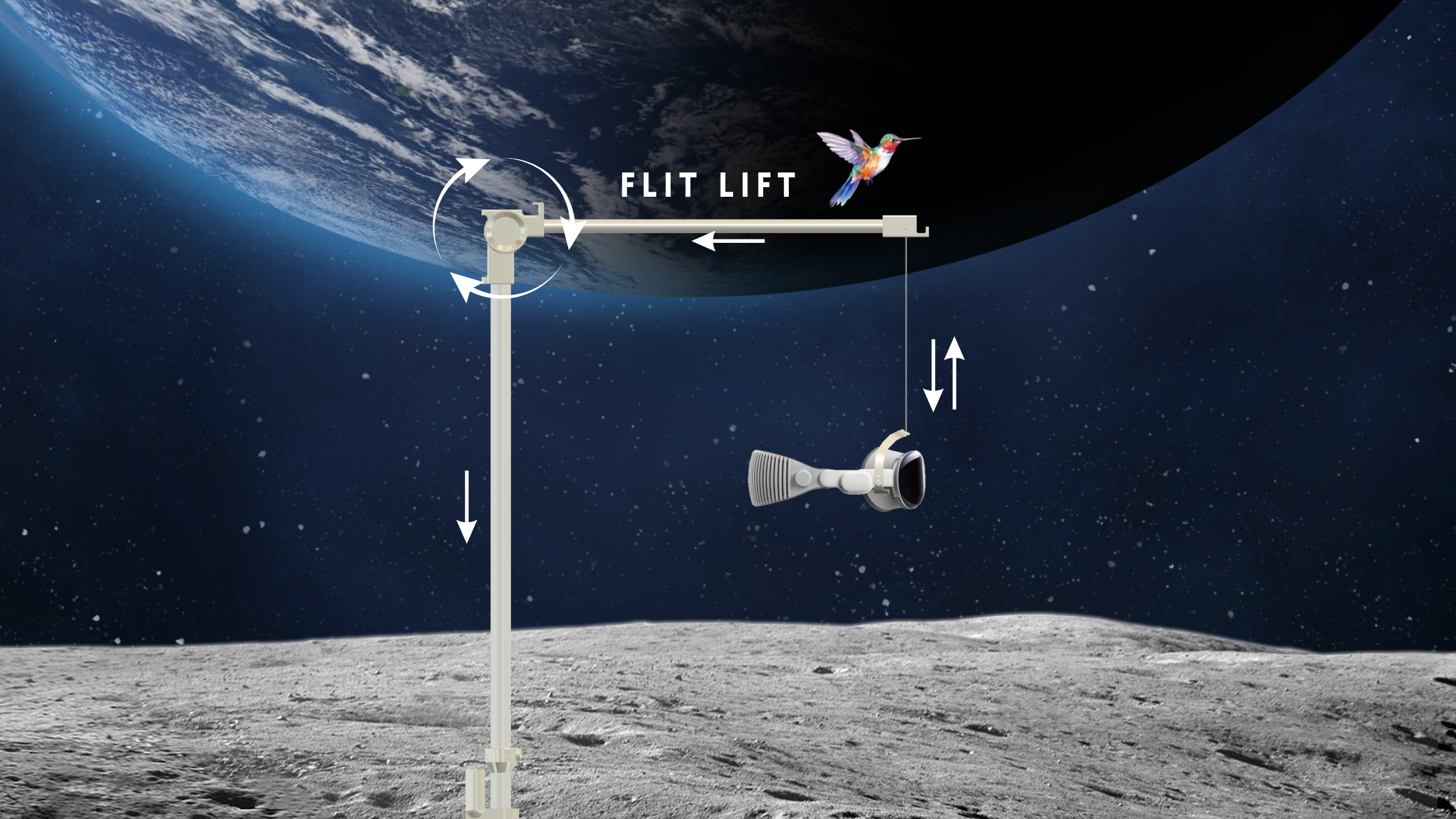
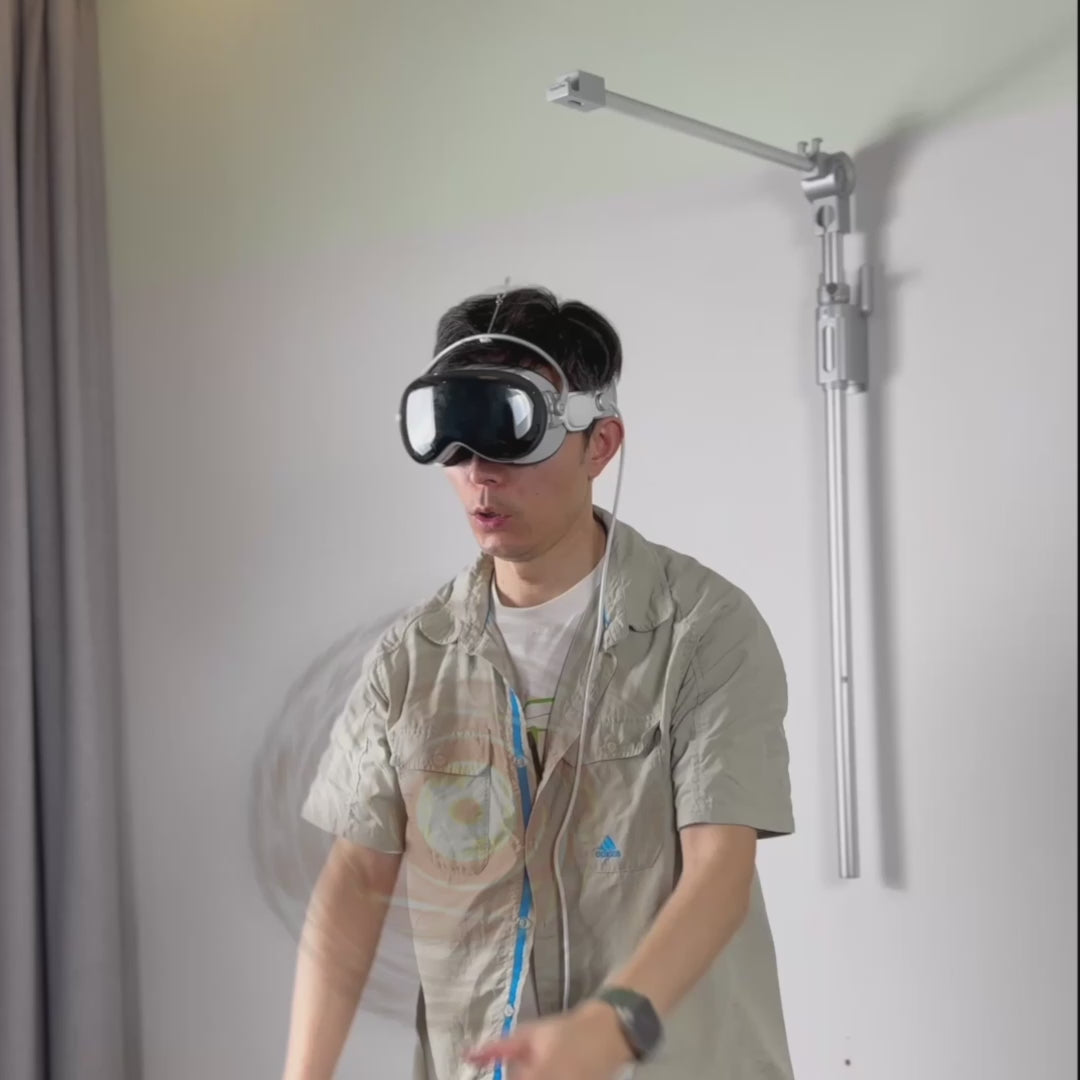
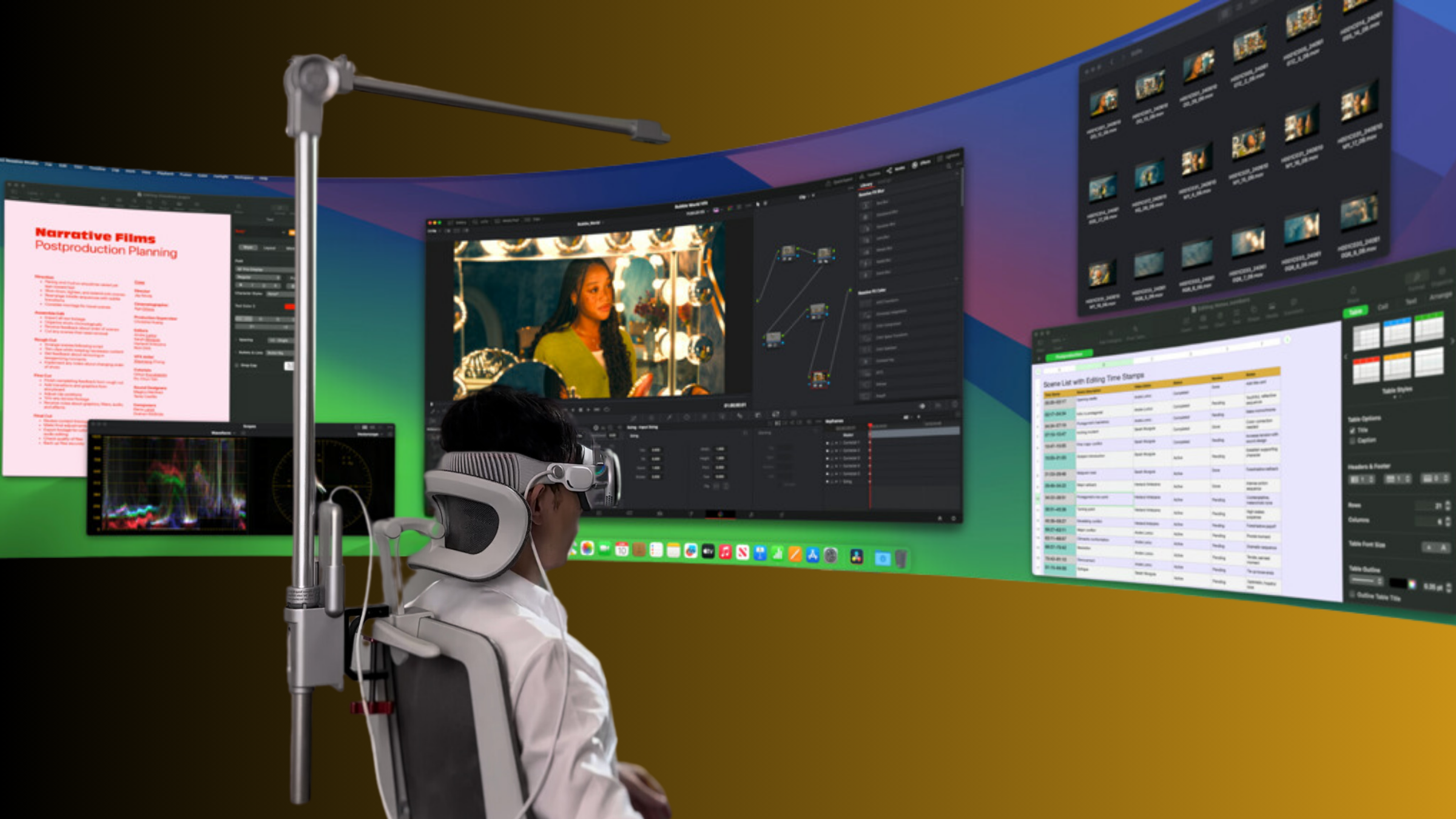
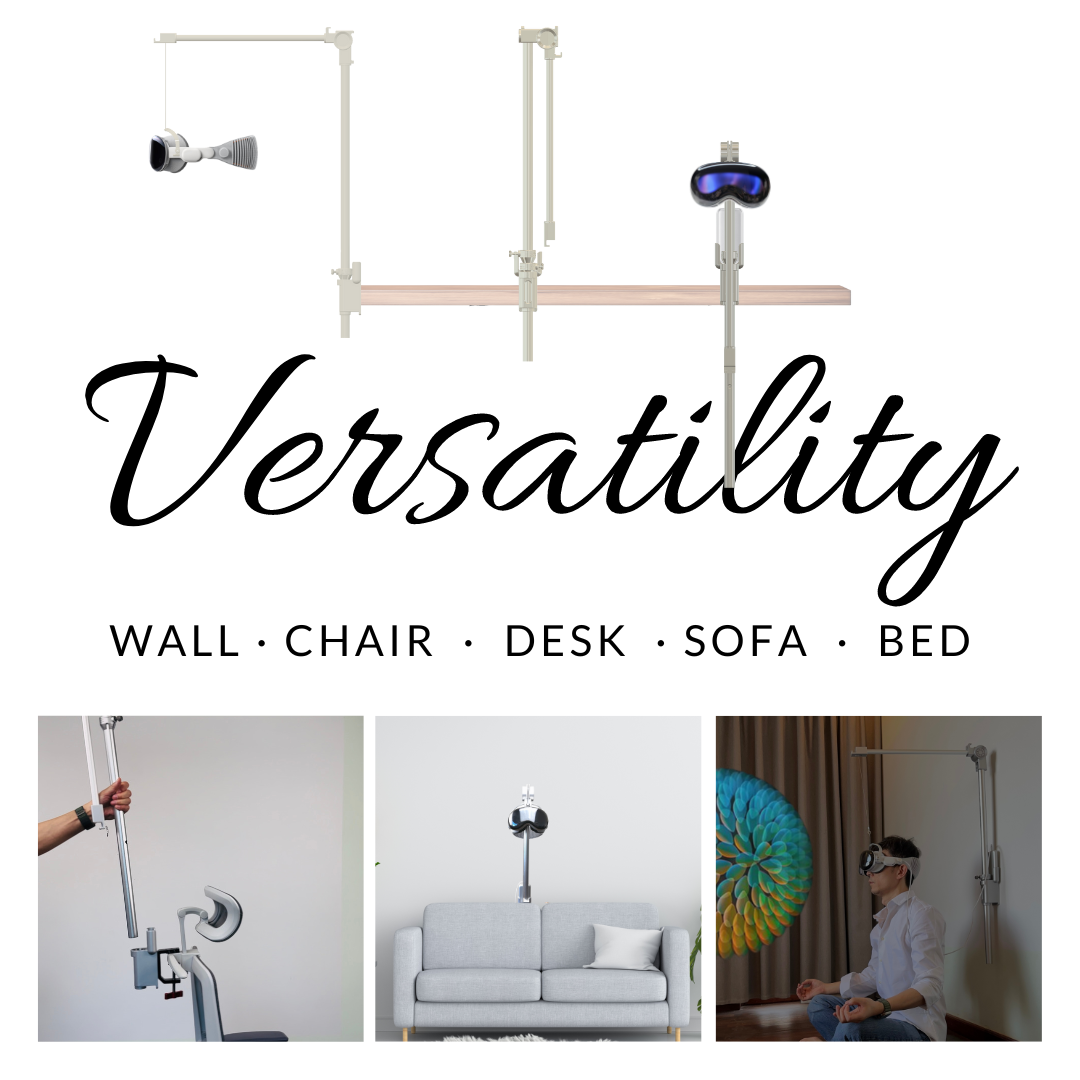
Regarding Apple Vision Pro accessories: several vendors produce “lift” solutions designed specifically for Apple’s headset line (e.g., FlitLift GraviPro). These are engineered for Vision Pro’s form factor and mounting geometry. They are not plug-and-play with Quest 2. If a vendor claims cross-compatibility, ask for specific mounting adapters and weight limits; do not assume an accessory made for Vision Pro will fit the Quest 2 safely. Incorrect adapters can stress strap anchors or create unstable leverage points. For wireless accessories and straps, check forums, vendor Q&As, and product photos to verify real-world fits.
Battery safety deserves a final caveat. External power banks generate heat under load; mounted directly against soft padding can reduce cooling. Choose banks with reputable safety protections (over-charge, temperature control) and avoid disassembling or modifying battery packs. If you detect hot spots during use, remove and test the bank separately—do not continue using a hot-mounted battery in the headset until you determine the cause.
Maintenance, cleaning, and replacement parts to keep balance reliable
Once you settle on a strap-and-weight combination, treat it like any precision ergonomic gear: regular inspection and cleaning will keep balance consistent. Wipe pads with a mild soap solution or specialized VR wipe after sweaty sessions; allow pads to air dry completely before reattaching weights. Fabric covers and memory foam will degrade over months; replaceable covers are a huge convenience. Check the condition of Velcro, elastic loops, and any plastic clips monthly—thread that’s frayed or Velcro that’s lost bite will let weights slip and ruin your carefully tuned balance.
If you use an external battery, follow battery maintenance best practices: do not leave the bank fully discharged for extended periods; store it at partial charge (around 40–60%) for long-term storage; avoid extreme temperatures. Replace battery packs if they swell, overheat, or show significant capacity loss. For DIY weights, replace fabric pouches or sewn seams at the first sign of wear; small coins or metal washers should be encased securely so they cannot shift or make direct contact with skin.
Ultimately, swap a strap rather than attempt endless repairs when padding compresses or the structural backband warps. If you notice persistent micro-slippage despite tightening, the strap’s foam or rivets may be fatigued. Upgrading to a newer strap often restores both comfort and balance without adding more counterweight. Keep a small kit of spare Velcro strips, a compact screwdriver for brackets, and a replacement face cushion on hand—these simple parts prevent long downtime and preserve your tuned setup.
Next step: pick one strap and one counterweight option from this guide, install them using the step-by-step procedure, and run the 10/30/60-minute tests—document what changes you make and how long until discomfort appears. That log is the fastest path to a repeatable, comfortable configuration you can trust for marathon VR sessions.

Share:
Step-by-Step Installation of Meta Quest 2 Comfort Straps for Maximum Comfort
Understanding Quest 2 weight versus other VR headsets and the comfort impact