


How FlitLift Rebalances Vision Pro for Longer, More Comfortable Sessions
The Vision Pro is a breakthrough in spatial computing, but like any head-worn device its comfort over hours of use depends on how weight is managed. FlitLift addresses that problem by redistributing load away from the face and toward the crown and occiput—reducing pressure points, improving balance, and unlocking longer, less distracting sessions. ⏱️ 10-min read
This guide walks Vision Pro owners—professionals, students, and enthusiasts—through what FlitLift is, how it changes weight distribution, real-world comfort impacts, setup best practices, adjustments for glasses and head size, heat and sweat management, upkeep, and accessories that amplify comfort. Read it as a practical checklist and reference to get the most comfortable, stable Vision Pro experience possible.
What FlitLift is and why it matters
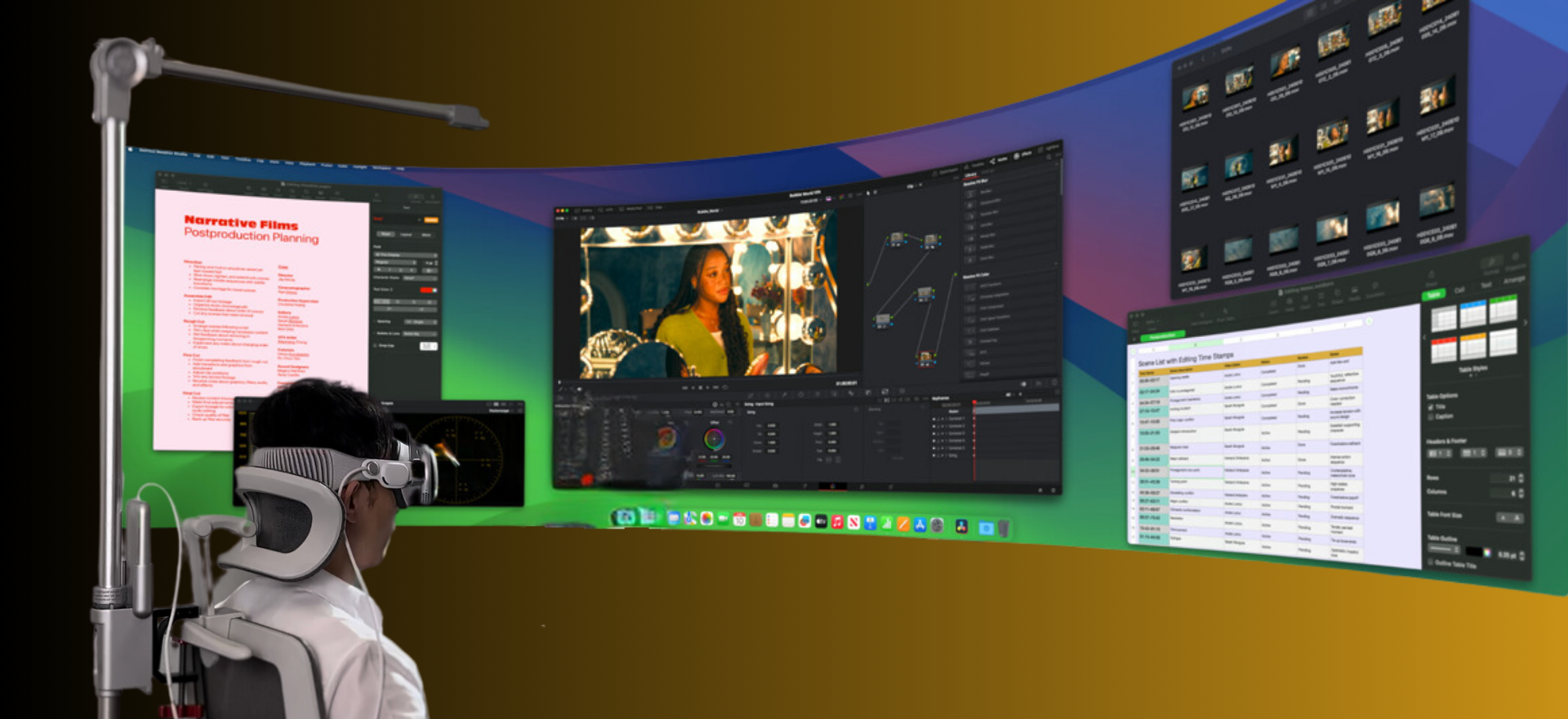
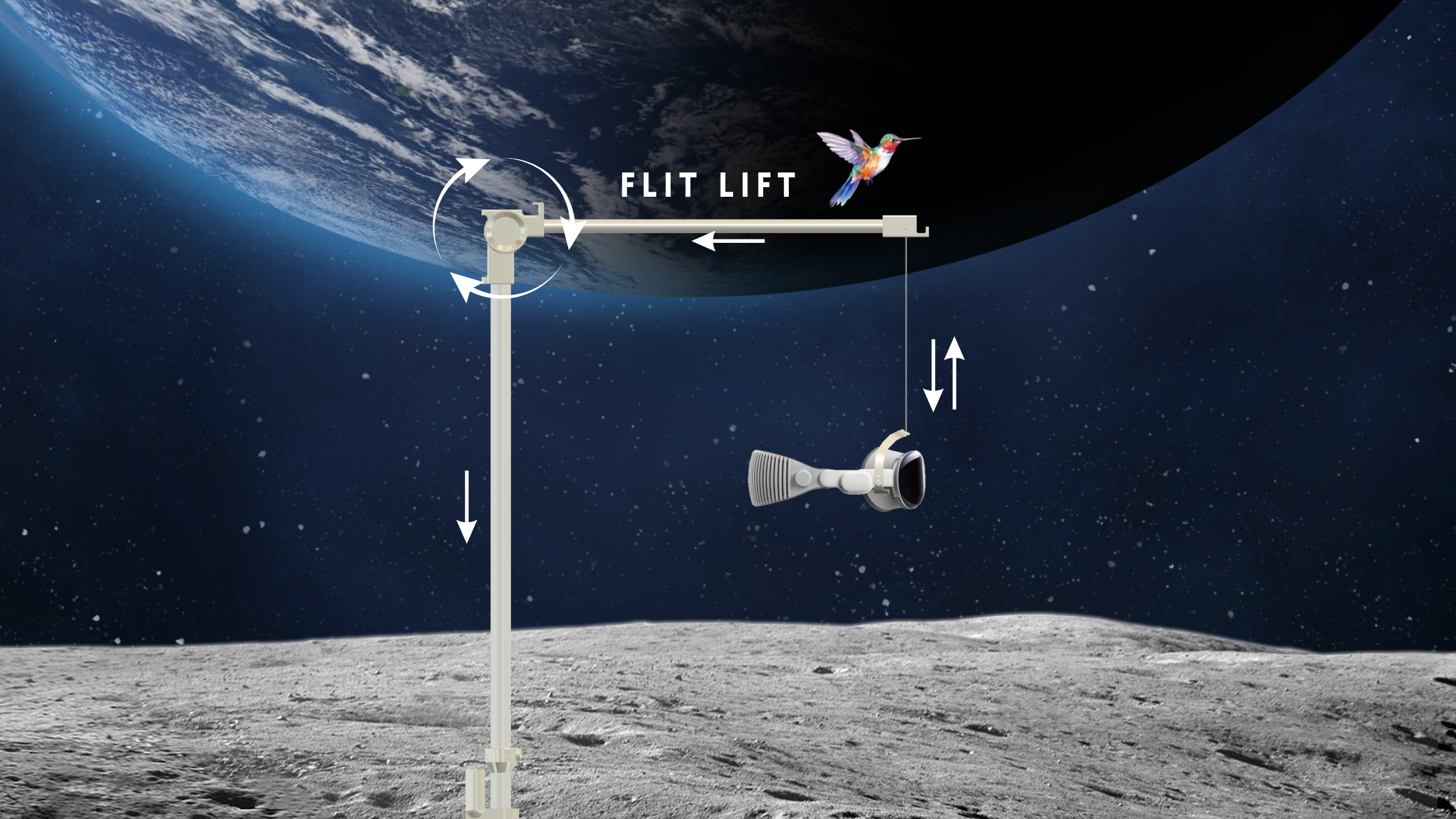
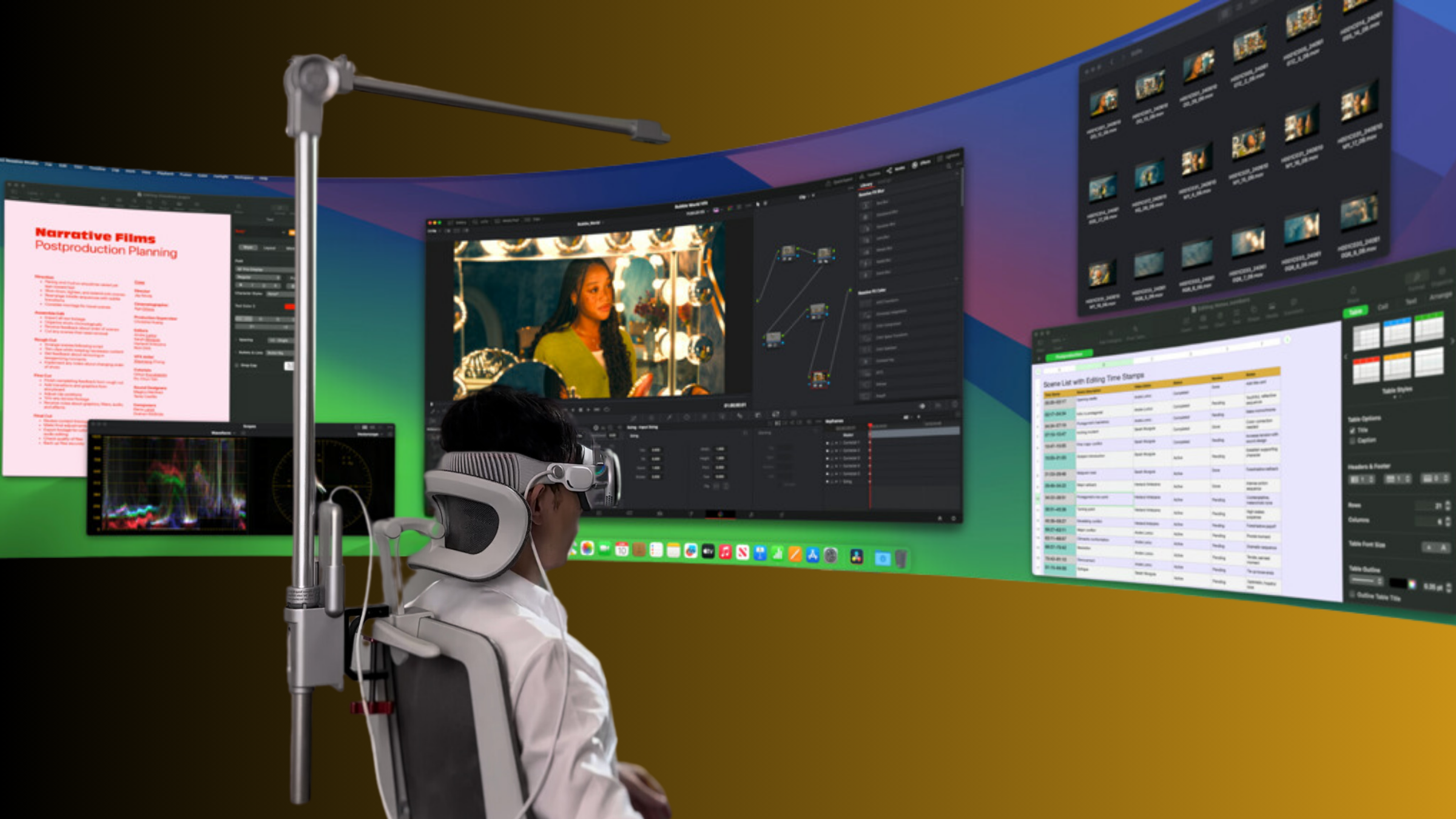
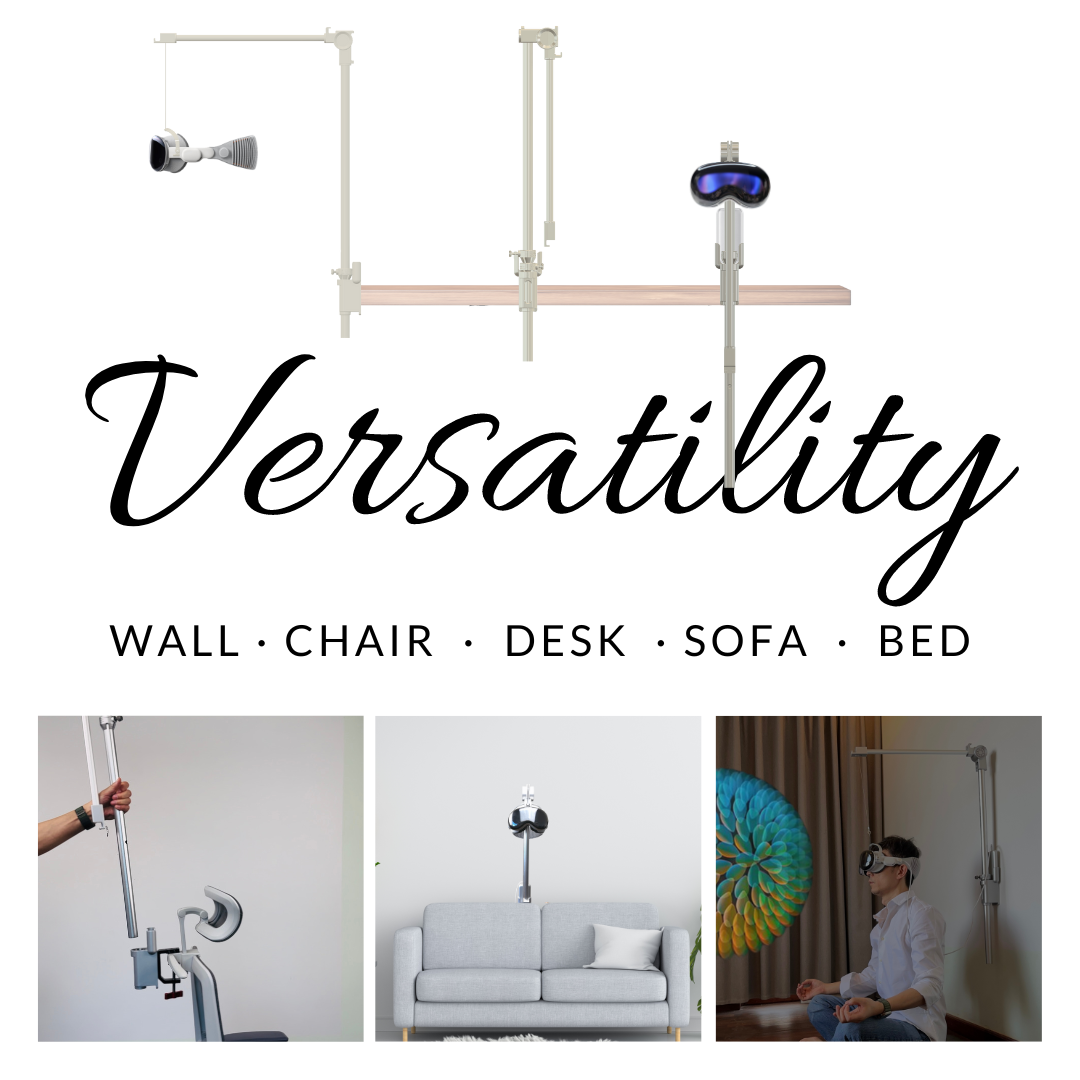
At its core, FlitLift is a lightweight lift-and-offset system that attaches to the Vision Pro strap geometry and redirects a portion of the headset’s mass away from the face. Think of it as a precisely placed counterbalance: a small lifting arm, strap adapters, and an adjustable back strap or crown pad work together so the headset’s forward pull is carried by the top and rear of the skull instead of the nasal bridge and cheek pads.
Why this matters: the human face is not optimized for supporting sustained forward loads. Even a few hundred grams pressing on the nose, cheeks, and brow becomes uncomfortable after 20–30 minutes, producing hotspots, red marks, and the urge to fidget. By spreading load over a larger surface area at the crown and occiput, FlitLift reduces those concentrated pressures and lowers the muscular work required to hold the head in a slightly forward posture.
Reviewers and frequent users often report tangible differences within minutes of installing FlitLift: fewer readjustments, steadier tracking during movement, and a lighter subjective feel. It does not change lens alignment or sensor visibility when set up correctly; instead, it changes the way weight is felt, which directly affects endurance, attention, and comfort—especially during long demos, classes, or production work where repeated don/doff cycles and movement are common.
How FlitLift changes Vision Pro weight distribution
FlitLift’s mechanism is simple but effective: it shifts part of the headset’s load upward and backward. Instead of the front pad taking the bulk of the force, tension is routed through an adjustable back strap or crown support so the occipital ridge and crown bear more of the weight. That larger contact area dissipates pressure, reducing discomfort on narrow facial zones like the nasal bridge and temples.
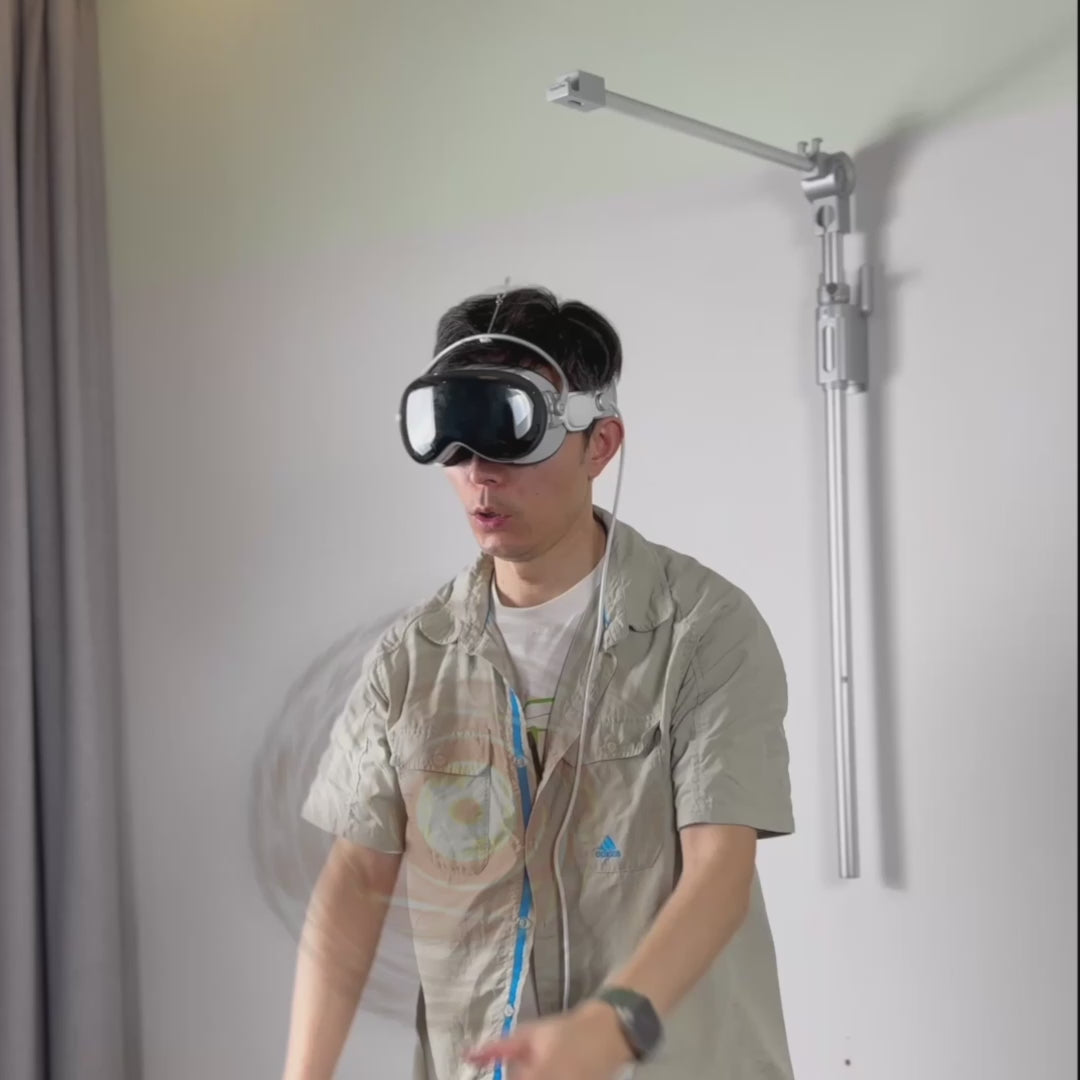
Practically, you’ll notice two things: less forehead pressure and a steadier fit during head movement. Because the load is distributed across the top and back of your head, the headset resists downward tugging, resulting in fewer micro-adjustments and more consistent lens alignment. This is particularly helpful for active tasks—turning to share a screen, standing presentations, or interactive training—where the Vision Pro must stay centered without constant re-centering.
Fit is repeatable and adjustable. FlitLift uses tension dials or sliding anchors to tune strap placement for different head shapes, hair volume, and aftermarket headphones. The intent is not to make the Vision Pro lighter on the scale, but to make its mass more manageable on the skull. That change in how weight is carried—top and back rather than front and face—explains the clearer perception of “weightless” comfort many users report.
Impact on comfort during extended sessions
Moving load away from delicate facial points has measurable ergonomic benefits. When the face takes less of the load, hotspots on the cheeks and brow decrease; skin shows fewer indentations and blood flow disruptions after long use. This reduces both the immediate discomfort and the cumulative irritation that can shorten sessions or force frequent breaks.
Another direct benefit is lower muscular fatigue. With less forward torque, the neck and shoulder muscles do not have to continuously counterbalance the headset’s pull. Users who run multi-hour training sessions or extended creative work often report reduced neck ache and less tension between the shoulders after adapting to the lifted fit. That means clearer focus and fewer interruptions for stretching or readjusting.
There are caveats: shifting weight to the back concentrates load on the occiput and crown, so an over-tightened back strap can cause neck or scalp discomfort for some users. The remedy is micro-adjustment—ease tension, reposition padding, or move the load slightly forward or backward until the pressure spreads comfortably. In short, FlitLift reduces facial pressure and overall fatigue for many people, but success depends on thoughtful tuning to individual anatomy and activity patterns.
Best setup steps for first-time users
Getting the initial setup right makes all the difference. The process below favors slow adjustments and testing rather than brute-tightening. Aim to let FlitLift do the lifting gradually so you can establish a balanced, repeatable fit.
- Prepare and attach the lifting module: Unbox and verify you have the lifting arm, strap adapters, padding pieces, and any small tools. With the Vision Pro powered off, mount the lifting arm to the headset’s strap per the included guide. Position the lifting pad near the center of the forehead strap and fasten snugly—avoid pinching the foam.
- Initial don and coarse balance: Loosen the back strap fully, place the Vision Pro on your head, and then tighten side straps evenly so the headset sits roughly at eye level. With the back strap still slack, the front should feel only lightly supported by the facial pad.
- Engage the lift and micro-tune: Gradually increase the back or crown strap tension until you feel the load shift from the face to the crown and occiput. Do this in small increments—tighten, wear for two minutes, and check for hotspots. Small tilts of the lifting arm can tune cheek pressure and nose clearance.
- Lock and test in movement: Once balanced, lock the settings if your kit has a locking mechanism. Walk, turn your head, and look up/down to confirm stable alignment. If you notice slipping or pinching, back off tension slightly and try repositioning the lift an inch forward or backward.
Starting loose and letting the lift engage gradually avoids the common mistake of over-tightening, which can trade facial pressure for scalp or neck discomfort. The goal is a stable, evenly distributed load that you barely notice after the first ten minutes.
Adjustments for head size and glasses wearers
FlitLift is designed with adjustability in mind because heads and faces vary widely. For smaller heads, use the available spacers or thicker crown padding to fill the gap and prevent the lift from feeling like it’s pulling too far back. For larger heads, slide the lifting arm and side anchors outward to broaden the contact area; swapping to larger crown pads or repositioning the lift closer to the occiput improves leverage and prevents forward tilt.
Glasses wearers have specific needs: frame pressure, lens clearance, and fogging are the main concerns. Start by ensuring a small gap between your frames and the headset lens; you should be able to blink without the frames touching the inner padding. If frames press into your temples or nose, adjust the tilt of the Vision Pro slightly upward and ease the side strap tension. FlitLift’s crown support lets you reduce front pressure without sacrificing a secure seal, which helps keep glasses comfortable.
Use thin, low-profile aftermarket padding or slim spacers if frames are still contacting the padding. Another trick is to slightly increase the distance between the Vision Pro’s facial interface and your face by using a spacer pad that raises the headset a few millimeters—this can eliminate frame contact without compromising tracking. As always, test for fogging during initial sessions and readjust ventilation and padding as needed.
Comfort in hot weather and sweating
Heat and sweat magnify any fit issue. When temperatures rise or activity increases, poorly ventilated materials trap moisture at contact points, causing discomfort and slipping. FlitLift helps by reducing concentrated pressure on the face, which directly cuts down the area where sweat pools—especially around the nose and cheeks. But managing thermal comfort still requires a few deliberate choices.
First, pick breathable liners or moisture-wicking pads for both the facial interface and the crown. Materials like open-cell foam or thin, perforated fabric wick moisture while maintaining cushion. Anti-slip silicone pads can help maintain position without overdamping airflow. Second, avoid over-tightening the back strap in hot conditions; a slightly looser strap increases airflow and reduces sweat buildup at the occiput.
Practical cooling habits make a difference: schedule brief 3–5 minute breaks every 30–45 minutes to remove the headset, pat the skin dry, and let heat dissipate. Keep a small microfiber towel or breathable headliner close by for quick swipes. For outdoor sessions, use shade and circulate air with a small fan. These habits extend session time and protect skin integrity, preventing prolonged moisture exposure that can irritate or break down padding over time.
Maintenance, care, and longevity
Because FlitLift interfaces directly with the Vision Pro strap and often the skin, it benefits from regular inspections and gentle cleaning. After each heavy session, wipe the contact surfaces with a dry or slightly damp microfiber cloth to remove oils, sweat, and dust. Avoid saturating fabrics or applying harsh chemicals that could degrade foam or adhesives. If your kit includes removable pads, wash them according to the manufacturer’s instructions—typically a mild soap rinse and air-dry.
Schedule a light mechanical check every 1–3 months depending on use: look for loose screws, frayed straps, stiff pivots, or any unusual noise. If you notice sticking in the sliding rails, clear any debris with compressed air and apply a manufacturer-approved lubricant sparingly to pivot points—wipe away excess. Tighten fasteners to the recommended torque but leave a small amount of play where designed; some movement prevents brittle failure under repeated load.
Storage matters. Keep FlitLift and Vision Pro in a cool, dry place away from direct sunlight to avoid foam collapse and plastic warping. Use the provided case if included. Replace worn cushions, straps, or small fasteners promptly—cheaply swapping a pad is far less disruptive than waiting until fit degrades and you start feeling pressure again. These modest maintenance steps preserve the ergonomic advantage FlitLift provides and extend the lifespan of both the accessory and the headset.
Tips and accessories to maximize comfort
FlitLift performs best when paired with complementary accessories and good habits. Start with breathable, low-profile facial liners to reduce heat and prevent smudging on lenses. A padded, ergonomic headband can distribute pressure evenly across the crown; look for headbands marketed as compatible with extended-use VR setups. If you frequently run mobile or active sessions, a small counterweight at the rear—when used per the manufacturer’s guidance—can further refine balance for your particular center of gravity.
Micro-adjustments are the most powerful tool for comfort: move the lift half an inch forward or back and wear for a few minutes, tweak side strap tension in 1–2 mm increments, and rotate the crown pad angle to find the sweet spot. Keep a simple checklist near your headset: strap tension baseline, lift arm position, and pad thickness used. That repeatable routine saves time when multiple people share the Vision Pro or when you need consistent fit between sessions.
Finally, integrate usage habits into your schedule: planned short breaks, hydration, and quick skin checks prevent irritation. Learn the signs of over-tightening—red lines on the scalp, numbness, or headaches—and correct them early. With FlitLift plus a handful of targeted accessories and a few minutes of tuning, many users double or triple their comfortable session length without compromising tracking or image alignment.
Next step: try a focused setup session
If you own a Vision Pro and want to see what extended comfort feels like, set aside 20–30 minutes to install FlitLift and follow the setup checklist above. Start with the kit’s baseline settings, then iterate in small steps—two minutes of wear between adjustments—to find the balance that moves load off your face while avoiding scalp pinching. Keep breathable liners and a microfiber cloth handy, and test under the real conditions you’ll use the headset in: seated work, standing demos, or active training.
With careful setup and routine maintenance, FlitLift can change a disruptive, fidget-prone experience into one where the Vision Pro becomes an unobtrusive tool you barely notice—letting you focus on content, not comfort. Try the micro-adjustments, track what works, and make those settings your default for longer, more productive sessions.


Share:
Sweat-Proof Face Cushions: Anti-Irritation Covers and Hygiene Kits for Long Runs
Vision Pro and Eyeglasses: Comfort Tips for Glasses Wearers