

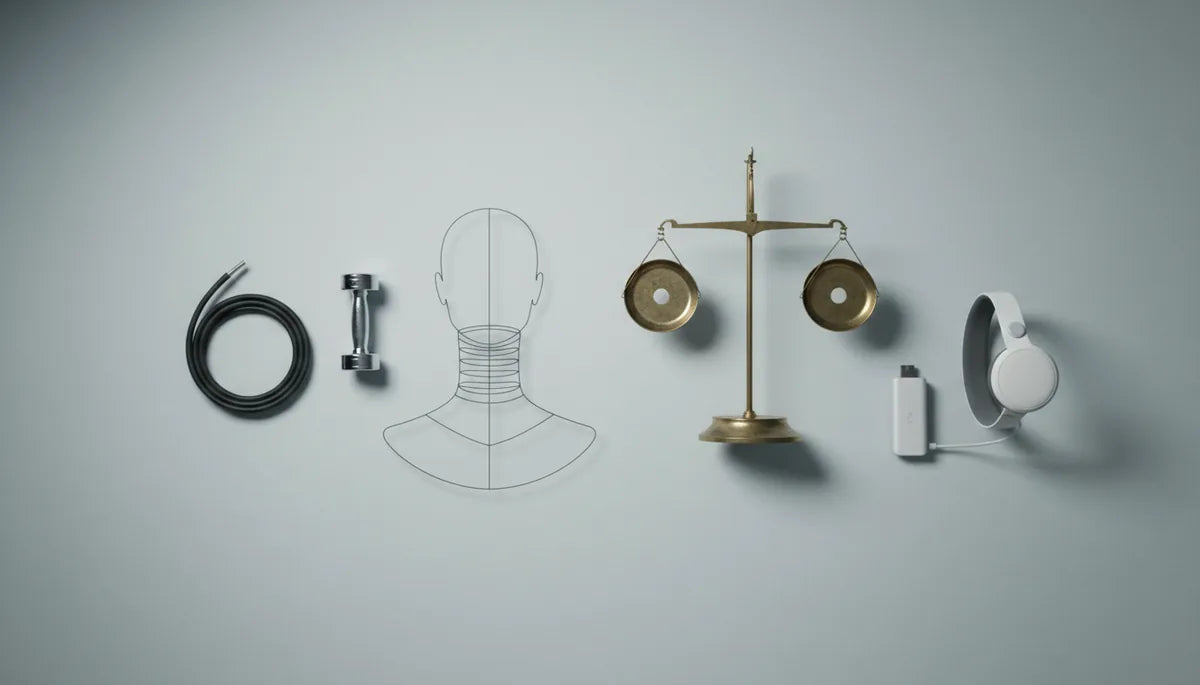
How Headset Weight and Balance Shape Your VR Fitness: Endurance, Form, and Injury Risk
Virtual reality has turned cardio, boxing, and full-body training into immersive playgrounds — but the gear on your head is not neutral equipment. The weight and balance of your meta-quest" rel="nofollow noopener noreferrer">VR headset quietly dictate how long you can train, how clean your movement stays, and whether you leave a session energized or sore. This article explains the mechanics behind that invisible drag and gives practical, evidence‑based fixes you can use today. ⏱️ 9-min read
Read on for a clear breakdown of how headset mass impacts stamina and form, the specific physiological toll of poorly distributed weight, why balance often matters more than raw grams, and hands-on ways to optimize both stock devices like the Meta Quest 2 and advanced “weightless” systems. If you want longer, safer, and more effective VR workouts, these adjustments will change what your training feels like.
The Hidden Drag: How Headset Weight Compromises VR Fitness
When you strap a VR headset on, that weight becomes a constant load your neck and upper back have to manage for the duration of a session. Even modest mass increases the muscular effort required to stabilize the head, and that extra work shortens how long you can maintain intensity. On paper, a ten‑ or fifteen‑minute session feels unchanged — in practice, your muscles fatigue sooner, your range of motion shrinks, and perceived exertion rises faster than your heart rate alone would predict.
Movement quality suffers first. A forward tug or shifting balance alters your natural reach, squat depth, and the arc of punches or swings. Small compensations — a tucked chin, elevated shoulder, or stiffer neck rotation — accumulate into measurable efficiency losses: you take smaller steps, reduce swing velocity, and sync less cleanly with rhythmic drills. That’s why calorie burn and training stimulus can drop even when stopwatch minutes remain the same.
Think of headset weight as a silent resistance that doesn’t show up on the workout summary. Devices and accessories designed to lift or redistribute that load — from rear-mounted counterweights to dedicated lift stands — directly extend usable session length by letting your head and neck relax, not fight, during dynamic movement.
Beyond Discomfort: The True Physical Toll of Headset Weight on Your Body
Uncomfortable headgear is more than an annoyance; it creates predictable physiological consequences. When a headset pulls your head forward, the neck muscle groups — notably the suboccipital muscles and the upper trapezius — work overtime to keep your gaze level. Over repeated or prolonged sessions this leads to tightness, reduced neck extension, and stiffness that can linger hours or days after you stop training.
The shoulders pay a price too. A forward‑biased load shifts weight onto the deltoids and scapular stabilizers so your arms are less free for fast, controlled punches or overhead movements. As shoulder muscles fatigue, arm paths shorten and coordination degrades, which both lowers workout quality and increases the risk of compensatory injuries in the elbows and wrists.
Headaches and dizziness are common complaints among active VR users. Sustained pressure against the forehead or temples, combined with vestibular‑visual mismatch during vigorous movement, can trigger tension headaches or lightheadedness. For some people, that’s enough to stop training early. Repeated cycles of forward head posture and shoulder rounding can also produce longer‑term postural changes and chronic neck pain if left unaddressed.
In short: headset weight can transform a productive session into a pattern of micro‑injuries. The longer your sessions get, the more important it is to manage how that load travels from the headset into your body.
Weight vs. Balance: Why Distribution Matters More Than Raw Numbers
It’s tempting to judge headsets by the scale alone. But in head‑mounted devices, where mass sits is far more meaningful than how many grams the package weighs. The center of gravity (CG) — the point where most of the mass concentrates — determines whether the headset feels like a neutral piece of kit or a forward‑pulling burden that your neck must constantly correct for.
A headset with a rear‑biased or centrally placed CG reduces torque on the neck and allows your head to remain aligned with less muscular activation. Conversely, a front‑heavy design magnifies perceived weight: just a few centimeters of forward shift can produce the same neck strain as several additional grams. This explains why two headsets with similar total weight can feel dramatically different in active use.
Counterweights and modular rear attachments are effective because they relocate the CG toward the crown or back of the skull, neutralizing forward pull. That’s also why many aftermarket straps that use a halo or rear band outperform stock straps that simply clamp the device to the face. A thoughtfully balanced headset makes dynamic turns, jumps, and head tracking feel more natural and reduces the impulsive corrective movements that sap stamina and accuracy.
When testing headsets, pay attention to how easily your head can rotate and maintain neutral posture during rapid movement. Comfort is not just padding; it’s physics.
Optimizing Your Current Setup: Smart Weight Management for Meta Quest 2 and More
Popular devices like the Meta Quest 2 are often criticized for feeling front‑heavy in active play. You don’t need to buy a new headset to see a major improvement — small, deliberate changes can reduce neck strain and keep you training longer. Start with the strap: replace the stock clamp with a halo or balanced design (brands such as BoboVR M2 Pro and Kiwi Design offer widely used options). These redistribute load across the crown and rear of the head instead of pinching at the temples.
Adding a counterweight to the rear strap is one of the most cost‑effective adjustments. Purpose‑built rear battery packs not only extend playtime but shift the CG backward. If you prefer a DIY approach, a small roll of coins secured with heavy‑duty Velcro inside a pouch does the same job inexpensively. The goal is to find the minimum rear mass that eliminates forward tug without introducing pressure points at the occiput.
Fit matters as much as balance. Tighten or loosen the straps until the headset rests snugly without compressing the face or pressing on the temples. Adjust the IPD (interpupillary distance) and cushion placement to minimize the need for head repositioning during movement. During active sessions, check that the device doesn’t ride up or tilt forward with jumping or sprinting; if it does, add small rear adjustments rather than clamping the front tighter.
Finally, monitor sweat management and breathability: padding that absorbs moisture will eventually compress and shift balance, so use quick‑dry replacement cushions or a thin sweatband to preserve fit across long workouts.
Innovations for 'Weightless' VR Fitness: External Support Systems
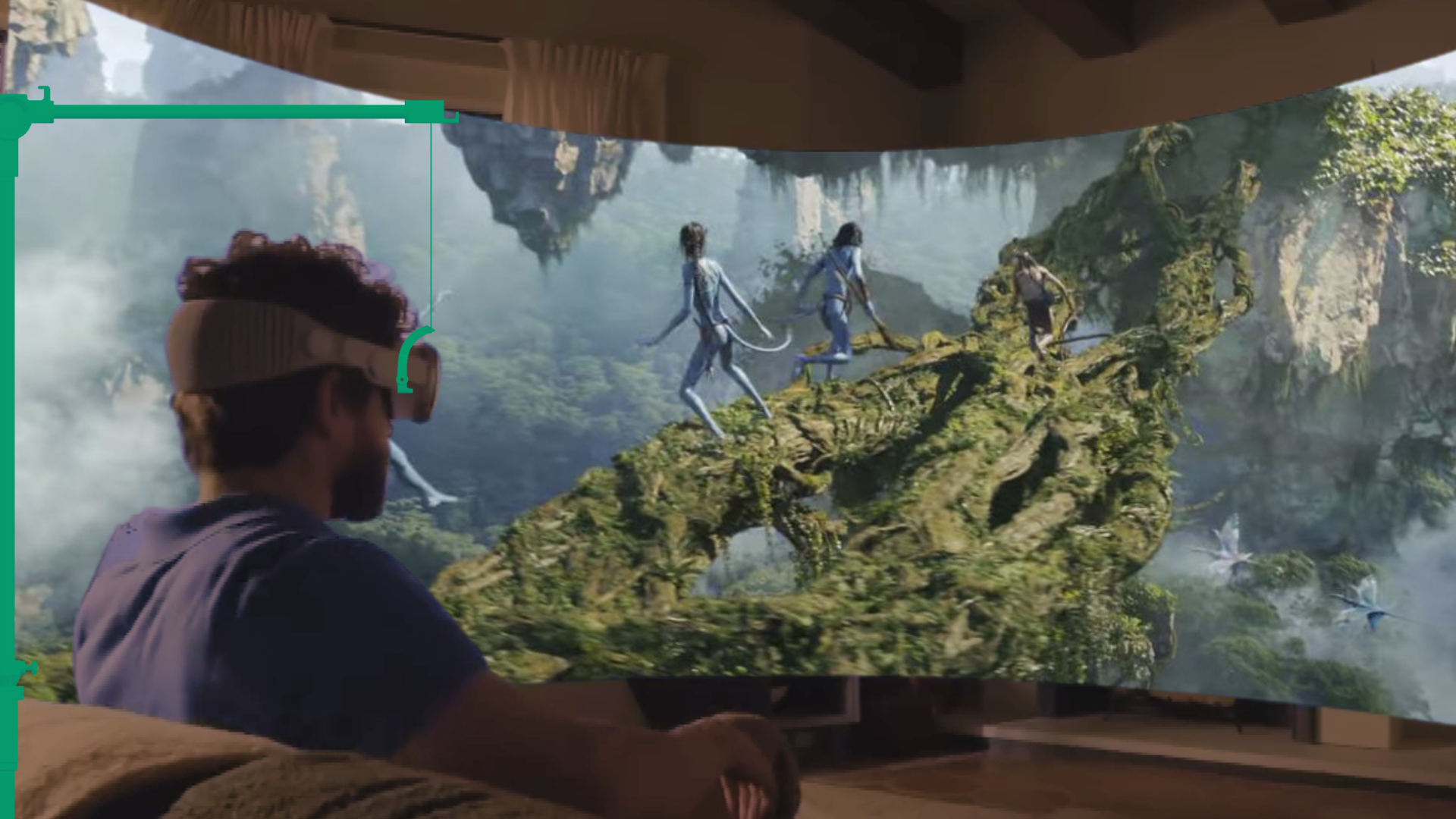
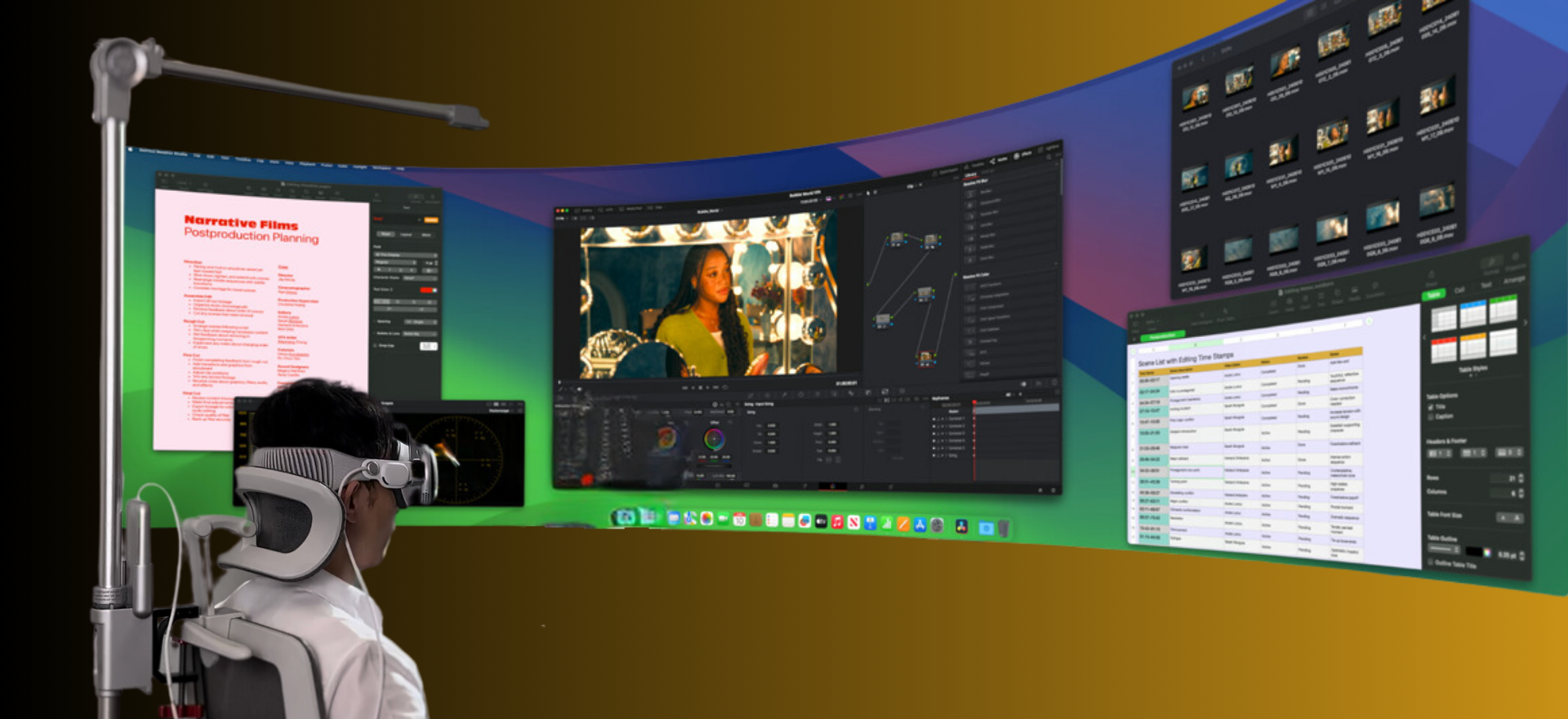
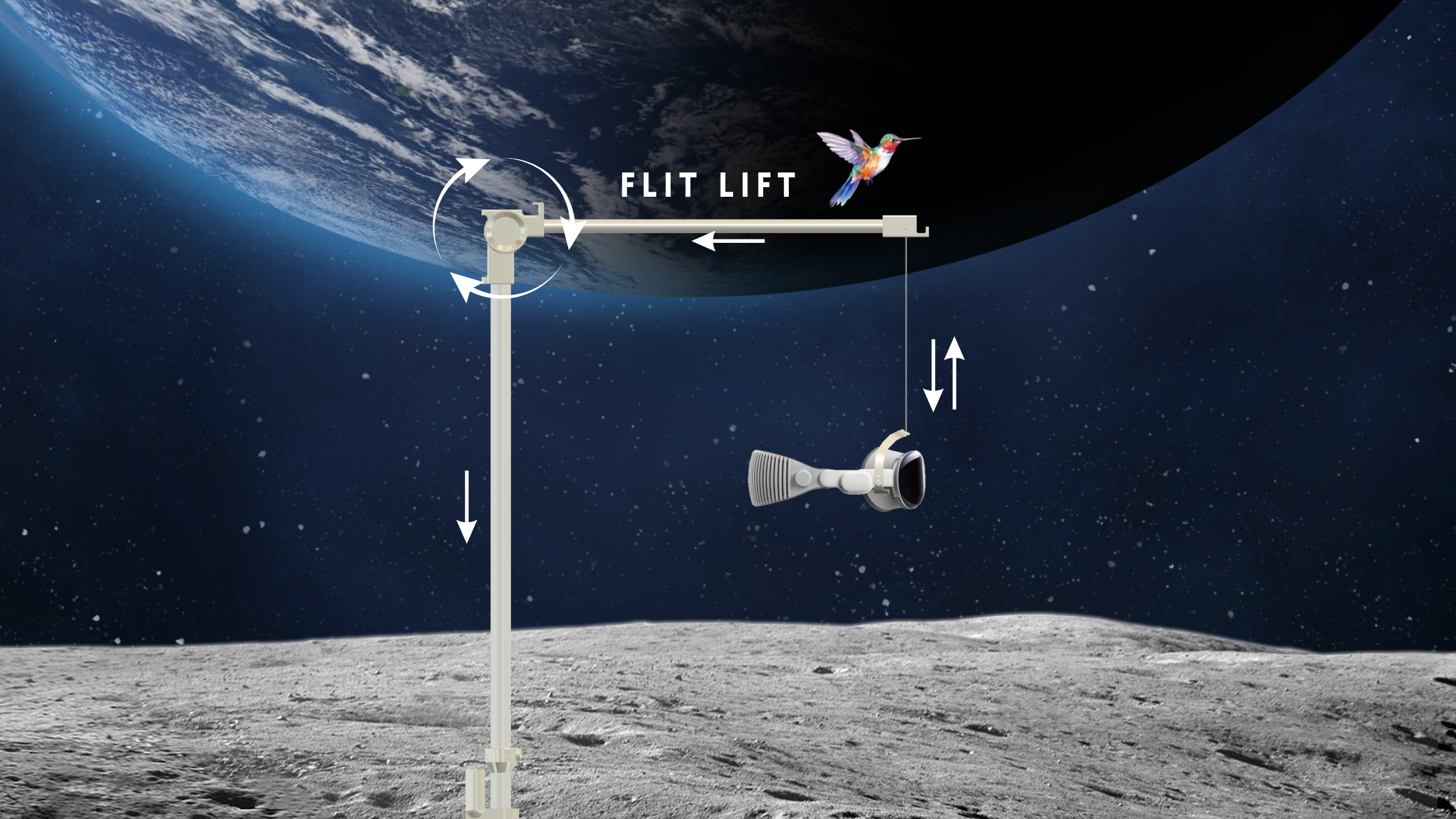
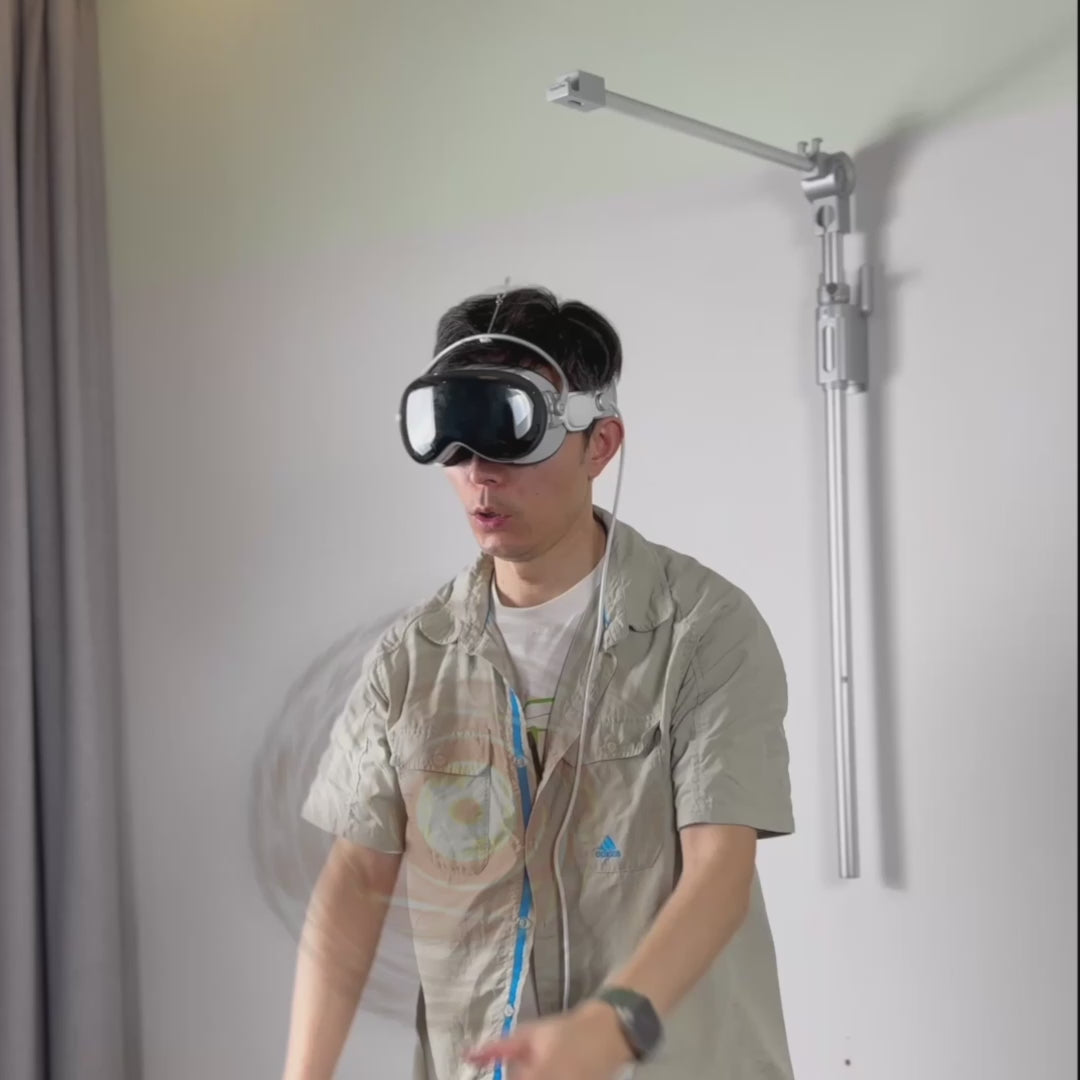
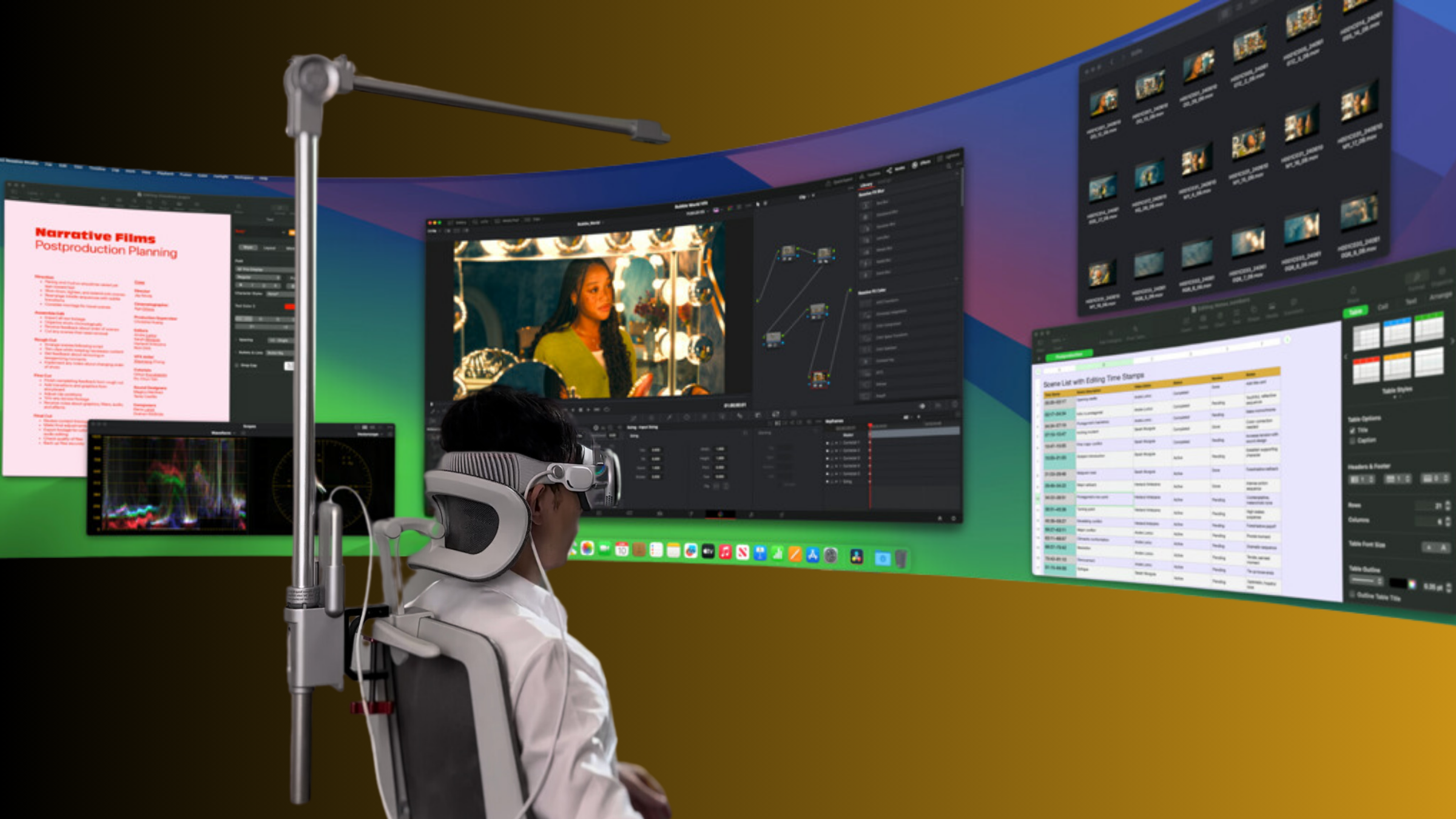
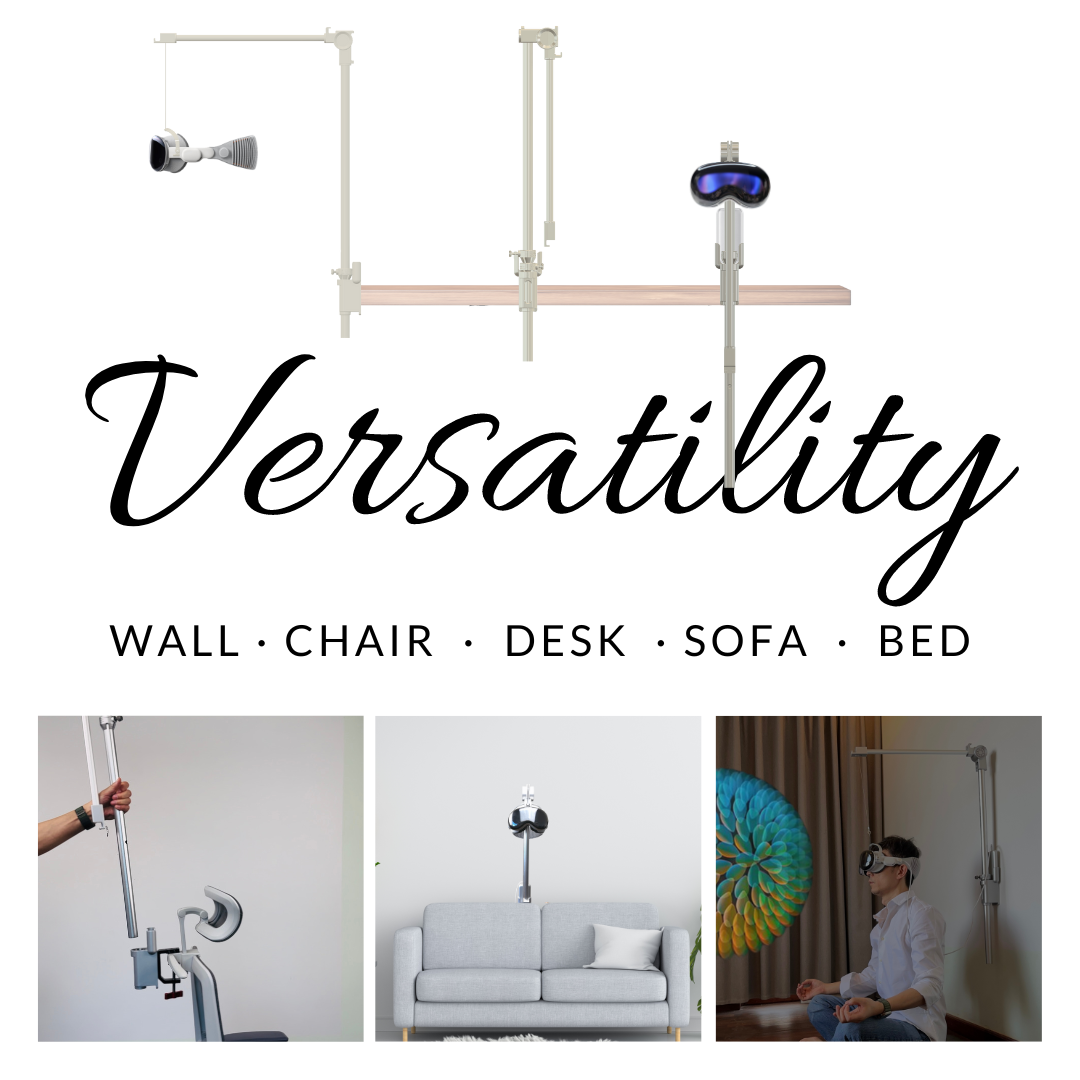
For athletes and gyms pushing session length and intensity, the next step beyond counterweights is offloading the headset entirely. Overhead suspension systems use rails, pulleys, and guided tethers to carry headset mass while permitting freedom of movement. Unlike fixed mounts, these systems follow you on a track or provide a light tether that moves as you walk, preserving posture and reducing neck strain during extended sessions.
Body‑worn harnesses and soft exoskeletons are another route. These devices transfer the load path from your neck to the torso or hips. A vest with anchored shoulder straps and a lightweight frame can bear the headset weight while springs or compliant joints maintain natural head turning. For home users the complexity and cost may be prohibitive, but for VR fitness studios or serious athletes, these rigs create a near‑weightless feel that unlocks longer, higher‑impact workouts.
Dynamic counterbalancing rigs — still emerging — promise the best of both worlds: motorized arms or ceiling rigs that sense posture and adjust tension in real time. As you jump, twist, and lunge, the system actively keeps the headset near your body's center of gravity. This reduces corrective torque without constraining footwork or range of motion.
Products like the FlitLift GraviPro – Vision Pro Lift Stand are examples of dedicated hardware designed to lift or neutralize headset mass for long sessions. If you’re running a studio or regularly training more than 30–40 minutes, exploring a suspension or harness solution is worth the investment: it’s the closest thing to genuinely weightless VR fitness today.
Choosing Your Next VR Headset: Ergonomics and Weight for Peak Performance
If you’re shopping for a headset with fitness in mind, prioritize several ergonomic factors beyond headline weight. First, look for manufacturers that provide balance or center of gravity information. Explicit CG notes or balance diagrams tell you how the mass is distributed — the single most useful spec for active users. A lighter device with a front‑heavy CG can feel worse in training than a slightly heavier unit engineered for equilibrium.
Optical designs that compress the lens stack — pancake lenses, for example — reduce front depth and help move mass closer to the face, which often trims the effective torque on the neck. A slimmer profile also reduces the lever arm that makes a headset tilt forward during sprints and jumps.
Check modularity. Headsets with swappable face cushions, interchangeable straps, and dedicated rear accessory mounts let you tailor balance for your head shape and workout style. The ability to add a rear battery pack or counterweight without compromising comfort is a major advantage for fitness use. Also evaluate padding distribution and strap geometry: a halo band that transfers load across the crown and rear is generally preferable to a tight, face‑clamping strap for dynamic movement.
Finally, consider real‑world fit tests. Where possible, try demoing a headset through a few minutes of rapid head turns and jumps. Notice whether the device maintains neutral alignment or whether you feel a persistent forward pull. Those subjective impressions in a short trial often predict how the headset will perform during an intense, sweat‑filled session.
Training Smarter: Adapting Your Workouts to Maximize Comfort and Results
Even with a balanced headset or external support, you should still train with strategies that reduce risk and optimize performance. Micro‑breaks are powerful: every 8–12 minutes, take 20–30 seconds to stand tall, roll the shoulders, and perform gentle neck tilts. These tiny resets prevent tension from accumulating and keep the upper body primed for explosive movements.
Include neck and shoulder strengthening in your off‑VR routine. Simple is effective: resisted neck flexion/extension and lateral band work build endurance in the suboccipital group and trapezius. Scapular stabilizer exercises — band pull‑aparts, face pulls, and thoracic mobility drills — maintain shoulder health and preserve reach during extended sessions.
Structure VR workouts to vary intensity. Mix short, high‑effort intervals (15–25 minutes) with longer, lower‑intensity sessions (30–40 minutes) so your neck and shoulders have different loading patterns. If you feel increasing neck fatigue, swap to a lower‑effort drill or implement a brief active recovery set rather than stopping entirely; this keeps cardiovascular stimulus while letting stabilizers recover.
Finally, listen to your body. New soreness in the neck or consistent headaches after sessions are red flags. Reduce session length, reassess fit and balance, and consult a physical therapist if symptoms persist. Small proactive steps — a better strap, a coin pouch counterweight, a ten‑minute neck routine — compound into safer, more productive VR fitness over weeks, not months.
Next step: Try one change this week — swap your strap, add a small rear weight, or insert 20‑second micro‑breaks every 10 minutes — and track how it affects perceived effort and movement quality. Small adjustments produce big returns in endurance and enjoyment.

Share:
Ergonomic strap adjustments to reduce pressure points on the Quest two
Ergonomics and Endurance: How Weight Affects Quest 2 Comfort Over Long Sessions