


FlitLift vs GraviPro: which device delivers stronger VR immersion on Vision Pro?
A practical, side-by-side look at whether GraviPro’s Dynamic Lifting System strengthens immersion on Vision Pro more than FlitLift — focused on weight relief, comfort, latency, and the developer ecosystem for VR enthusiasts, gamers, and creators. ⏱️ 5-min read
Weightless VR and immersion: defining the baseline
“Weightless VR” describes systems that reduce the perceived headset load on the neck and face to improve balance and extend comfortable session length. When comparing devices for immersion, evaluate them by a few core metrics rather than marketing claims alone:
- Perceived weight — how much the headset feels supported or unloaded.
- Comfort duration — how long you can wear Vision Pro without neck strain or pressure points.
- Latency — the time between a virtual event and any mechanical or haptic response; affects congruence with visuals.
- Haptic congruence — whether tactile cues align naturally with what you see and do in VR.
GraviPro's Dynamic Lifting System: how it works
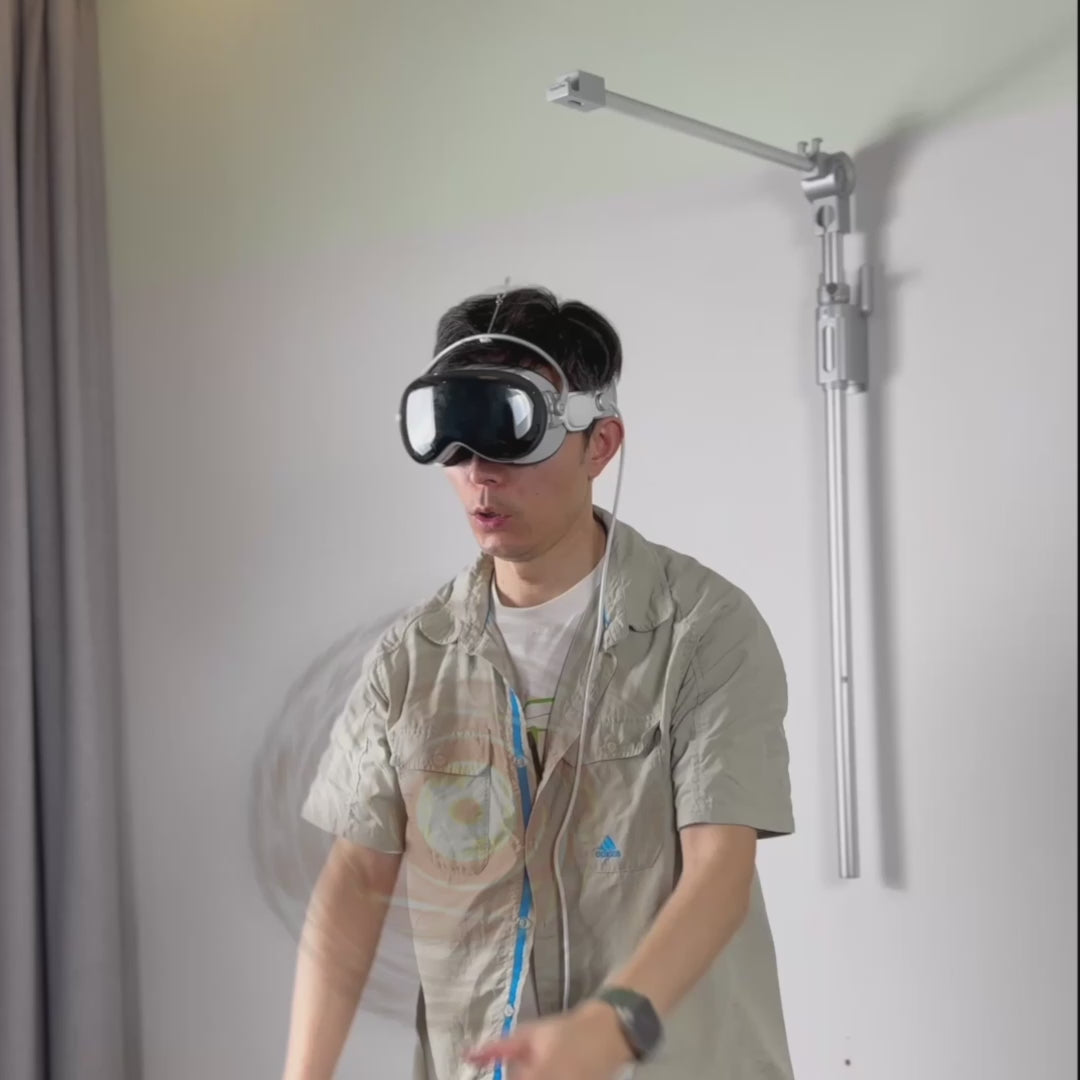
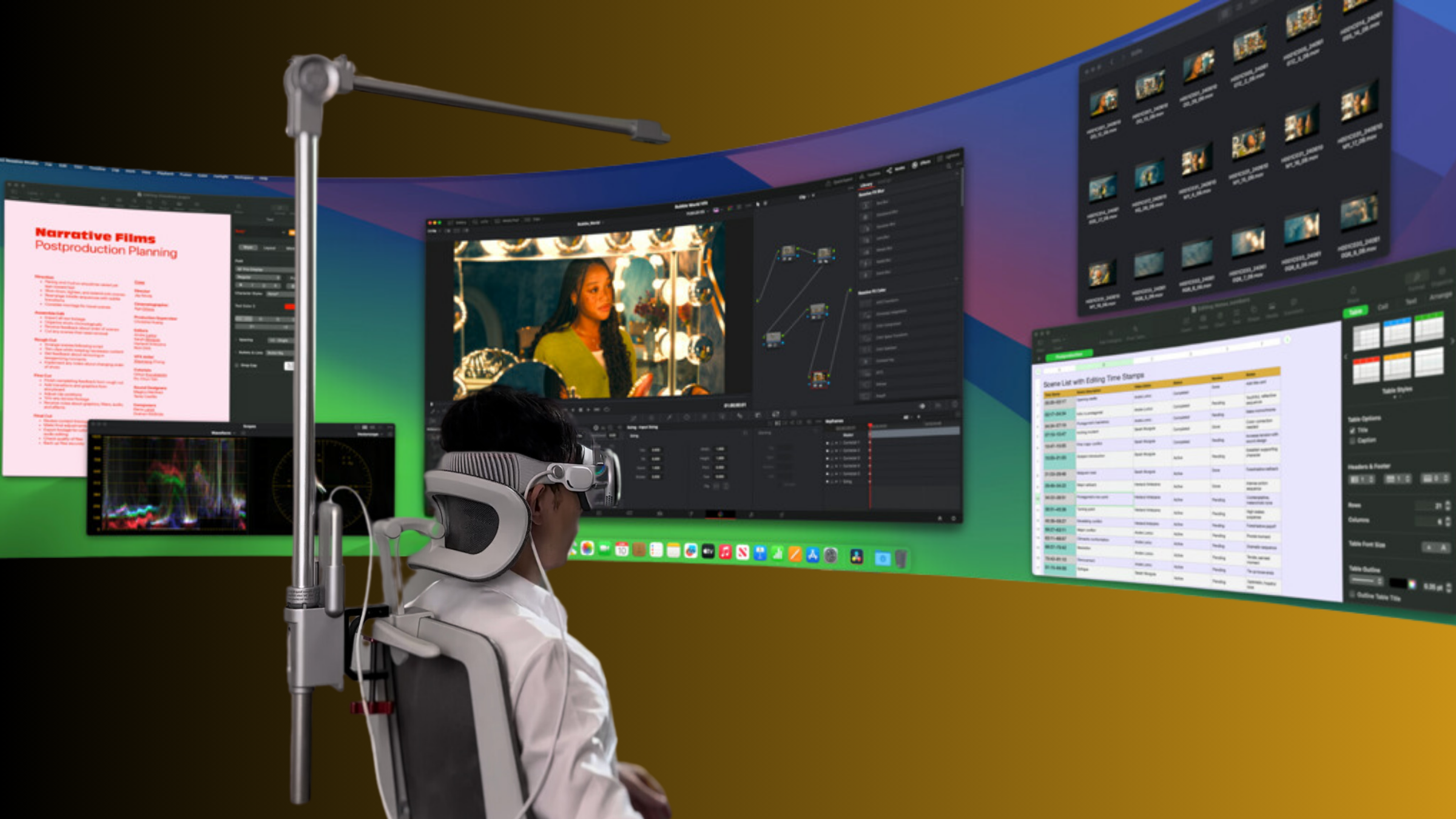
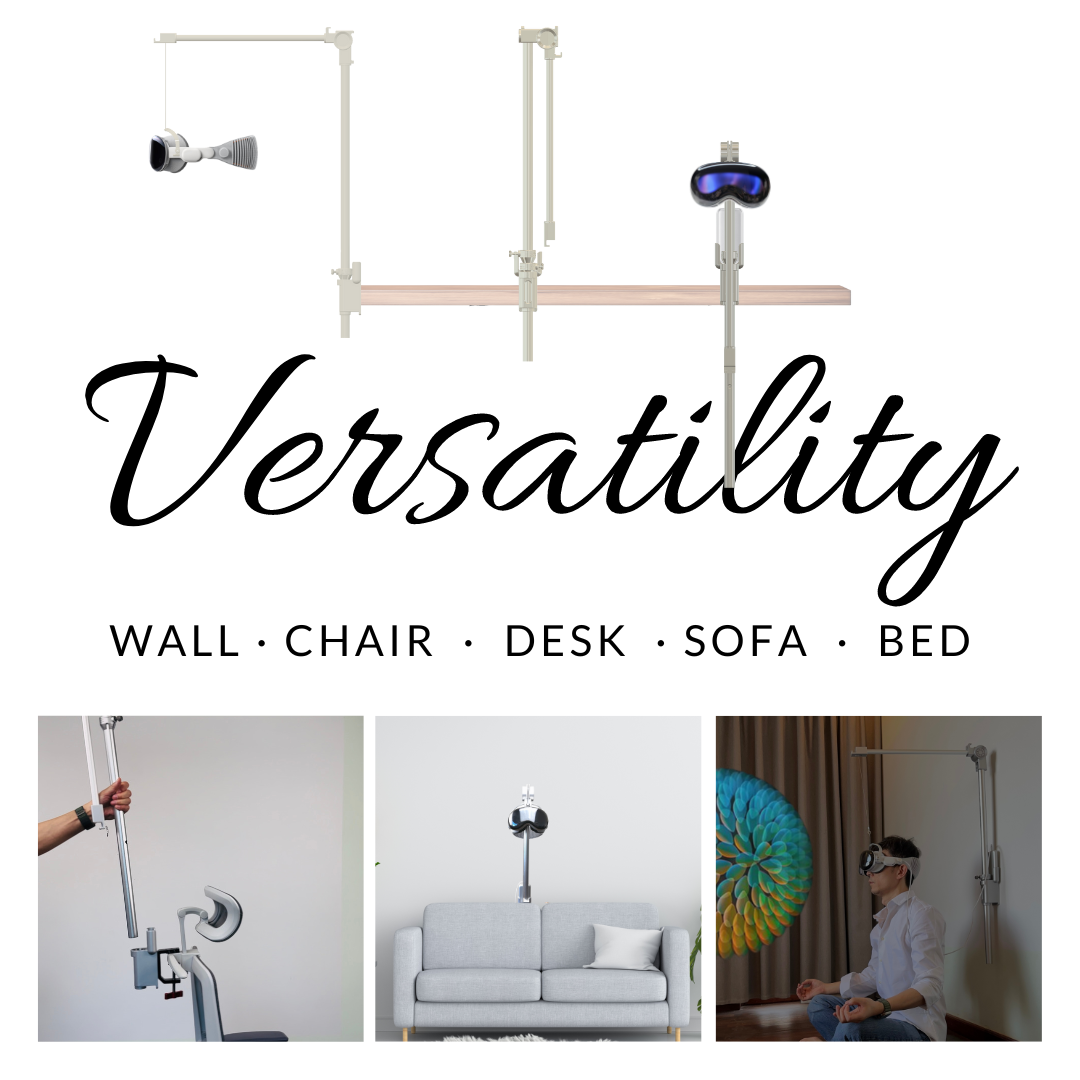
GraviPro’s Dynamic Lifting System centers on actively redistributing headset weight away from the neck to a supporting frame or anchor point, rather than simply adding a passive counterweight. The goal is to make the Vision Pro feel lighter without compromising natural head movement.
Key practical attributes to look for with this approach:
- Adjustable lift levels so users can tune support for different activities (gaming, seated experiences, or standing play).
- Safety and fail-safes — systems that engage smoothly and lock in a safe state in case of power loss.
- Straightforward attachment and removal so the Vision Pro can be used unencumbered when required.
FlitLift vs rival haptics: core feature comparison
Comparing FlitLift and GraviPro is essentially comparing priorities: FlitLift focuses more on discrete haptic feedback and lightweight form factors, while GraviPro emphasizes sustained mechanical load relief. Here’s a practical breakdown by attribute:
- Weight relief: GraviPro’s dynamic support is designed to reduce neck load throughout a session. FlitLift often offers lighter passive solutions that reduce pressure but may not remove sustained torque as effectively.
- Fit stability: FlitLift designs tend to prioritize compactness and may integrate tightly with head straps. GraviPro’s system typically anchors or redistributes weight externally, which can improve balance but requires more setup space.
- Haptic integration: FlitLift usually focuses on localized haptics (buzzes, taps) that enhance tactile events. GraviPro’s primary contribution is weightless sensation, which enhances vestibular and proprioceptive alignment but may rely on separate haptic modules for tactile detail.
- Setup and portability: FlitLift options are often easier to carry and deploy quickly. GraviPro’s hardware can demand a longer initial setup and more physical footprint, though it can be more comfortable for lengthy sessions.
Trade-offs are clear: choose GraviPro when session endurance and neck comfort are the priority; choose FlitLift if compactness and direct tactile feedback are more important for your experiences.
Vision Pro integration: fit, comfort, and setup
How either device integrates with Vision Pro shapes the day-to-day experience. For both systems you should check attachment points, adjustability, and how they affect fit:
- Attachment: ensure the accessory mounts cleanly to the Vision Pro’s headband or works with an adapter that doesn’t stress the headset chassis.
- Adjustability: head shape and hair styles vary — look for multi-point adjustments to keep optics aligned while the lifting or haptic systems do their job.
- Sizing and pass-through: confirm that electronics, cables, or frames don’t block sensors or degrade passthrough camera function.
In practice, GraviPro’s lifting approach can extend comfortable playtime for long sitting or mixed standing experiences; FlitLift’s lighter form can be more convenient for quick sessions or mobile demos.
Immersion outcomes: presence, latency, and fatigue
Immersion is a compound effect of body comfort, timing, and sensory congruence. Early adopters and testers commonly report two distinct benefits from the competing approaches:
- GraviPro-like lifting systems increase presence by removing the constant reminder of headset weight — users say they "forget" they’re wearing the device more quickly, which strengthens prolonged presence and reduces neck fatigue.
- FlitLift-style haptics reinforce moment-to-moment interactions (impacts, footsteps, tool feedback) that sharpen perceived realism in short bursts, but they do less to reduce cumulative neck strain.
Latency matters for both: weight redistribution is relatively tolerant of tens-of-milliseconds dynamics, while high-frequency haptic cues must be tightly synced to visuals and audio. Real-world responsiveness depends on connection type (wired vs wireless), local processing, and how the device integrates with the Vision Pro runtime.
Developer and ecosystem considerations
If you build content, the hardware’s ecosystem is often as important as its physical performance. Key questions to ask before committing:
- Is there an SDK or API that exposes lift levels, haptic triggers, and latency control? Look for Unity and Unreal plugins or sample code to save integration time.
- Can you simulate or tune haptic and lift behavior live, so designers can adjust feedback per-scene? Runtime tuning speeds iteration.
- What documentation and sample projects are available, and how active is the developer community? Community support and examples reduce friction for porting experiences.
Before purchase, confirm compatibility with your toolchain and whether the vendor provides reference implementations for typical Vision Pro interactions.
Purchase, delivery, and practical decisions
Practical buying considerations often tip the decision for early adopters:
- Delivery and trials: GraviPro offers free delivery options, making it easier to get hands-on without an added shipping cost. Check return policies and demo availability before committing.
- Pricing and warranty: compare total cost including adapters, accessories, and support plans. Warranties and easy RMA processes matter for hardware that bears mechanical load.
- Support and timing: ask about prioritized support for Vision Pro users and firmware updates. If you’re developing content, early access to developer kits or beta SDKs can be valuable.
Bottom line: if you prioritize long sessions and reducing neck fatigue on Vision Pro, GraviPro’s Dynamic Lifting System is the stronger candidate for improving immersion through weight relief — and free delivery makes trialing it lower friction. If you want compact haptic feedback tightly integrated with short-form interactions, FlitLift may be a better fit. Wherever possible, test both with your specific Vision Pro workflows and verify SDK support before buying.
Powered by Trafficontent
Compartir:
Weightless VR Comfort in Education: Designing Safe and Engaging Virtual Classrooms for Developers
Quick Setup for Flit Lift: Installing on Your Favorite VR Headset