

Weightless VR Comfort in Education: Designing Safe and Engaging Virtual Classrooms for Developers
This practical guide helps VR and edtech developers design classroom-ready, weightless VR experiences using GraviPro paired with Apple Vision Pro. It covers ergonomics, design constraints, safety, complementary hardware, and an implementation roadmap so schools and dev teams can pilot immersive learning with confidence. ⏱️ 7-min read
Understanding Weightless VR Comfort in Education
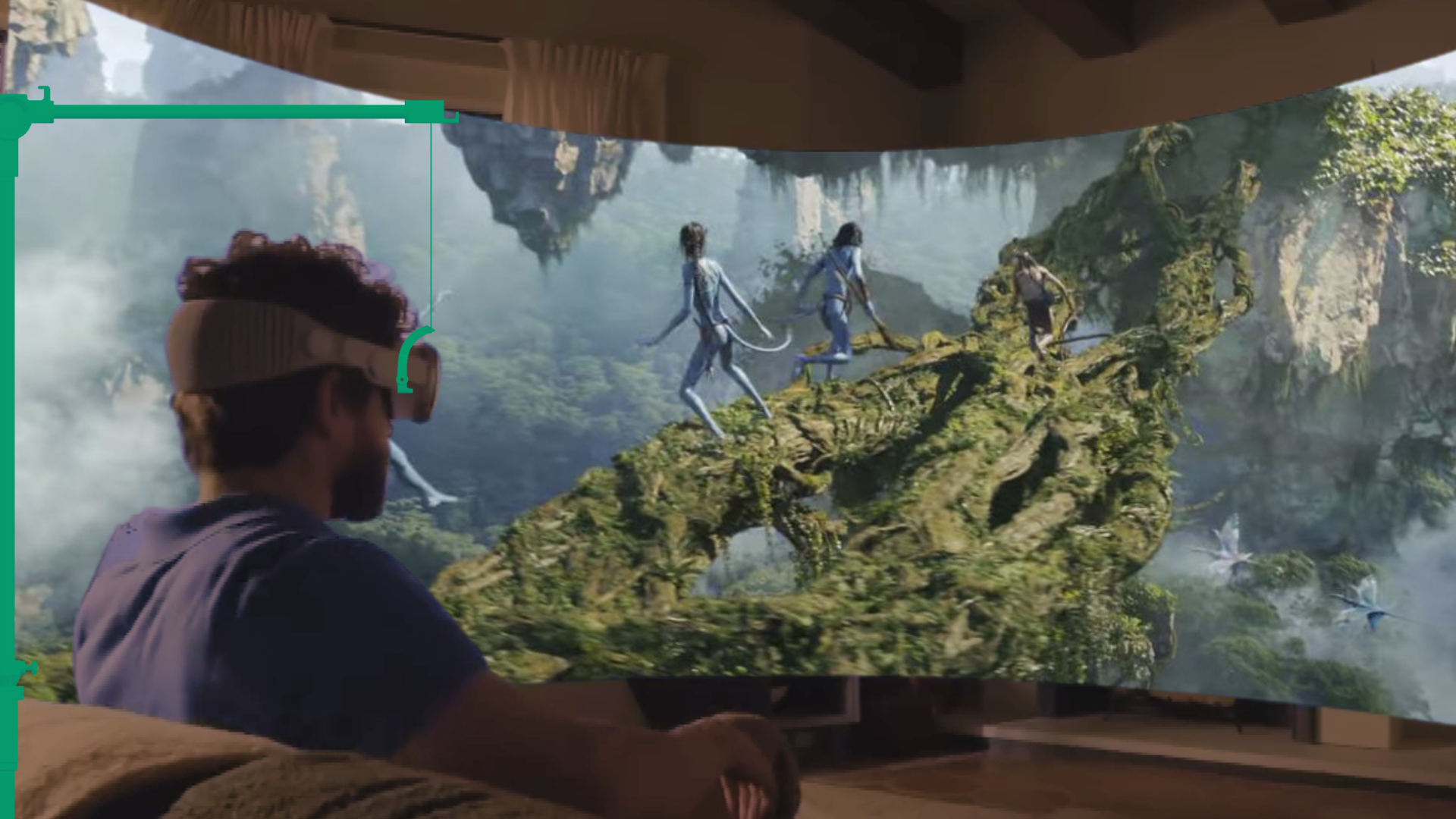
Weightless VR comfort refers to minimizing the headset’s perceived weight and neck load so learners can maintain a neutral posture during immersive sessions. GraviPro’s Dynamic Lifting System shifts headset weight away from the head and neck, which matters in classroom deployments where devices are used repeatedly across multiple learners and longer sessions.
For developers building for Vision Pro in schools, this comfort layer changes design trade-offs: you can safely plan longer, more interactive lessons, accommodate a wider range of learners (including those with mild mobility or neck issues), and reduce the variability introduced by discomfort-related interruptions.
Why Comfort Matters for Developer-Led VR Classrooms
Comfort is tightly linked to learning outcomes. When students aren’t distracted by neck strain or discomfort, they sustain attention, complete tasks more consistently, and report better subjective engagement. For developers, that means fewer confounding variables when measuring learning effectiveness.
Practical constraints and performance standards to adopt for GraviPro-enabled Vision Pro setups:
- Prioritize stable, high frame rates and low latency—aim for the highest consistent frame rate supported by your scene complexity to reduce fatigue and motion blur.
- Keep headset-centric UI elements within a comfortable vertical range to avoid extreme neck tilts; design for neutral head posture as the default.
- Optimize content fidelity to balance immersion and performance—sustained smoothness is often more valuable than raw visual detail in classroom contexts.
Designing Safe, Ergonomic VR Learning Environments
A classroom-ready VR environment combines space planning, seating choices, and software considerations that promote neutral neck posture and reduce risk.
Space and seating guidelines:
- Provide dedicated, uncluttered spaces for VR use with a clear activity radius for seated and standing lessons.
- Prefer adjustable chairs with back support for seated lessons; allow for footstools or risers so participants can keep a neutral spine without straining the neck.
- Mark clear boundaries and sightlines so teachers can monitor learners and intervene quickly if someone appears uncomfortable.
Head/eye tracking and movement:
- Place important content within a comfortable vertical and horizontal field—avoid frequent prompts that require looking far up or down.
- Use head-stabilized HUD elements and contextual cues rather than forcing exaggerated head movements.
- Design locomotion and transitions to minimize vection: prefer teleportation, guided movements, or fade/cut transitions over continuous, artificial motion when possible.
Break scheduling and hazard mitigation:
- Build short, mandatory micro-breaks into lessons (e.g., 2–5 minutes every 20–30 minutes) and require a longer break between intensive modules.
- Train supervising staff to look for early signs of fatigue or discomfort and to help refit headsets as needed.
- Keep first-aid and reporting procedures clear in case of dizziness, nausea, or physical incidents.
GraviPro: The Weightless Comfort Solution for Vision Pro
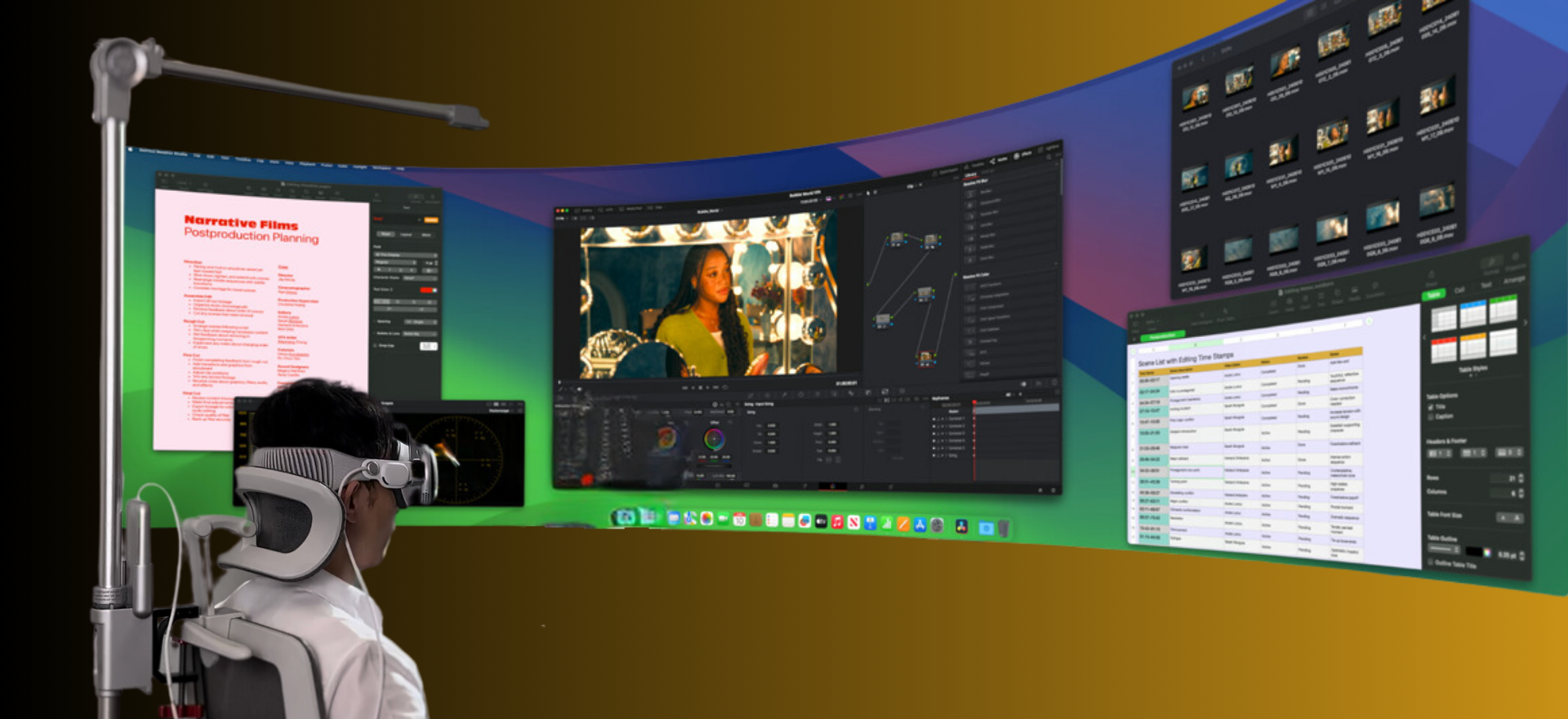
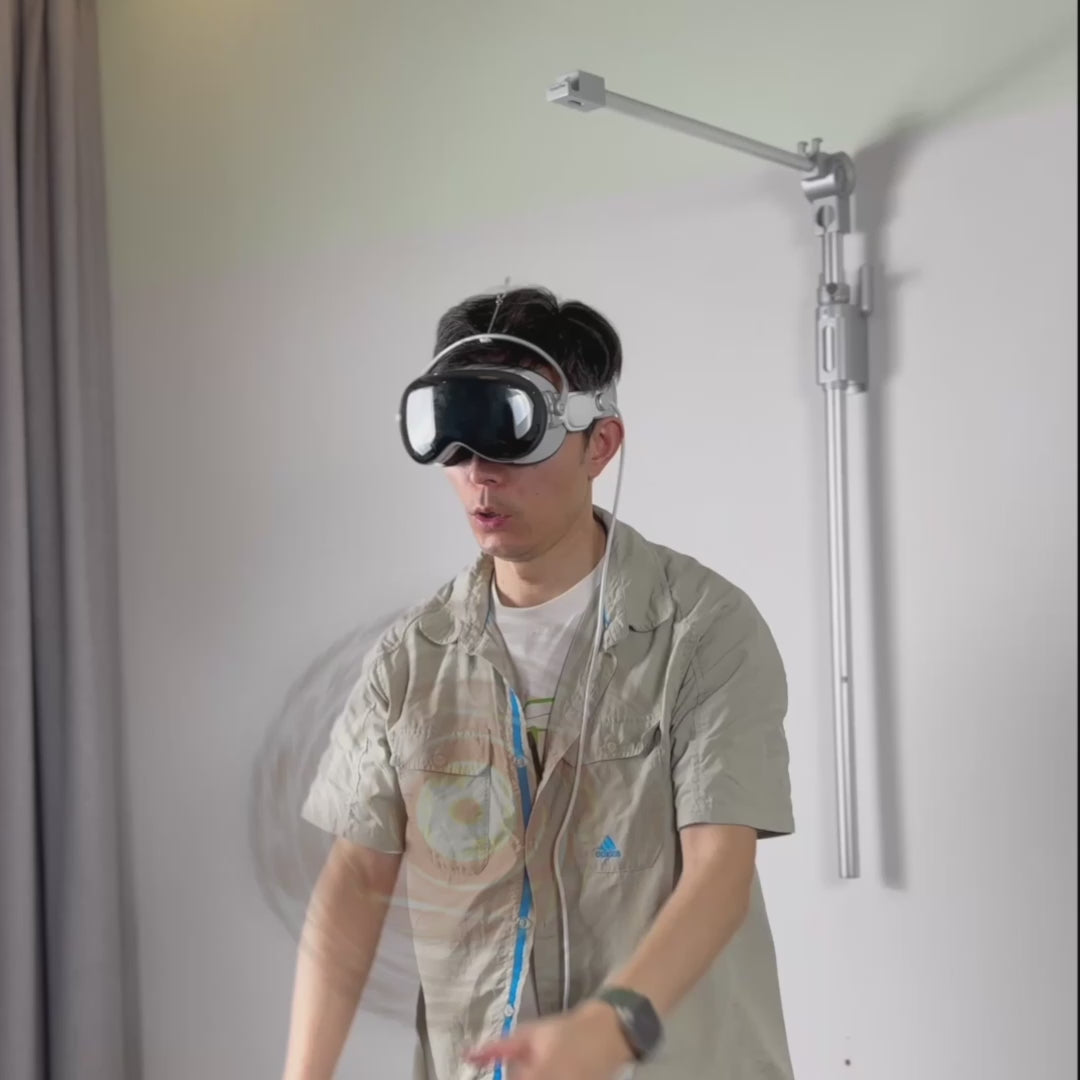
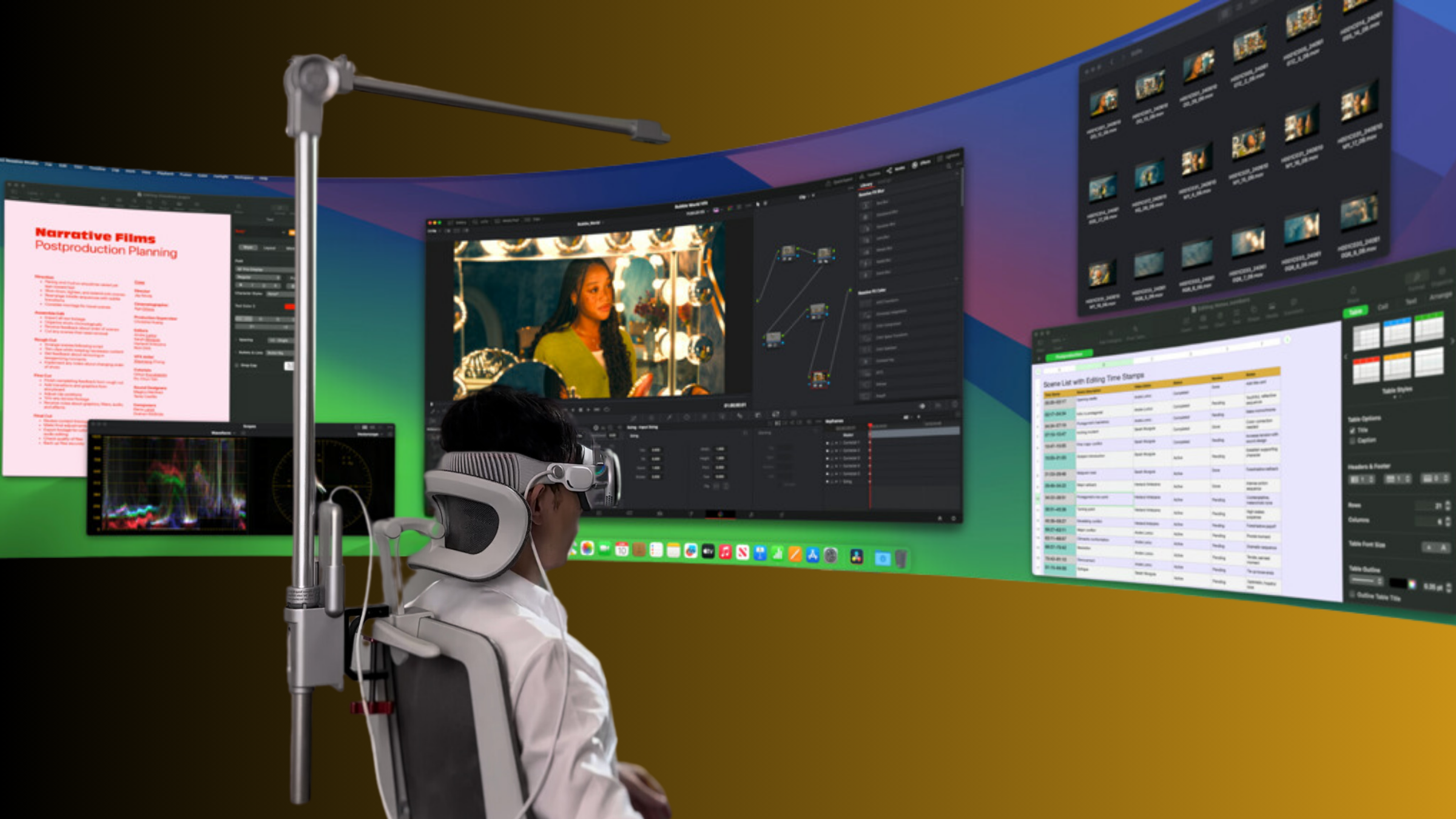
GraviPro’s Dynamic Lifting System is engineered to transfer the physical load of a head-mounted display away from the neck and onto a supportive structure, reducing perceived headset weight and stabilizing balance. In classroom contexts, that translates to fewer interruptions caused by discomfort and a broader range of students who can safely participate.
Key practical notes for schools and developers:
- Compatibility: GraviPro is designed to integrate with Vision Pro mounting ergonomics and should work alongside the headset’s sensors and passthrough capabilities without impeding tracking.
- Deployment: GraviPro is available for educational programs and, in many regions, can be delivered directly to campuses. Early-adopter programs often include support resources and setup guidance to accelerate classroom rollout.
- Operational benefit: by reducing headset settling and slippage, developers can expect more reliable tracking for experiments and assessments that depend on head and eye data.
Complementary Accessories: FlitLift and the Dynamic Lifting System
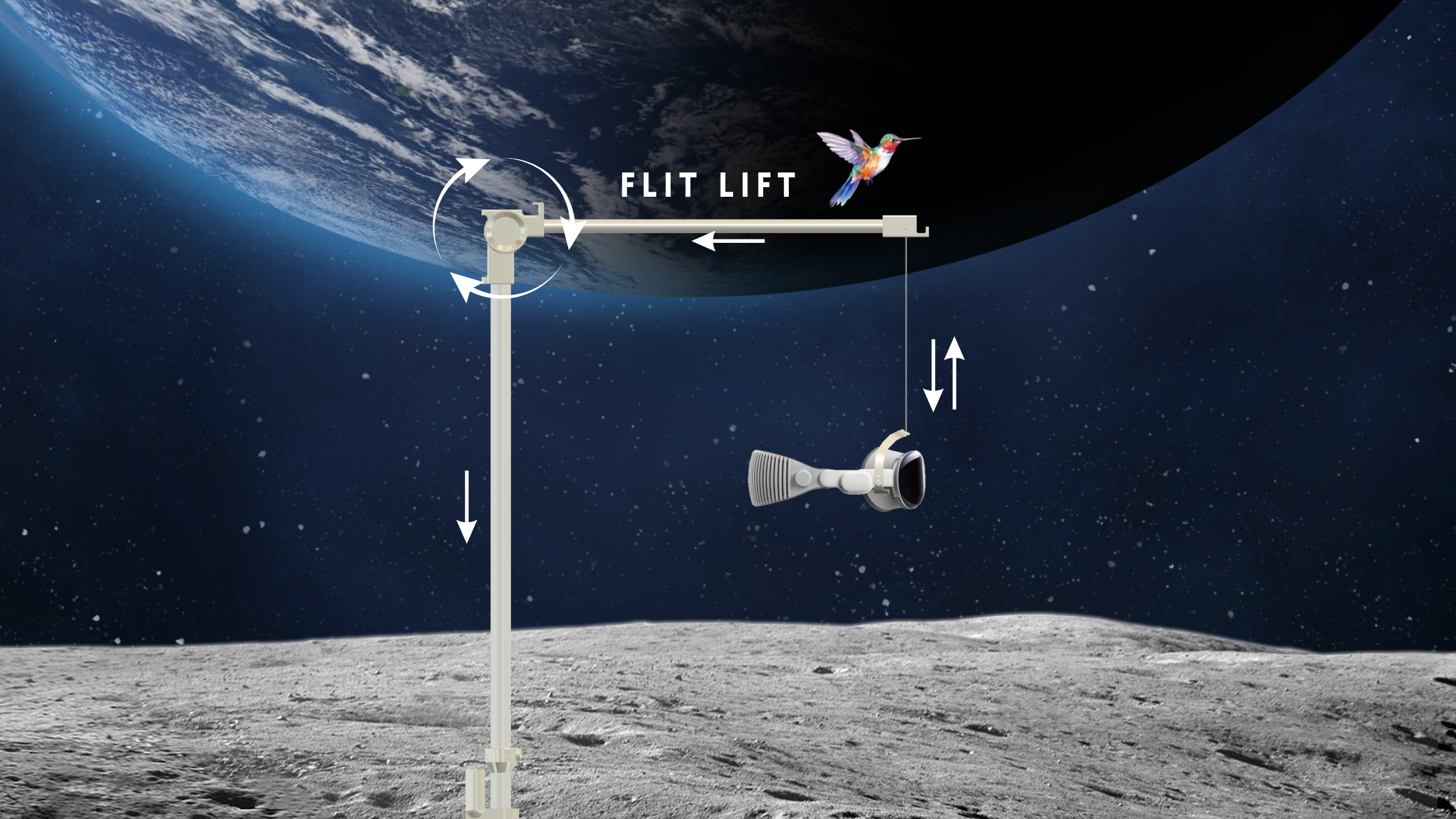
FlitLift is a complementary accessory aimed at improving lateral stability and fine-tuning comfort across different head shapes and classroom scenarios. When paired with GraviPro’s vertical weight transfer, FlitLift helps maintain consistent headset alignment and reduces the need for constant readjustment.
Pairing guidance:
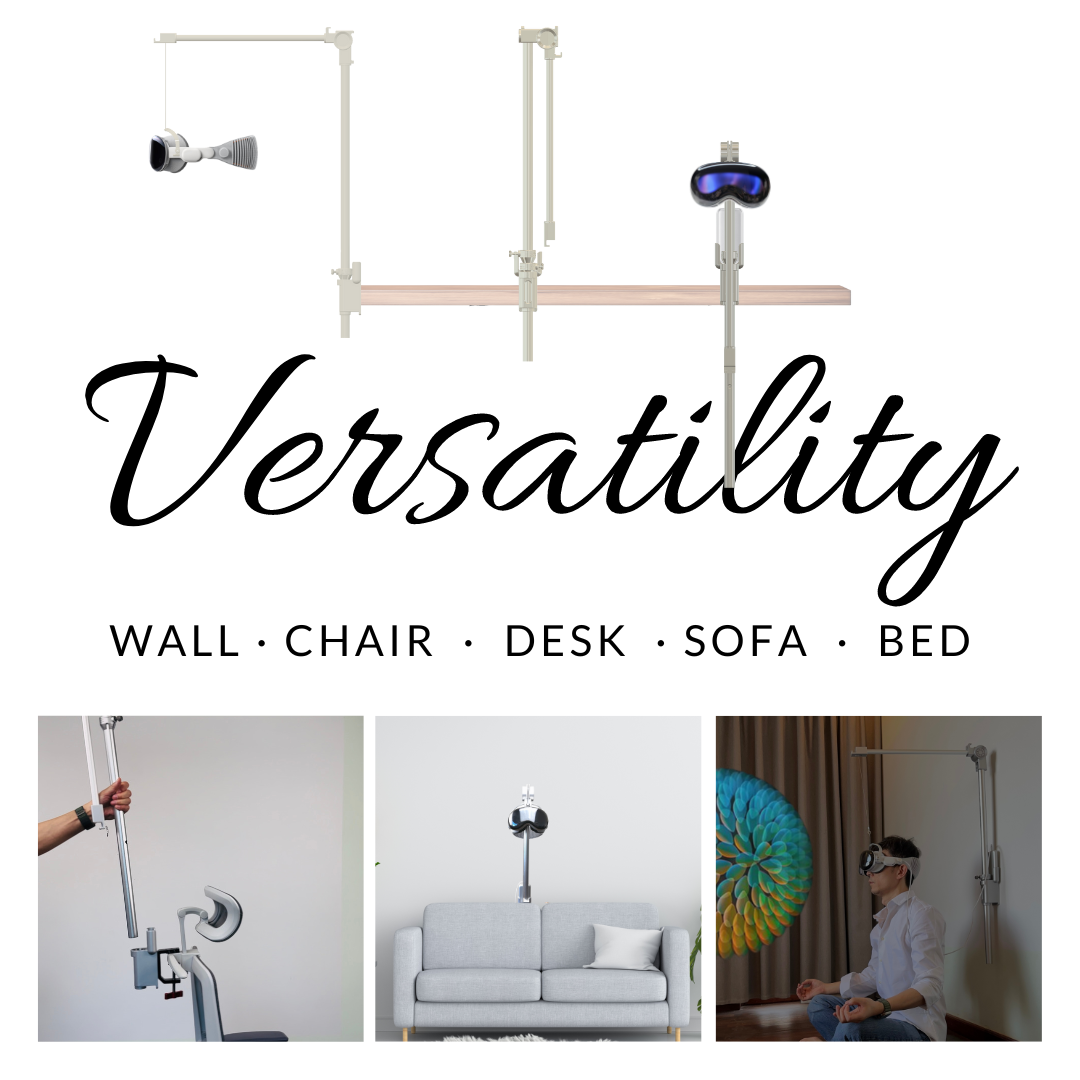
- Small classrooms or one-on-one tutoring: use a single GraviPro mount per station with FlitLift adjustments on each headset for quick swapping between pupils.
- Lab-style deployments: set up multiple GraviPro stations with standardized FlitLift settings and keep a calibration checklist for quick reconfiguration between lessons.
- Mixed-age classrooms: maintain a small range of FlitLift inserts/pads to accommodate different head sizes and hair styles without sacrificing stability.
Real-World Adoption: Early Adopters in Education and Development
Early-adopter schools and edtech teams report several practical wins when adding GraviPro to Vision Pro pilots: longer uninterrupted session times, fewer headset adjustments mid-lesson, and improved subjective neck comfort ratings from students and teachers.
Common outcomes from pilot feedback include:
- Higher average session durations with the same task sets (fewer premature stops for refitting).
- Improved focus during assessments, especially for content requiring head-stabilized interactions.
- Developer benefits: more consistent telemetry (head/eye tracking), which simplifies A/B testing and learning analytics.
Safety First: Mitigating Motion Sickness and Fatigue
To minimize motion sickness and fatigue, pair GraviPro’s ergonomic benefits with deliberate interaction and performance choices.
Design and technical recommendations:
- Movement design: prioritize teleportation, vignette-based turns, or “treadmill” mechanics with clear visual anchors over continuous, high-acceleration locomotion.
- Frame rate and latency: aim for the highest stable frame rate your scene allows and minimize input-to-display latency—smooth visuals are a core anti-sickness strategy.
- Control schemes: use predictable, teacher-moderated transitions for younger learners and provide easy-to-reach comfort controls (recenter, pause, vignette) in all experiences.
Session limits and onboarding:
- Set conservative session lengths for first-time users (for example, 15–25 minutes) and gradually increase as tolerance and familiarity grow.
- Provide short training modules for teachers and students covering headset fitting, safe movement, and how to signal discomfort.
- Require structured breaks and include guided breathing or stretching prompts between modules to reduce cumulative strain.
Implementation Roadmap for Educational Teams
A repeatable pilot plan helps schools and dev teams move from procurement to meaningful classroom use.
- Procurement: determine station count, order GraviPro and FlitLift accessories alongside Vision Pro units, and enroll in early-adopter or educational delivery programs if available.
- Installation: follow a checklist for mounting, calibration, and network setup; run an initial hardware verification with sample lessons to validate tracking and comfort settings.
- Staff training: run hands-on workshops for teachers and technicians covering fit, hygiene, basic troubleshooting, and classroom management during VR lessons.
- Pilot execution: start with small cohorts, collect quantitative and qualitative feedback, and iterate on lesson pacing and environment layout.
Evaluation framework:
- Collect baseline data (pre-pilot comfort, prior VR exposure) and compare against post-session comfort surveys and task performance.
- Establish feedback loops: daily teacher check-ins during the pilot and weekly developer reviews to prioritize fixes and content tweaks.
- Define success criteria up front—student safety, a target engagement increase, or a reduction in headset refit incidents—and measure against them.
Measuring Impact: Engagement, Learning Outcomes, and ROI
To demonstrate value, combine usage metrics with learning outcomes and operational savings.
Key metrics to track:
- Engagement time: average session length and percentage of planned lesson completed without restarts.
- Task completion and accuracy: pre/post assessments, in-experience task success rates, and completion time.
- Comfort and usability: standardized neck comfort and nausea surveys, frequency of headset adjustments, and time spent on device setup per session.
Reporting cadence and stakeholder communication:
- Provide weekly summaries during pilots and monthly reports for broader stakeholders highlighting trends, anecdotes from teachers, and any safety incidents.
- Use visual dashboards for quick readouts (uptime, session counts, average session length) and tie those to qualitative success stories from the classroom.
- Frame ROI in both educational terms (improved learning outcomes, increased engagement) and operational terms (reduced downtime, more predictable lesson pacing thanks to fewer comfort-related interruptions).
By combining ergonomic hardware like GraviPro and FlitLift with developer-minded content design for Vision Pro, schools can run safer, more engaging VR classrooms. Thoughtful implementation—focused on comfort, safety, and measurable outcomes—lets developers and educators unlock immersive learning while protecting students’ wellbeing.
Powered by Trafficontent
Compartir:
Designing Immersive AR UX for Vision Pro: Principles for Intuitive Headset Interfaces
FlitLift vs rival haptics: which device delivers stronger VR immersion