


Petite-Face Friendly Fits: Tailoring Apple Vision Pro with FlitLift for Kids and Adults with Narrow Faces
The Apple Vision Pro opens up remarkable experiences, but for people with narrow faces—children, teens, and many adults—the standard fit can feel heavy, loose, or pinchy. This guide explains how small, practical changes to fit metrics, padding, and FlitLift lift systems can transform the Vision Pro from awkward to comfortable for all-day use without compromising optical performance. ⏱️ 10-min read
Below you'll find clear measurement steps, quick-start setup, adjustments for active wear, guidance for glasses wearers, and a maintenance plan. Each section blends what works for petite anatomy (narrow bridge, shorter temples, higher cheekbones) with real-world examples so caregivers and users can get a confident, repeatable fit every time.
Petite-face fit foundations
Understanding which dimensions matter most will save time and keep children and adults comfortable. For narrow faces, three core metrics determine whether a headset seals, centers, and stays put: nose bridge width and height, temple spacing (the distance between contact points at the sides of the head), and cushion depth (how far soft pads project toward the face).
Narrow bridge width often creates a gap between the headset’s front plate and the nose, causing light leaks, wobble, or the unit to slide downward. A smaller bridge needs thinner, more curved nose pads that can fill space without crowding the nostrils. Temple spacing is equally critical: shorter temple arms and gentler curves let the Vision Pro hug the sides of the head without pinching the area behind the ears or creating hotspots. Cushion depth matters for eye relief—too shallow and the lenses sit too close, causing eyelid contact and blurred edges; too deep and the optical center shifts away, reducing clarity.
Material and weight also matter more for petite faces. Lightweight frames, thin temple arms, and soft silicone pads help the headset feel “one with” the face rather than an external object. FlitLift’s lift systems reduce chin and cheek pressure by redistributing vertical weight to the crown; this is especially helpful when the default shell assumes a larger profile. In short: prioritize thin, responsive padding, flexible nose bridges, and weight management to create a stable, comfortable seal for narrow face shapes.
Measuring and tailoring for children vs adults
Accurate measurements let you choose cushions and adjust straps with confidence. Use a flexible tape and record numbers in millimeters or centimeters; keep hair away from contact points and measure on a neutral, relaxed face.
- Head circumference: Wrap the tape around the largest part of the head—just above the eyebrows and around the occiput. Record in centimeters. Typical ranges: children 5–12: 49–53 cm; teens 13–17: 52–57 cm; adults 18+: 54–60+ cm.
- Temple width (bizygomatic arch): Measure straight across the temples at brow level. Record in millimeters. Baselines: children 110–125 mm; teens 120–135 mm; adults 125–150 mm.
- Nose bridge height: With head upright, measure the vertical rise from the nasal bridge peak to the plane where the headset rests (roughly the upper lip of the nose pad). Bridge height often runs 14–25 mm depending on age.
- Eye relief test: From a seated position, hold a ruler under the eye and note the comfortable distance to the corneal apex—this helps choose pad depth so lenses align with the pupil line.
Quick size-check checklist for caregivers (use phone photos for reference):
- Front photo: tape measure across temples to verify temple width.
- Profile photo: show nose bridge and cheekbone height to check pad placement.
- Overhead photo: confirm crown-to-chin head proportion for strap length decisions.
Children grow—schedule a re-fit every 6–12 months for young kids and annually for teens. Adults can usually re-check every few years or after any changes in hairstyle, weight, or dental work that affects cheek or jaw contours.
FlitLift setup and fit adjustments for Vision Pro
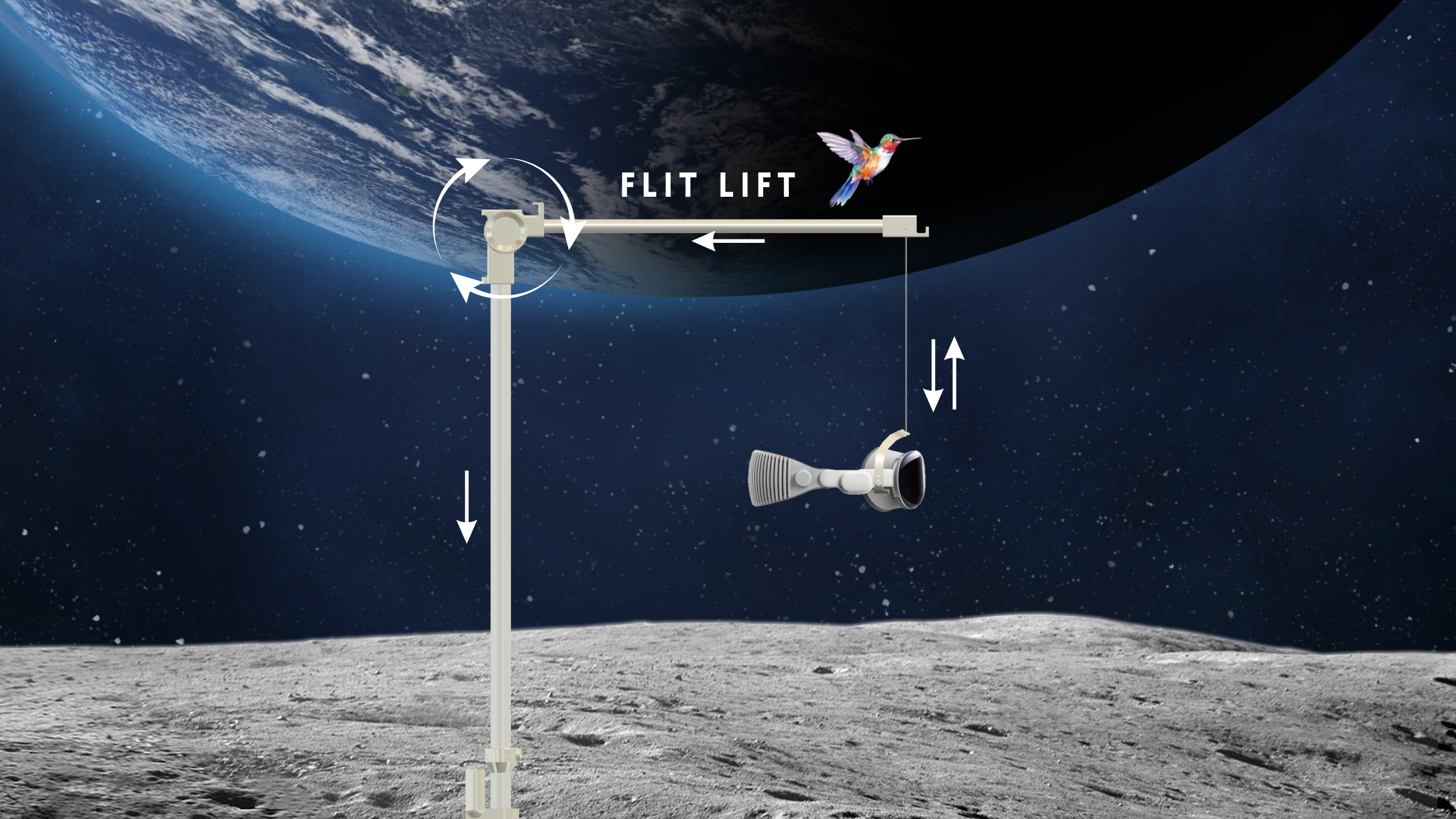
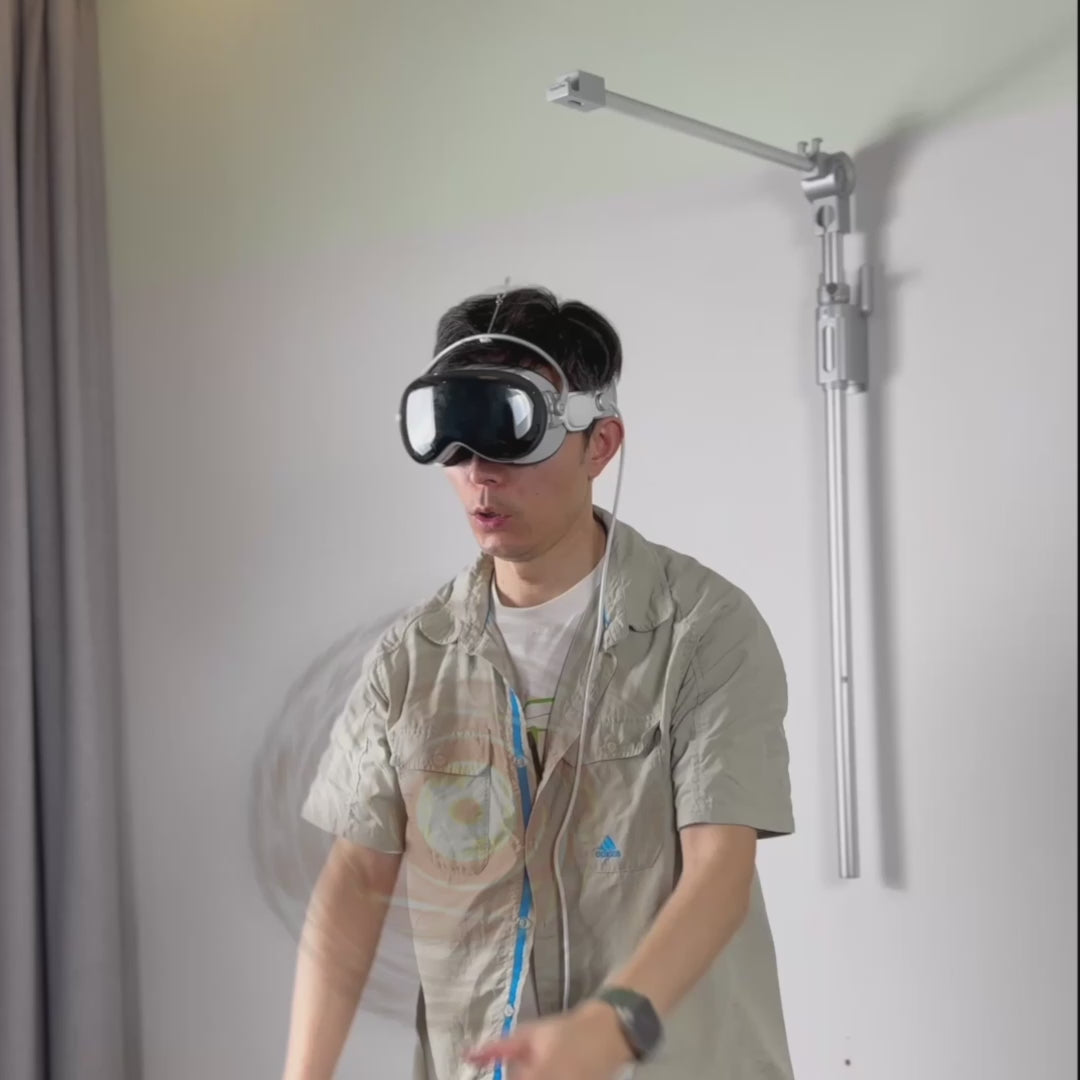
FlitLift is designed to make Vision Pro feel lighter by lifting weight from the face and redistributing it across the crown. For petite faces, the key is to use FlitLift’s modular pads and lift settings to eliminate chin pressure and reduce cheek squeeze, while preserving lens alignment.
Quick-start setup (five practical steps):
- Select the base size. If between sizes, start with the smaller option to minimize cheek gaps. Confirm temple width matches the narrow frame before proceeding.
- Set cushion depth and nose pads. Choose the thinnest pad that avoids lens contact with eyelashes but still centers each pupil in the optical window. For very small bridges, use low-profile silicone pads or spacing shims rather than thicker foam.
- Adjust FlitLift lift tension. Increase lift just enough to remove chin pressure; too much lift can shift the lens alignment upward. Aim to feel most of the weight on the crown, not the face.
- Tune strap tension evenly. Tighten each side incrementally and test—avoid over-tightening which creates hotspots behind the ears. FlitLift’s adjustable crown straps are especially useful for narrow skulls; position them to distribute load across the upper head.
- Validate alignment. With the device on, look straight ahead and confirm both pupils fall in the center of each lens. Move your head through natural motions—nodding, turning, walking—to ensure the headset remains stable and doesn’t rock or tilt.
Troubleshooting tips: if the headset rocks during downward gaze, try raising the nose pad slightly or increasing temple padding; if cheek pressure appears, rotate side pads outward to broaden contact area. For children, make small adjustments and test for 10–15 minutes, then reassess. FlitLift compatibility varies by head shape—its lift system works best when the crown strap can engage the top of the skull; very low hairlines or certain ponytails can affect performance, so adjust strap placement accordingly.
Long-session comfort and active use
Using Vision Pro for extended periods—classroom tours, long gameplay, or family viewing—requires deliberate strategies to manage heat, moisture, and attention. For petite faces, small choices about padding, ventilation, and break cadence can dramatically improve tolerance for longer sessions.
Eye comfort and screen settings
- Limit peak brightness for children and sensitive users. Start at a lower brightness and raise in small increments until the image is clear without glare.
- Use ambient lighting that reduces pupil dilation; dim rooms force higher display luminance which increases eye strain.
- Schedule micro-breaks every 20–30 minutes: 2–3 minutes to rest eyes, wipe sweat, and check pad alignment.
Thermal management and padding
Choose breathable face pads and vented inserts—FlitLift’s breathable padding and vent modules help move air around the nose bridge and cheek areas, reducing trapped heat and sweat. Swap or rotate thin temple cushions between sessions to prevent compression set of the foam. Add a thin, moisture-wicking liner or headband under the crown strap; avoid cotton next to the skin as it holds moisture. For active scenarios—walking tours or light exercise—loosen the strap slightly to relieve pressure points, and tighten the FlitLift lift moderately to keep the center of mass over the crown so the headset does not slide.
Motion testing and calibration
After initial adjustments, simulate the intended activity: look up and down, walk briskly, and bend to pick something up. If the headset shifts, revisit strap balance and consider adding micro‑padding behind the temples. For kids who fidget, establish a short “fit checklist” they or a caregiver can run through before use: pad alignment, strap snugness (thumb test), and pupil centering—this builds a habit that keeps fits consistent across sessions.
Kids vs adults: different fit and usage considerations
Children and adults need different fit philosophies even when they share narrow facial features. Children’s faces change quickly; growth alters cheek, nose, and jaw geometry, making adjustable, modular components essential. Adults typically require finer adjustments to avoid pinching and to maintain long-session comfort.
Safety and supervision for children
- Always supervise children during use. Set clear rules for sitting during heavy head motion or standing tasks that could cause a fall if dizzy.
- Recheck fit at the start of each session—pads settle and straps loosen, especially after active use.
- Keep session lengths conservative for young children: multiple short visits (10–20 minutes) instead of a single long session is safer and more comfortable.
Practical scenarios and adjustments
Classroom tours: use FlitLift to keep the headset steady during standing or walking demos. Choose thinner pads for rows of students, and sanitize liners between uses. Family trips: assign adjustable crown straps and quick-release settings so different family members can swap headsets easily without a lengthy refit. Growth management: for kids, choose modular nose pads and keep spare thin and thicker sets—replacing or adding shim pads can bridge growth gaps between fittings. For teens, check fit seasonally; orthodontic work or hairstyle changes can alter how temple tips and straps sit.
Parental involvement is critical: helping a child learn to place the headset correctly, teaching them to stop use if vision blurs or the headset feels uncomfortable, and keeping replacement pads on hand will keep experiences positive and safe.
Glasses wearers and eye relief
Many small-faced users also wear glasses. Vision Pro can be used with glasses, but narrow facial geometries make achieving ideal eye relief and avoiding temple pressure more challenging. The goals: keep optical centers aligned for both eyes, avoid lens-to-glass contact, and prevent temple pinching.
Techniques that work
- Start with the thinnest acceptable nose pad to maximize interior space. If you can fit, use thin prescription lens inserts where available—these keep the optical system simpler and reduce pressure from frame temples.
- Adjust temple tips to sit behind the ears without forcing the glasses frame into the headset’s temple area. Adding low-profile foam between the headset temple and the glasses arm can prevent rubbing and distribute pressure more evenly.
- For anti-fogging, use a gentle, anti-fog solution on glasses or choose moisture-wicking liners. Ensure the headset pad seal allows some airflow near the top to reduce fog buildup.
Eye relief tuning
Begin with a slightly farther eye-to-lens distance than you might use without glasses; this avoids crushing glasses against the lenses. Then, incrementally move the nose pad and adjust pad depth until both pupils are centered in the optics. If you notice one eye clearer than the other, check for pupil asymmetry and shift padding laterally in small amounts rather than changing overall strap tension—minor misalignments often come from uneven temple pressure.
Temple pressure avoidance
If the headset creates discomfort behind thin ears or along the temple, rotate the temple pads slightly forward or backward to broaden contact area. Replace thick, compressive foam with low-compression memory foam that conforms without squeezing. For persistent contact issues, consider prescription inserts or slimmer glasses frames designed specifically for headset compatibility.
Care, maintenance, and accessories for ongoing comfort
Comfort is an ongoing commitment. A simple maintenance routine keeps pads hygienic, maintains fit geometry, and extends the life of cushions and straps—especially important when sharing the device among family members or students.
Cleaning and replacement schedule
- Daily: wipe the frame and non-lens surfaces with alcohol-free wipes; air-dry. Remove visible sweat and oils from pads after use.
- Weekly: remove washable liners and hand-wash with mild soap; air-dry fully before reattaching. Check for compressed foam, rips, or delamination.
- Monthly: inspect nose pads, temple tips, and headband cushions. Replace any pieces showing permanent compression, cracking, or loss of shape.
Storage and handling
Keep the Vision Pro and FlitLift components in a rigid case or padded pouch to preserve geometry. Do not leave pads compressed under weight or in direct sunlight; heat will deform foams. When cleaning, avoid submerging fixed electronics—remove only washable, detachable liners.
Accessory choices and bundling
FlitLift offers washable headband covers and moisture-wicking liners tailored for active or pediatric use. Nose pad kits with multiple thicknesses let you adapt as kids grow. Temple tip replacements and thin foam kits preserve a narrow profile while solving hotspots. When bundling, prioritize lightweight, washable items over heavy decorative covers—those add bulk and alter the fit. Investing in a spare set of pads and a travel kit pays off: you can rotate cushions for longer wear, have backups during sanitation cycles, and maintain consistent fit quality.
Next step: take your measurements, pick one small pad change, and test for 15 minutes. Small tweaks—an added shim, a crown strap adjustment, or swapping to a thin pad—often yield the biggest comfort gains for narrow faces.

Compartir:
GraviPro in the Workplace: Ergonomic VR Solutions for Training, Meetings, and Collaboration
Designing Immersive AR UX for Vision Pro: Principles for Intuitive Headset Interfaces