

Beyond the Headset: A Practical Guide to the GraviPro and Flit Lift Ecosystem for Weightless, Longer VR Sessions
Long VR sessions hinge on one thing most users don’t think about until the pain starts: how the headset’s weight moves across your body. GraviPro and Flit Lift are designed to move that load off your neck and into your torso, giving you steadier tracking, less fatigue, and more immersion. This guide breaks down what dynamic lifting is, how both systems work alone and together, and concrete steps to set, tune, and maintain a comfort kit that keeps you playing longer without the usual aches. ⏱️ 10-min read
Whether you’re a VR gamer chasing marathon runs in shooters and rhythm games, a sim pilot logging hours in cockpit sims, or a developer integrating comfort hardware into an app, you’ll find practical advice here: what to expect from the hardware, how to calibrate it, and when to pair or separate components for the best results.
Understanding Dynamic Lifting and Weight Distribution
Weight in VR isn’t static. As you turn, lean, or jog in a play space, the headset’s mass and any front-mounted sensors create a dynamic load that shifts between your head, neck, chest, and back. Left alone, that anterior load — especially with cameras and batteries mounted forward — pulls the head into extension and forces neck extensors to work harder. Over time this produces soreness, decreased control, and jitter in tracking caused by micro-adjustments your muscles make to compensate.
Dynamic lifting changes the problem by actively redirecting some of that load from your cervical spine to stronger structures: the shoulders, thorax, and pelvis. Instead of relying only on thicker face padding or a tighter rear band, systems like Flit Lift and GraviPro use harnesses, belts, and micro-actuation to create counter-tension or steady lift. The goal is not to make the headset weight disappear — you’ll still feel resistance — but to change which muscles carry it so your neck stops doing the heavy lifting.
This shift matters for posture and center-of-gravity (COG). When your COG stays near your base of support (feet or chair), you minimize sway and maintain steadier head tracking. Small changes matter: a belt that routes weight to the torso reduces forward pitch during rapid turns, and adaptive tension that responds to steps prevents sudden tugging when you move. Expect a brief learning curve — your body will relearn how to move with redistributed forces — but the payoff is longer sessions with less fatigue.
GraviPro: Dynamic Lifting System Explained
GraviPro is built as a modular, active balance system: a torso harness, synchronized micro-actuators, a sensor suite, and a compact control unit running balance algorithms. The harness is padded and adjustable to fit a wide range of body sizes, with quick-connect points for accessories and cable channels to keep cords tidy. The four actuators apply controlled lift and tension, delivering millisecond-scale responses when the system detects movement.
Sensors are the nervous system — IMUs, force sensors, and encoders feed pose and load data back to the control unit so the system knows when you’re stepping, turning, or changing posture. That data enables GraviPro to preemptively apply counter-tension and keep your torso upright while centering the headset’s front weight. Built-in safety stops and redundant sensors prevent over-extension, and the control unit receives firmware updates through a companion app so balance profiles can improve over time.
Compatibility is an important practical note. GraviPro supports modern headsets through standard mounting points and adapters; Vision Pro compatibility is achieved via dedicated adapters and attention to passthrough components. When mounting, prioritize a neutral baseline: get the harness snug and the actuator mounting centered behind the headset so forces are symmetrical. Expect a short calibration sequence on first use to synchronize timestamps between sensors and to tune tension gains for your body and headset configuration.
Flit Lift: Weightless Comfort in Action
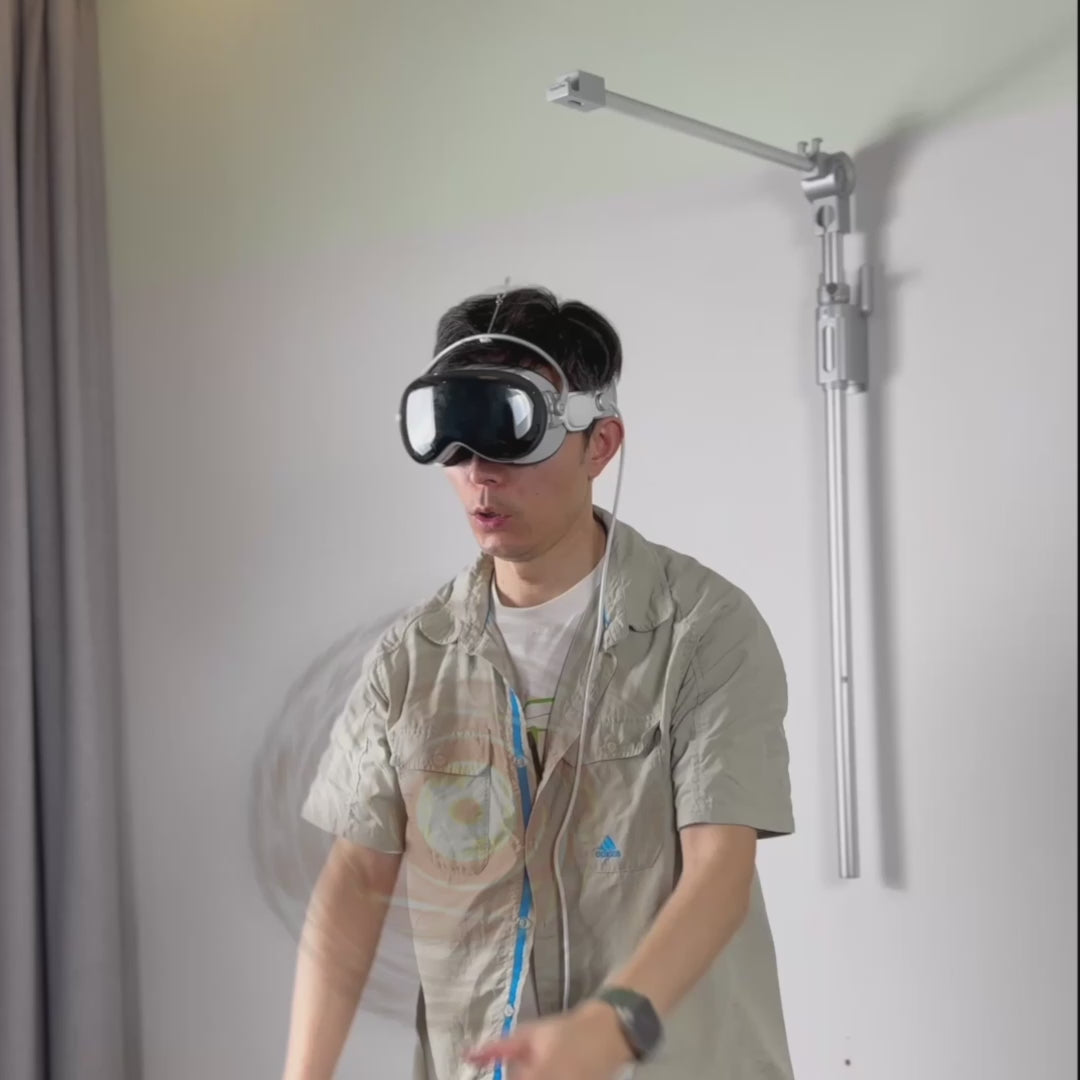
Flit Lift approaches comfort with a lightweight, micro-adjustable lifting mechanism that shifts a portion of headset weight from your neck to a hip-mounted belt. The perceptual result is a “weightless” feel: head turns are smoother, and rapid movements that previously induced tugging feel less jarring. Its low-profile connection to the torso minimizes drag so you can lean forward, crouch, or sprint in-room with minimal interference.
The hardware is deliberately simple to fit quickly into a VR routine: a breathable mesh belt, adjustable shoulder straps, and memory-foam padding where the system contacts your body. Quick-release buckles and detents make repeatable fit easy across sessions. Flit Lift includes adapters for popular headsets — including Vision Pro adapters — and can accommodate belt-mounted battery cradles for extended play without hanging cables or external battery packs around your neck.
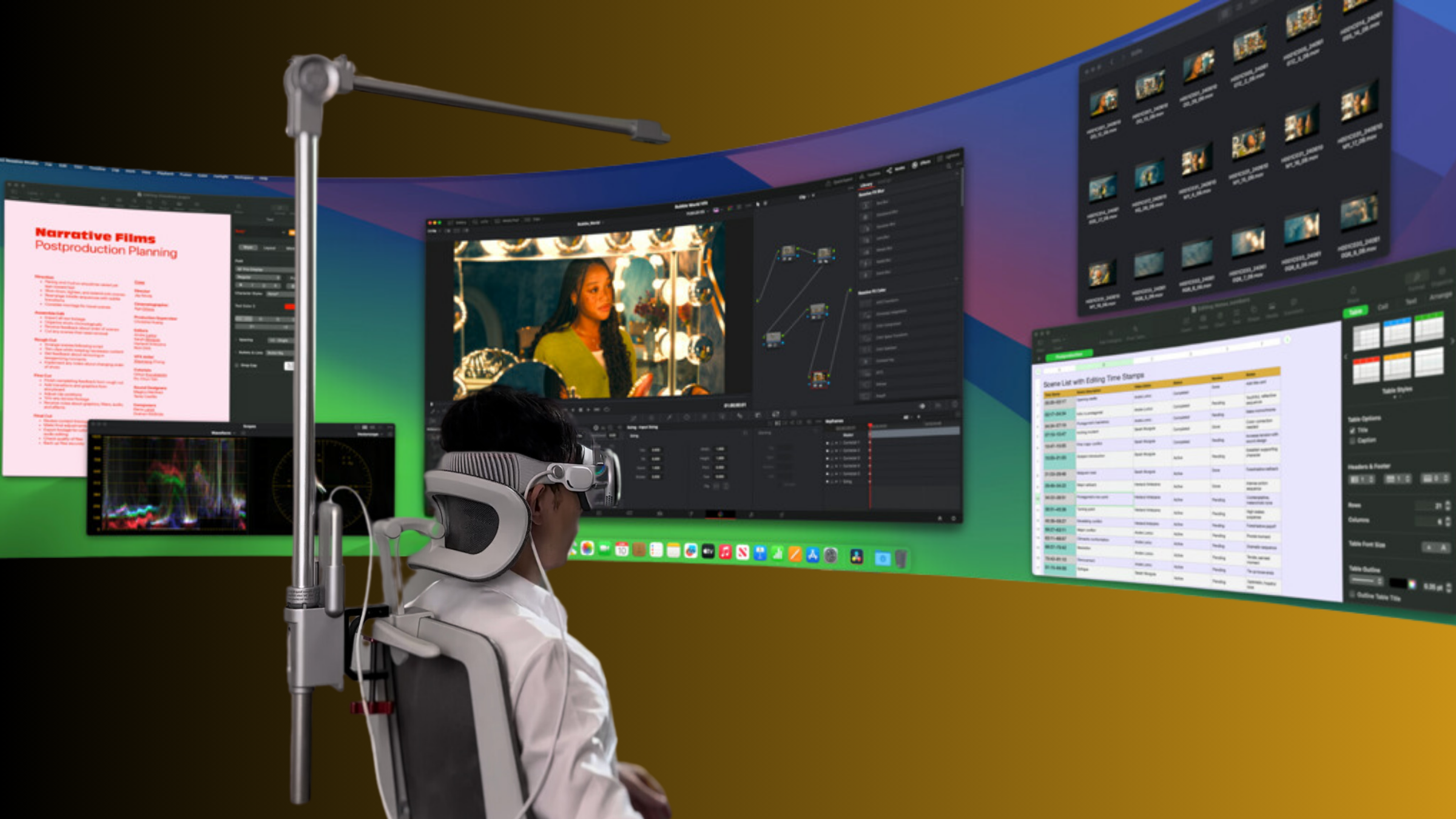
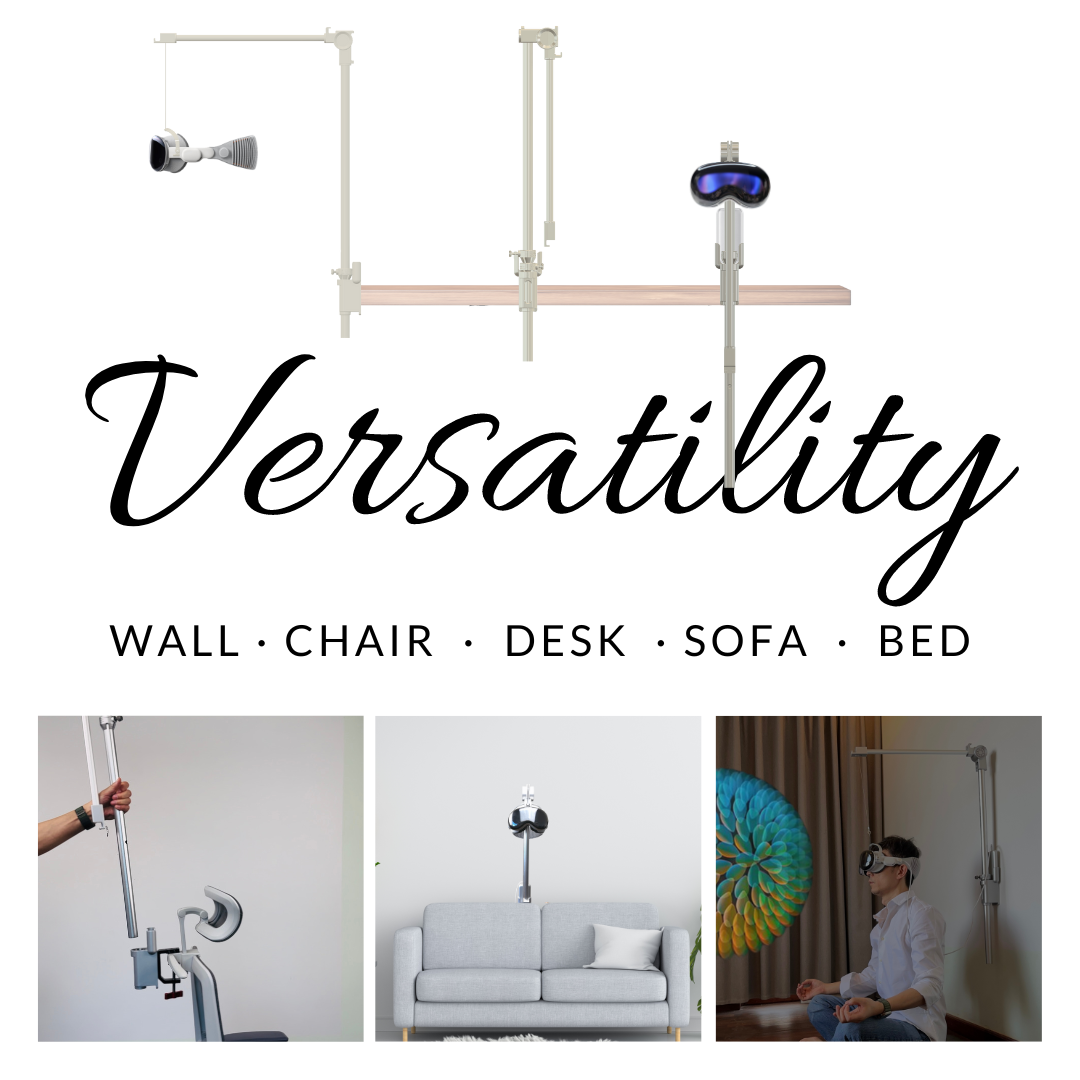
Where Flit Lift shines is in real-world gaming scenarios. In high-intensity shooters and rhythm games, users report steadier head tracking during rapid turns because the lift reduces anterior torque. In sims and exploration titles, the reduced neck strain allows players to maintain immersive posture for longer stretches. The system supports both seated and standing play: seated use benefits from reduced neck tension when scanning instrument panels, while standing play reduces sway during locomotion.
Interoperability: How GraviPro and Flit Lift Work Together
GraviPro and Flit Lift are designed to be complementary: GraviPro offers active, multi-point tensioning and balance algorithms, while Flit Lift provides a consistent, passive lift routed to the torso. When paired correctly, they produce a cohesive comfort profile that feels almost invisible — the systems share load data, synchronize timing, and tune responses so lift and tension act in concert rather than fighting each other.
Integration starts with physical routing: use shared mounting points when available and run cables along the harness to avoid snagging. Power planning is critical — run separate power sources where possible and avoid daisy-chaining, which can complicate resets and increase heat. Time-synchronization between devices prevents lag: both systems timestamp sensor data so GraviPro’s actuators and Flit Lift’s belt response apply in the same motion window. A joint calibration sequence — neutral posture, small motion set, then full-range movement — will reveal misalignments quickly.
There are practical modes you’ll use: independent operation (test one system at a time), combined mode (both active with conservative gains), and phased mode (start with Flit Lift passive support, then enable GraviPro’s dynamic compensation). Avoid over-constraint by not cranking both systems to maximum; instead, tune one parameter at a time and save a combined profile. If you feel the headset is being pulled awkwardly or tracking stutters, temporarily reduce gains or revert to a single system while debugging cabling, power, or firmware mismatches.
Setup and Ergonomics: Getting the Most from Your Comfort Kit
Proper setup turns powerful hardware into a comfortable experience. Begin with sizing: adjust the harness so the torso padding sits low enough to anchor forces without riding up under your ribs. The crown pad on your headset should rest comfortably; forehead straps should be snug but not pinching; cheek pads must seal without creating pressure points. Use the following step-by-step checklist to calibrate for immediate improvements.
- Stand tall with a neutral neck and relaxed shoulders. Have a partner check alignment or use a mirror for visual feedback.
- Put on the headset, then fasten Flit Lift’s belt so it feels like a stable foundation — hip-level contact helps route weight into the pelvis.
- Attach GraviPro’s harness and run the initial calibration from the companion app. Perform the short motion set included: nod, yaw, and take a few steps in place.
- Adjust tension targets. Start conservative — enough to feel support but not to pull the headset. Increase in small increments until the headset feels centered during turns and steps.
- Test in both seated and standing modes. If you’re a mixed-mode user, save separate profiles for each.
Ergonomics extend beyond straps: posture matters. Keep your chest open, shoulders relaxed, and pelvis neutral. For seated play, support your lower back and keep your feet flat; don’t rely on the harness to correct poor posture. During long sessions, take micro-breaks to roll the shoulders and flex the neck. A well-tuned kit reduces compensatory neck muscle work so these breaks get shorter and less frequent.
Early Adopters: Real-World Experiences and Testimonials
Users who adopted dynamic lifting early report tangible gains: reduced neck soreness after marathon sessions, fewer tracking jitters during quick throws and turns, and smoother transitions when switching between apps. One sim pilot noted that instrument scanning felt more natural because the headset no longer sagged during downward gaze; another rhythm-game player cited better control in high-tempo sections because head movements were less damped by neck strain.
The initial learning curve is real. Expect 20–40 minutes for the first full setup: fitting the harness, mapping tension gains, and saving preferred profiles. Many users describe the second-week turnaround as the moment the gear “becomes part of your body” — fits become repeatable, and fine-tuning sessions shorten. Common pitfalls include asymmetric strap routing, cables catching on clothing, and setting gains too high so the system fights natural movement. The remedy is simple: re-center the baseline, reduce gain, and test again.
Maintenance matters: early adopters who report the best longevity keep a quick checklist — inspect straps before each session, wipe down pads, and tighten fasteners monthly. Swapping in fresh padding every 6–12 months keeps seals and comfort consistent. In communities, users exchange tuned profiles for different games — one profile for seated sims, another for competitive shooters — illustrating how adaptable these systems are when treated as part of your routine rather than an add-on you ignore.
Developer’s Guide: Integrating GraviPro with VR Headsets
For developers, GraviPro adds a powerful axis of hardware-based comfort that you can expose to apps through SDKs and plugins. GraviPro ships with Unity and Unreal plugins and a lightweight native SDK; sample scenes demonstrate best practices for threading, data handling, and calibration. The core integration points are feedback loops, pose alignment, and safety fallbacks.
Keep processing local where possible: run balance computations on a dedicated thread to avoid blocking the main render loop. Batch messages and avoid expensive serialization; small, deterministic updates aligned to frame cadence minimize perceived latency. Insert latency probes during QA to measure end-to-end time from motion event to actuator response and build thresholds into your app for acceptable ranges.
Testing must include human factors: recruit testers across body types, headset configurations, and motion profiles. Measure comfort impact empirically — track session lengths, self-reported fatigue, and objective tracking stability (jitter metrics). Respect privacy: minimize data collection, process pose and force data on-device when possible, and encrypt telemetry that leaves the device. Finally, provide graceful degradation: if GraviPro disconnects or reports an error, the app should fall back to a neutral comfort profile and notify the user rather than trying to correct posture abruptly.
Choosing Your Comfort Gear: Ecosystem, Recommendations, and Outlook
Think of comfort gear as an ecosystem: a face pad, a strap or harness, cable management, and optional dynamic lifting components. Start with a core setup — a quality face pad and a reliable strap — then add lifting systems if you want longer sessions without neck strain. Compatibility is the first purchase filter: pads and straps designed for Quest or Pico may not seal correctly on Vision Pro. Look for modular kits with standardized mounts, or vendor-provided adapters for your headset.
Budget wisely. Starter kits include a face pad, an adjustable strap, and basic cable management and are excellent for new users. Power users should plan a roadmap: premium pads (memory foam or gel), breathable harnesses, Flit Lift for passive weight routing, and GraviPro for active balancing. When evaluating value, consider proof points: third-party tests that report reduced neck torque, realistic warranty terms, and an easy parts-replacement policy. Durability comes from serviceable parts — replaceable pads, modular straps, and clear maintenance guidelines make a kit last years.
Maintenance and future-proofing are part of the purchase decision. Follow these quick rules: wipe non-electronic surfaces after sessions; deep clean fabric covers with mild soap and air-dry; inspect wear components quarterly and plan to replace heavily used pads every 6–12 months. For batteries, avoid deep discharges and store at mid-charge if unused for months. Look for vendors that publish firmware updates and provide clear upgrade paths; this ensures your kit improves over time, not becomes obsolete.
Next step: if you’re curious, start with a trial session using a Flit Lift passive belt to feel the difference, then step up to GraviPro or the combined mode if you need active dynamic compensation. Save profiles for your favorite games, and treat the setup time as an investment: a well-tuned comfort kit will repay hours of pain-free immersion.

Share:
Flit Lift and Unreal Engine: Optimizing Immersion During Extended VR Use
Sweat-Proofing Vision Pro: Keep It Comfortable Through Intense Workouts